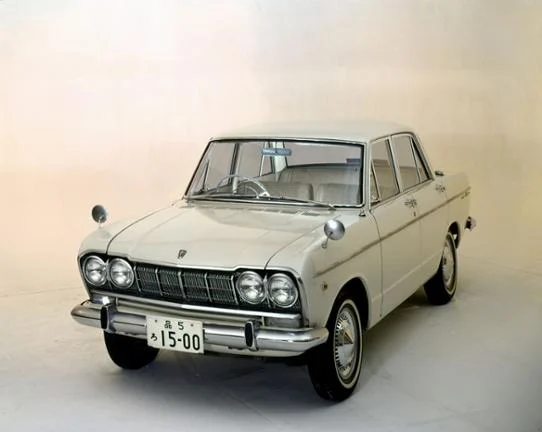
Only 100 S54A-1 Skyline GTs were built, just enough to homologate a straight-six squeezed into a sedan stretched 200 mm at the cowl.
Median 180 hp across 131 similar cars
Lead trim: 1.5 L G-1 (68 hp, 1963–68) · up to 123 hp
Nissan Skyline S50/S54 second generationS50/S54/S56/S57 · 1963–1968
- 0spots by members
- Unclaimednobody has spotted one yet
- 0sets it belongs to
Nobody in Burbles has spotted a Nissan Skyline S50/S54 second generation yet. See one on the street, point the app at it, and the first card is yours — with your @handle permanently credited on this page.
FactOnly 100 S54A-1 Skyline GTs were built, just enough to homologate a straight-six squeezed into a sedan stretched 200 mm at the cowl.
Launched in September 1963 as the S50 Skyline Deluxe (the Standard followed in April 1964, aimed at taxi operators) after Fuji Precision Industries renamed itself Prince Motor Company, with the 1.5 L G-1, three-speed column shift and four-speed floor shift from February 1965 and a two-speed automatic option added to the Deluxe in June 1966. The S50-1 (1964–66), S50-2 (1966–67) and S50-3 (1967–68) shared the engine; the range was also sold as the A150 and PMC-Mikado A150 in export markets and became the Nissan Prince Skyline after the August 1966 merger. The Skyline GT (S54) launched in May 1964 put the Gloria S41's G-7 straight-six into an S50 body stretched 200 mm forward of the cowl, and took second to sixth behind a Porsche 904 in the second Japanese Grand Touring race on 3 May 1964; only 100 S54A-1 (92 road cars, eight racers) were built for homologation, followed by the 2000GT road cars in February 1965 (GT-A and GT-B). The S57 of August 1966 brought the OHC 1.5 L G15 with 88 PS, the strongest engine in the 1,500 cc class in Japan; the S56 diesel was for Europe and Asia.
Collectors Spotted in the Nissan Skyline Lineage
No member has published a public street spot of the Nissan Skyline yet — the First · Worldwide stamp is wide open.
Trims & Figures
5 published trims in the catalogue. A blank is a figure not recorded, not zero.
| Trim | Years | Engine | Power | Torque | 0–60 | Drive | Gearbox | MSRP |
|---|---|---|---|---|---|---|---|---|
| 1.5 L G-1 (68 hp, 1963–68) | 1963–1968 | 1.5 L Inline-4 | 68 hp | — | — | RWD | — | — |
| 1.5 L G15 OHC S57 (87 hp, 1966–68) | 1966–1968 | 1.5 L Inline-4 | 87 hp | 88 lb-ft | — | RWD | — | — |
| 1.9 L D-6 diesel S56 (55 hp) | 1966–1967 | 1.9 L Inline-4 | 55 hp | — | — | RWD | — | — |
| 2000GT-B S54B 2.0 L G7-B triple-Weber six (123 hp, 1965–68) | 1965–1968 | 2.0 L Inline-6 | 123 hp | 123 lb-ft | — | RWD | — | — |
| Skyline GT S54A-1 2.0 L G7-A six (104 hp, 1964) | 1964–1965 | 2.0 L Inline-6 | 104 hp | 116 lb-ft | — | RWD | — | — |
Owning one
We don’t estimate running costs for a car like this. What it costs depends on its condition, its specialist and how it is driven, and an average would mislead.
Owners’ builds
Nobody has claimed one yet.
In the Community
Open CommunityNo notes tagged with the Nissan Skyline S50/S54 second generation yet.
Photographs
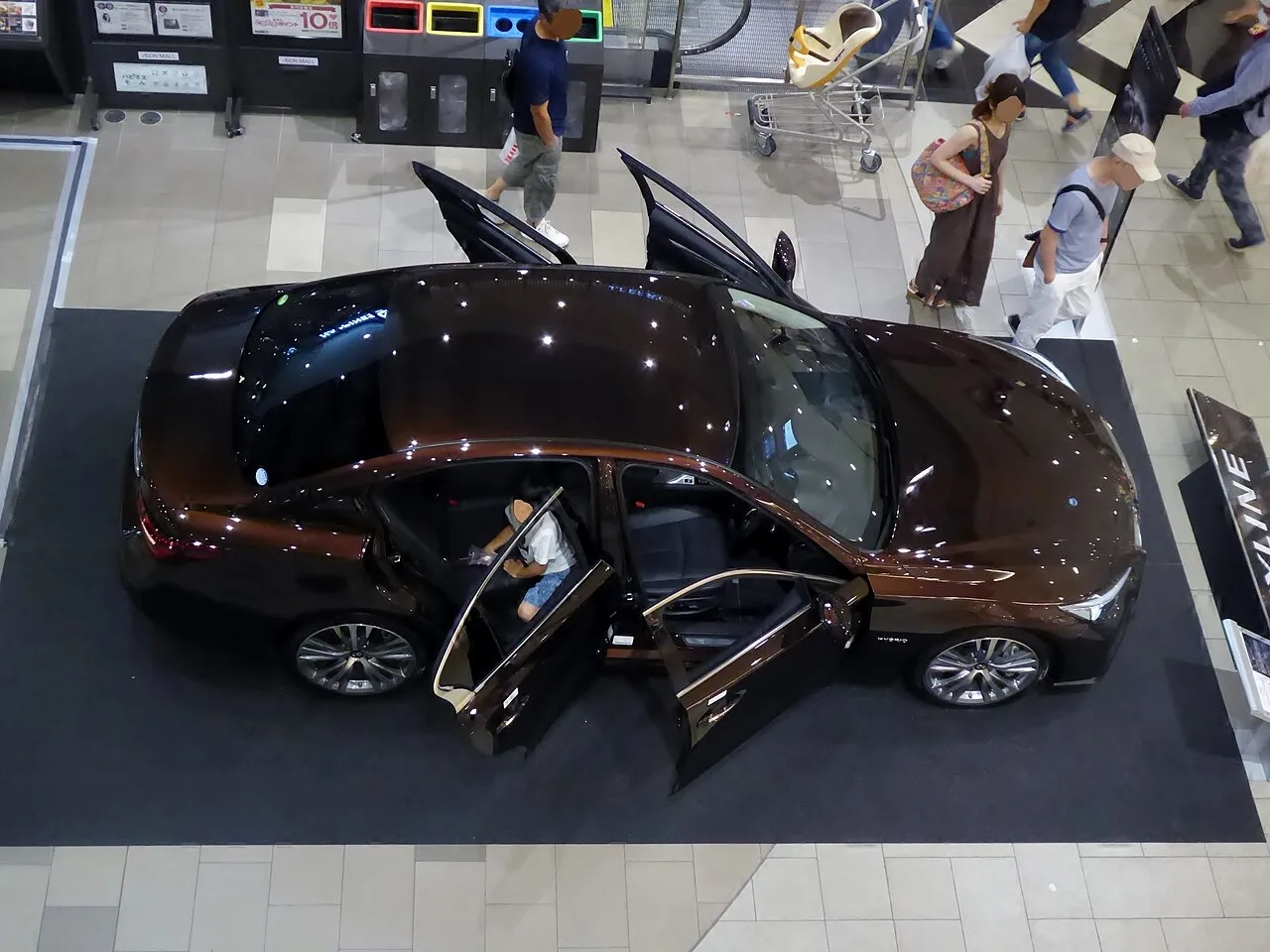
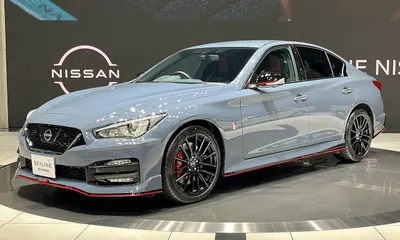
Only 100 Skyline Nismo Limiteds exist, and each one's engine was hand-built by the same Takumi craftsmen who build the R35 GT-R's VR38 — their names are stamped right on it.
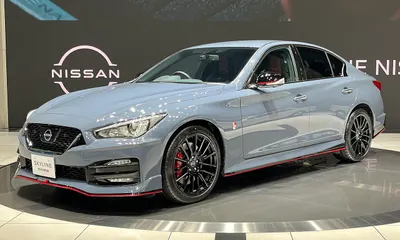
The V37 Skyline Nismo Limited's engines were handbuilt by Nissan's legendary "Takumi" craftsmen — the same hands that built the R35 GT-R's VR38 — and each one carries their nameplate.
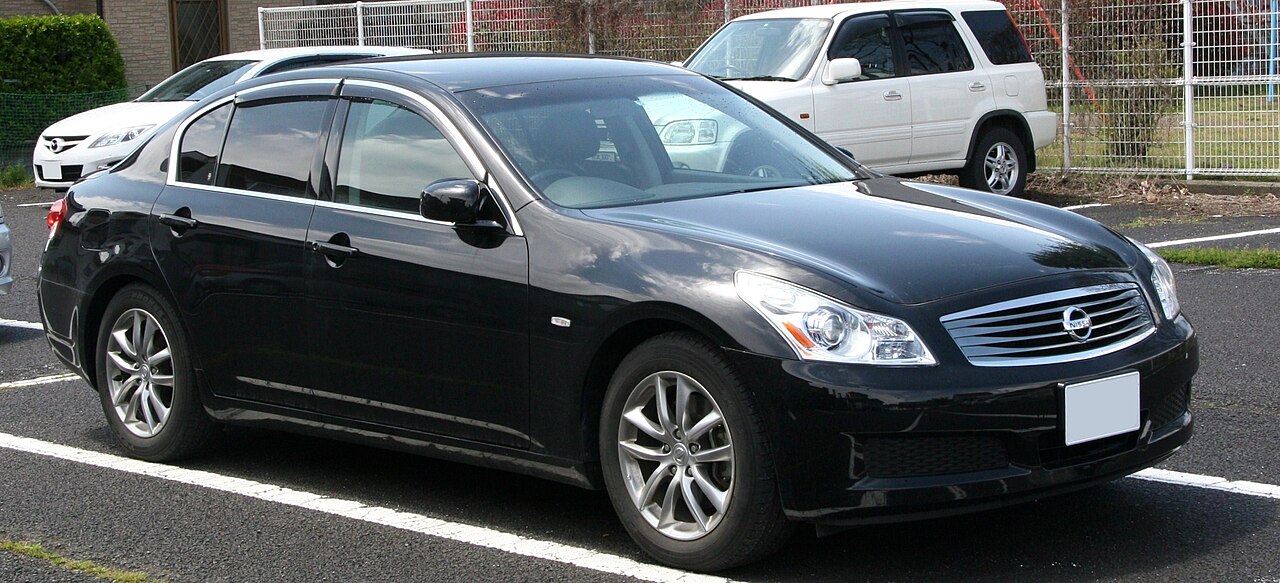
Nissan marked the Skyline's 55th birthday with exactly 555 of them: the V36's 55th Limited Edition sedan, built in that precise number to match the anniversary.
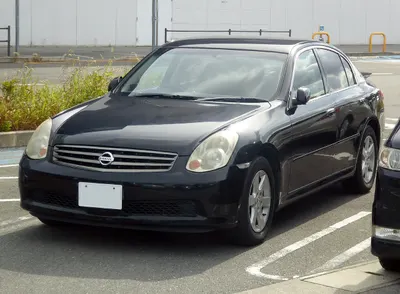
Nissan named the V35 platform after the mythical land of Fuga, a name it later reused for a sedan sold as the Infiniti M35/M45.
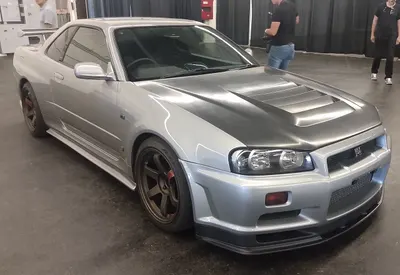
Buried under the R34's reputation for turbo GT-Rs is a quieter record: the naturally-aspirated HR34 GT became the most fuel-efficient straight-six Skyline Nissan had ever built, in any generation.
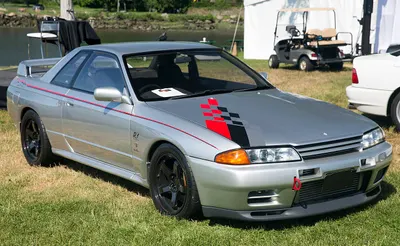
The R33 grew enough that Japan's own tax code no longer counted it as a compact — the first Skyline generation to outgrow the exterior-size tax break.
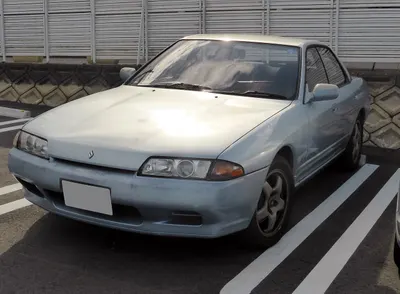
The R32 GT-R earned the nickname 'Godzilla' within months of launch — Australia's Wheels magazine coined it in July 1989, and it stuck through every GT-R generation since.
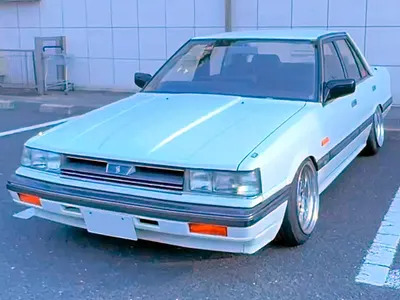
Only 823 R31 GTS-R coupes were ever built — a homologation special that existed purely to legalize a bigger turbo and intercooler for Group A touring car racing, even while still giving up horsepower to its Ford and Holden rivals.
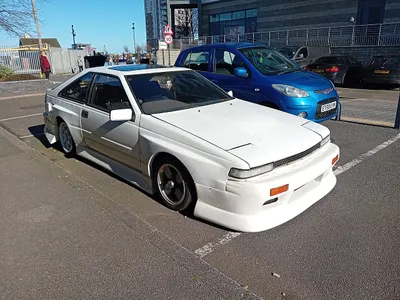
The R31 holds a Skyline first — the only generation in the car's entire history to come as a four-door hardtop, badged "Passage GT."
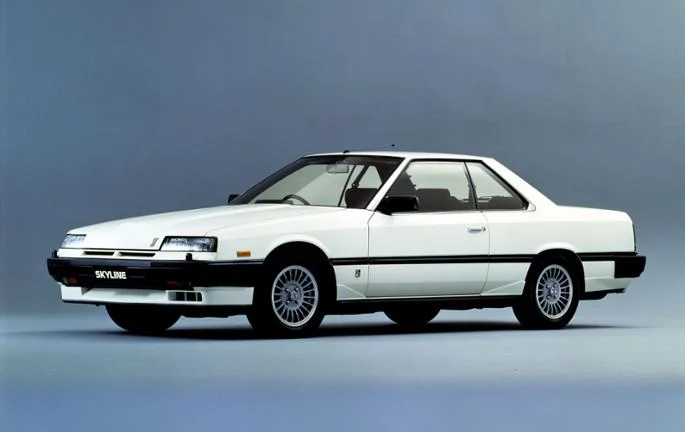
The R30's FJ20 was the first Japanese four-cylinder with more than two valves per cylinder, and some grades let the driver adjust dampers on the move.
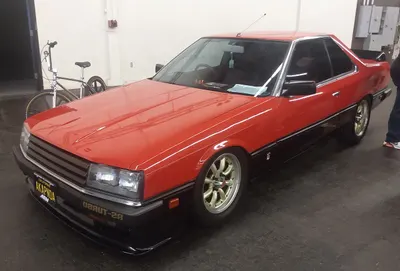
The RS-X's slot-eyed face wasn't styling for its own sake — fans nicknamed it "Tekkamen," the Iron Mask, for a nose so radical it ditched the grille entirely for two narrow slits.
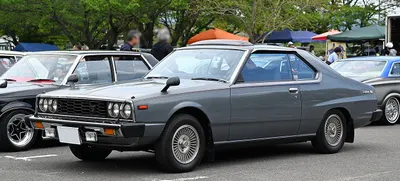
The C210's 2000GT-EX turbo, sold with no blow-off valve or intercooler, is credited as Japan's first turbocharged production car engine.
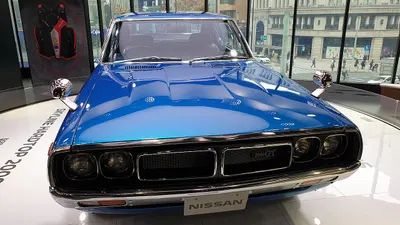
Kenmeri's name is a pun: Ken and Mary from the ads, plus old Japanese slang for American, Meriken.
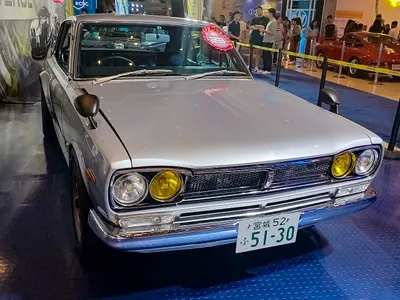
The C10 Skyline was the last one designed at Prince's own Ogikubo studio before wearing a Nissan badge to market.
Only 100 S54A-1 Skyline GTs were built, just enough to homologate a straight-six squeezed into a sedan stretched 200 mm at the cowl.
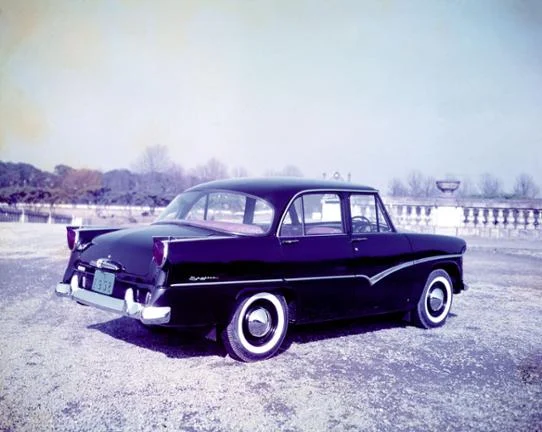
The first Skyline's 1.5 L engine started life in the prototype Subaru 1500, a rare shared root between two rival badges.
Rivals
Same body, same money, other badges — tap any card to flip.
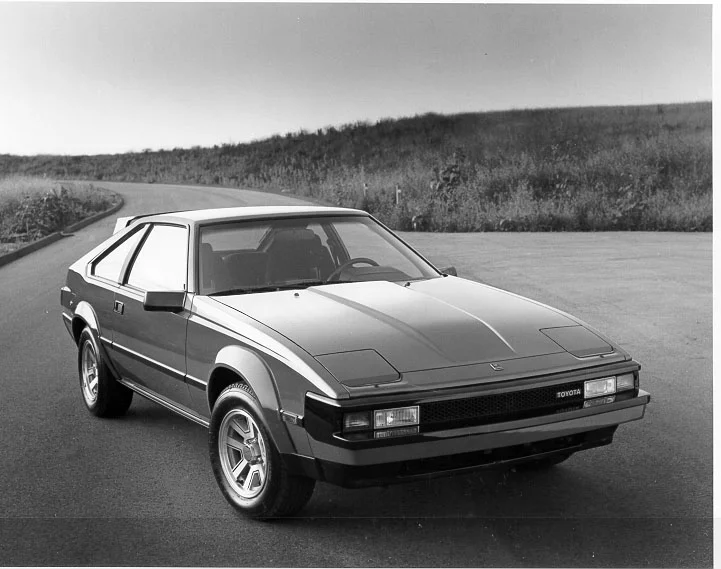
The Celica XX, Japan's name for the A60 Supra, introduced the world's first in-car navigation computer.
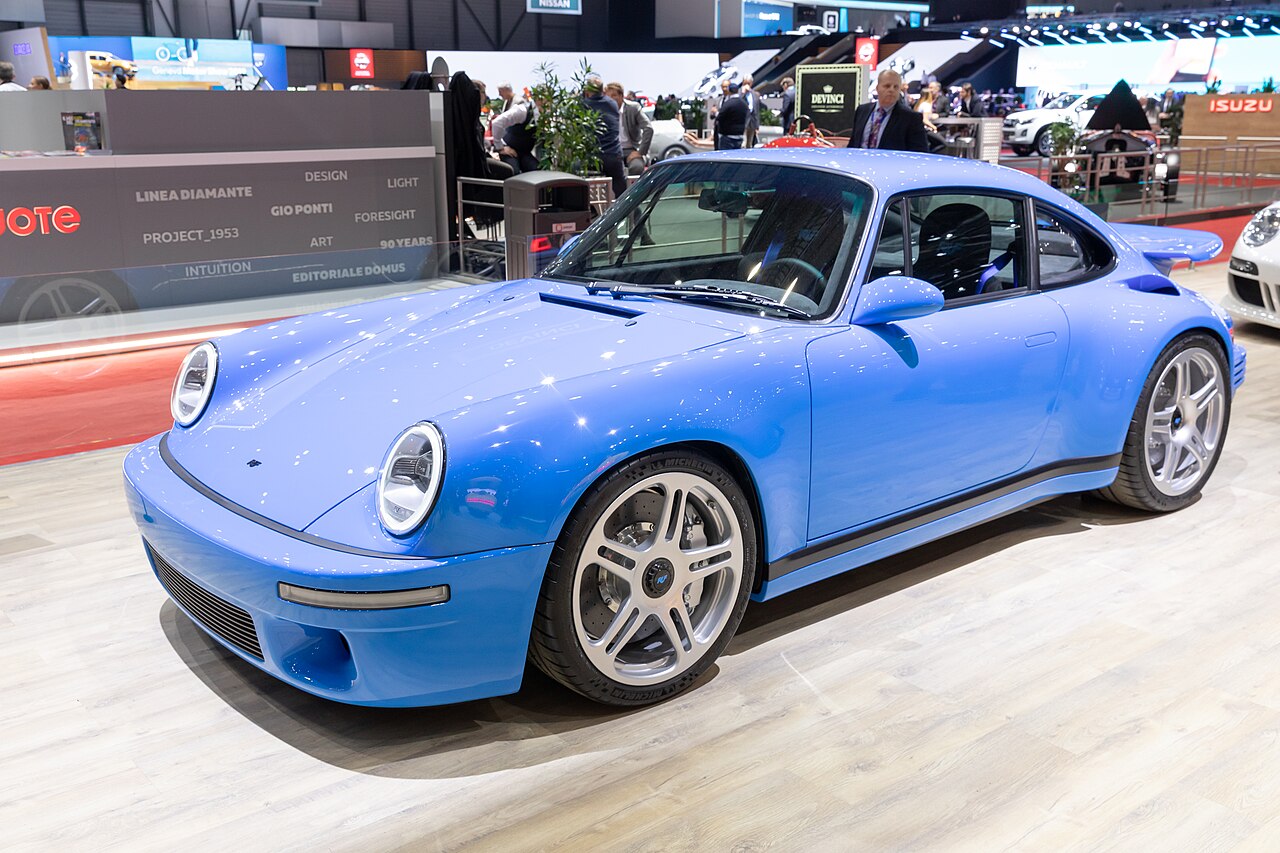
The CTR Anniversary looks like a 911 but Ruf built its carbon monocoque from scratch, no Porsche body underneath.
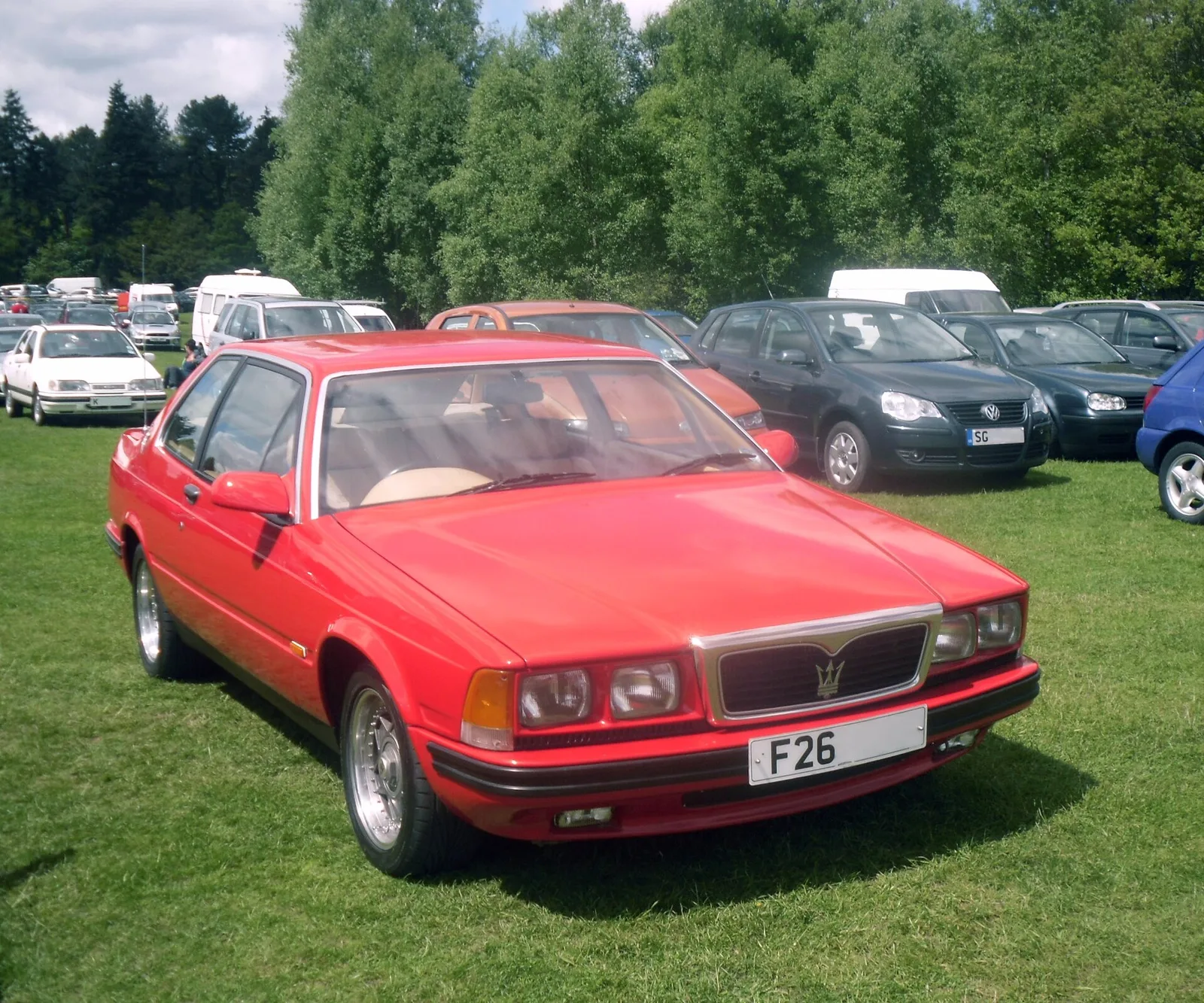
The 228's coupe styling hides a sedan underneath: Maserati stretched it onto the longer four-door Biturbo chassis to make room for its biggest V6, which is literally where the name comes from — 2-door, 2.8 litre.
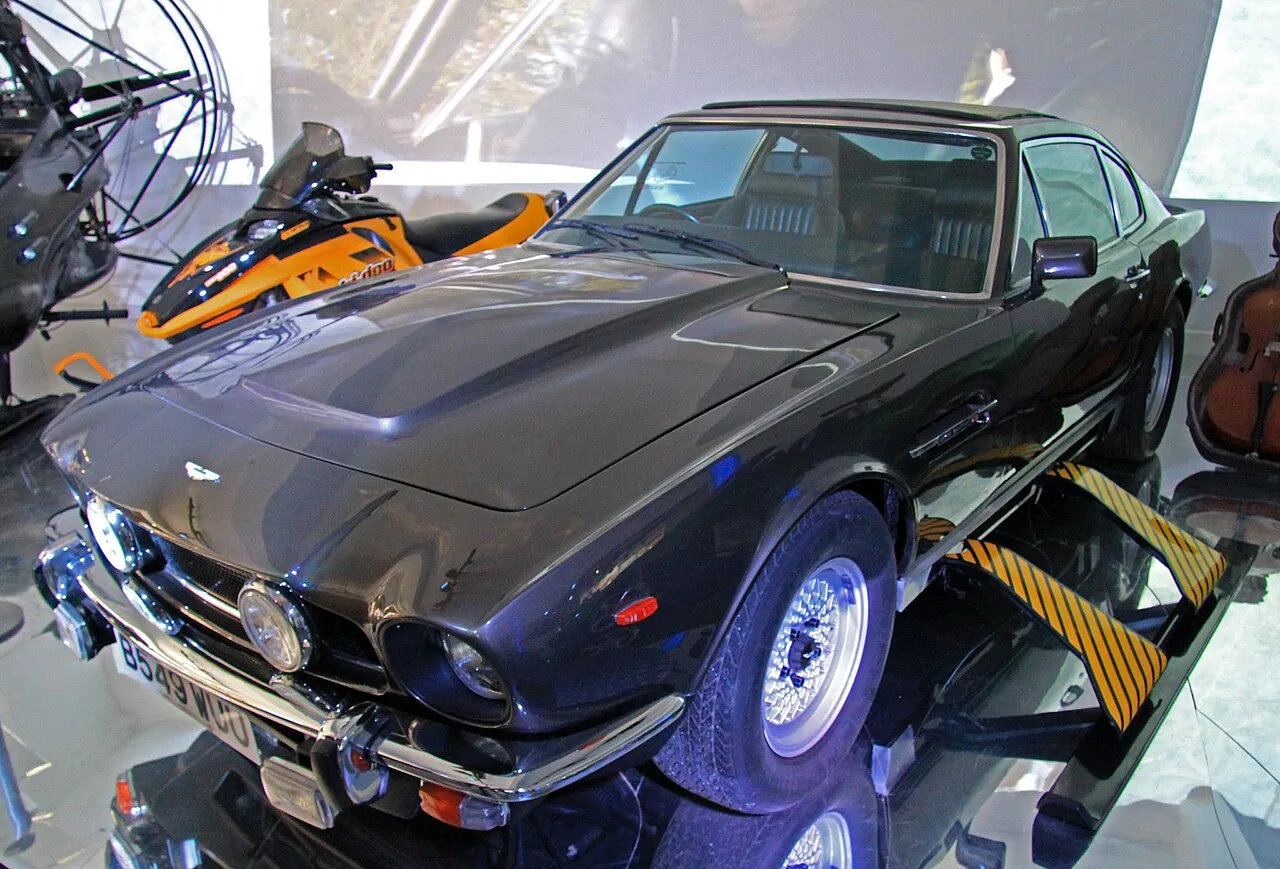
Switching to fuel injection let this V8 finally shed its trademark bonnet bulge — and only 405 of these flat-hooded Series 5 cars were built before the whole model retired in 1989.
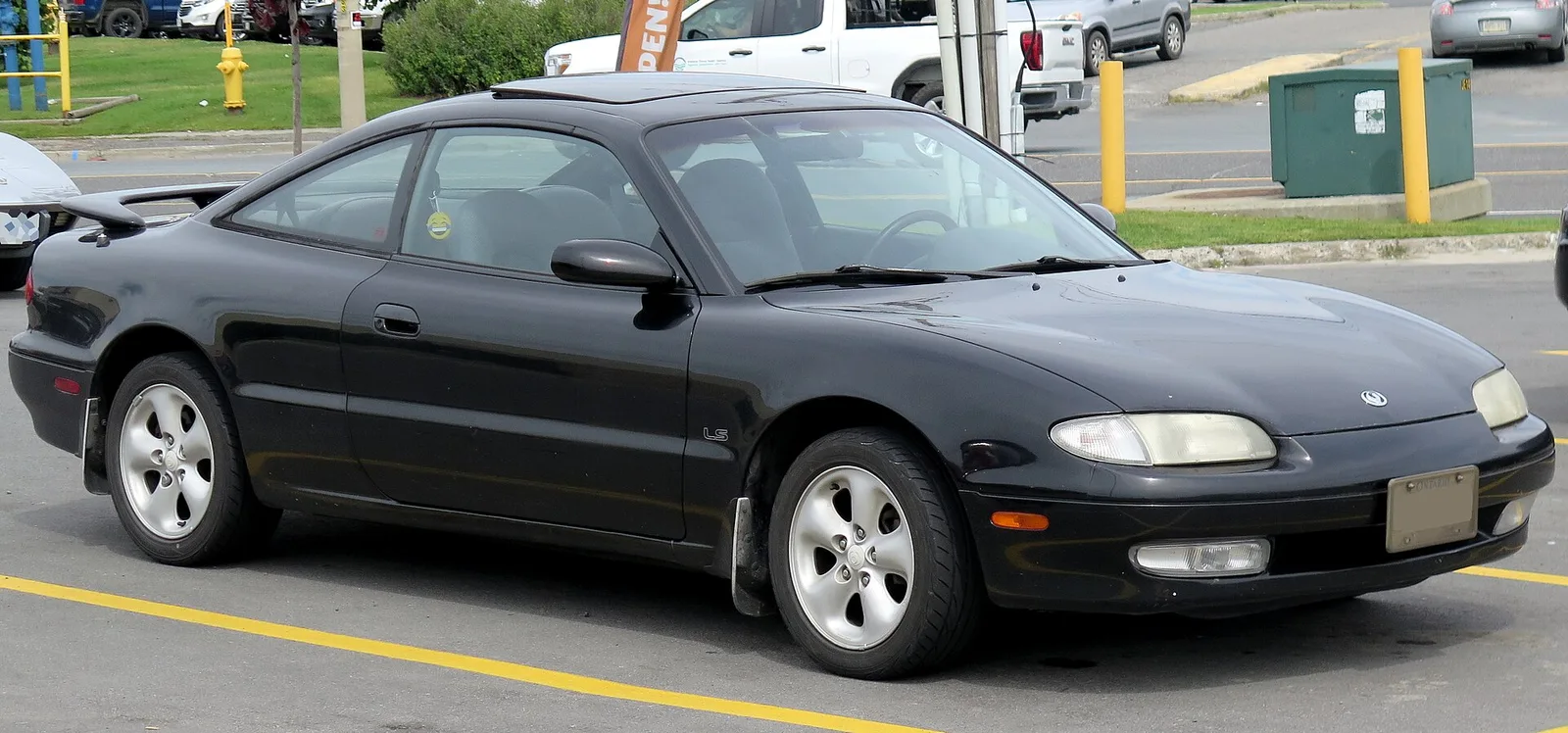
Japanese buyers got a secret weapon in their MX-6 — the JDM-only KL-ZE V6 made about 40 more horsepower than the engine sold in the exact same car in North America.
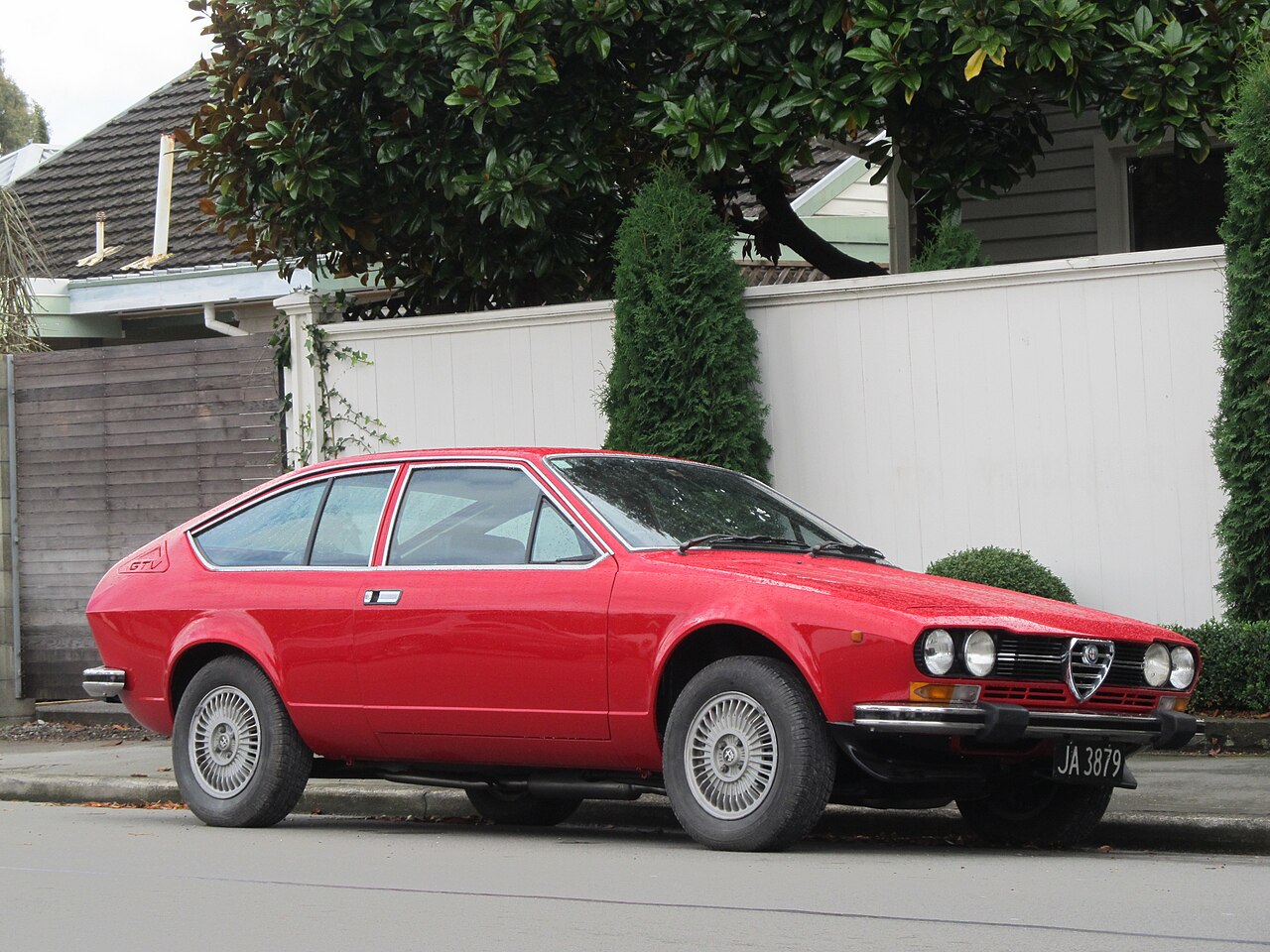
An American tuner, Callaway Cars, built twin-turbo conversions of the GTV6 that boosted its V6 by fifty percent to 230 hp — turning Alfa's grand tourer into something far quicker than the factory ever intended.
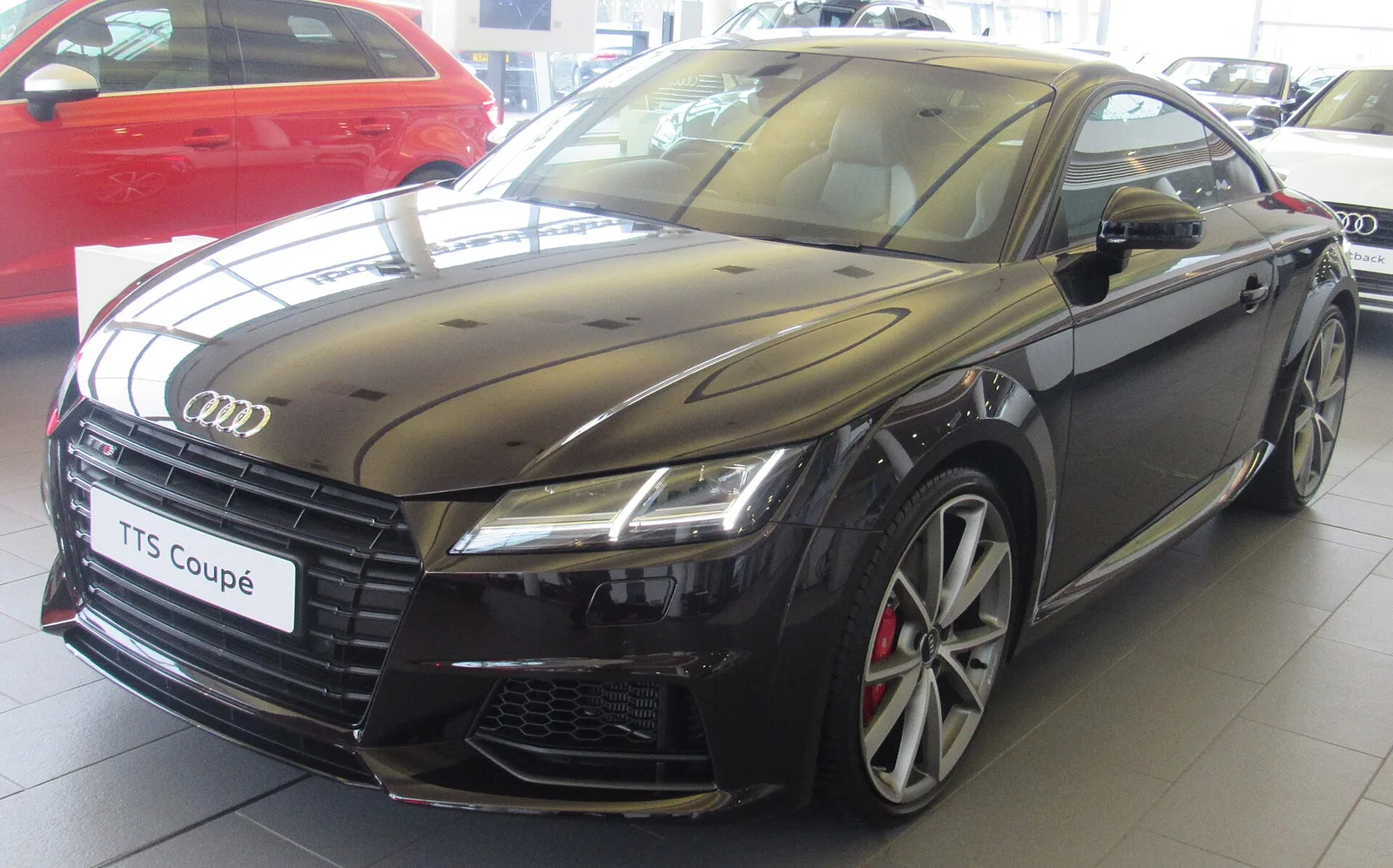
Audi TTS Coupe · TTS Coupe (2016–2023) · 2016–2023.
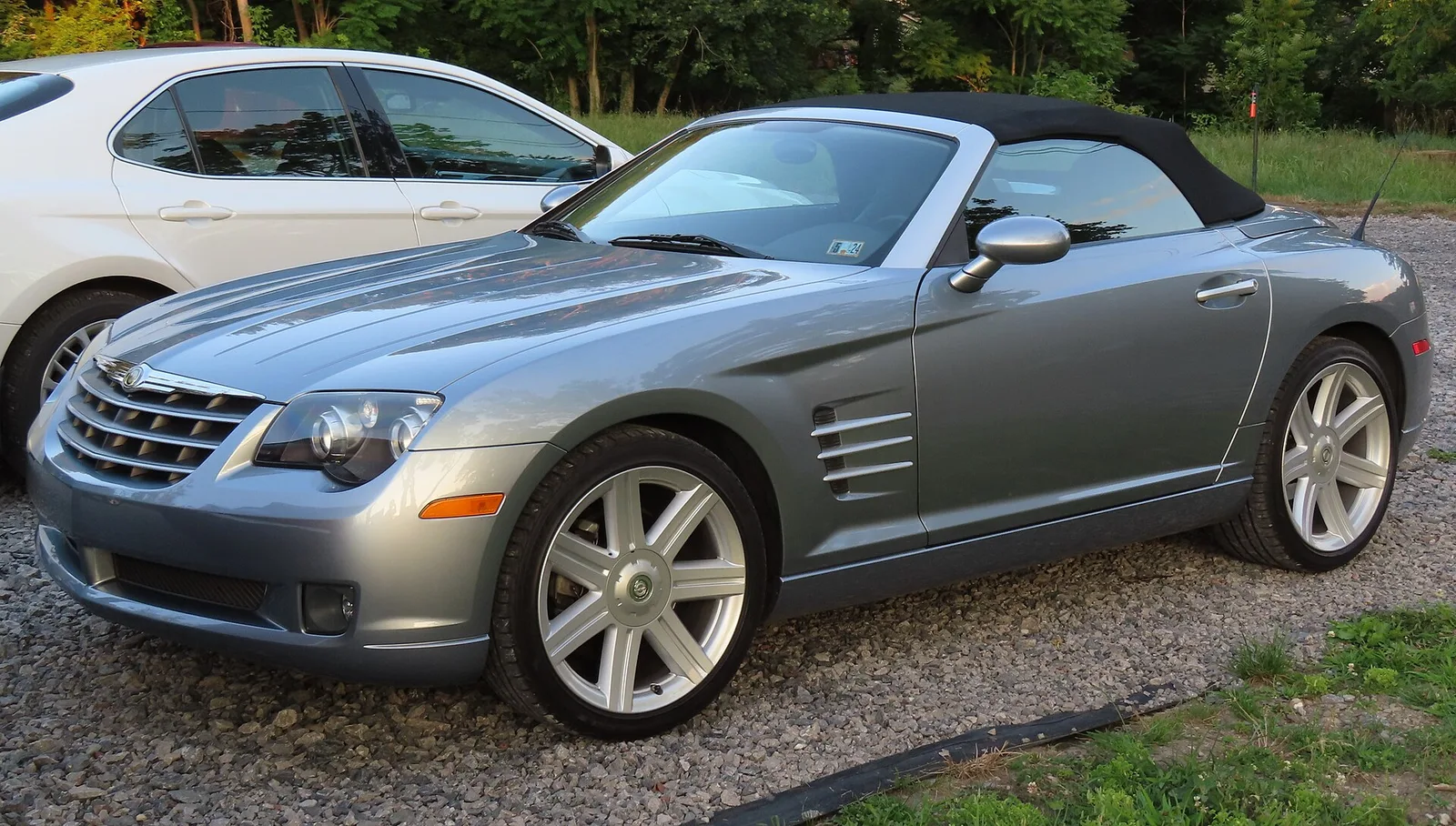
A product of the DaimlerChrysler merger, the Crossfire shares 80% of its parts with the Mercedes-Benz SLK — German bones under American badges.