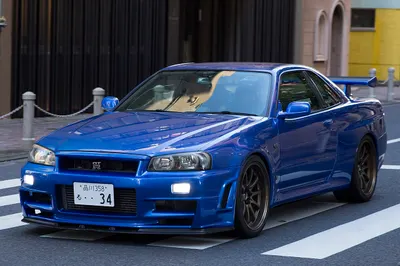
VerifiedFIRST · WORLDWIDEFIRST PRINTONLY ONE IN VANCOUVERNissan's official 280 PS figure for the R34 GT-R was a polite fiction — a gentlemen's agreement capped Japanese sports car ratings, and the car actually left the factory with over 330 hp.

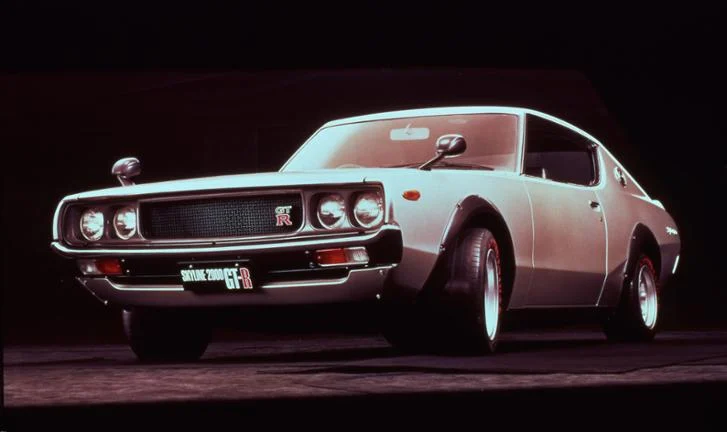
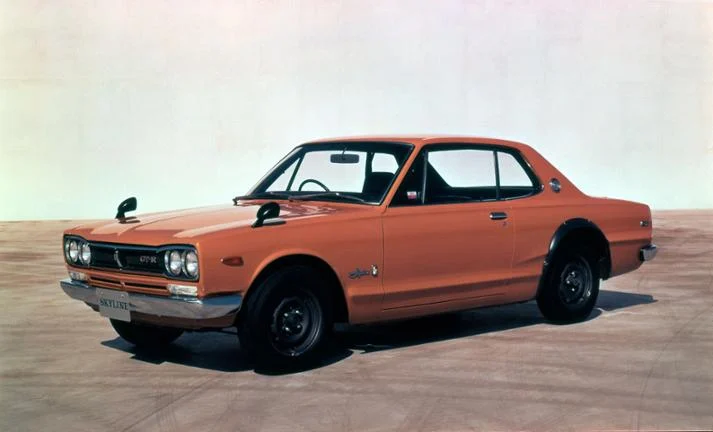
The KPGC10's S20 engine was derived from the racing GR8 unit developed for the Prince R380 racing car.
Median 178 hp across 112 similar cars
Lead trim: GT-R
Nobody in Burbles has spotted a Nissan Skyline GT-R yet. See one on the street, point the app at it, and the first card is yours — with your @handle permanently credited on this page.
FactThe KPGC10's S20 engine was derived from the racing GR8 unit developed for the Prince R380 racing car.
The original GT-R, and the car the nameplate started with, 19 years before the R32. Chassis code KPGC10 belongs specifically to the 2-door hardtop coupe, sold October 1970 to September 1972 — the earlier 4-door GT-R sedan (Feb 1969–Oct 1970) is a distinct chassis code, PGC10, and is not this row. Nicknamed 'Hakosuka' (hako = box, Suka = Skyline) for its boxy shape. Carried the racing-derived S20 inline-6: DOHC, 24-valve, triple twin-choke Mikuni-Solex carburettors, no relation to the ordinary Skyline sixes of the day.
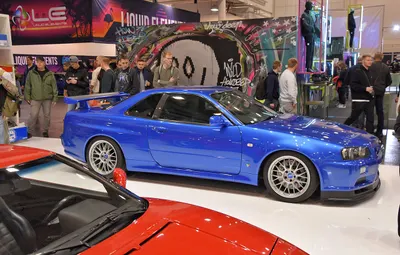
Real Nissan Skyline GT-R cards spotted on the street by Burbles collectors. Tap any card to flip it over, inspect the collector’s binder, or follow them.
VerifiedFIRST · WORLDWIDEFIRST PRINTONLY ONE IN VANCOUVERNissan's official 280 PS figure for the R34 GT-R was a polite fiction — a gentlemen's agreement capped Japanese sports car ratings, and the car actually left the factory with over 330 hp.
One published trim in the catalogue. A blank is a figure not recorded, not zero.
| Trim | Years | Engine | Power | Torque | 0–60 | Drive | Gearbox | MSRP |
|---|---|---|---|---|---|---|---|---|
| GT-R | 1970–1972 | 2.0 L Inline-6 | 158 hp | 130 lb-ft | — | RWD | manual | — |
We don’t estimate running costs for a car like this. What it costs depends on its condition, its specialist and how it is driven, and an average would mislead.
Nobody has claimed one yet.


Nismo built its Z-tune from used GT-Rs bought back and rebuilt from bare shells, then stopped one car short of its own 20-car plan.

The last R34 GT-Rs got gold VIN plates and a 300 km/h speedometer, named for a racetrack that built the car's reputation.

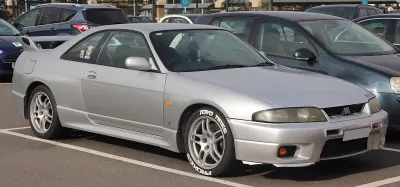
Nissan's official 280 PS figure for the R34 GT-R was a polite fiction — a gentlemen's agreement capped Japanese sports car ratings, and the car actually left the factory with over 330 hp.

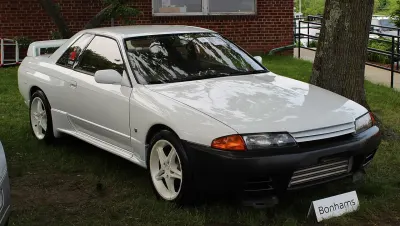
Nissan pulled the R33 GT-R from the 1995 Le Mans-style Nürburgring lap record run, setting a 7:59 time that was later disputed over course differences.

The R32's legendary 'Godzilla' nickname traces to one specific magazine issue — Australia's Wheels, July 1989 — riffing on its monster track dominance.

Nissan built only 197 examples of the Kenmeri GT-R before ending production after four months.

The KPGC10's S20 engine was derived from the racing GR8 unit developed for the Prince R380 racing car.
Same body, same money, other badges — tap any card to flip.

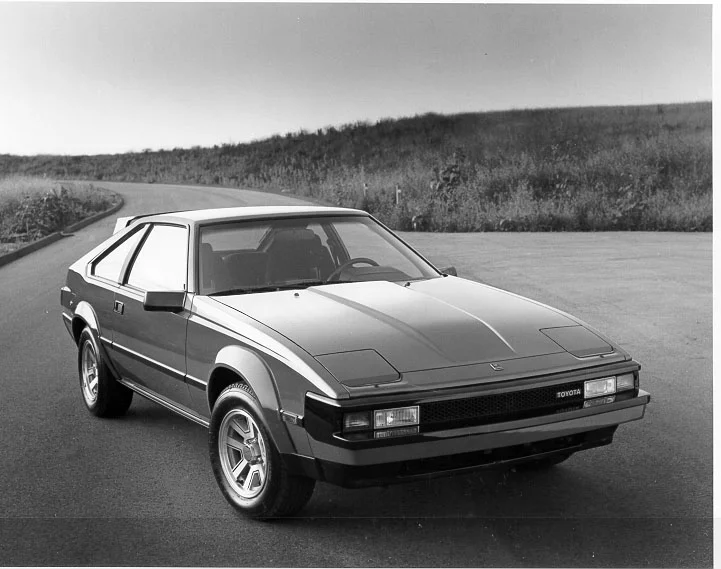
The Celica XX, Japan's name for the A60 Supra, introduced the world's first in-car navigation computer.

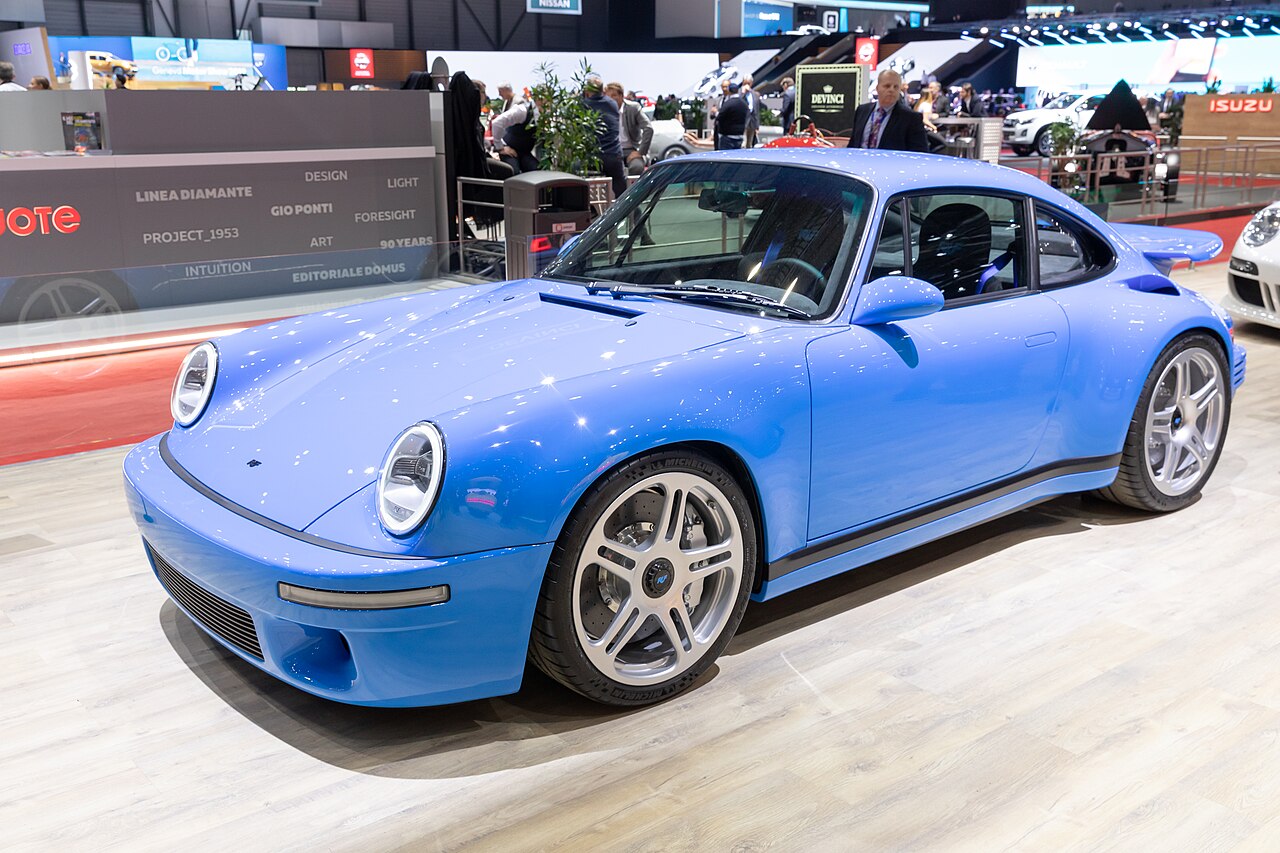
The CTR Anniversary looks like a 911 but Ruf built its carbon monocoque from scratch, no Porsche body underneath.

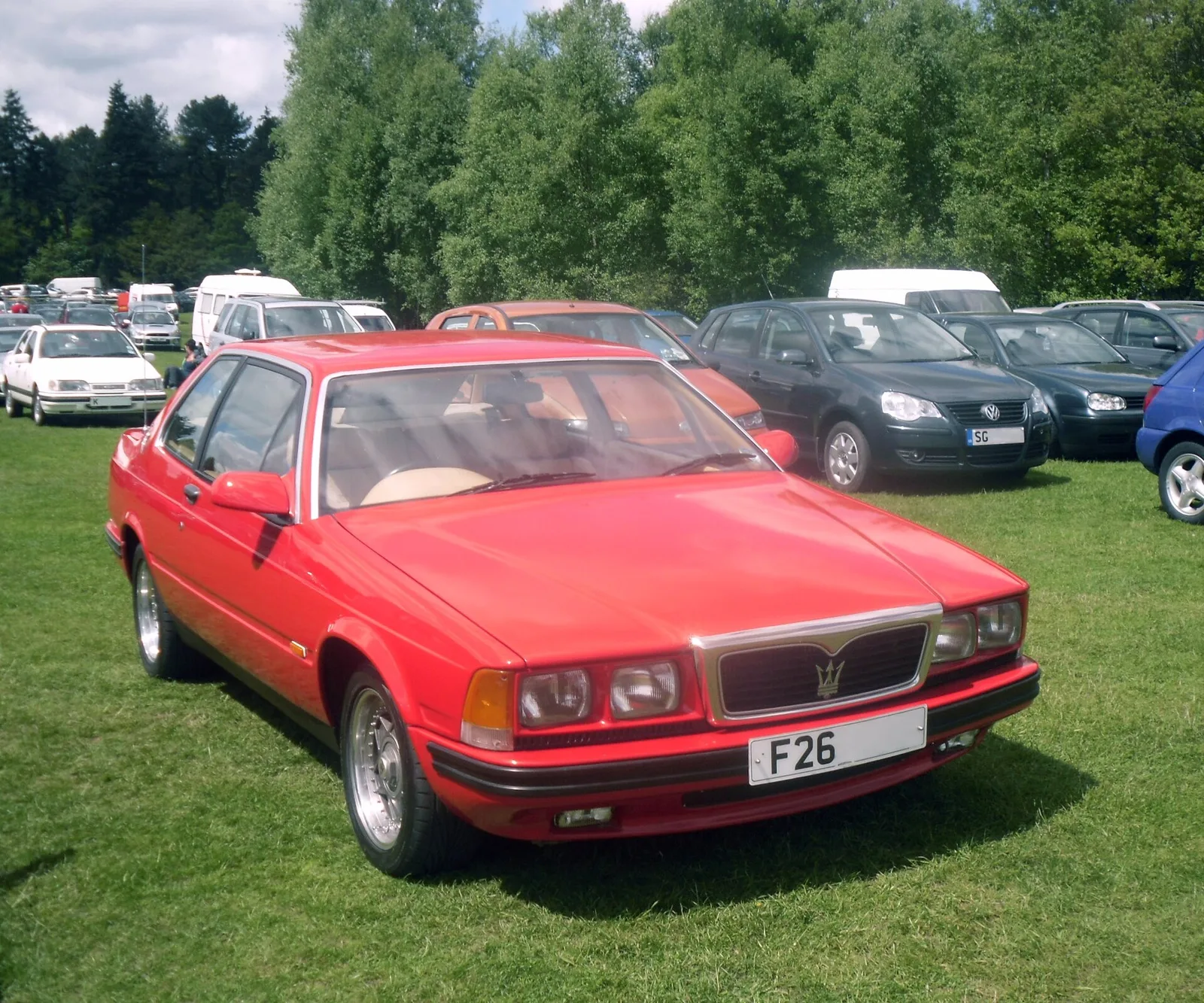
The 228's coupe styling hides a sedan underneath: Maserati stretched it onto the longer four-door Biturbo chassis to make room for its biggest V6, which is literally where the name comes from — 2-door, 2.8 litre.

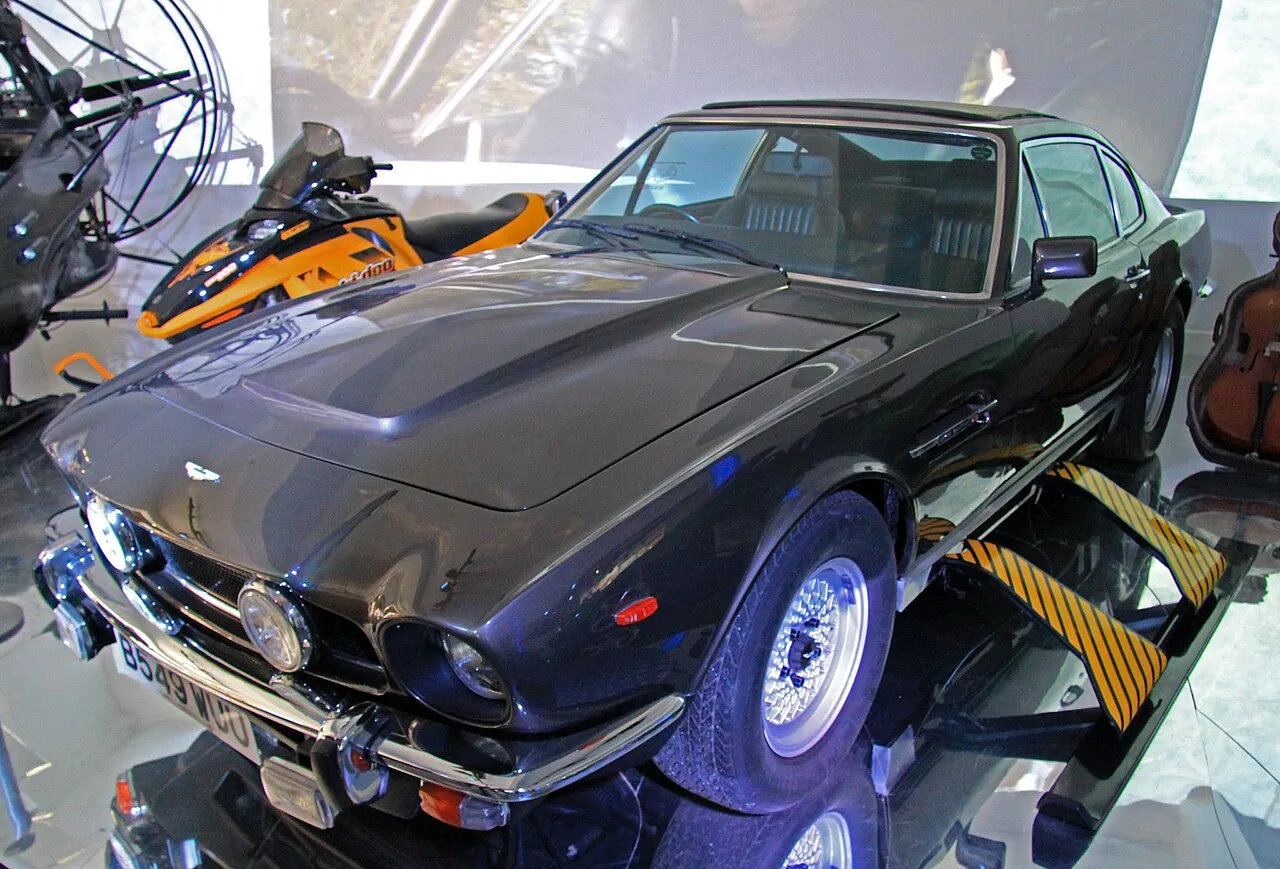
Switching to fuel injection let this V8 finally shed its trademark bonnet bulge — and only 405 of these flat-hooded Series 5 cars were built before the whole model retired in 1989.

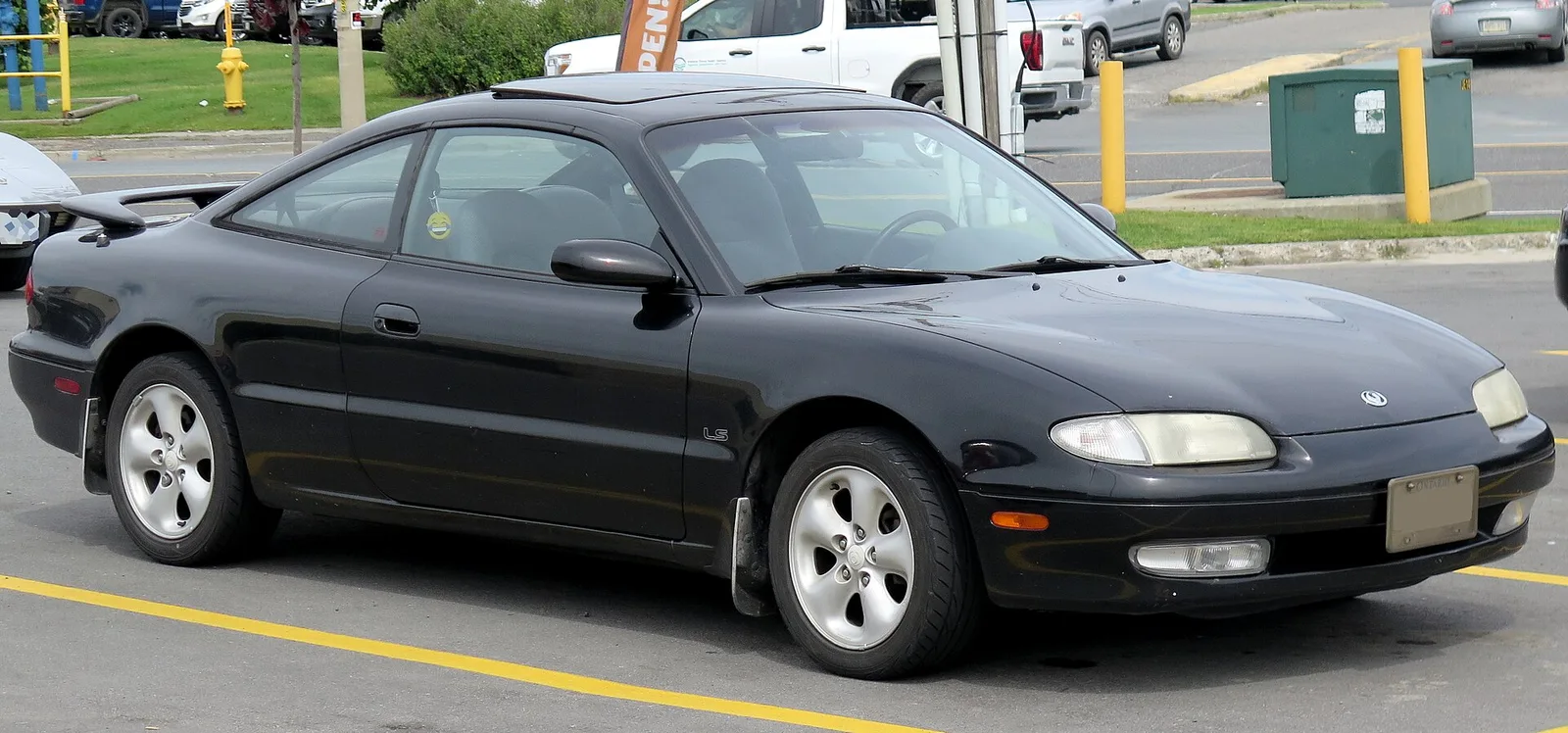
Japanese buyers got a secret weapon in their MX-6 — the JDM-only KL-ZE V6 made about 40 more horsepower than the engine sold in the exact same car in North America.

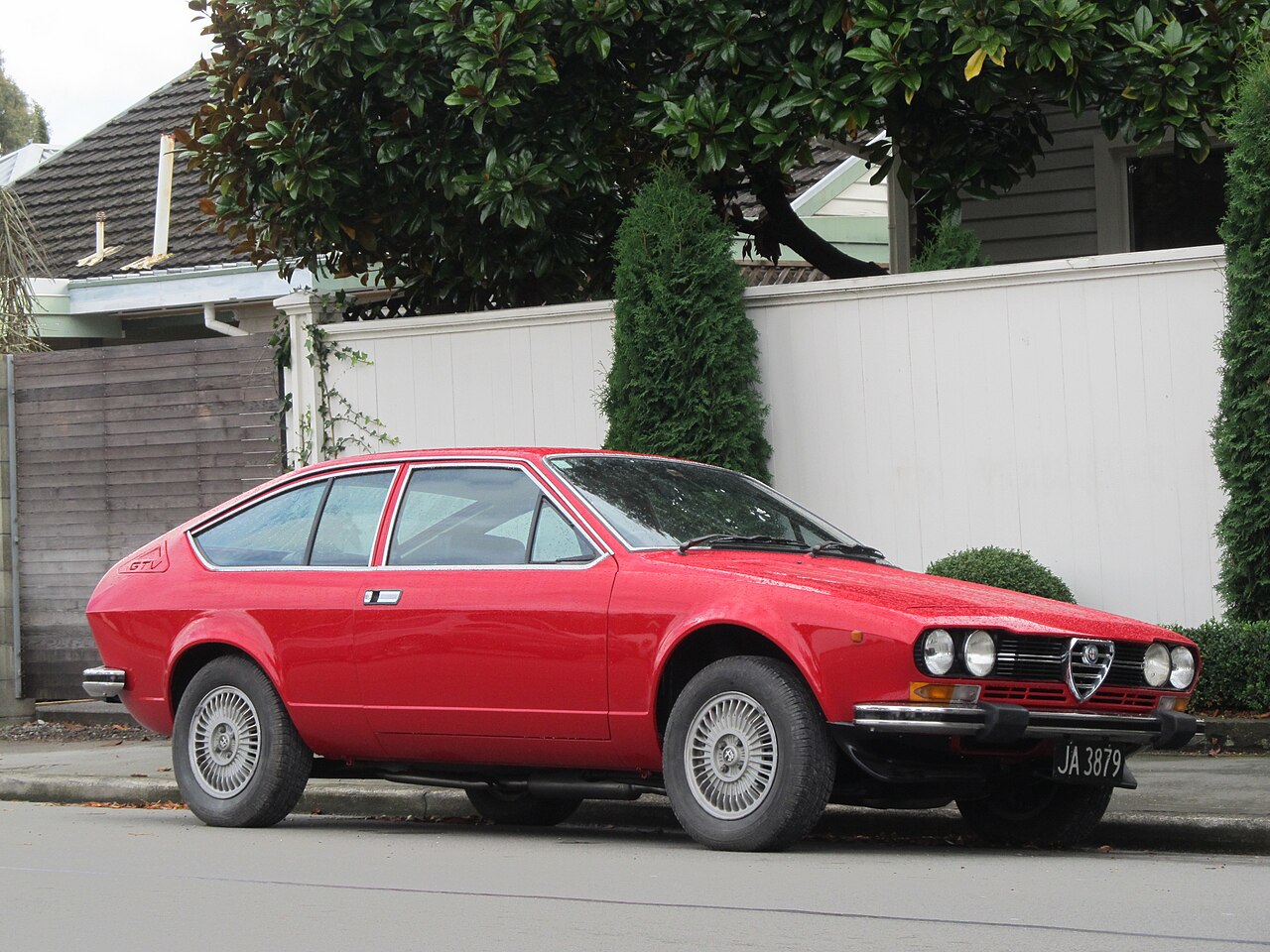
An American tuner, Callaway Cars, built twin-turbo conversions of the GTV6 that boosted its V6 by fifty percent to 230 hp — turning Alfa's grand tourer into something far quicker than the factory ever intended.

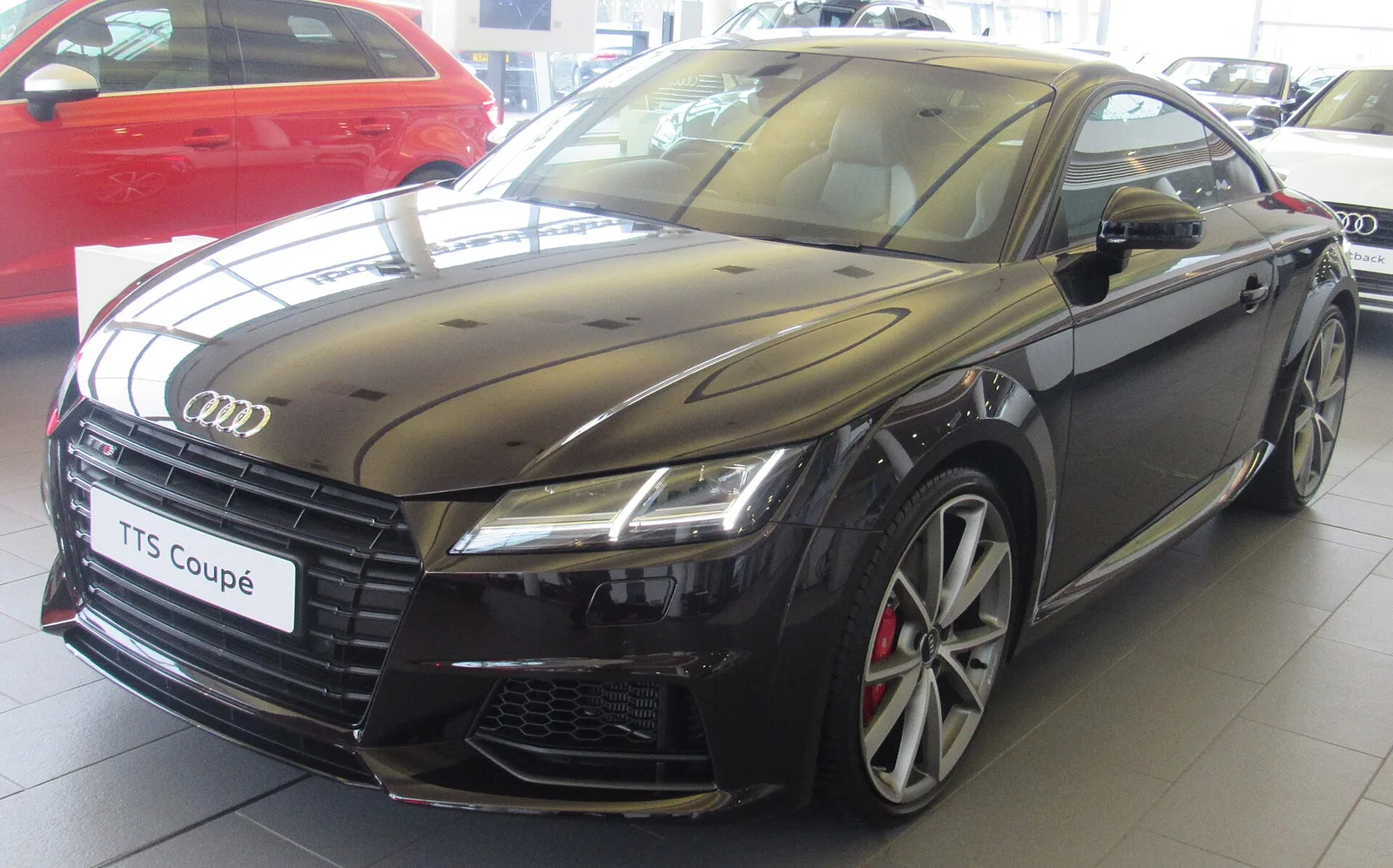
Audi TTS Coupe · TTS Coupe (2016–2023) · 2016–2023.

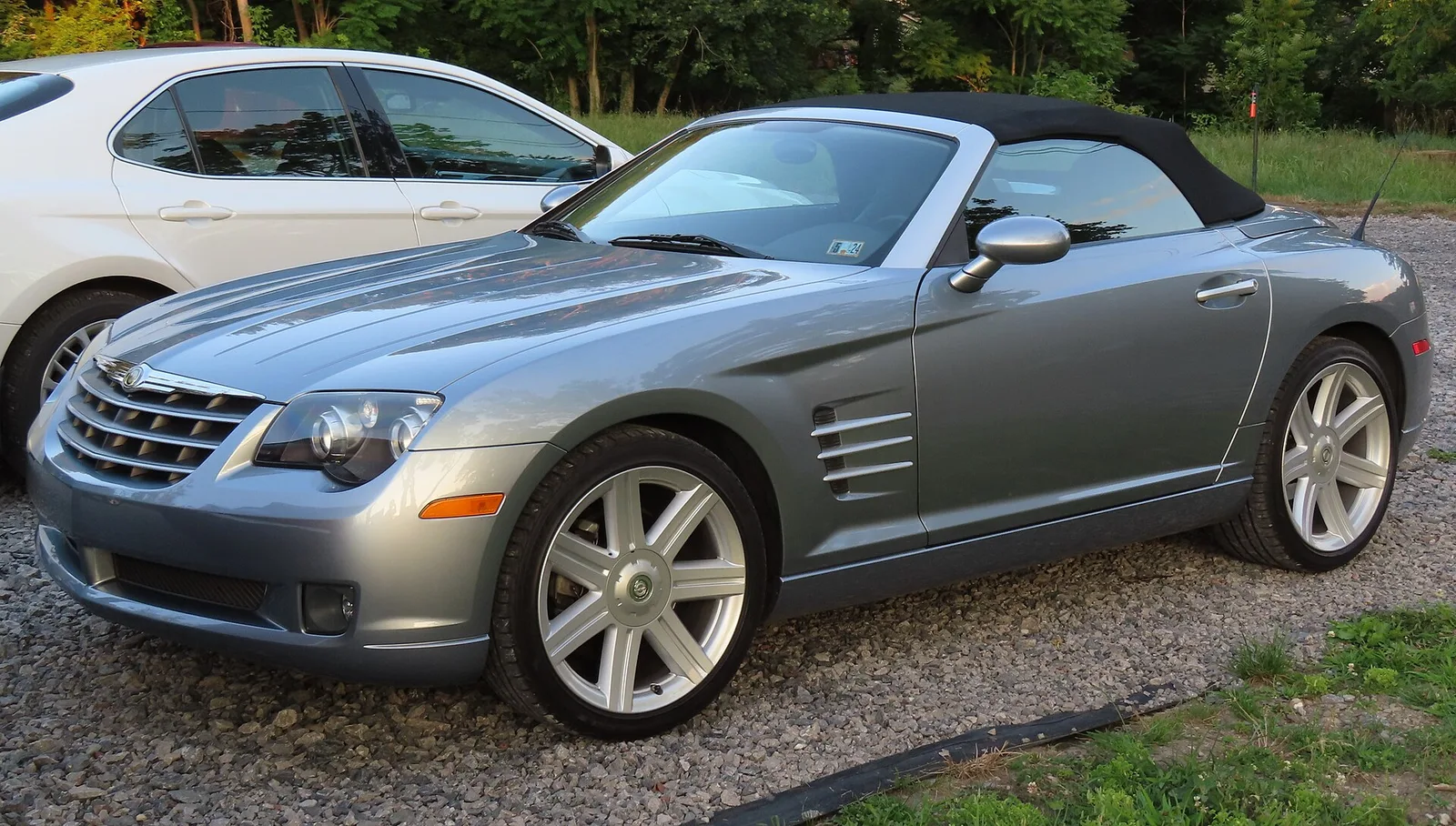
A product of the DaimlerChrysler merger, the Crossfire shares 80% of its parts with the Mercedes-Benz SLK — German bones under American badges.