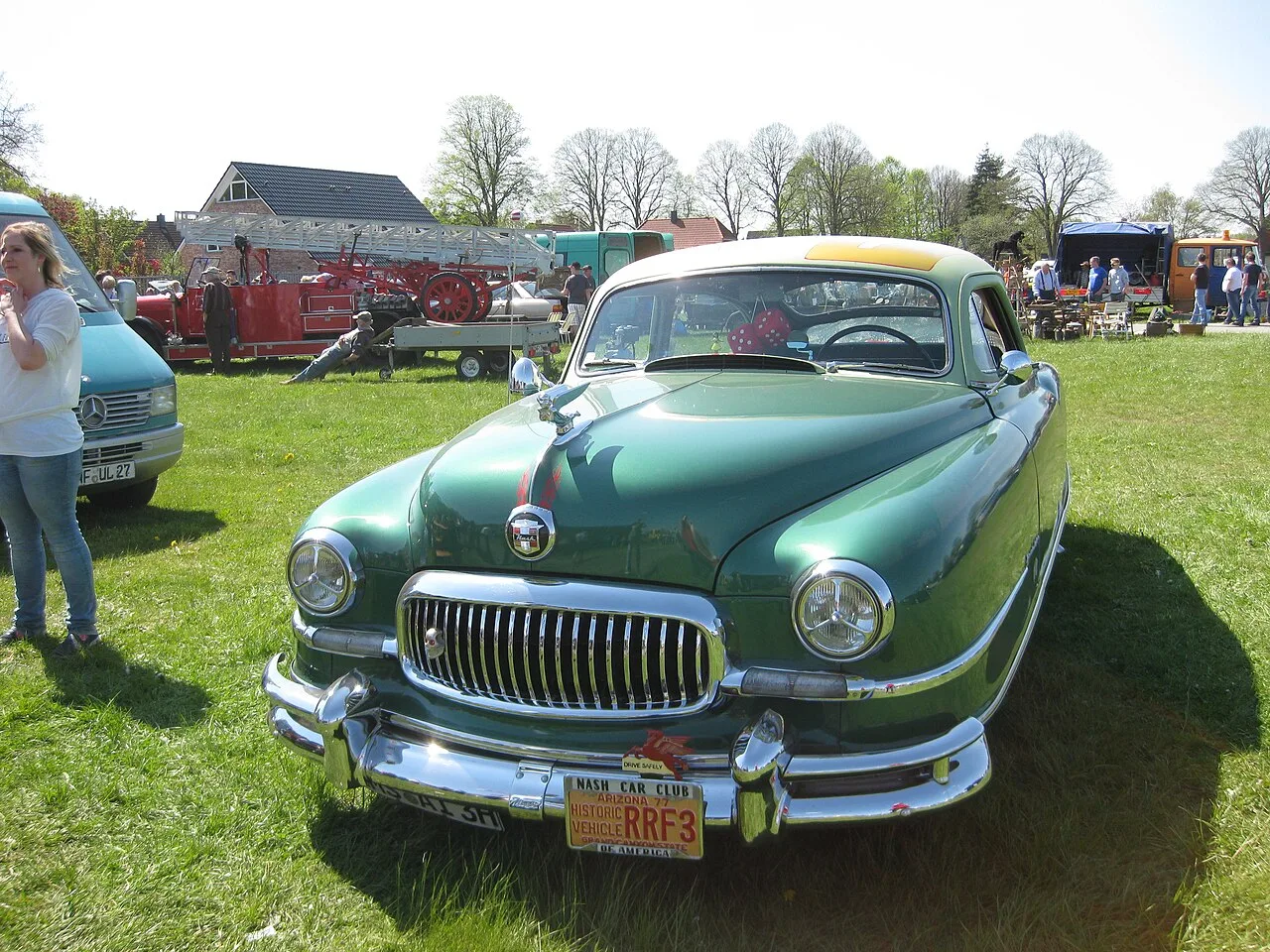
While the Great Depression wrecked the auto industry, Nash — maker of the Ambassador Eight — stayed in the black through 1932, the only American carmaker besides General Motors to manage it.
Lead trim: Ambassador Eight 322 cu in straight-eight (125 hp)
Nash Ambassador Eight1932–1934
- 0spots by members
- Unclaimednobody has spotted one yet
- 0sets it belongs to
Nobody in Burbles has spotted a Nash Ambassador Eight yet. See one on the street, point the app at it, and the first card is yours — with your @handle permanently credited on this page.
FactWhile the Great Depression wrecked the auto industry, Nash — maker of the Ambassador Eight — stayed in the black through 1932, the only American carmaker besides General Motors to manage it.
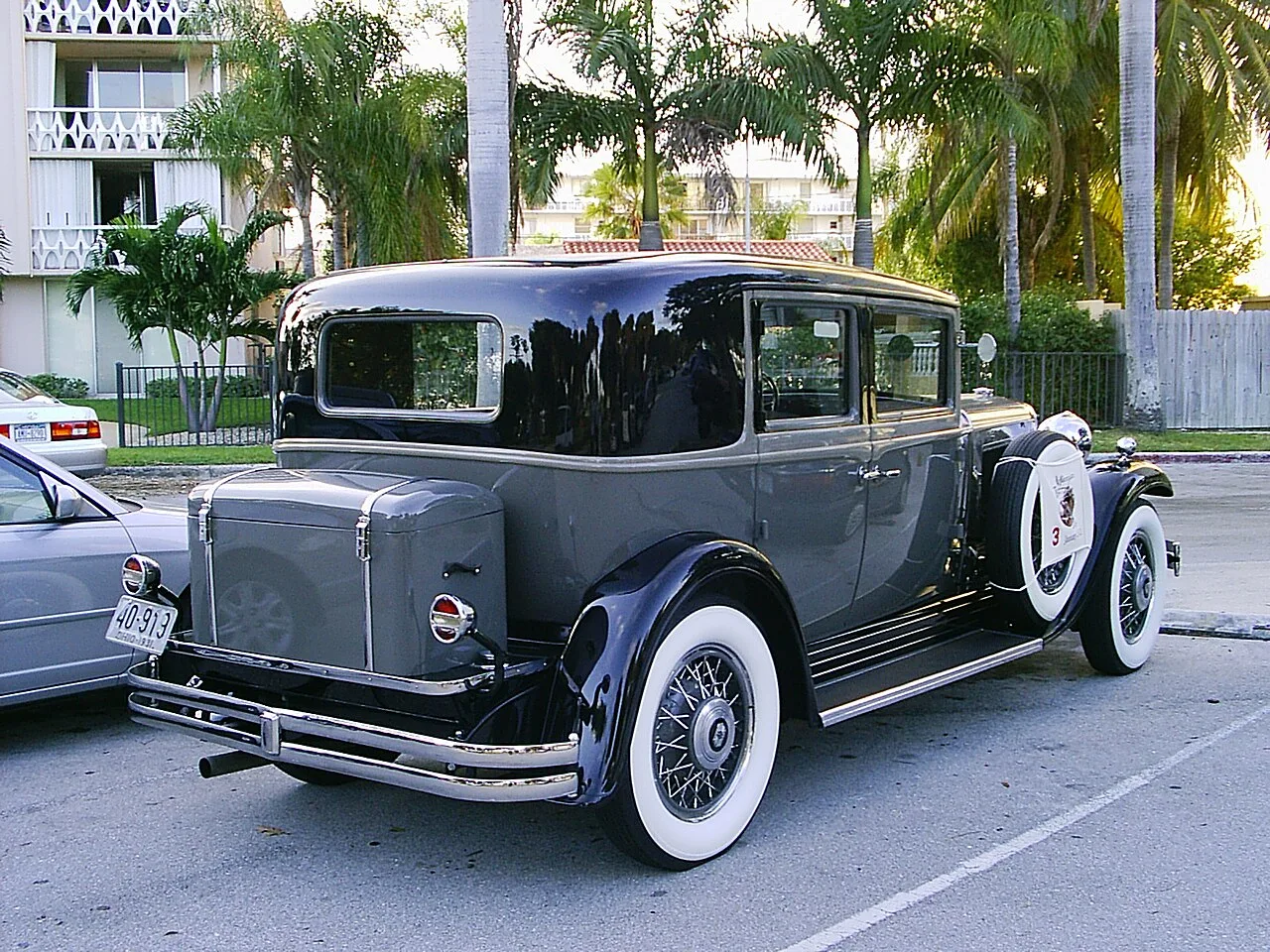
In mid-1932 Nash established the "Ambassador Eight" as a stand-alone model range, offered in several body styles including coupes and victorias on 133 in or 142 in wheelbases, with a 125 hp, 322 cubic inch (5.3 L) straight-eight with twin ignition and overhead valves; the cars were sumptuously appointed, "Kenosha Duesenbergs" for their quality, durability, styling and speed. This was part of Nash's second 1932 series with completely new bodies and engineering updates, and Nash was the only company other than General Motors to make a profit in 1932. The 1933 models stayed largely unchanged; for 1934 the "Speedstream" styling theme (Count Alexis de Sakhnoffsky's streamline accents, bullet headlights, horizontal hood ribs, rear-wheel spats and a full beaver-tail rear) limited the Eight to four-door sedans, against the new LaSalle, Auburn V-12, REO-Royale 8, Buick Series 34-90 and Chrysler Imperial Airflow. The CCCA recognises the 1932 Series Advanced 8 and Ambassador 8 and the 1933 and 1934 Ambassador 8 as Approved Classics.
Collectors Spotted in the Nash Ambassador Lineage
No member has published a public street spot of the Nash Ambassador yet — the First · Worldwide stamp is wide open.
Trims & Figures
One published trim in the catalogue. A blank is a figure not recorded, not zero.
| Trim | Years | Engine | Power | Torque | 0–60 | Drive | Gearbox | MSRP |
|---|---|---|---|---|---|---|---|---|
| Ambassador Eight 322 cu in straight-eight (125 hp) | 1932–1934 | 5.3 L Inline-8 | 125 hp | — | — | — | — | — |
Owning one
We don’t estimate running costs for a car like this. What it costs depends on its condition, its specialist and how it is driven, and an average would mislead.
Owners’ builds
Nobody has claimed one yet.
Photographs
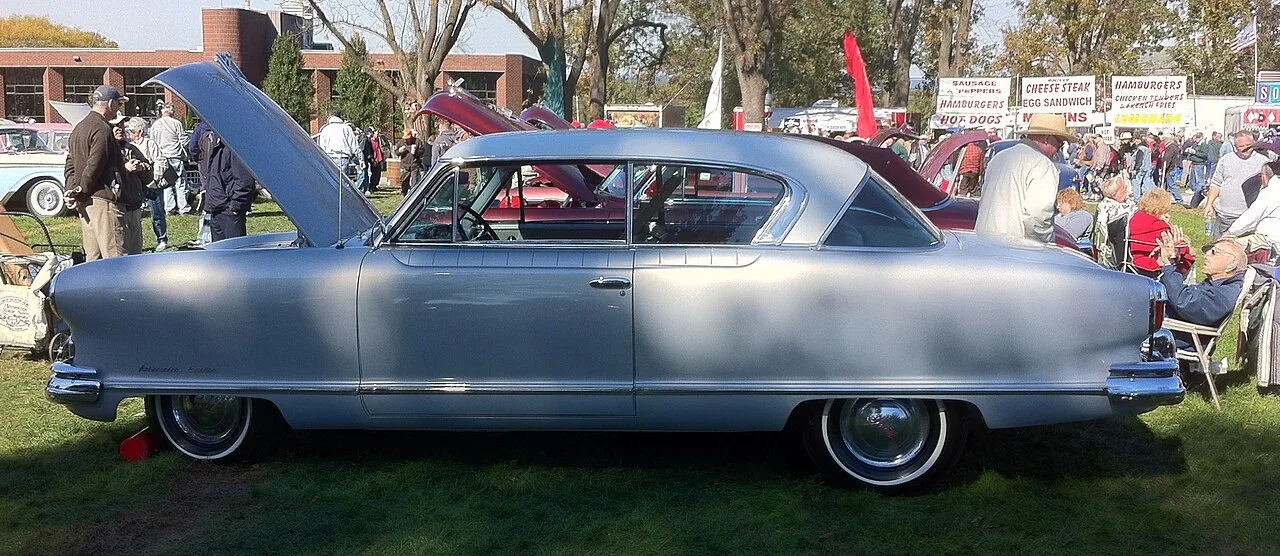
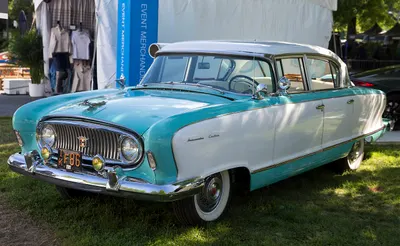
In 1954 the Nash Ambassador became the first American car with a fully integrated front-end heat-and-air system — a compact, hood-mounted unit priced at $345 while Oldsmobile's trunk-mounted setup ran $550.
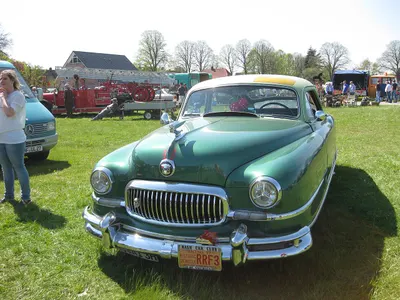
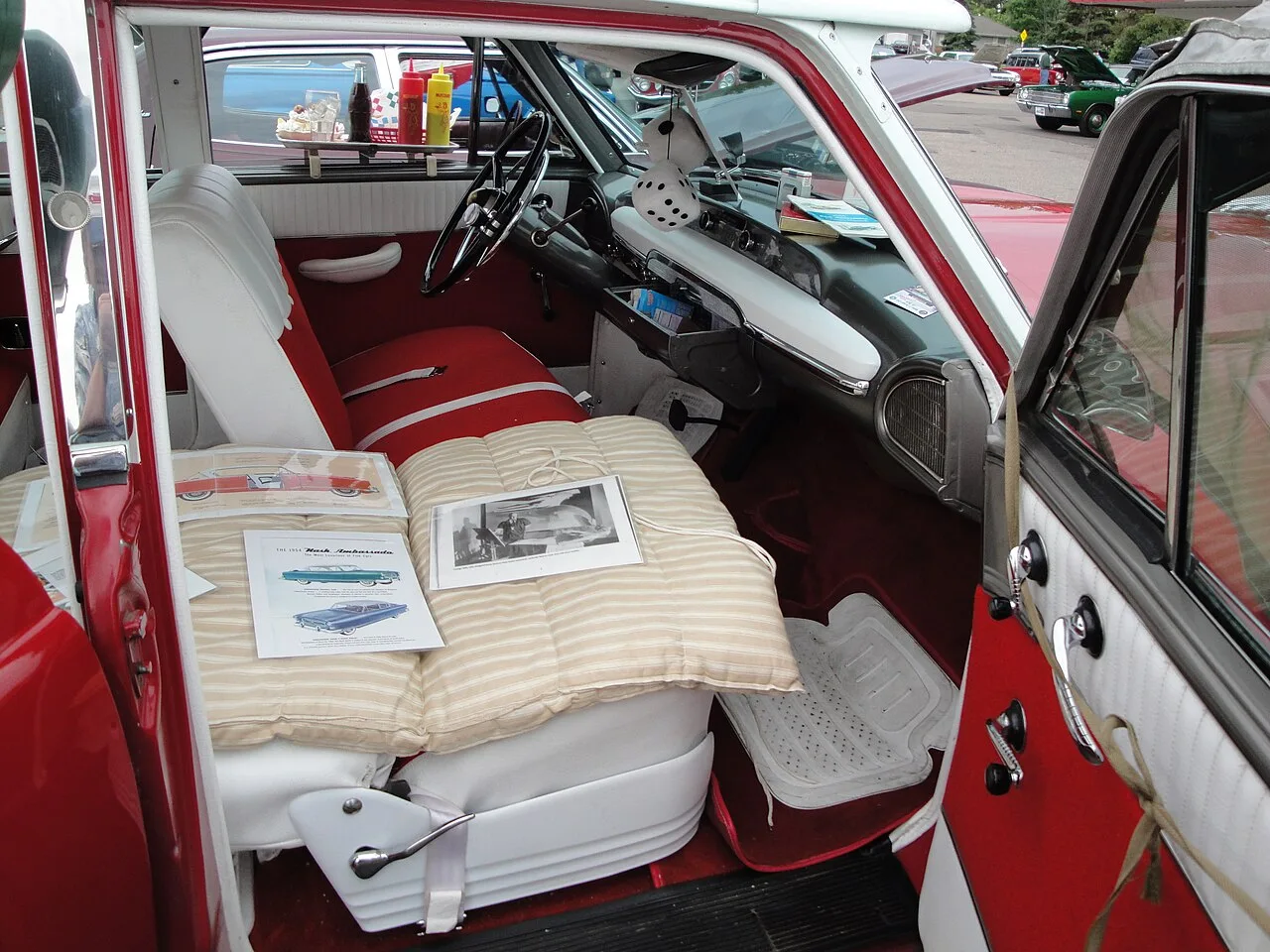
Nash's streamlined 1949 Ambassador folded its seats flat into something that could actually sleep three adults — a built-in bed, decades before anyone called it "van life."
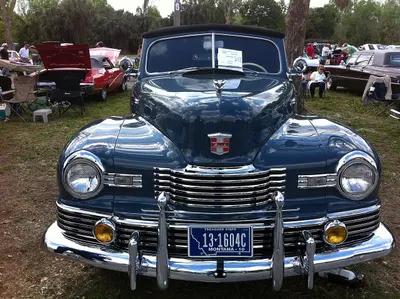
This Ambassador’s wagon looked like a classic wood-bodied wagon, but the wood was just cladding over an all-steel roof and doors underneath.
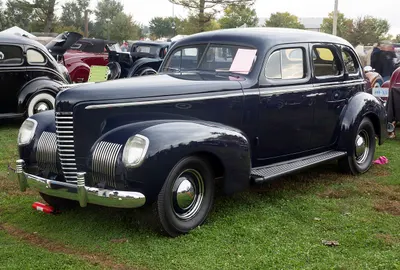
The 1941-42 Ambassador 600 was the first popular American car built with single-welded "unibody" monocoque construction - what Nash branded "Unitized" - instead of a separate body-on-frame.
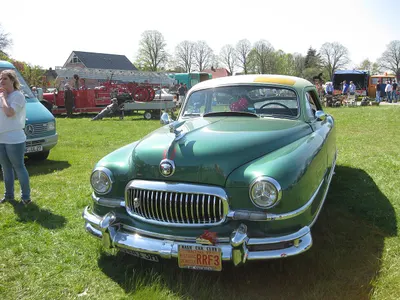
While the Great Depression wrecked the auto industry, Nash — maker of the Ambassador Eight — stayed in the black through 1932, the only American carmaker besides General Motors to manage it.
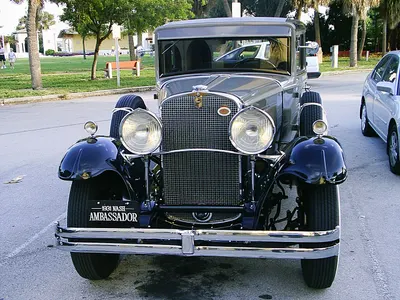
In 1927 a Swedish prince personally traveled to Nash's Kenosha, Wisconsin factory, where Scandinavian factory workers themselves delivered his custom Ambassador Six sedan.
Rivals
Same body, same money, other badges — tap any card to flip.

It briefly served as senior sibling to Marquette, a GM companion brand cancelled after just one year.

Nissan hired former BMW engineers to help develop the 510's suspension, which is why period reviewers frequently compared its handling to the BMW 1600/2002.

A Trabant 601 won its class at the 1970 Monte Carlo Rally, with a second 601 right behind it in second.

The 600 was a stopgap: the P50's body over the 601's mechanicals, and for a while its estate was built alongside the new 601 saloon.

The G80 Sport brought a 370 PS twin-turbo 3.3 V6, a mesh grille and copper-tinted chrome with copper stitching to match.

The Vigor was sold only with a five-cylinder engine, an unusual configuration Honda used to fit a longer engine transversely under a short hood.

The GS/E coupe earned the nickname "German Charger" for its long hood, short deck stance borrowed from Detroit muscle cars.

This DeVille/Fleetwood was the first production car anywhere to mount its V8 sideways, Cadillac's front-drive gamble on the new C-body.