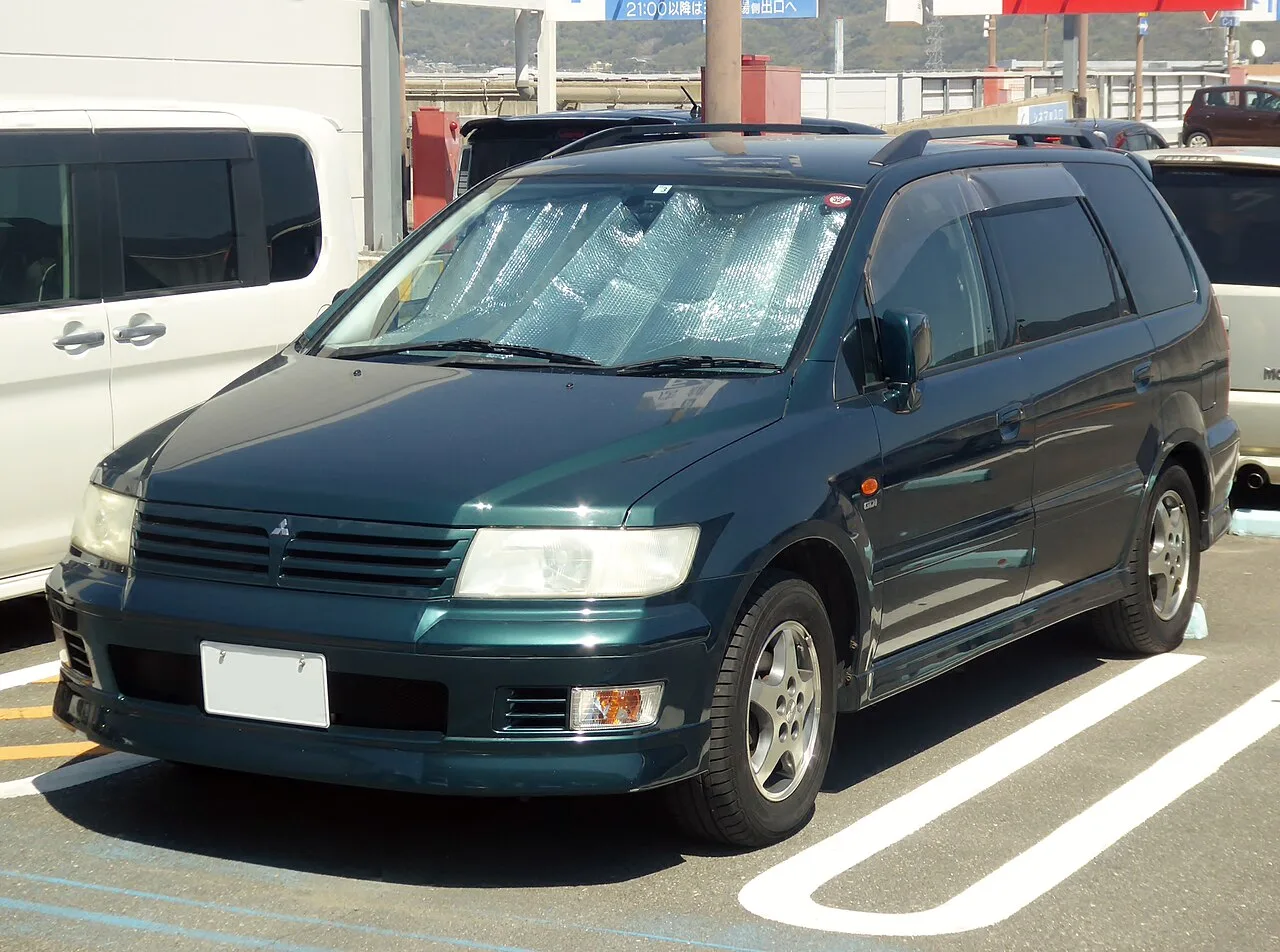
Most family minivans of the era made do with four cylinders — this Chariot Grandis offered a 3.0-litre direct-injection V6, an unusual amount of firepower for the segment.
Lead trim: 2.4 4G64 GDI
Mitsubishi Chariot Grandis UGUG · 1997–2003
- 0spots by members
- Unclaimednobody has spotted one yet
- 0sets it belongs to
Nobody in Burbles has spotted a Mitsubishi Chariot Grandis UG yet. See one on the street, point the app at it, and the first card is yours — with your @handle permanently credited on this page.
FactMost family minivans of the era made do with four cylinders — this Chariot Grandis offered a 3.0-litre direct-injection V6, an unusual amount of firepower for the segment.
Introduced on 17 October 1997 as the Chariot Grandis (from the French "grandiose"), larger and heavier again, moving from a ladder frame to monocoque with Mitsubishi's RISE safety body. The other fours were dropped for a single gasoline-direct-injection 4G64, with a new 2,972 cc DOHC 6G72 GDI V6, and INVECS-II four-speed semi-automatic or 5-speed manual; four-wheel drive was offered only with the 2.4 GDI and manual. Europe also had the 2.0 4G63 SOHC 16-valve. Over 2.0 L and 1.7 m wide, it no longer fit Japan's compact-car rules, and buyers owed extra annual tax, which hurt sales; it was not sold in North America. Sold as the Space Wagon, Nimbus, Savrin, and in China as the Soueast Sovereign (2004–2006).
Collectors Spotted in the Mitsubishi Chariot Lineage
No member has published a public street spot of the Mitsubishi Chariot yet — the First · Worldwide stamp is wide open.
Trims & Figures
3 published trims in the catalogue. A blank is a figure not recorded, not zero.
| Trim | Years | Engine | Power | Torque | 0–60 | Drive | Gearbox | MSRP |
|---|---|---|---|---|---|---|---|---|
| 2.0 4G63 SOHC Europe | 1997–2003 | 2.0 L Inline-4 | — | — | — | — | — | — |
| 2.4 4G64 GDI | 1997–2003 | 2.4 L Inline-4 | — | — | — | — | — | — |
| 3.0 6G72 GDI V6 | 1997–2003 | 3.0 L V6 | — | — | — | — | — | — |
Owning one
We don’t estimate running costs for a car like this. What it costs depends on its condition, its specialist and how it is driven, and an average would mislead.
Owners’ builds
Nobody has claimed one yet.
Photographs
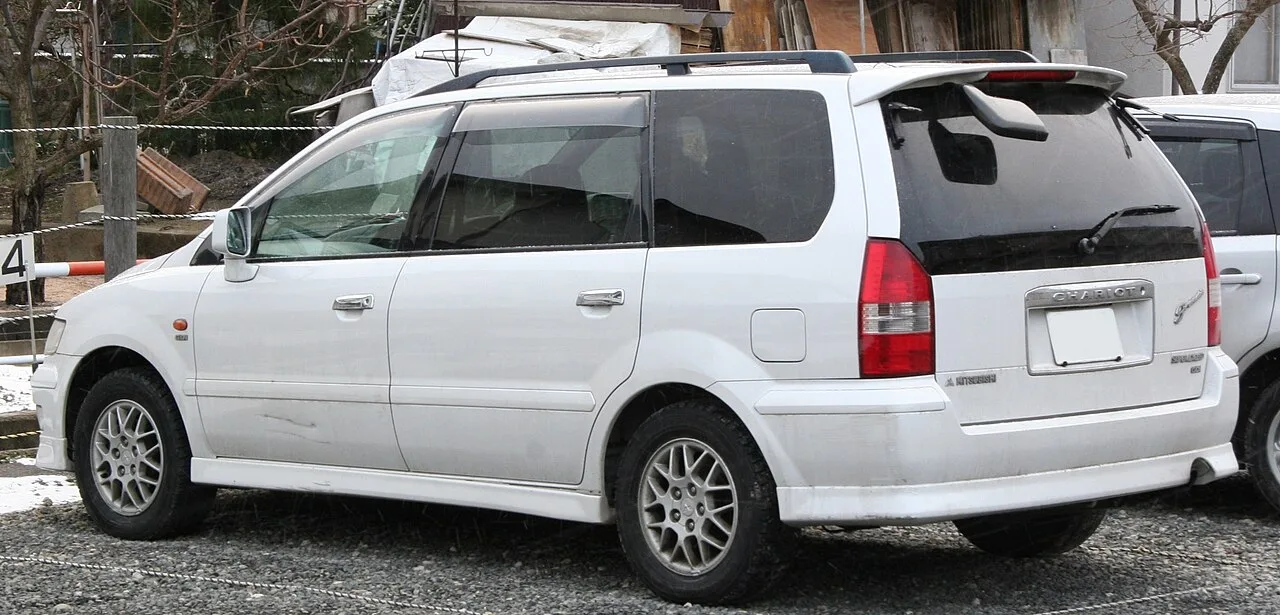
Most family minivans of the era made do with four cylinders — this Chariot Grandis offered a 3.0-litre direct-injection V6, an unusual amount of firepower for the segment.
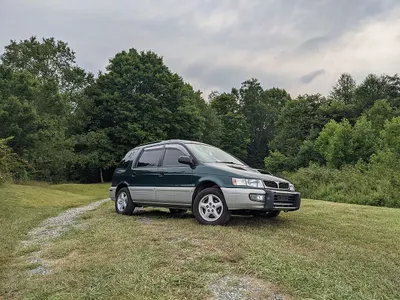
This JDM-only, Lancer Evolution-engined Chariot wagon claimed an alleged 139 mph top speed — making it, supposedly, the fastest three-row passenger vehicle in the world when new.
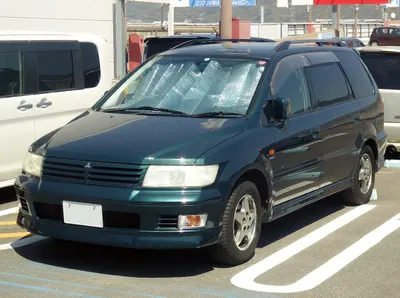
Finland exempted vans from a car tax, so Mitsubishi had a boatbuilder graft a taller fiberglass roof onto this Chariot to qualify it as cargo — at the cost of an 80 km/h speed limiter.
Rivals
Same body, same money, other badges — tap any card to flip.
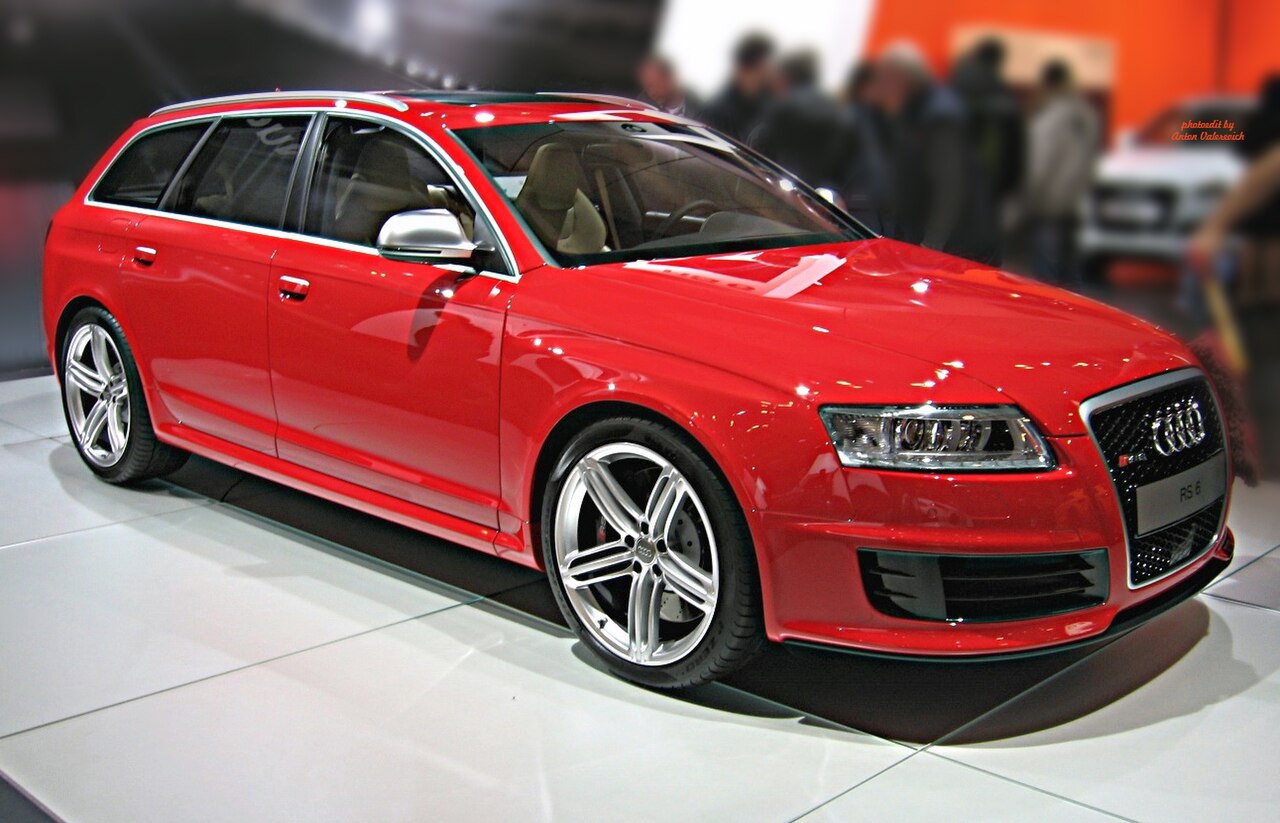
Cooling the C6 RS6’s twin-turbo V10 took seven separate radiators and four electric fans under the bonnet.
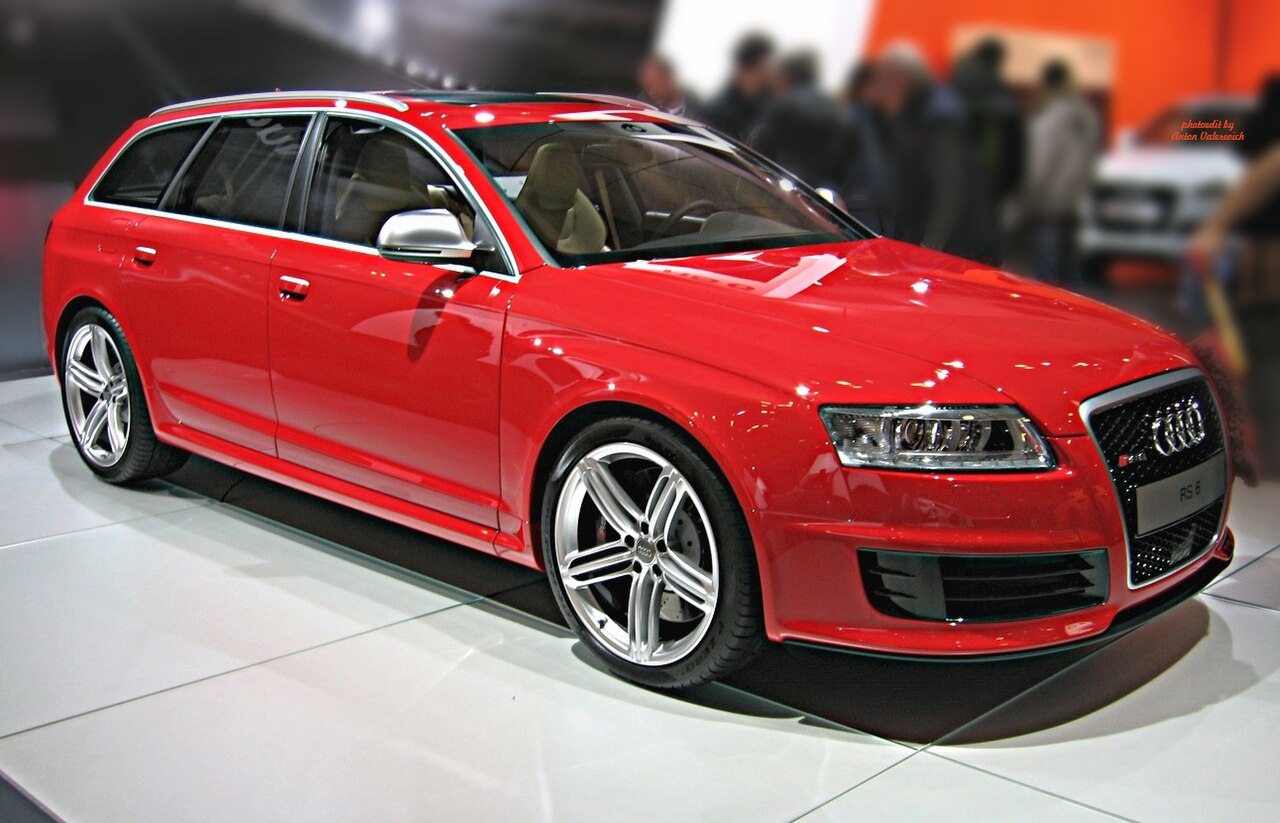
The original RS6 debuted Audi's clever hydraulic Dynamic Ride Control suspension — and enough owners got tired of its leaking dampers that they ripped the whole system out for plain coilovers.
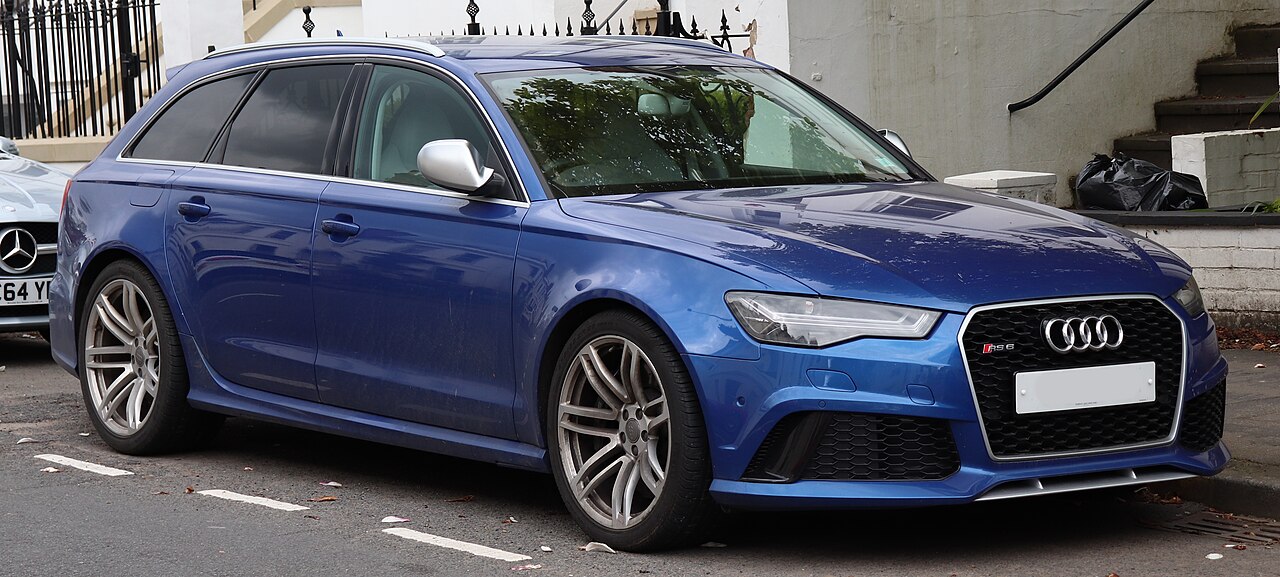
The C7-generation RS6 Avant never officially reached America at all — buyers there got the RS7 Sportback instead, running the exact same engine and platform in a different body.
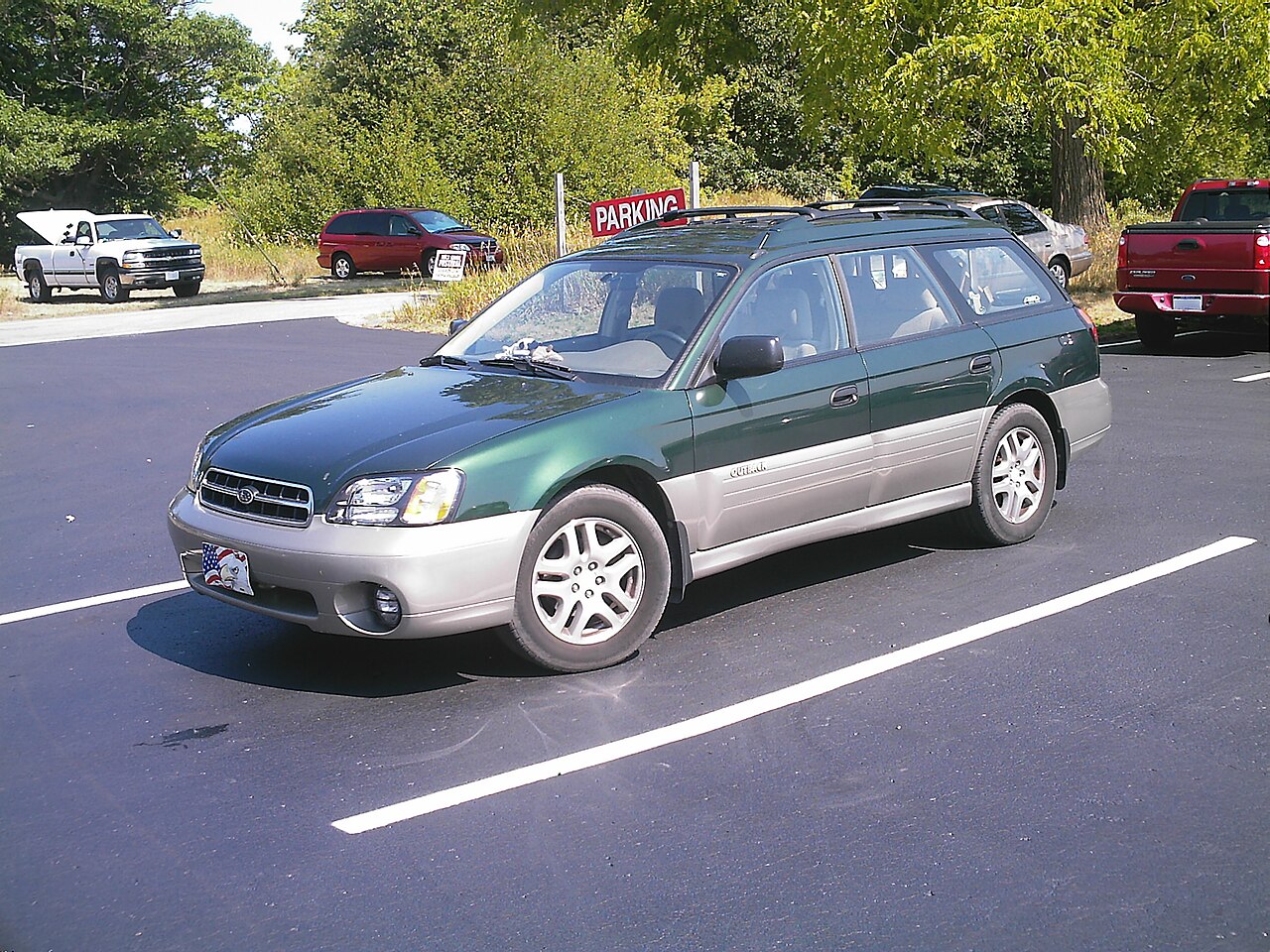
For a few years, this Outback's six-cylinder trim came with genuine McIntosh audio — the same esteemed hi-fi name found in home theaters, one of the only cars ever to get it from the factory.
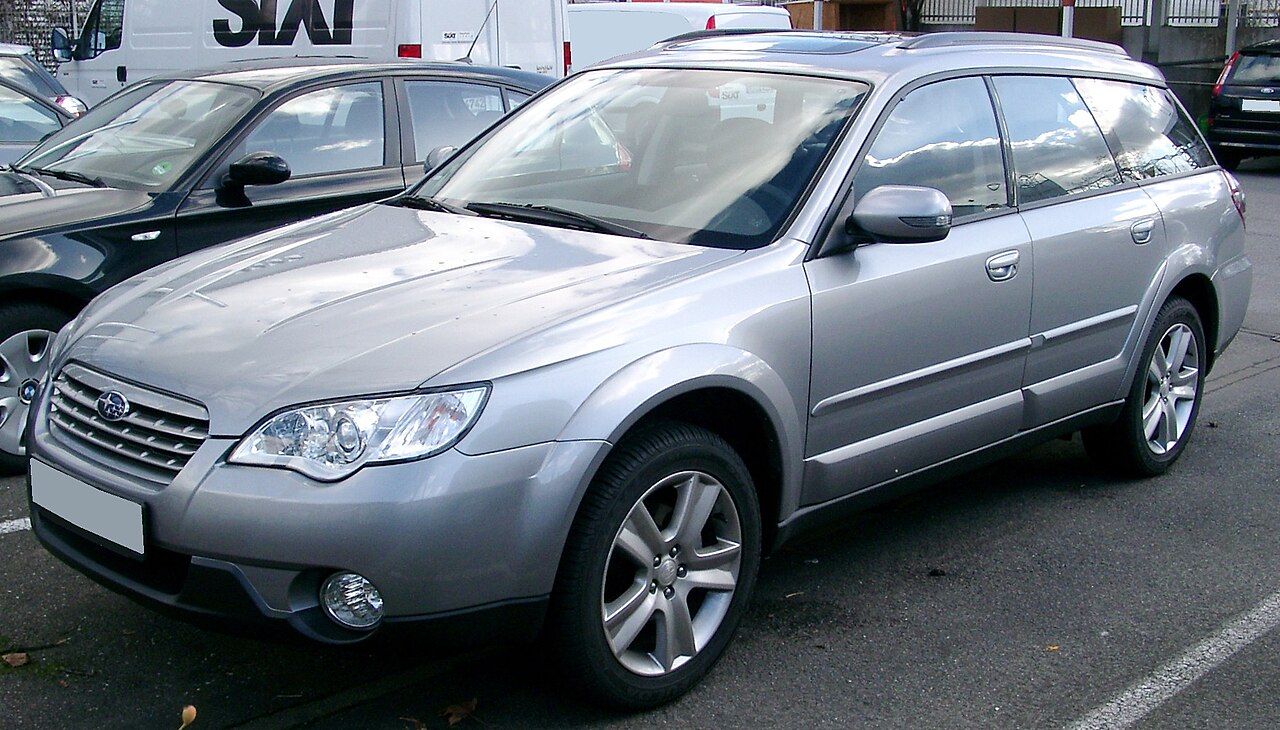
Subaru didn't have the budget for an all-new SUV, so it dressed up a Legacy wagon instead. A Subaru of America executive later put it bluntly: "[the Outback] saved our company."
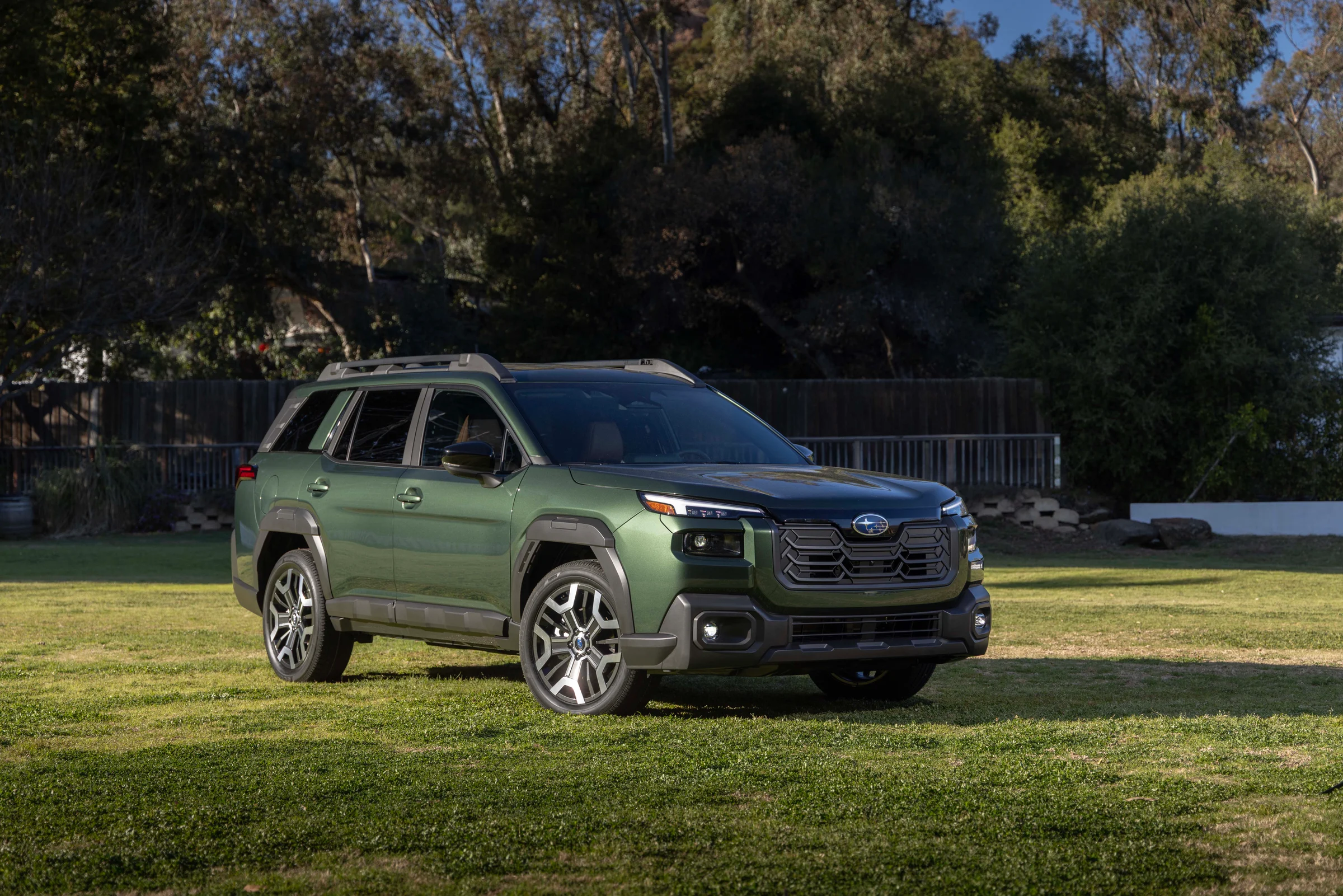
The new Outback's full-width tail light bar has a 2 ft ruler built in, for measuring whatever you are about to load.
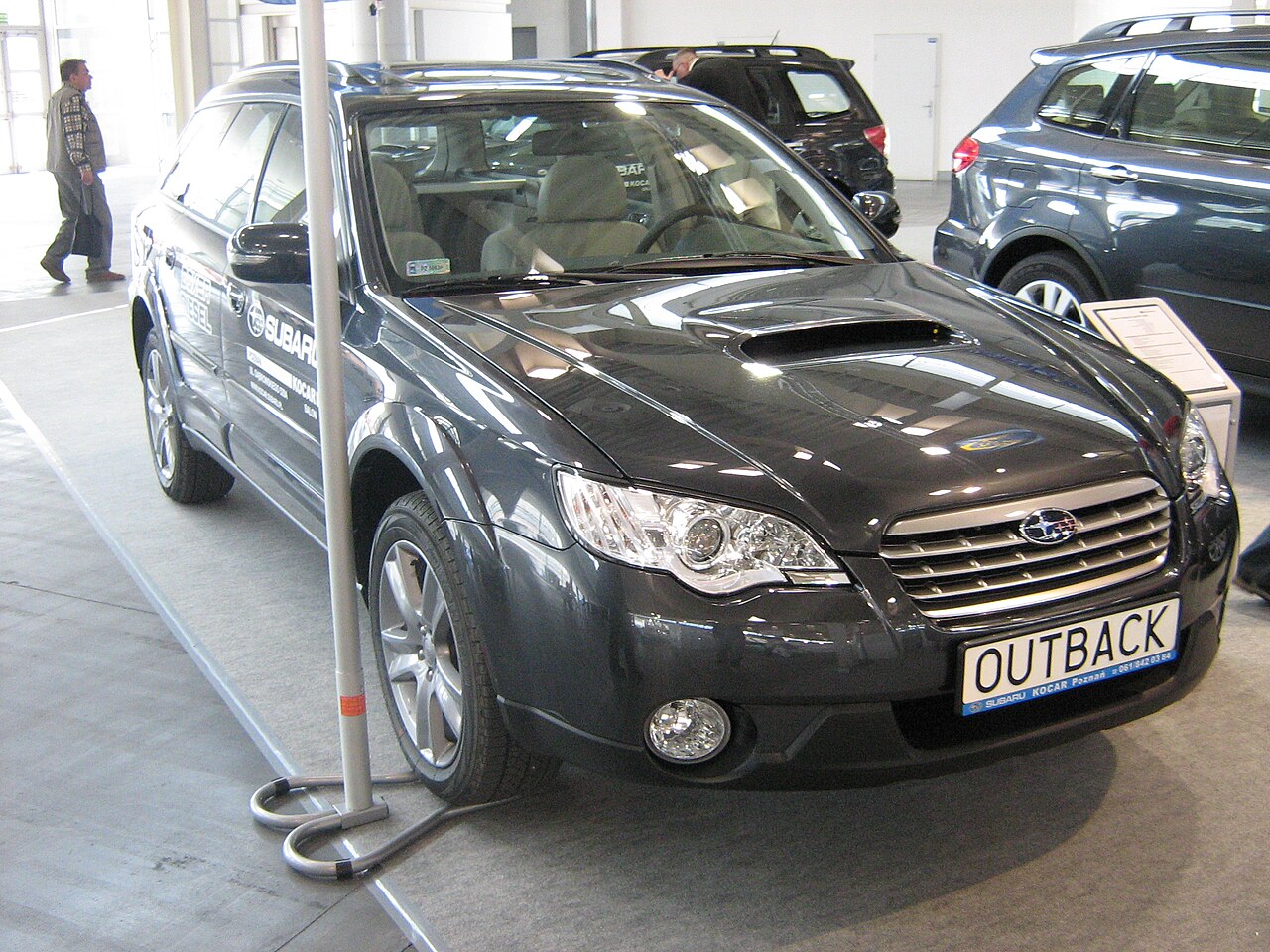
This Outback shared Top Gear's Car of the Year crown — an unusual honor for a jacked-up wagon to split with the Ford Mondeo in 2007.
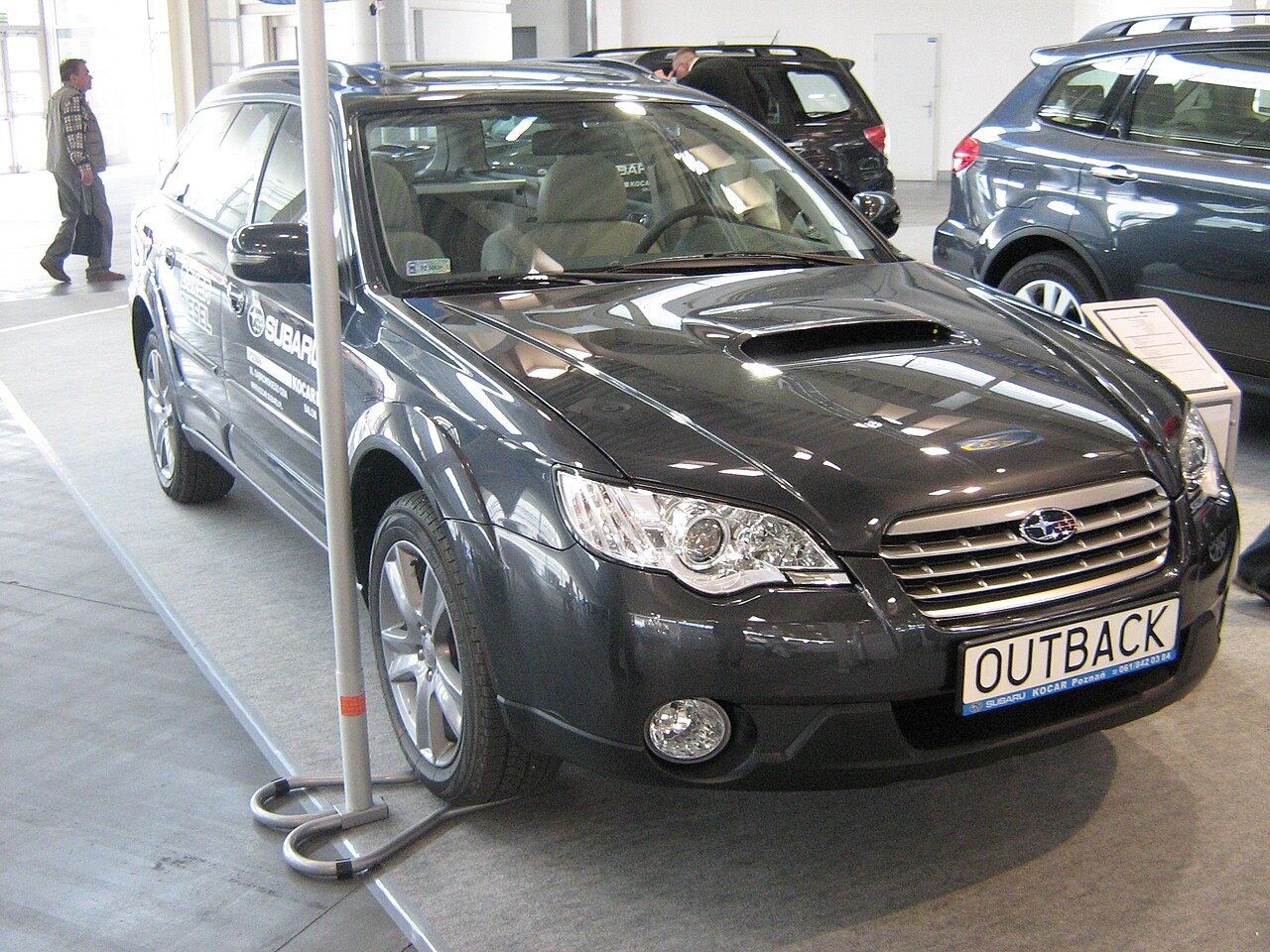
A wagon beat the SUVs at their own game: this Outback generation won Motor Trend's Sport/Utility of the Year award for 2010.