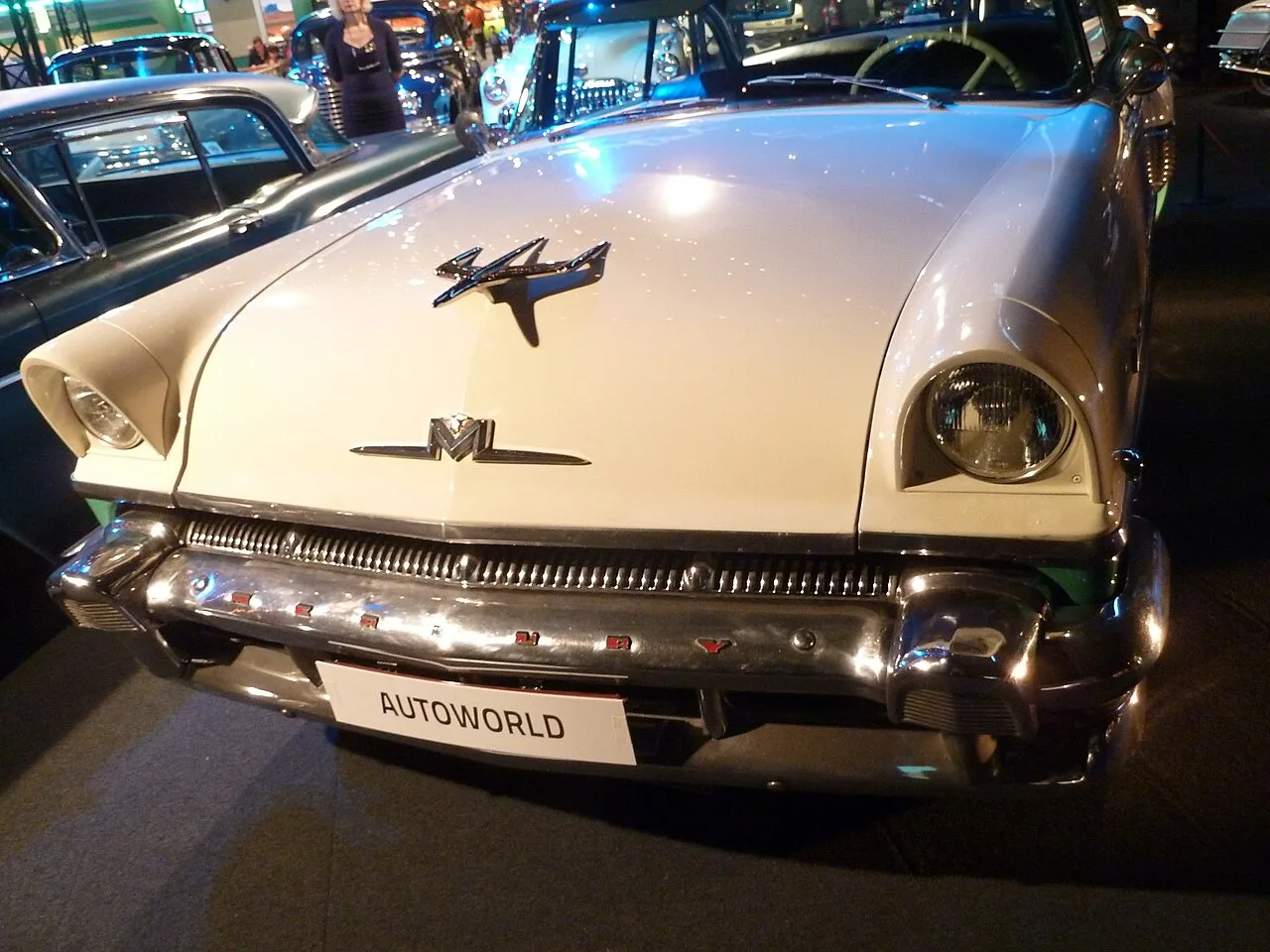
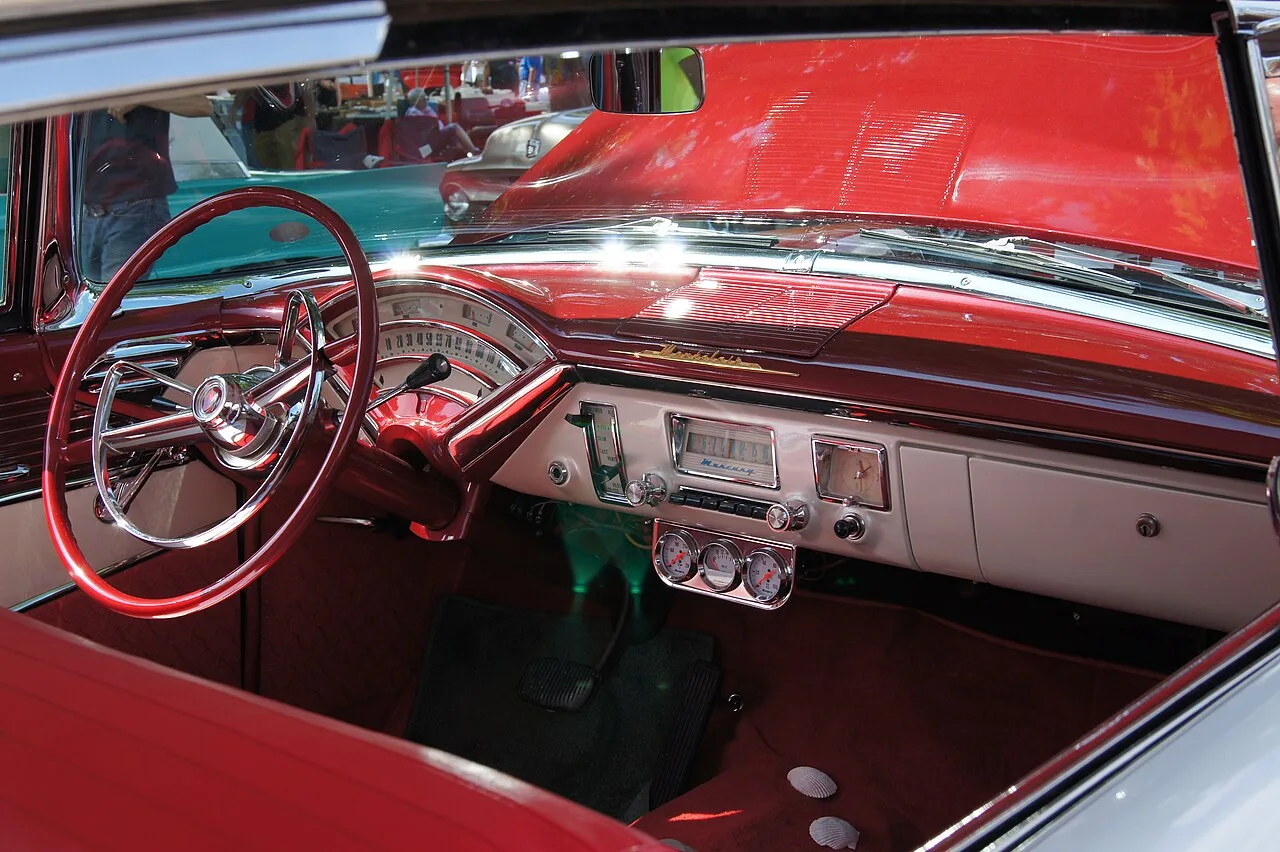
Mercury’s pushbutton shifter copied Chrysler’s mechanical TorqueFlite setup — steering clear of Edsel’s infamous, failure-prone electric Teletouch system.
Lead trim: Montclair 312 cu in V8 (255 hp, 1957) · up to 400 hp
Mercury Montclair1957–1958
- 0spots by members
- Unclaimednobody has spotted one yet
- 0sets it belongs to
Nobody in Burbles has spotted a Mercury Montclair yet. See one on the street, point the app at it, and the first card is yours — with your @handle permanently credited on this page.
FactMercury’s pushbutton shifter copied Chrysler’s mechanical TorqueFlite setup — steering clear of Edsel’s infamous, failure-prone electric Teletouch system.
For 1957 the Montclair became the mid-range Mercury, slotted below the new Turnpike Cruiser: Mercurys grew to a 122-inch wheelbase (211 in long on the infobox for 1957) with a perimeter-style frame allowing a lower, wider body and lower floor, elevating all Mercury products above the new Edsel. The four-door pillared sedan now shared its roofline with the Monterey; a two-door and a new four-door hardtop were designated Montclair Phaetons and a convertible was offered. The 312 V8 was carried over from 1956 retuned to 255 hp, with the Turnpike Cruiser's 368 cubic-inch V8 producing 290 hp optional; a three-speed manual was standard and a 3-speed automatic with mechanically activated pushbutton "Keyboard Control" was optional. For 1958 the Montclair remained the mid-level Mercury below the new Park Lane, with the Turnpike Cruiser returning as a Montclair trim level (larger windshield, retractable rear window); the 312 V8 was replaced by a 383 cubic-inch V8 producing 330 hp, and a special-order 430 cubic-inch "Super Marauder" V8 producing 400 hp (the first American series-produced engine to reach that output) was offered.
Collectors Spotted in the Mercury Montclair Lineage
No member has published a public street spot of the Mercury Montclair yet — the First · Worldwide stamp is wide open.
Trims & Figures
4 published trims in the catalogue. A blank is a figure not recorded, not zero.
| Trim | Years | Engine | Power | Torque | 0–60 | Drive | Gearbox | MSRP |
|---|---|---|---|---|---|---|---|---|
| Montclair 312 cu in V8 (255 hp, 1957) | 1957–1957 | V8 | 255 hp | 340 lb-ft | — | RWD | — | — |
| Montclair 368 cu in V8 (290 hp, 1957 option) | 1957–1957 | V8 | 290 hp | 405 lb-ft | — | RWD | — | — |
| Montclair 383 cu in V8 (330 hp, 1958) | 1958–1958 | V8 | 330 hp | 425 lb-ft | — | RWD | — | — |
| Montclair 430 cu in Super Marauder V8 (400 hp, 1958 special order) | 1958–1958 | V8 | 400 hp | 500 lb-ft | — | RWD | — | — |
Owning one
We don’t estimate running costs for a car like this. What it costs depends on its condition, its specialist and how it is driven, and an average would mislead.
Owners’ builds
Nobody has claimed one yet.
Photographs
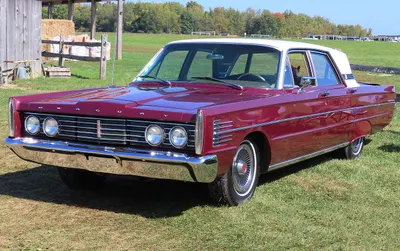
The quirky Breezeway reverse-slant rear window came back for 1967-68, but neutered — it now fit inside the normal roofline and only cracked open a few inches for ventilation.
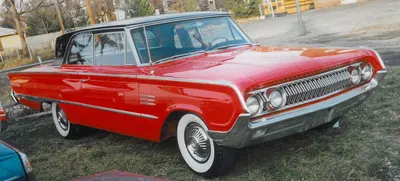
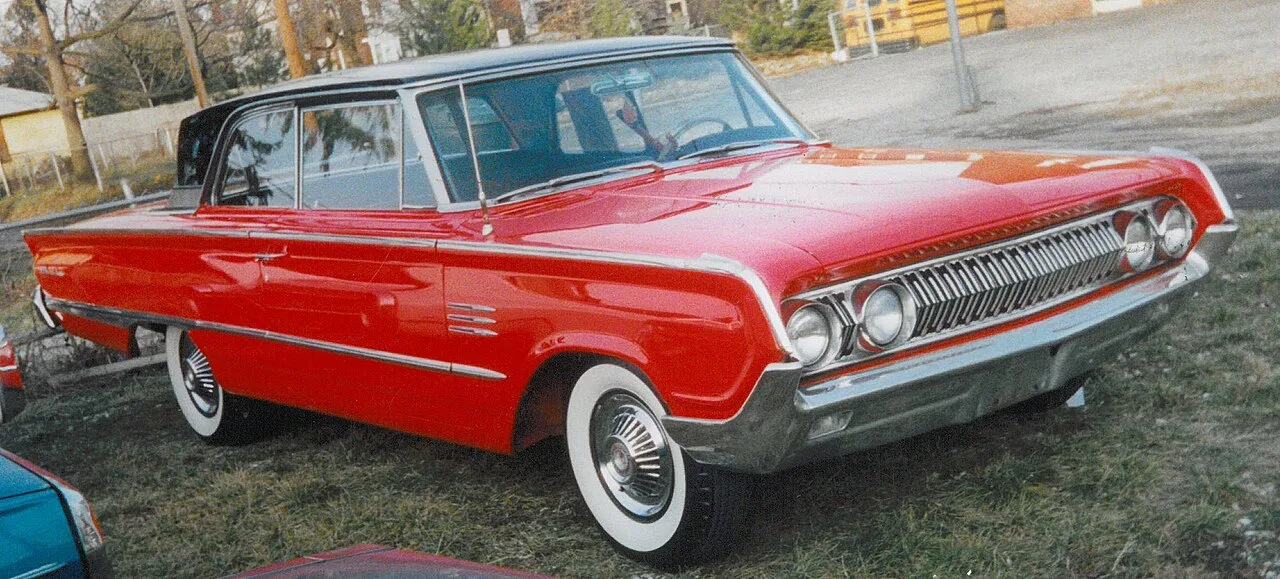
Every four-door 1964 Montclair sedan got Mercury's odd reverse-slant 'Breezeway' rear window as standard — two-door hardtops could choose the conventional 'Marauder' roofline instead.
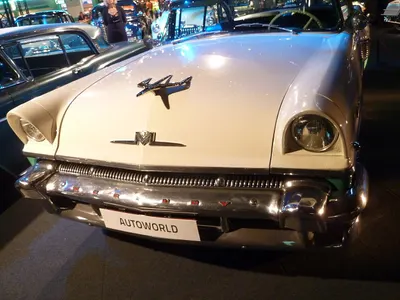
The 1959 Montclair was one of the biggest cars Mercury ever built — and owners still complained it didn't have enough interior room for its size.
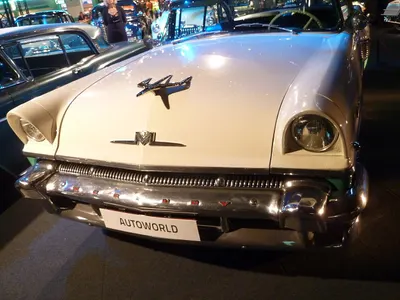
Mercury’s pushbutton shifter copied Chrysler’s mechanical TorqueFlite setup — steering clear of Edsel’s infamous, failure-prone electric Teletouch system.
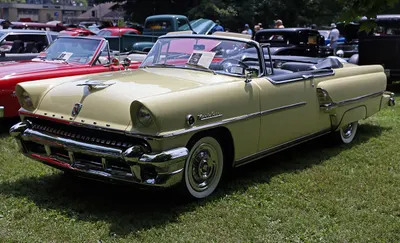
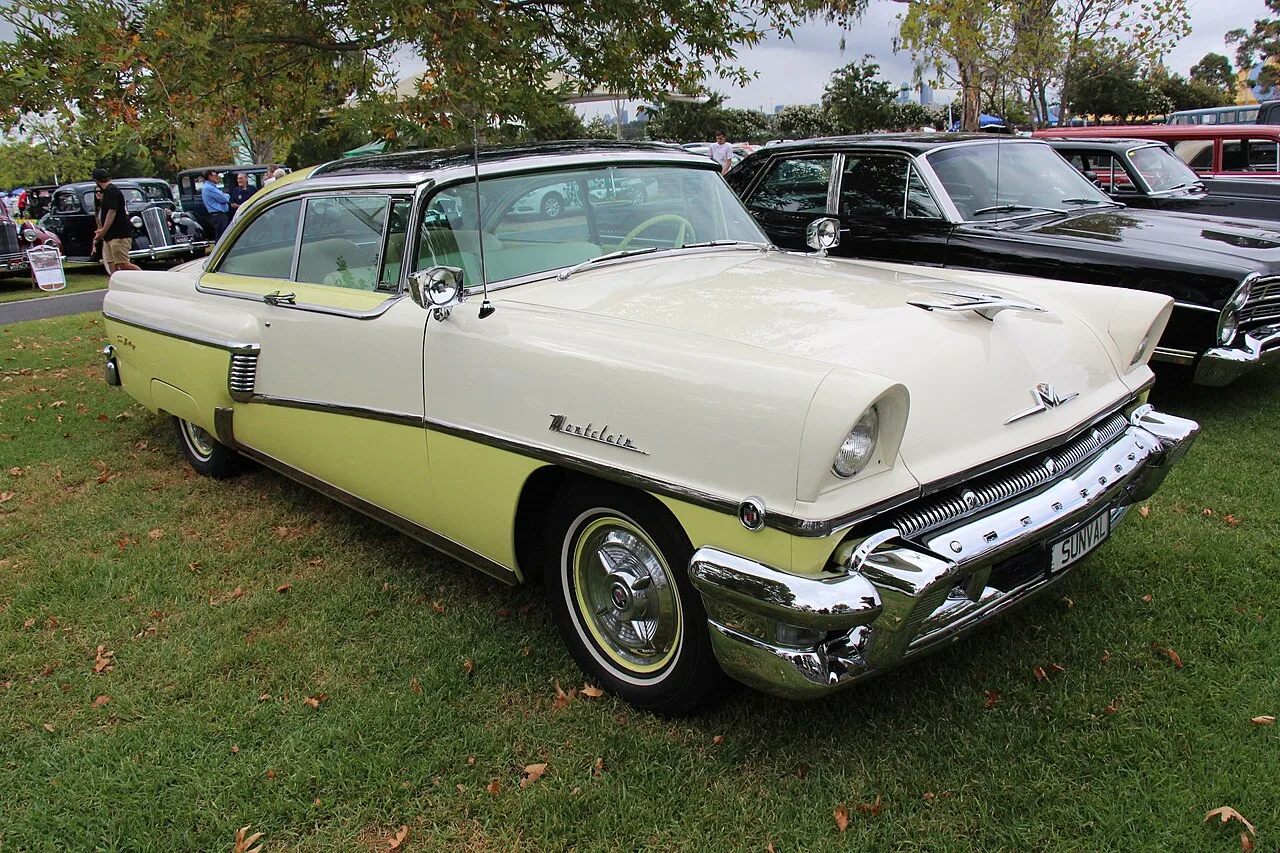
The 1955 Montclair could be ordered with a tinted Plexiglas roof panel up front — a feature so unloved for cooking drivers in summer heat that only 1,787 were ever built.
Rivals
Same body, same money, other badges — tap any card to flip.

It briefly served as senior sibling to Marquette, a GM companion brand cancelled after just one year.

Nissan hired former BMW engineers to help develop the 510's suspension, which is why period reviewers frequently compared its handling to the BMW 1600/2002.

A Trabant 601 won its class at the 1970 Monte Carlo Rally, with a second 601 right behind it in second.

The 600 was a stopgap: the P50's body over the 601's mechanicals, and for a while its estate was built alongside the new 601 saloon.

The G80 Sport brought a 370 PS twin-turbo 3.3 V6, a mesh grille and copper-tinted chrome with copper stitching to match.

The Vigor was sold only with a five-cylinder engine, an unusual configuration Honda used to fit a longer engine transversely under a short hood.

The GS/E coupe earned the nickname "German Charger" for its long hood, short deck stance borrowed from Detroit muscle cars.

This DeVille/Fleetwood was the first production car anywhere to mount its V8 sideways, Cadillac's front-drive gamble on the new C-body.