Only 60 1967 Comets ever got the 427 V8, and of those, just nine were W-code — with a single W-code Capri making it, by one account, the rarest Mercury ever built.
Lead trim: Comet 427 cu in FE V8 single four-barrel (W-code, 410 hp) · up to 425 hp
Mercury Comet 4271967–1967
- 0spots by members
- Unclaimednobody has spotted one yet
- 0sets it belongs to
Nobody in Burbles has spotted a Mercury Comet 427 yet. See one on the street, point the app at it, and the first card is yours — with your @handle permanently credited on this page.
FactOnly 60 1967 Comets ever got the 427 V8, and of those, just nine were W-code — with a single W-code Capri making it, by one account, the rarest Mercury ever built.
In 1967 the Comet was offered in very limited numbers with the famed 427 cubic inch FE "side-oiler" V8, either as a single four-barrel (the W-code, 410 horsepower) or a dual-four-barrel setup (the R-code, 425 horsepower, like the similar Ford Fairlane). Only 60 cars were powered by the 427: 51 with the R-code and nine with the W-code (six of the 60 were Capris and four were Calientes, with no convertibles produced). Only one W-code car was a Capri, which makes it the rarest Mercury ever. All 427 Comets were equipped with a 4-speed Toploader transmission, a 9-inch rear end with 3.89:1 gears and a Traction-Lok limited-slip differential, and Mercury lightened them by removing the sound deadening (saving about 150 pounds); some cars also had the battery relocated to the trunk to move more weight over the rear wheels for drag racing.
Collectors Spotted in the Mercury Comet Lineage
No member has published a public street spot of the Mercury Comet yet — the First · Worldwide stamp is wide open.
Trims & Figures
2 published trims in the catalogue. A blank is a figure not recorded, not zero.
| Trim | Years | Engine | Power | Torque | 0–60 | Drive | Gearbox | MSRP |
|---|---|---|---|---|---|---|---|---|
| Comet 427 cu in FE V8 dual four-barrel (R-code, 425 hp) | 1967–1967 | 7.0 L V8 | 425 hp | 480 lb-ft | — | RWD | — | — |
| Comet 427 cu in FE V8 single four-barrel (W-code, 410 hp) | 1967–1967 | 7.0 L V8 | 410 hp | 476 lb-ft | — | RWD | — | — |
Owning one
We don’t estimate running costs for a car like this. What it costs depends on its condition, its specialist and how it is driven, and an average would mislead.
Owners’ builds
Nobody has claimed one yet.
Photographs
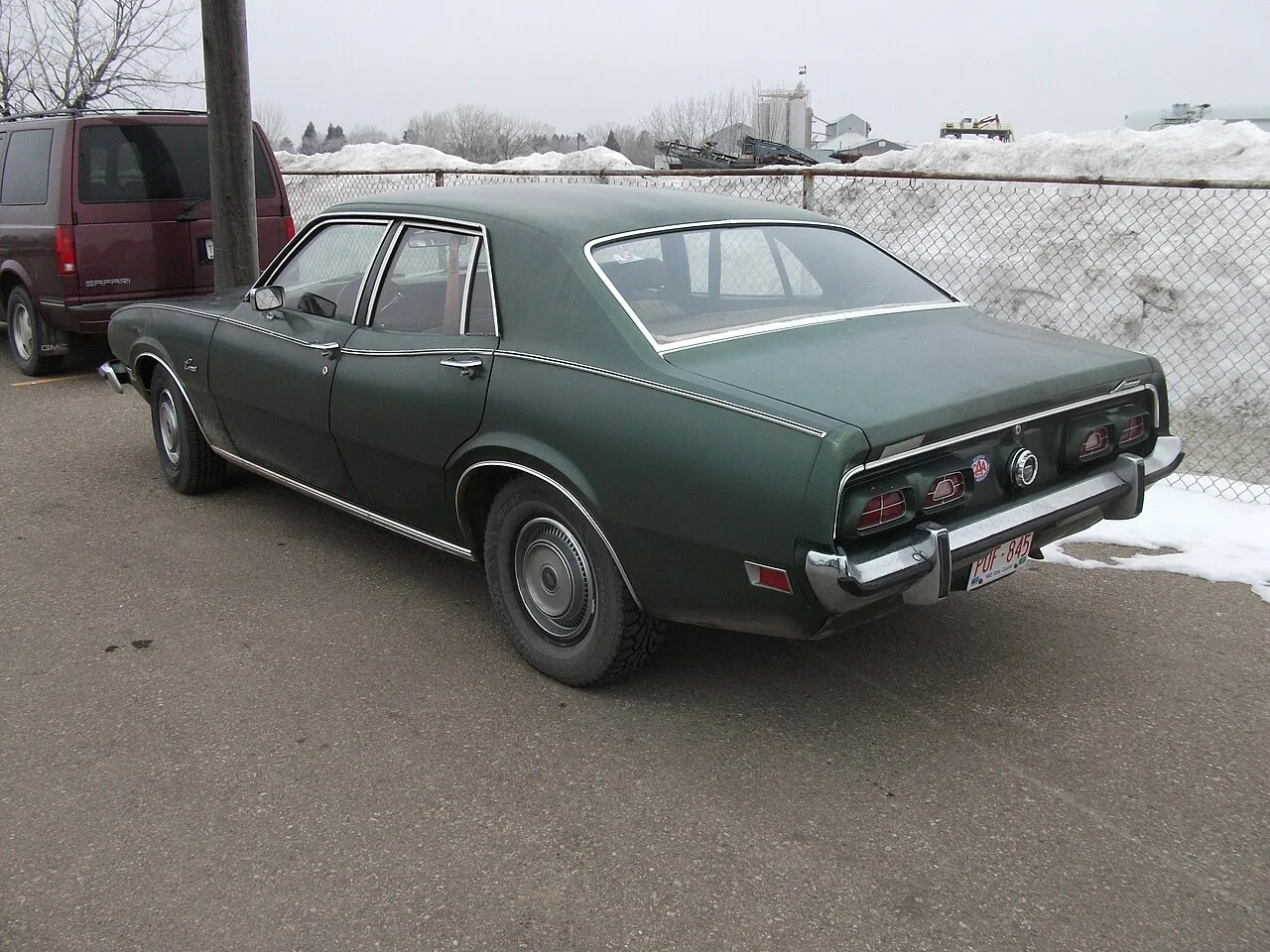
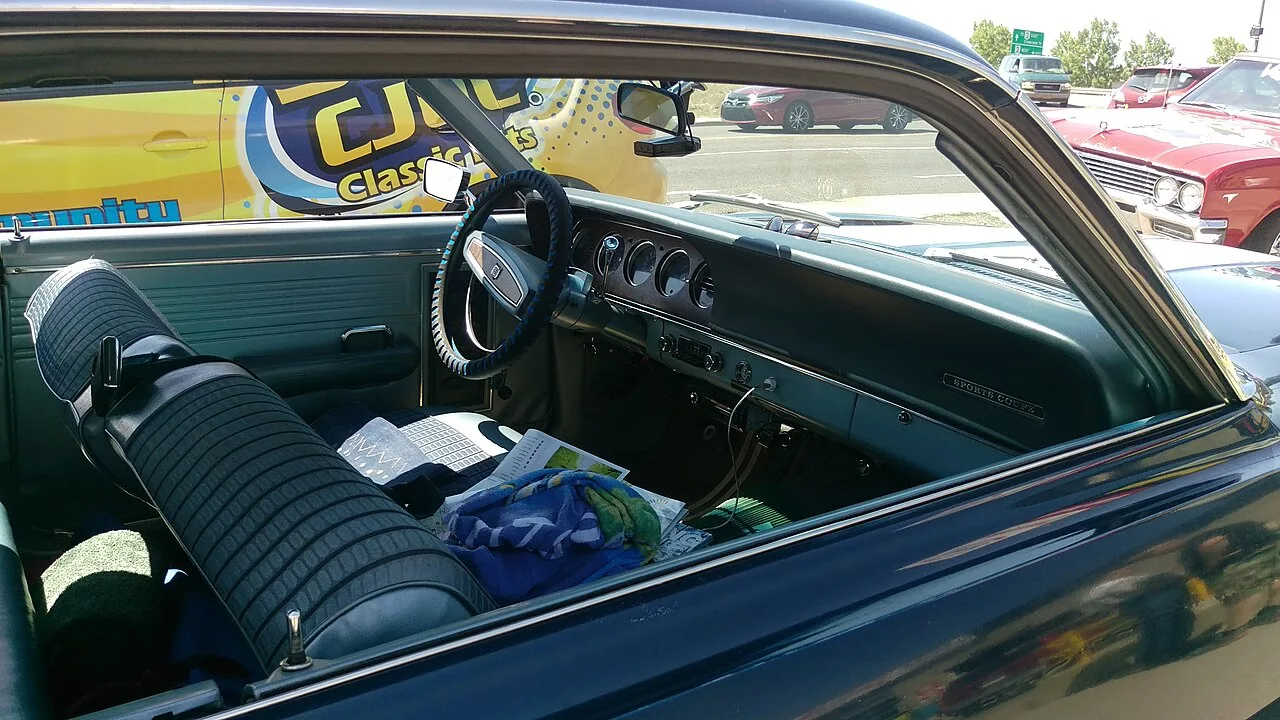
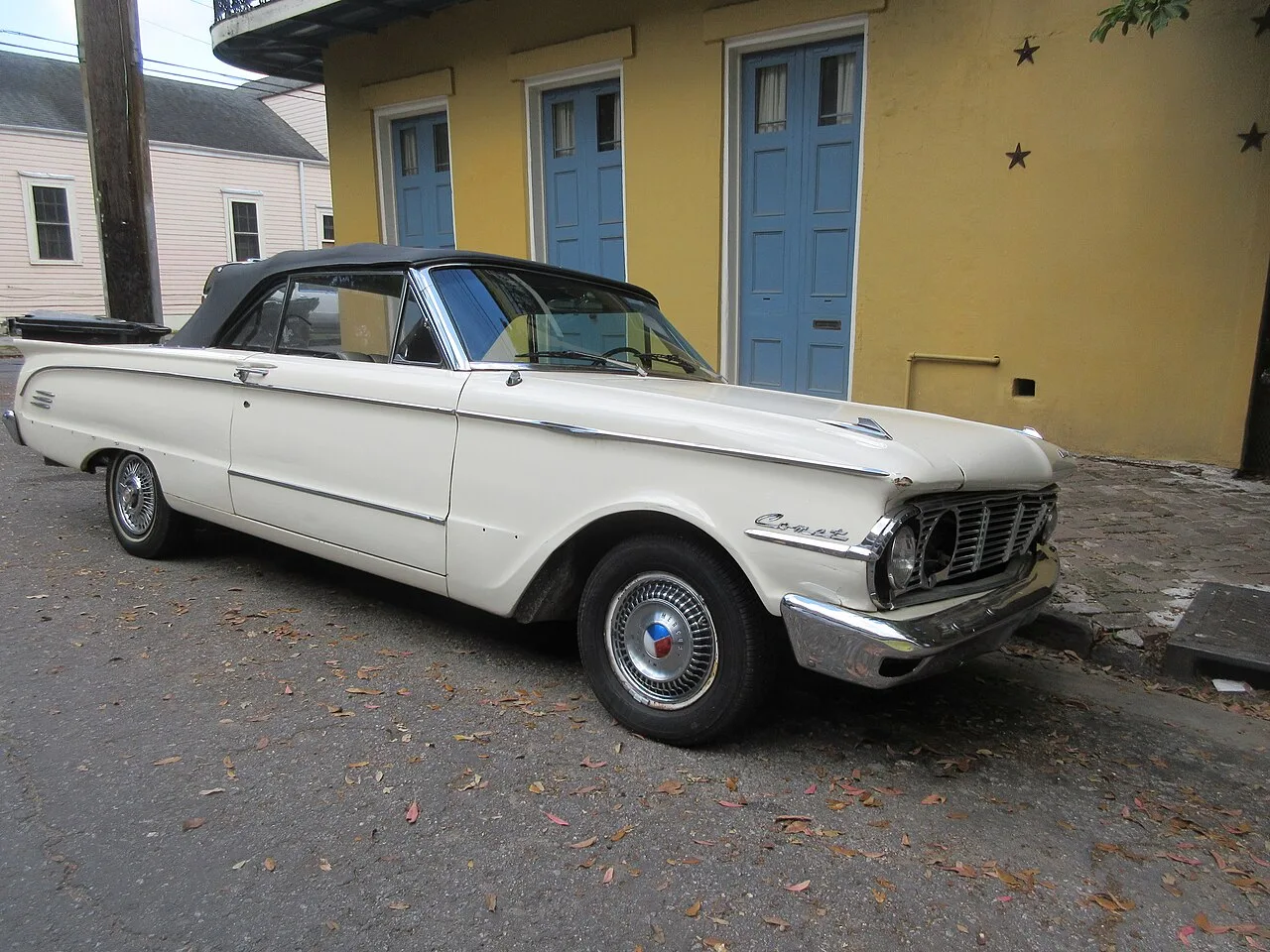
Mercury's 1971 Comet was really a dressed-up Maverick, and it didn't even get its own taillights — the pods were carried over straight from the 1970-71 Montego and Cyclone.
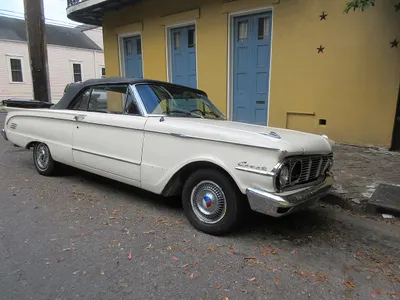
By 1968 the once-diverse Comet lineup had been stripped down to one body style only — a two-door coupe, sharing its chassis with the Ford Fairlane and Torino.
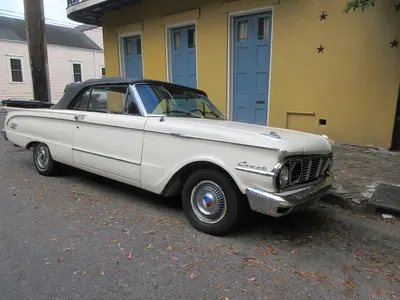
Only 60 1967 Comets ever got the 427 V8, and of those, just nine were W-code — with a single W-code Capri making it, by one account, the rarest Mercury ever built.
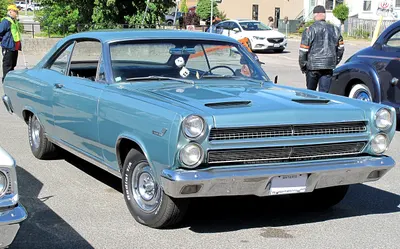
In 1966 a Comet Cyclone GT convertible paced the Indianapolis 500 — serious racing credibility for what had started out as a humble compact six years earlier.
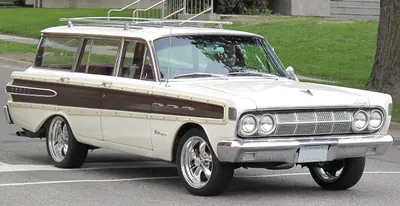
Ford split its drag-strip muscle on purpose: the Comet Cyclone ran on wider tires in a different class than its Thunderbolt sibling, so neither car had to beat the other to dominate.
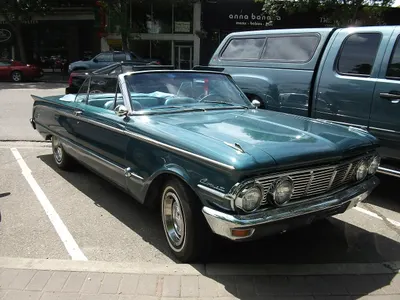
This Comet was almost an Edsel: it was conceived as one before that brand collapsed, and the first-year cars literally used Edsel parking lights and dashboard knobs left over in the parts bin.
Rivals
Same body, same money, other badges — tap any card to flip.

It briefly served as senior sibling to Marquette, a GM companion brand cancelled after just one year.

Nissan hired former BMW engineers to help develop the 510's suspension, which is why period reviewers frequently compared its handling to the BMW 1600/2002.

A Trabant 601 won its class at the 1970 Monte Carlo Rally, with a second 601 right behind it in second.

The 600 was a stopgap: the P50's body over the 601's mechanicals, and for a while its estate was built alongside the new 601 saloon.

The G80 Sport brought a 370 PS twin-turbo 3.3 V6, a mesh grille and copper-tinted chrome with copper stitching to match.

The Vigor was sold only with a five-cylinder engine, an unusual configuration Honda used to fit a longer engine transversely under a short hood.

The GS/E coupe earned the nickname "German Charger" for its long hood, short deck stance borrowed from Detroit muscle cars.

This DeVille/Fleetwood was the first production car anywhere to mount its V8 sideways, Cadillac's front-drive gamble on the new C-body.