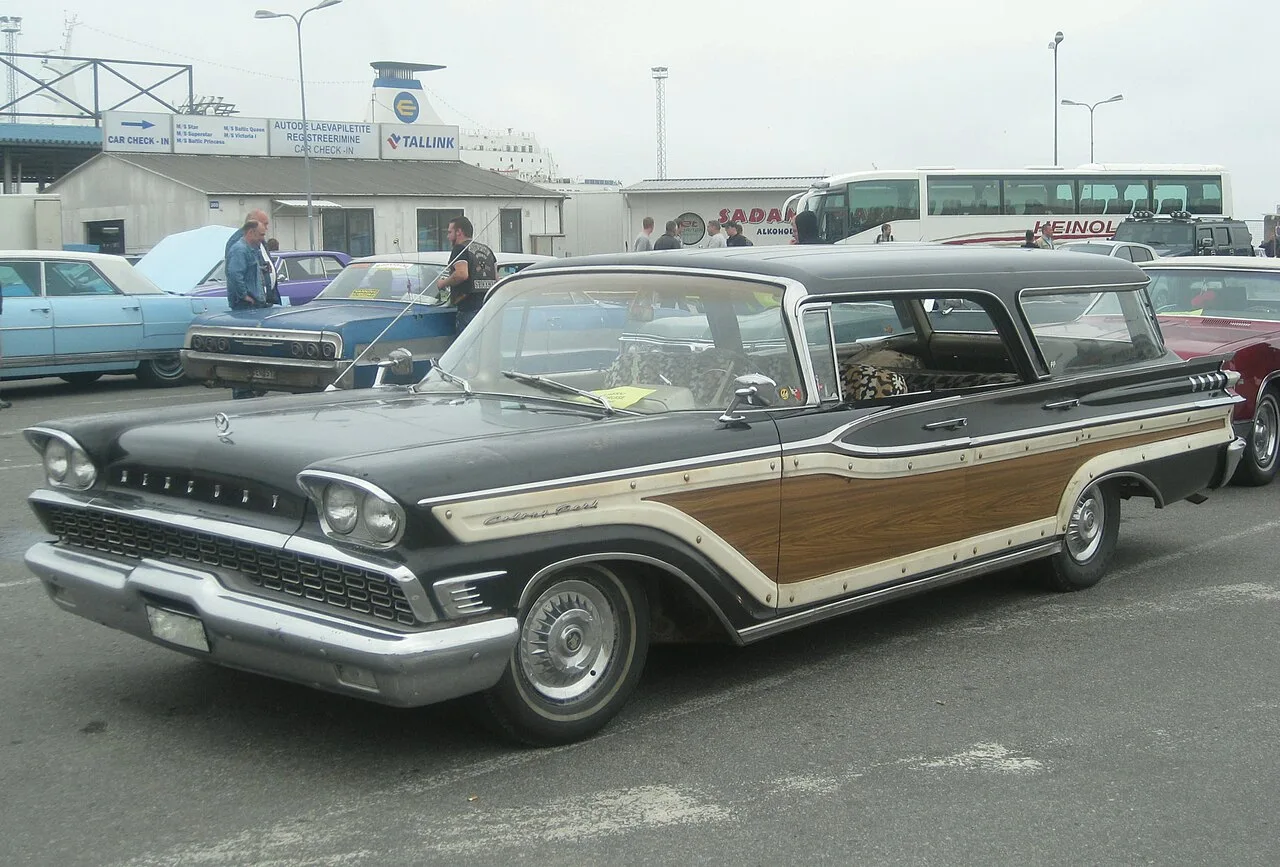
This Colony Park redesign actually shrank the car — about five inches shorter, six inches less wheelbase, and 500 fewer pounds than the 1960 model — and sales went up anyway.
Lead trim: Colony Park 292 cu in Y-block V8 (1961–1962) · up to 220 hp
Mercury Colony Park1961–1964
- 0spots by members
- Unclaimednobody has spotted one yet
- 0sets it belongs to
Nobody in Burbles has spotted a Mercury Colony Park yet. See one on the street, point the app at it, and the first card is yours — with your @handle permanently credited on this page.
FactThis Colony Park redesign actually shrank the car — about five inches shorter, six inches less wheelbase, and 500 fewer pounds than the 1960 model — and sales went up anyway.
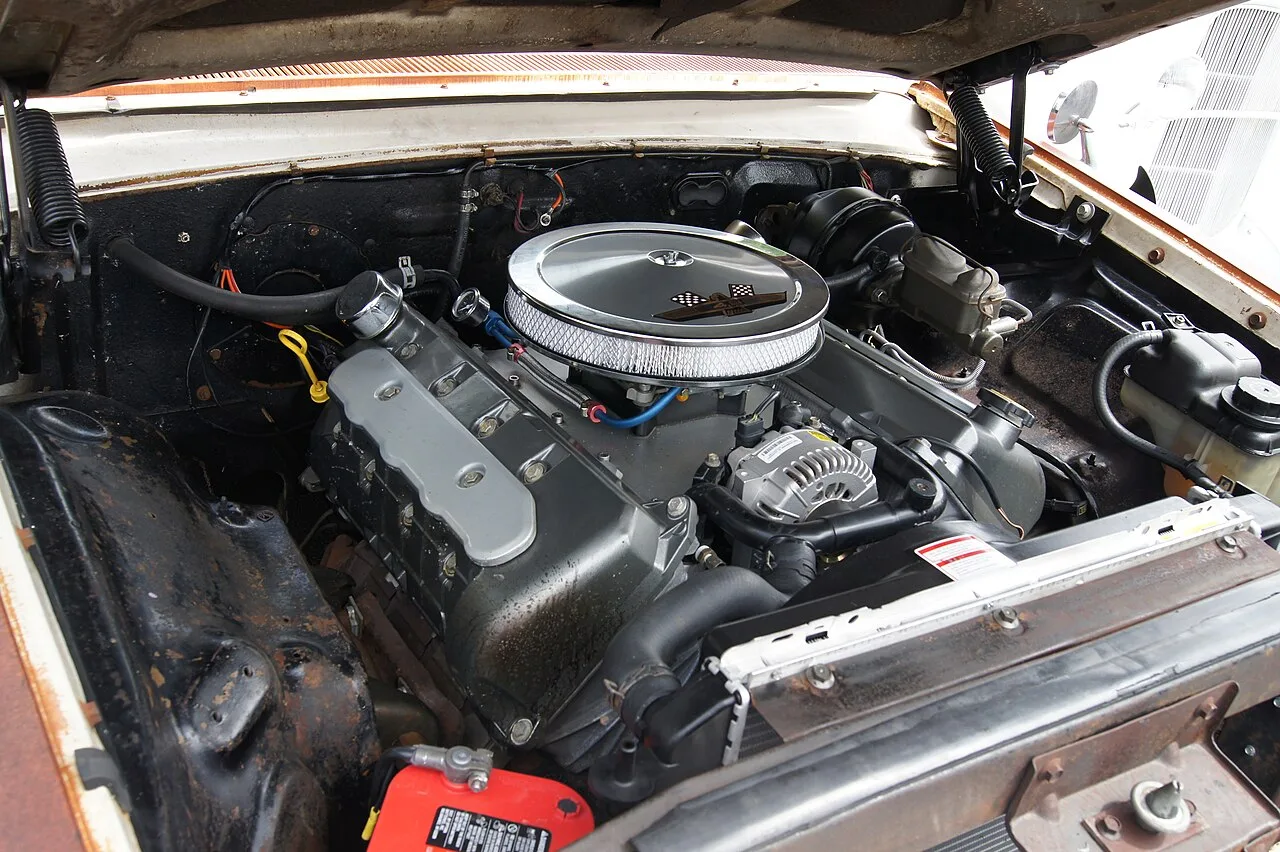
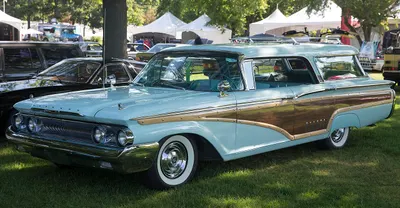
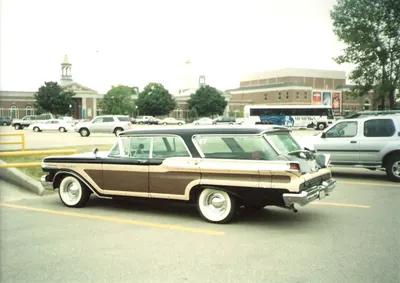
Following the closure of Edsel during 1960, Mercury ended its use of a division-specific chassis and streamlined its range, full-size sedans reduced largely to the Monterey; all full-size 1961 Mercury lines began production using Ford bodywork and chassis. The Colony Park now shared its roofline with the Ford Country Squire and its interior trim with the Monterey rather than the Montclair, with the Commuter differentiated by its lack of woodgrain trim and higher level of optional equipment as standard. The 1961 redesign was not intended as downsizing but marked a significant decrease in dimensions: from 1960 to 1961 the Colony Park shed approximately five inches in length, six inches in wheelbase and approximately 500 pounds of curb weight (120.0 in wheelbase, 214.6 in long, 79.9 in wide, 55.0 in high). It remained the luxury Mercury with many optional items included in its US$3,118 list price (7,887 sold in 1961). In place of the 430 MEL V8, Mercury fitted three V8s: a 292 Y-Block was the standard engine for 1961 and 1962, with 352 and 390 FE V8s as options, and in 1963 the 390 became standard; for the first time 3- and 4-speed manuals were offered in the Colony Park, with the 3-speed Merc-O-Matic optional. Production was 9,596 in 1962, 13,976 in 1963 and 9,858 in 1964. The page gives no horsepower ratings.
Collectors Spotted in the Mercury Colony Park Lineage
No member has published a public street spot of the Mercury Colony Park yet — the First · Worldwide stamp is wide open.
Trims & Figures
3 published trims in the catalogue. A blank is a figure not recorded, not zero.
| Trim | Years | Engine | Power | Torque | 0–60 | Drive | Gearbox | MSRP |
|---|---|---|---|---|---|---|---|---|
| Colony Park 292 cu in Y-block V8 (1961–1962) | 1961–1962 | 4.8 L V8 | 175 hp | 279 lb-ft | — | RWD | — | — |
| Colony Park 352 cu in FE V8 (option, 1961–1962) | 1961–1962 | 5.8 L V8 | 220 hp | 370 lb-ft | — | RWD | — | — |
| Colony Park 390 cu in FE V8 | 1961–1964 | 6.4 L V8 | — | — | — | RWD | — | — |
Owning one
We don’t estimate running costs for a car like this. What it costs depends on its condition, its specialist and how it is driven, and an average would mislead.
Owners’ builds
Nobody has claimed one yet.
Photographs
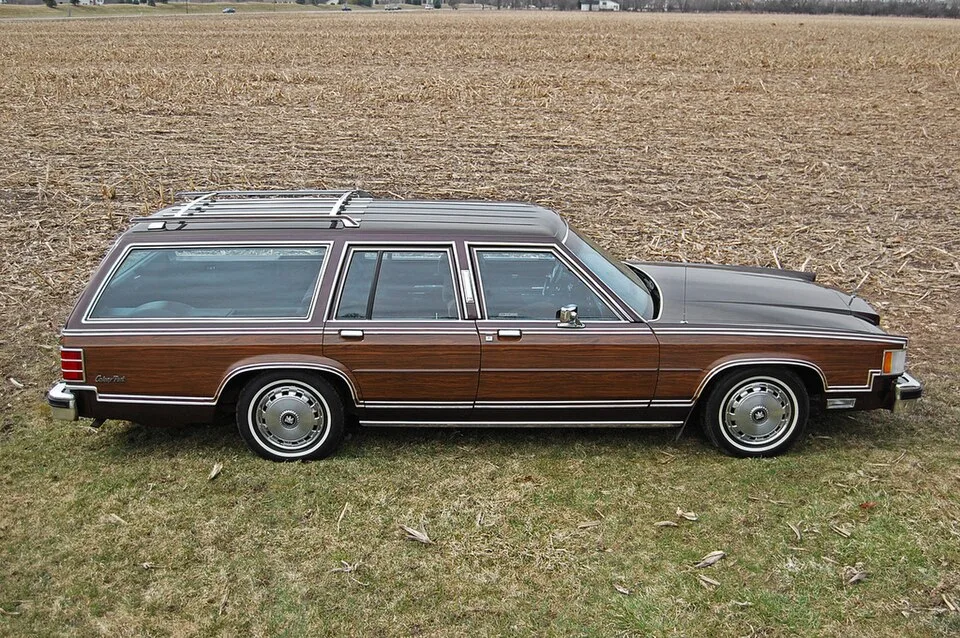
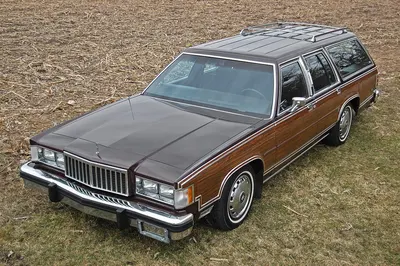
For 1981 the Colony Park wagon picked up fuel injection and a 4-speed overdrive automatic shared with the Lincoln Continental — the first transmission of its kind fitted to any American full-size car.
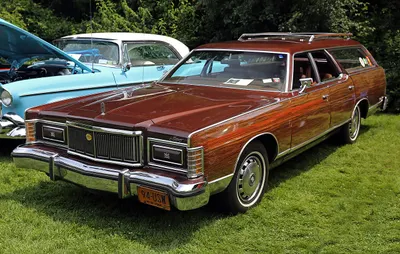
Counterintuitively, the big Colony Park wagon actually rode a shorter wheelbase than the Marquis sedans it was built alongside.
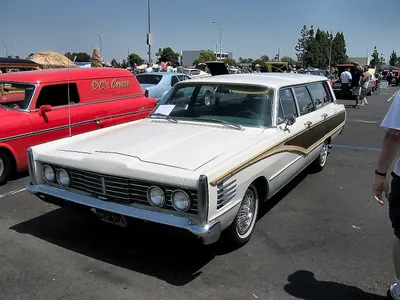
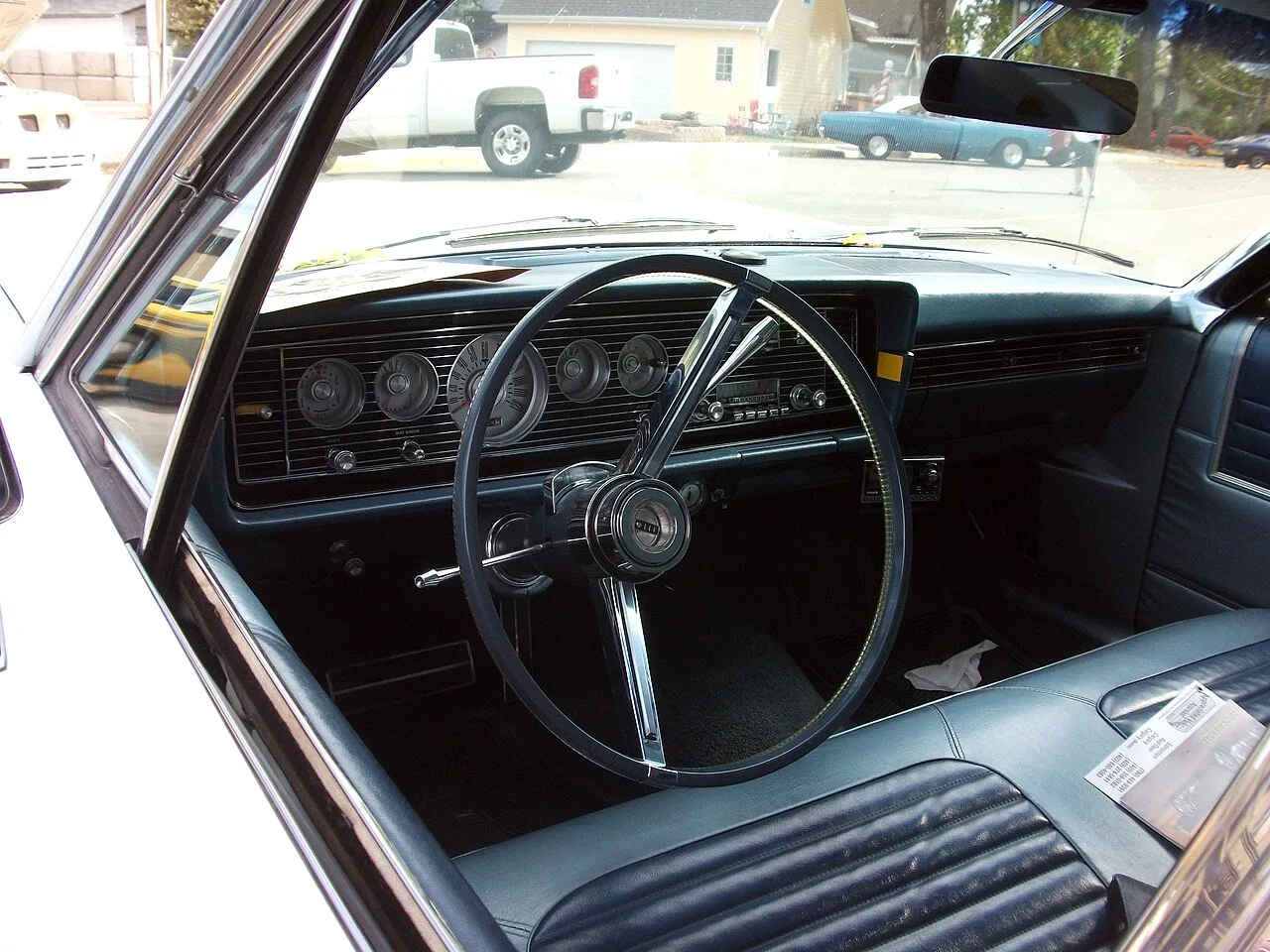
The 1966 Colony Park debuted Ford's two-way "Magic Doorgate" — a tailgate that could fold down like normal or swing open sideways like a door.
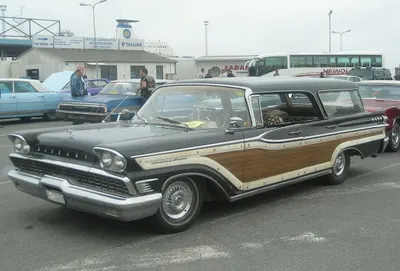
This Colony Park redesign actually shrank the car — about five inches shorter, six inches less wheelbase, and 500 fewer pounds than the 1960 model — and sales went up anyway.
The 1959 Colony Park only got its own exclusive chassis because Ford killed off the Edsel Corsair and Citation it was built to share with -- a platform by accident, not design.
The '57 Colony Park's party trick — a tailgate with a power-retractable rear window — was such a good idea Mercury reused the hardware for the Turnpike Cruiser's famous 'Breezeway' window.
Rivals
Same body, same money, other badges — tap any card to flip.
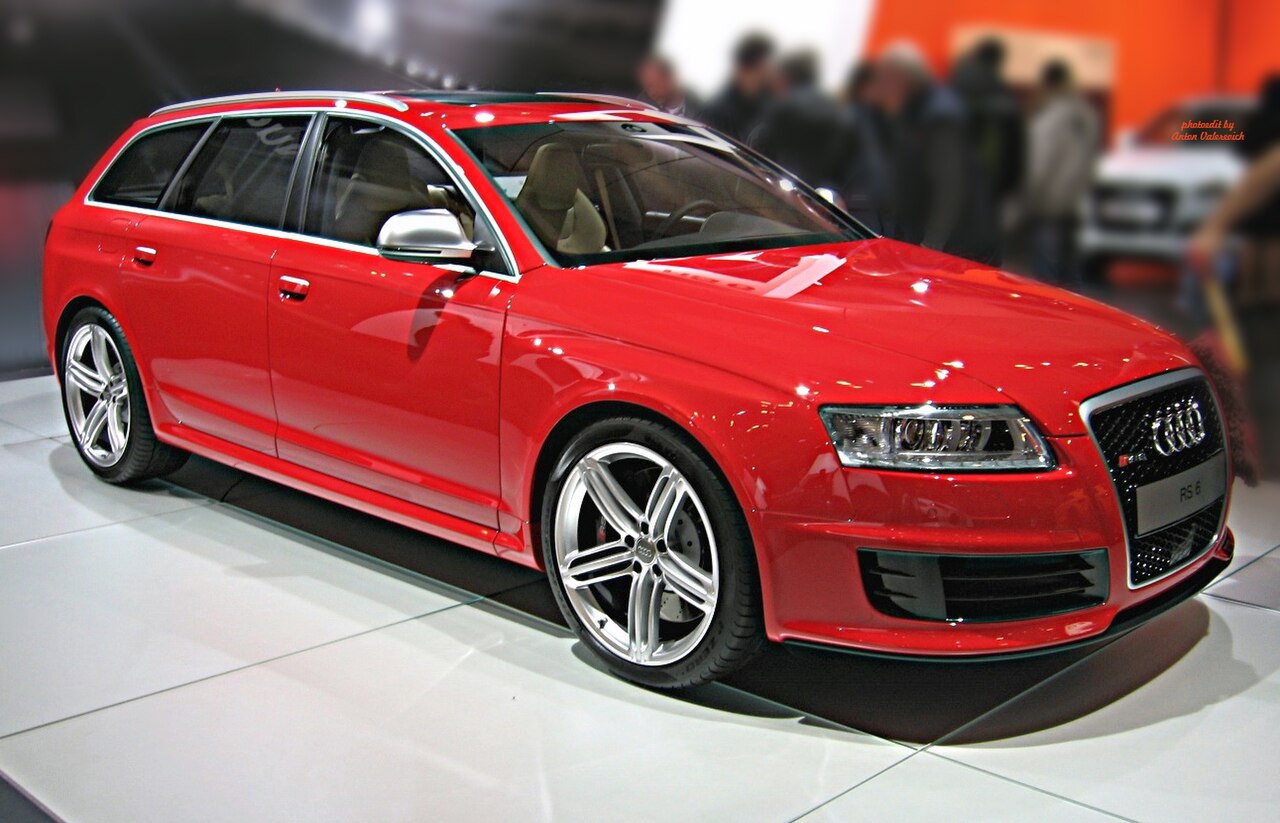
Cooling the C6 RS6’s twin-turbo V10 took seven separate radiators and four electric fans under the bonnet.
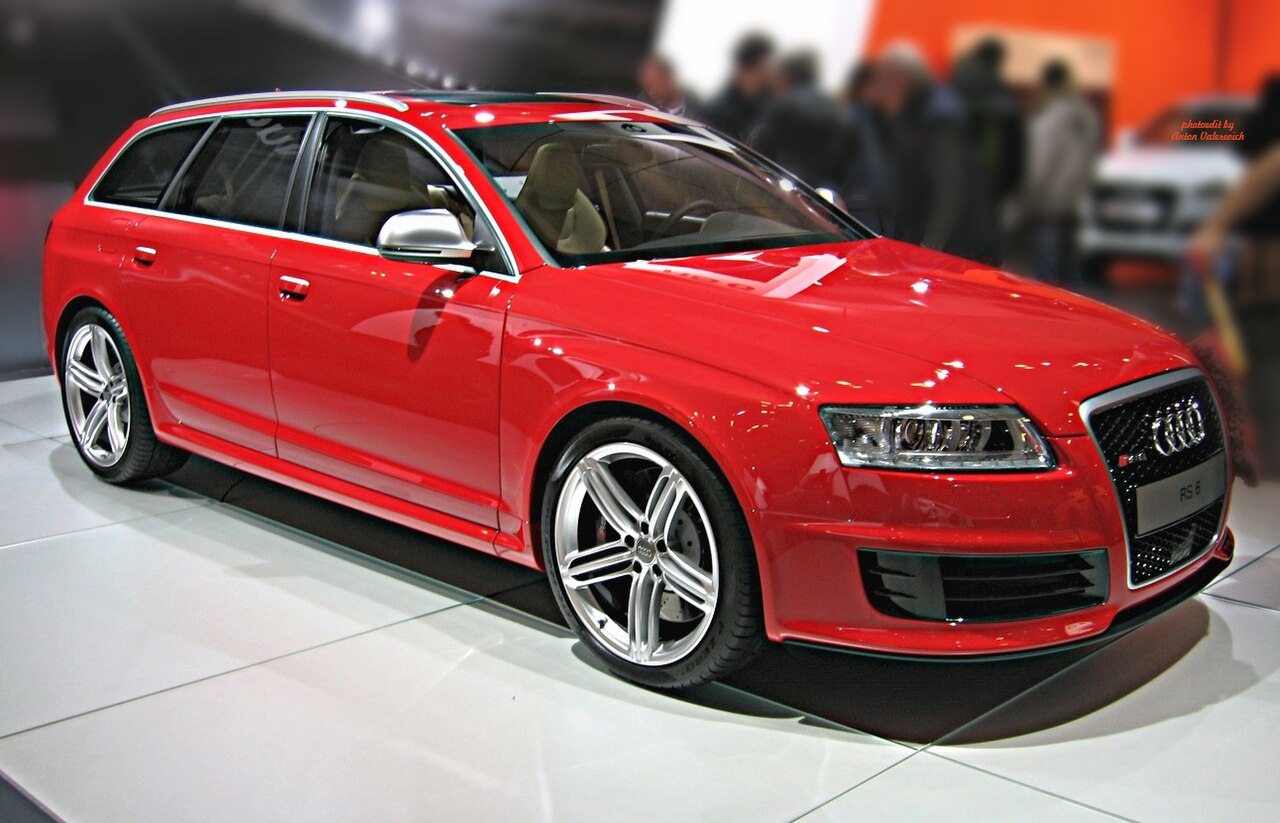
The original RS6 debuted Audi's clever hydraulic Dynamic Ride Control suspension — and enough owners got tired of its leaking dampers that they ripped the whole system out for plain coilovers.
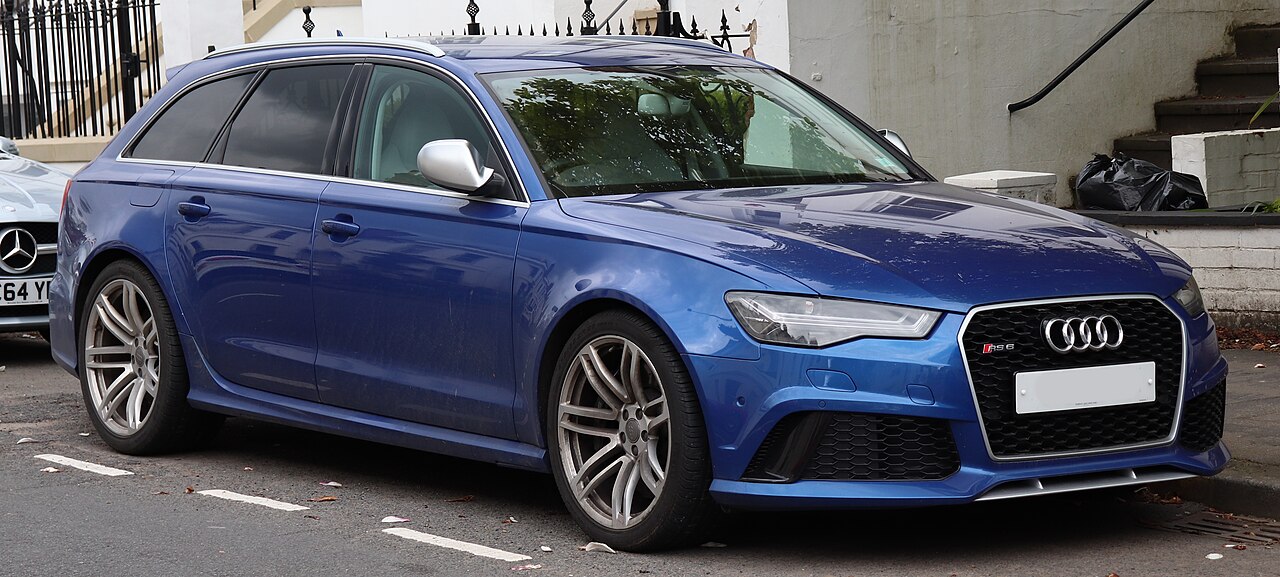
The C7-generation RS6 Avant never officially reached America at all — buyers there got the RS7 Sportback instead, running the exact same engine and platform in a different body.
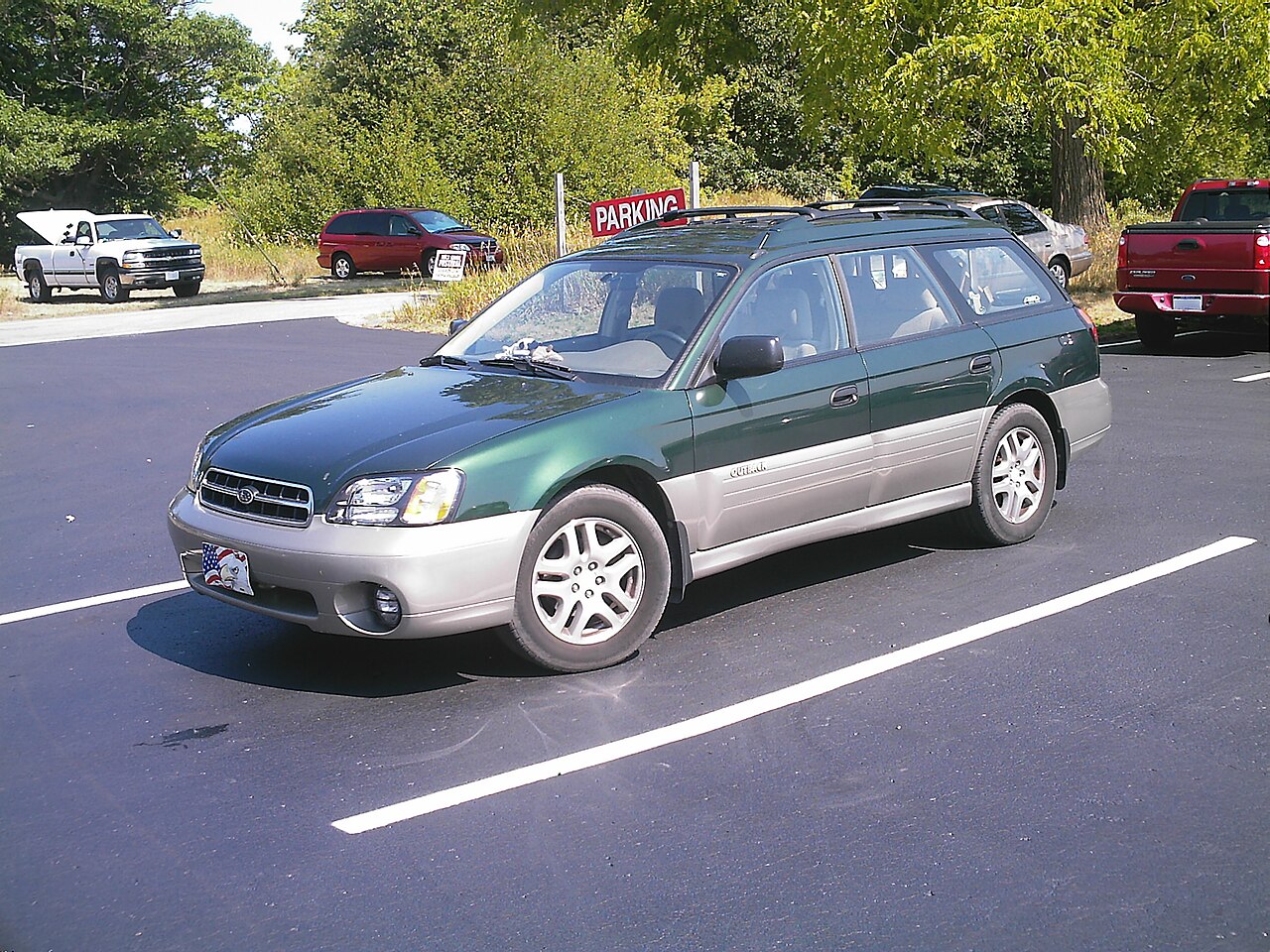
For a few years, this Outback's six-cylinder trim came with genuine McIntosh audio — the same esteemed hi-fi name found in home theaters, one of the only cars ever to get it from the factory.
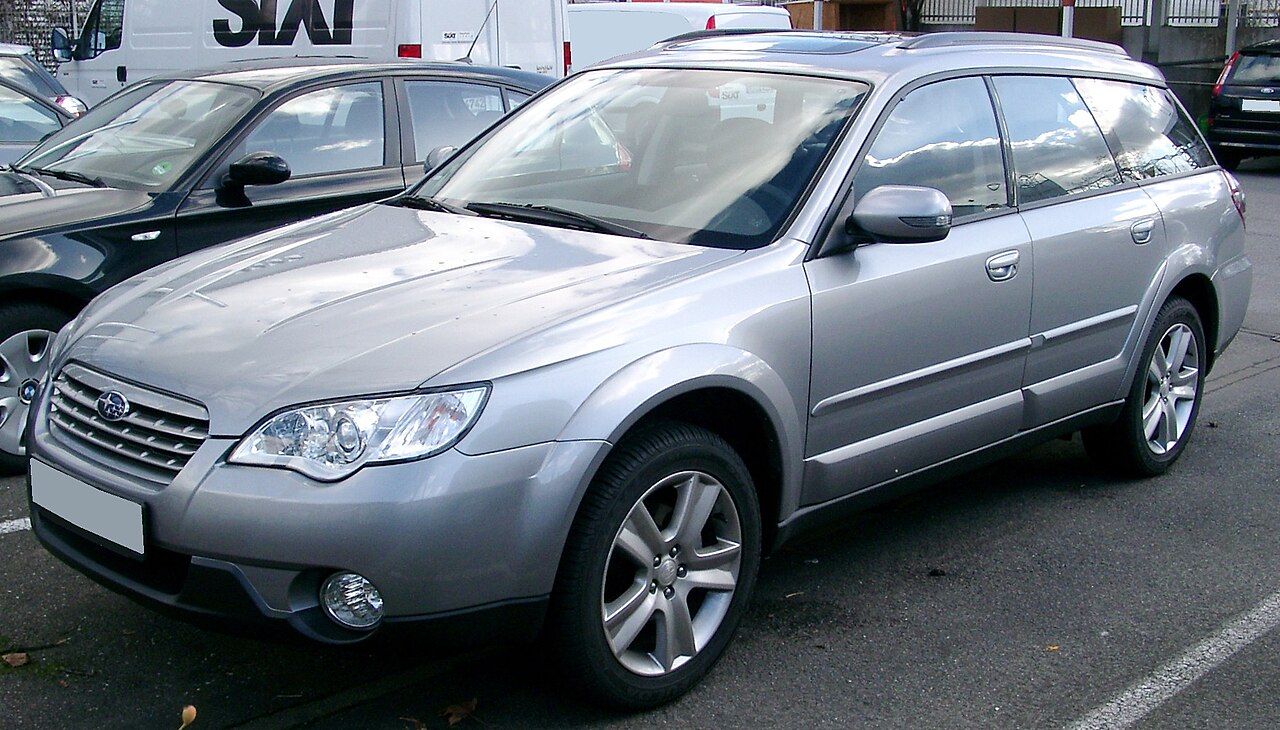
Subaru didn't have the budget for an all-new SUV, so it dressed up a Legacy wagon instead. A Subaru of America executive later put it bluntly: "[the Outback] saved our company."
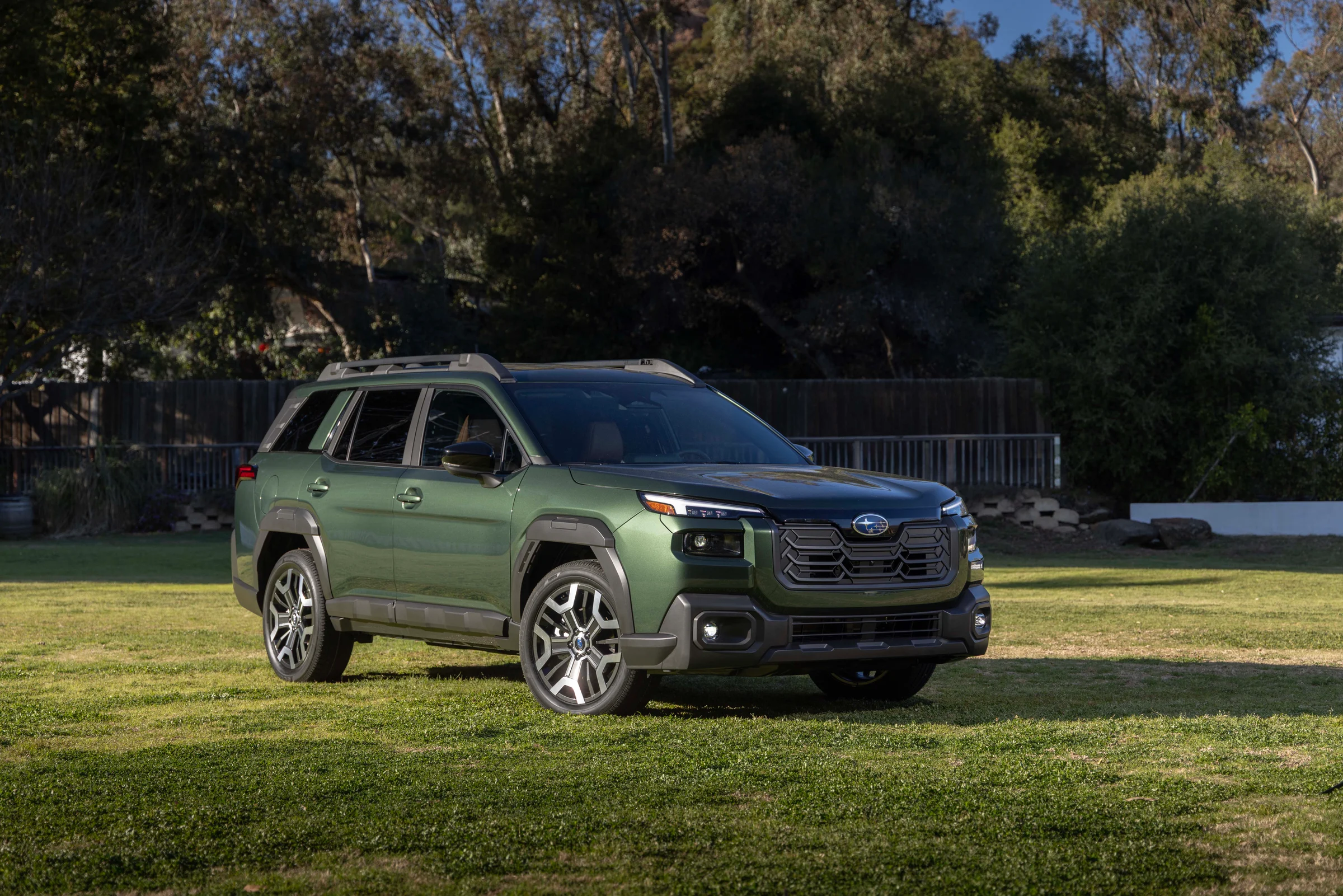
The new Outback's full-width tail light bar has a 2 ft ruler built in, for measuring whatever you are about to load.
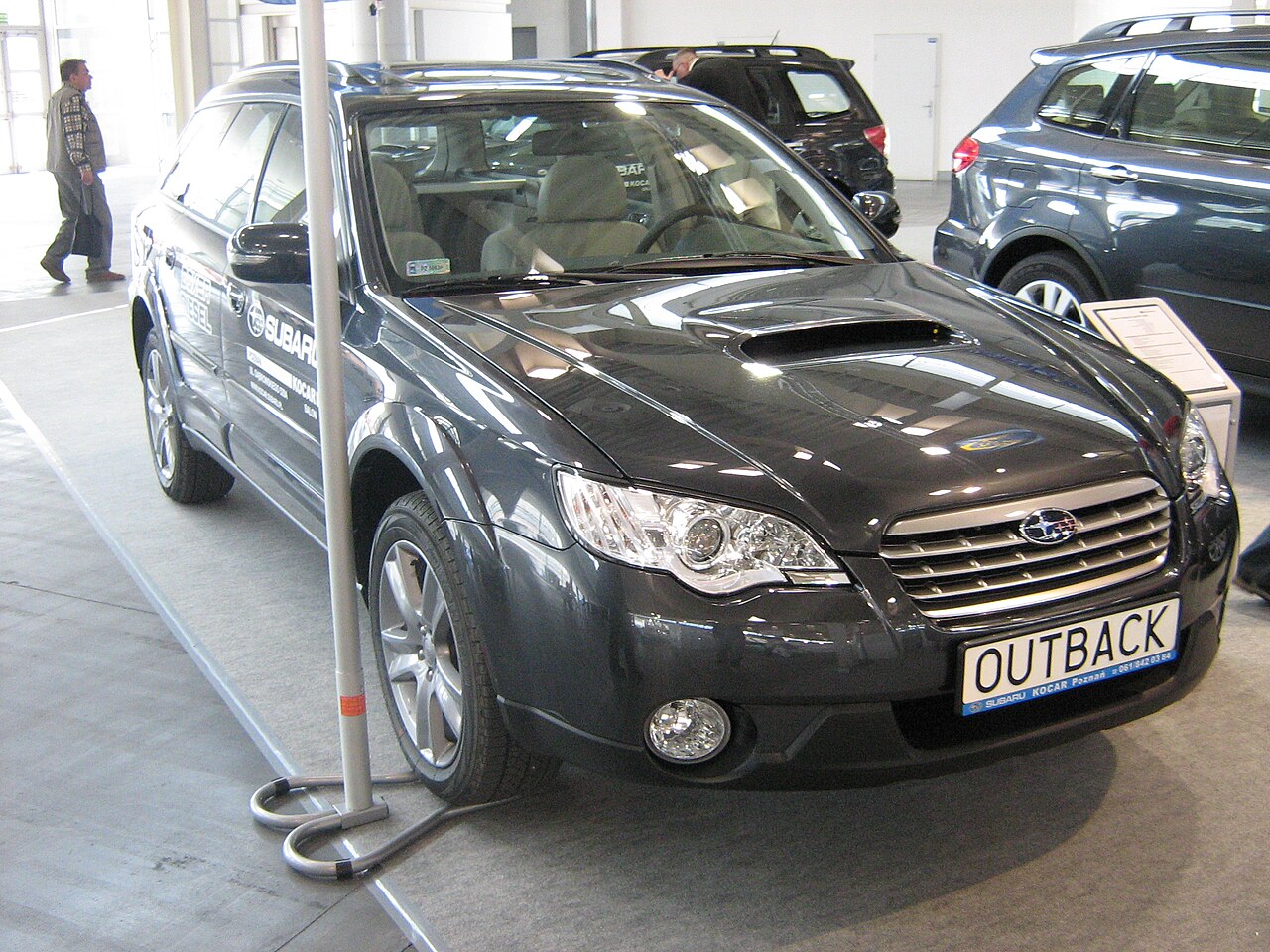
This Outback shared Top Gear's Car of the Year crown — an unusual honor for a jacked-up wagon to split with the Ford Mondeo in 2007.
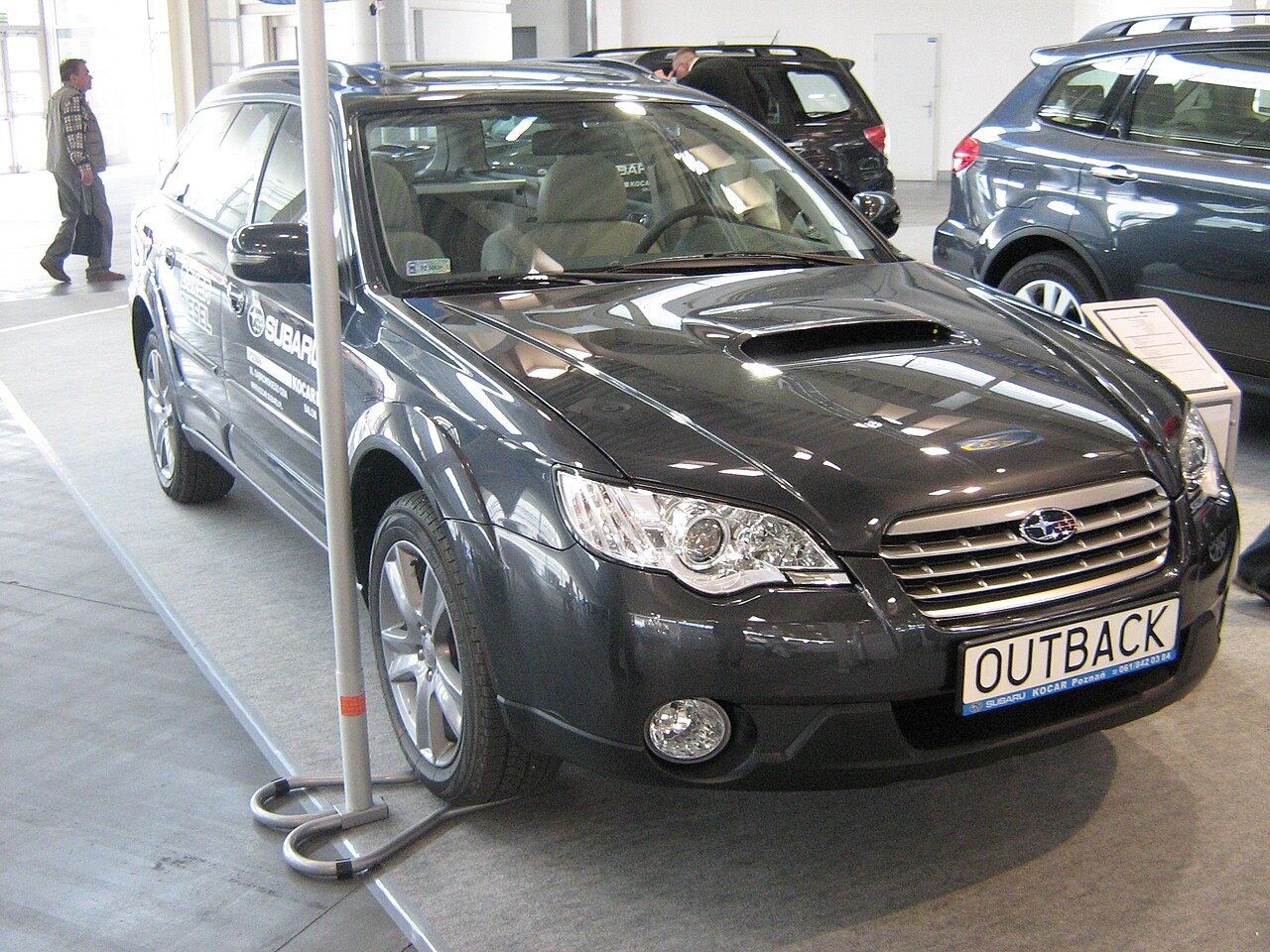
A wagon beat the SUVs at their own game: this Outback generation won Motor Trend's Sport/Utility of the Year award for 2010.