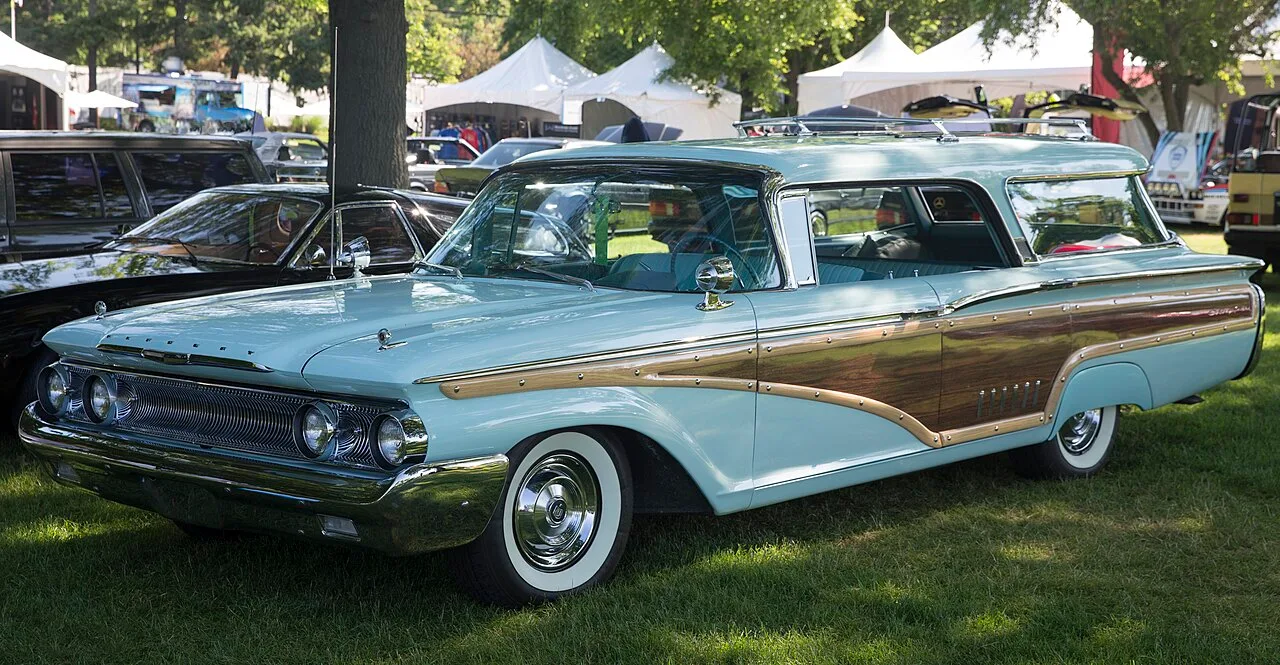
The 1959 Colony Park only got its own exclusive chassis because Ford killed off the Edsel Corsair and Citation it was built to share with -- a platform by accident, not design.
Lead trim: Colony Park 430 cu in Marauder V8 (310 hp, 1960 option) · up to 322 hp
Mercury Colony Park1959–1960
- 0spots by members
- Unclaimednobody has spotted one yet
- 0sets it belongs to
Nobody in Burbles has spotted a Mercury Colony Park yet. See one on the street, point the app at it, and the first card is yours — with your @handle permanently credited on this page.
FactThe 1959 Colony Park only got its own exclusive chassis because Ford killed off the Edsel Corsair and Citation it was built to share with -- a platform by accident, not design.
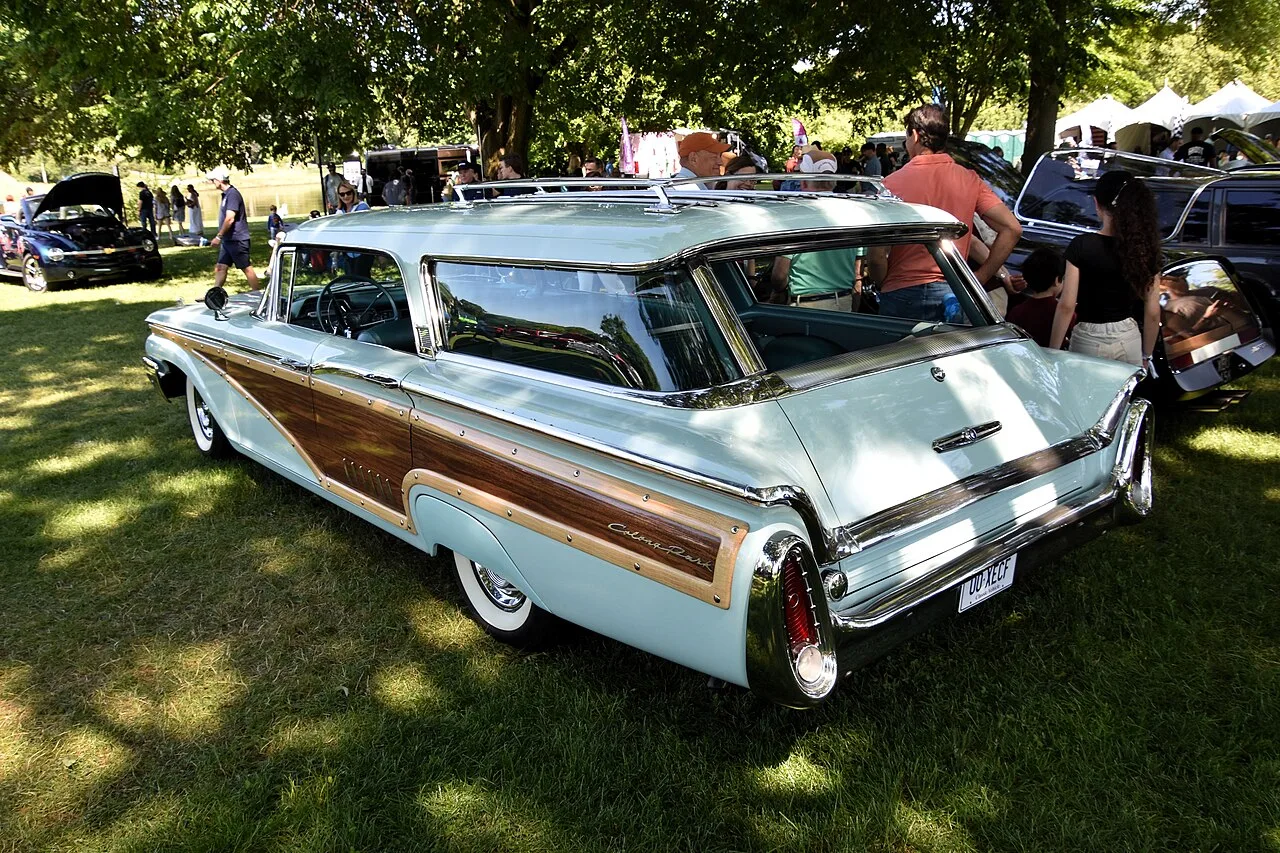
For 1959 Mercury introduced the second-generation Colony Park as part of its new "Country Cruiser" station wagon series, again above the Commuter and Voyager. Originally developed to share its chassis (now a 126-inch wheelbase) with the premium Edsel Corsair and Citation, the cancellation of those lines left Mercury with its own car for the first time since 1940, and the Colony Park also superseded the discontinued Edsel Bermuda wagon. It was a 4-door 9-passenger wagon with the hardtop roofline of the previous generation, a now-vertical A-pillar and a significantly larger windshield; the optional third-row seat changed from removable to fold-flat, and revised driveshaft mounting created a nearly flat floor for the second-row seat. For 1960 Mercury discontinued the mid-range Voyager and all two-door wagons (all wagons were single-tone Commuters or wood-trim Colony Parks), the headlights moved into the grille, the hoodline lowered, the scalloped fins were deleted in favor of vestigial fins above large vertical taillamps, and the woodgrain trim covered less of the side bodywork. Dimensions: 126.0 in wheelbase, 219.2 in long, 81.5 in wide, 57.8 in high. For 1959 the 383 Marauder V8 was the sole V8 (retuned to 322 hp) with Merc-O-Matic now the standard 3-speed automatic and a conventional column-mounted shifter replacing pushbuttons; for 1960 the 430 V8 returned as an option after a one-year hiatus, in a 310 hp single four-barrel Marauder version instead of the triple-carburetor Super Marauder. The 1959 Colony Park listed at US$3,932; production was 5,959 in 1959 and 7,411 in 1960.
Collectors Spotted in the Mercury Colony Park Lineage
No member has published a public street spot of the Mercury Colony Park yet — the First · Worldwide stamp is wide open.
Trims & Figures
2 published trims in the catalogue. A blank is a figure not recorded, not zero.
| Trim | Years | Engine | Power | Torque | 0–60 | Drive | Gearbox | MSRP |
|---|---|---|---|---|---|---|---|---|
| Colony Park 383 cu in Marauder V8 (322 hp, 1959) | 1959–1959 | 6.3 L V8 | 322 hp | 375 lb-ft | — | RWD | — | — |
| Colony Park 430 cu in Marauder V8 (310 hp, 1960 option) | 1960–1960 | 7.0 L V8 | 310 hp | 460 lb-ft | — | RWD | — | — |
Owning one
We don’t estimate running costs for a car like this. What it costs depends on its condition, its specialist and how it is driven, and an average would mislead.
Owners’ builds
Nobody has claimed one yet.
Photographs
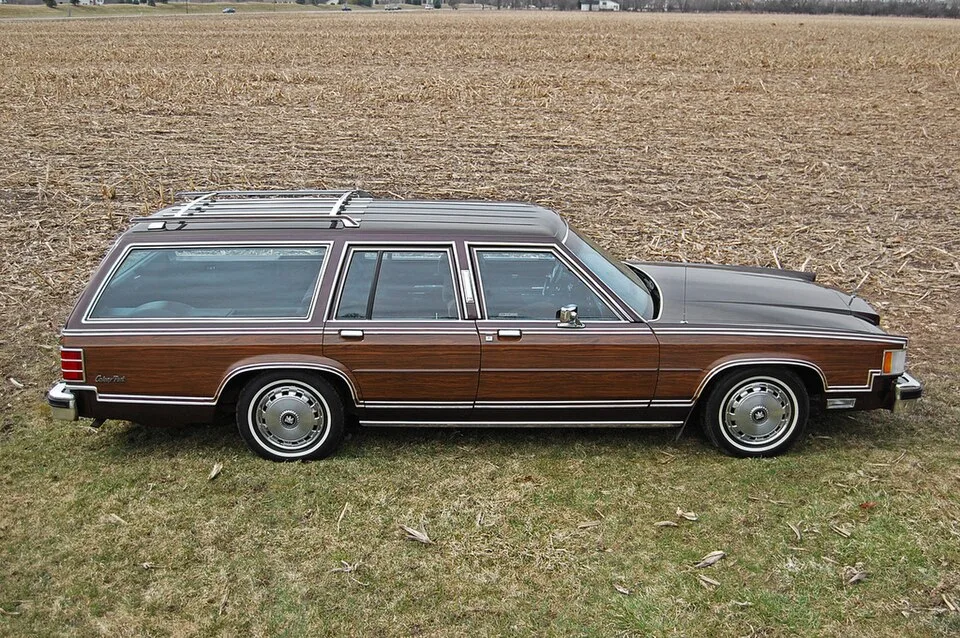
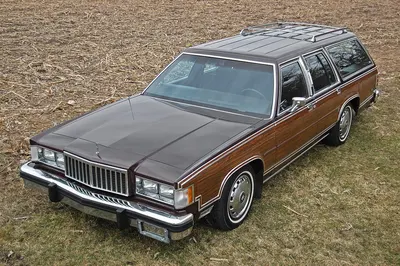
For 1981 the Colony Park wagon picked up fuel injection and a 4-speed overdrive automatic shared with the Lincoln Continental — the first transmission of its kind fitted to any American full-size car.
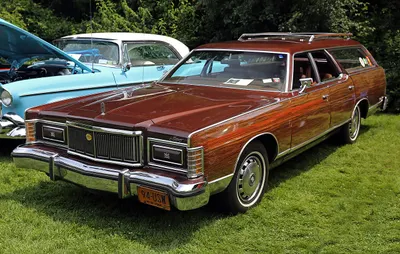
Counterintuitively, the big Colony Park wagon actually rode a shorter wheelbase than the Marquis sedans it was built alongside.
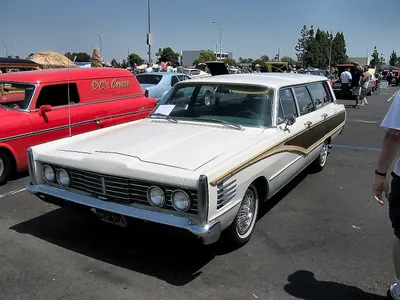
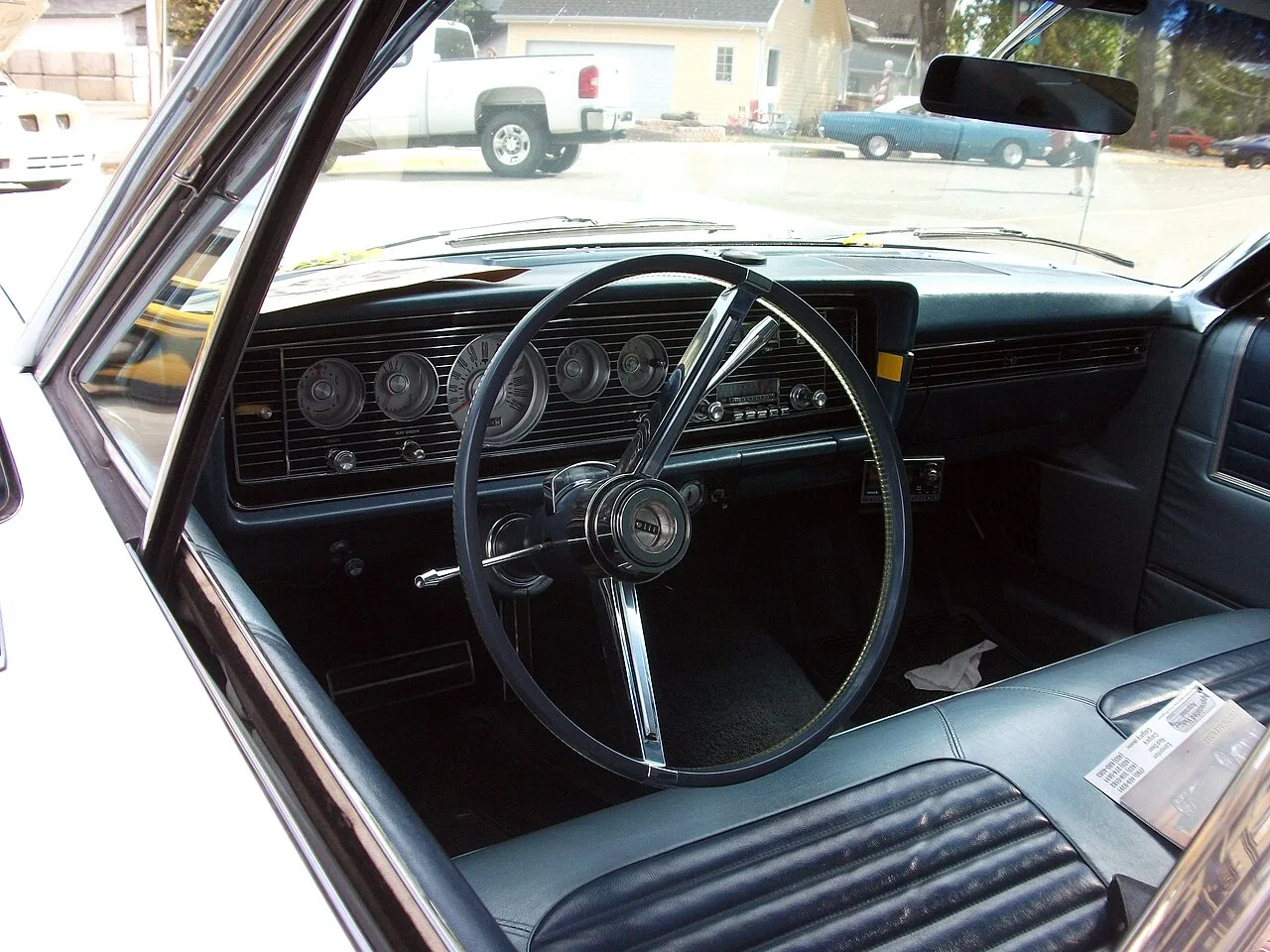
The 1966 Colony Park debuted Ford's two-way "Magic Doorgate" — a tailgate that could fold down like normal or swing open sideways like a door.
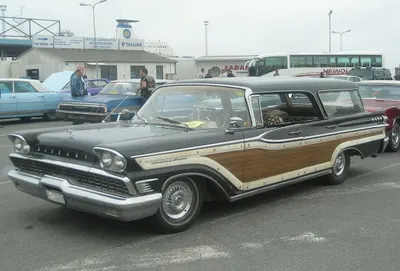
This Colony Park redesign actually shrank the car — about five inches shorter, six inches less wheelbase, and 500 fewer pounds than the 1960 model — and sales went up anyway.
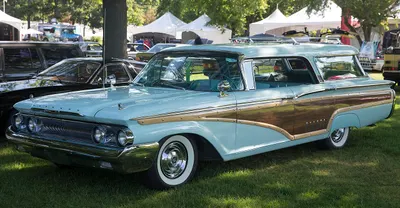
The 1959 Colony Park only got its own exclusive chassis because Ford killed off the Edsel Corsair and Citation it was built to share with -- a platform by accident, not design.
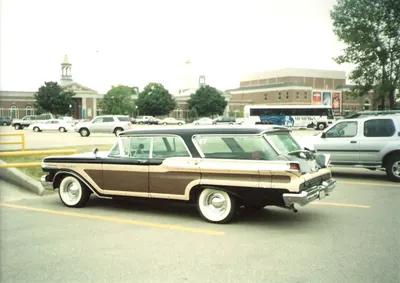
The '57 Colony Park's party trick — a tailgate with a power-retractable rear window — was such a good idea Mercury reused the hardware for the Turnpike Cruiser's famous 'Breezeway' window.
Rivals
Same body, same money, other badges — tap any card to flip.
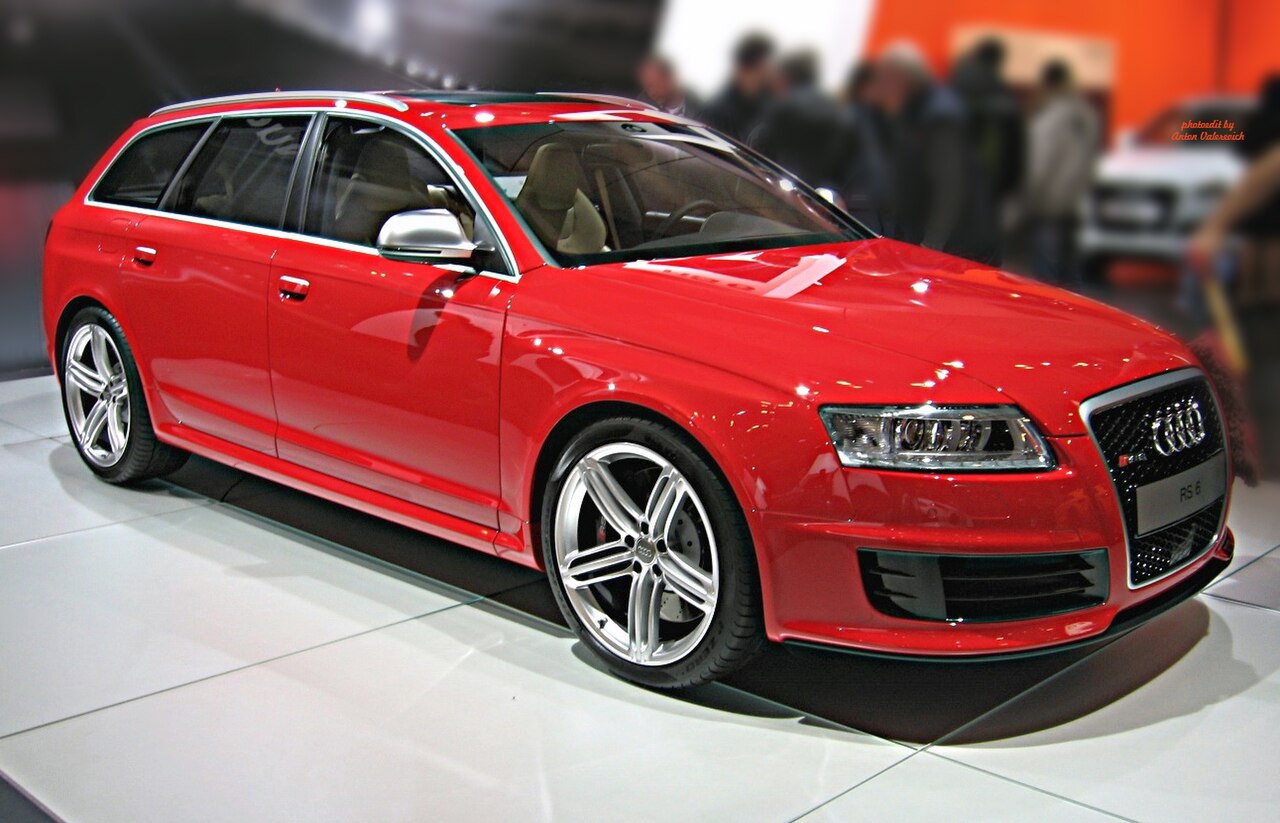
Cooling the C6 RS6’s twin-turbo V10 took seven separate radiators and four electric fans under the bonnet.
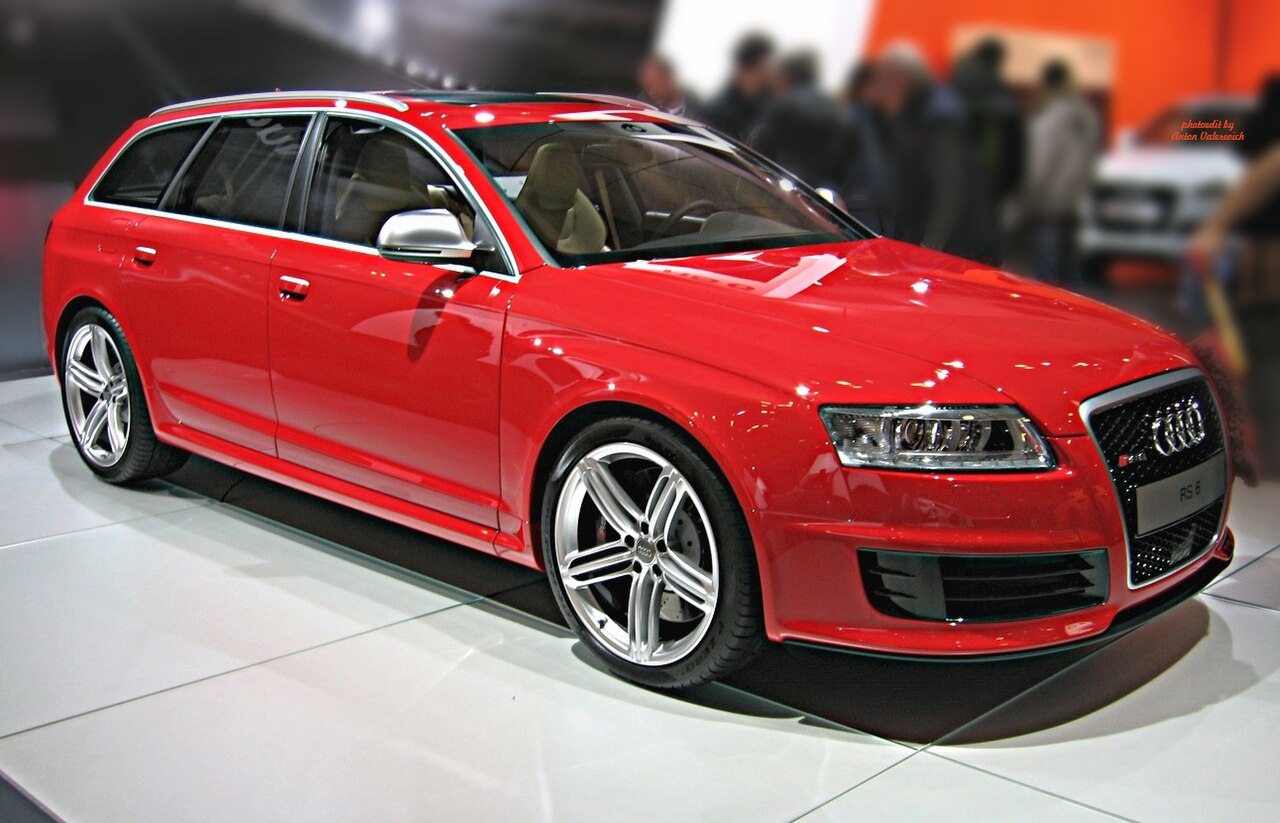
The original RS6 debuted Audi's clever hydraulic Dynamic Ride Control suspension — and enough owners got tired of its leaking dampers that they ripped the whole system out for plain coilovers.
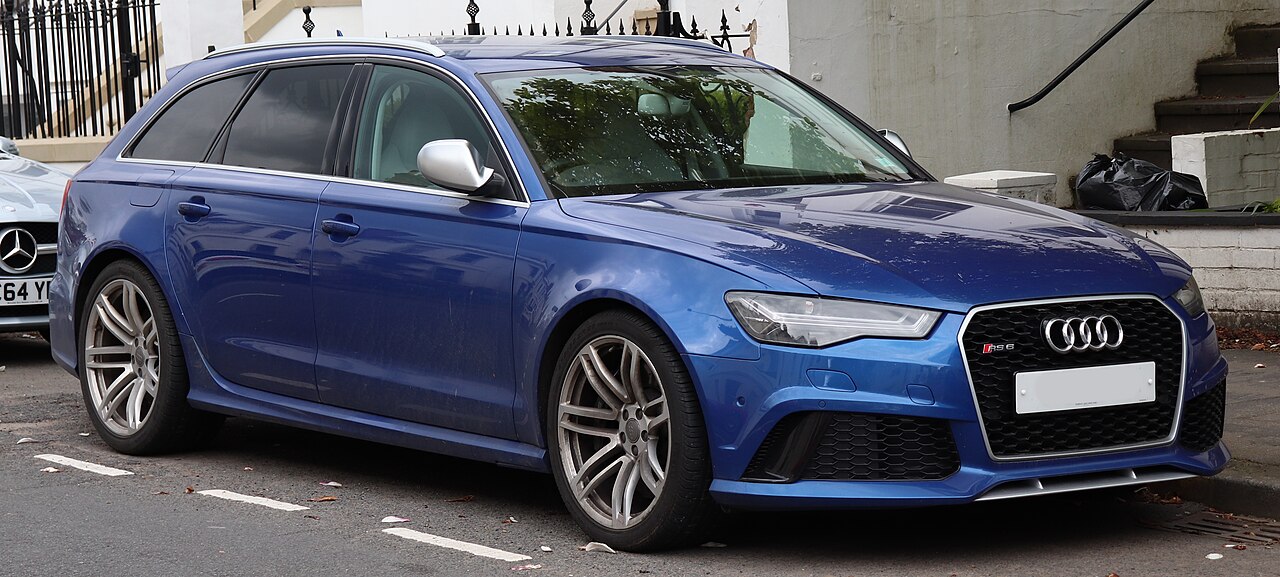
The C7-generation RS6 Avant never officially reached America at all — buyers there got the RS7 Sportback instead, running the exact same engine and platform in a different body.
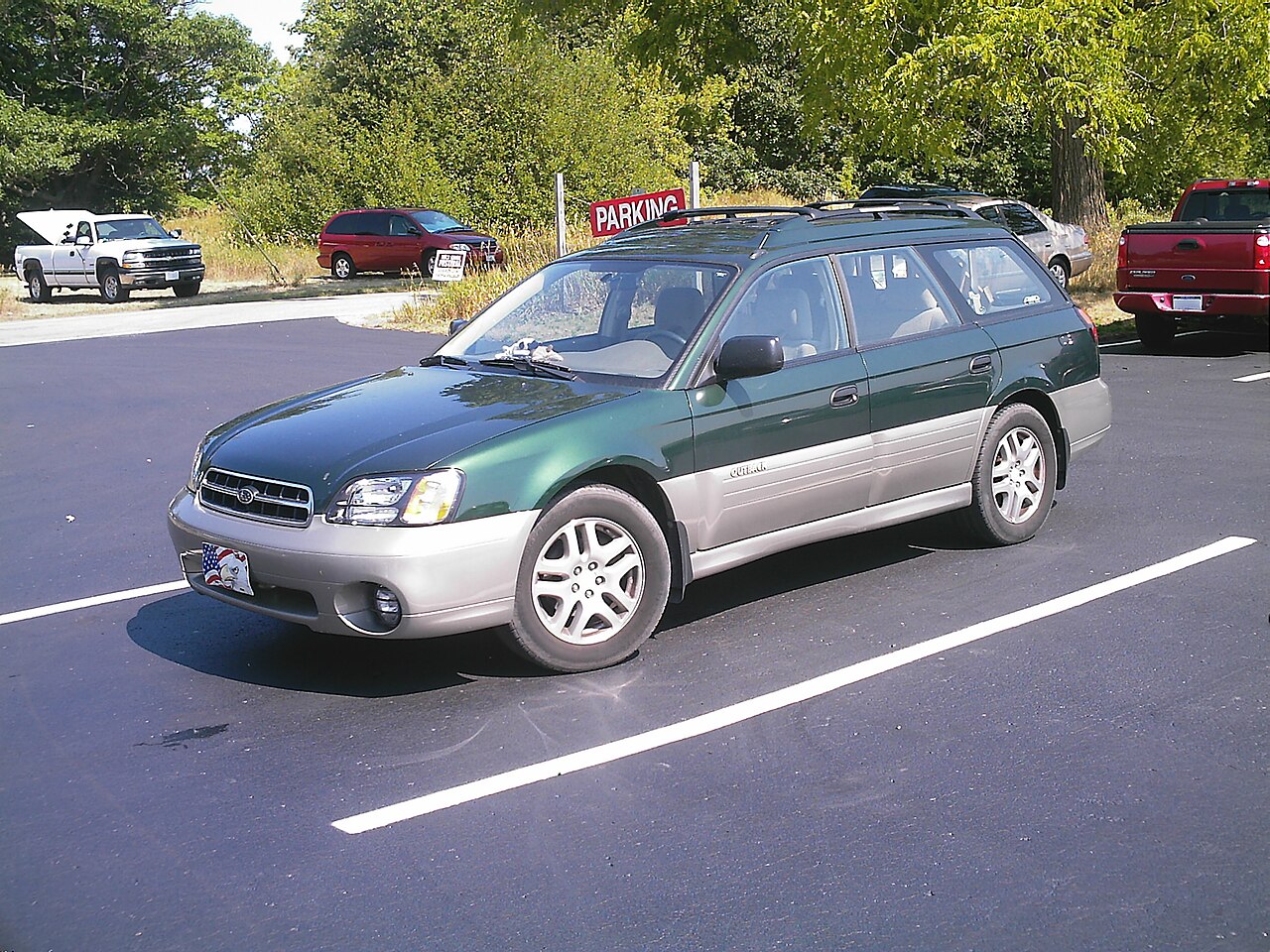
For a few years, this Outback's six-cylinder trim came with genuine McIntosh audio — the same esteemed hi-fi name found in home theaters, one of the only cars ever to get it from the factory.
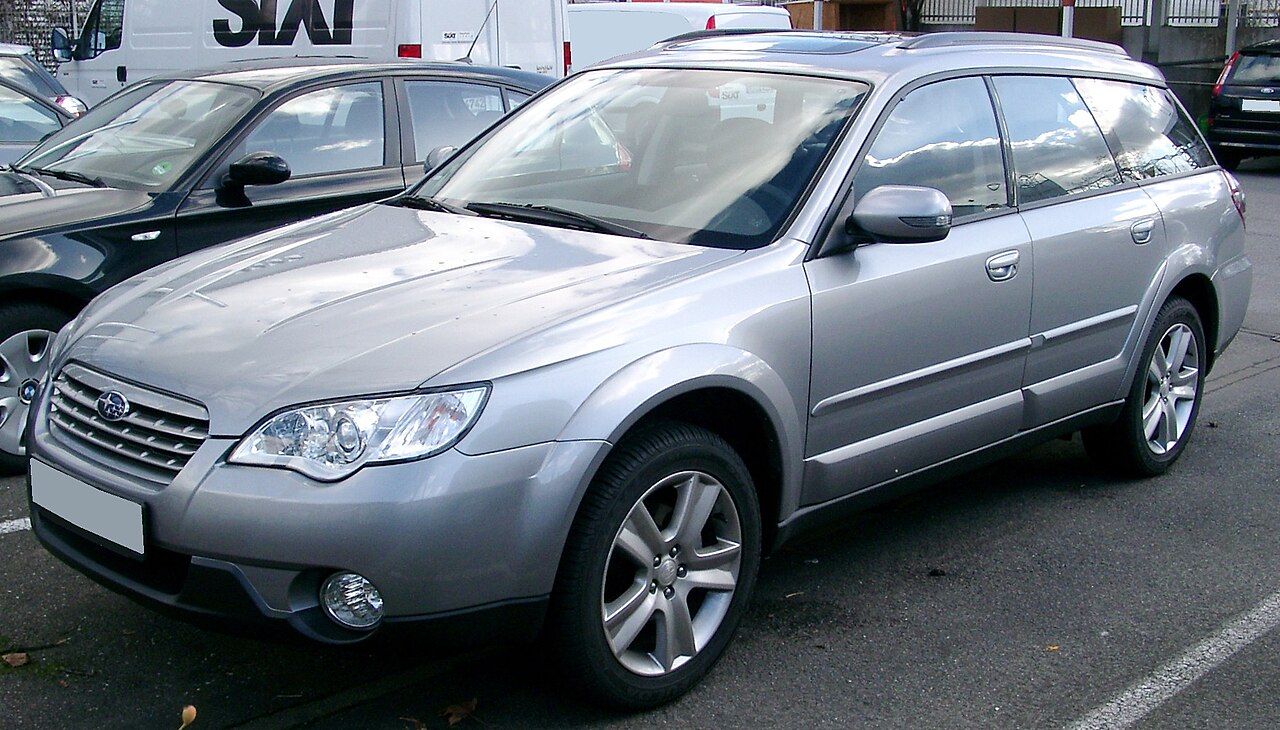
Subaru didn't have the budget for an all-new SUV, so it dressed up a Legacy wagon instead. A Subaru of America executive later put it bluntly: "[the Outback] saved our company."
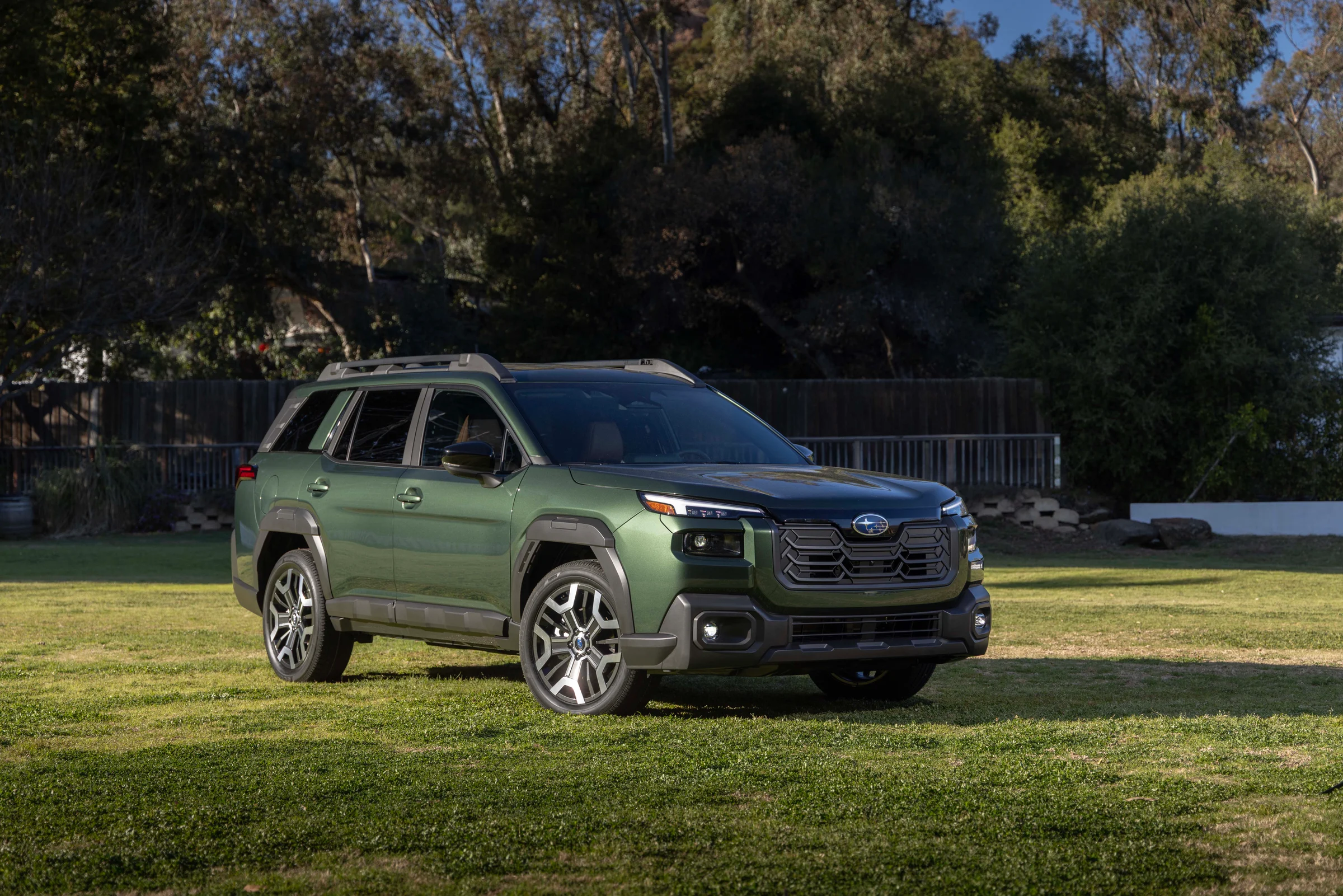
The new Outback's full-width tail light bar has a 2 ft ruler built in, for measuring whatever you are about to load.
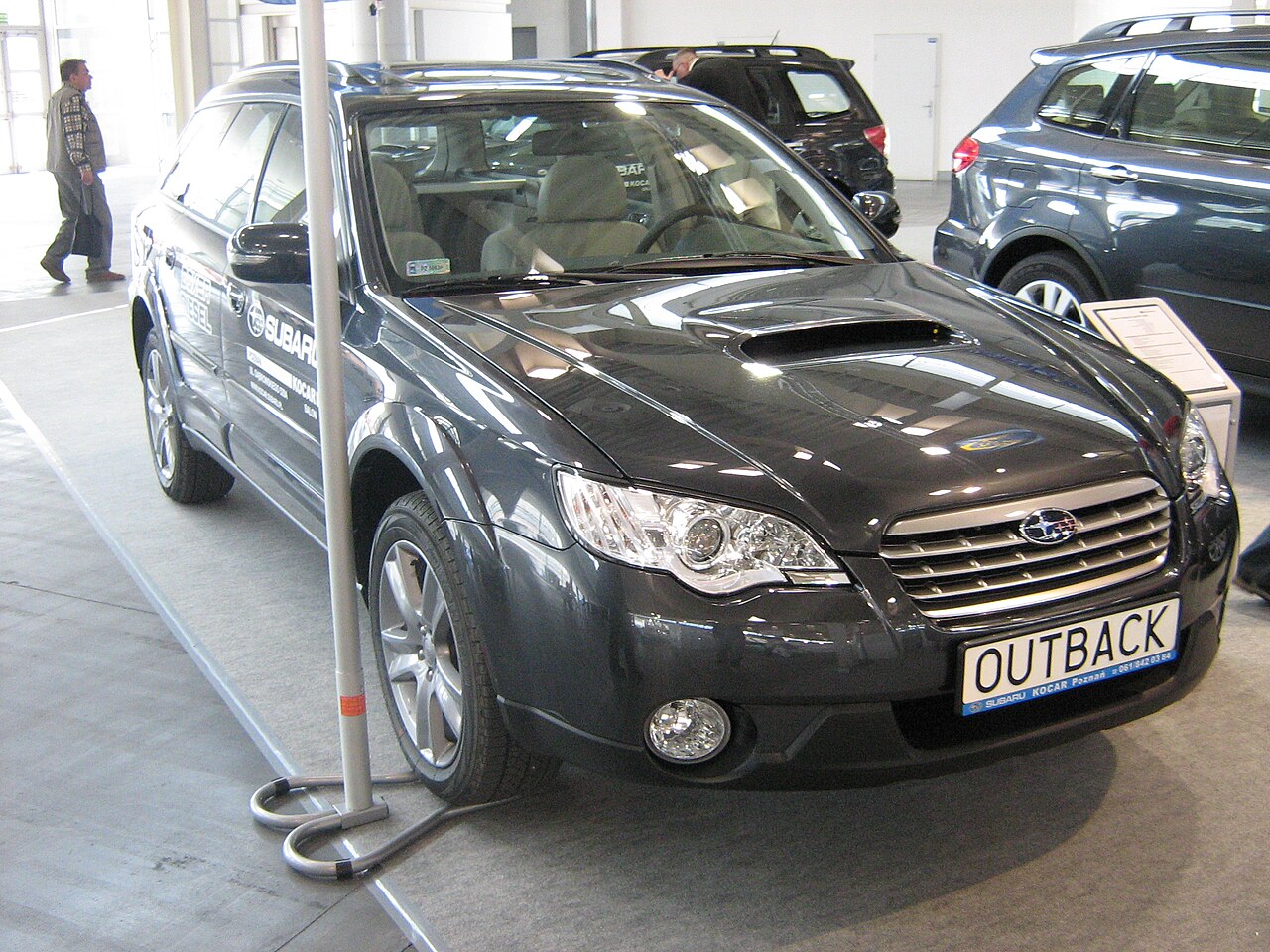
This Outback shared Top Gear's Car of the Year crown — an unusual honor for a jacked-up wagon to split with the Ford Mondeo in 2007.
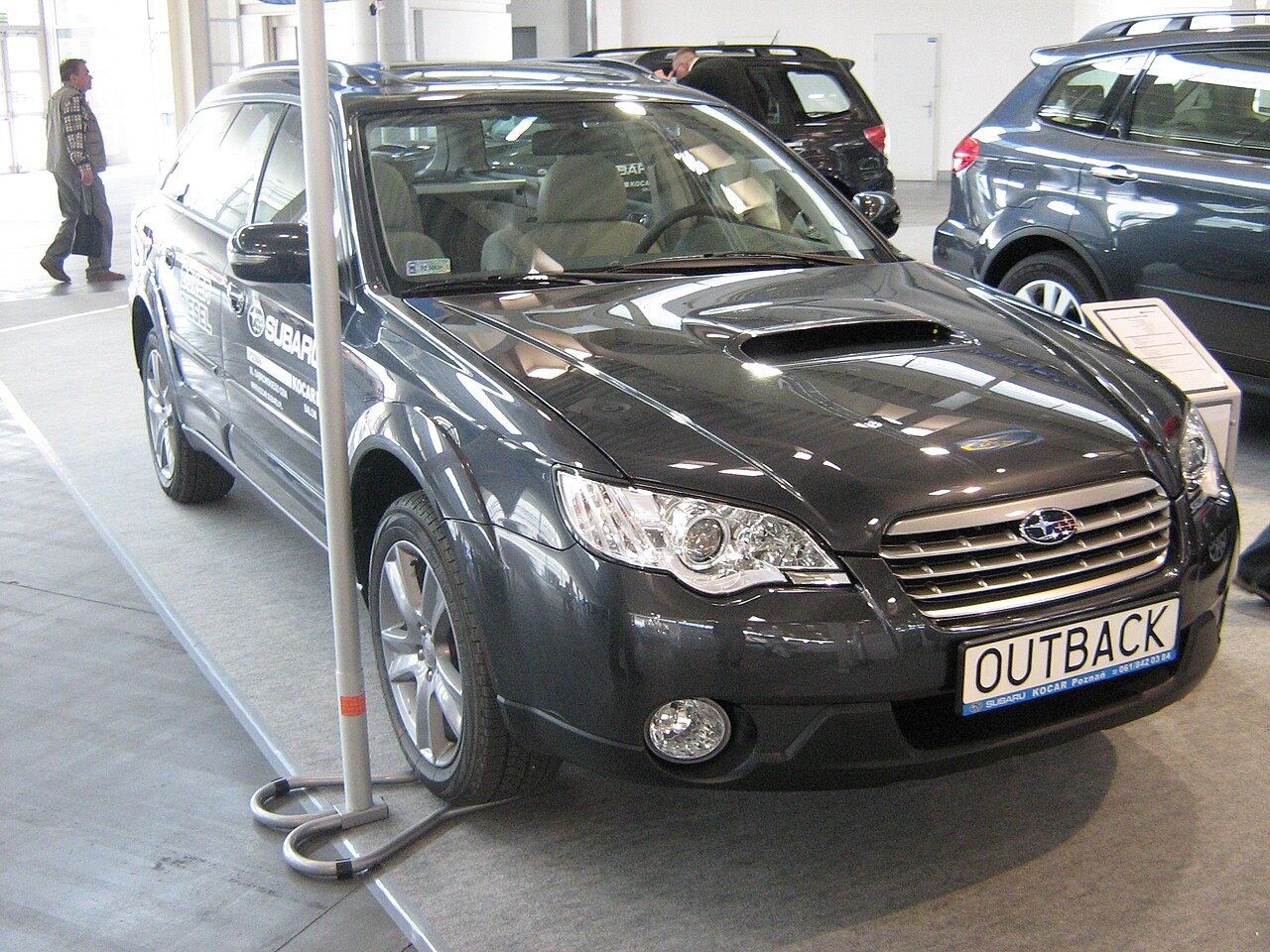
A wagon beat the SUVs at their own game: this Outback generation won Motor Trend's Sport/Utility of the Year award for 2010.