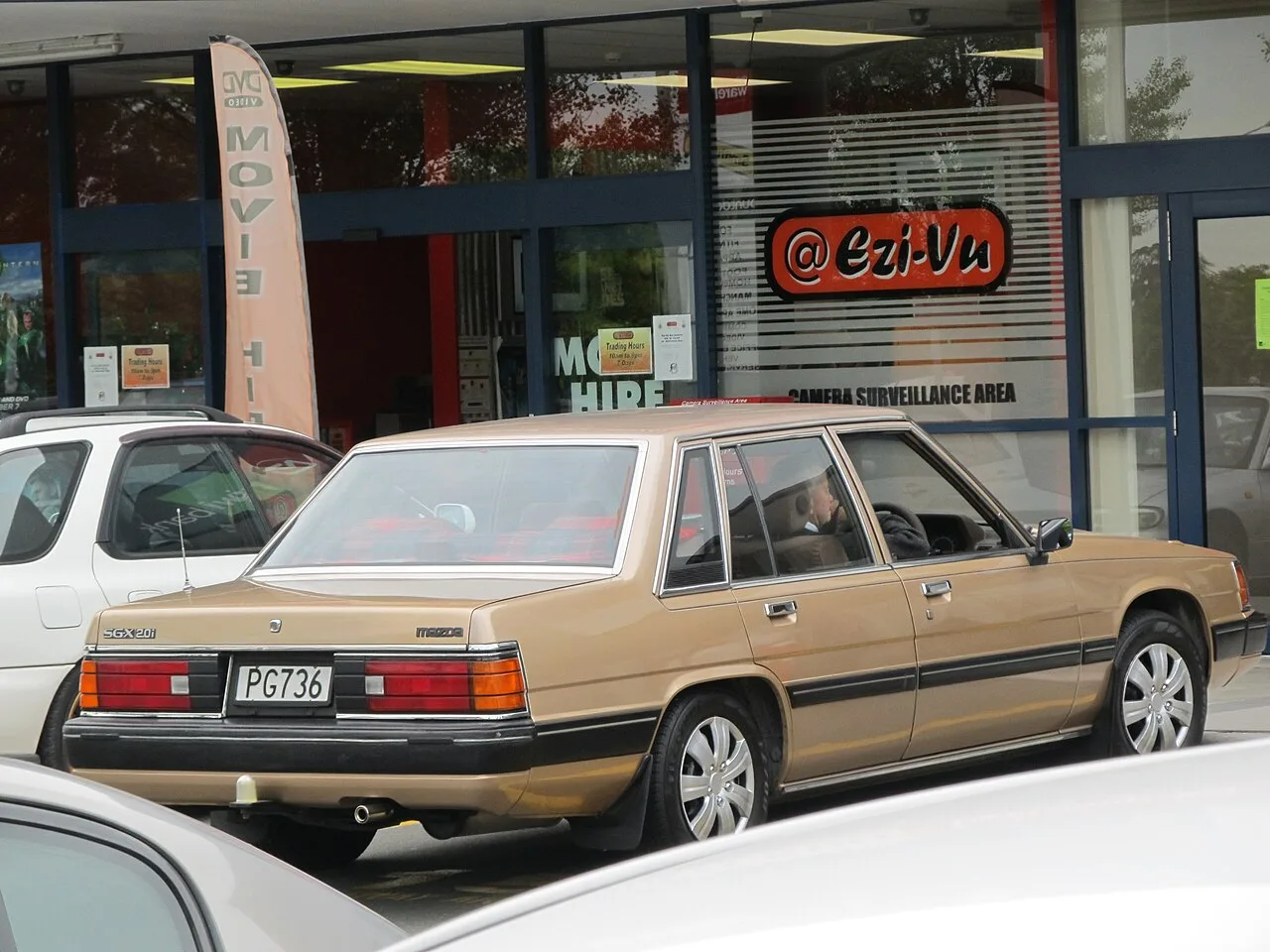
A taxi-spec LPG version of this Luce kept rolling off the line as the "Custom Cab" until December 1995 — nearly a decade after the HB generation officially ended.
Lead trim: 2.0 (MA, 90 PS) · up to 116 hp
Mazda Luce HB1981–1986
- 0spots by members
- Unclaimednobody has spotted one yet
- 0sets it belongs to
Nobody in Burbles has spotted a Mazda Luce HB yet. See one on the street, point the app at it, and the first card is yours — with your @handle permanently credited on this page.
FactA taxi-spec LPG version of this Luce kept rolling off the line as the "Custom Cab" until December 1995 — nearly a decade after the HB generation officially ended.
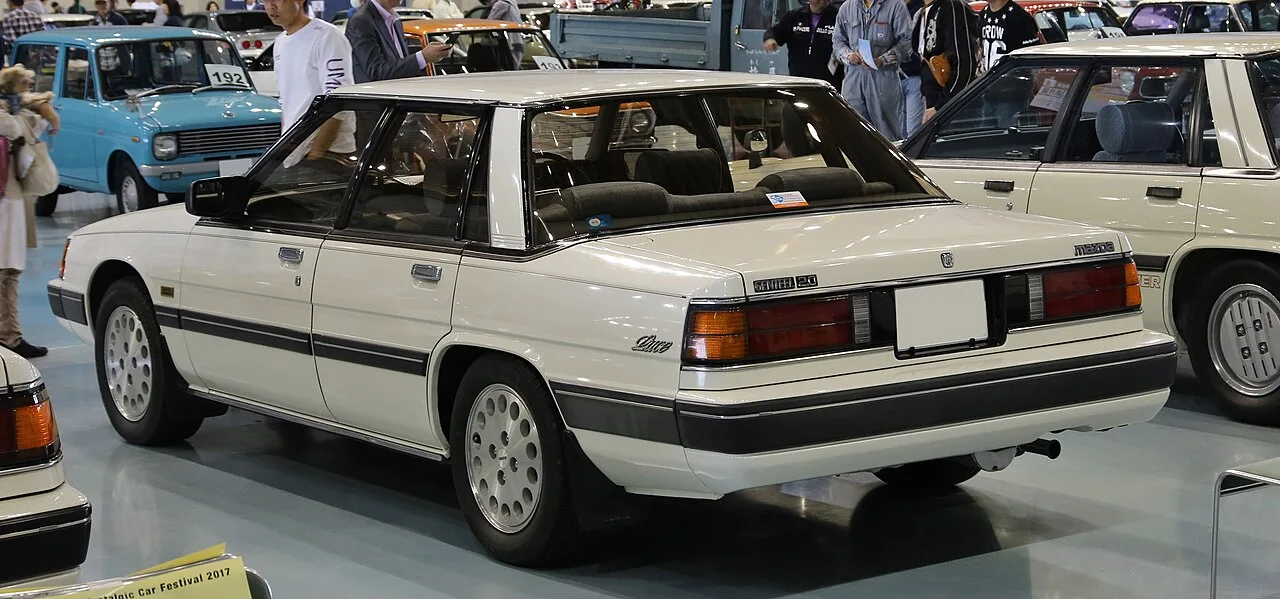
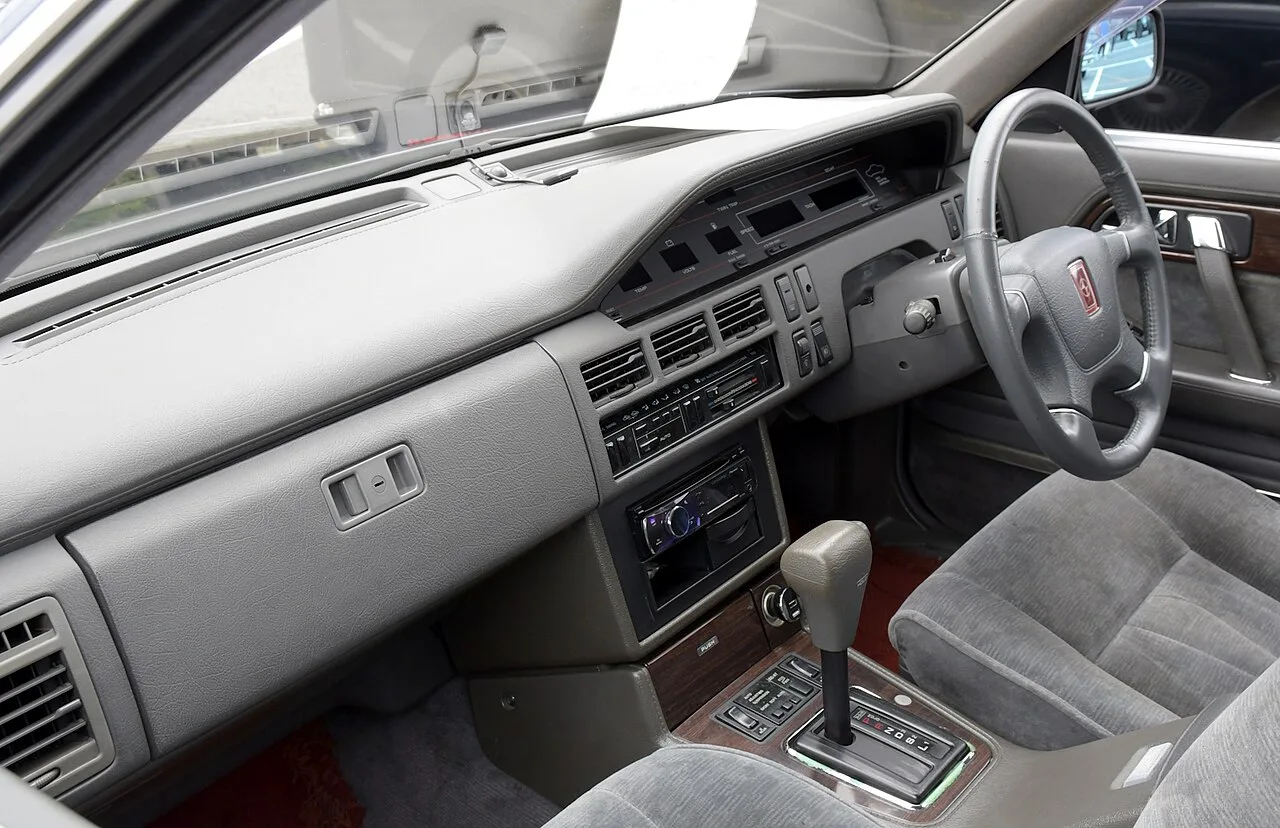
The next generation of the Luce was built on the HB platform, with production starting in October 1981 and exports again as the 929. Japanese customers could buy the Luce or the rebadged Mazda Cosmo at the exclusive "Mazda Auto Store" dealerships (renamed Eunos in 1991); unlike the Luce, the Cosmo was also sold as a coupé, exported as the 929 coupé. The Luce and Cosmo offered rotary and gasoline piston engines and a 2.2-litre diesel, and it was a large front-engine, rear-wheel-drive sedan or hardtop sedan that was not sold in North America. From 1989 an LPG-powered 2.0-litre sedan was built for the Japanese market for taxi and fleet use as the Mazda Custom Cab, which remained in production until December 1995, and the generation was known as the Haima HMC6470L in China from 1992 to 2002. There was no station wagon on the HB platform, so the previous LA4 stayed in production as a wagon.
Collectors Spotted in the Mazda Luce Lineage
No member has published a public street spot of the Mazda Luce yet — the First · Worldwide stamp is wide open.
Trims & Figures
4 published trims in the catalogue. A blank is a figure not recorded, not zero.
| Trim | Years | Engine | Power | Torque | 0–60 | Drive | Gearbox | MSRP |
|---|---|---|---|---|---|---|---|---|
| 1800 (Japan, 100 PS) | 1981–1983 | 1.8 L Inline-4 | 99 hp | — | — | — | — | — |
| 2.0 (FE, 101 PS) | 1983–1986 | 2.0 L Inline-4 | 100 hp | 115 lb-ft | — | — | — | — |
| 2.0 (MA, 90 PS) | 1981–1986 | 2.0 L Inline-4 | 89 hp | 118 lb-ft | — | — | — | — |
| 2.0 fuel-injected (FE, 118 PS) | 1983–1986 | 2.0 L Inline-4 | 116 hp | 126 lb-ft | — | — | — | — |
Owning one
We don’t estimate running costs for a car like this. What it costs depends on its condition, its specialist and how it is driven, and an average would mislead.
Owners’ builds
Nobody has claimed one yet.
Photographs
The HC-generation Luce secretly came in two different bodies — a pillared sedan and a larger pillarless hardtop — sharing identical engines and interiors underneath.
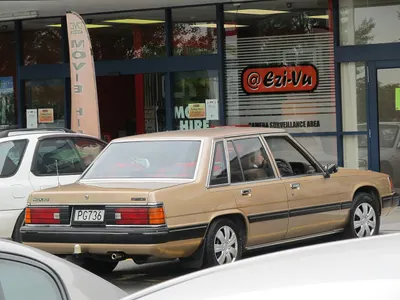
A taxi-spec LPG version of this Luce kept rolling off the line as the "Custom Cab" until December 1995 — nearly a decade after the HB generation officially ended.
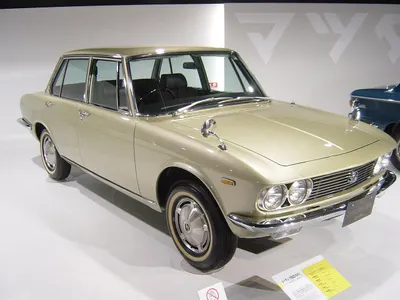
The LA4 Luce Legato offered something almost no luxury sedan did at the time — a genuine choice between a piston engine, a rotary, and from 1980 a 2.2-litre diesel, all in the same body.
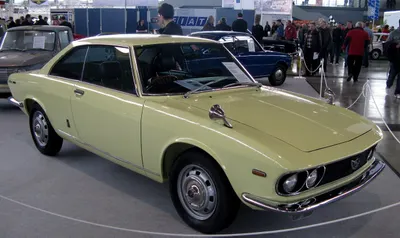
In Japan, choosing this car's rotary engine over the piston option wasn't just faster — it also meant a smaller annual road tax bill.
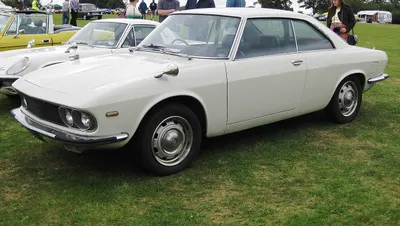
Mazda almost built this Luce in South Africa — 50 cars were shipped over for evaluation in 1967, before Mazda chose to put its local assembly effort into the smaller Familia and pickups instead.
Rivals
Same body, same money, other badges — tap any card to flip.

It briefly served as senior sibling to Marquette, a GM companion brand cancelled after just one year.

Nissan hired former BMW engineers to help develop the 510's suspension, which is why period reviewers frequently compared its handling to the BMW 1600/2002.

A Trabant 601 won its class at the 1970 Monte Carlo Rally, with a second 601 right behind it in second.

The 600 was a stopgap: the P50's body over the 601's mechanicals, and for a while its estate was built alongside the new 601 saloon.

The G80 Sport brought a 370 PS twin-turbo 3.3 V6, a mesh grille and copper-tinted chrome with copper stitching to match.

The Vigor was sold only with a five-cylinder engine, an unusual configuration Honda used to fit a longer engine transversely under a short hood.

The GS/E coupe earned the nickname "German Charger" for its long hood, short deck stance borrowed from Detroit muscle cars.

This DeVille/Fleetwood was the first production car anywhere to mount its V8 sideways, Cadillac's front-drive gamble on the new C-body.