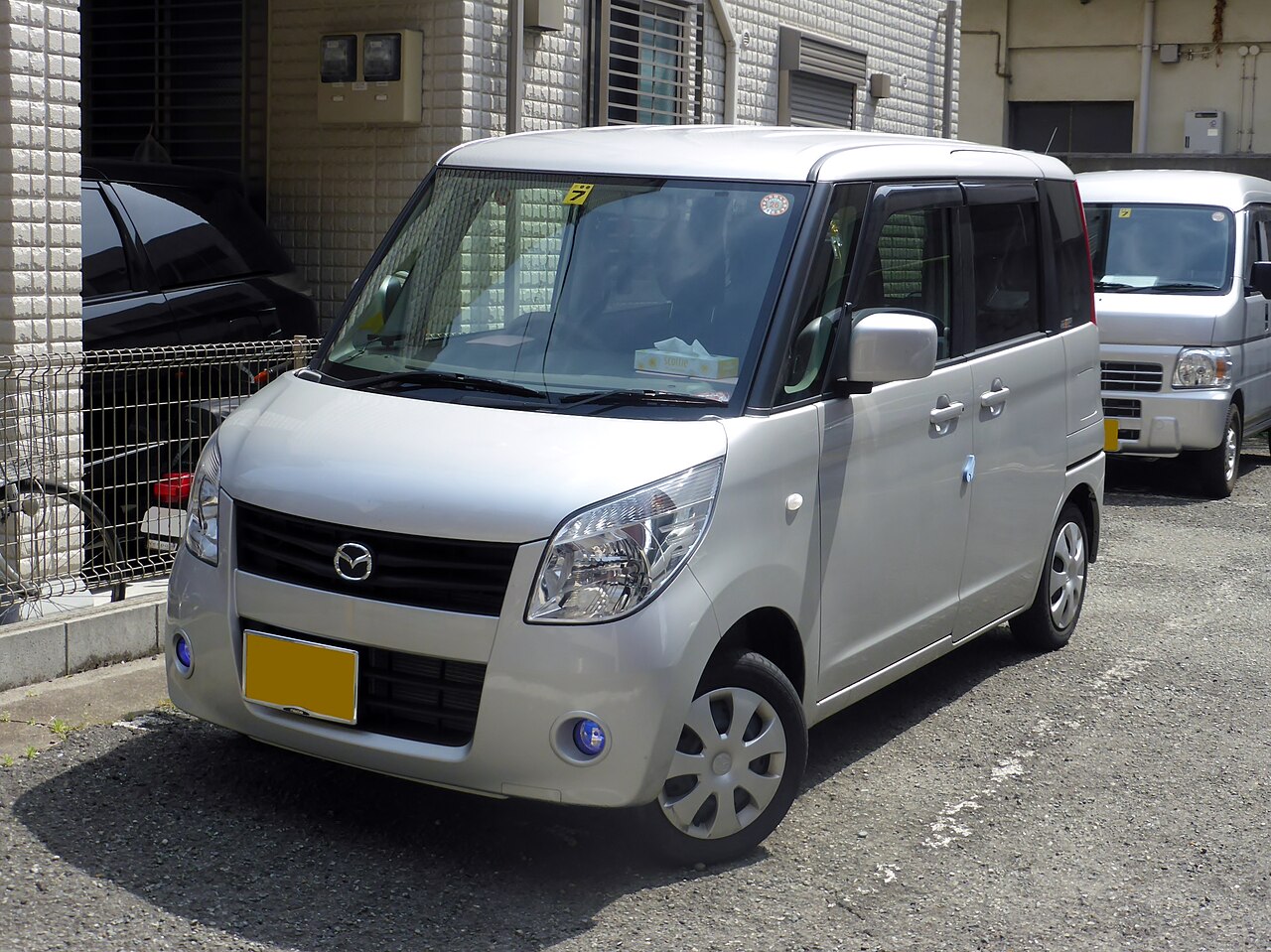
This first Flair Wagon lasted barely nine months before replacement, unusually short even for Japan's fast-moving kei car market.
Lead trim: 658 cc K6A DOHC VVT
Mazda Flair Wagon2012–2013
- 0spots by members
- Unclaimednobody has spotted one yet
- 0sets it belongs to
Nobody in Burbles has spotted a Mazda Flair Wagon yet. See one on the street, point the app at it, and the first card is yours — with your @handle permanently credited on this page.
FactThis first Flair Wagon lasted barely nine months before replacement, unusually short even for Japan's fast-moving kei car market.
The first Mazda Flair Wagon is an OEM version of the Suzuki Palette, released on 26 June 2012 and replaced only months later, in February 2013, by a new Flair Wagon based on the Suzuki Spacia. It is a tall kei car with twin rear sliding doors and Suzuki's 658 cc K6A DOHC VVT three-cylinder.
Collectors Spotted in the Mazda Flair Wagon Lineage
No member has published a public street spot of the Mazda Flair Wagon yet — the First · Worldwide stamp is wide open.
Trims & Figures
2 published trims in the catalogue. A blank is a figure not recorded, not zero.
| Trim | Years | Engine | Power | Torque | 0–60 | Drive | Gearbox | MSRP |
|---|---|---|---|---|---|---|---|---|
| 658 cc K6A DOHC VVT | 2012–2013 | 0.7 L Inline-3 | — | — | — | — | — | — |
| 658 cc K6A DOHC VVT turbo | 2012–2013 | 0.7 L Inline-3 | — | — | — | — | — | — |
Owning one
We don’t estimate running costs for a car like this. What it costs depends on its condition, its specialist and how it is driven, and an average would mislead.
Owners’ builds
Nobody has claimed one yet.
Photographs
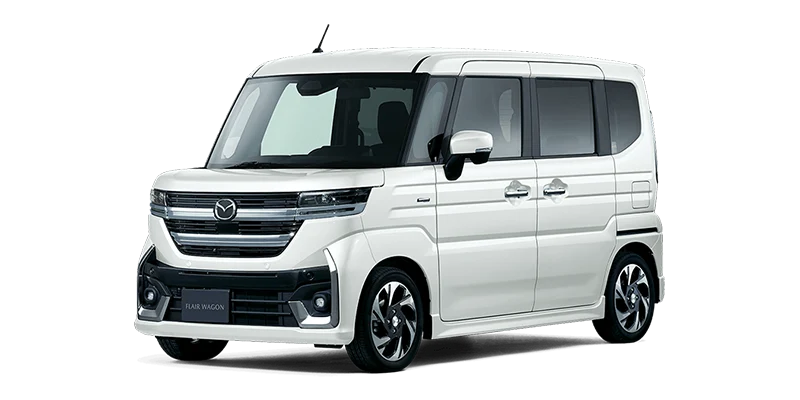
Its rear seat got a Suzuki first: a pull-out flap that works as an ottoman when parked, a leg support on the move, or a stopper for bags.
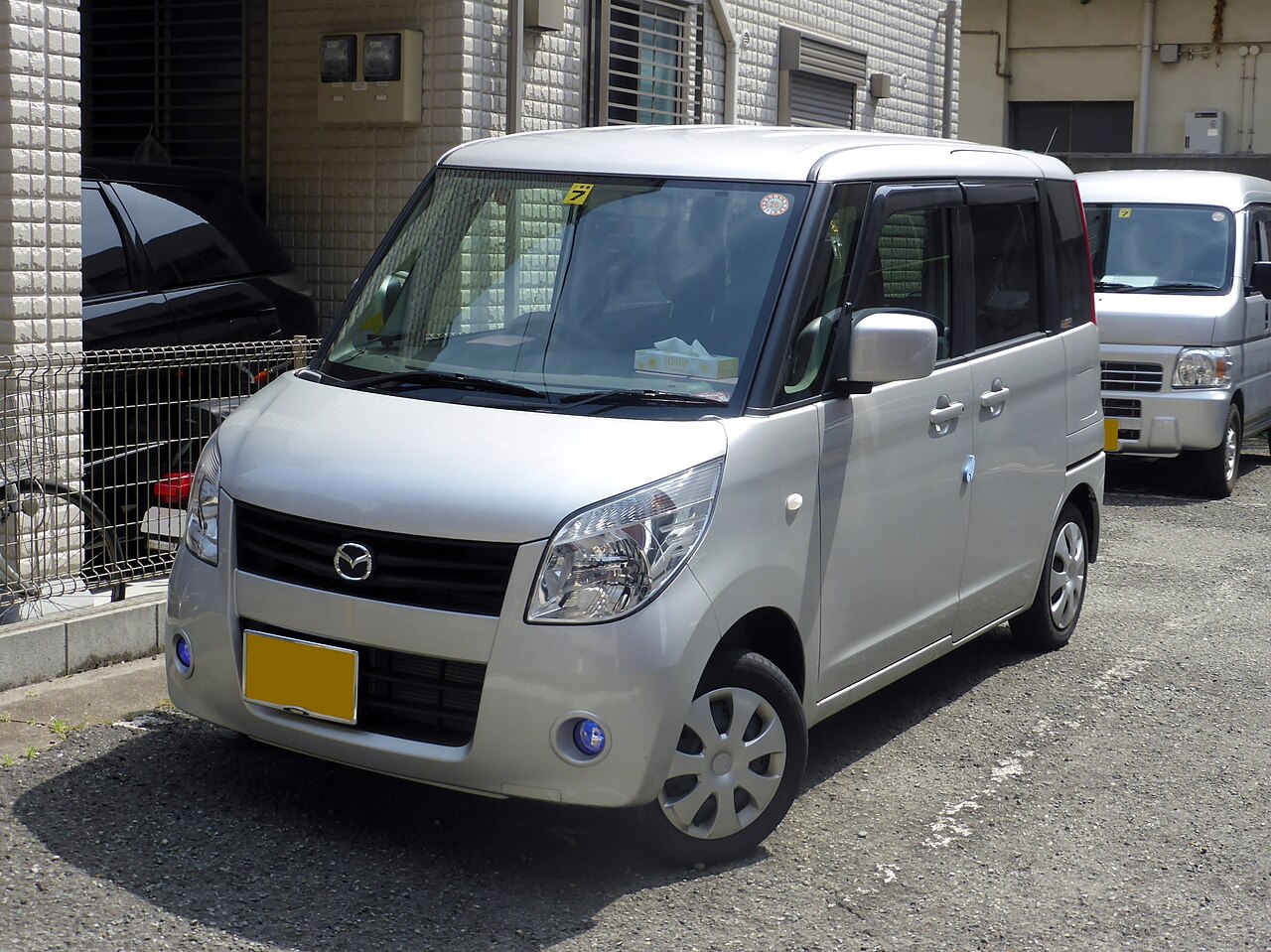
It brought the first windscreen-projected head-up display to any kei car.
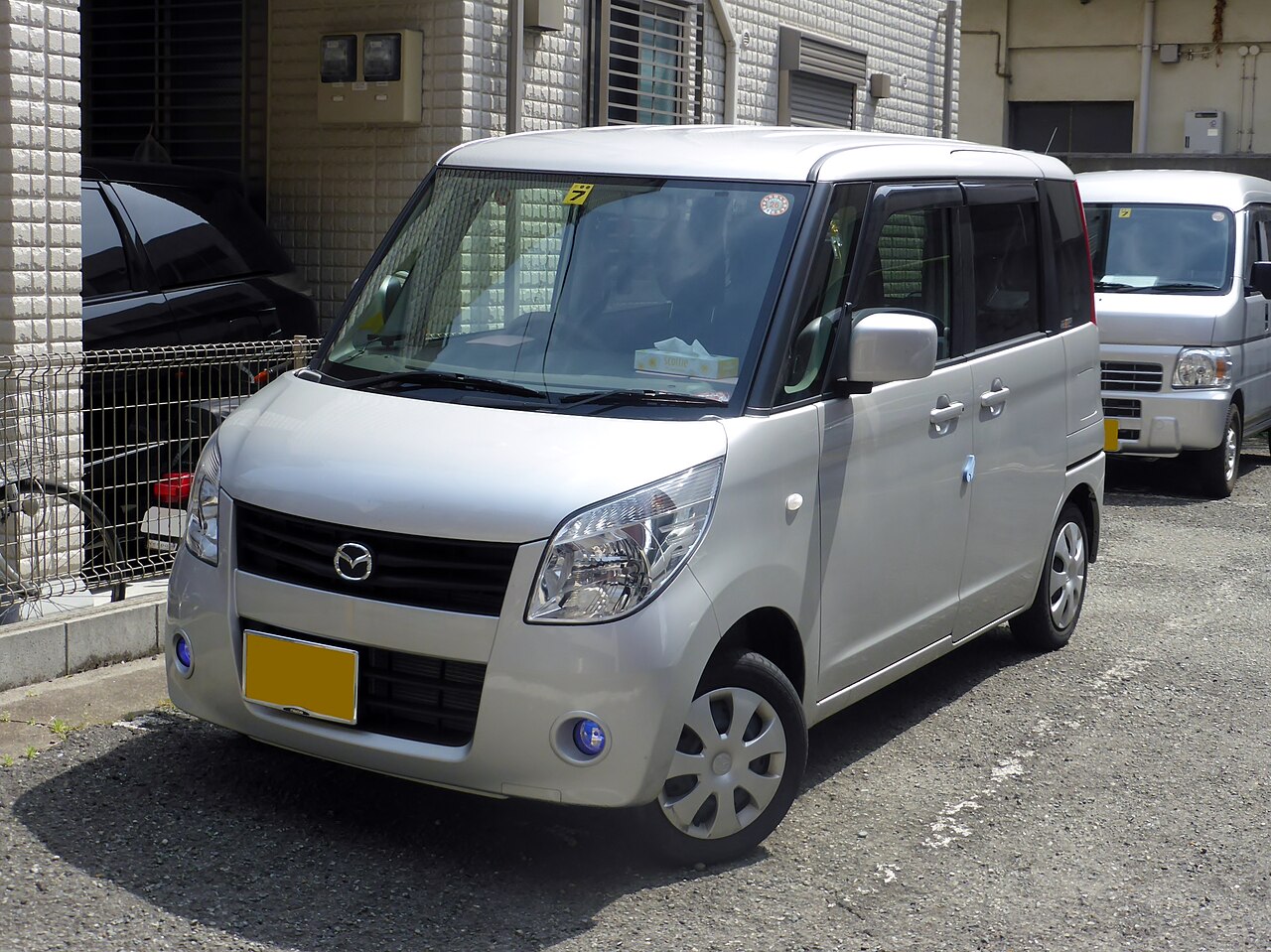
The base two-wheel-drive car weighed 840 kg, lightest of any kei tall wagon over 1.7 m, partly by dropping the side airbags its predecessor had as standard.
This first Flair Wagon lasted barely nine months before replacement, unusually short even for Japan's fast-moving kei car market.
Rivals
Same body, same money, other badges — tap any card to flip.
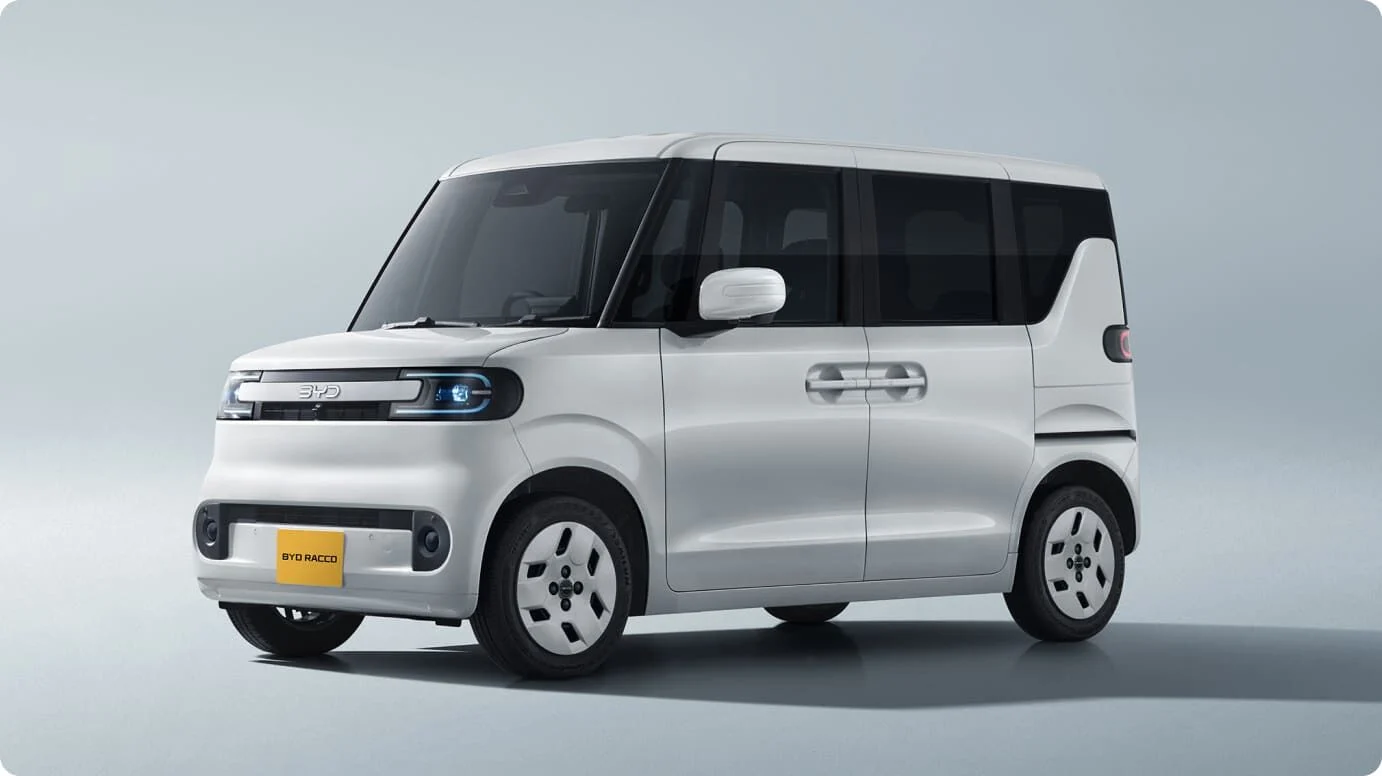
BYD built the Racco to beat Honda and Suzuki at their own kei-car game, the first dedicated kei car from a foreign brand.
The base two-wheel-drive car weighed 840 kg, lightest of any kei tall wagon over 1.7 m, partly by dropping the side airbags its predecessor had as standard.
Its rear seat got a Suzuki first: a pull-out flap that works as an ottoman when parked, a leg support on the move, or a stopper for bags.
It brought the first windscreen-projected head-up display to any kei car.
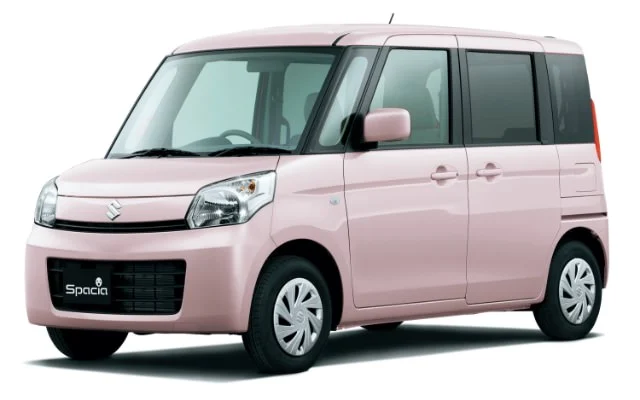
With dual-camera brake support, the Spacia became the first kei car to earn Japan's top ASV++ safety rating, scoring 66.7 out of 71.
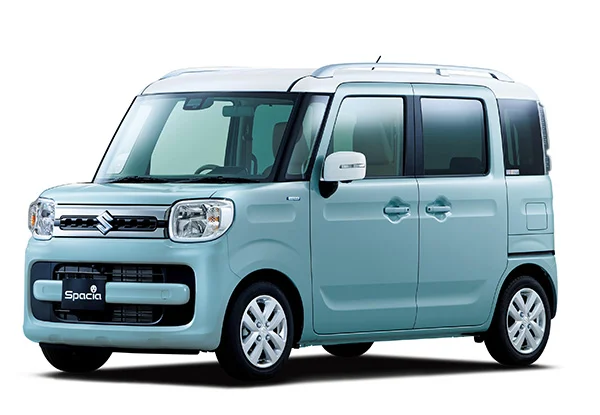
The second Spacia offered a head-up display projected onto the windscreen, the first ever fitted to a kei car.
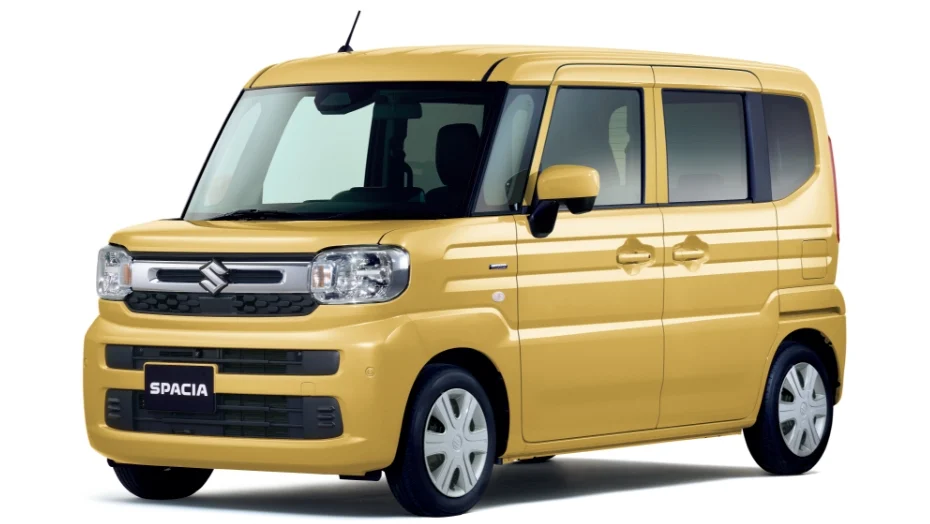
Mazda still sells this Spacia today, just wearing a Flair Wagon badge instead.
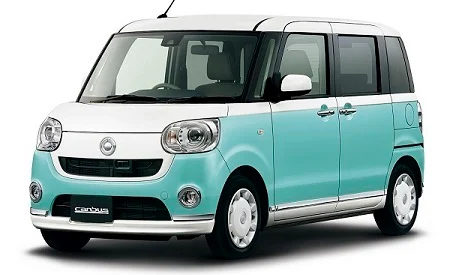
Canbus is "Can" plus "Bus", after the Volkswagen Type 2, and despite the Move name it sits on the underpinnings of the taller Tanto.