Japan's rotary-engine tax loophole made the RX-2 a bargain: buyers got more power than a comparable inline-engine car while still paying the lower 1.5-litre road tax bracket.
Lead trim: UB 1.5 L SOHC · up to 130 hp
Mazda 626SNA/S122A/CB12 · 1970–1978
- 0spots by members
- Unclaimednobody has spotted one yet
- 0sets it belongs to
Nobody in Burbles has spotted a Mazda 626 yet. See one on the street, point the app at it, and the first card is yours — with your @handle permanently credited on this page.
FactJapan's rotary-engine tax loophole made the RX-2 a bargain: buyers got more power than a comparable inline-engine car while still paying the lower 1.5-litre road tax bracket.
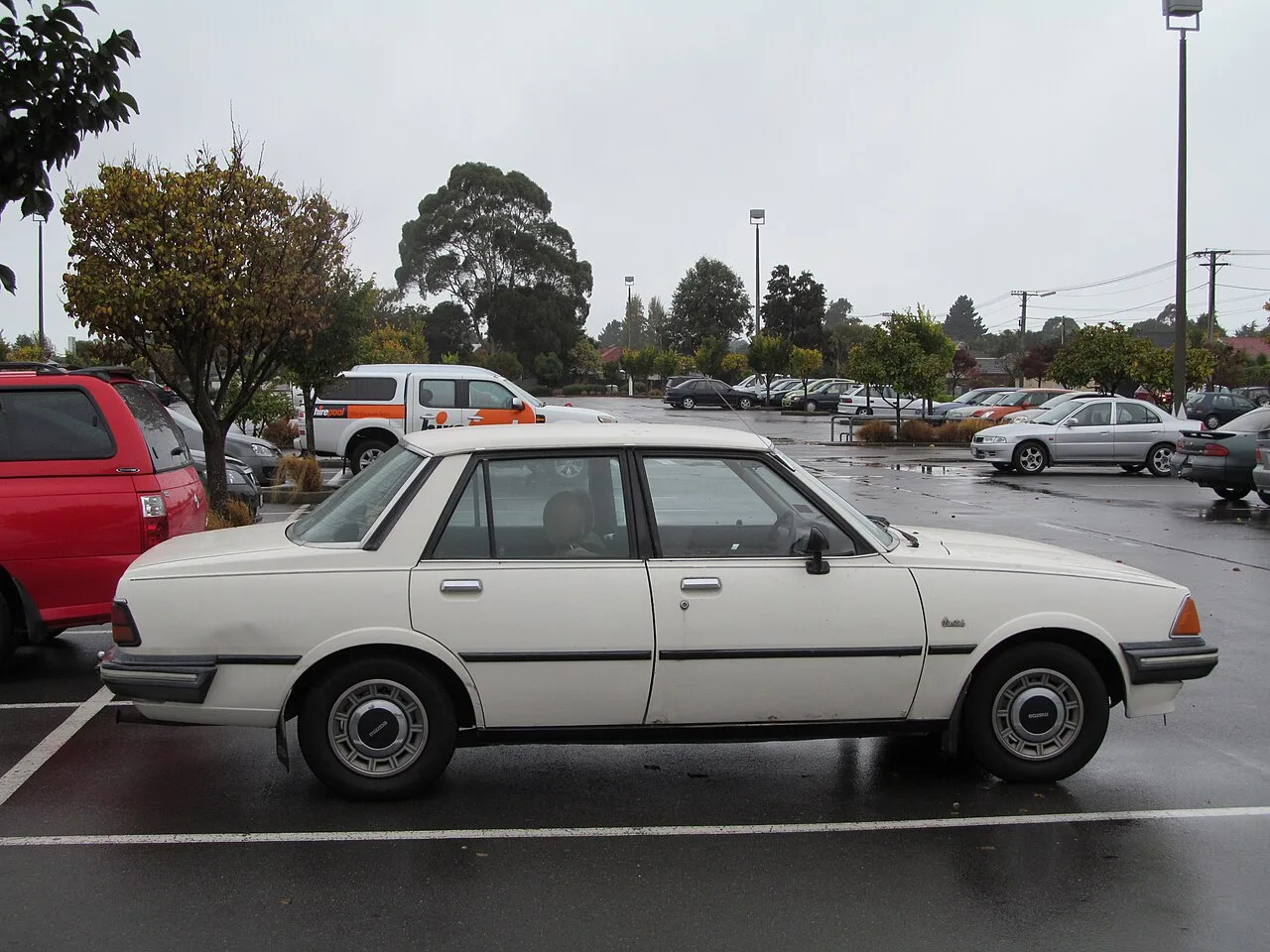
The first Capella, introduced in May 1970 as an intermediate alternative between the smaller Familia and larger Luce, with SOHC four-cylinder 1.5 and 1.6 L engines (a Capella 1500 added in October 1970) and an optional Wankel offered as the Capella Rotary in Japan and the RX-2 for export. Sold abroad as the Mazda 616 (sedan and some coupés); a 1.8 L VB-powered Mazda 618 lasted a single year, 1972, in the US, where the rotary RX-2 preceded the 616 in 1970–71 as part of Mazda's 1971 expansion. A February 1974 facelift lengthened the nose 110 mm, redesigned the dash and brought an optional 1.8 L VC (the "AP", Anti-Pollution, in Japan) and dropped the 1500; the rotary became CB12S. It was the only Capella generation with a rotary engine, whose road-tax position below the 1.5 L bracket helped Japanese buyers. The RX-2 was assembled in New Zealand from 1972, the first and only rotary-engined car built there, and in South Africa the rotary claimed 130 hp SAE, with the Capella RS (limited to 20 a month) introduced in late 1976 and rotary production continuing into 1979.
Collectors Spotted in the Mazda 626 Lineage
No member has published a public street spot of the Mazda 626 yet — the First · Worldwide stamp is wide open.
Trims & Figures
3 published trims in the catalogue. A blank is a figure not recorded, not zero.
| Trim | Years | Engine | Power | Torque | 0–60 | Drive | Gearbox | MSRP |
|---|---|---|---|---|---|---|---|---|
| 12A/12B 1.1 L Wankel Capella Rotary / RX-2 (South Africa, 130 hp SAE) | 1970–1978 | 1.1 L Rotary | 130 hp | 115 lb-ft | — | RWD | — | — |
| NA 1.6 L SOHC (100 PS) | 1970–1978 | 1.6 L Inline-4 | 99 hp | 106 lb-ft | — | RWD | — | — |
| UB 1.5 L SOHC | 1970–1974 | 1.5 L Inline-4 | 91 hp | — | — | RWD | — | — |
Owning one
We don’t estimate running costs for a car like this. What it costs depends on its condition, its specialist and how it is driven, and an average would mislead.
Owners’ builds
Nobody has claimed one yet.
Photographs
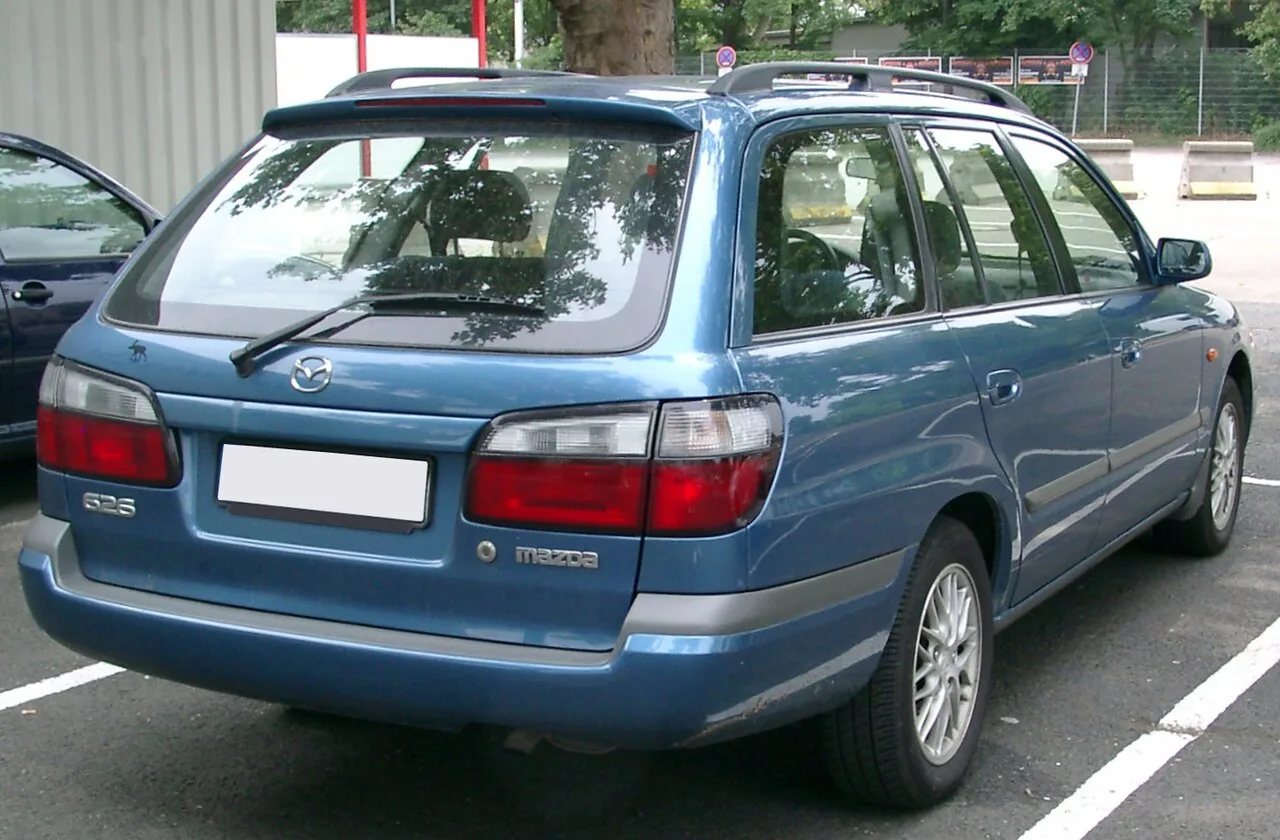
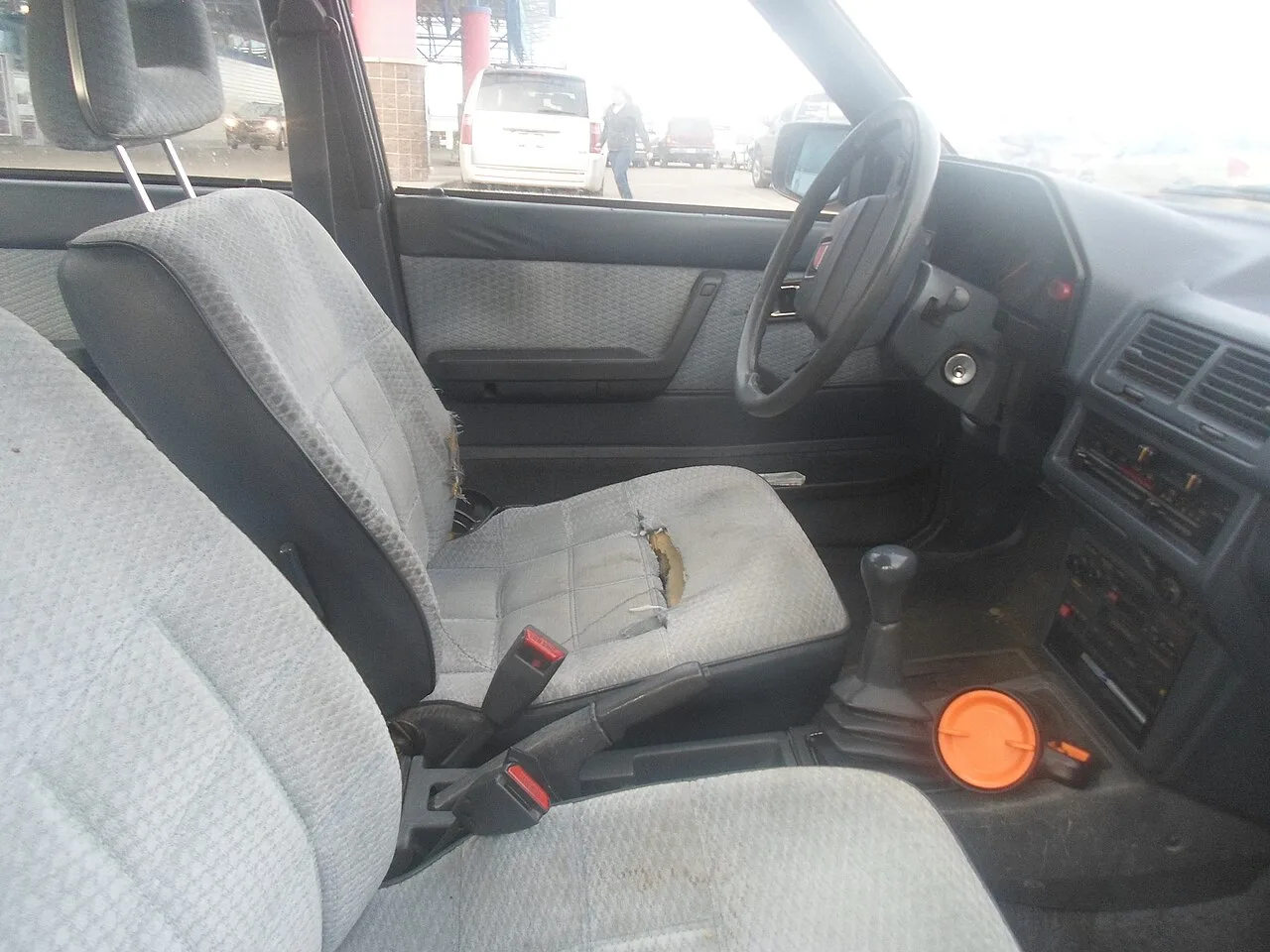
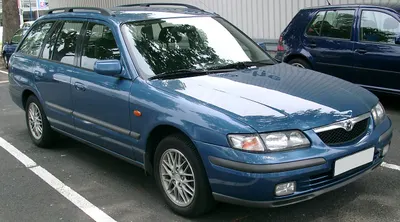
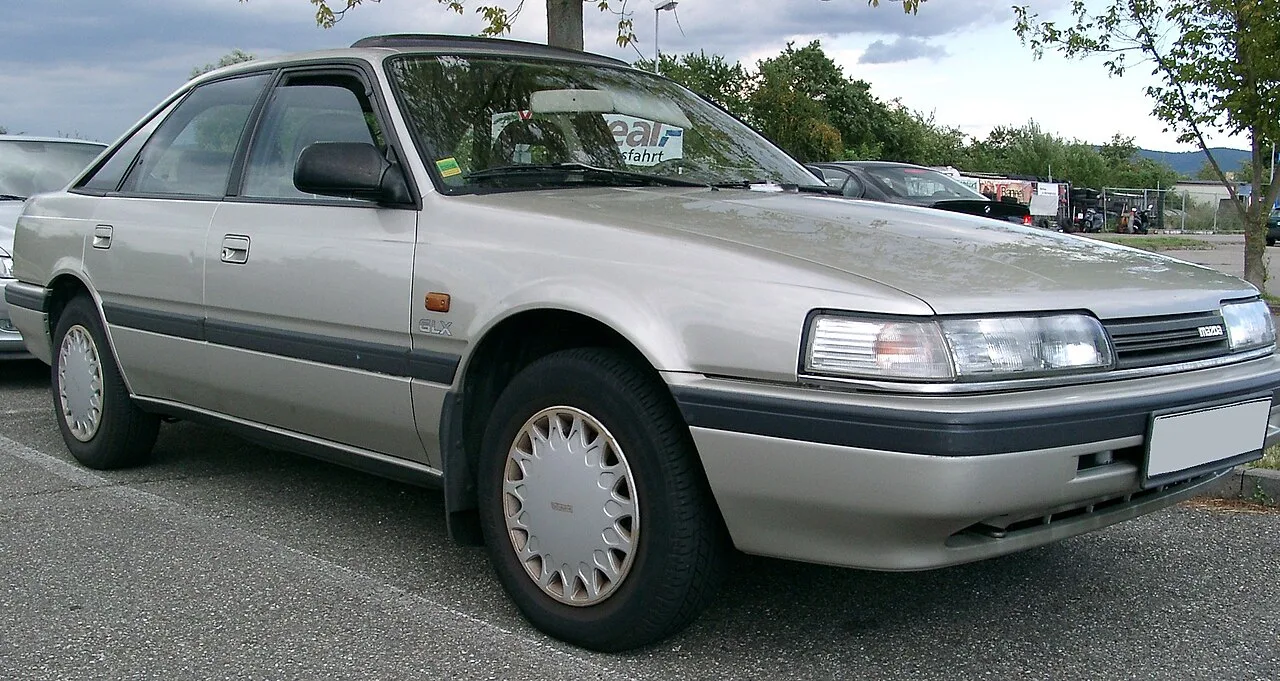
In 2000 Mazda built a twin-turbo, 280-hp 626 concept called the MPS — only a handful were ever made, and the next 626 never got anything like it.
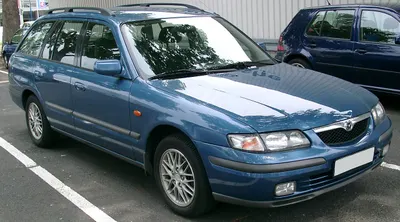
The CG Capella was built narrower than its export Mazda 626 twin on purpose — just enough to dodge Japan's size-based vehicle tax.
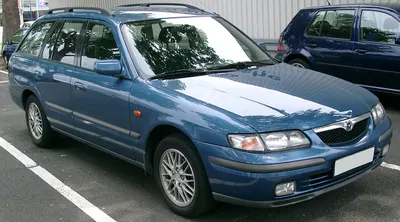
For the first time ever, Mazda built a 626 on US soil — the GE generation began rolling out of the brand-new Flat Rock, Michigan plant on 1 September 1992, for the 1993 model year.
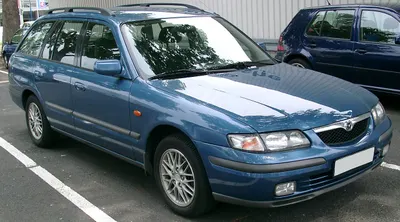
This 626 beat Honda's Prelude to market with four-wheel steering by weeks in 1988 — and Mazda's electronic system was more complex than Honda's.
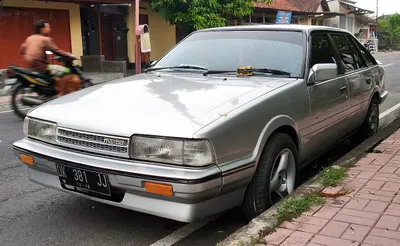
A handful of special customers in Indonesia could order this 626 with a nose job — the front end and pop-up headlights grafted on from Mazda's luxury 929/Cosmo coupe.
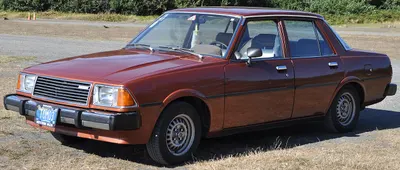
Everywhere else this car was just the '626' — but in the UK it was sold as the Mazda Montrose, named after the little Scottish town with the local dealership.
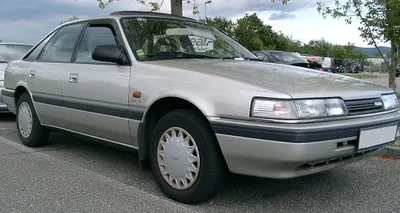
Japan's rotary-engine tax loophole made the RX-2 a bargain: buyers got more power than a comparable inline-engine car while still paying the lower 1.5-litre road tax bracket.
Rivals
Same body, same money, other badges — tap any card to flip.

It briefly served as senior sibling to Marquette, a GM companion brand cancelled after just one year.

Nissan hired former BMW engineers to help develop the 510's suspension, which is why period reviewers frequently compared its handling to the BMW 1600/2002.

A Trabant 601 won its class at the 1970 Monte Carlo Rally, with a second 601 right behind it in second.

The 600 was a stopgap: the P50's body over the 601's mechanicals, and for a while its estate was built alongside the new 601 saloon.

The G80 Sport brought a 370 PS twin-turbo 3.3 V6, a mesh grille and copper-tinted chrome with copper stitching to match.

The Vigor was sold only with a five-cylinder engine, an unusual configuration Honda used to fit a longer engine transversely under a short hood.

The GS/E coupe earned the nickname "German Charger" for its long hood, short deck stance borrowed from Detroit muscle cars.

This DeVille/Fleetwood was the first production car anywhere to mount its V8 sideways, Cadillac's front-drive gamble on the new C-body.