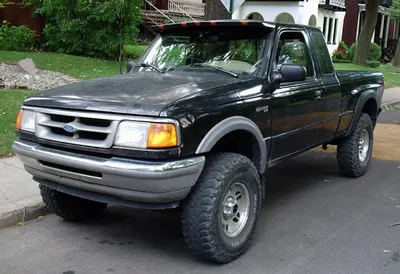
VerifiedFIRST PRINTONLY ONE IN VANCOUVER×2This generation of Mazda trucks was rated the most satisfying in America three years running — J.D. Power and Associates put it at No. 1 overall in 1986, 1987 and 1988.

Hiding inside this B-Series generation's final years was the REPU — the only rotary-engined pickup truck ever sold, built just for the North American market from 1974 to 1977.
Median 105 hp across 24 similar cars
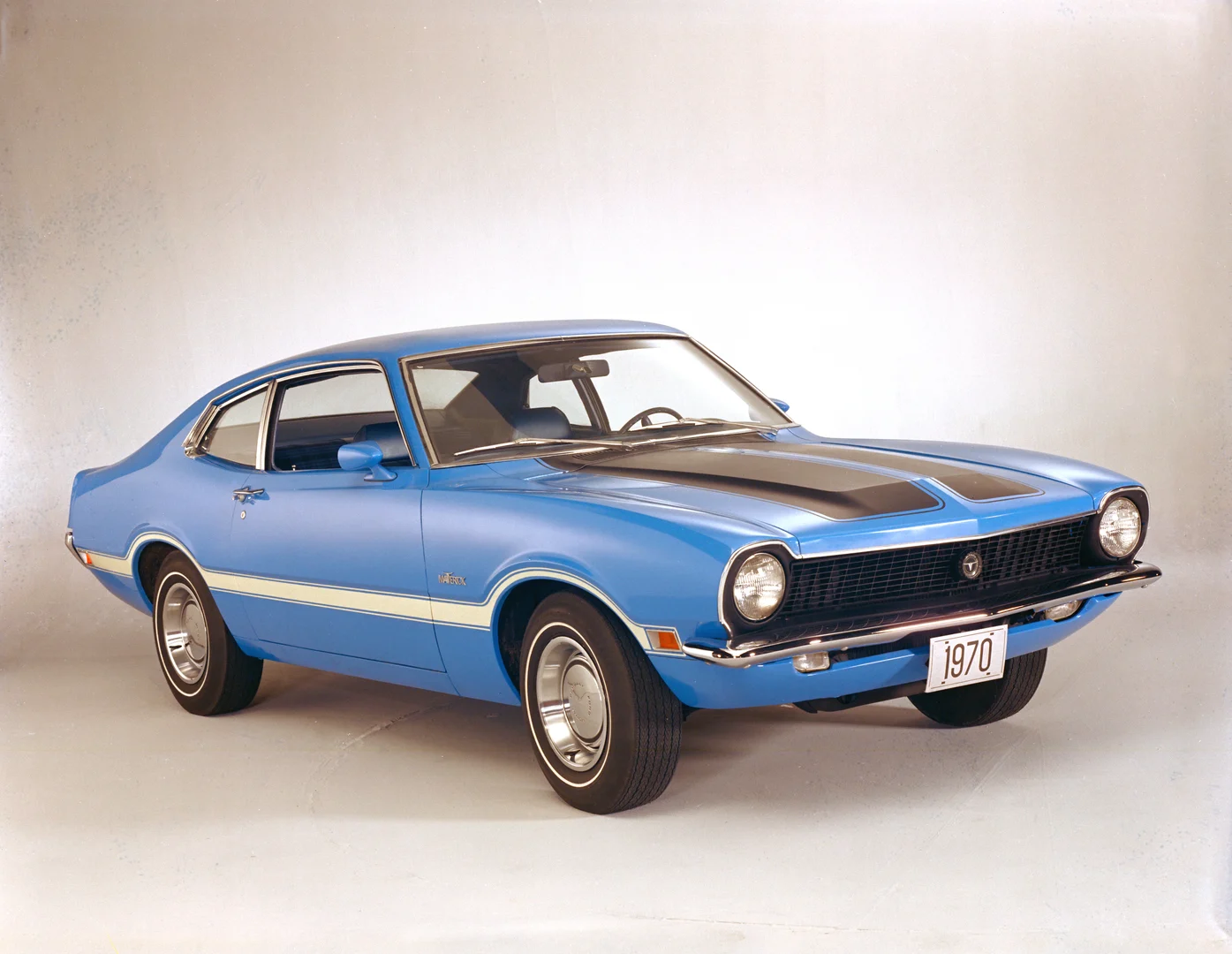
Lead trim: UA 1.5 L OHV (72 PS, 1965–71) · up to 98 hp
Nobody in Burbles has spotted a Mazda B-Series yet. See one on the street, point the app at it, and the first card is yours — with your @handle permanently credited on this page.
FactHiding inside this B-Series generation's final years was the REPU — the only rotary-engined pickup truck ever sold, built just for the North American market from 1974 to 1977.
Introduced in October 1965 as the B1500/Proceed with the same 1,484 cc OHV four (now 72 PS at 5,200 rpm, with a downdraft carburettor), a new squarer body and four headlights (chassis BUD61); a 1600 cc BNA61 came in January 1971 (advertised in Japan as the "GT-Truck") and a smaller Proceed 1300 in March 1972. It was the first Japanese pickup assembled in New Zealand from CKD kits (Steel's Motor Assemblies, 1967, after an order for 672). The B series reached the United States as the 1972 B1600 (Canada from about 1970), grew to 1.8 L for 1975's B1800, and sold strongly in the US mostly as the Ford Courier (introduced for 1972 with a 74 hp 1.8 L OHC), relieving Mazda's cash-flow troubles after the 1970s energy crisis. Trucks were imported as cab-chassis to avoid the 25 percent chicken tax. The world's only Wankel pickup, the Rotary Pickup (REPU), is a separate entry.
Real Mazda B-Series cards spotted on the street by Burbles collectors. Tap any card to flip it over, inspect the collector’s binder, or follow them.
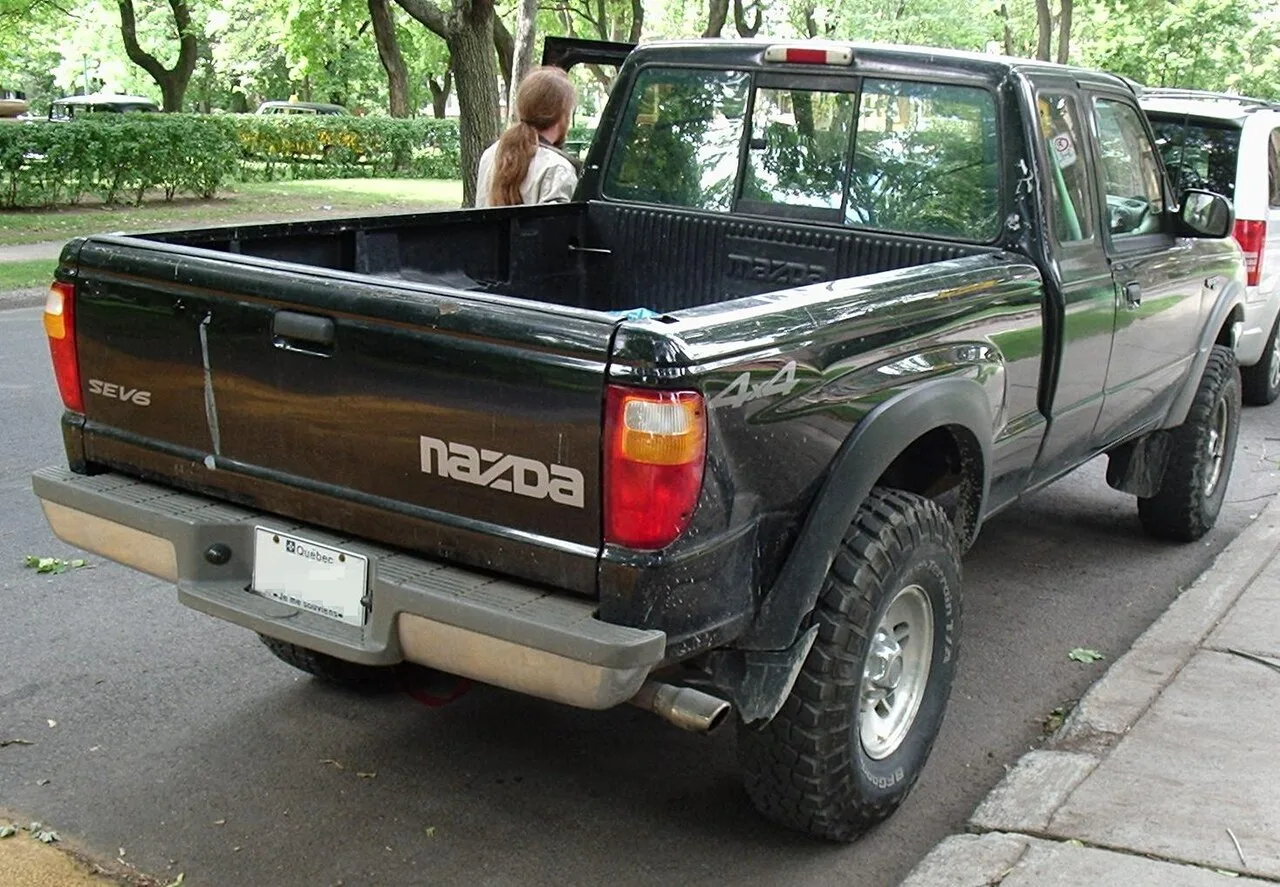
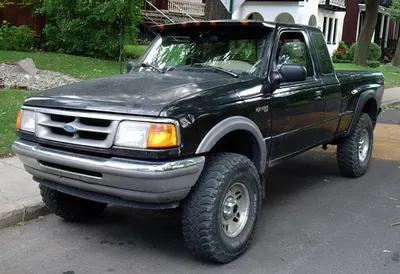
VerifiedFIRST PRINTONLY ONE IN VANCOUVER×2This generation of Mazda trucks was rated the most satisfying in America three years running — J.D. Power and Associates put it at No. 1 overall in 1986, 1987 and 1988.
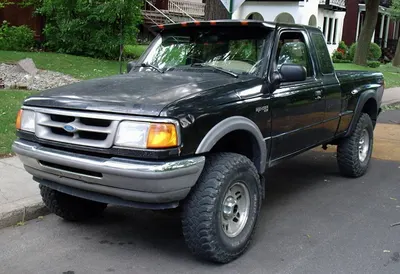
VerifiedFIRST · WORLDWIDEFIRST PRINTPROThis generation of Mazda trucks was rated the most satisfying in America three years running — J.D. Power and Associates put it at No. 1 overall in 1986, 1987 and 1988.
4 published trims in the catalogue. A blank is a figure not recorded, not zero.
| Trim | Years | Engine | Power | Torque | 0–60 | Drive | Gearbox | MSRP |
|---|---|---|---|---|---|---|---|---|
| NA 1.6 L (95 PS SAE, 1971–76) | 1971–1976 | 1.6 L Inline-4 | 94 hp | — | — | RWD | — | — |
| TC 1.3 L Proceed 1300 (87 PS SAE gross, 1972–75) | 1972–1975 | 1.3 L Inline-4 | 86 hp | — | — | RWD | — | — |
| UA 1.5 L OHV (72 PS, 1965–71) | 1965–1971 | 1.5 L Inline-4 | 71 hp | — | — | RWD | — | — |
| VB 1.8 L (98 hp SAE, Canada/US) | 1970–1977 | 1.8 L Inline-4 | 98 hp | — | — | RWD | — | — |
We don’t estimate running costs for a car like this. What it costs depends on its condition, its specialist and how it is driven, and an average would mislead.
Nobody has claimed one yet.


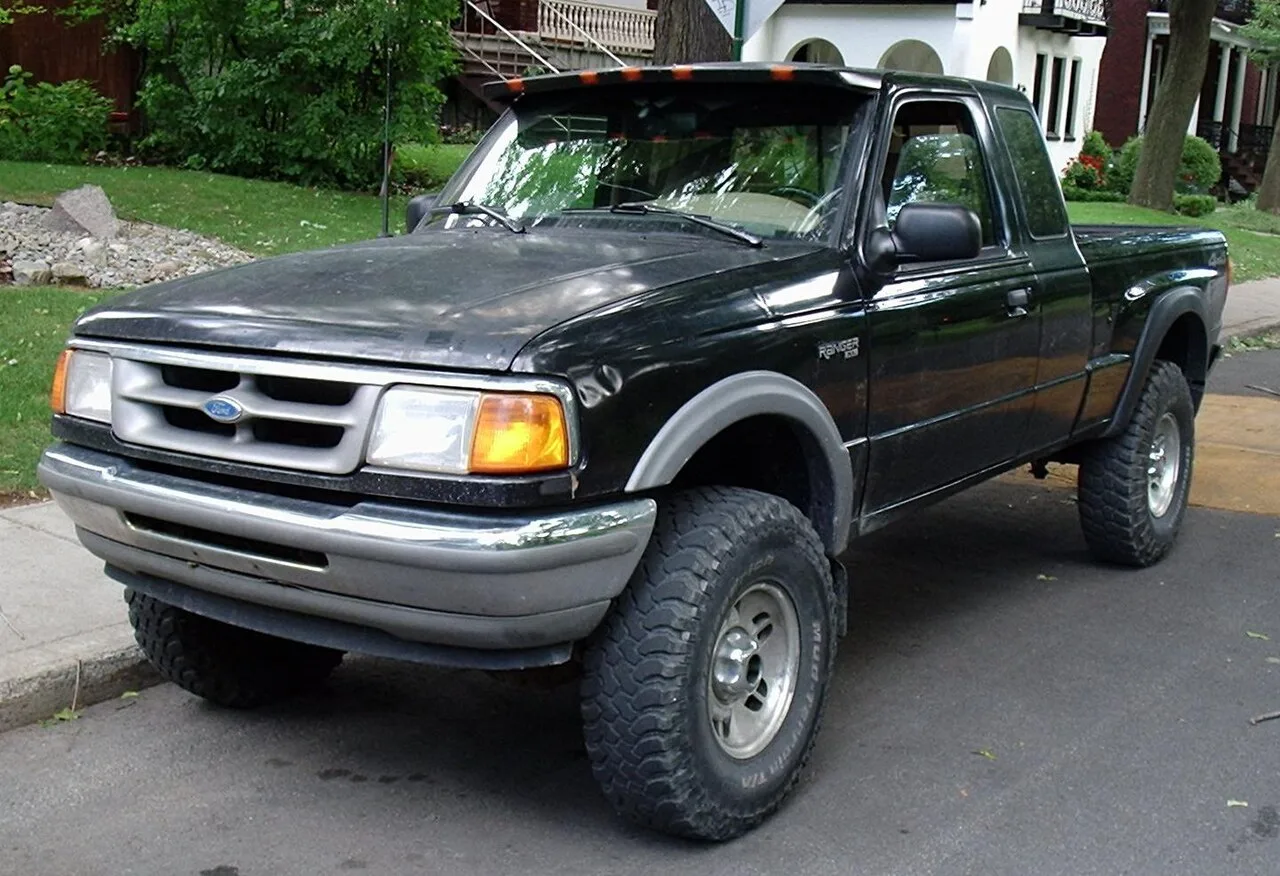
The arrangement flipped: Mazda spent the '70s building Ford's Courier pickup, then from 1994 it was Ford building Mazda's B-Series, off the same Minnesota line as the Ranger.

Mazda dodged the 25% 'chicken tax' on light trucks by simply building this generation in Minnesota instead of Japan — a move other Japanese automakers soon copied.

This generation of Mazda trucks was rated the most satisfying in America three years running — J.D. Power and Associates put it at No. 1 overall in 1986, 1987 and 1988.

Mazda's long-bed B2000 pickup picked up an unofficial name in some markets: "Sundowner," borrowed from Australian drovers who made camp wherever they happened to be when the sun went down.

Mazda didn't just stuff a rotary into a pickup for fun — the REPU stands alone in automotive history as the world's first and only Wankel-engined pickup truck.

Hiding inside this B-Series generation's final years was the REPU — the only rotary-engined pickup truck ever sold, built just for the North American market from 1974 to 1977.

Mazda's first-ever B-series pickup, the 1961 B1500, was sleeker and more powerful than any rival truck in Japan — and pricier too, so it never sold in the numbers Mazda hoped for.
Same body, same money, other badges — tap any card to flip.

The GMT400 split the twins for good: 1988 was the year "C/K" became Chevrolet-only badging, while GMC's version of the very same truck became the Sierra.

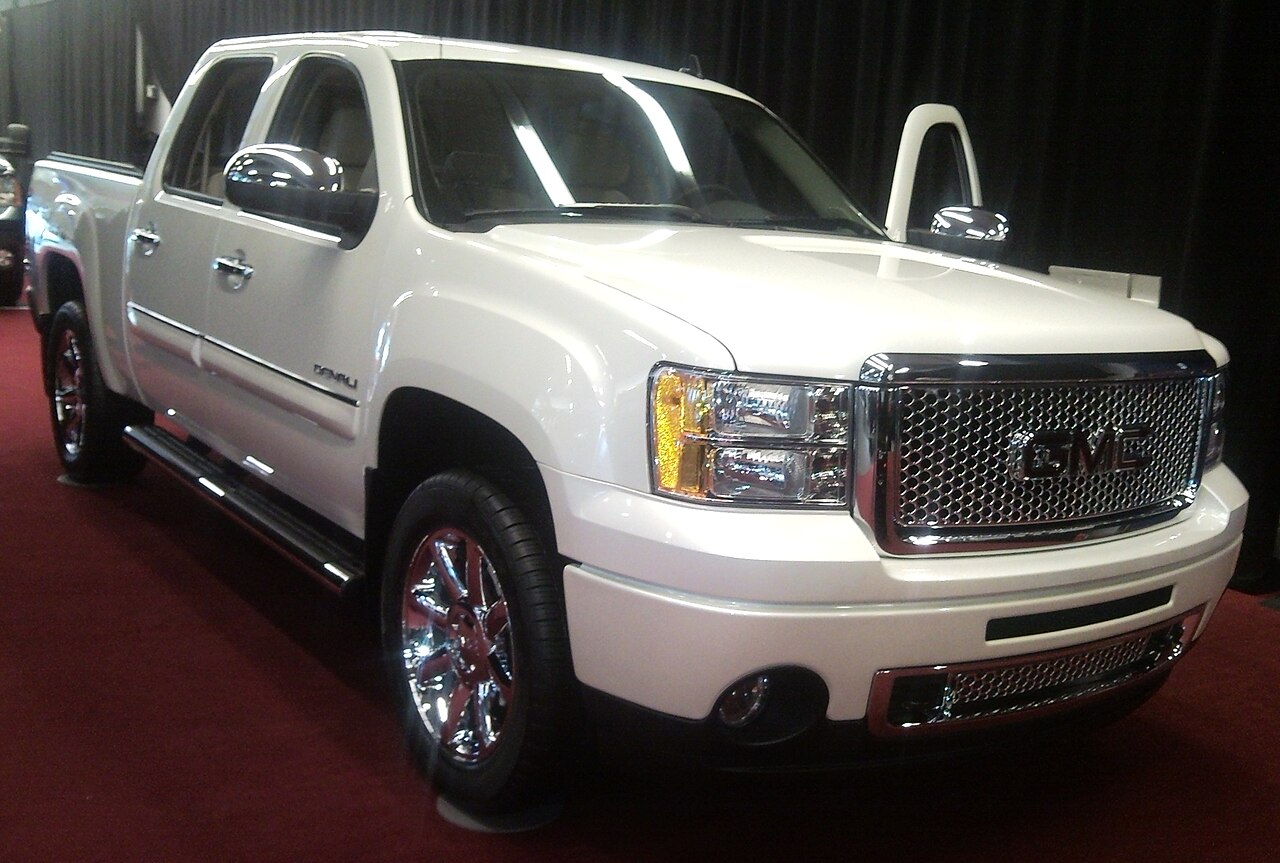
GMC found 10 extra horsepower in the Sierra All Terrain X's 5.3L V8 with nothing more than a performance exhaust, no other changes needed to go from 355 to 365 hp.

This Sierra kept rolling off the line for a full extra year after its replacement arrived - badged "Classic" in 2007 just to tell the two generations apart on dealer lots.

When this GMT900 Sierra launched for 2007, GM kept selling the outgoing truck alongside it, badged "Classic," so buyers could choose old or new side by side on the same lot.

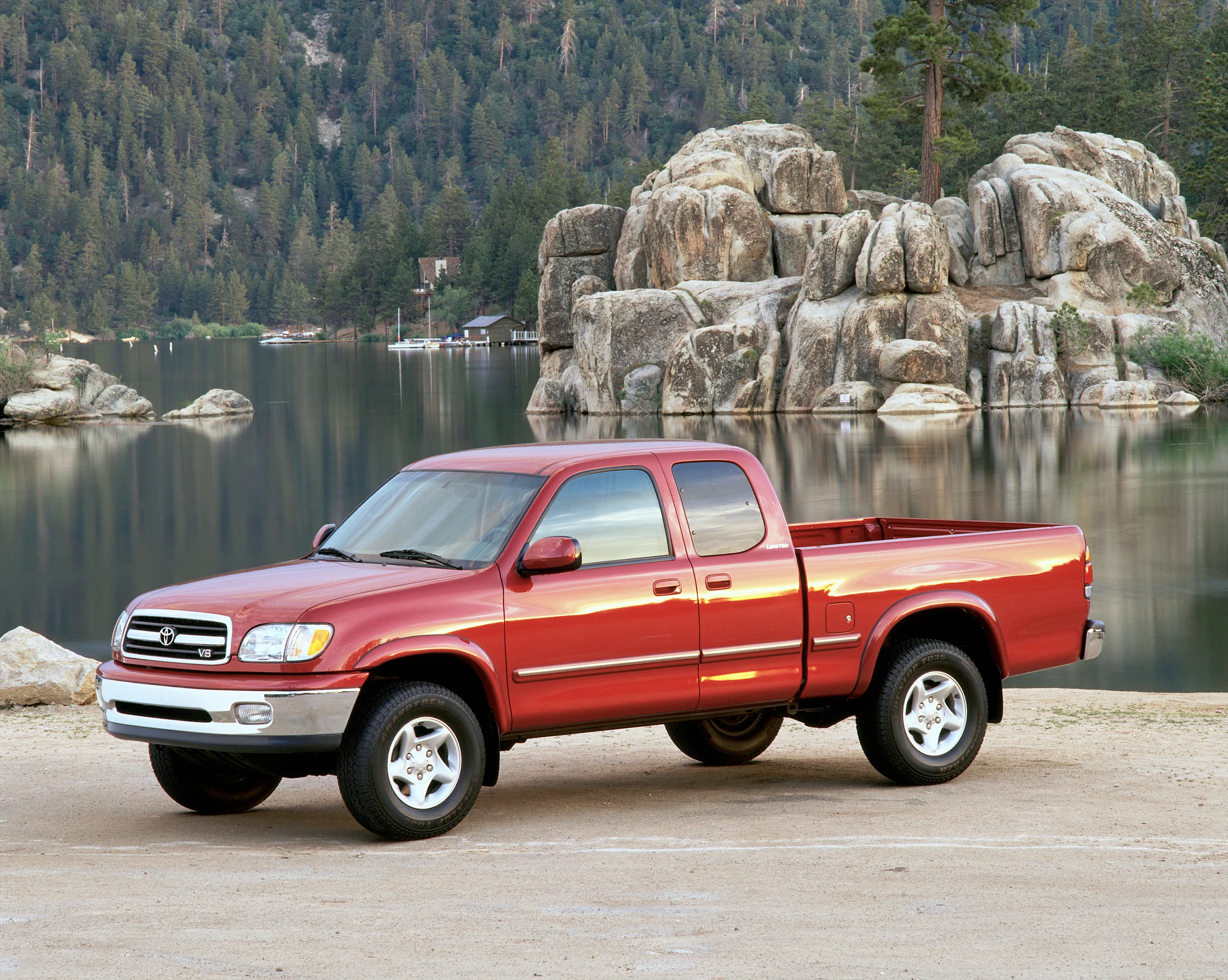
Toyota showed it as the T150 until Ford sued over the likeness to the F-150, and the production truck was renamed Tundra.

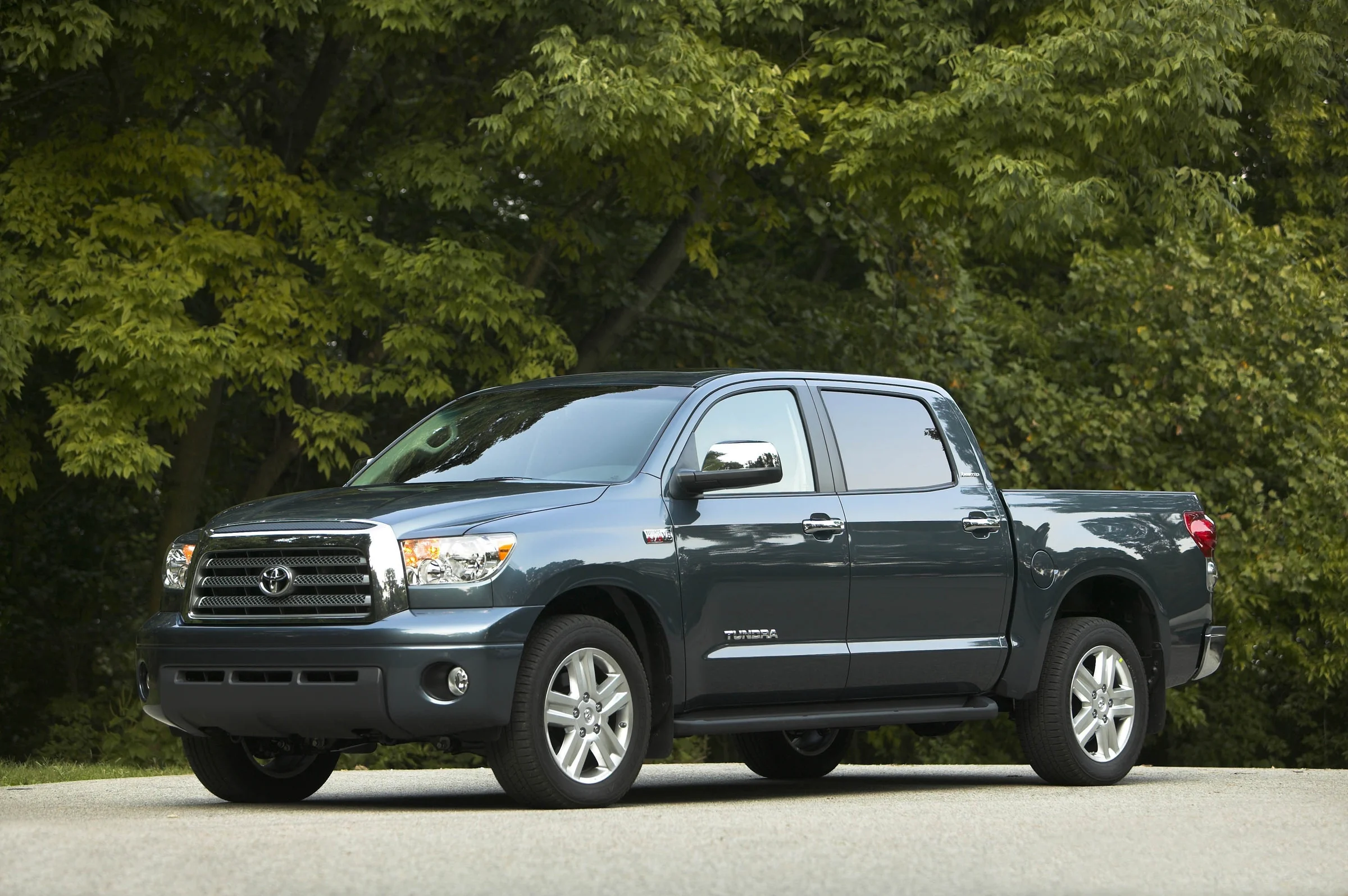
A Louisiana owner put over a million miles on his 2007 Tundra in eight years; Toyota gave him a new truck and took his apart to study it.

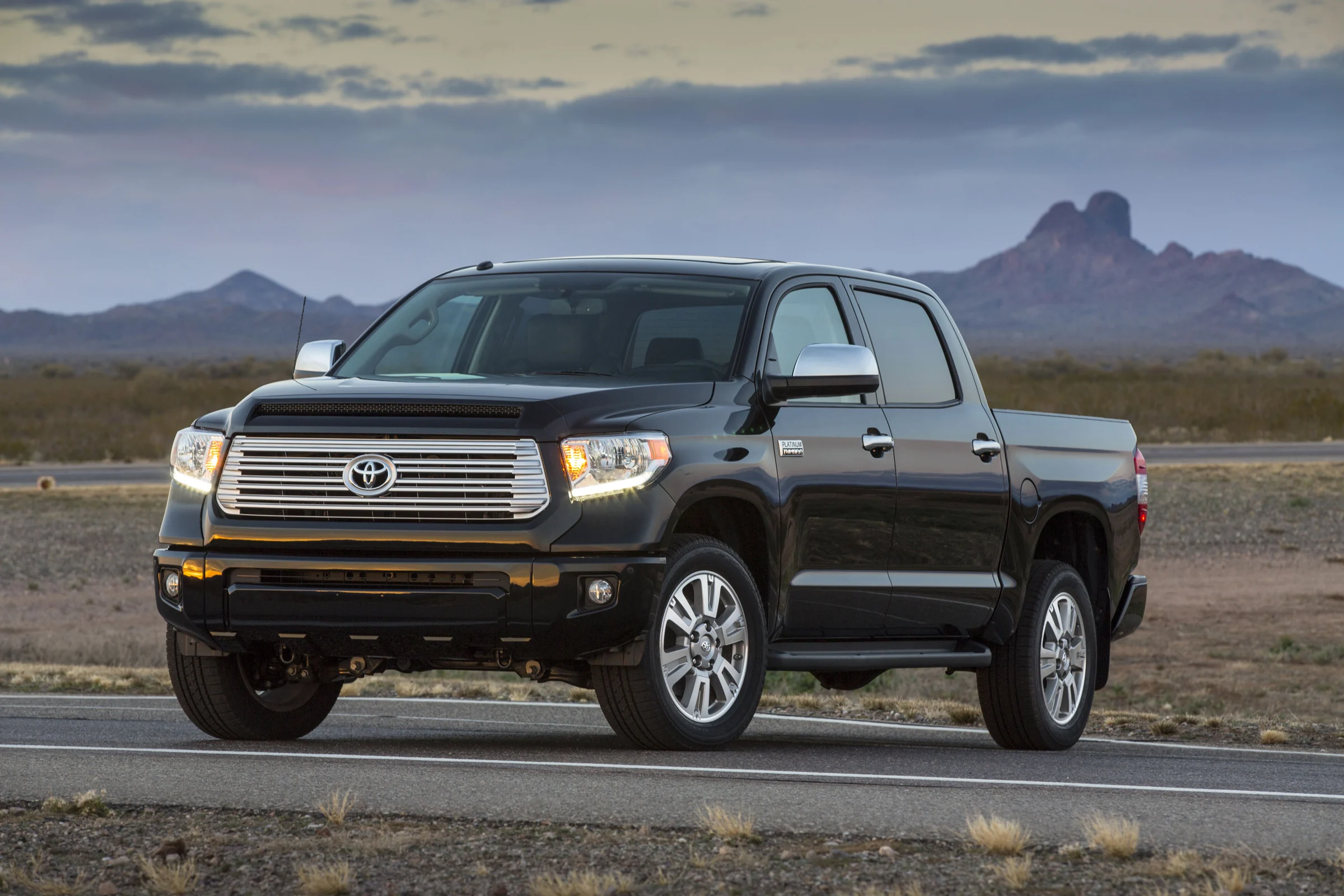
Toyota's Texas Tundra plant sits on land bought from the state's oldest working cattle ranch, and the 1794 Edition is named for the year that ranch was founded.

Its launch colours had pun names such as "Anti-Establish Mint" and "Freudian Gilt", sent to Lee Iacocca by a friend.