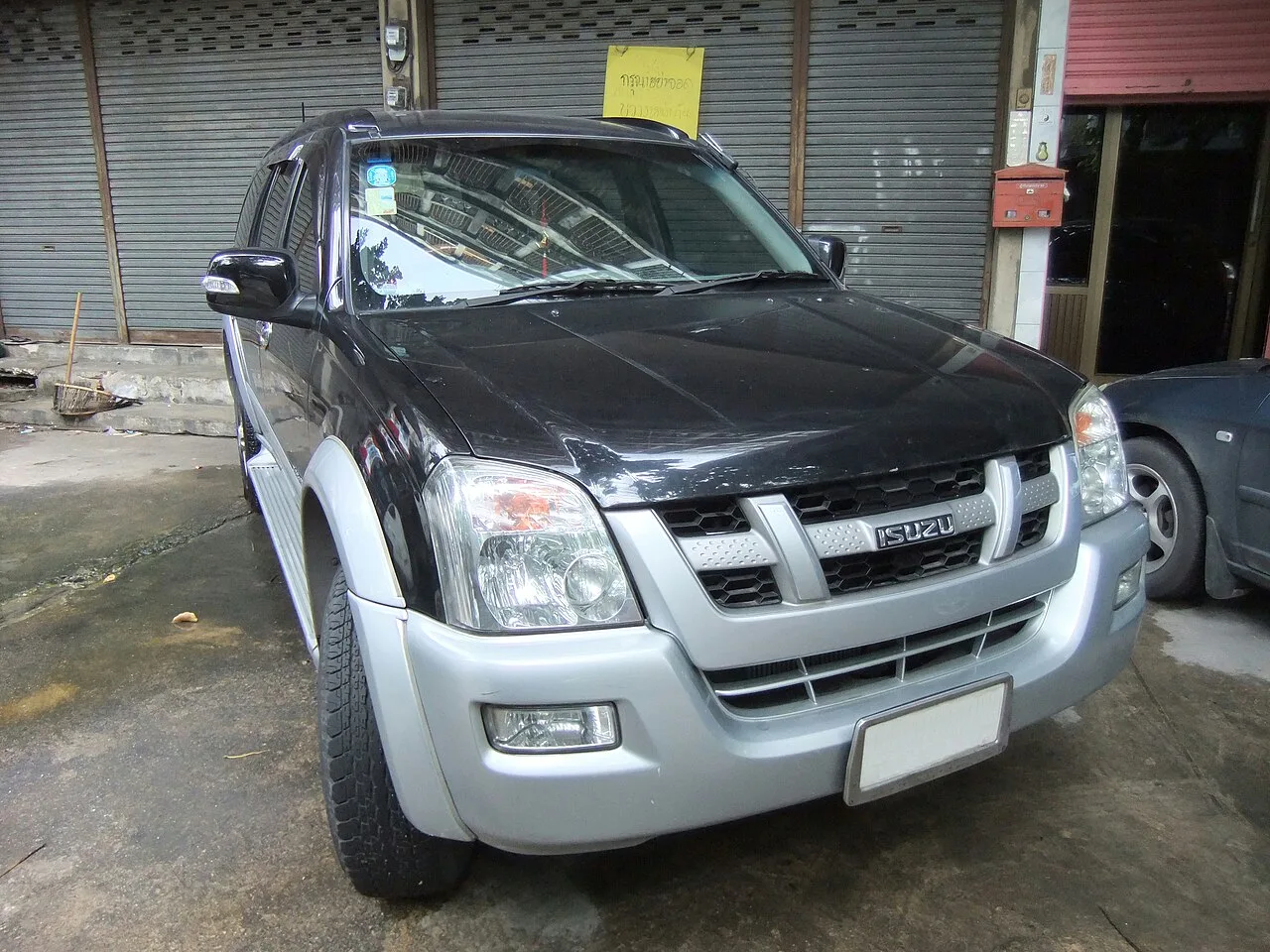
Isuzu badged its own front suspension "MOVE" — torsion-bar double wishbones up front, leaf springs out back, a truck-bed setup wearing a passenger SUV body.
Lead trim: MU-7 3.0 4JJ1-TC turbodiesel · up to 161 hp
Isuzu MU-7510 · 2004–2013
- 0spots by members
- Unclaimednobody has spotted one yet
- 0sets it belongs to
Nobody in Burbles has spotted a Isuzu MU-7 yet. See one on the street, point the app at it, and the first card is yours — with your @handle permanently credited on this page.
FactIsuzu badged its own front suspension "MOVE" — torsion-bar double wishbones up front, leaf springs out back, a truck-bed setup wearing a passenger SUV body.
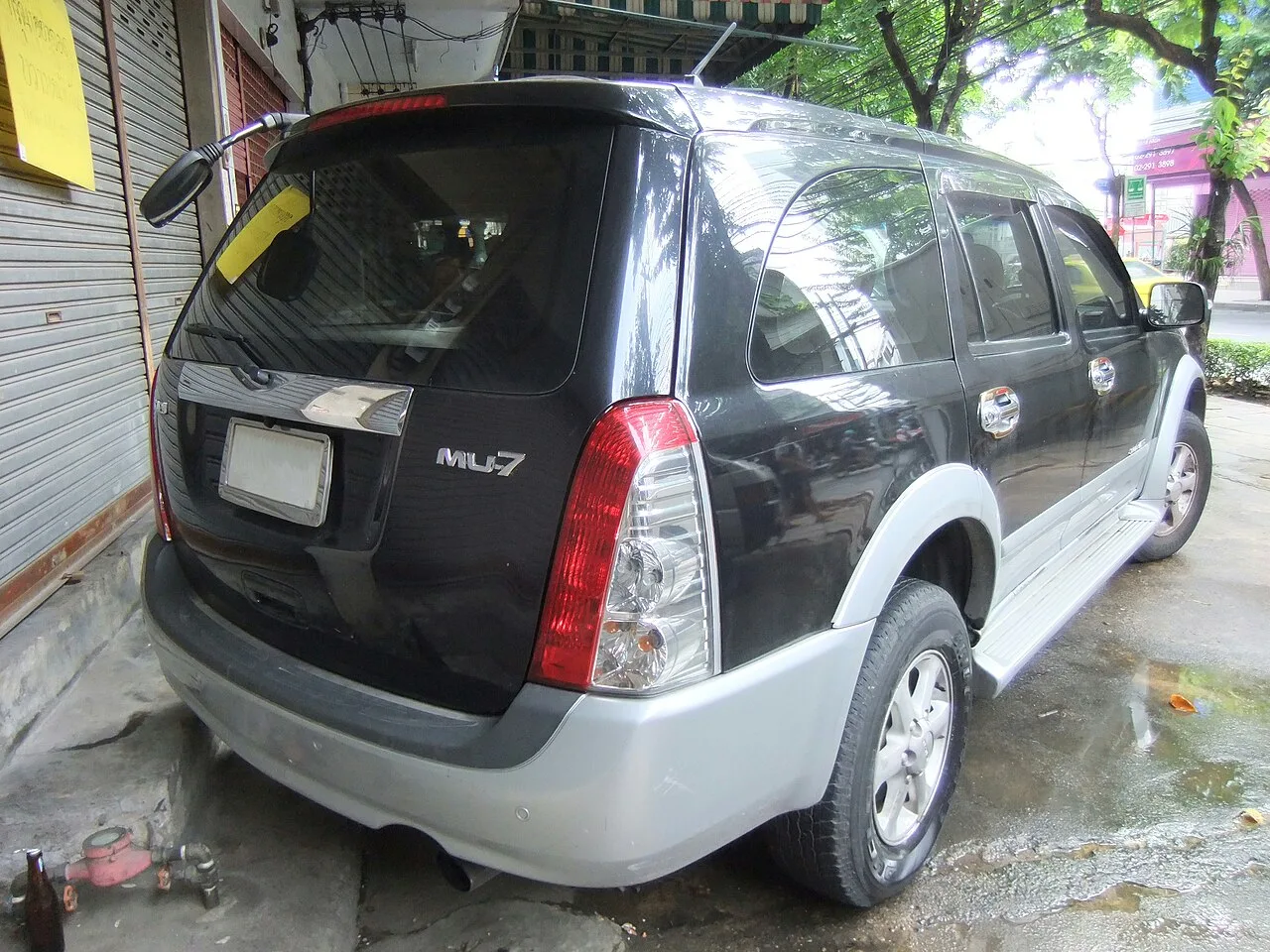
The Isuzu MU-7 (model code 510, the Isuzu Alterra in the Philippines) is a D-Max-based SUV with three-row seating, released in Thailand in November 2004 and advertised as a "Sport Utility Wagon"; it has the D-Max's front fascia, chassis and wheelbase but a covered rear end instead of a truck bed, and was sold in Thailand, the Philippines and India with rear-wheel drive or a 4x4 drivetrain. It replaced the Wizard and preceded the MU-X. The one engine at first was the 3.0-litre 4JJ1-TC turbodiesel, with a "MOVE" suspension of torsion-bar-sprung double wishbones at the front and leaf springs at the rear; from the late third quarter of 2006 the drivetrains were named Primo (4x2) and Activo (4x4), with a new 3.0 4JJ1-TCX engine option, a five-speed manual, a MaxMatic-III automatic and a new interior with a wood-trim console. Gold Series trims (gold badges, a navigation entertainment system), Platinum models from 1 November 2008 (platinum-painted engines), Super Platinum models and the MU-7 Choiz (revealed at the April 2011 Bangkok Motor Show, facelifted in December 2011, in 4WD, 2WD 3000 VGS Turbo and 2WD 3000 DDi) followed.
Collectors Spotted in the Isuzu MU-7 Lineage
No member has published a public street spot of the Isuzu MU-7 yet — the First · Worldwide stamp is wide open.
Trims & Figures
2 published trims in the catalogue. A blank is a figure not recorded, not zero.
| Trim | Years | Engine | Power | Torque | 0–60 | Drive | Gearbox | MSRP |
|---|---|---|---|---|---|---|---|---|
| MU-7 3.0 4JJ1-TC turbodiesel | 2004–2013 | 3.0 L Inline-4 | 144 hp | 217 lb-ft | — | — | — | — |
| MU-7 3.0 4JJ1-TCX turbodiesel | 2006–2013 | 3.0 L Inline-4 | 161 hp | 266 lb-ft | — | — | — | — |
Owning one
An estimate, for the MU-7 3.0 4JJ1-TC turbodiesel trim: fuel on its EPA figure and a dated national price, upkeep on a per-mile average for the kind of car it is.
Owners’ builds
Nobody has claimed one yet.
Photographs
Rivals
Same body, same money, other badges — tap any card to flip.
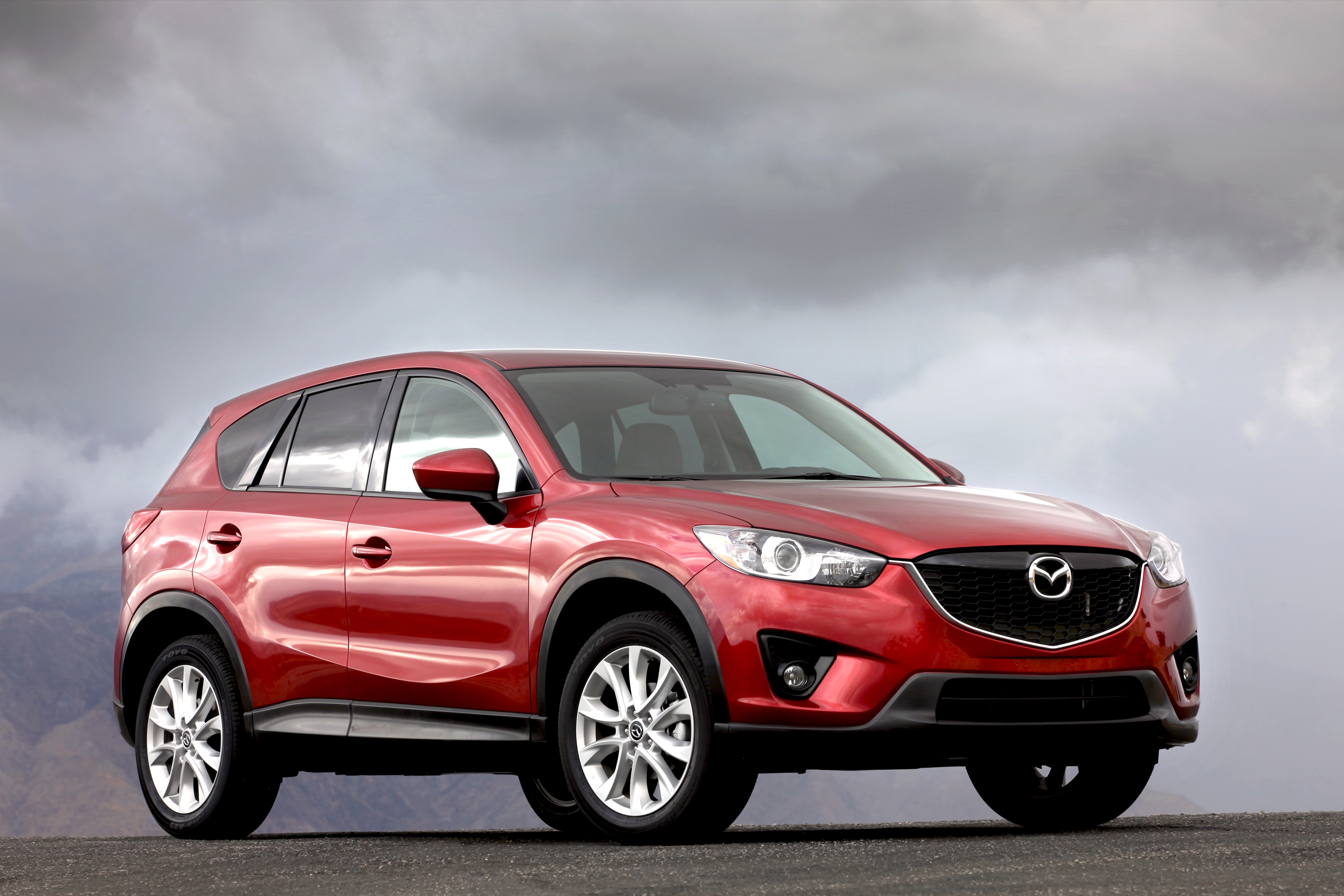
IIHS only crash-tests the driver's corner; tested on the passenger side instead, the CX-5 showed far worse intrusion.
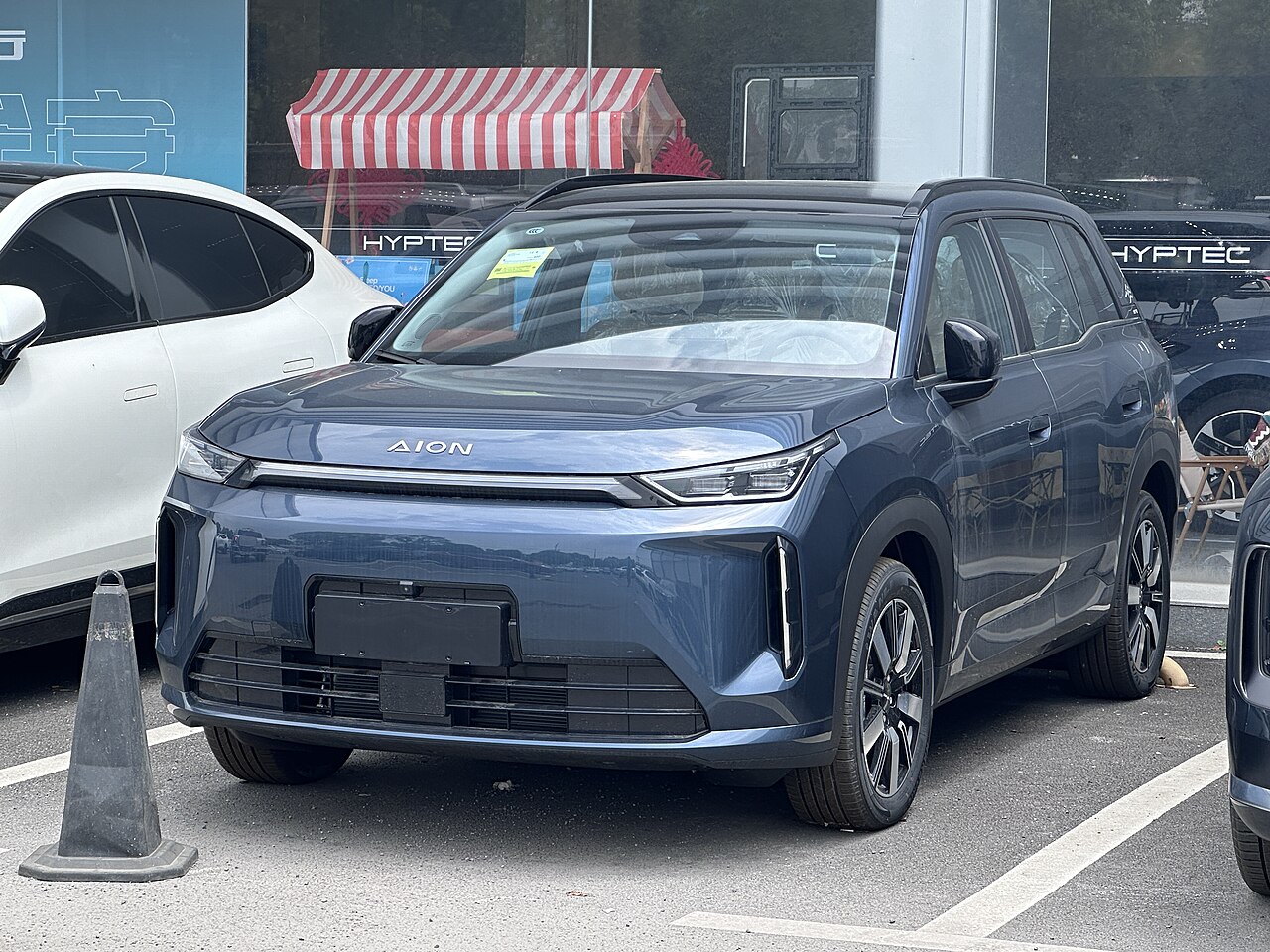
Despite launching from a standing start in late 2025, the i60 topped GAC Aion's own sales chart through January's seasonal slowdown.
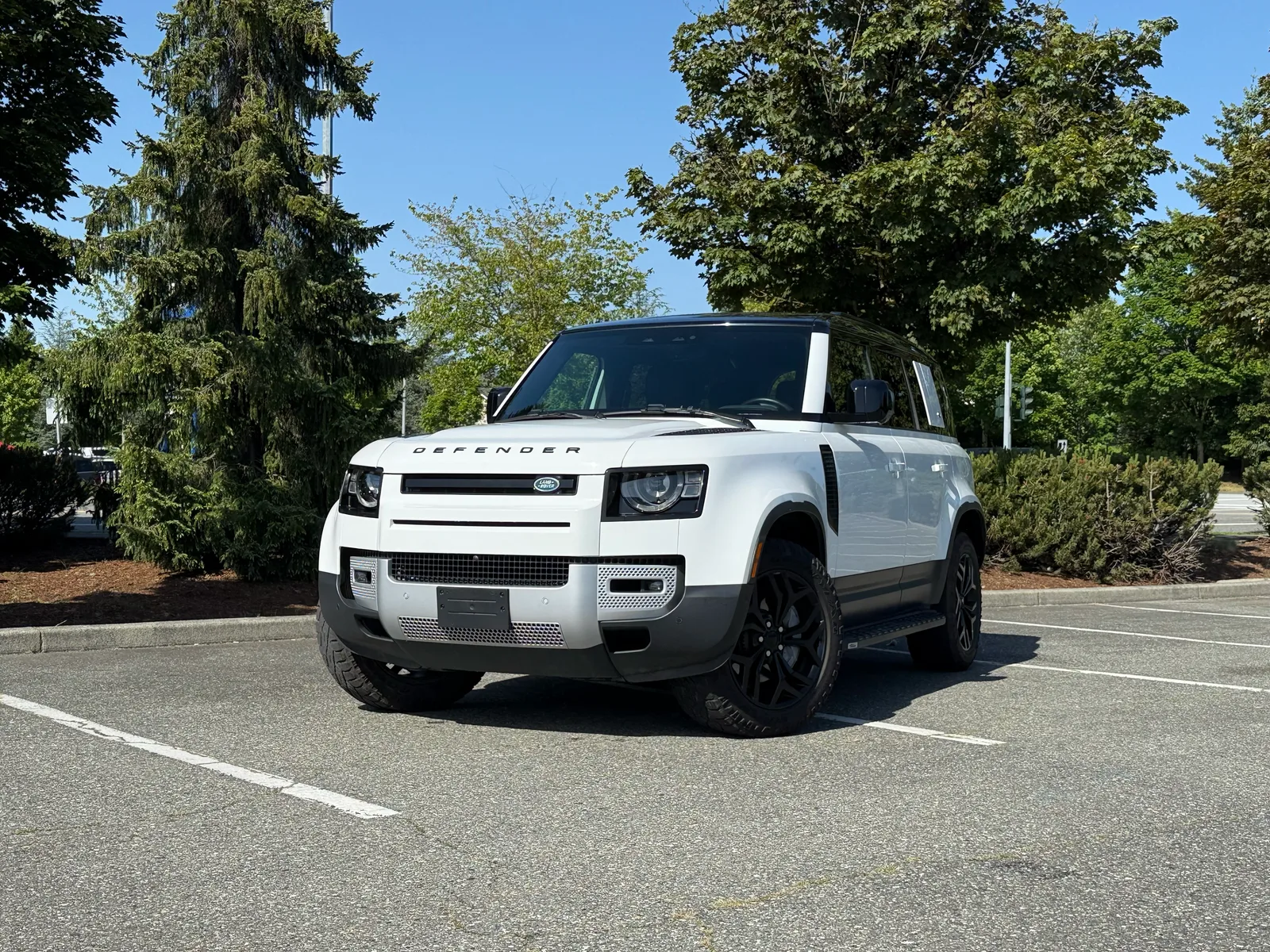
Every Defender before this one was body-on-frame — this generation broke decades of tradition with an aluminium unibody structure instead.
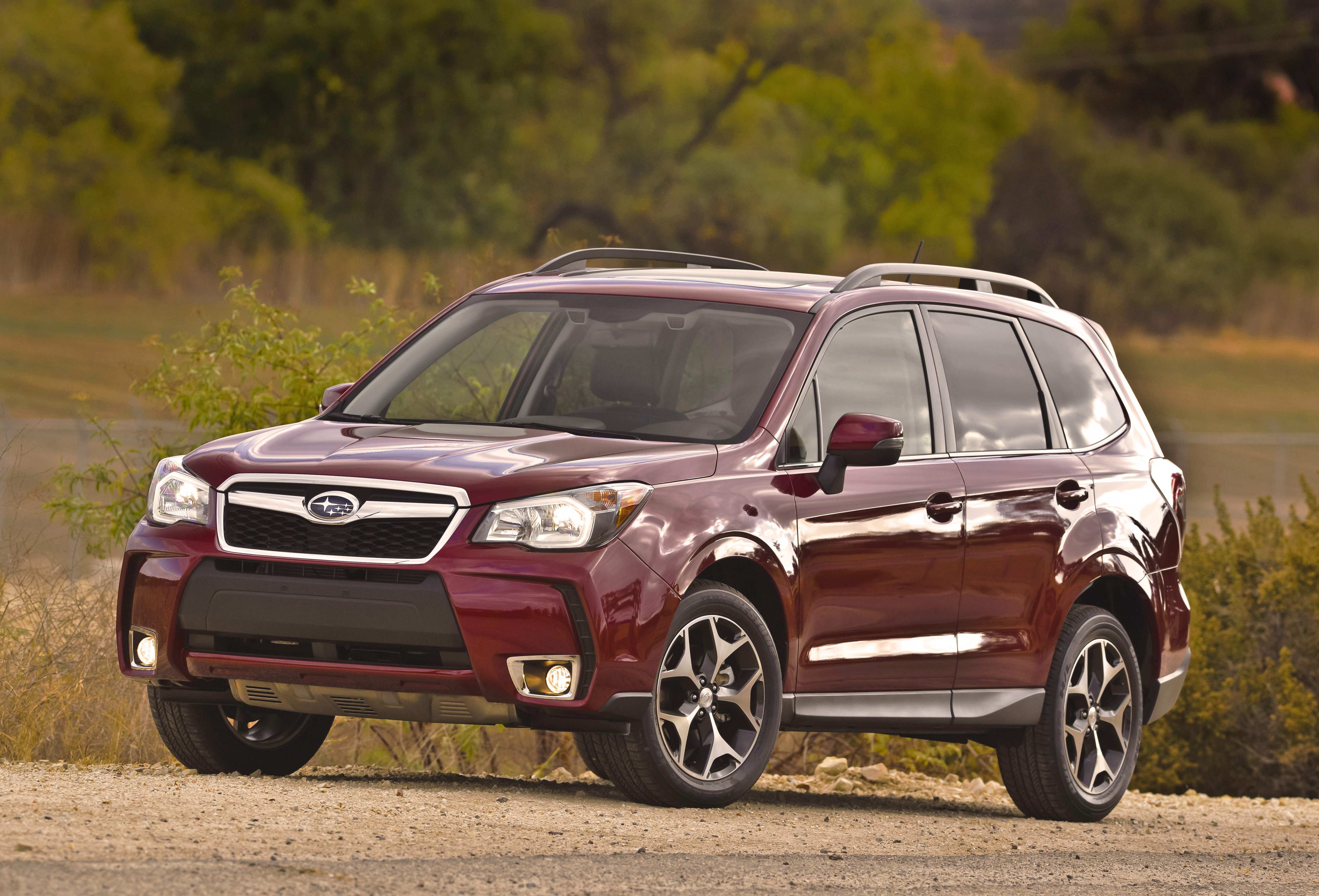
Crashed on the passenger side instead of the driver's, the 2014 Forester showed far more intrusion and would have rated Marginal with the IIHS.
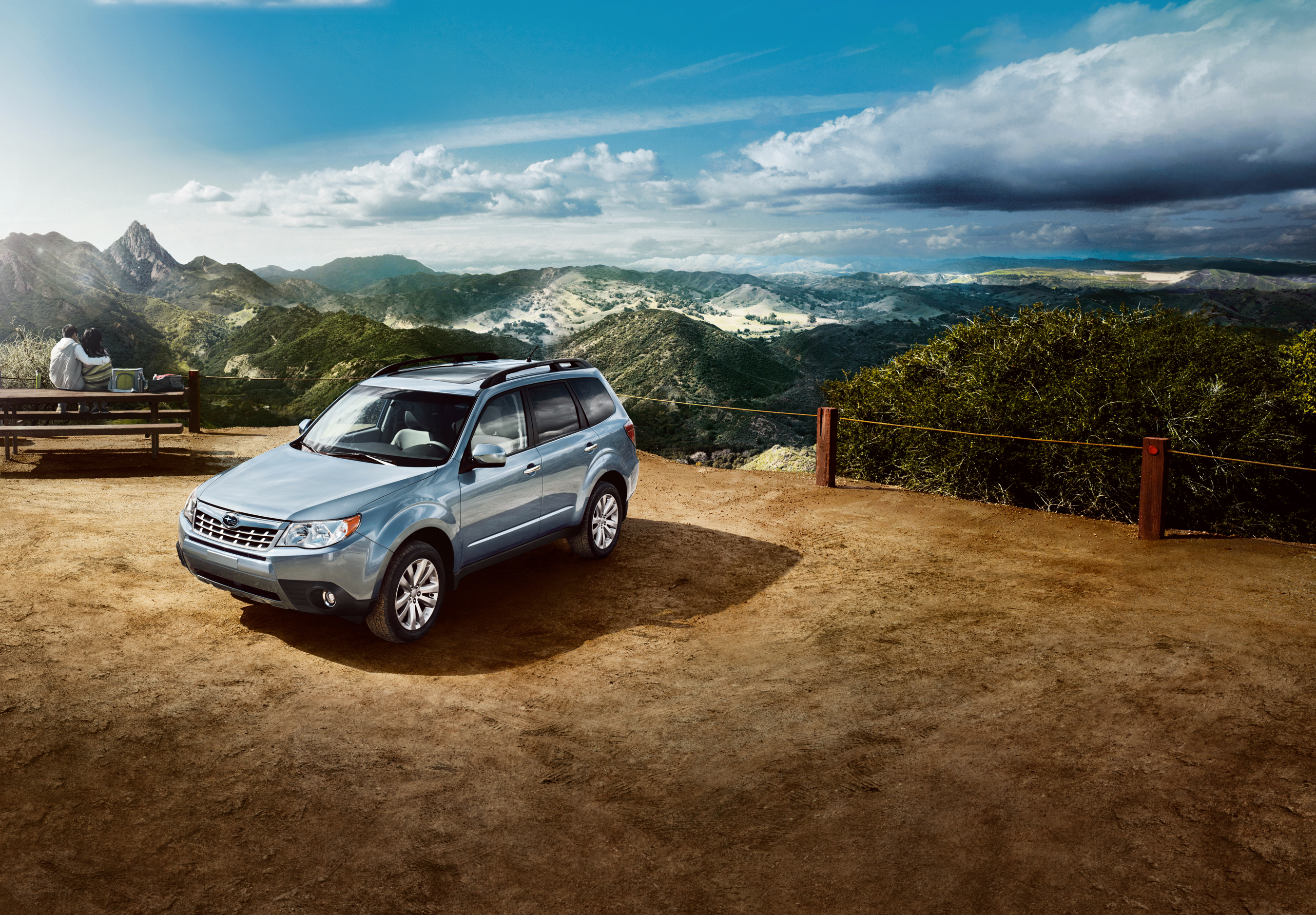
Subaru built a 2.5XT for the National Ski Patrol with a diamond-plate floor, a 9,500-pound winch and a toboggan on the roof.
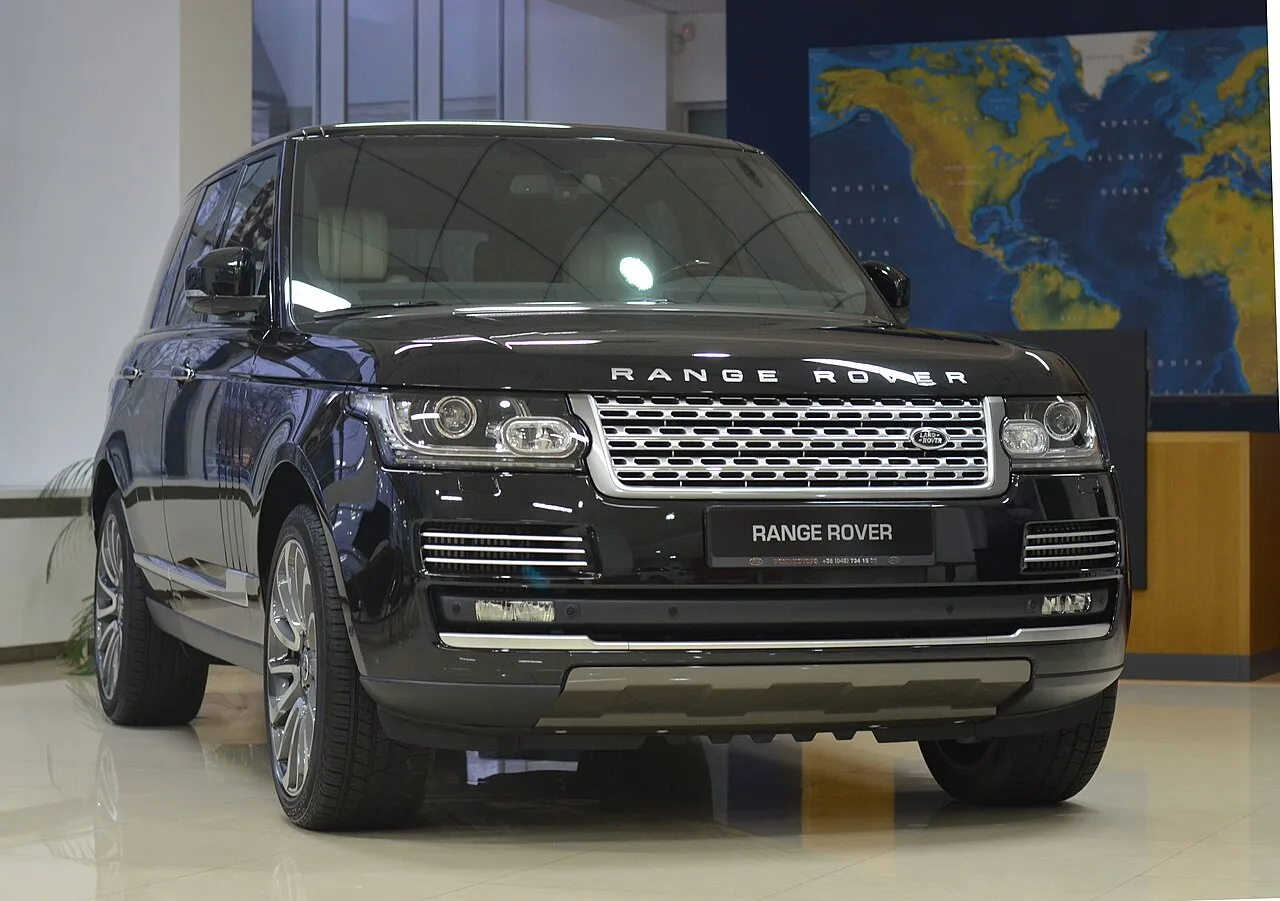
The L405 was the first Range Rover with a fully aluminum monocoque body, cutting up to 420 kg from the outgoing steel-bodied L322.
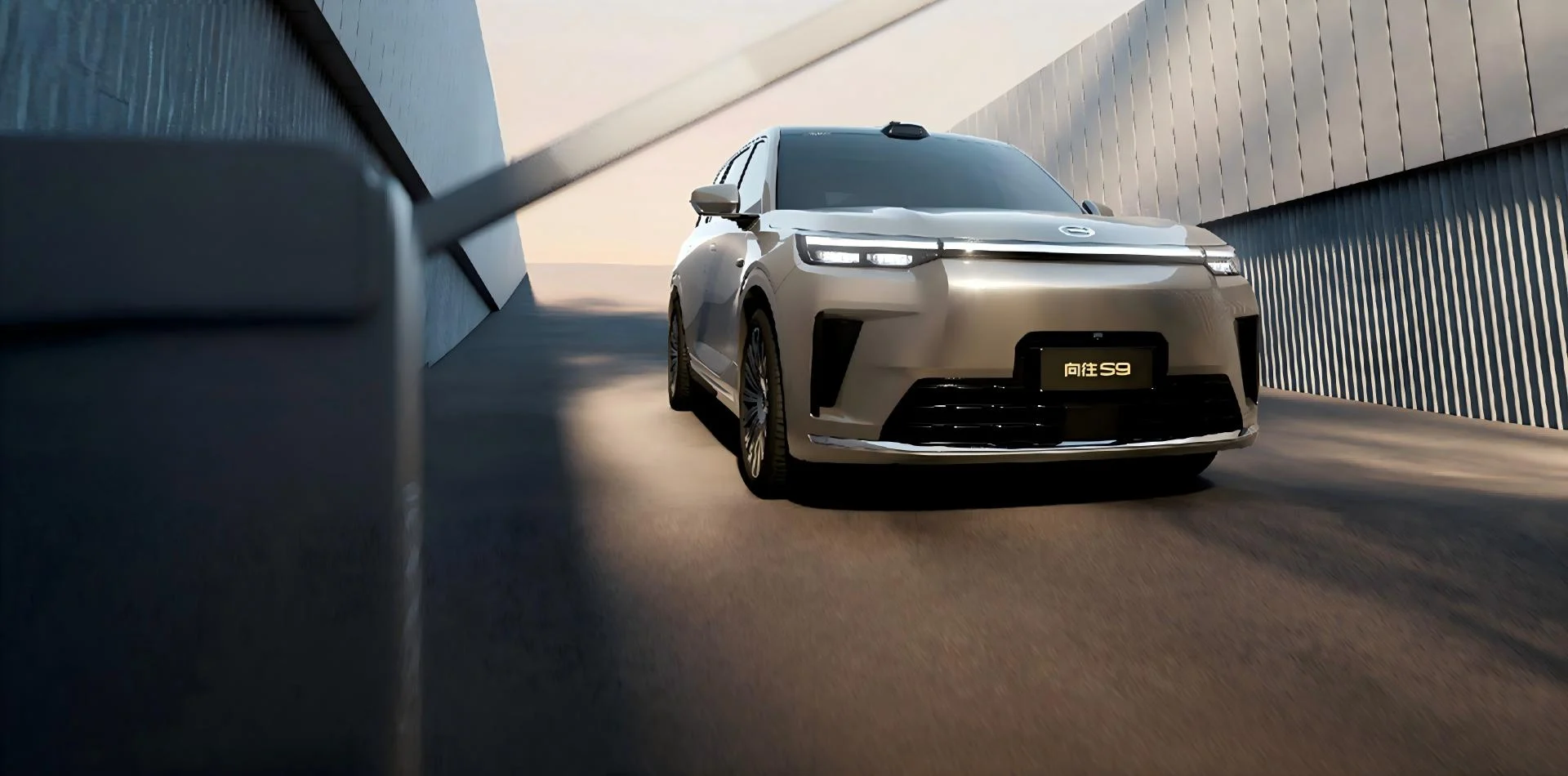
Rear passengers get a 17.3-inch screen that extends from the roof, and a lidar sensor sits in the front of the roof.
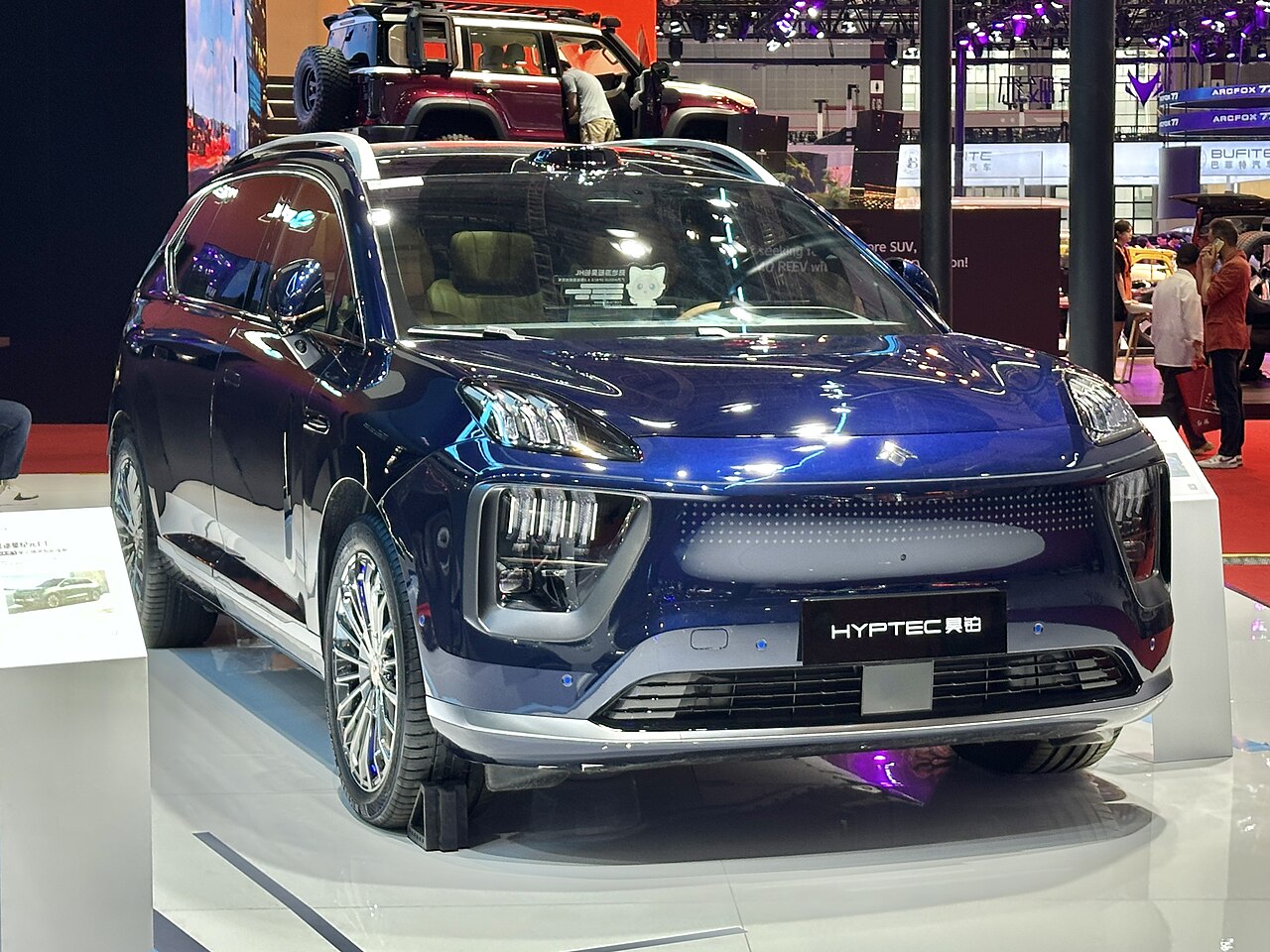
Its range-extender variant is rated for 1,200 km on a tank and charge, over three times the car's electric-only range.