In 1919, an inventor named Ben Ellerbeck bolted a fold-away hardtop roof onto a Super Six roadster — one of the very first retractable hardtops ever built, decades before Detroit took the idea seriously.
Lead trim: Super Six 6757 cc six (1921–1923 series)
Hudson Super SixH · 1916–1926
- 0spots by members
- Unclaimednobody has spotted one yet
- 0sets it belongs to
Nobody in Burbles has spotted a Hudson Super Six yet. See one on the street, point the app at it, and the first card is yours — with your @handle permanently credited on this page.
FactIn 1919, an inventor named Ben Ellerbeck bolted a fold-away hardtop roof onto a Super Six roadster — one of the very first retractable hardtops ever built, decades before Detroit took the idea seriously.
The first Hudson Super Six was introduced on 16 January 1916 (also known as the Series H), an early performance car: its 288.5 cu in (4.7 L) inline-six developed 76 hp against 40 hp for the equally dimensioned engine of the contemporary Model Six-40, thanks to a crankshaft with integral counterweights designed by Hudson's engineer Howard E. Coffin, which let it reach 3,400 rpm, nearly double the speed of contemporaries. Before its introduction Super Sixes made speed runs at Sheepshead Bay (a new 24-hour record at an average of 74.9 mph that stood until 1931, a transcontinental run from San Francisco to New York in 5 days 3 hours 31 minutes, a stock-car mile record of 102.5 mph at Daytona Beach in April, and a stock-chassis run up Pikes Peak). The 1921–1923 series had a wheelbase of 3187 mm and a six-cylinder engine of 6757 cc (bore 88.9 mm, stroke 127 mm). A 1919 Super Six roadster was modified by Ben P. Ellerbeck to demonstrate a retractable hardtop; a 1926 Super Six sedan converted into a truck is the Joads' car in The Grapes of Wrath. The model ran until 1928 and the page groups 1927–1928 as the second generation.
Collectors Spotted in the Hudson Super Six Lineage
No member has published a public street spot of the Hudson Super Six yet — the First · Worldwide stamp is wide open.
Trims & Figures
2 published trims in the catalogue. A blank is a figure not recorded, not zero.
| Trim | Years | Engine | Power | Torque | 0–60 | Drive | Gearbox | MSRP |
|---|---|---|---|---|---|---|---|---|
| Super Six 288.5 cu in inline-six (76 hp, 1916) | 1916–1916 | 4.7 L Inline-6 | 76 hp | — | — | RWD | — | — |
| Super Six 6757 cc six (1921–1923 series) | 1921–1923 | 6.8 L | 76 hp | — | — | RWD | — | — |
Owning one
We don’t estimate running costs for a car like this. What it costs depends on its condition, its specialist and how it is driven, and an average would mislead.
Owners’ builds
Nobody has claimed one yet.
Photographs
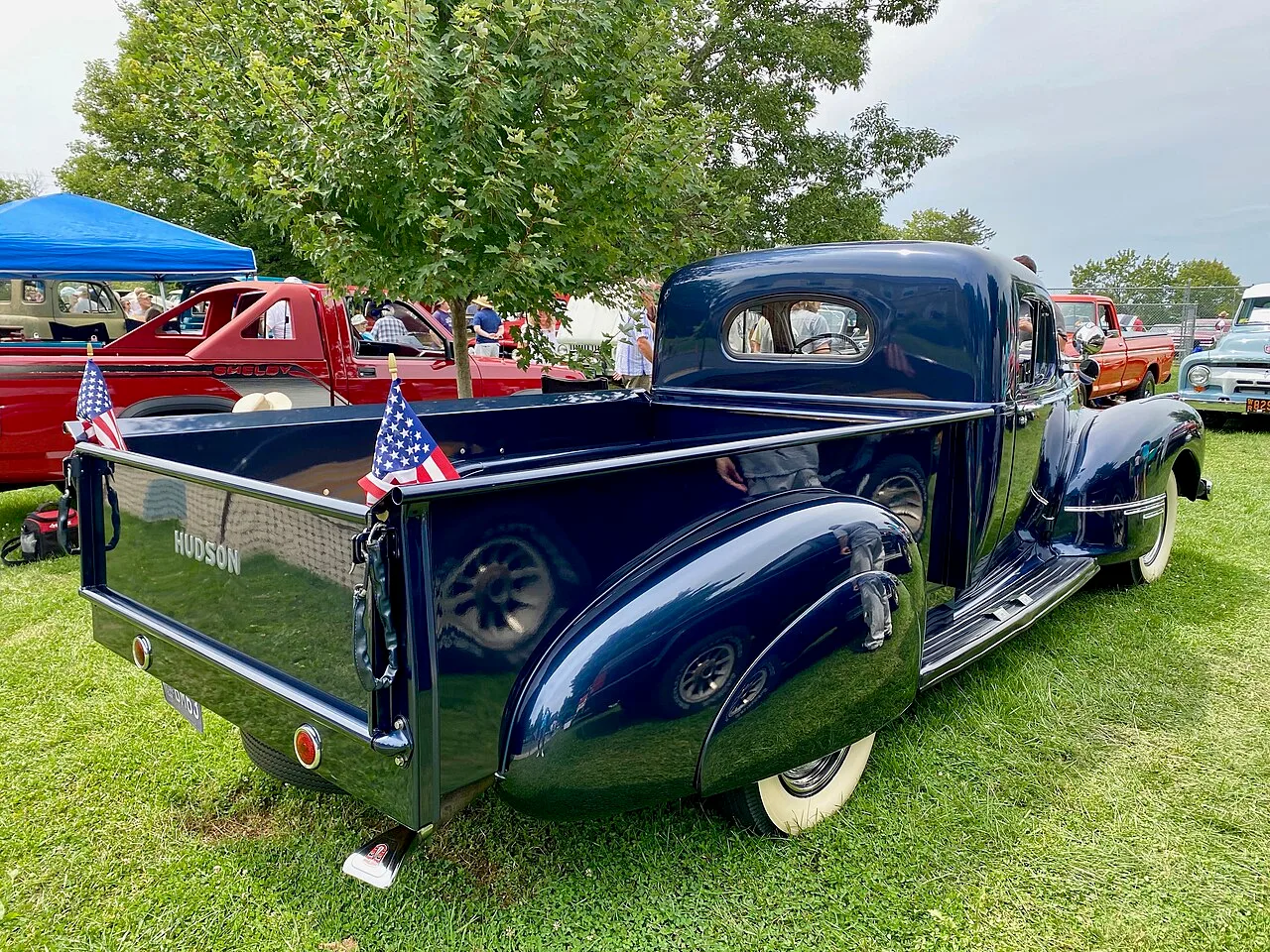
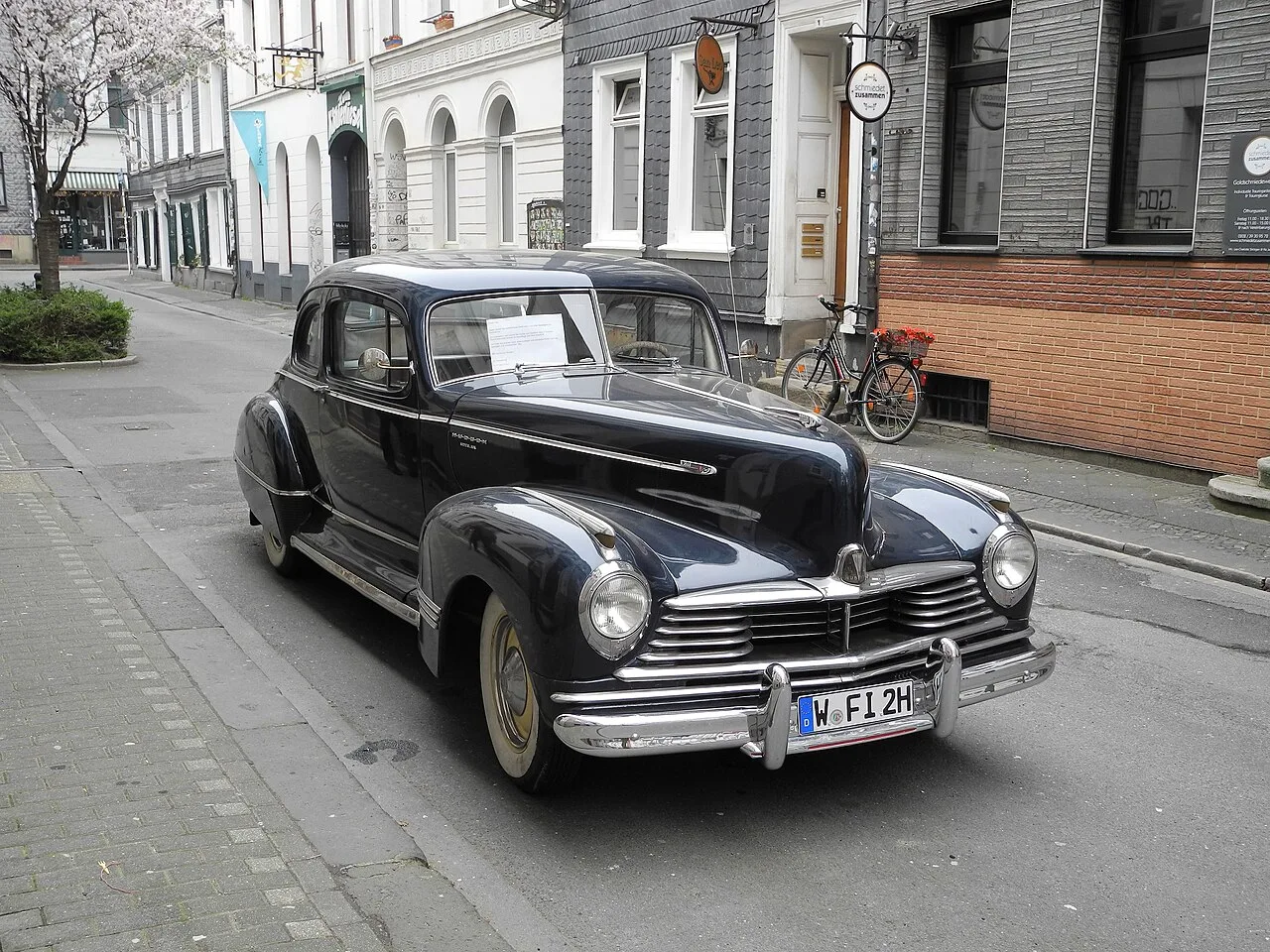
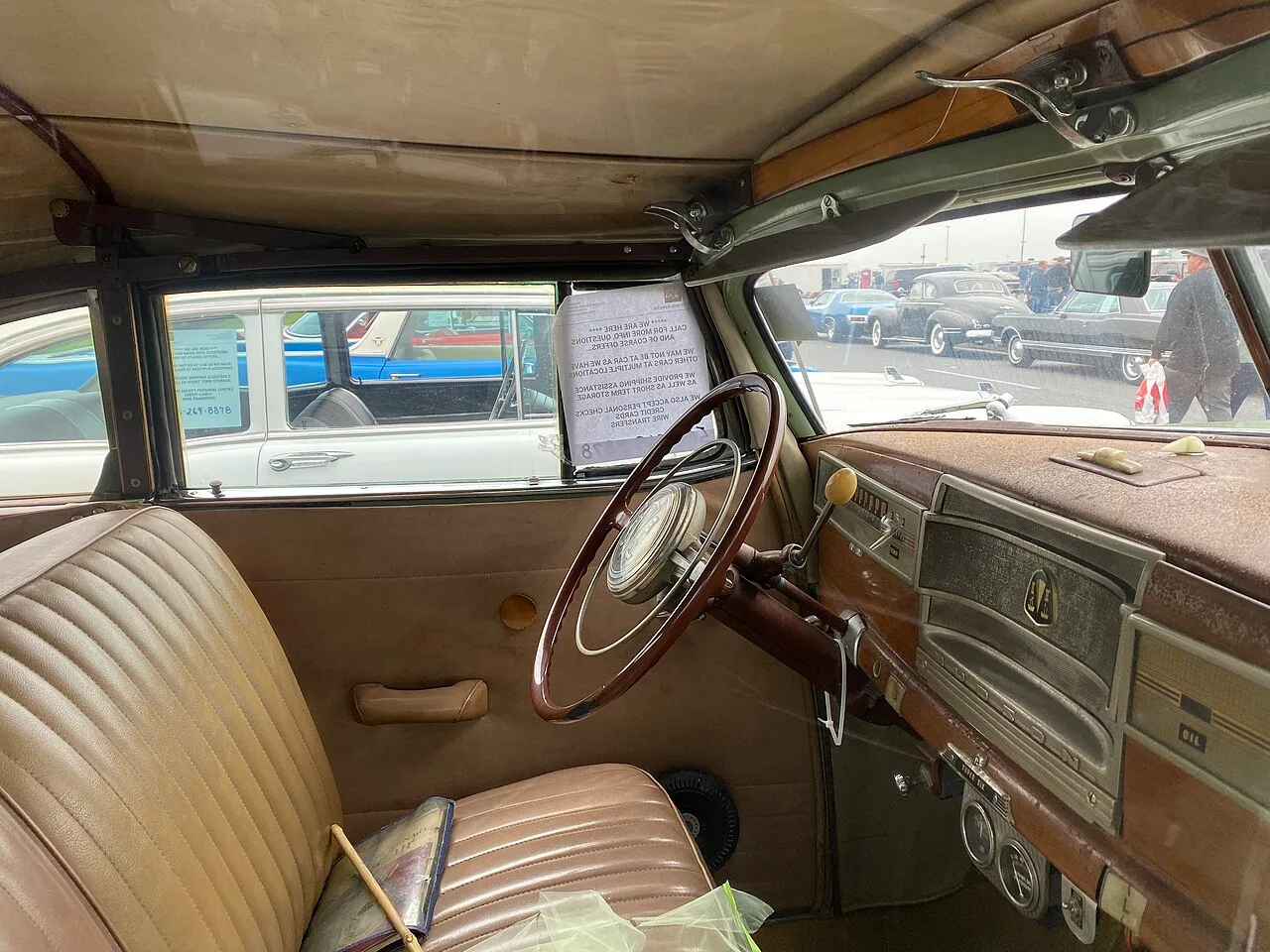
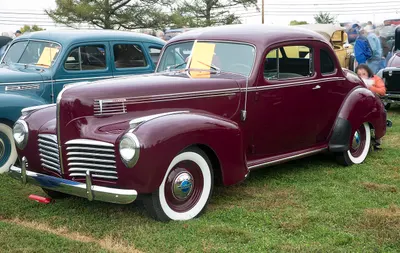
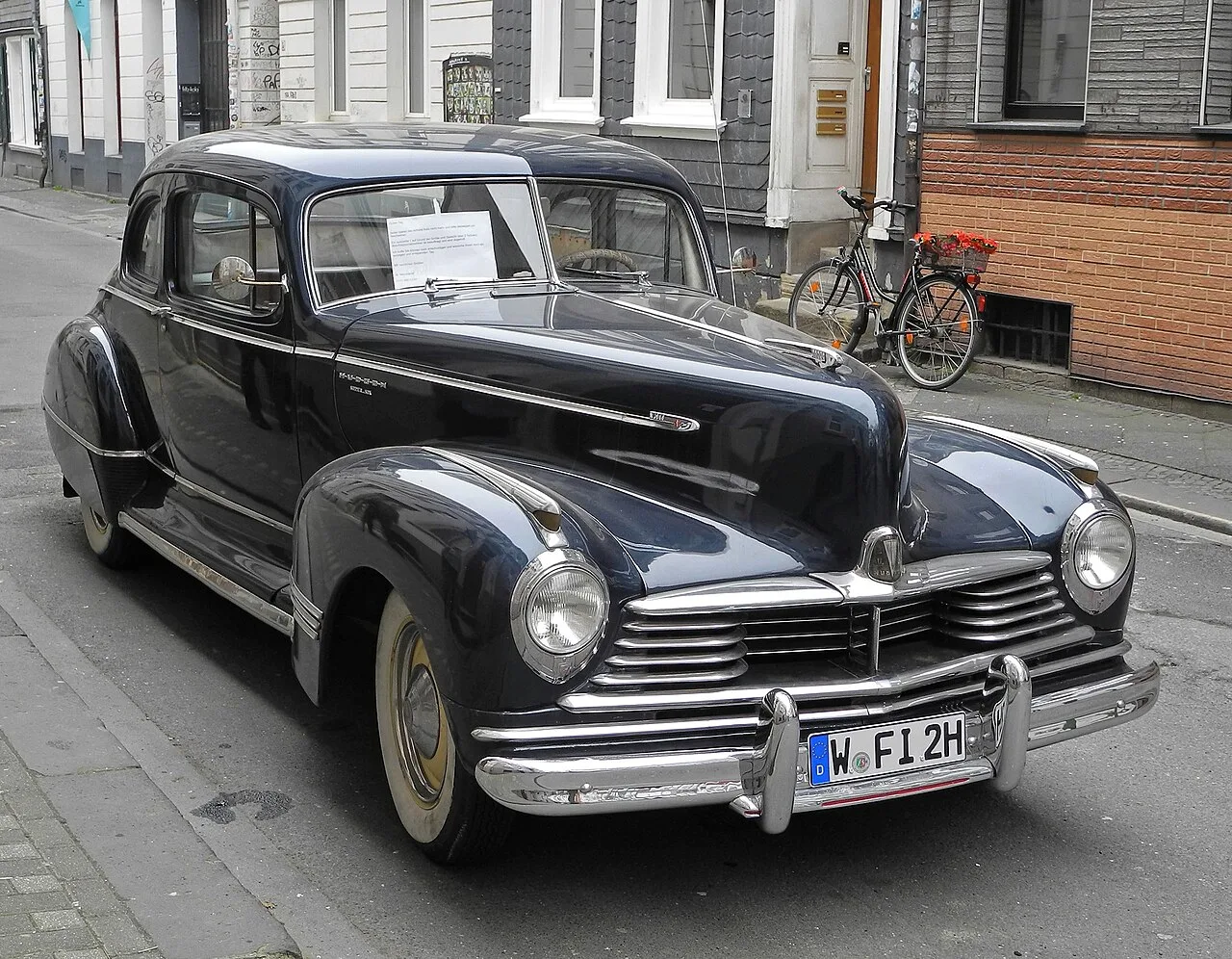
Hudson brought the Super Six name back for 1940 — the same year it fitted coil-spring independent front suspension and aircraft-style shocks mounted inside the springs, a big leap for cars in its price class.
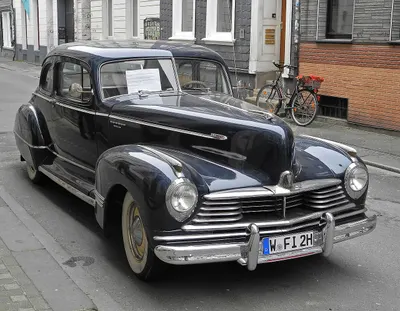
This "Hudson" was really a rebadged Essex. Hudson borrowed its fading sister brand's Super-Six Pacemaker name for a single model year, 1933, then dropped it again.
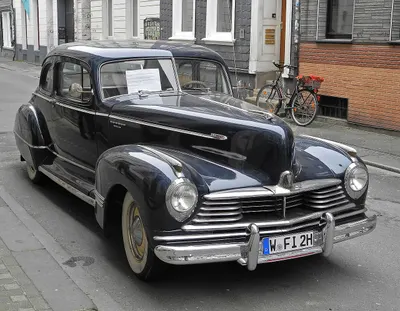
For 1928, Hudson split the job: a Pasadena coachbuilder drew the Model O's custom bodies, and a Massachusetts rival was hired to actually build them.
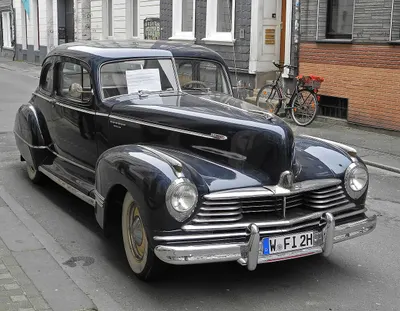
In 1919, an inventor named Ben Ellerbeck bolted a fold-away hardtop roof onto a Super Six roadster — one of the very first retractable hardtops ever built, decades before Detroit took the idea seriously.
Rivals
Same body, same money, other badges — tap any card to flip.

It briefly served as senior sibling to Marquette, a GM companion brand cancelled after just one year.

Nissan hired former BMW engineers to help develop the 510's suspension, which is why period reviewers frequently compared its handling to the BMW 1600/2002.

A Trabant 601 won its class at the 1970 Monte Carlo Rally, with a second 601 right behind it in second.

The 600 was a stopgap: the P50's body over the 601's mechanicals, and for a while its estate was built alongside the new 601 saloon.

The G80 Sport brought a 370 PS twin-turbo 3.3 V6, a mesh grille and copper-tinted chrome with copper stitching to match.

The Vigor was sold only with a five-cylinder engine, an unusual configuration Honda used to fit a longer engine transversely under a short hood.

The GS/E coupe earned the nickname "German Charger" for its long hood, short deck stance borrowed from Detroit muscle cars.

This DeVille/Fleetwood was the first production car anywhere to mount its V8 sideways, Cadillac's front-drive gamble on the new C-body.