VerifiedFIRST · WORLDWIDEFIRST PRINTPROThe top Touring Elite trim of this Odyssey came with its own built-in vacuum cleaner — a feature that got its own special "Elite" badge.

New York's taxi board approved the Odyssey for NYC cab duty in the 1990s partly on the word of a seven-year-old — the grandson of a TLC advisory commissioner had recommended it.
Median 133 hp across 60 similar cars
Lead trim: 2.2 F22B6 VTEC (130 PS) · up to 197 hp
Nobody in Burbles has spotted a Honda Odyssey RA1–RA5 yet. See one on the street, point the app at it, and the first card is yours — with your @handle permanently credited on this page.
FactNew York's taxi board approved the Odyssey for NYC cab duty in the 1990s partly on the word of a seven-year-old — the grandson of a TLC advisory commissioner had recommended it.
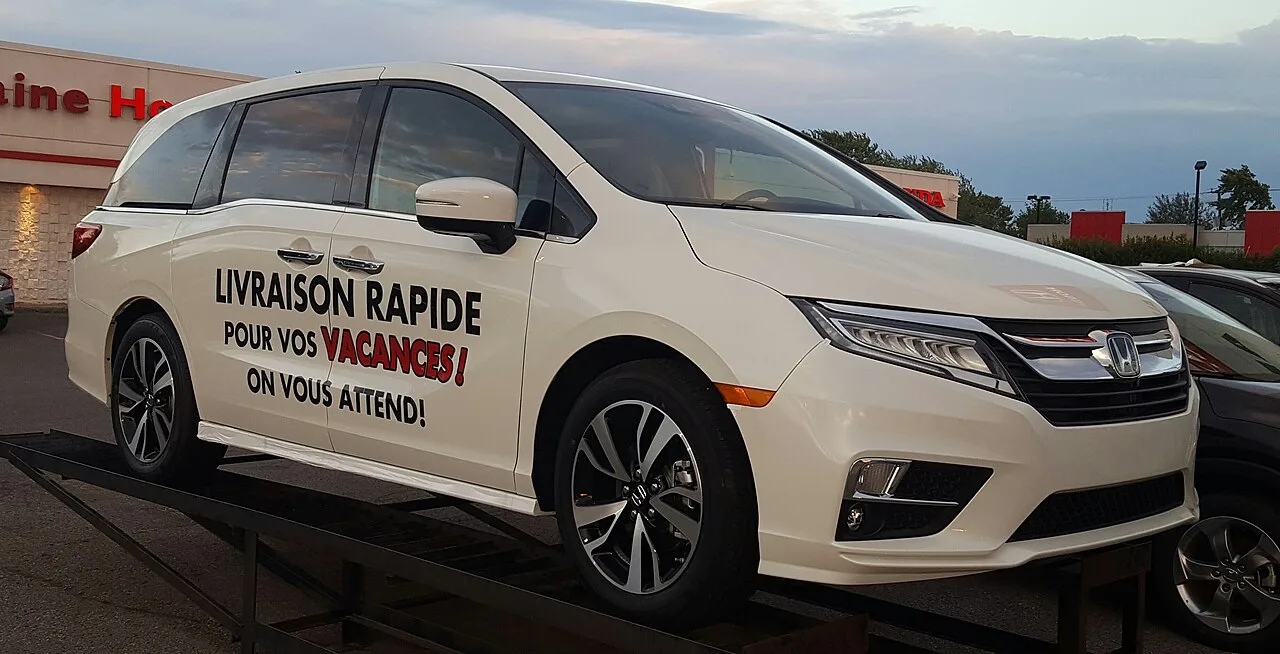
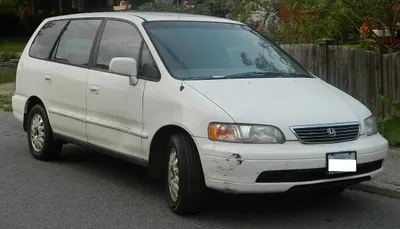
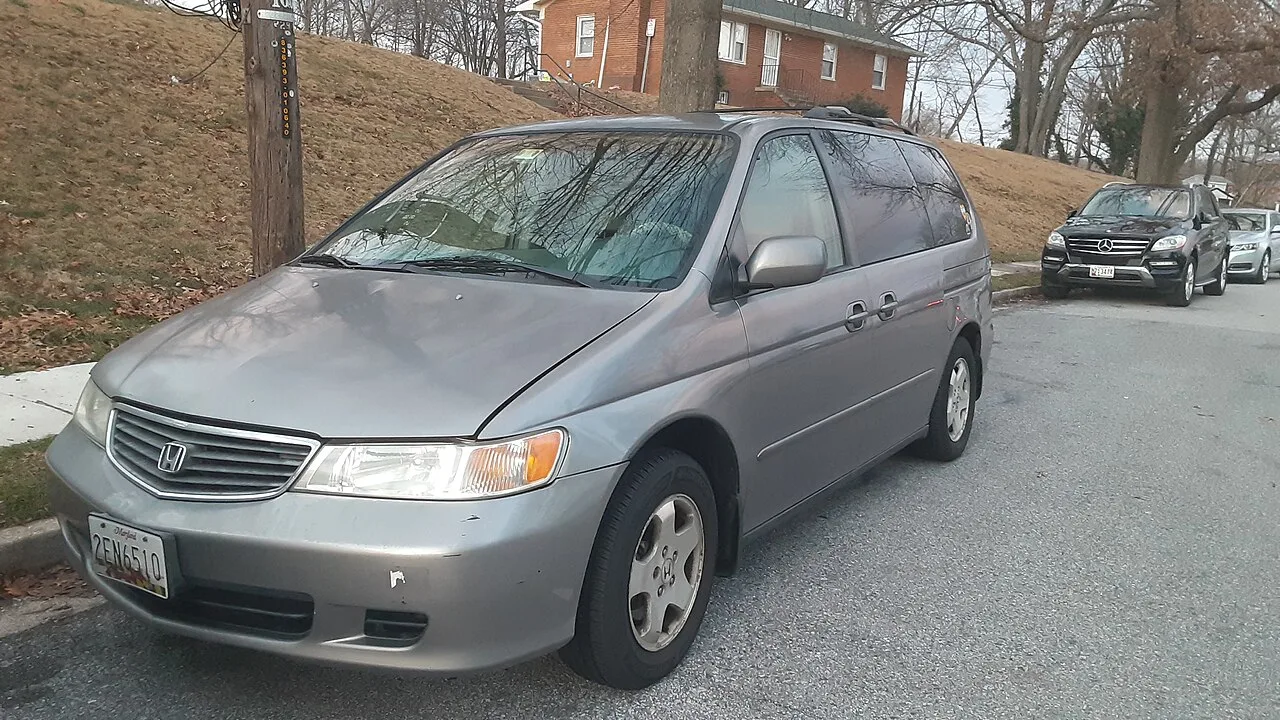
The Japanese-built first Odyssey, launched in 1994 as a six- or seven-seat station-wagon MPV on the fifth-generation Accord sedan, sold in Europe as the Honda Shuttle and rebadged as the Isuzu Oasis. It was offered with optional 4WD (RA2 and RA4 chassis), all JDM cars had separate front and rear dual air conditioning, and the grades were B, S and L, with the Exclusive added in January 1996 and the M in October 1996. The 2.2-litre gave 130 PS, replaced in August 1997 by a 150 PS 2.3, and an October 1997 domestic option was a 200 PS V6 (RA5, front-wheel drive only), with the Prestige (VG and VZ) replacing the Exclusive on the August 1997 facelift. At its debut it won the Japan Car of the Year Award (Special Category) and the RJC New Car of the Year Award, it took Wheels magazine's Car of the Year for 1995, and it had sold over 300,000 by September 1997, Honda's fastest-selling new car. This is the international car, distinct from the North American Odyssey.
Real Honda Odyssey cards spotted on the street by Burbles collectors. Tap any card to flip it over, inspect the collector’s binder, or follow them.
VerifiedFIRST · WORLDWIDEFIRST PRINTPROThe top Touring Elite trim of this Odyssey came with its own built-in vacuum cleaner — a feature that got its own special "Elite" badge.
3 published trims in the catalogue. A blank is a figure not recorded, not zero.
| Trim | Years | Engine | Power | Torque | 0–60 | Drive | Gearbox | MSRP |
|---|---|---|---|---|---|---|---|---|
| 2.2 F22B6 VTEC (130 PS) | 1994–1997 | 2.2 L Inline-4 | 128 hp | 139 lb-ft | — | — | automatic | — |
| 2.3 F23A7 VTEC (150 PS) | 1997–1999 | 2.3 L Inline-4 | 148 hp | 150 lb-ft | — | — | automatic | — |
| 3.0 J30A3 VTEC V6 (200 PS) | 1997–1999 | 3.0 L V6 | 197 hp | 195 lb-ft | — | FWD | automatic | — |
We don’t estimate running costs for a car like this. What it costs depends on its condition, its specialist and how it is driven, and an average would mislead.
Nobody has claimed one yet.


Honda debuted its first-ever 10-speed automatic in a minivan, not a sports car — and it’s reportedly the first 10-speed gearbox fitted to any front-wheel-drive vehicle.

After four generations of double-wishbone suspension all round, the RC Odyssey switched to simpler MacPherson struts and a torsion beam — a minivan trading some sophistication for packaging.

The top Touring Elite trim of this Odyssey came with its own built-in vacuum cleaner — a feature that got its own special "Elite" badge.

Honda's big step for the RB3/RB4-generation JDM Odyssey wasn't styling — it was safety: electronic stability control and curtain airbags became standard across every single grade.

This generation's minivan did something unexpected in Australia: in 2005 it posted its best-ever local sales year and, for the first time, outsold the long-dominant Toyota Tarago.

The 2000 Japanese Odyssey was the first Honda ever fitted with a five-speed automatic — but only if you paid for the V6; four-cylinder buyers were stuck with four gears.

This Odyssey quietly made minivan history — its optional satellite navigation system, added for the 2000 model year, was the first nav system Honda ever offered in anything, minivan or otherwise.

The first Odyssey used conventional rear-hinged doors instead of sliding doors because Honda's engineers believed sliding doors could not be made to work with the car's unibody structure at the time.

New York's taxi board approved the Odyssey for NYC cab duty in the 1990s partly on the word of a seven-year-old — the grandson of a TLC advisory commissioner had recommended it.
Same body, same money, other badges — tap any card to flip.

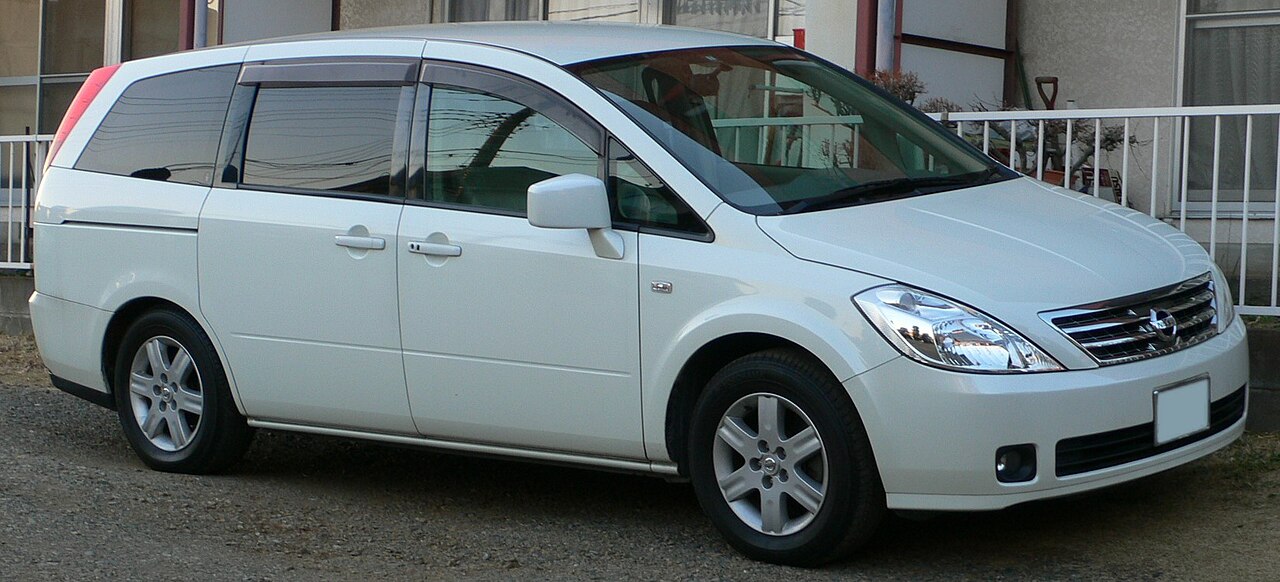
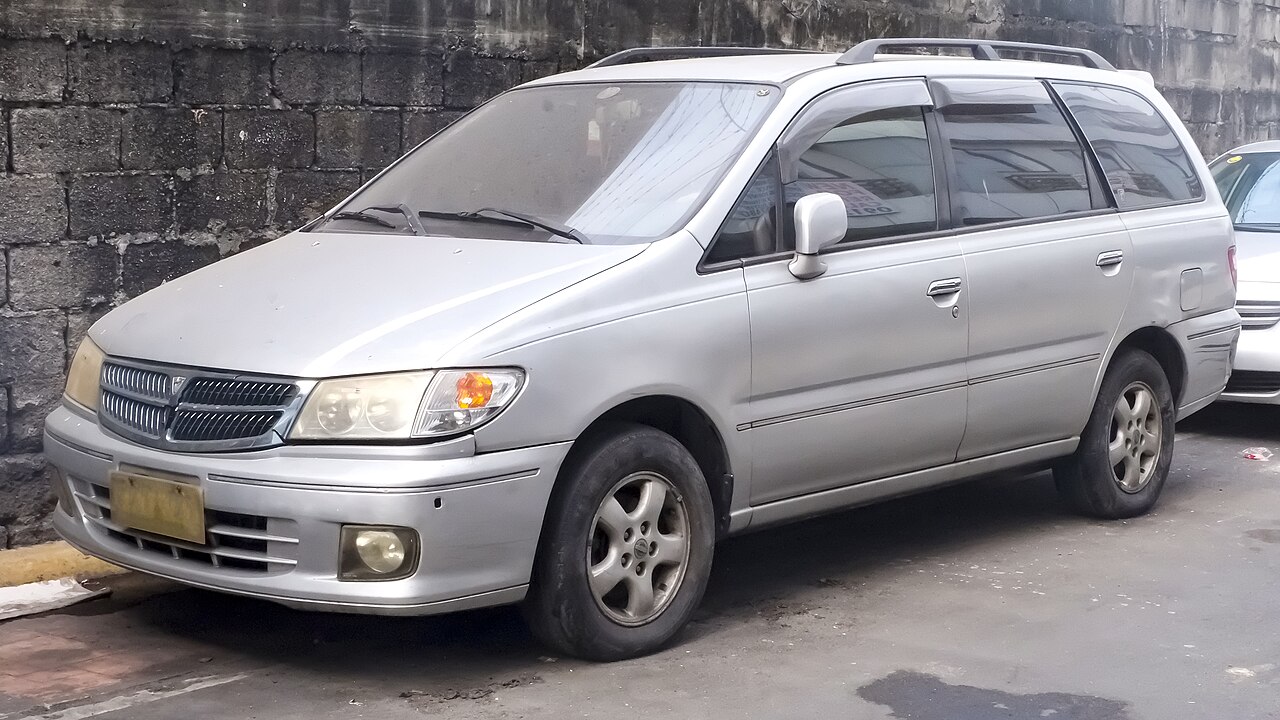
This Presage minivan shares its underlying platform with the Teana sedan and the North American Murano crossover — one architecture doing three very different jobs.

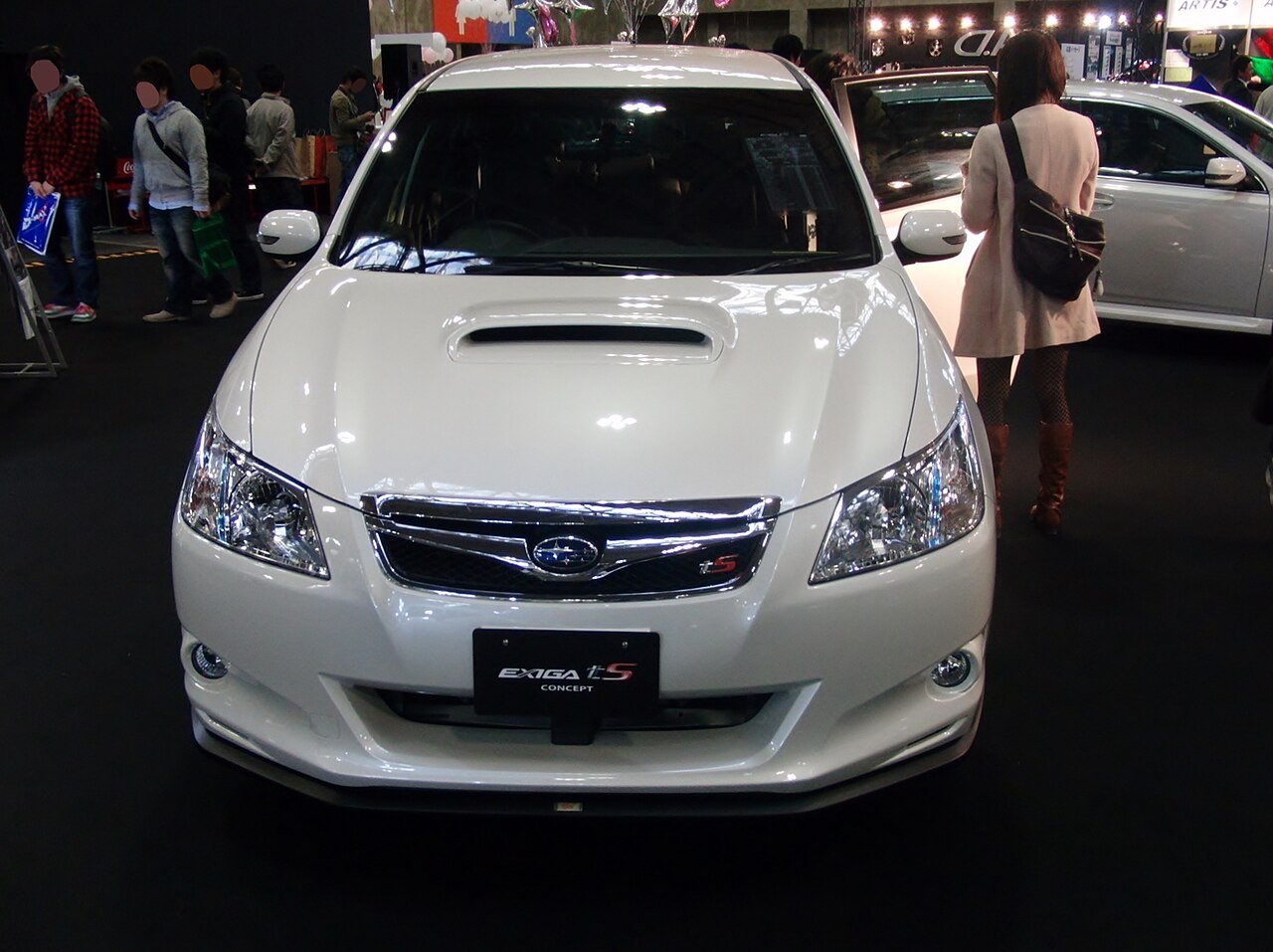
Subaru's family-hauling Exiga got an unlikely STi treatment in 2009 — front spoiler, sport muffler, tighter suspension and a leather Momo wheel — but only 300 were ever built.

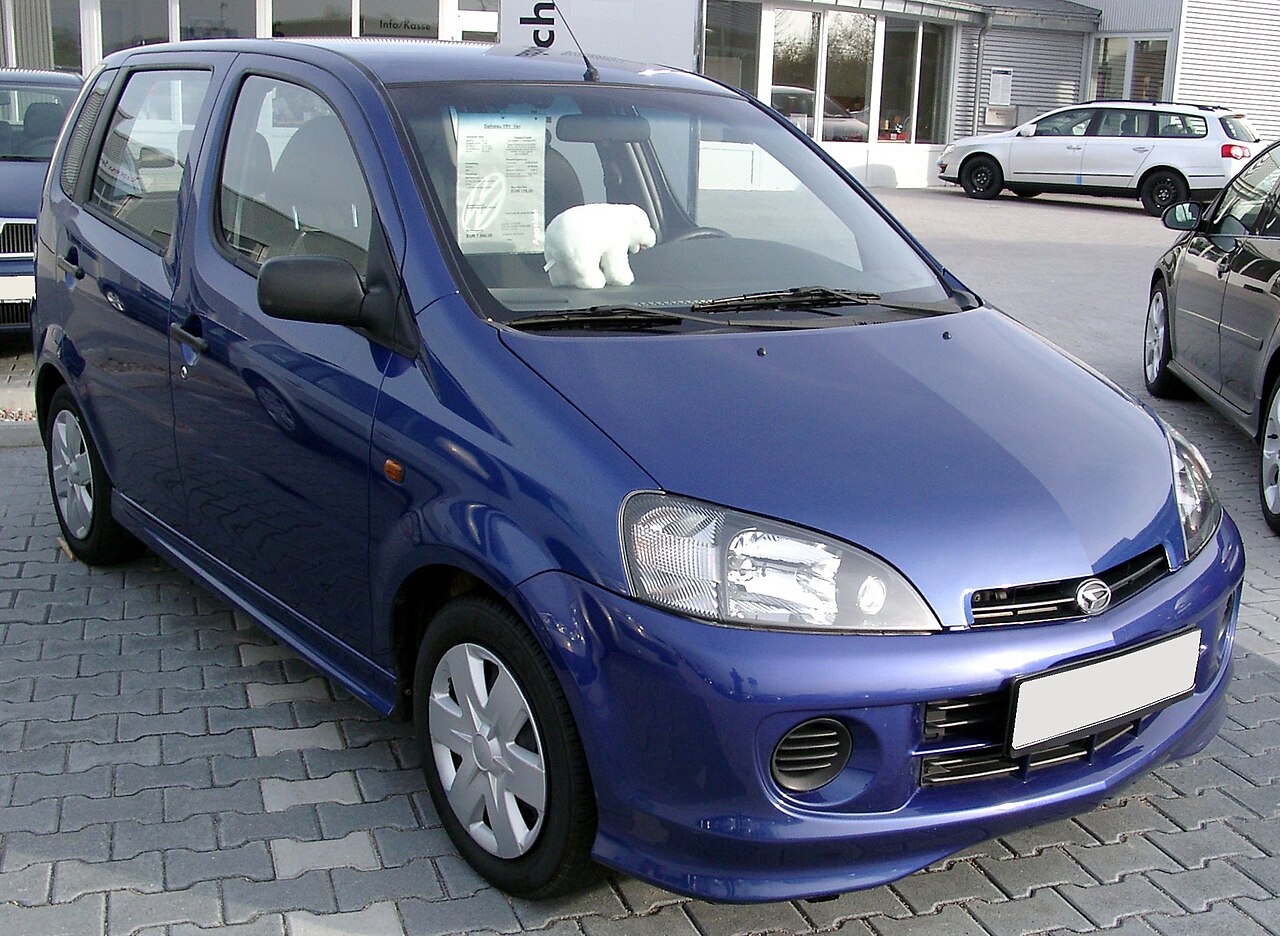
YRV stands for Young Recreational Vehicle, a mini MPV built to out-handle its own segment rivals.

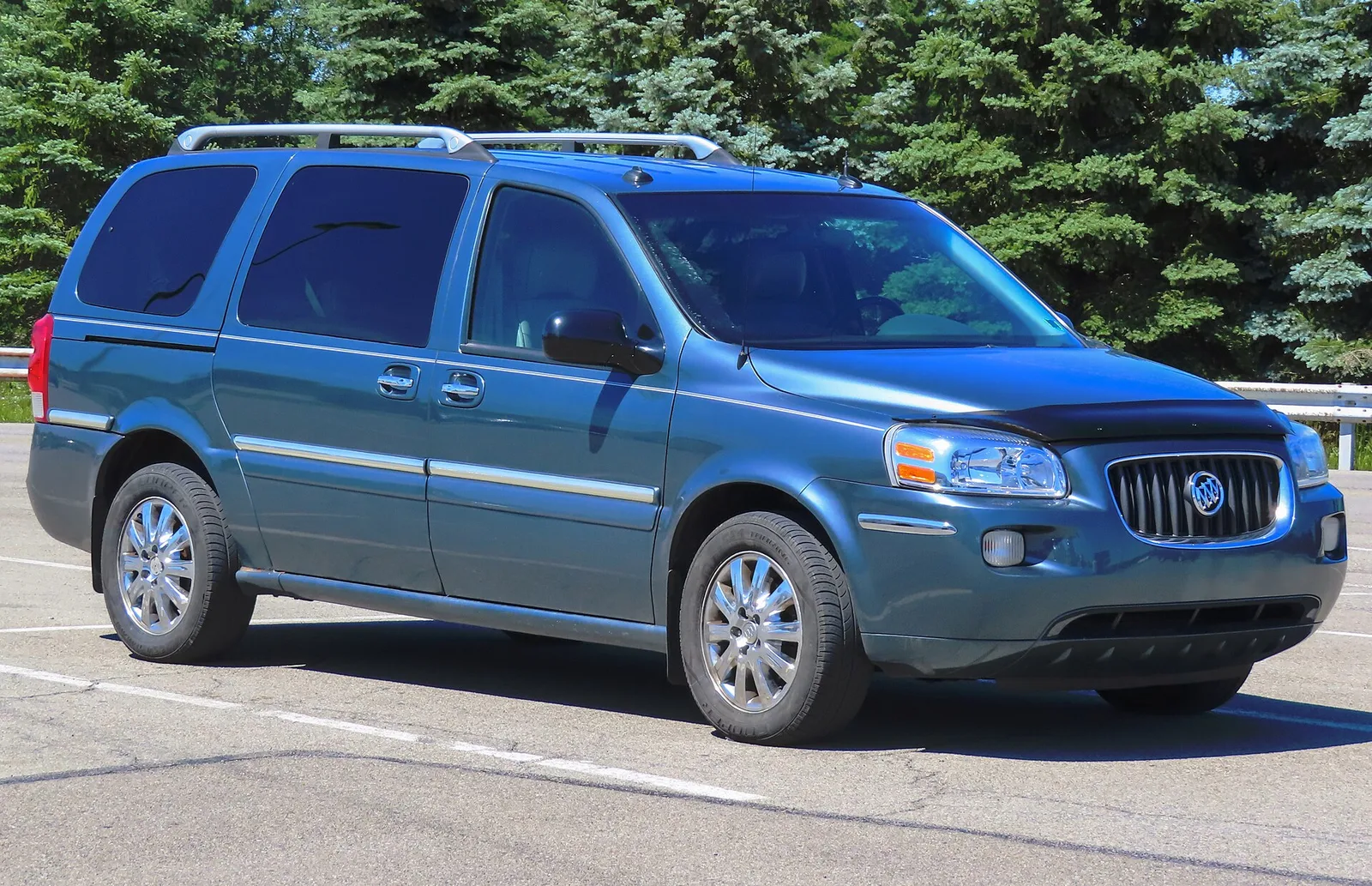
The Terraza was Buick's first-ever minivan for the North American market - a badge-engineered cousin of the Chevrolet Uplander, Pontiac Montana SV6, and Saturn Relay.

The restyled 1994 Lumina Minivan quietly made American automotive history: it was the first minivan sold in the US with a power sliding door you could open by remote.

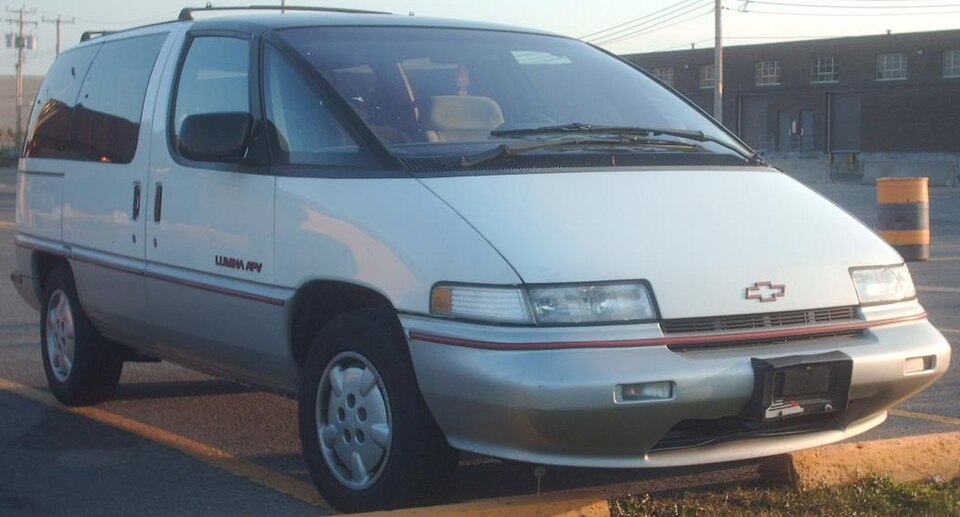
The first-generation Lumina APV minivan was nicknamed the "Dustbuster" by the press for its sharply sloped windshield, which pushed the dashboard far forward of the driver.

Its steeply sloped windshield gave the Lumina APV one of the deepest dashboards ever fitted to a mass-produced car.

The first Presage wasn't really its own car underneath — most of its parts came straight from the Nissan R'nessa, with more shared with its platform twin, the Bassara.