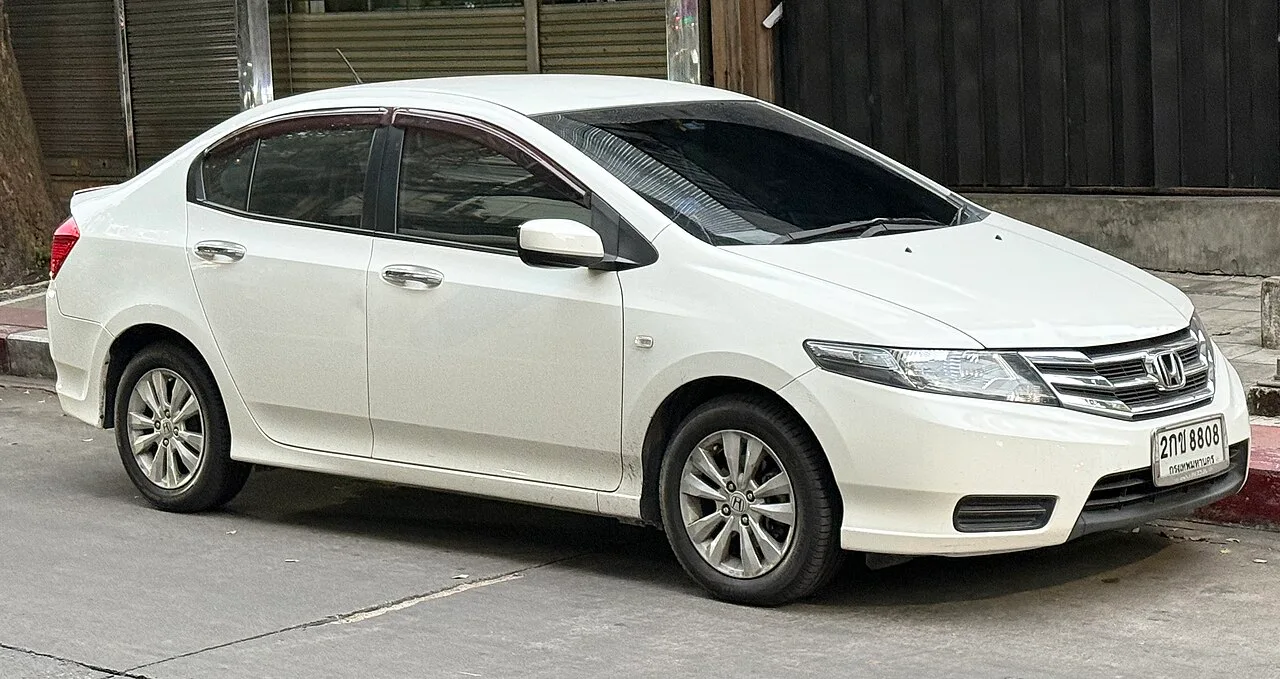
This City generation made history off the showroom floor too: when Honda opened a factory in Argentina in 2011, this was the car built there — the first Honda, and the first Japanese passenger car, ever made in the country.
Lead trim: City 1.3 L13Z1 (98 hp) · up to 140 hp
Honda City GM2 / GM3GM2/GM3 · 2008–2013
- 0spots by members
- Unclaimednobody has spotted one yet
- 0sets it belongs to
Nobody in Burbles has spotted a Honda City GM2 / GM3 yet. See one on the street, point the app at it, and the first card is yours — with your @handle permanently credited on this page.
FactThis City generation made history off the showroom floor too: when Honda opened a factory in Argentina in 2011, this was the car built there — the first Honda, and the first Japanese passenger car, ever made in the country.
The fifth-generation City (the third as a sedan) was unveiled in Bangkok in September 2008 with a longer front overhang and wheelbase and a lower roof than the hatchback for more sedan-like proportions, on the second-generation Fit/Jazz platform. It offered a 1.3-litre engine making 73 kW (98 hp) at 6,000 rpm and a 1.5-litre L15A7 making 120 PS (118 hp), with manual or automatic (some markets with paddle shifters), the 1.8-litre R18A being built for China only; it was sold as the Ballade in South Africa from 2011 and was the first City built in large numbers outside Asia (Sumaré, Brazil from July 2009; Campana, Argentina from March 2011 — Honda's first car built in Argentina). It was revamped in September 2011 with a new grille, bumpers, taillamps and alloys and dual front airbags across the range, and the Pakistani-built cars remained in production until 2021. It scored 14.47/16 in the frontal offset test in ANCAP's 2009 assessment.
Collectors Spotted in the Honda City Lineage
No member has published a public street spot of the Honda City yet — the First · Worldwide stamp is wide open.
Trims & Figures
3 published trims in the catalogue. A blank is a figure not recorded, not zero.
| Trim | Years | Engine | Power | Torque | 0–60 | Drive | Gearbox | MSRP |
|---|---|---|---|---|---|---|---|---|
| City 1.3 L13Z1 (98 hp) | 2008–2013 | 1.3 L Inline-4 | 98 hp | 94 lb-ft | — | — | — | — |
| City 1.5 L15A7 (118 hp) | 2008–2013 | 1.5 L Inline-4 | 118 hp | 107 lb-ft | — | — | — | — |
| City 1.8 R18A (China only) | 2008–2013 | 1.8 L Inline-4 | 140 hp | 128 lb-ft | — | — | — | — |
Owning one
We don’t estimate running costs for a car like this. What it costs depends on its condition, its specialist and how it is driven, and an average would mislead.
Owners’ builds
Nobody has claimed one yet.
Photographs
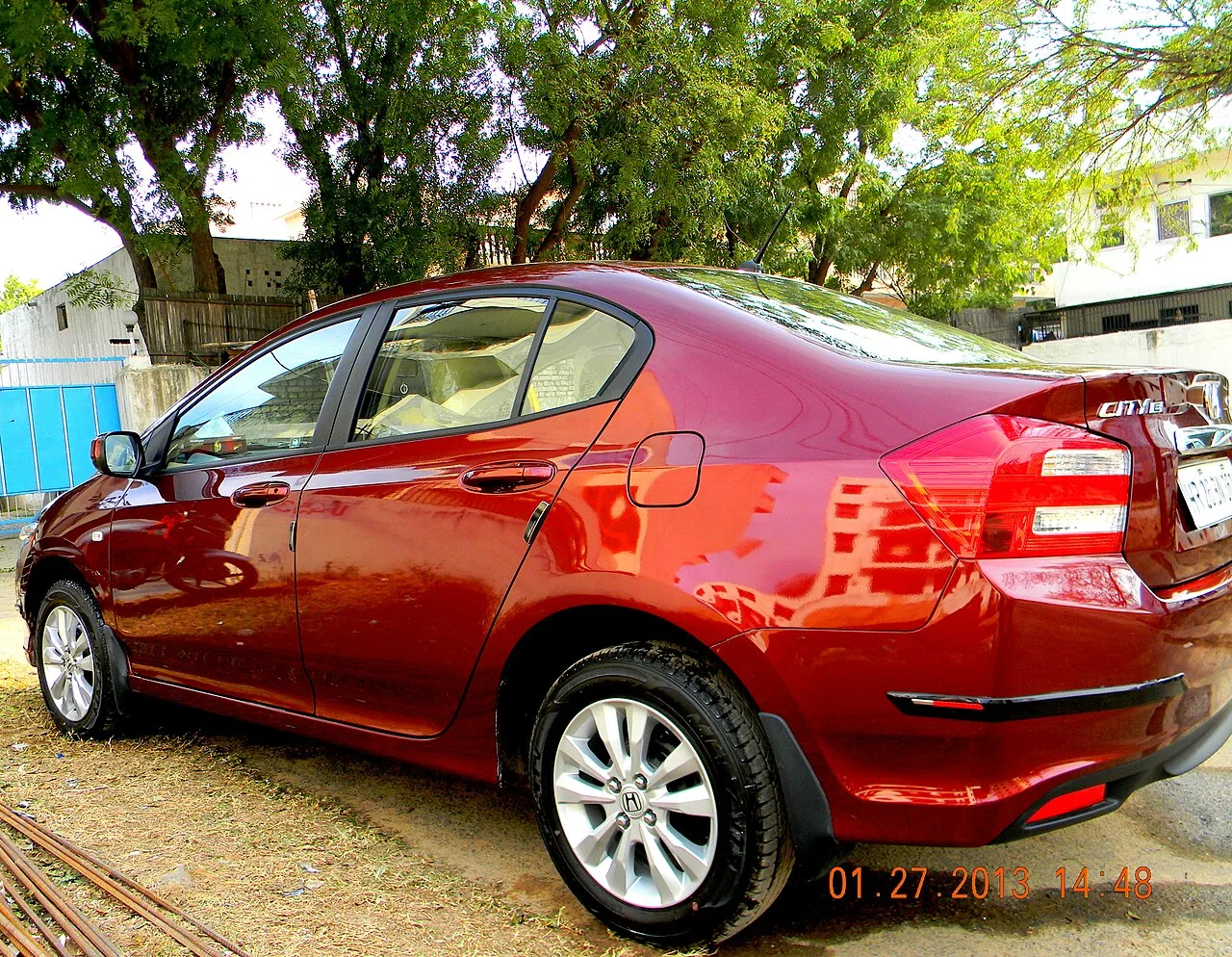
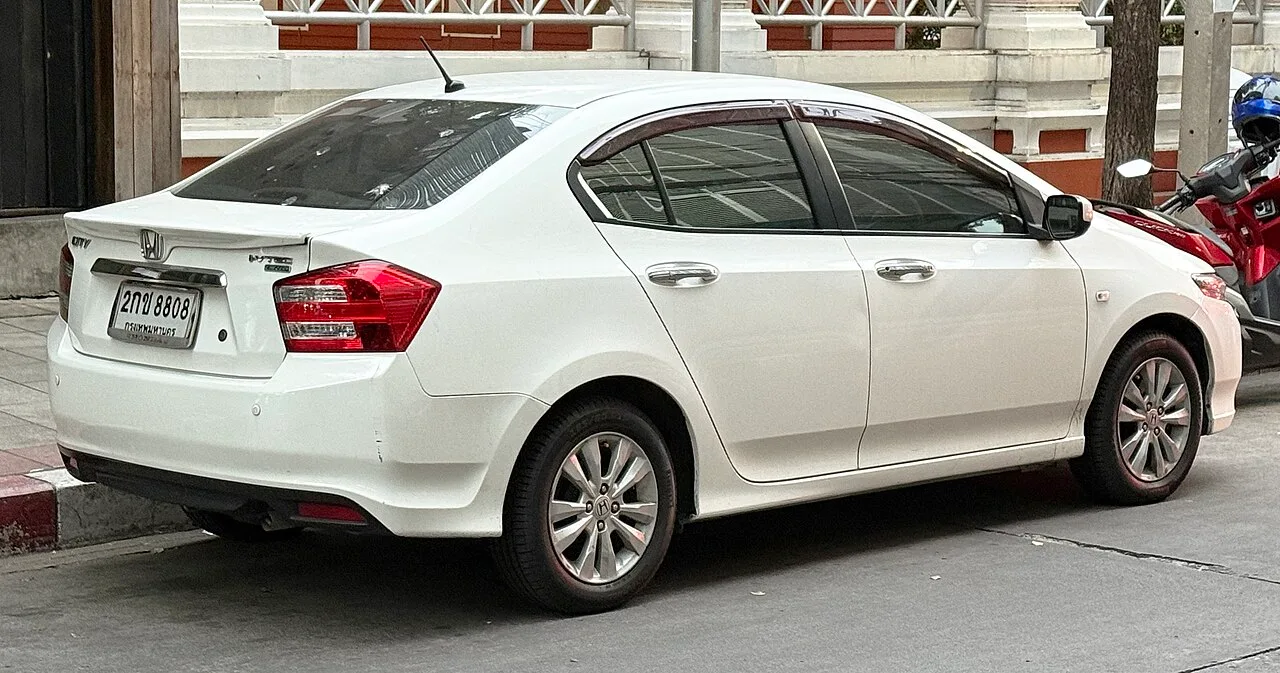
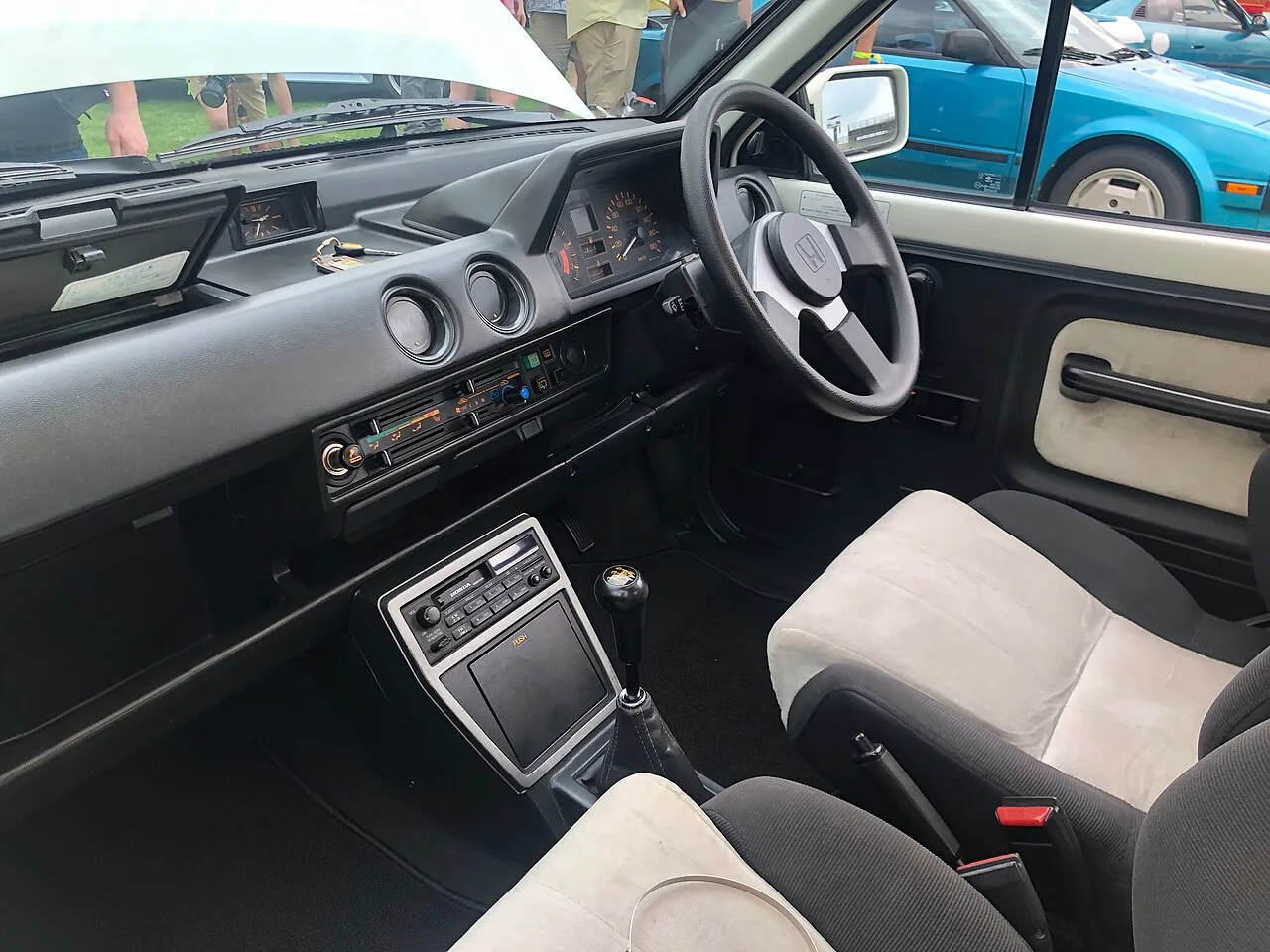
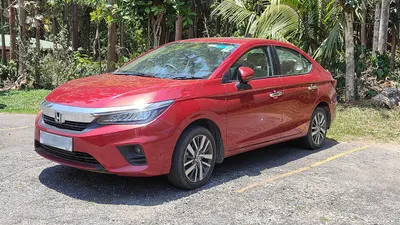
This City grew so much that it's now roughly the same size as a ninth-generation Civic sedan, despite still being sold and priced as Honda's entry-level car.
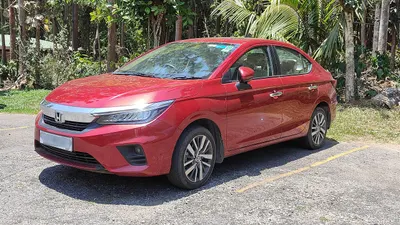
This City generation moved the fuel tank from the middle of the car to the back — a quiet packaging change that let Honda drop the seats and the roofline for a sportier stance.
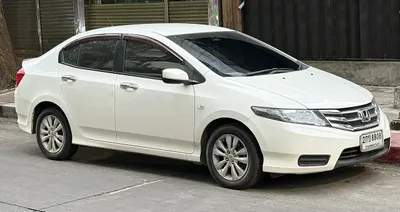
This City generation made history off the showroom floor too: when Honda opened a factory in Argentina in 2011, this was the car built there — the first Honda, and the first Japanese passenger car, ever made in the country.
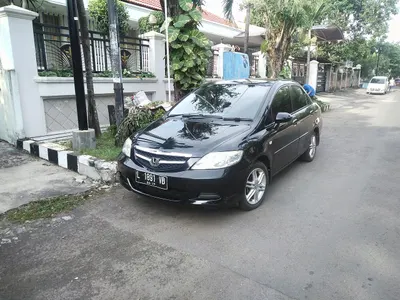
In Japan this City was sold as the Fit Aria, named for an operatic melody, continuing Honda's habit of naming cars after music (Prelude, Accord, Ballade, Concerto).
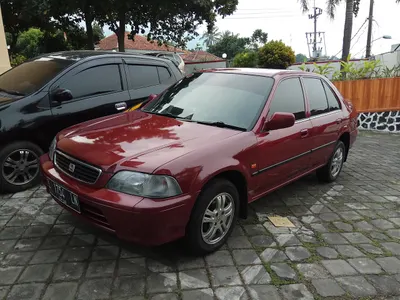
This City was built for Southeast Asia from day one — made in an all-new Thai plant with over 70% local content, and its bumpers split into three pieces just to make shipping parts from Japan easier.
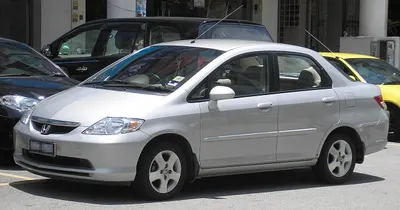
Before Fit became one of Honda's best-selling global nameplates, it was just a trim badge on the second-generation City — the name's whole career started as an economy option.
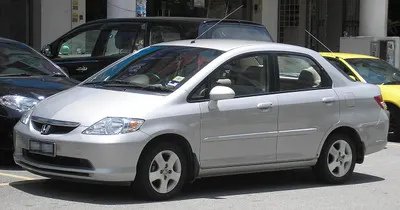
Hirotoshi Honda later founded the tuning company Mugen, which remains closely linked to Honda's motorsport programs.
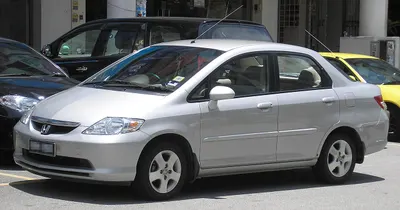
Honda built a fold-up 50cc scooter that lived in the City's trunk — and literally invented a new word for it, "trabai," a portmanteau of "trunk" and "bike."
Rivals
Same body, same money, other badges — tap any card to flip.
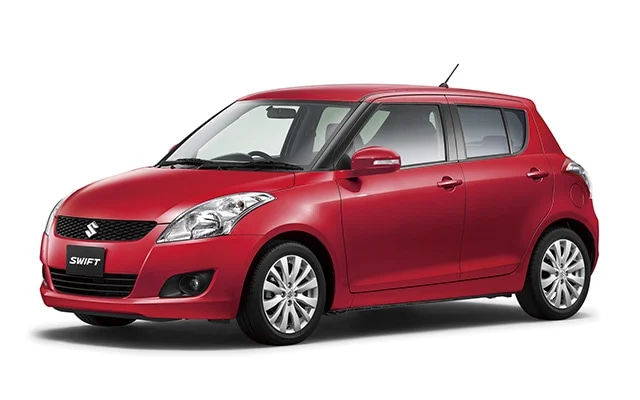
Japan was a minor market for the Swift: when it passed 2 million sales in 2011, about 39% were in India and 27% in Europe, against roughly 15% at home.
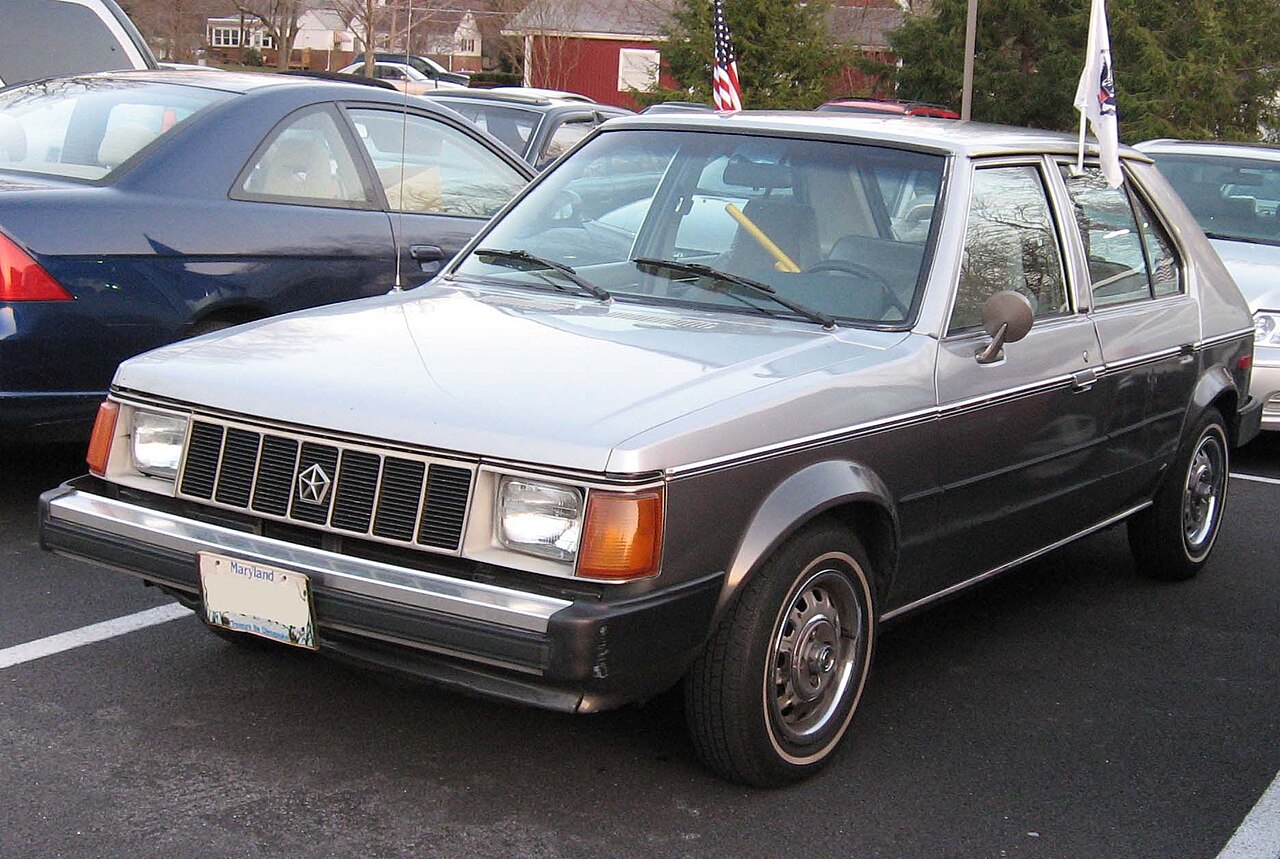
To adapt the Horizon for America, Chrysler bought nearly 100 Volkswagen Rabbits purely to reverse engineer them.
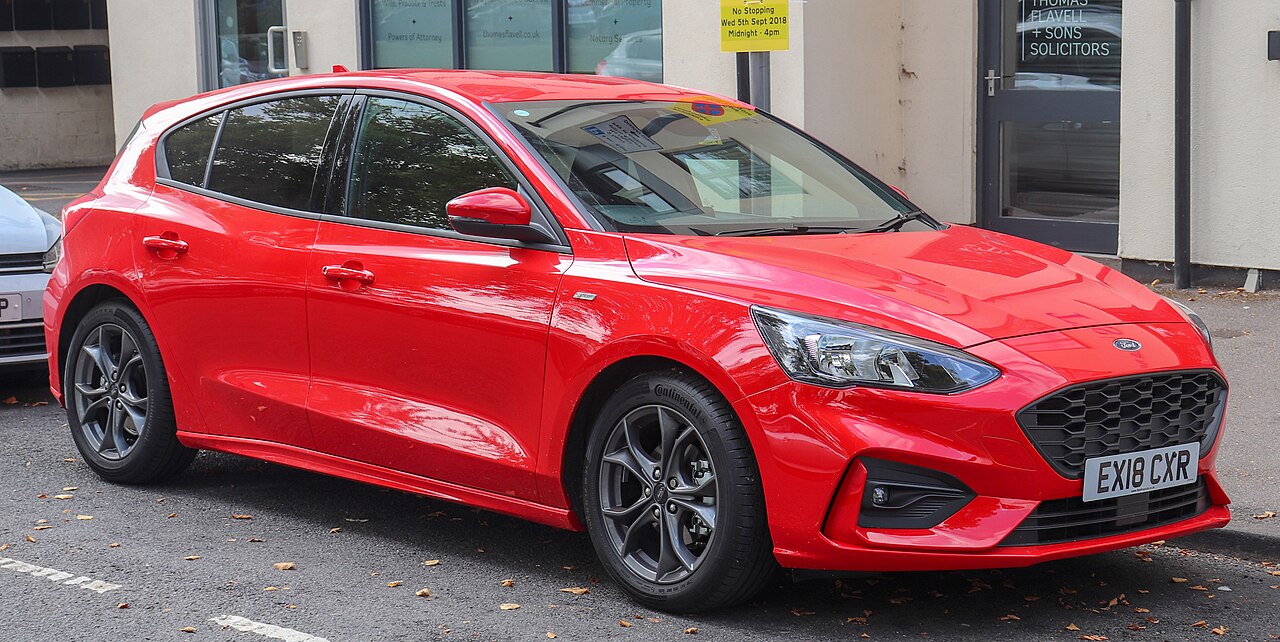
The Mk3 Focus RS's AWD system could send 100 percent of engine power to the rear wheels alone — built not in Ford's home country, but at the Saarlouis plant in Germany.
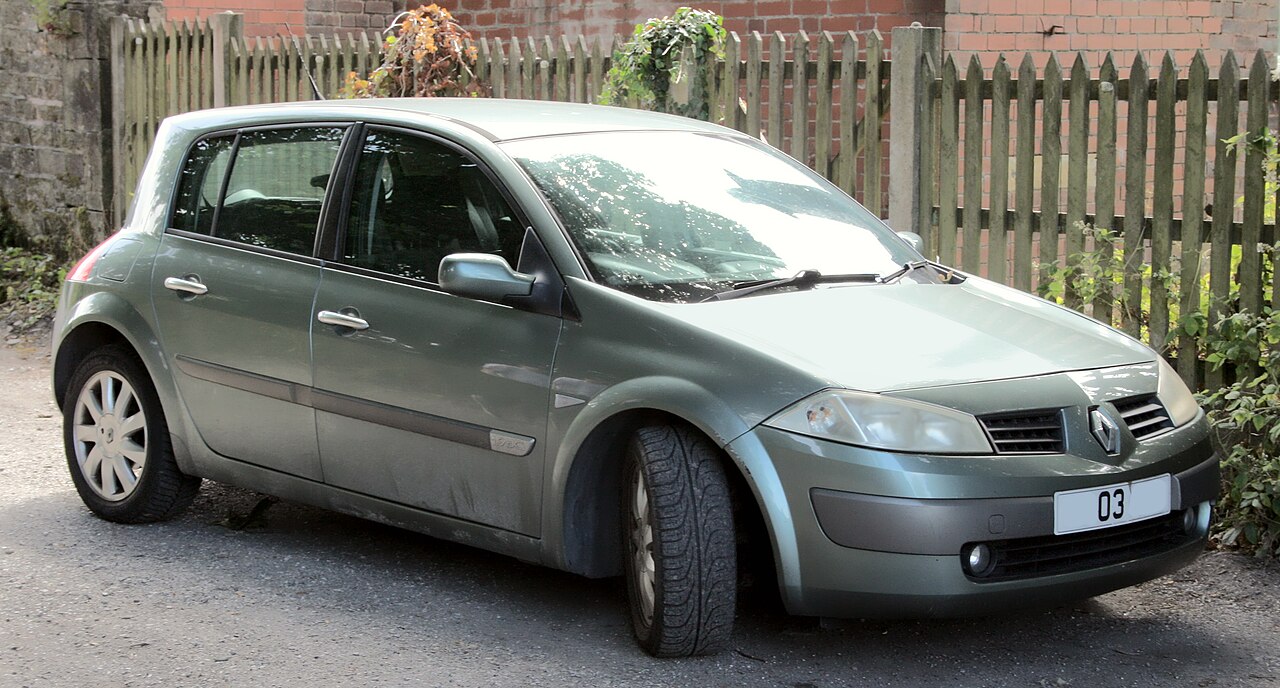
In June 2003, a Mégane II became the subject of the first ever live televised crash test with a real human driver at the wheel instead of a dummy — filmed by Top Gear.
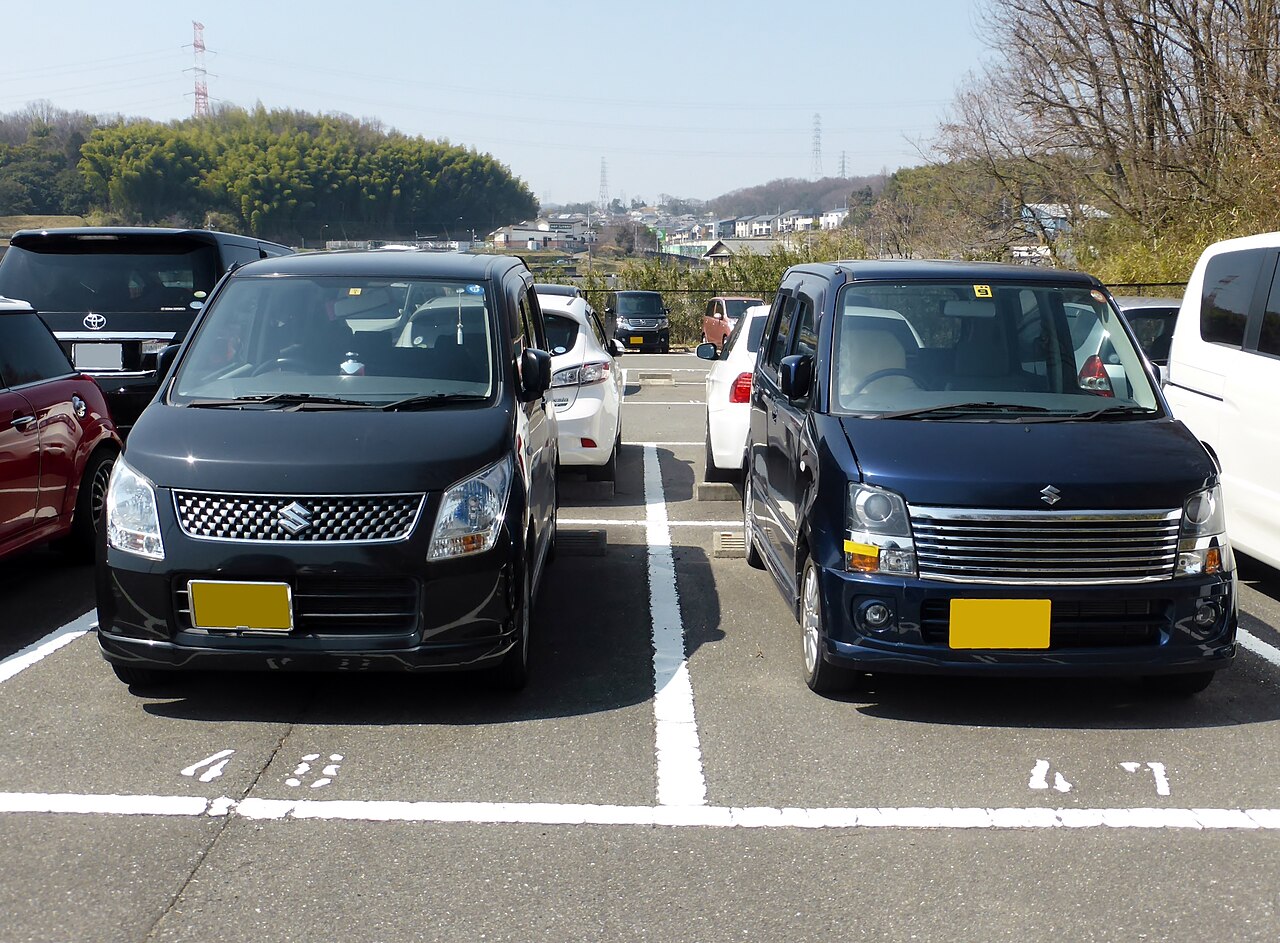
This Wagon R redesigned its rear doors specifically to kill off the D-pillar — bigger doors with built-in quarter glass solved what earlier generations needed a whole extra pillar for.
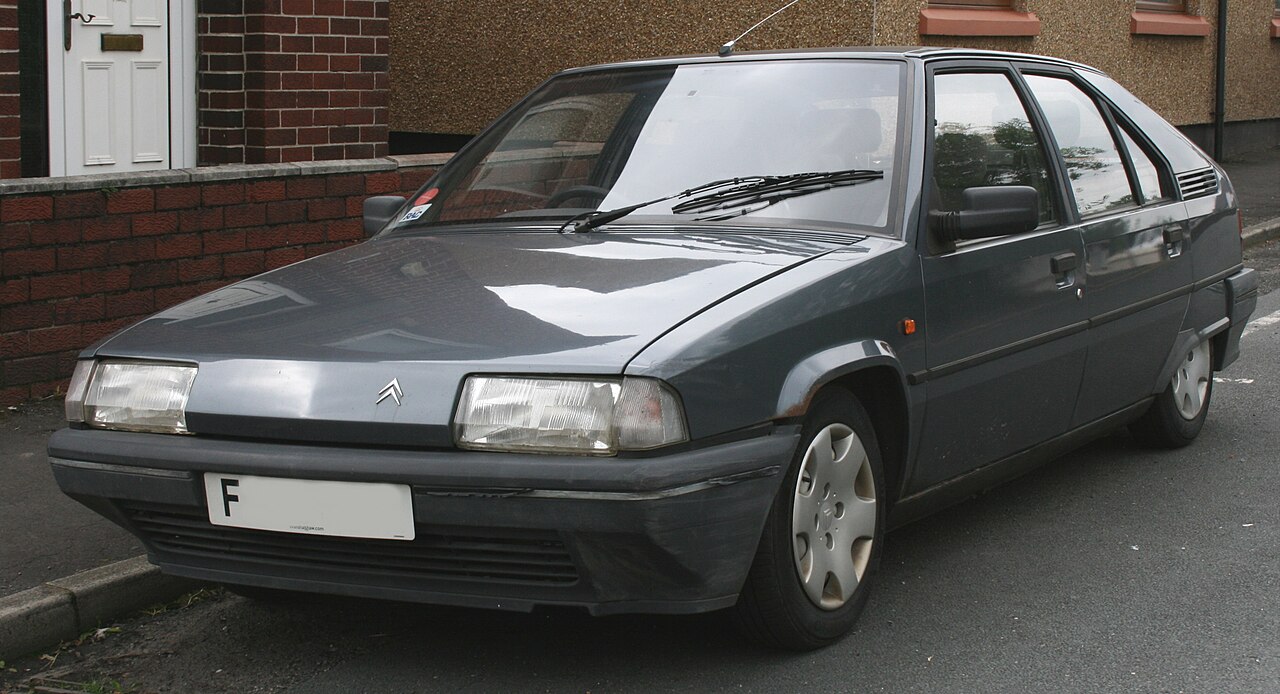
The BX was the UK's best-selling diesel car for four years from 1987, and 2,315,739 were built in all.
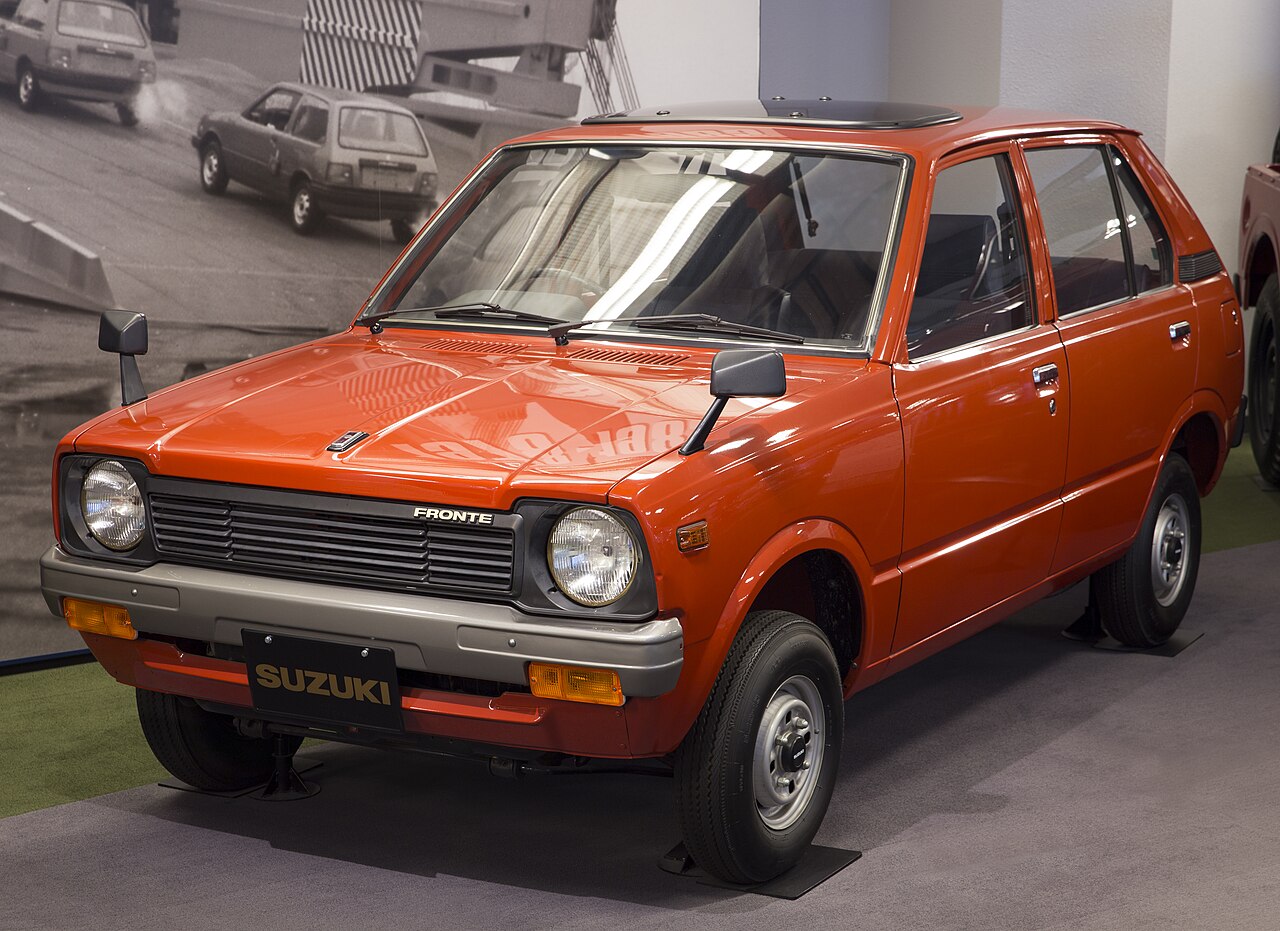
Six months before Suzuki retired the Fronte name for good, the CN11S's 796cc version was already being built in China under a completely different name: the Anchi 6330.
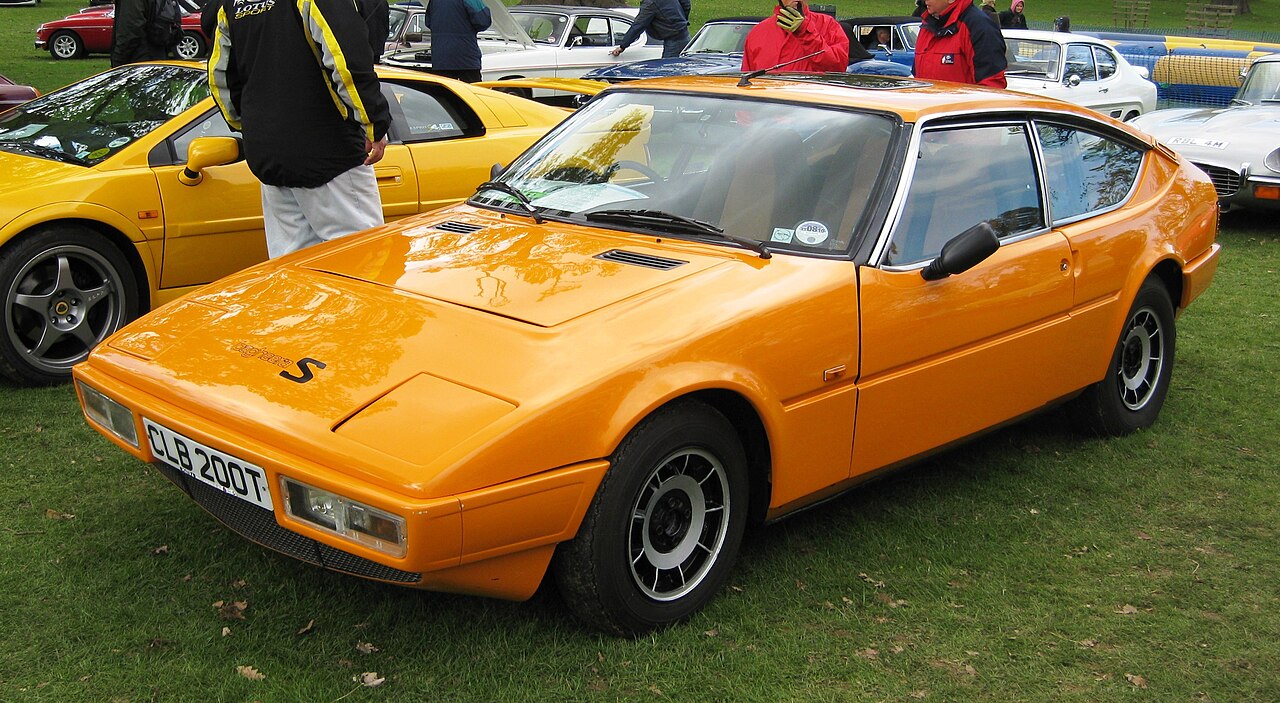
Built to use up Chrysler-Simca's parts bin, it took its engine and gearbox straight from the front-wheel-drive Simca 1100 but mounted them amidships instead.