Holden once nearly handed its VY Ute to Subaru to sell as a rebadged 'Brumby,' in exchange for badging the Forester as a Holden — Subaru Australia killed the deal.
Lead trim: 3.8 Ecotec L36 V6 (204 hp) · up to 329 hp
Holden Commodore VY2002–2004
- 0spots by members
- Unclaimednobody has spotted one yet
- 0sets it belongs to
Nobody in Burbles has spotted a Holden Commodore VY yet. See one on the street, point the app at it, and the first card is yours — with your @handle permanently credited on this page.
FactHolden once nearly handed its VY Ute to Subaru to sell as a rebadged 'Brumby,' in exchange for badging the Forester as a Holden — Subaru Australia killed the deal.
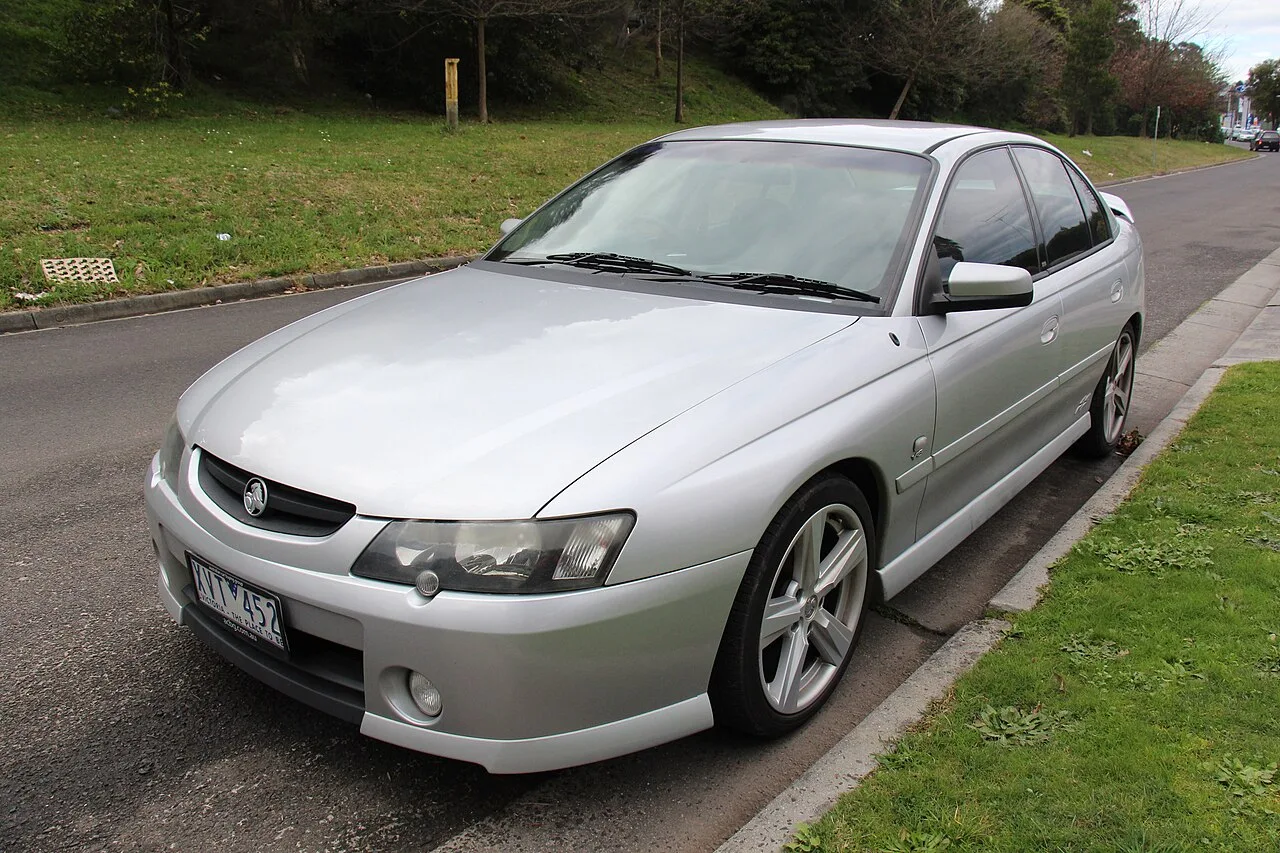
The Holden Commodore (VY) is a full-size car produced by Holden from 2002 to 2004, the third iteration of the third generation. Its range included the Berlina and Calais luxury variants, the commercial Holden One Tonner, Holden Ute and Crewman, and, in 2003, the first Commodore-based SUV-style vehicle, the Holden Adventra; it was also sold as the Chevrolet Lumina/Omega. The engine range was the 3.8 L Ecotec V6 at 152 kW, the supercharged version at 171 kW, and the 5.7 L Gen III LS1 V8 at 225, 235 or 245 kW, with a 5-speed Getrag manual, 6-speed Tremec T56 manual or 4-speed GM 4L60-E automatic.
Collectors Spotted in the Holden Commodore Lineage
No member has published a public street spot of the Holden Commodore yet — the First · Worldwide stamp is wide open.
Trims & Figures
5 published trims in the catalogue. A blank is a figure not recorded, not zero.
| Trim | Years | Engine | Power | Torque | 0–60 | Drive | Gearbox | MSRP |
|---|---|---|---|---|---|---|---|---|
| 3.8 Ecotec L36 V6 (204 hp) | 2002–2004 | 3.8 L V6 | 204 hp | 225 lb-ft | — | RWD | — | — |
| 3.8 Supercharged Ecotec L67 V6 (229 hp) | 2002–2004 | 3.8 L V6 | 229 hp | 277 lb-ft | — | RWD | — | — |
| 5.7 Gen III LS1 V8 (302 hp) | 2002–2004 | 5.7 L V8 | 302 hp | 339 lb-ft | — | RWD | — | — |
| 5.7 Gen III LS1 V8 (315 hp) | 2002–2004 | 5.7 L V8 | 315 hp | 343 lb-ft | — | RWD | — | — |
| 5.7 V8 (329 hp) | 2002–2004 | 5.7 L V8 | 329 hp | 343 lb-ft | — | RWD | — | — |
Owning one
We don’t estimate running costs for a car like this. What it costs depends on its condition, its specialist and how it is driven, and an average would mislead.
Owners’ builds
Nobody has claimed one yet.
Photographs
Built by Opel in Germany, the ZB shared its AWD torque-vectoring hardware with the Ford Focus RS, a rally-bred system in a family sedan.
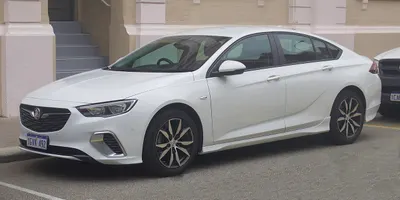
HSV built just 275 examples of the GTSR W1 — 250 for Australia and 25 for New Zealand — making the final Commodore-based HSV one of the rarest HSVs ever sold.
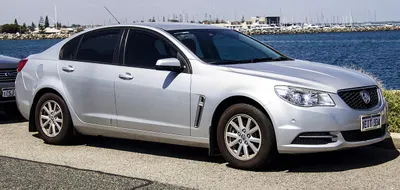
The Senator Signature was HSV’s luxury flagship, pairing a 340 kW LS3 V8 with adaptive magnetic suspension you could switch between Touring and Sport modes.
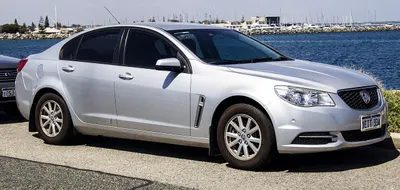
HSV's flagship Gen-F GTS packed a supercharged 6.2-litre V8 making 577 bhp and 546 lb-ft of torque, paired with adaptive Magnetic Ride Control suspension — serious numbers for an Australian family sedan underneath.
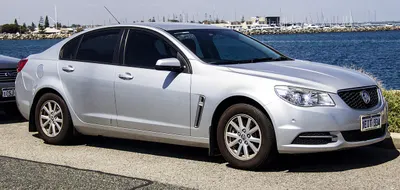
The Gen-F ClubSport started at 317 kW in 2013, but by the time HSV was done with it in 2016, the range-topping R8 LSA variant was putting out a supercharged 400 kW.
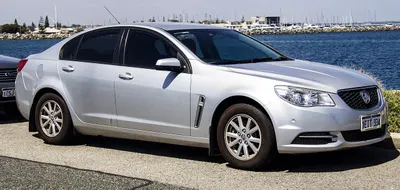
The VF's Supercars racing version brought back a design detail Holden hadn't used since the 1990s VP Commodore: an end-mounted rear wing.
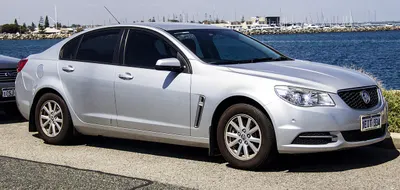
The 2010 E Series 3 HSV Senator — a 400-plus-horsepower Australian luxury flagship — could be special-ordered to run on LPG, a strange nod to fuel economy on a genuine performance sedan.
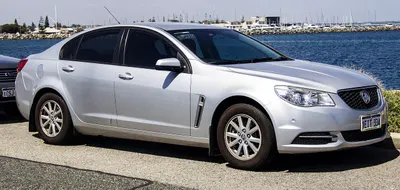
HSV kept its trick MagneRide adaptive suspension as a GTS-only perk during the E Series run — even other high-performance Commodore variants didn't get it.
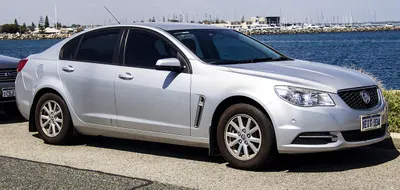
In 2011 HSV gave this ClubSport a bi-fuel option that could run on LPG as well as petrol — but only if you bought the sedan, not the wagon.
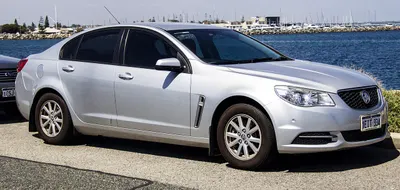
Holden engineered the VE Sportwagon's tailgate to swing open in barely 268mm of clearance — tight enough that it became a bragging point in the car's own TV ads.
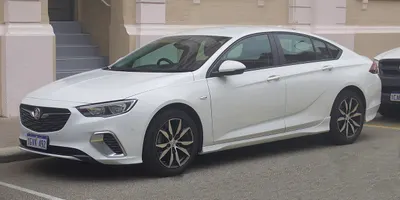
Tow a trailer in the Z Series Senator and the rear suspension quietly hardens itself to keep the headlights level — a towing trick hiding in a performance sedan.
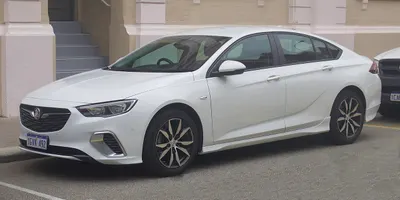
Every modern Commodore generation got a mid-cycle "Series II" refresh — except the VZ, which Holden quietly updated under the radar with a MY06 engine swap instead.
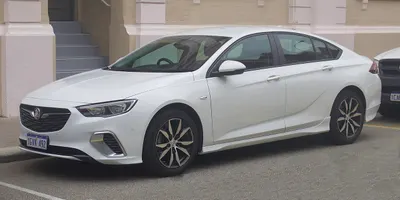
This ClubSport Z Series sent HSV racing somewhere it had never gone before — the Middle East, via a one-make ClubSport R sedan series.
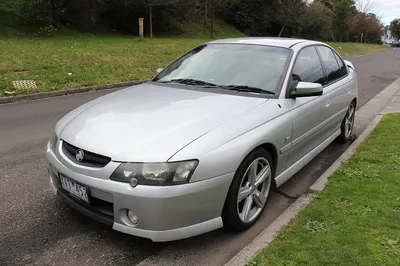
Holden once nearly handed its VY Ute to Subaru to sell as a rebadged 'Brumby,' in exchange for badging the Forester as a Holden — Subaru Australia killed the deal.
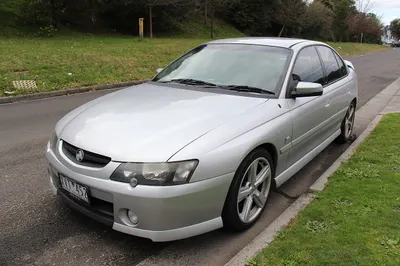
HSV had to go back and redesign the Y Series Senator's front seats after customers complained the originals were too uncomfortable.
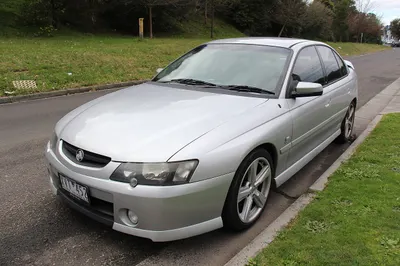
HSV’s Y Series ClubSport launched in October 2002 with 260 kW, but didn’t stop there — the mid-cycle Y II update pushed it to 285 kW before the Z Series took over in 2004.
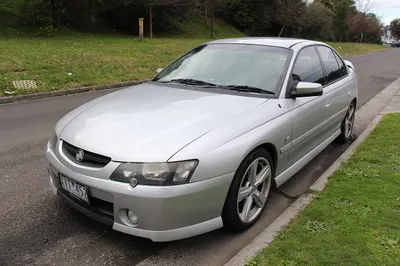
The VX Commodore was the first Australian-built car to get anti-lock brakes as standard on every variant — and its redesigned B-pillars cut side-impact injury risk by half versus the outgoing VT.
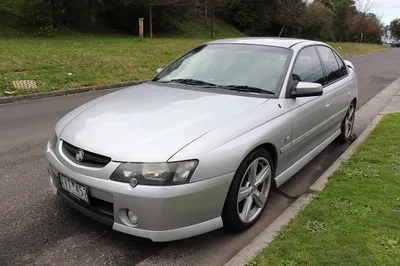
HSV put a motorsport name on the VX Senator's styling: the facelift was designed by Ian Callum, a former Tom Walkinshaw Racing designer.
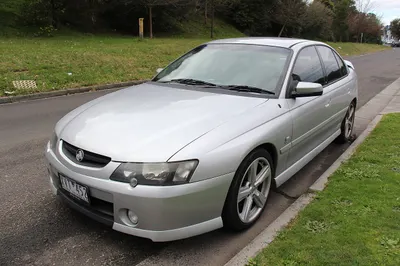
HSV didn't tune the GTS 300's V8 in-house: the 300kW C4B engine under the bonnet of the VT II, VX and Y series GTS was developed with American performance house Callaway Cars.
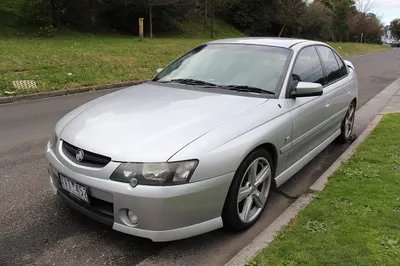
HSV gave the VX ClubSport a far more aggressive bodykit for one simple reason: owners kept complaining people couldn't tell it apart from a regular Commodore.
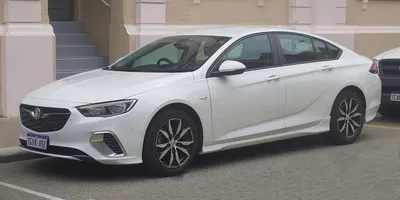
HSV's VT II Senator dropped Australia's homegrown V8 for an imported American 5.7-litre LS1 making 250kW — a fundamental shift in where Holden's performance V8s came from.
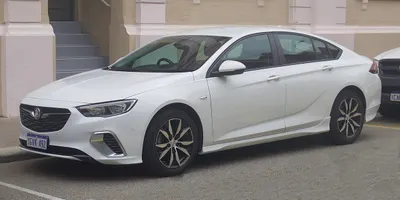
HSV's VT ClubSport commanded a premium for a V8 you could option straight onto a regular Commodore SS — critics called out the shared engine as its weak point.
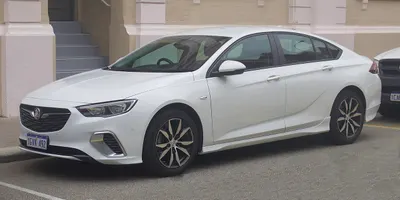
In just two years, this GTS went from a 220kW V8 to a 300kW LS1 — a huge jump in output within the same VT generation.
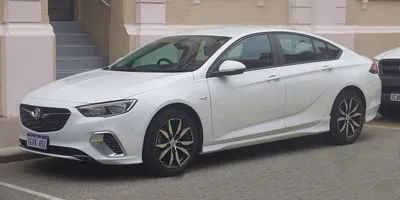
This Senator broke new ground for HSV in one specific way: it was the first time the brand's flagship luxury badge had ever been offered as a wagon.
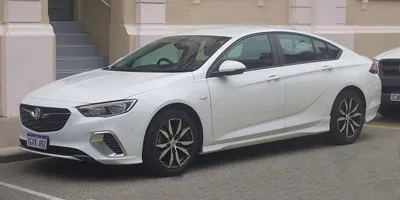
Holden treated the VT Commodore's rounded styling as pure looks, no aero thinking involved — and admitted as much when the VY launched in 2002, pinning the car's mediocre drag figure on the boot lid's rounded trailing edge.
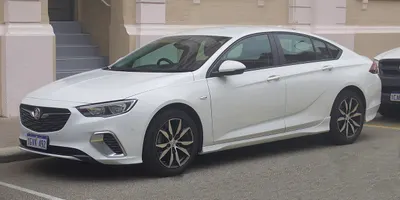
Only 416 VS HSV Senators were built by the end of 1995 — nearly half the number of its VR predecessor, making this one of the rarer Commodore-based HSVs.
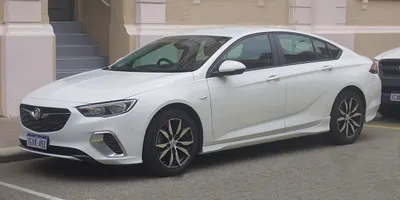
The Acclaim was the first Australian-built car with a standard passenger airbag.
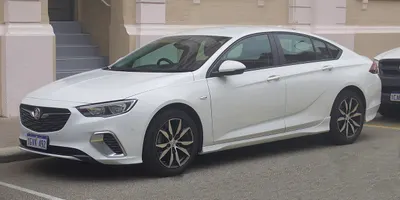
HSV didn't just tune this GTS's V8 — they stroked it from 5.0 to 5.7 litres at the factory. Only 277 were ever built.
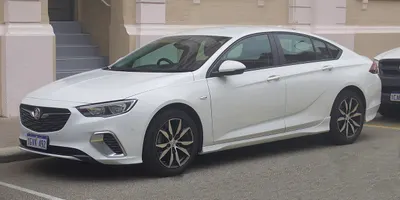
This Senator's bodykit came from Ian Callum, years before he became Jaguar's chief designer, giving HSV's flagship a sleeker, more aggressive stance.
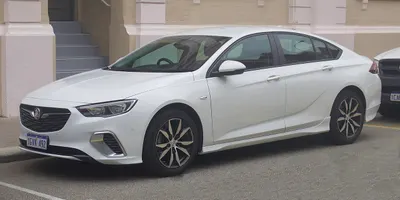
HSV's first ClubSport wagon was vanishingly rare: of the VR ClubSport's run, just 77 were wagons against 1,117 sedans.
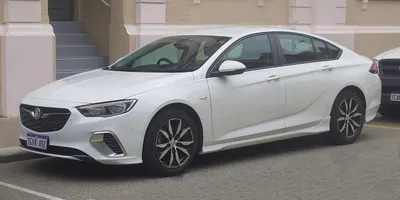
The VR Commodore made Australian history: its Acclaim and Calais trims got the country's first standard driver's airbag, years before it became law.
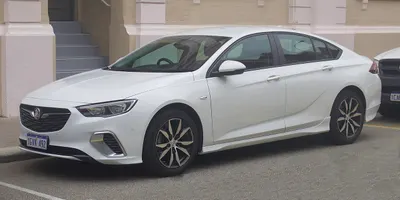
HSV's most luxurious fast Commodore of its day, the VP Senator, was also one of its rarest — only 337 were ever built across both the Senator and Senator 5000i.
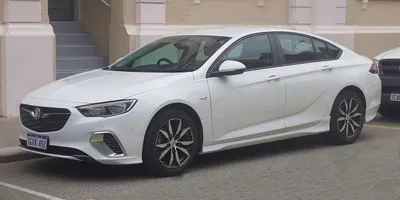
This GTS was a rush job: built almost entirely from existing VN Group A parts to answer the Ford EB GT in just months, HSV built only 130 before moving on.
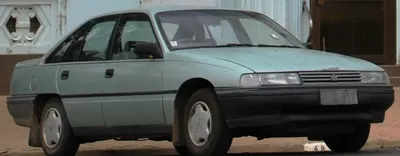
The VP Commodore briefly had a trim level no other Commodore ever got: the Berlina LX, a stepping stone wedged between Berlina and Calais.
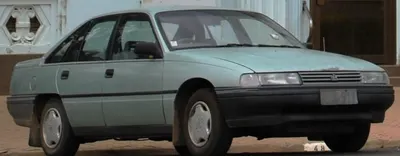
HSV squeezed a 27 extra horsepower out of the Clubsport in under two years: the 1991 VP Clubsport made 241hp, and by May 1993 the VP Clubsport 5000i was already up to 268hp.
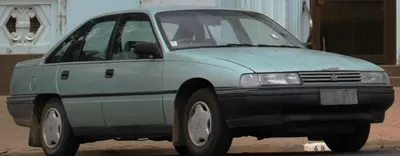
The HSV GTS badge — now synonymous with Holden's biggest V8 — actually started life as a New Zealand-only V6 special in 1990, two years before the "real" V8 GTS even existed in Australia.
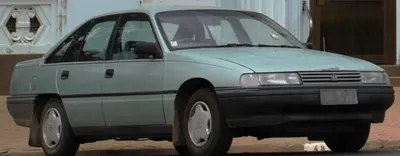
Group A racing rules required 500 road-going Commodore SS Group A SVs — Holden only managed 302, and had to get special dispensation from Australia's motorsport body just to race the car at all.
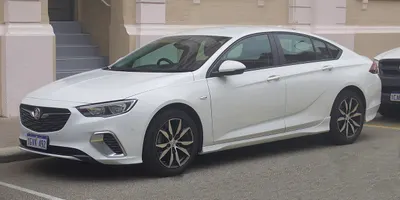
The flagship VL Calais got semi-retracting headlight covers — a first for a production Holden — but the trick cost Holden nothing extra: underneath, the headlight units were identical to every other VL Commodore's.
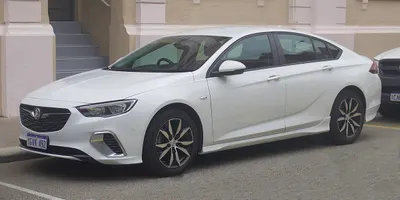
Group A homologation rules forced Holden to shrink its V8 to 4.9 litres for the 1985 SS Group A, a car built expressly to race.
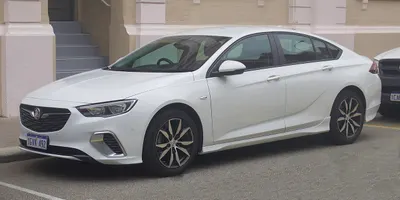
New South Wales emissions law quietly decided your gearbox for you: V8 Commodores sold there could not be had with a manual.
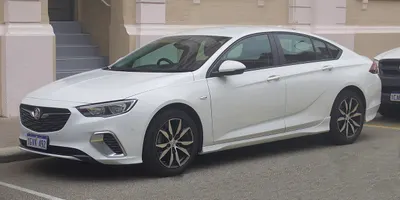
The VC's engine range grew mid-run when Holden squeezed in a 1.9-litre Starfire option, one it hadn't planned to offer at launch.
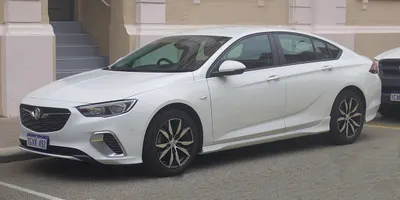
Holden grafted an Opel Senator nose onto a Rekord body to fit its big Australian six and V8, then ran the shortest Commodore build of all, 17 months.
Rivals
Same body, same money, other badges — tap any card to flip.

It briefly served as senior sibling to Marquette, a GM companion brand cancelled after just one year.

Nissan hired former BMW engineers to help develop the 510's suspension, which is why period reviewers frequently compared its handling to the BMW 1600/2002.

A Trabant 601 won its class at the 1970 Monte Carlo Rally, with a second 601 right behind it in second.

The 600 was a stopgap: the P50's body over the 601's mechanicals, and for a while its estate was built alongside the new 601 saloon.

The G80 Sport brought a 370 PS twin-turbo 3.3 V6, a mesh grille and copper-tinted chrome with copper stitching to match.

The Vigor was sold only with a five-cylinder engine, an unusual configuration Honda used to fit a longer engine transversely under a short hood.

Opel Commodore · Commodore A (1967–1971).

Cadillac Fleetwood/DeVille · Fleetwood/DeVille (1984–1992).