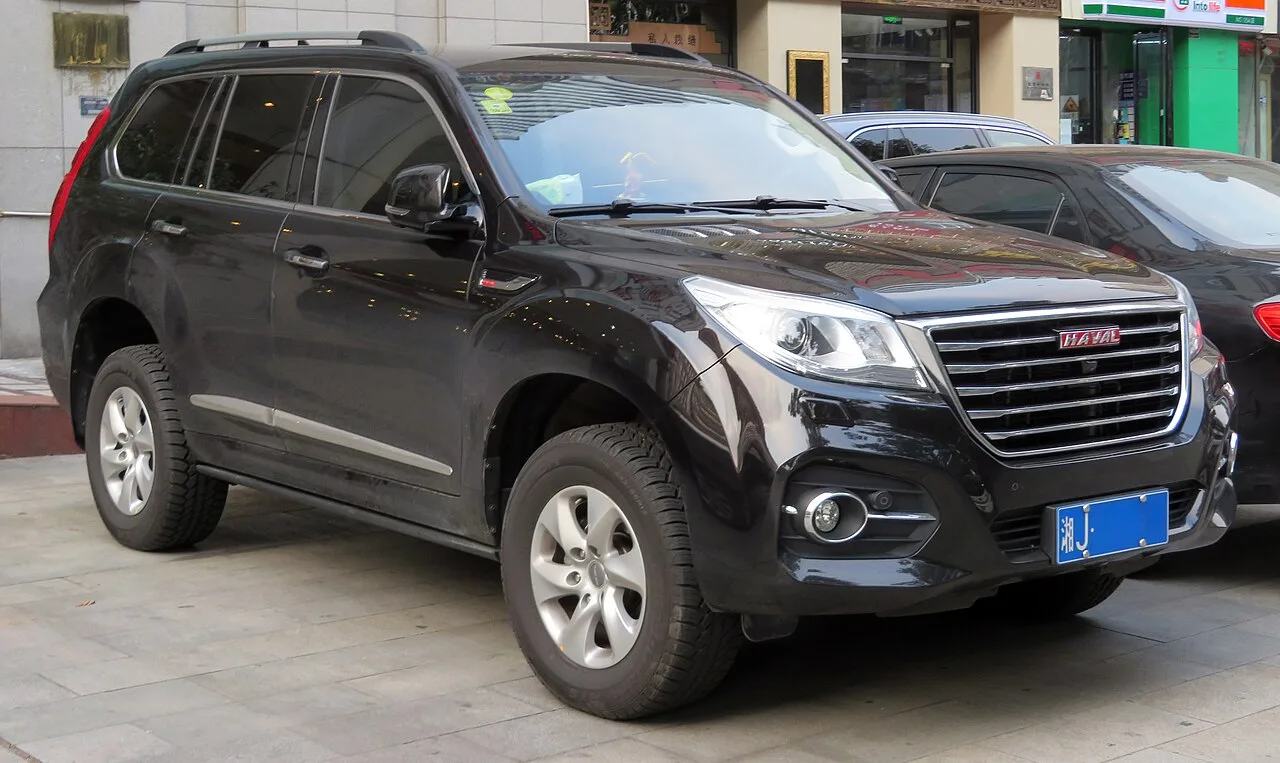
The H9's 2019 facelift quietly ended its rugged-SUV signature: the spare tire moved off the rear door and tucked underneath, trading looks for aerodynamics.
Median 228 hp across 630 similar cars
Lead trim: H9 2.0 L turbo I4, early (214 hp) · up to 241 hp
Haval H9 first generationH9 · 2014–2024
- 0spots by members
- Unclaimednobody has spotted one yet
- 0sets it belongs to
Nobody in Burbles has spotted a Haval H9 first generation yet. See one on the street, point the app at it, and the first card is yours — with your @handle permanently credited on this page.
FactThe H9's 2019 facelift quietly ended its rugged-SUV signature: the spare tire moved off the rear door and tucked underneath, trading looks for aerodynamics.
The Haval H9, Great Wall's Haval sub-brand's first body-on-frame SUV since the H3/H5 (debuted 2014 Beijing Auto Show, also badged Pyeonghwa Ppeokkugi in North Korea), used a 2.0 L turbo I4 initially making 214 hp (160 kW, 217 PS) through a 6-speed automatic; from 2017 the engine was reworked to 241 hp (180 kW, 244 PS) with a new ZF 8-speed automatic. All-wheel/four-wheel drive; wheelbase 110.2 in (2,800 mm), width 75.8 in (1,926 mm), height 74.8 in (1,900 mm), kerb weight 4,960 lb (2,250 kg). (Length is given as two values depending on spare-wheel placement, so not cited here.)
Collectors Spotted in the Haval H9 Lineage
No member has published a public street spot of the Haval H9 yet — the First · Worldwide stamp is wide open.
Trims & Figures
2 published trims in the catalogue. A blank is a figure not recorded, not zero.
| Trim | Years | Engine | Power | Torque | 0–60 | Drive | Gearbox | MSRP |
|---|---|---|---|---|---|---|---|---|
| H9 2.0 L turbo I4, early (214 hp) | 2014–2016 | 2.0 L Inline-4 | 214 hp | 260 lb-ft | — | 4WD | — | — |
| H9 2.0 L turbo I4, reworked (241 hp) | 2017–2024 | 2.0 L Inline-4 | 241 hp | 258 lb-ft | — | 4WD | — | — |
Owning one
We don’t estimate running costs for a car like this. What it costs depends on its condition, its specialist and how it is driven, and an average would mislead.
Owners’ builds
Nobody has claimed one yet.
Photographs
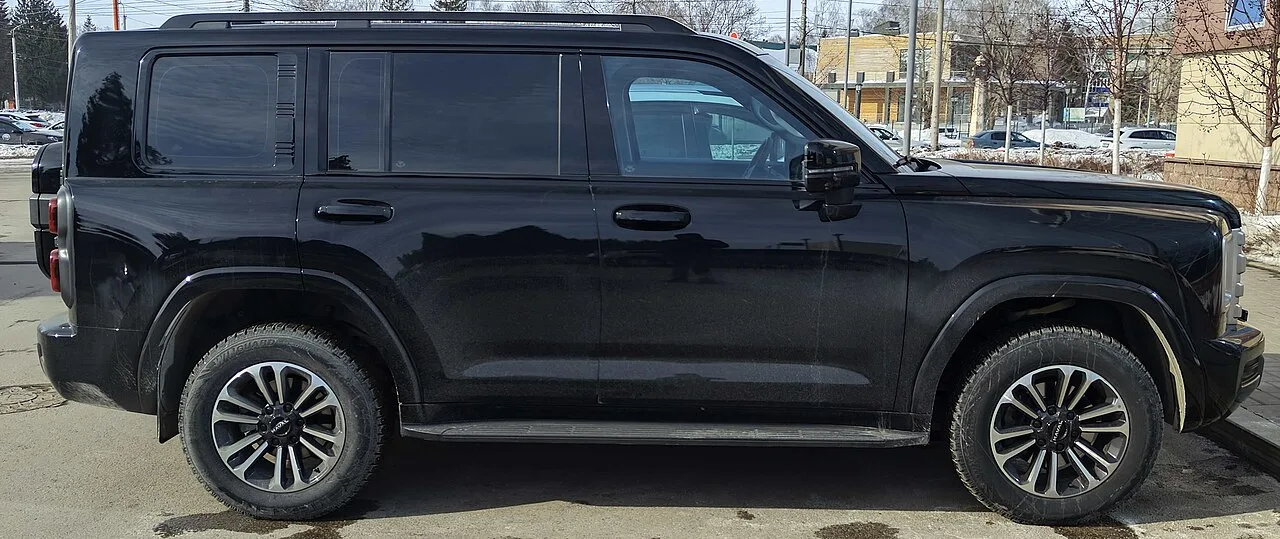
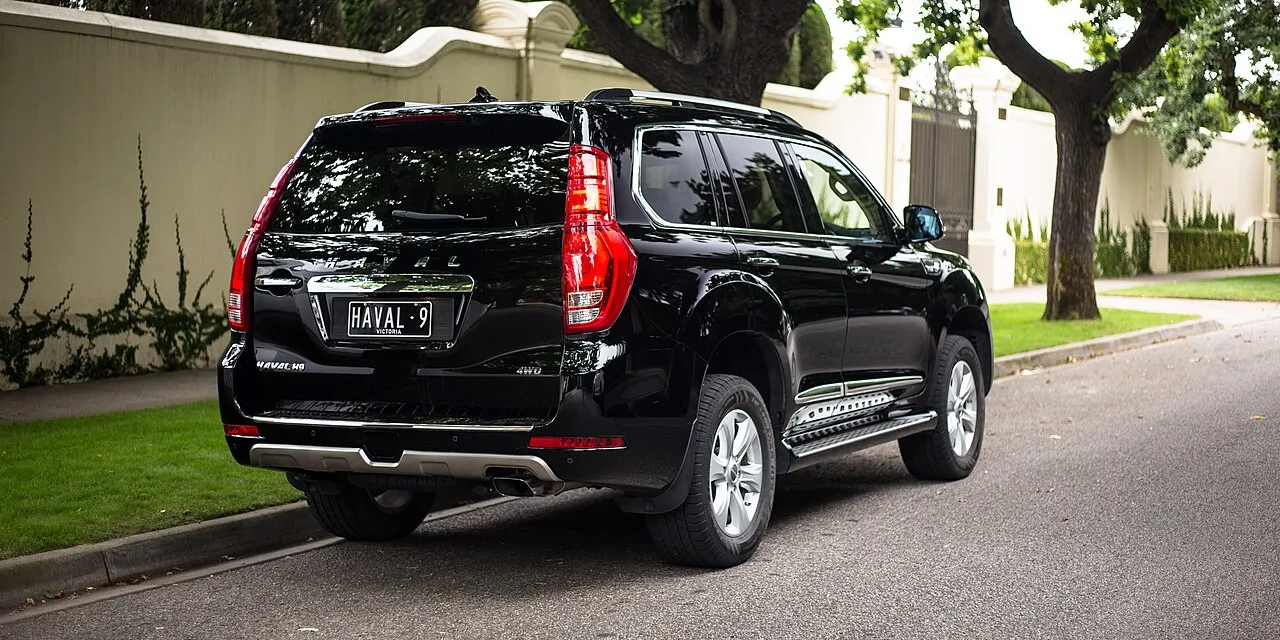
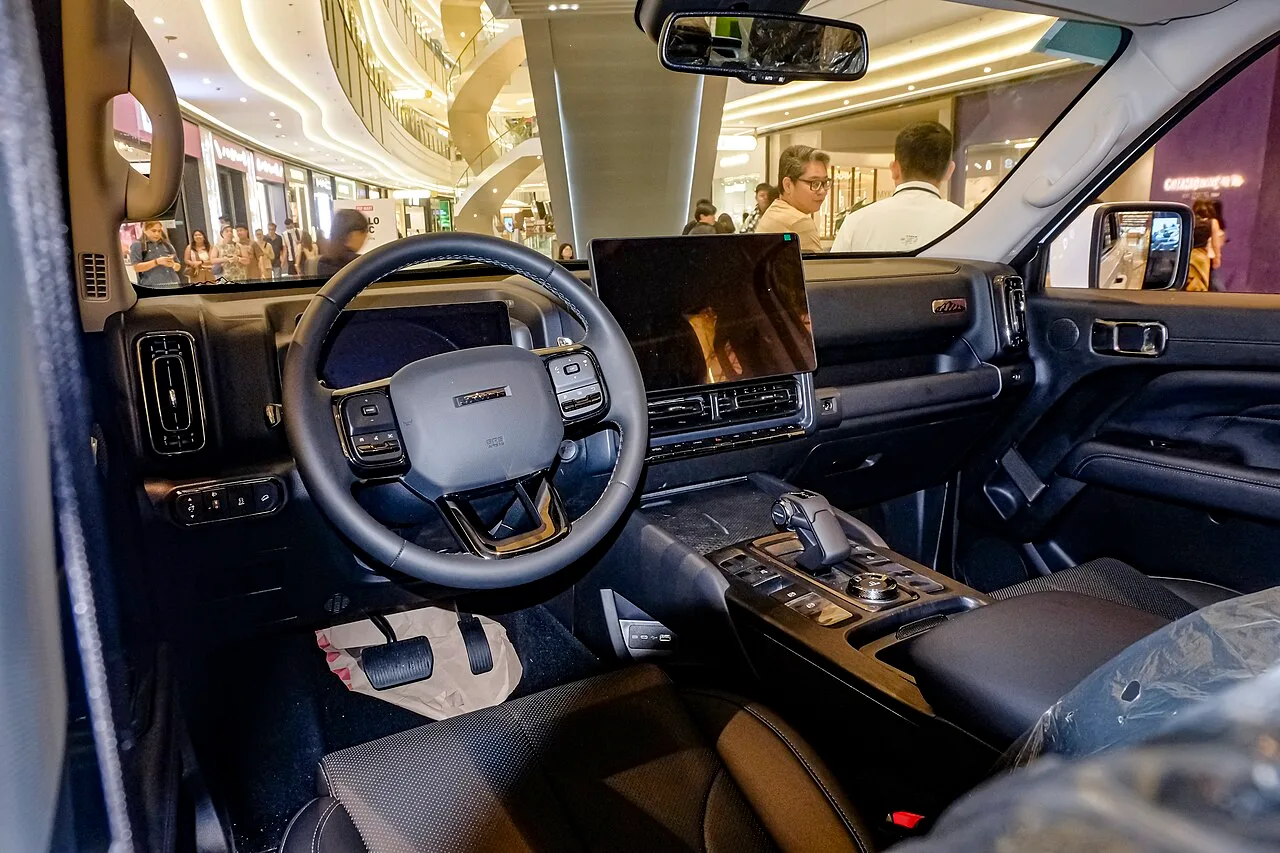
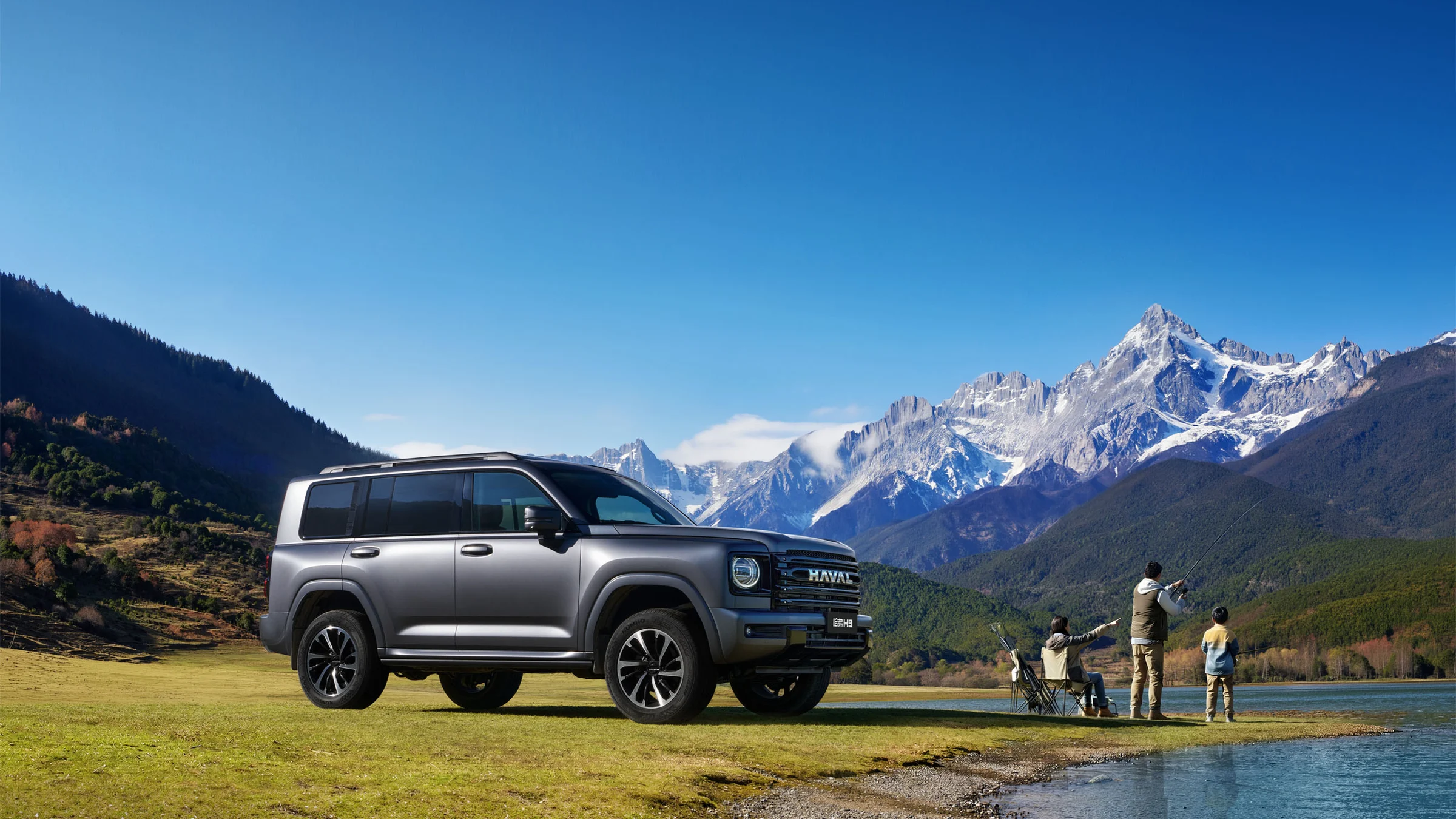
At launch this was the largest vehicle Great Wall Motors had ever built, aimed squarely at the Land Cruiser Prado and Pajero.
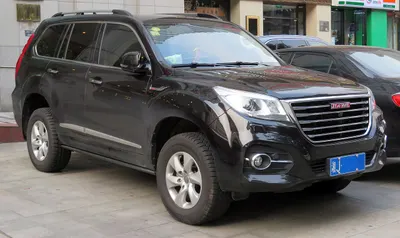
The H9's 2019 facelift quietly ended its rugged-SUV signature: the spare tire moved off the rear door and tucked underneath, trading looks for aerodynamics.
Rivals
Same body, same money, other badges — tap any card to flip.
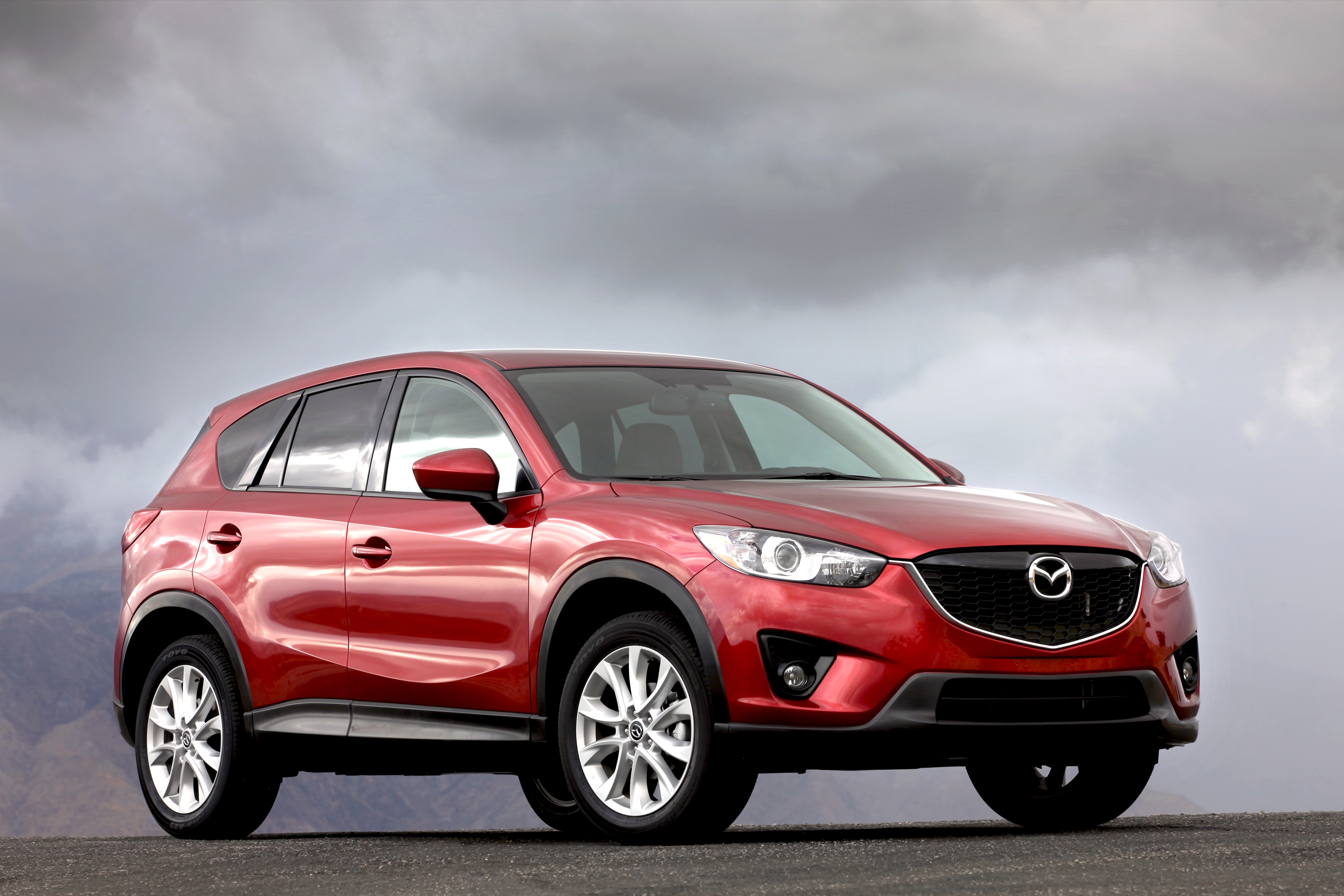
IIHS only crash-tests the driver's corner; tested on the passenger side instead, the CX-5 showed far worse intrusion.
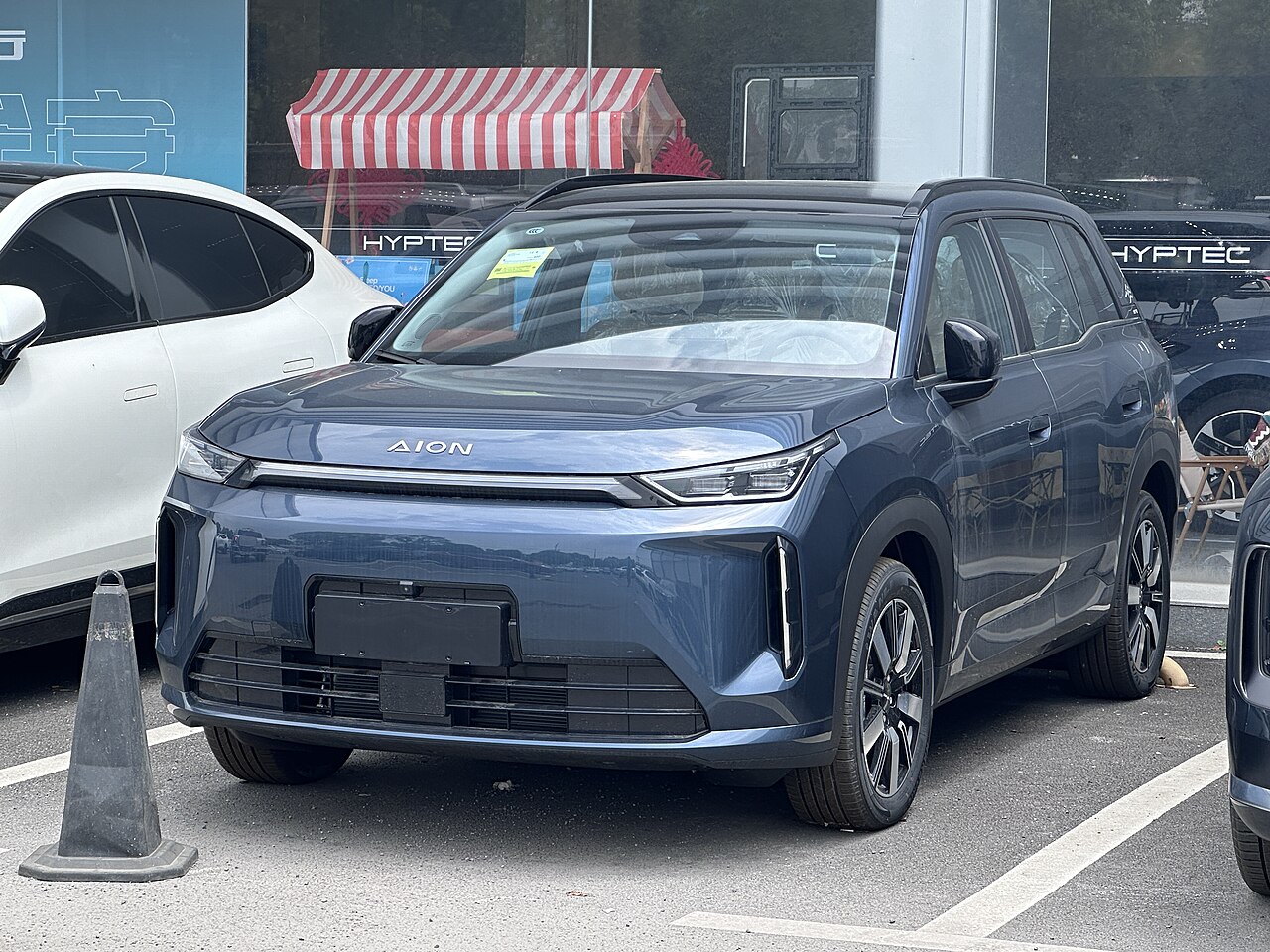
Despite launching from a standing start in late 2025, the i60 topped GAC Aion's own sales chart through January's seasonal slowdown.
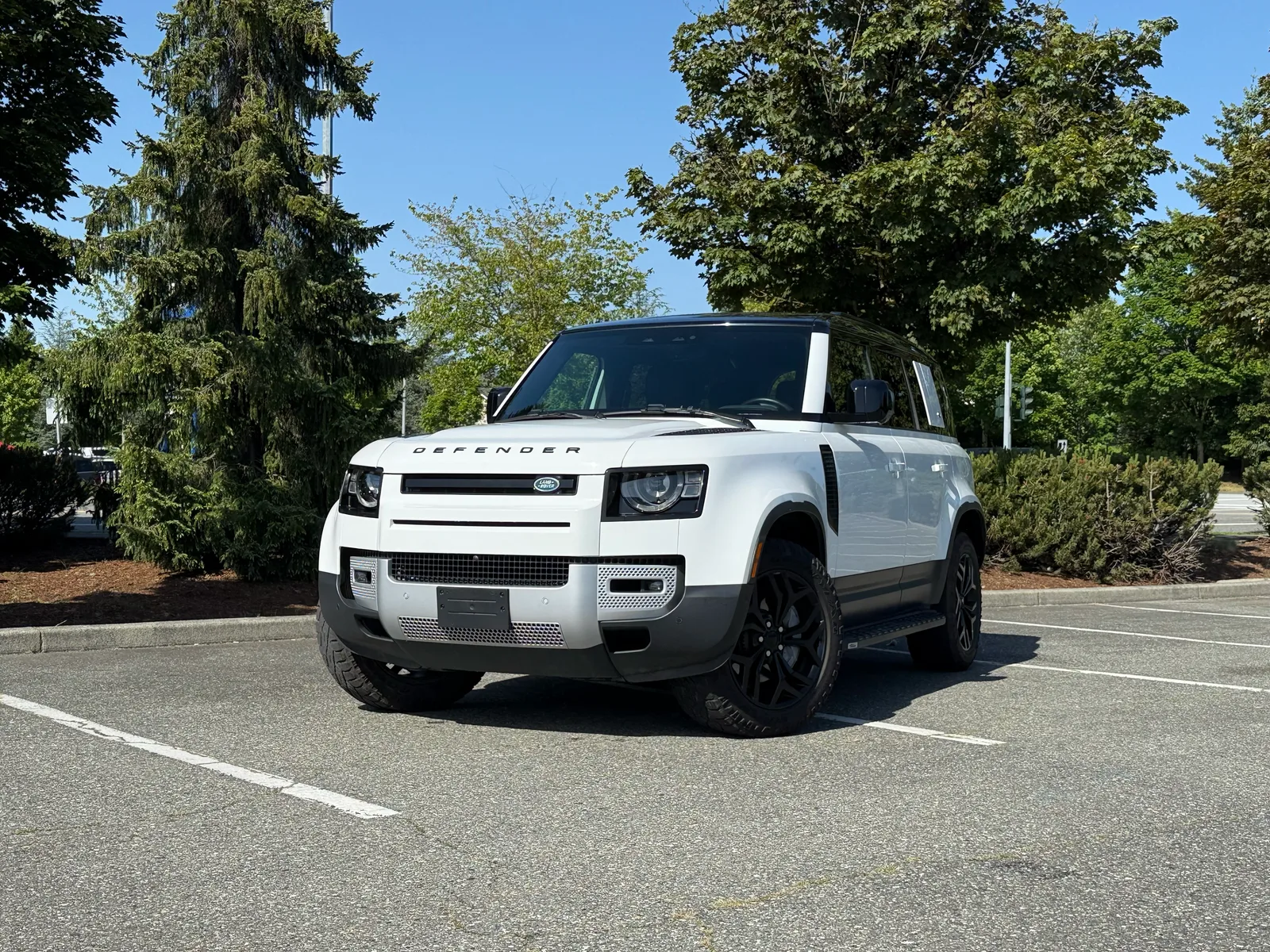
Every Defender before this one was body-on-frame — this generation broke decades of tradition with an aluminium unibody structure instead.
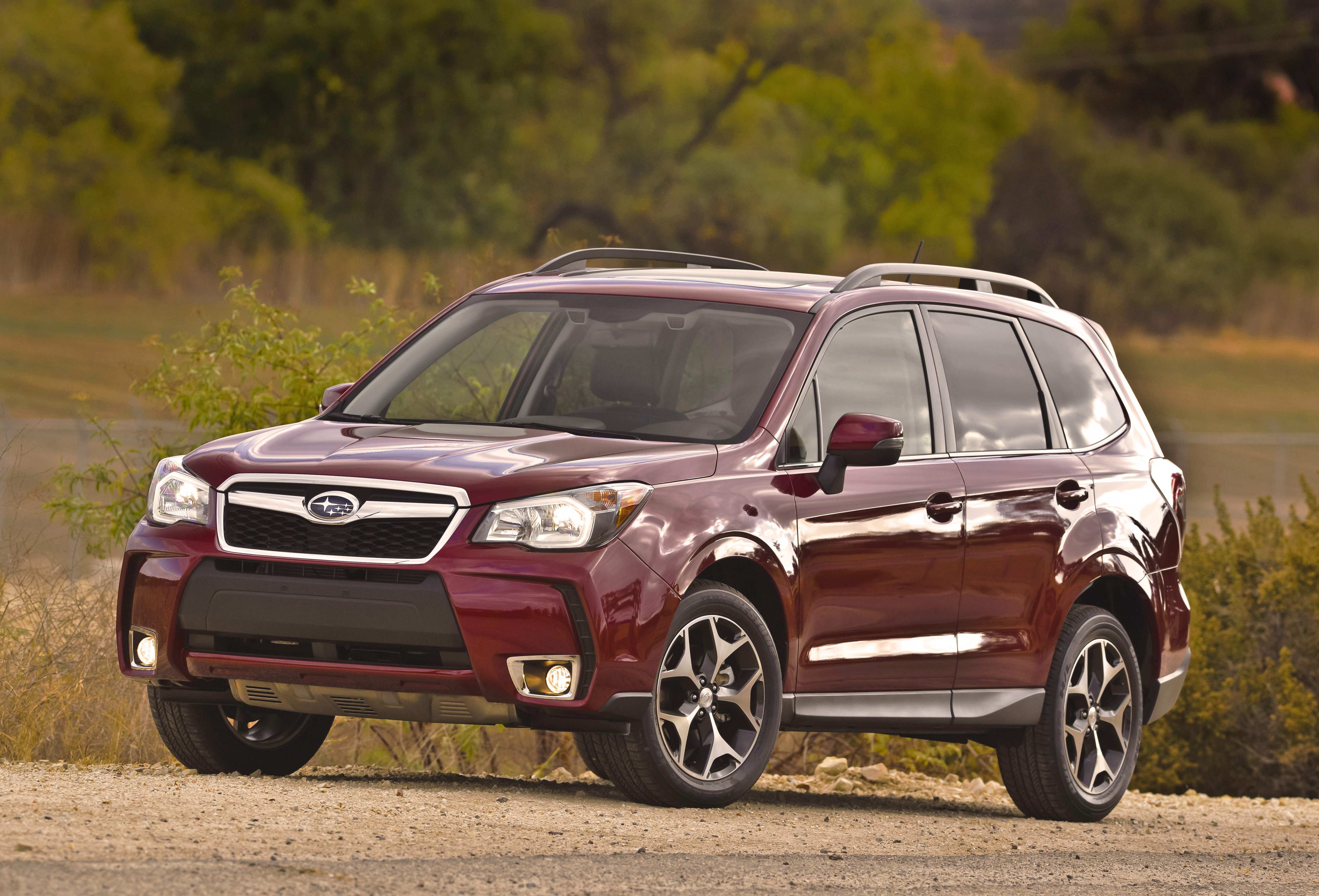
Crashed on the passenger side instead of the driver's, the 2014 Forester showed far more intrusion and would have rated Marginal with the IIHS.
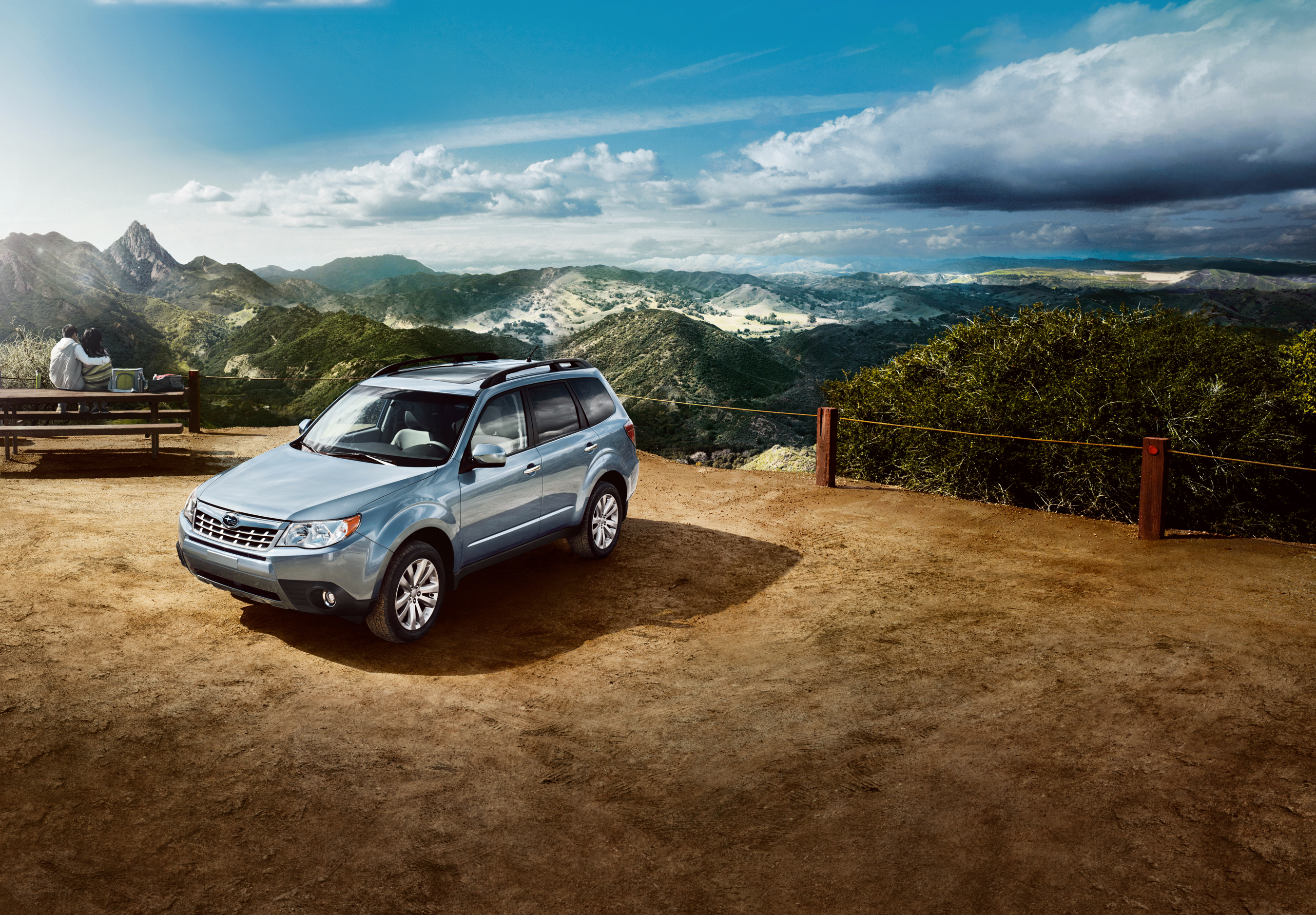
Subaru built a 2.5XT for the National Ski Patrol with a diamond-plate floor, a 9,500-pound winch and a toboggan on the roof.
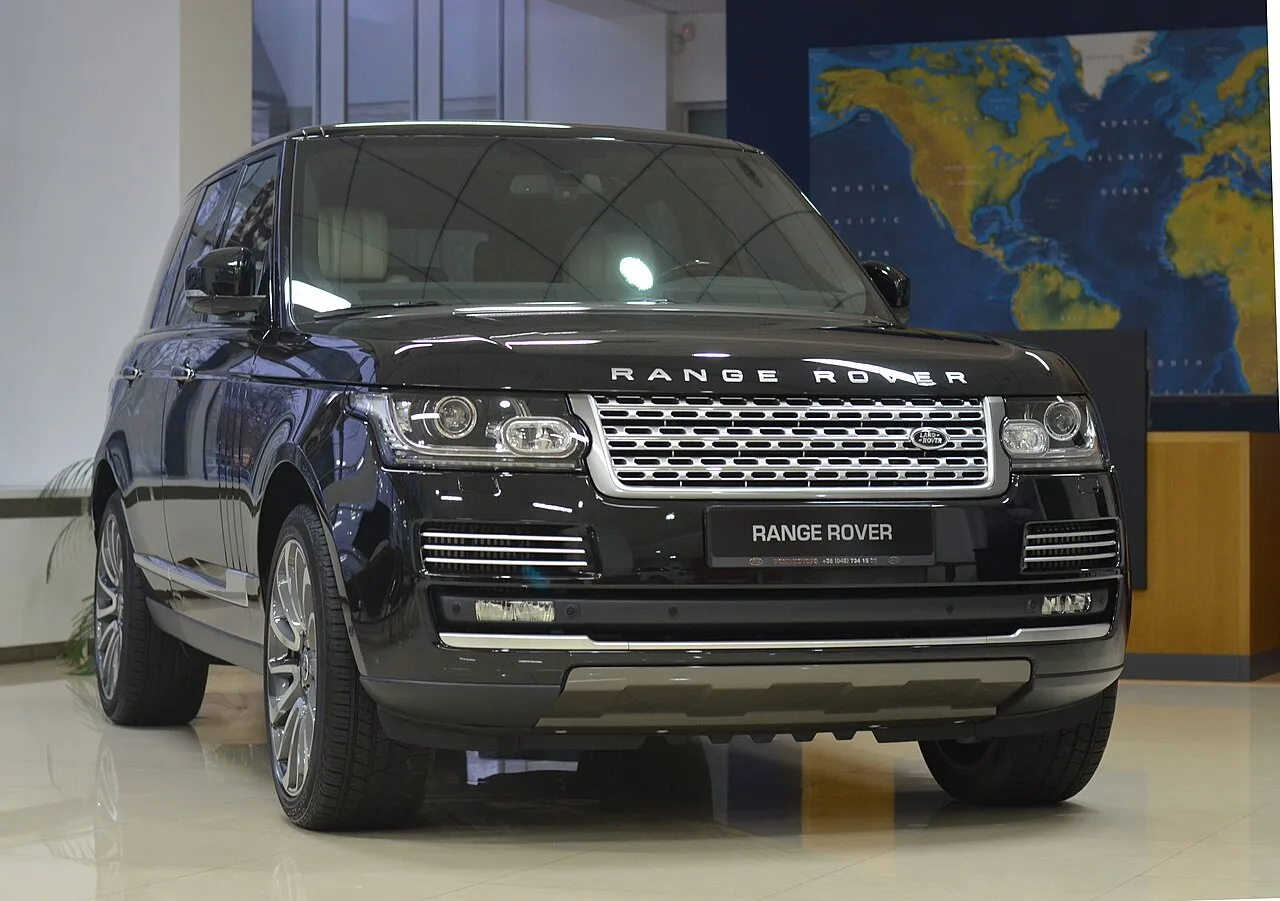
The L405 was the first Range Rover with a fully aluminum monocoque body, cutting up to 420 kg from the outgoing steel-bodied L322.
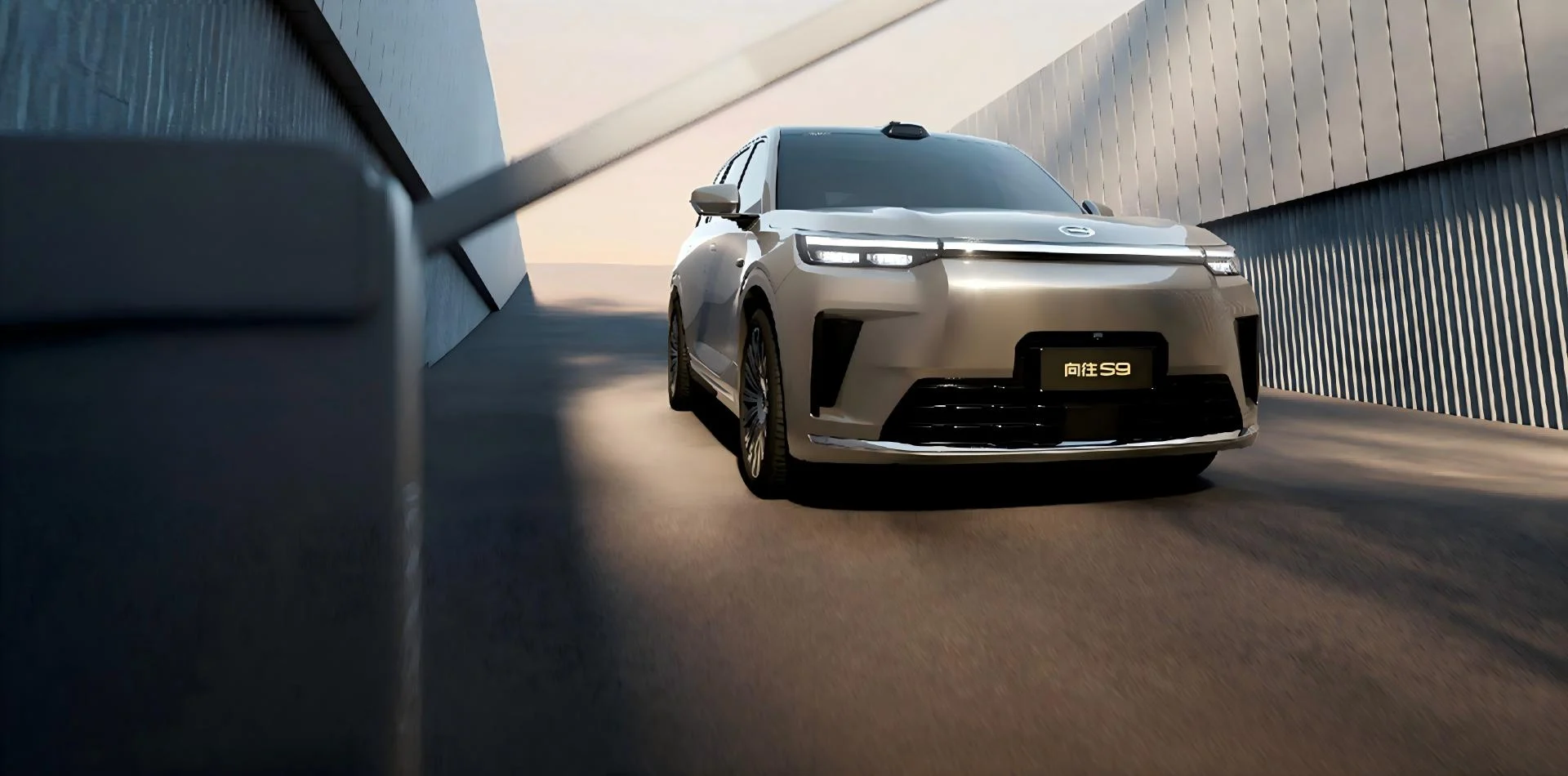
Rear passengers get a 17.3-inch screen that extends from the roof, and a lidar sensor sits in the front of the roof.
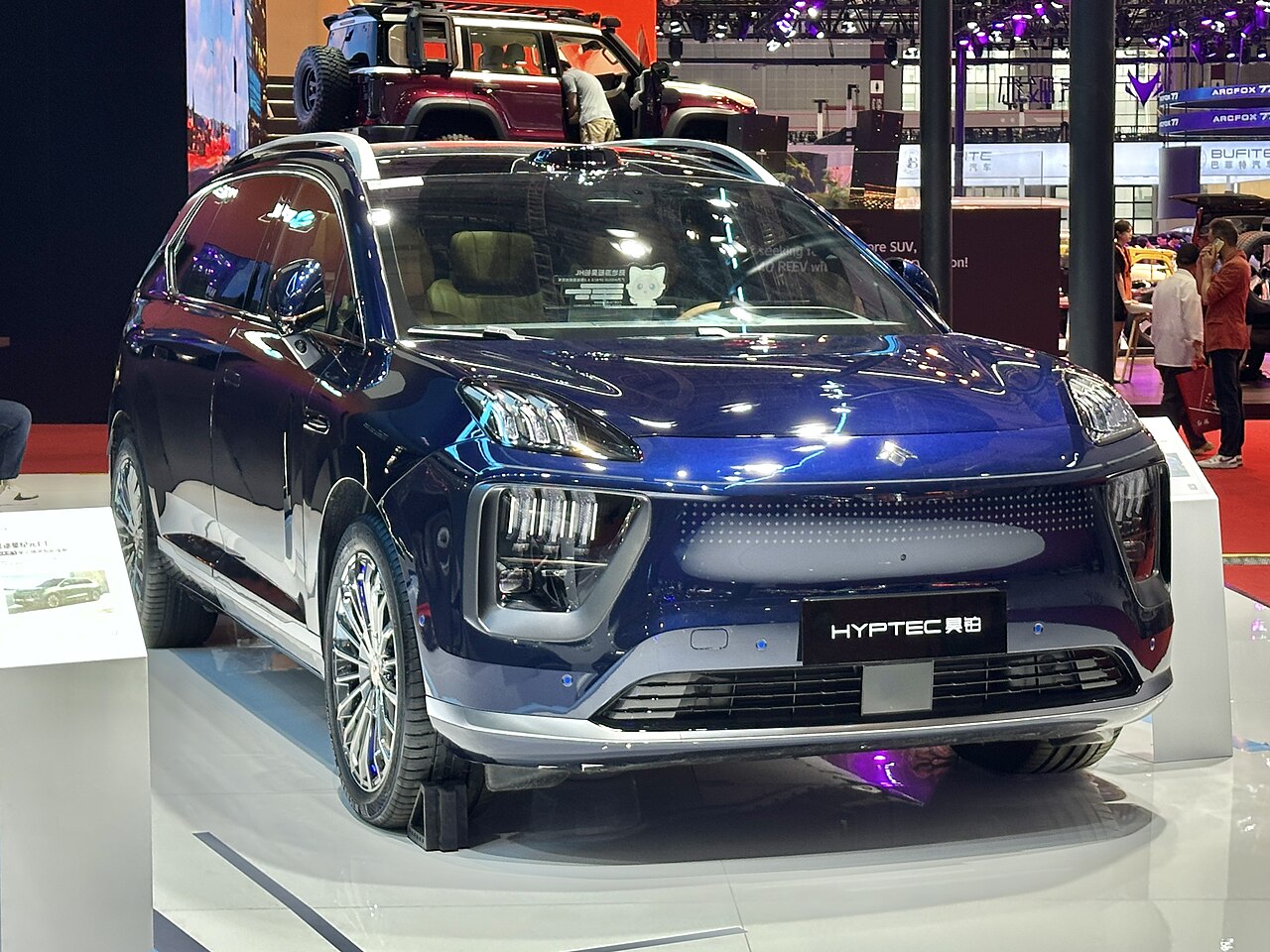
Its range-extender variant is rated for 1,200 km on a tank and charge, over three times the car's electric-only range.