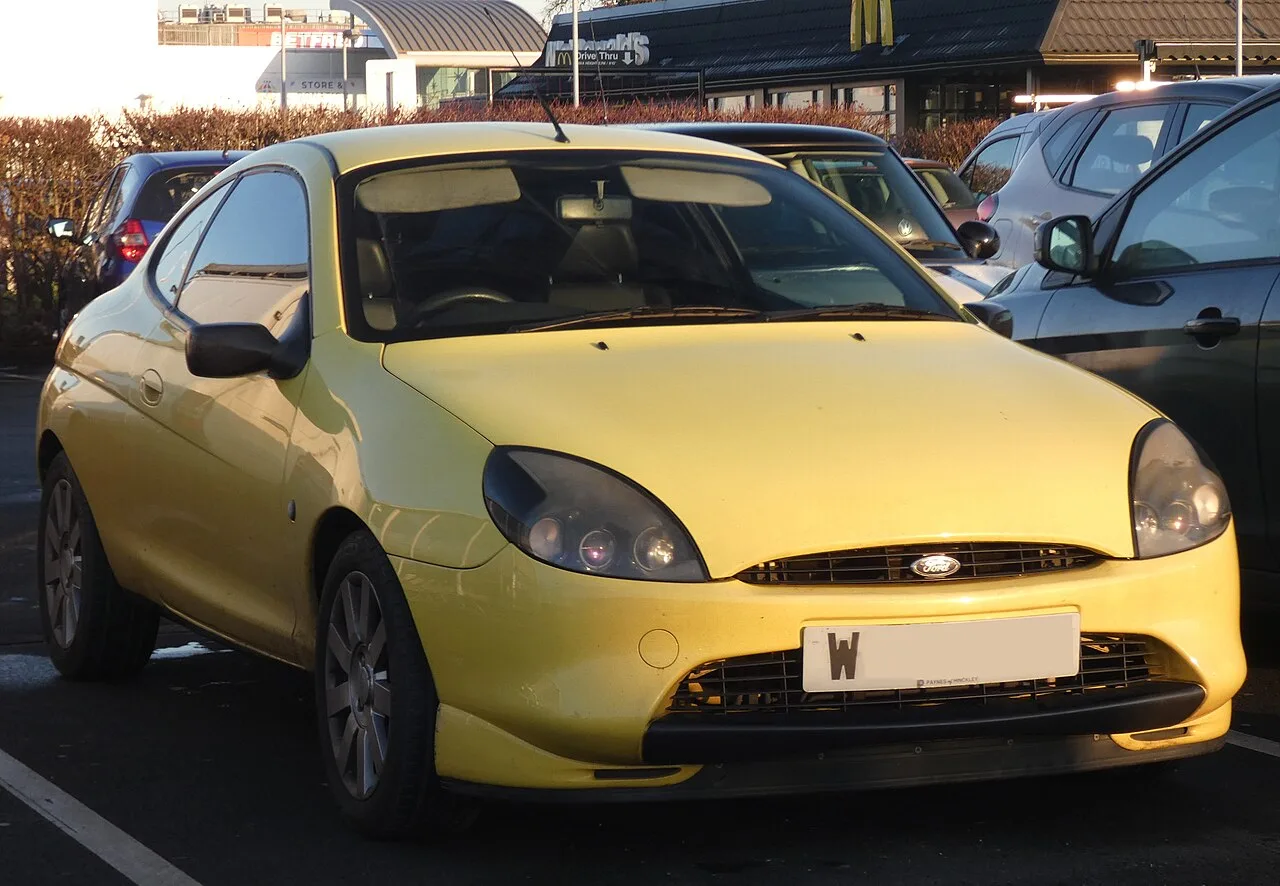
Only 500 Racing Pumas were built — each one got a one-off 1.7-litre engine tuned to 155 PS that Ford never put in any other car.
Lead trim: Ford Racing Puma 1.7 VCT Zetec-SE, Tickford-tuned (155 PS)
Ford PumaPUMA-FRP · 1999–2001
- 0spots by members
- Unclaimednobody has spotted one yet
- 0sets it belongs to
Nobody in Burbles has spotted a Ford Puma yet. See one on the street, point the app at it, and the first card is yours — with your @handle permanently credited on this page.
FactOnly 500 Racing Pumas were built — each one got a one-off 1.7-litre engine tuned to 155 PS that Ford never put in any other car.
The Ford Racing Puma was the name eventually given to the Puma ST160 Concept first shown at the 1999 Geneva Motor Show, intended to transfer know-how from Ford's Puma race and rally programmes to a road car; it was created by the Ford Rally specialist team at Boreham and all conversions were carried out by Tickford in Daventry, UK. The run was pencilled at 1,000 (500 for Germany, 500 for the UK) but only the 500 UK cars were produced and sold, fewer than half of them directly to customers at £23,000 when new against the Subaru Impreza at a maximum of £21,000, and some were offered to senior managers through the MRC scheme. The original remit was 180 bhp from a turbocharged 1.7-litre Zetec SE, but with spiralling costs the engineers kept a naturally aspirated engine: only camshafts, an air intake (engraved with the unique edition number), a Janspeed exhaust and revised engine management software added 30 hp, to 155 PS (114 kW / 153 hp) at 7,000 rpm and 119 lb·ft, reducing 0–62 mph to 7.8 seconds for a 126 mph (203 km/h) top speed. Ford partnered with Alcon Design for a 4-piston motorsport braking system with 295 mm (11.6 in) × 28 mm front discs (253 mm at the rear) against the standard car's 258 mm × 22 mm, good for 1.1 g+ of dry braking against 0.7 g; the bodywork gained wider, lightweight aluminium front and steel rear overhangs covering a substantially widened track (longer, unique drive shafts), a front splitter and wider bumper, on 17 × 7.5 in MiM Speedline alloys with 215/40 17 tyres (width up from 1,674 to 1,770 mm), with suspension developed at Boreham and fine-tuned by Stig Blomqvist from the shell originally designed as Ford's WRC entrant. The IB5 gearbox was strengthened with shot-peened shafts, only 75 cars left the factory with the optional limited-slip differential, the seats are Sparco bucket seats in blue Alcantara, and every car was painted metallic Imperial Blue. The lack of demand new has kept its value above the standard Puma.
Collectors Spotted in the Ford Puma Lineage
No member has published a public street spot of the Ford Puma yet — the First · Worldwide stamp is wide open.
Trims & Figures
One published trim in the catalogue. A blank is a figure not recorded, not zero.
| Trim | Years | Engine | Power | Torque | 0–60 | Drive | Gearbox | MSRP |
|---|---|---|---|---|---|---|---|---|
| Ford Racing Puma 1.7 VCT Zetec-SE, Tickford-tuned (155 PS) | 1999–2001 | 1.7 L Inline-4 | 153 hp | 119 lb-ft | — | FWD | — | — |
Owning one
We don’t estimate running costs for a car like this. What it costs depends on its condition, its specialist and how it is driven, and an average would mislead.
Owners’ builds
Nobody has claimed one yet.
Photographs
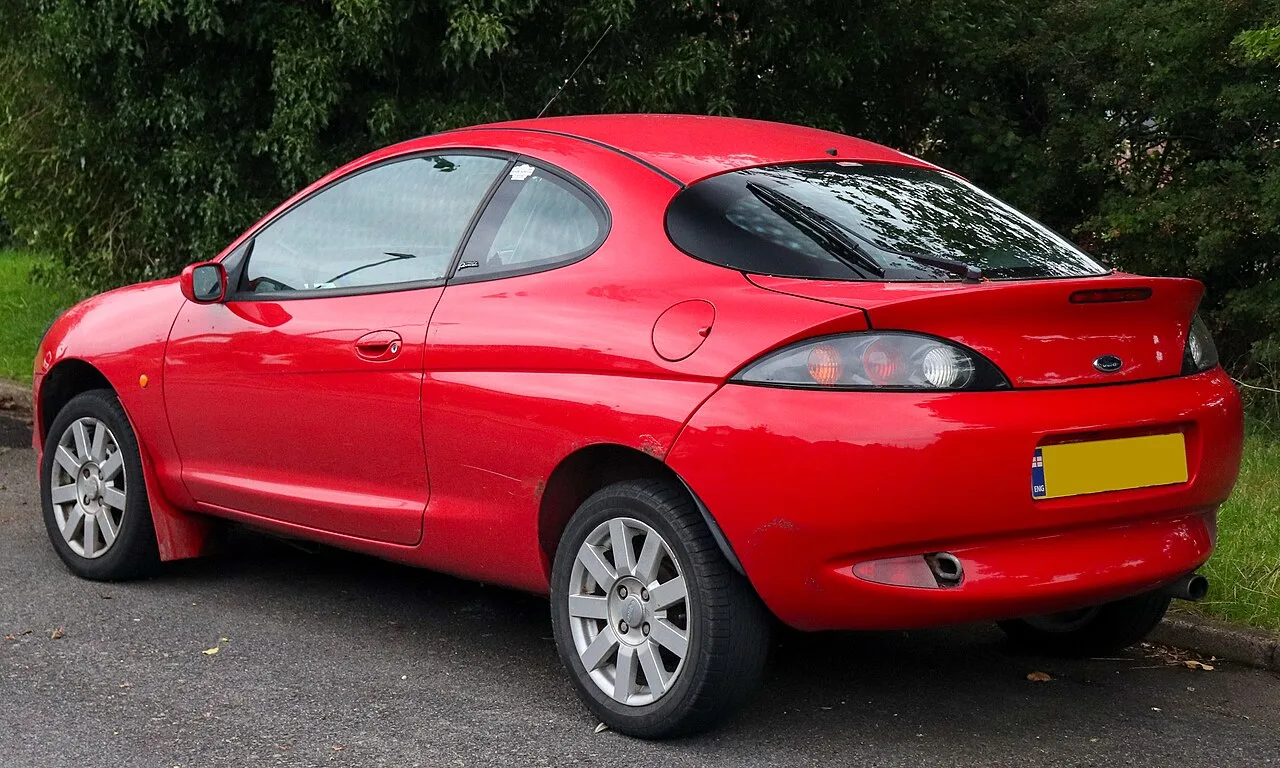
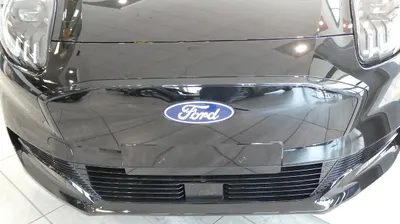
The electric Puma Gen-E hides a deep underfloor "GigaBox" in its boot that pushes cargo space to 574 litres — more than many cars a class up.
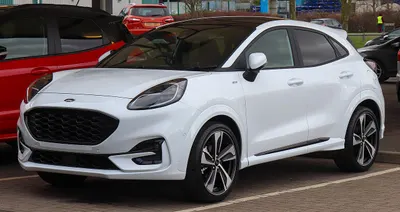
The Puma’s boot hides a party trick: a deep, drainable storage well nicknamed the "Megabox," designed to be hosed out after hauling muddy boots or wet gear.
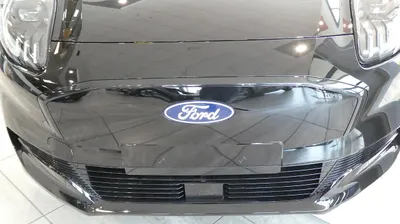
This Puma wasn't just another crossover — within five years of launch it became the UK's single best-selling car, three years running.
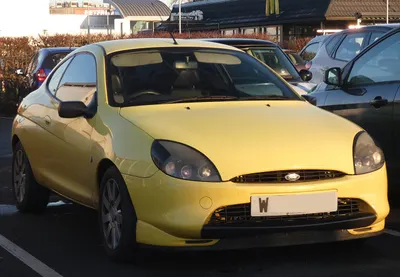
Only 500 Racing Pumas were built — each one got a one-off 1.7-litre engine tuned to 155 PS that Ford never put in any other car.
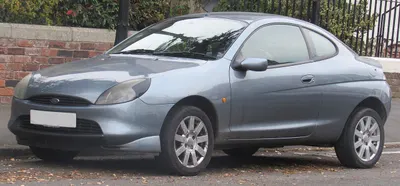
Ford's pan-European Puma launch ads digitally inserted the late Steve McQueen into Bullitt footage, driving a brand-new Puma through the streets of San Francisco.
Rivals
Same body, same money, other badges — tap any card to flip.
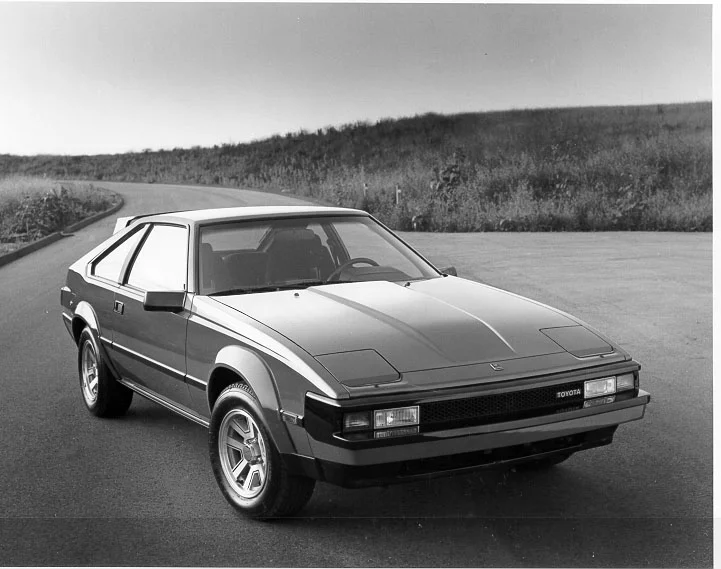
The Celica XX, Japan's name for the A60 Supra, introduced the world's first in-car navigation computer.
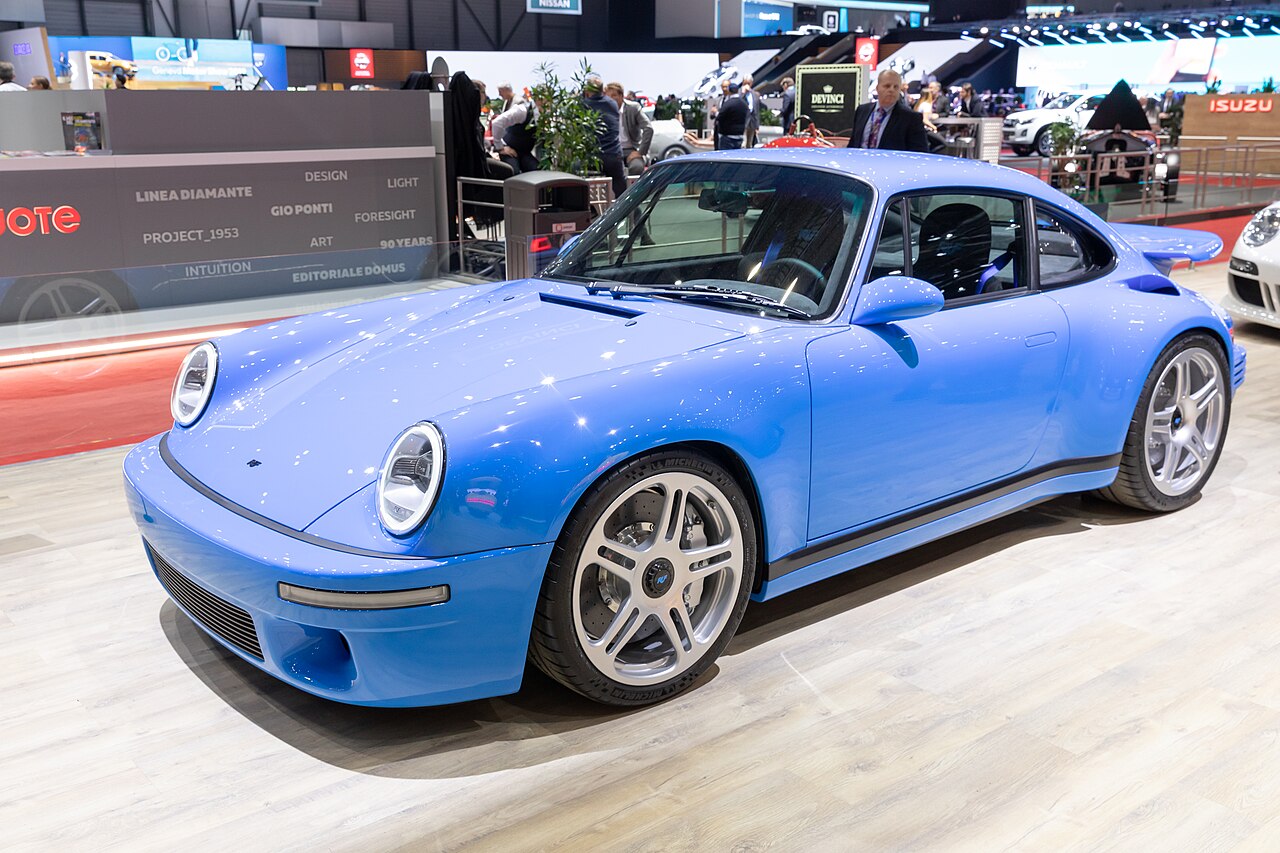
The CTR Anniversary looks like a 911 but Ruf built its carbon monocoque from scratch, no Porsche body underneath.
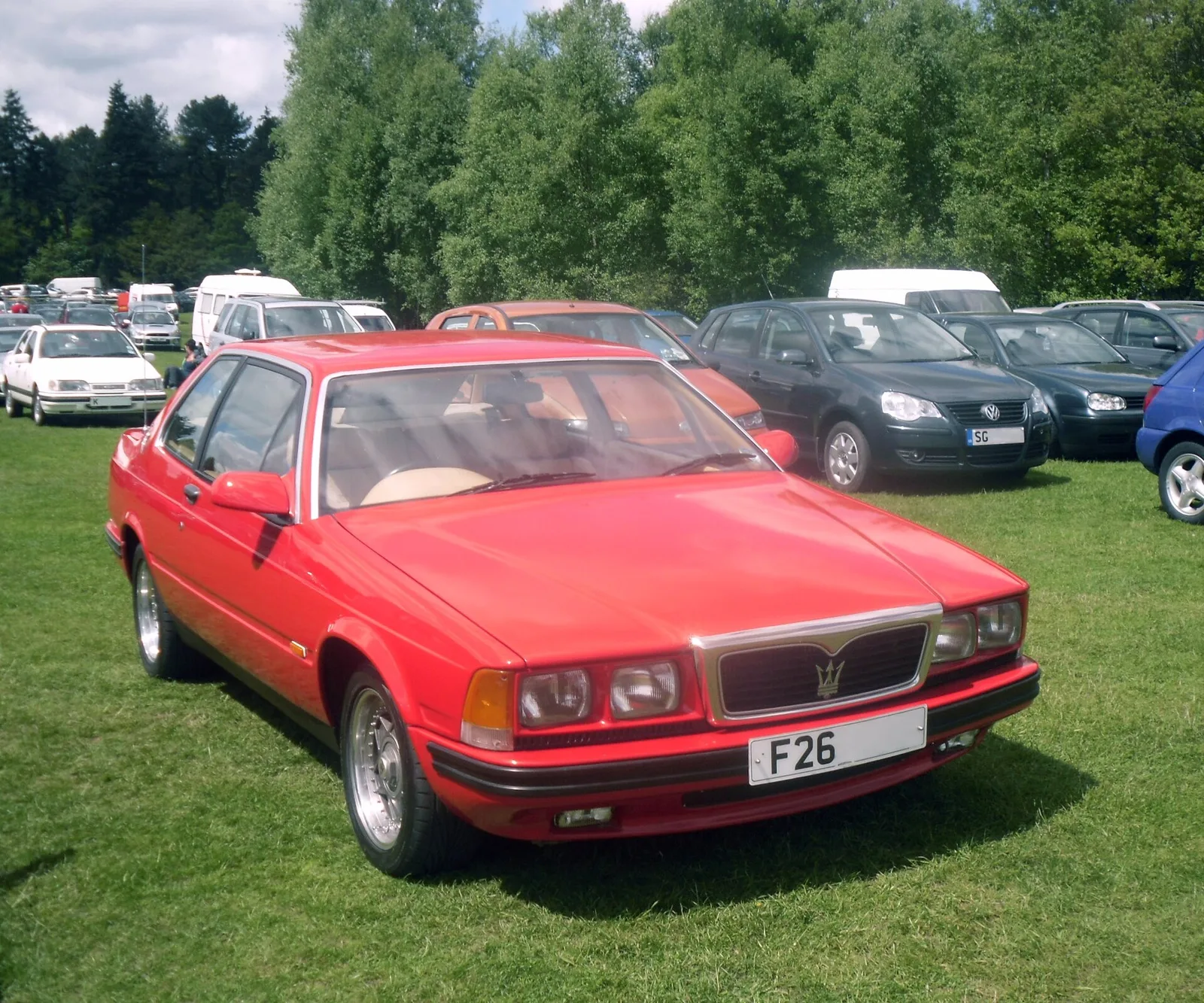
The 228's coupe styling hides a sedan underneath: Maserati stretched it onto the longer four-door Biturbo chassis to make room for its biggest V6, which is literally where the name comes from — 2-door, 2.8 litre.
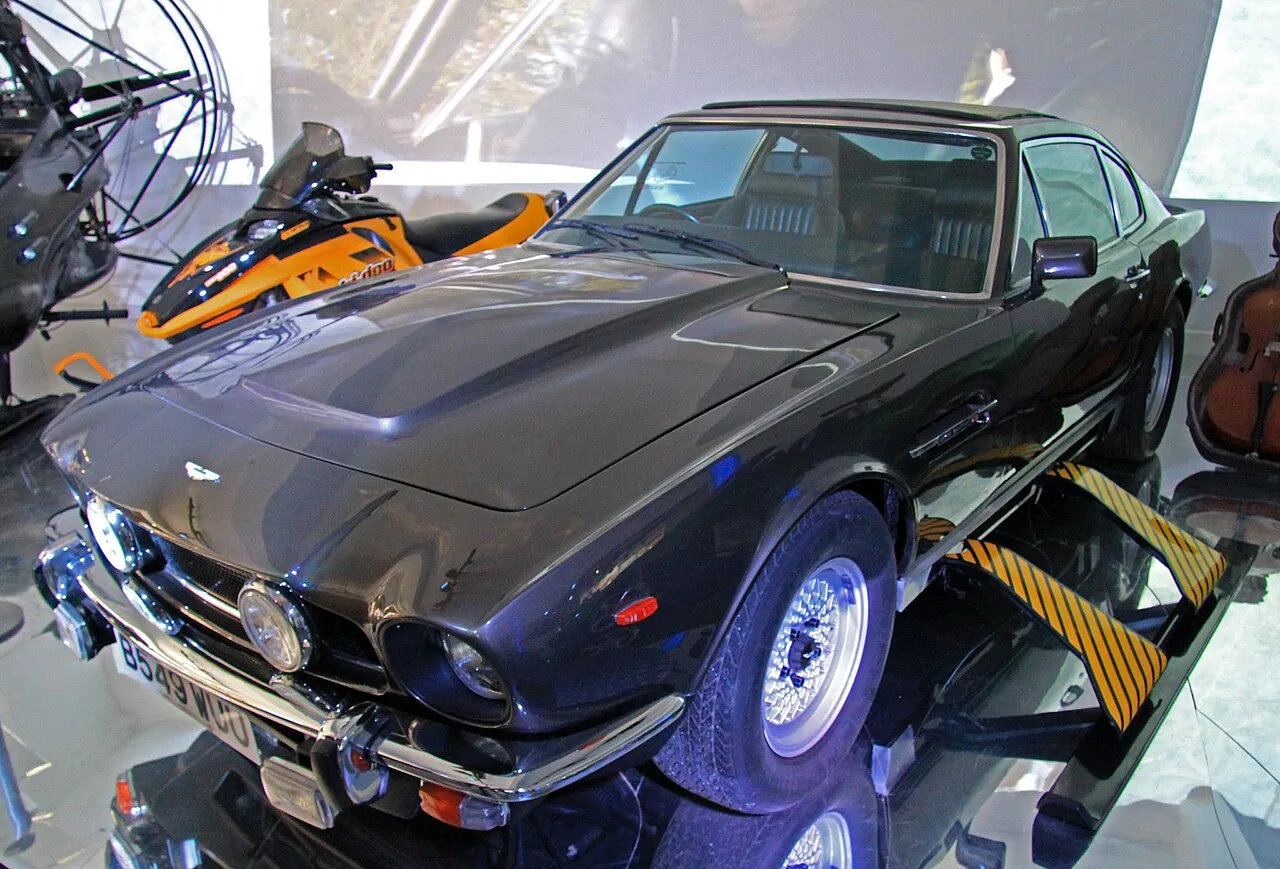
Switching to fuel injection let this V8 finally shed its trademark bonnet bulge — and only 405 of these flat-hooded Series 5 cars were built before the whole model retired in 1989.
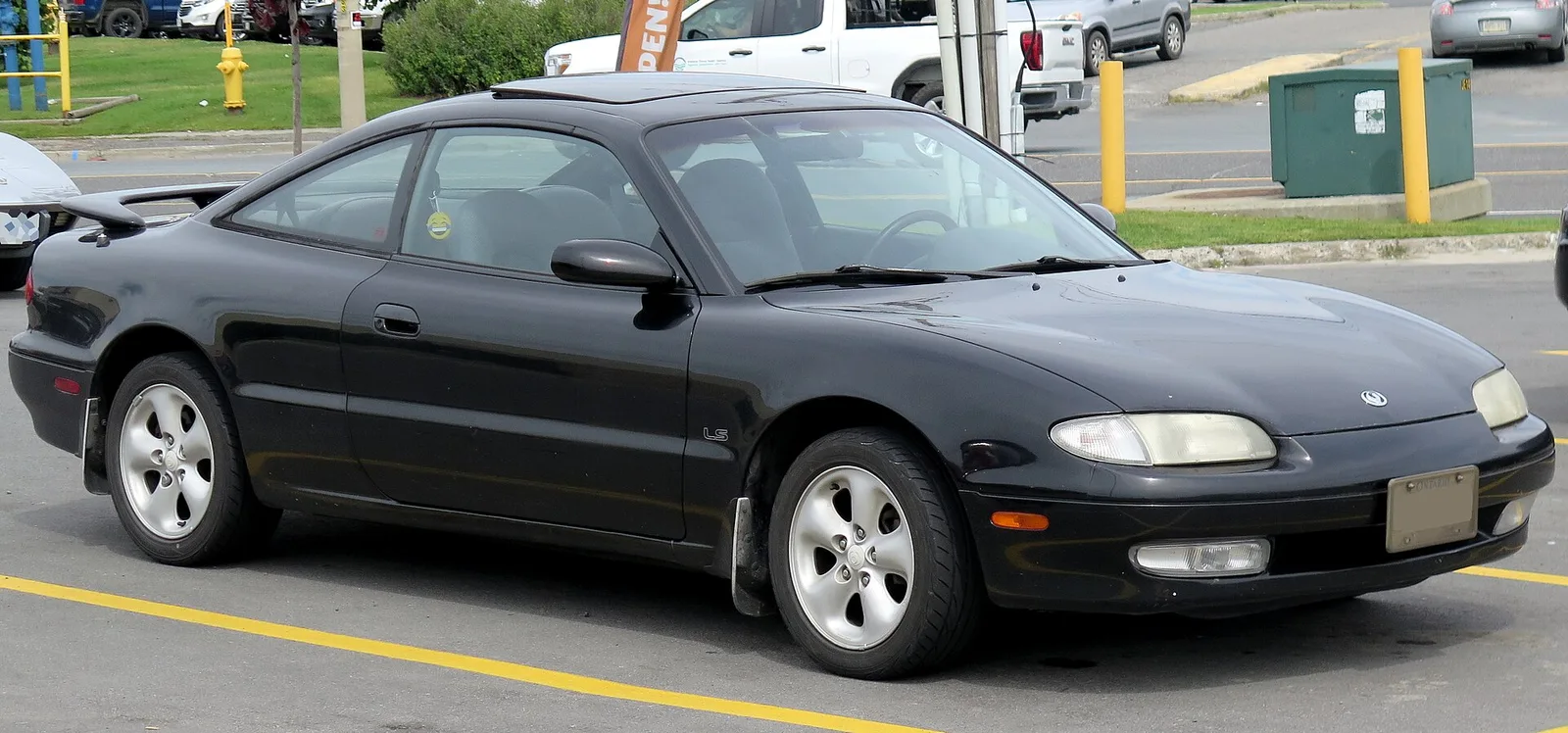
Japanese buyers got a secret weapon in their MX-6 — the JDM-only KL-ZE V6 made about 40 more horsepower than the engine sold in the exact same car in North America.
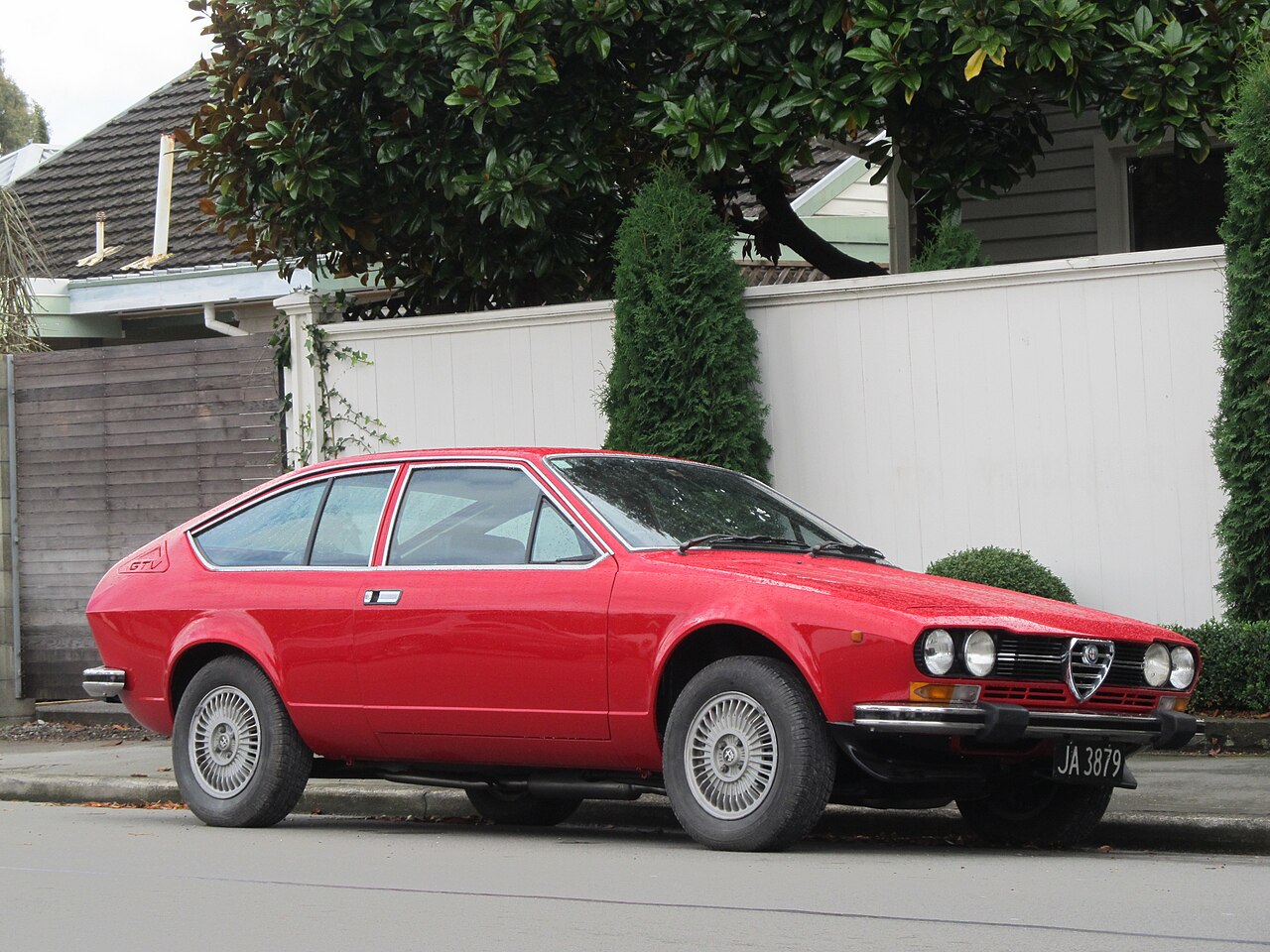
An American tuner, Callaway Cars, built twin-turbo conversions of the GTV6 that boosted its V6 by fifty percent to 230 hp — turning Alfa's grand tourer into something far quicker than the factory ever intended.
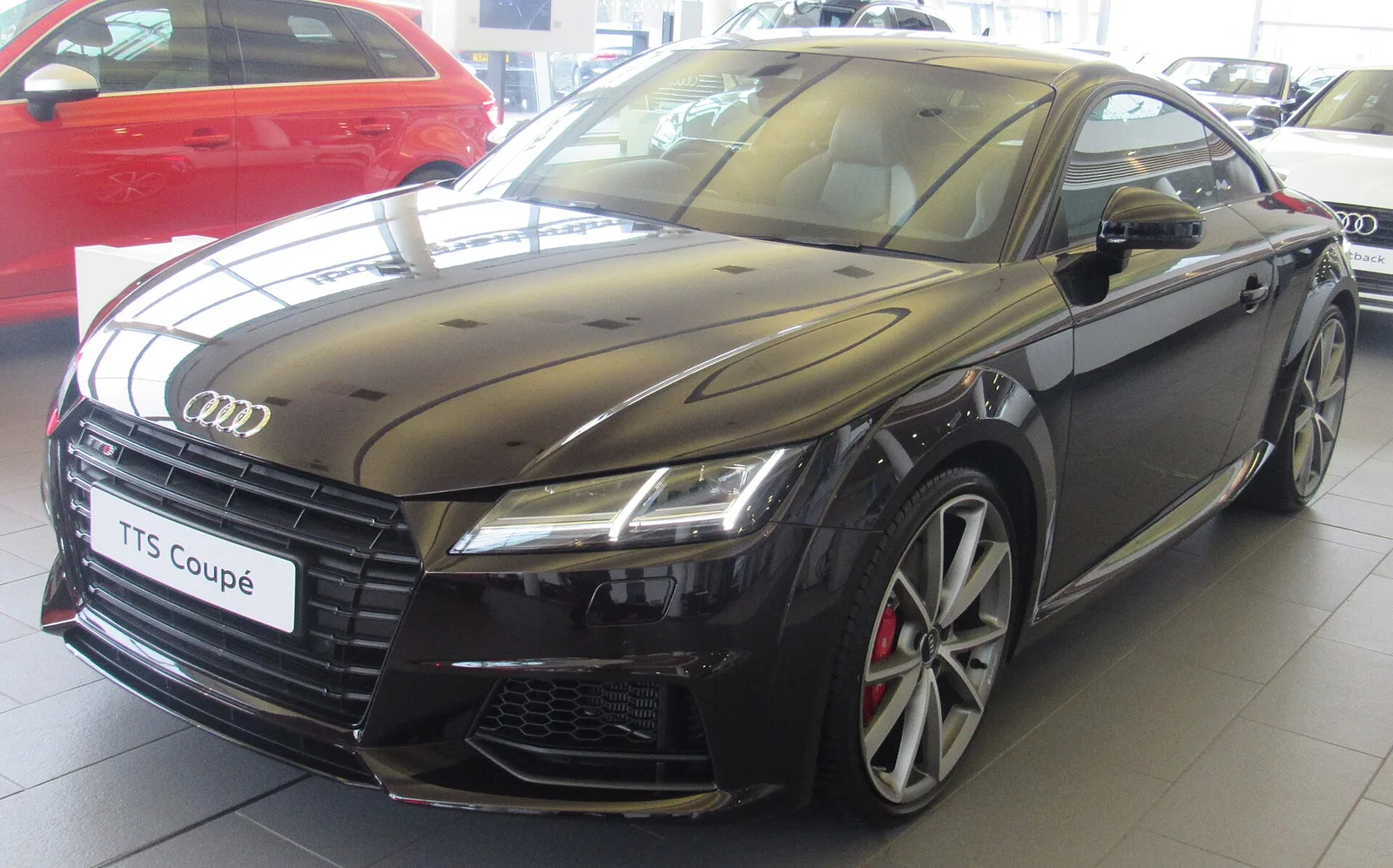
Audi TTS Coupe · TTS Coupe (2016–2023) · 2016–2023.
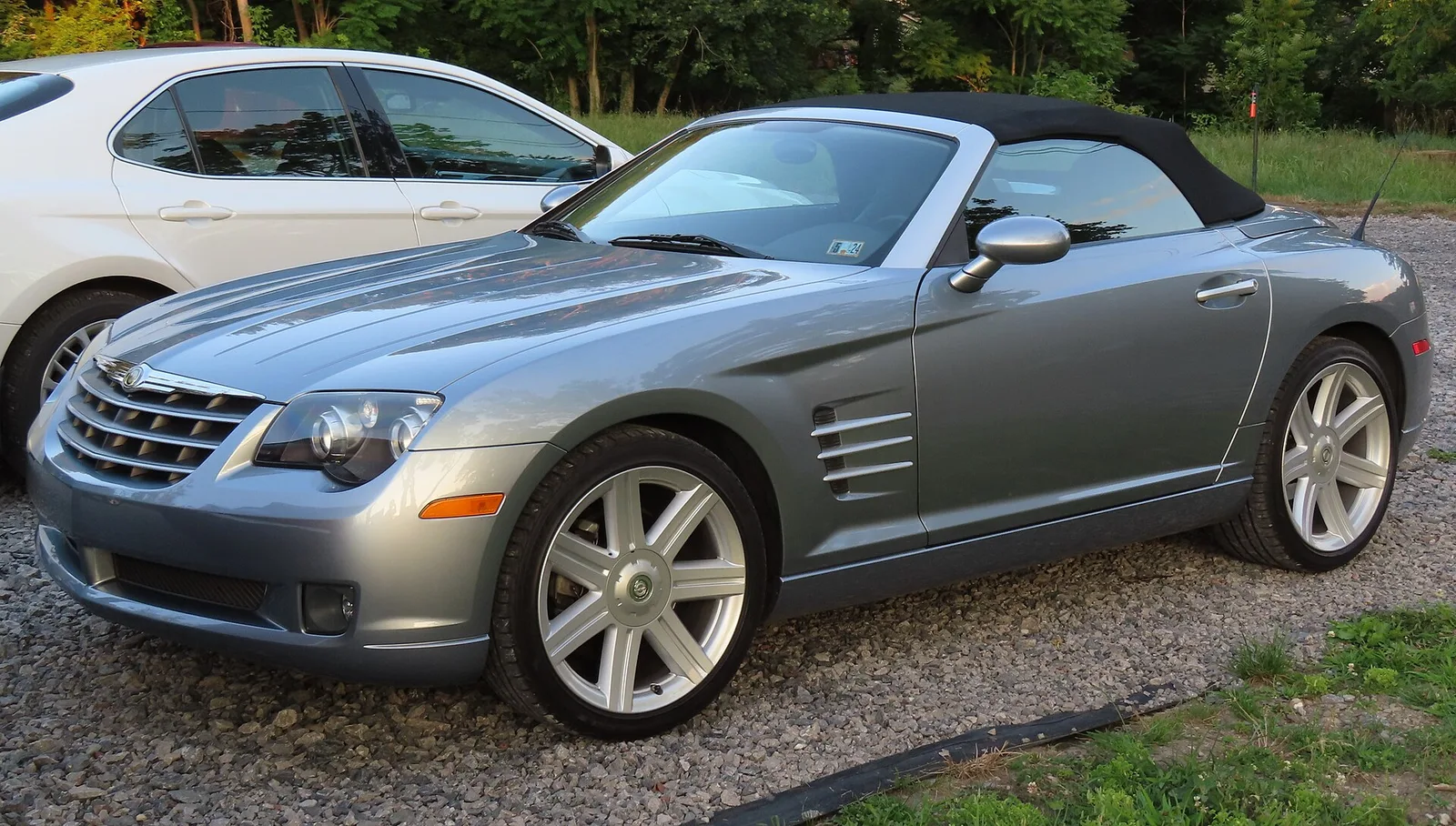
A product of the DaimlerChrysler merger, the Crossfire shares 80% of its parts with the Mercedes-Benz SLK — German bones under American badges.