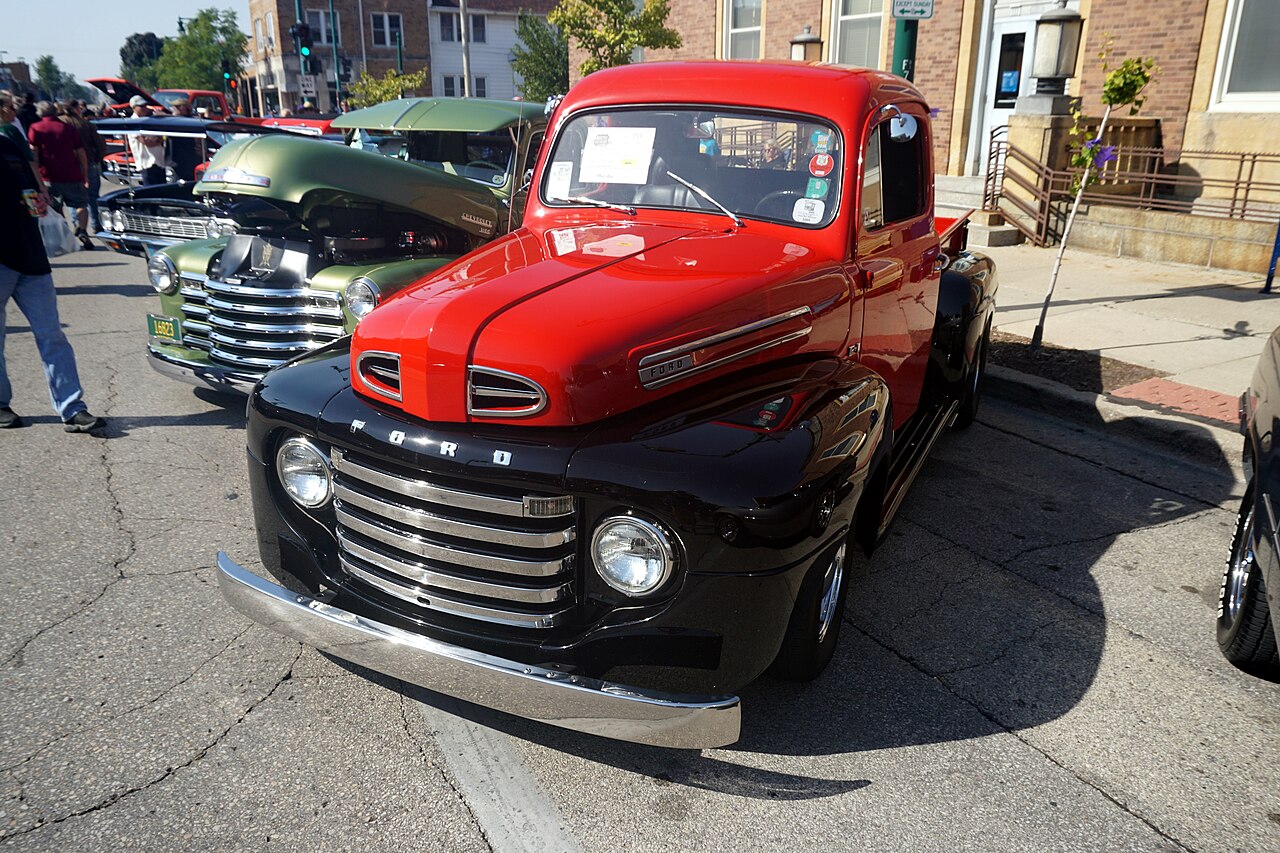
Ford's original 1948 F-Series, the "Bonus-Built" trucks, weren't just pickups — the line spanned eight weight ratings and body styles that included panel trucks, parcel vans, cab-overs and even school-bus chassis.
Lead trim: 226 Flathead six (95 hp) · up to 145 hp
Ford F-Series (F-1 / F-100)1948–1952
- 0spots by members
- Unclaimednobody has spotted one yet
- 0sets it belongs to
Nobody in Burbles has spotted a Ford F-Series (F-1 / F-100) yet. See one on the street, point the app at it, and the first card is yours — with your @handle permanently credited on this page.
FactFord's original 1948 F-Series, the "Bonus-Built" trucks, weren't just pickups — the line spanned eight weight ratings and body styles that included panel trucks, parcel vans, cab-overs and even school-bus chassis.
The Ford Bonus-Built trucks (F-1 to F-8), produced from 27 November 1947 for the 1948–52 model years at 16 North American plants and also sold in Canada by Lincoln-Mercury as the Mercury M-Series. The introduction of the F-Series marked the divergence of Ford car and truck design, with a chassis intended specifically for trucks, plus panel vans and bare/cowled chassis, and Ford's entry into the medium- and heavy-duty segment. This generation of F-Series pickups is the only one to use entirely flathead engines (inline-six and V8s), although 1952 also brought a Ford inline-six and the Lincoln Y-block V8s on the heavier F-7 and F-8. Rear- or four-wheel drive with three-, four- or five-speed manuals only.
Collectors Spotted in the Ford F-Series (F-1 / F-100) Lineage
No member has published a public street spot of the Ford F-Series (F-1 / F-100) yet — the First · Worldwide stamp is wide open.
Trims & Figures
5 published trims in the catalogue. A blank is a figure not recorded, not zero.
| Trim | Years | Engine | Power | Torque | 0–60 | Drive | Gearbox | MSRP |
|---|---|---|---|---|---|---|---|---|
| 215 inline-six (101 hp, 1952–53) | 1952–1952 | 3.5 L Inline-6 | 101 hp | 145 lb-ft | — | — | manual | — |
| 226 Flathead six (95 hp) | 1948–1951 | 3.7 L Inline-6 | 95 hp | 180 lb-ft | — | — | manual | — |
| 239 Flathead V8 (100 hp) | 1948–1952 | 3.9 L V8 | 100 hp | 170 lb-ft | — | — | manual | — |
| 254 Flathead six (110 hp, F-6) | 1948–1951 | 4.2 L Inline-6 | 110 hp | 212 lb-ft | — | — | manual | — |
| 337 Flathead V8 (145 hp, F-7 / F-8) | 1948–1951 | 5.5 L V8 | 145 hp | 265 lb-ft | — | — | manual | — |
Owning one
We don’t estimate running costs for a car like this. What it costs depends on its condition, its specialist and how it is driven, and an average would mislead.
Owners’ builds
Nobody has claimed one yet.
Photographs
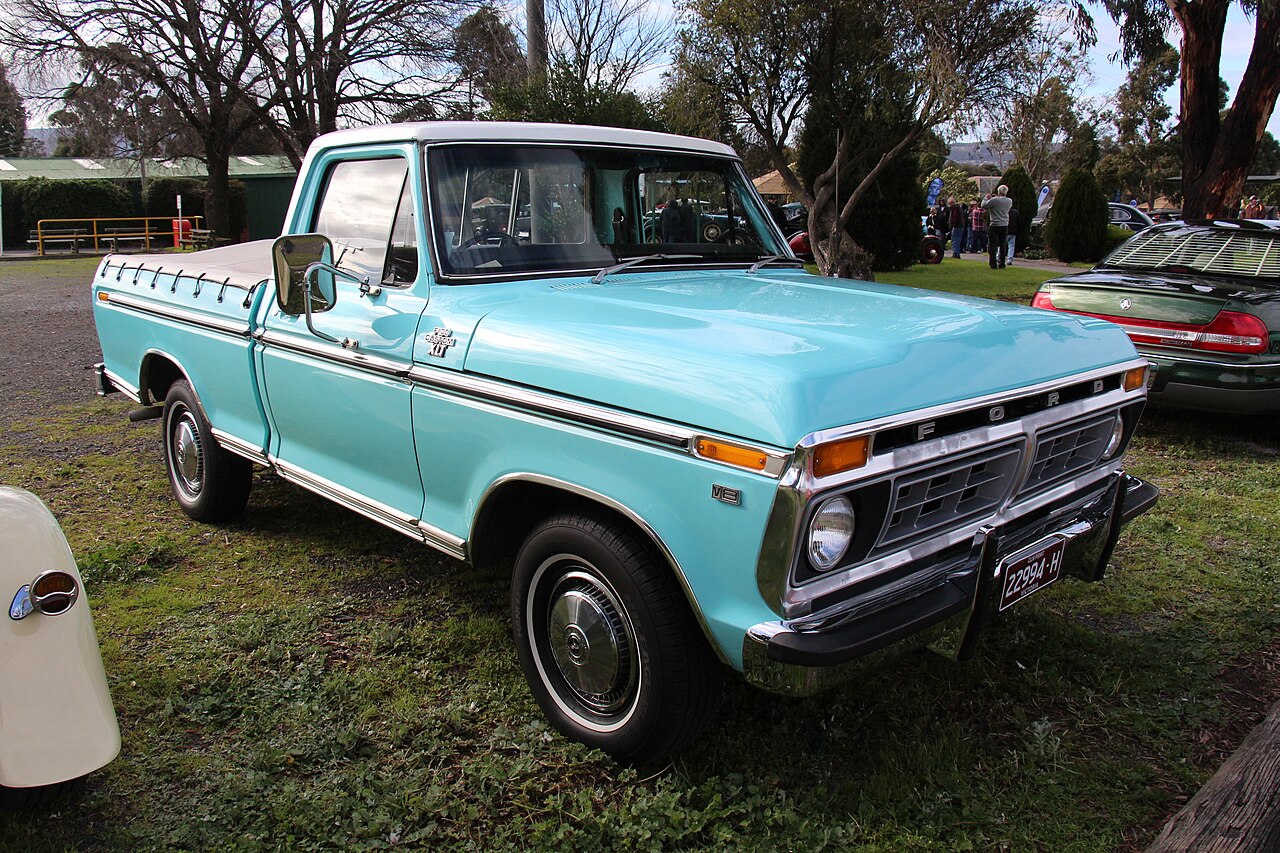
The lifted "highboy" 4x4 F-250 from this generation directly inspired Bigfoot, built from a 1974 F-250 — the truck that kicked off the entire monster truck phenomenon.
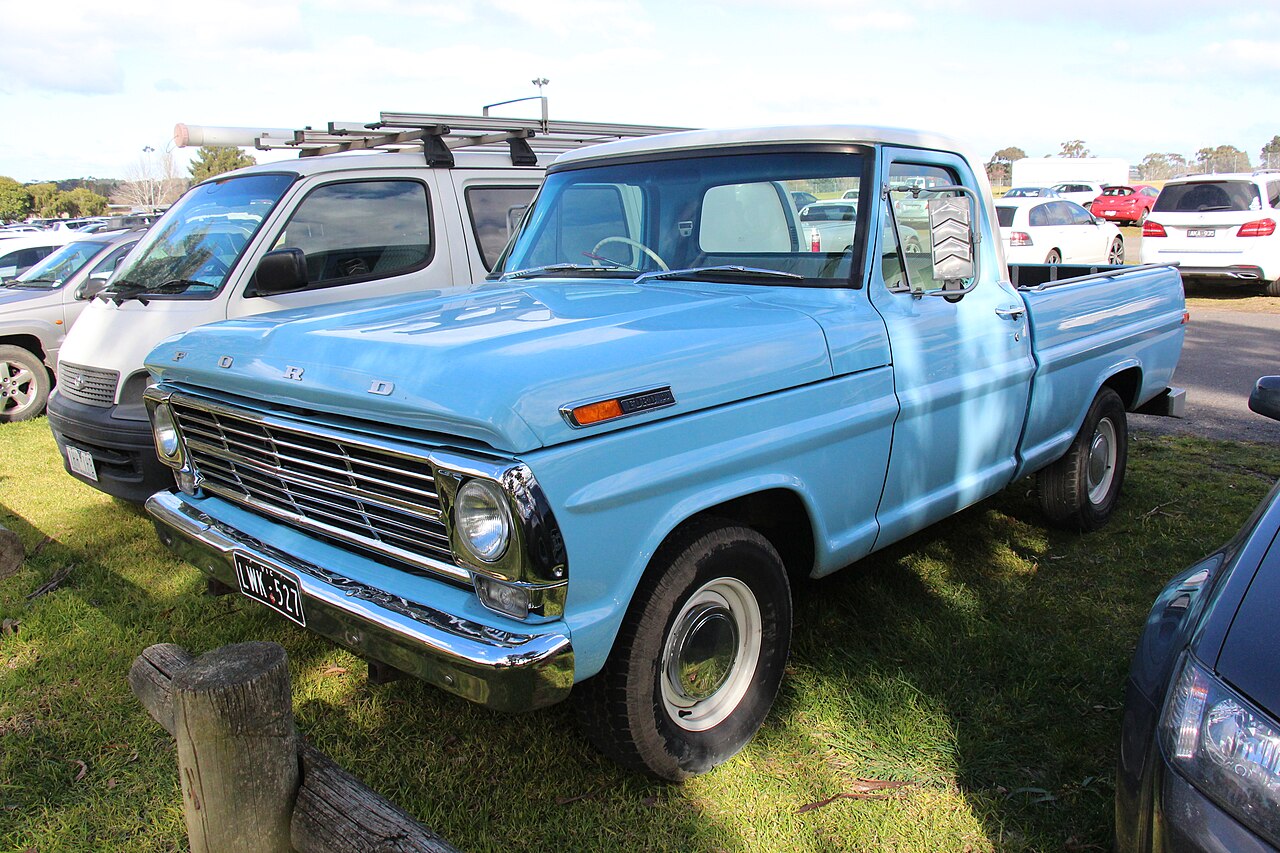
To meet a new 1968 federal reflector rule, Ford hid the required hardware inside this truck's redesigned hood emblems rather than bolting on separate marker lights.
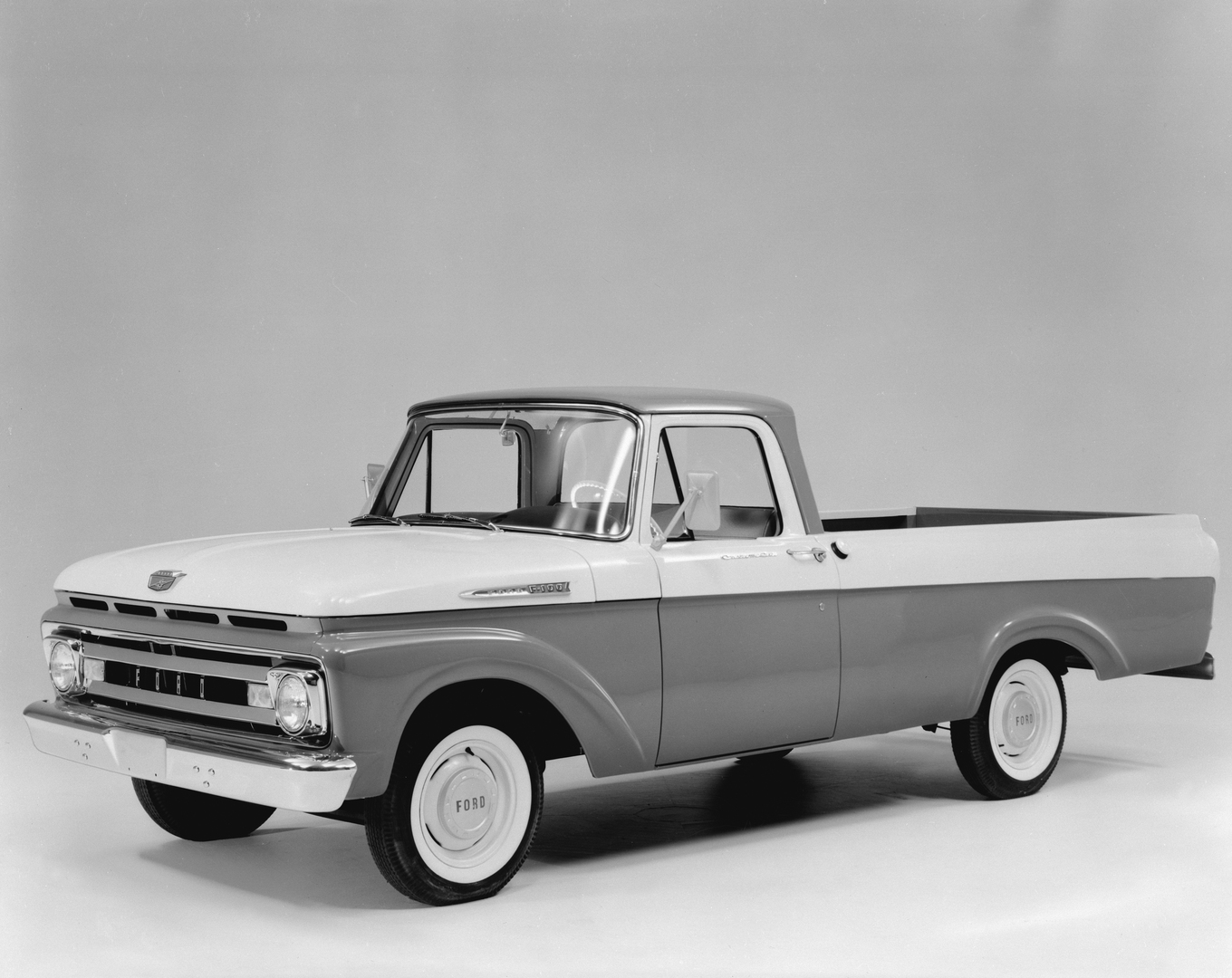
The 1964 352 V8 pushed F-Series output past 200 horsepower for the first time.
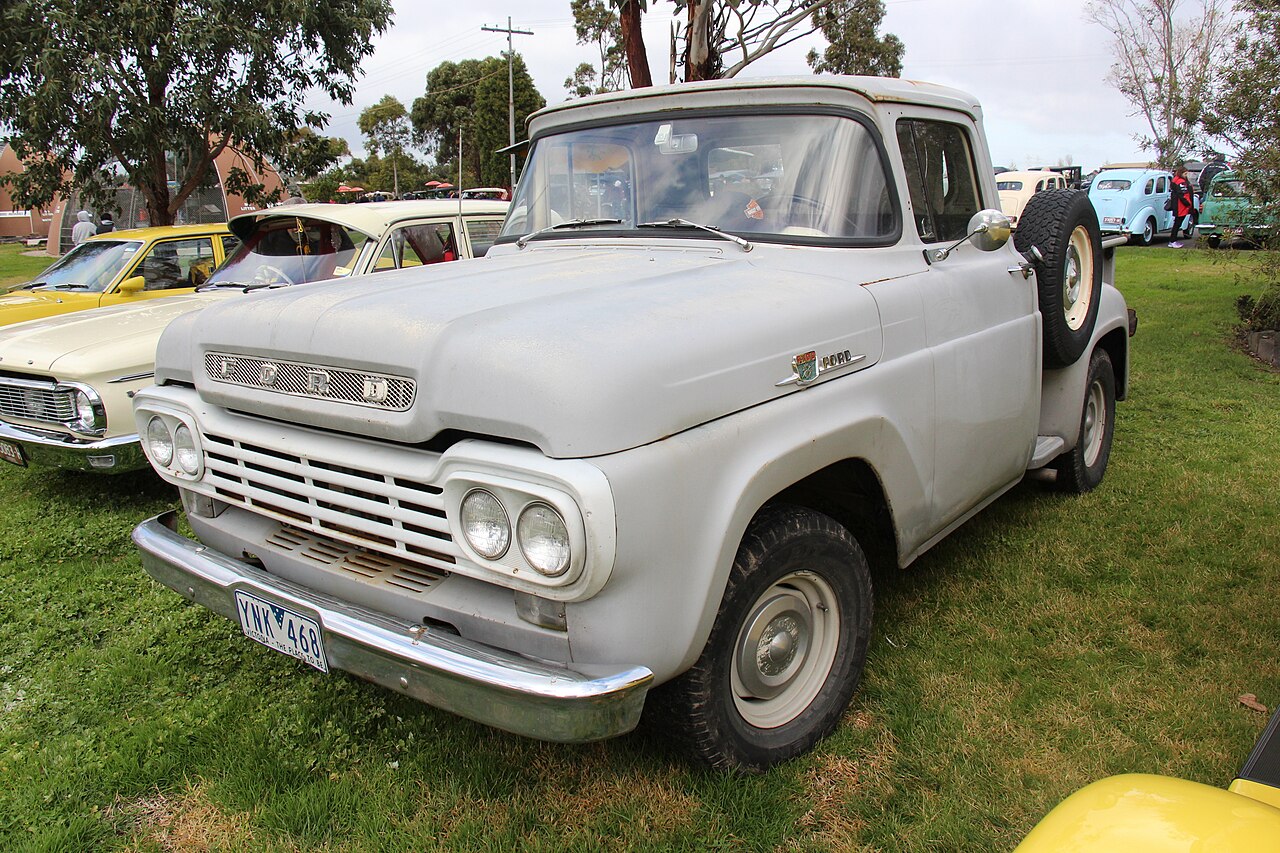
Ford stopped building trucks at its century-old Highland Park plant in May 1957, the same year this design landed.
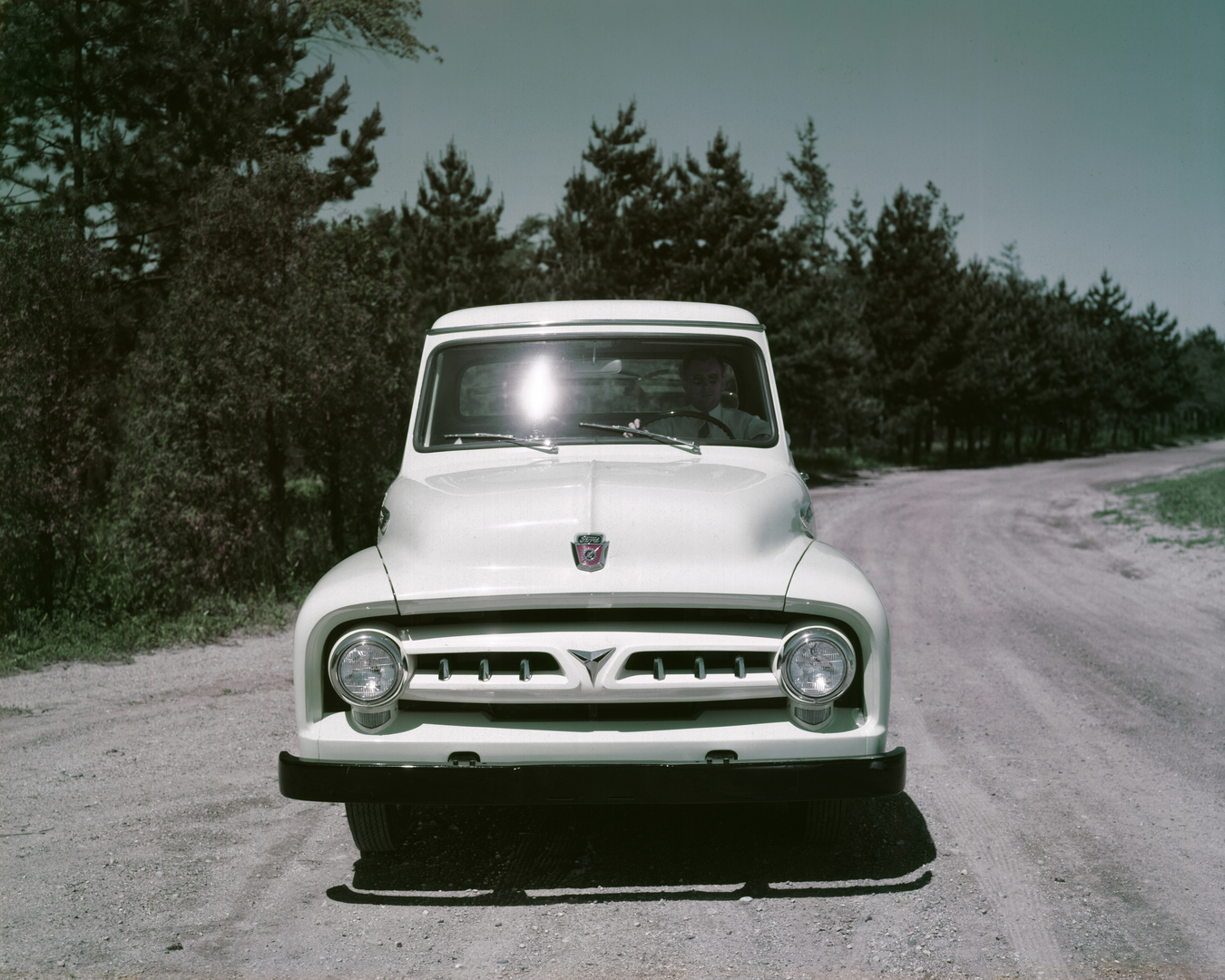
1953 doubled as Ford's 50th anniversary, marked with a commemorative emblem on the horn button of every truck.
Ford's original 1948 F-Series, the "Bonus-Built" trucks, weren't just pickups — the line spanned eight weight ratings and body styles that included panel trucks, parcel vans, cab-overs and even school-bus chassis.
Rivals
Same body, same money, other badges — tap any card to flip.
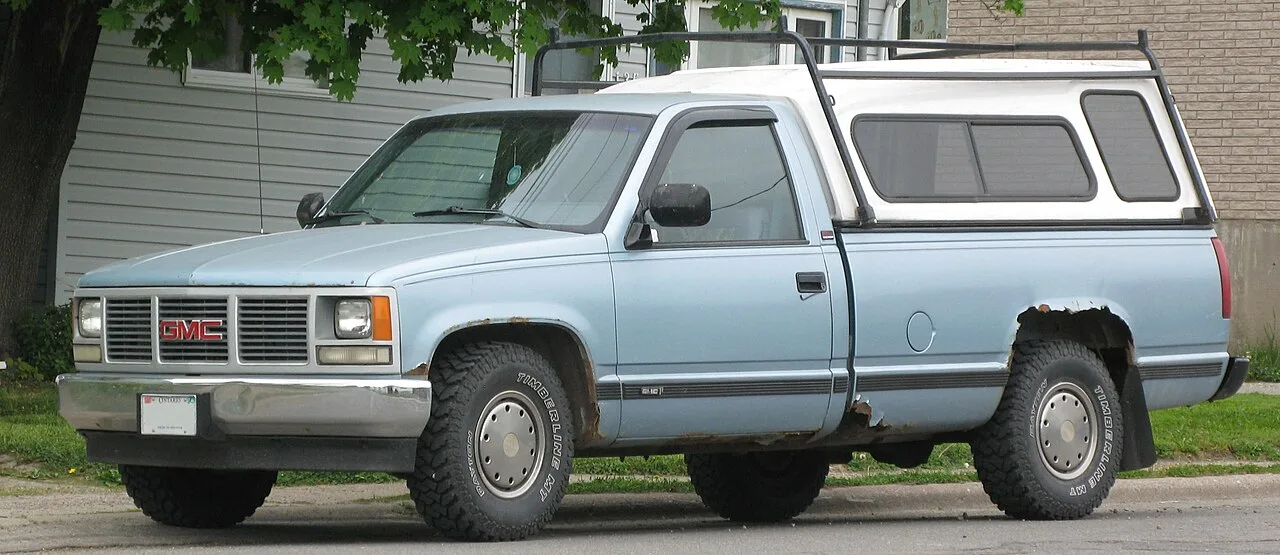
The GMT400 split the twins for good: 1988 was the year "C/K" became Chevrolet-only badging, while GMC's version of the very same truck became the Sierra.
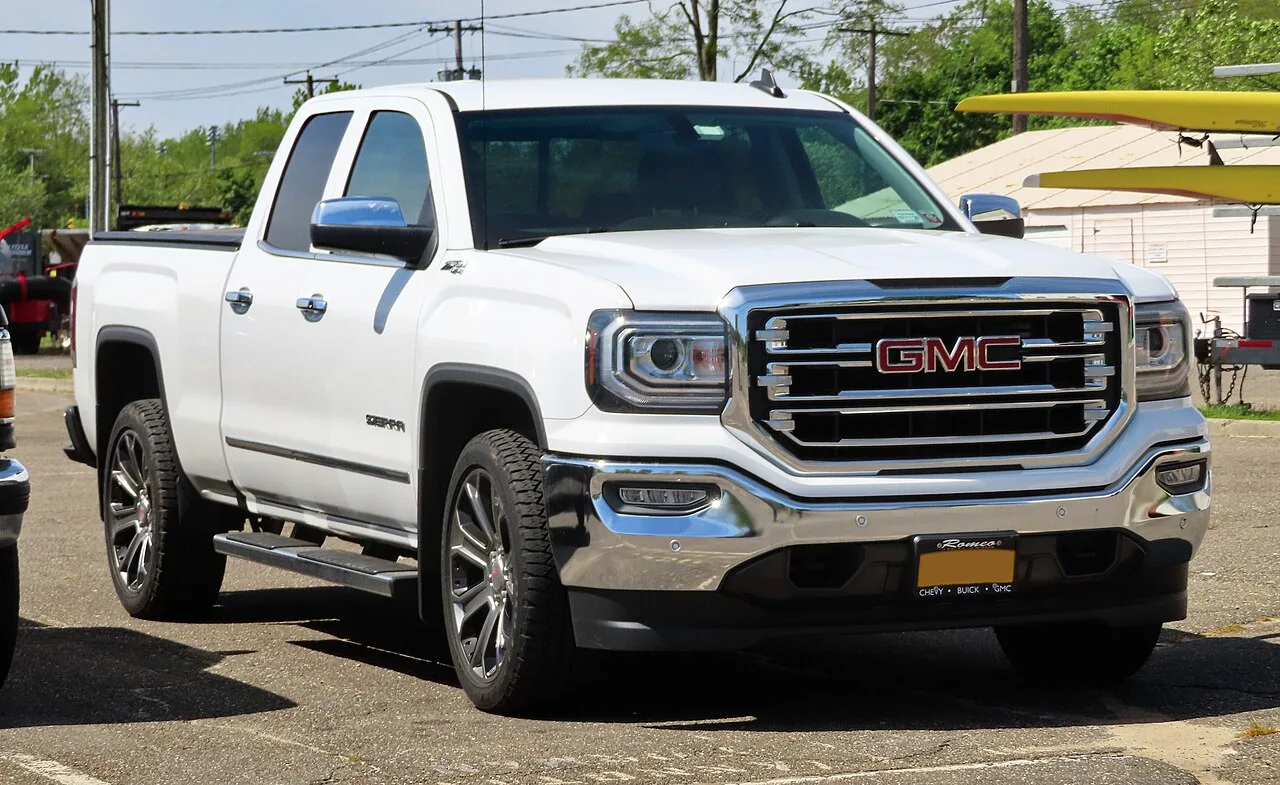
GMC found 10 extra horsepower in the Sierra All Terrain X's 5.3L V8 with nothing more than a performance exhaust, no other changes needed to go from 355 to 365 hp.
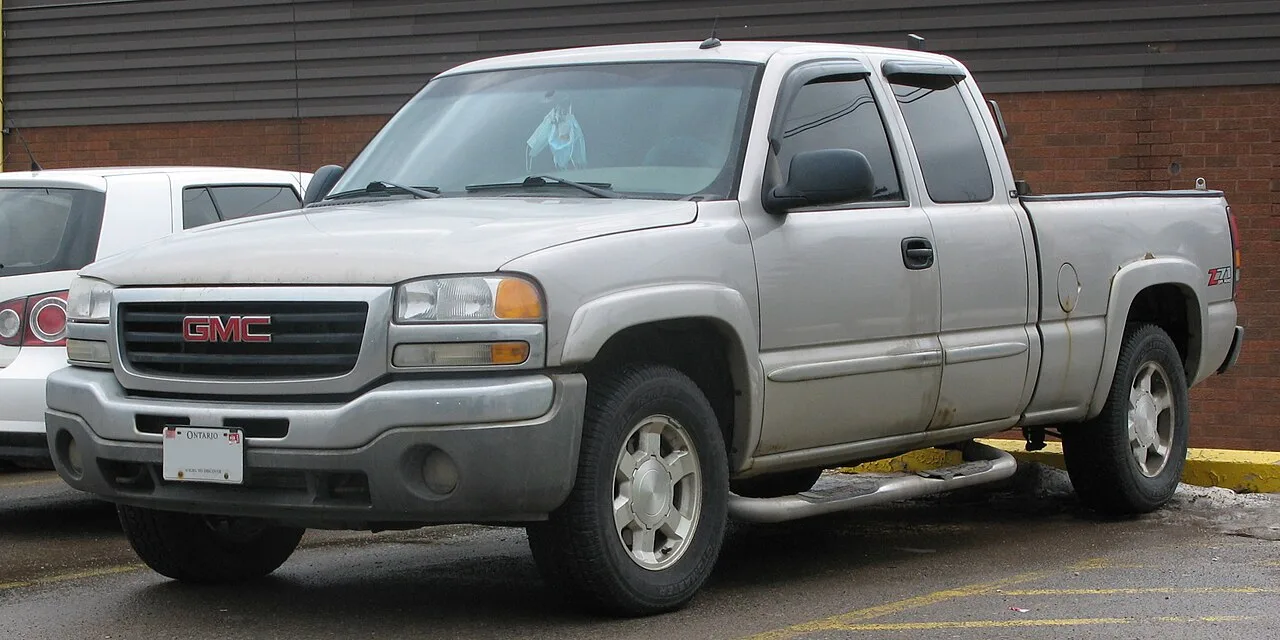
This Sierra kept rolling off the line for a full extra year after its replacement arrived - badged "Classic" in 2007 just to tell the two generations apart on dealer lots.
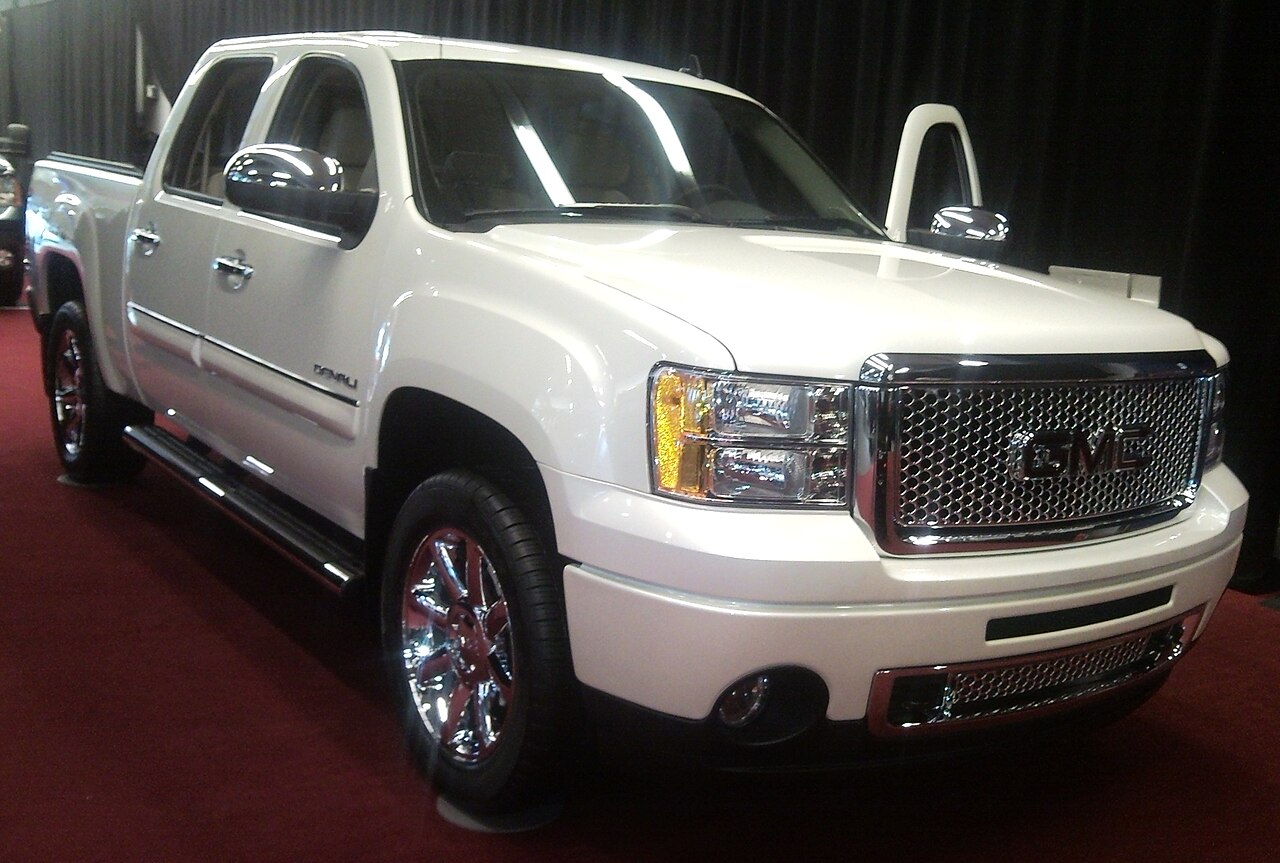
When this GMT900 Sierra launched for 2007, GM kept selling the outgoing truck alongside it, badged "Classic," so buyers could choose old or new side by side on the same lot.
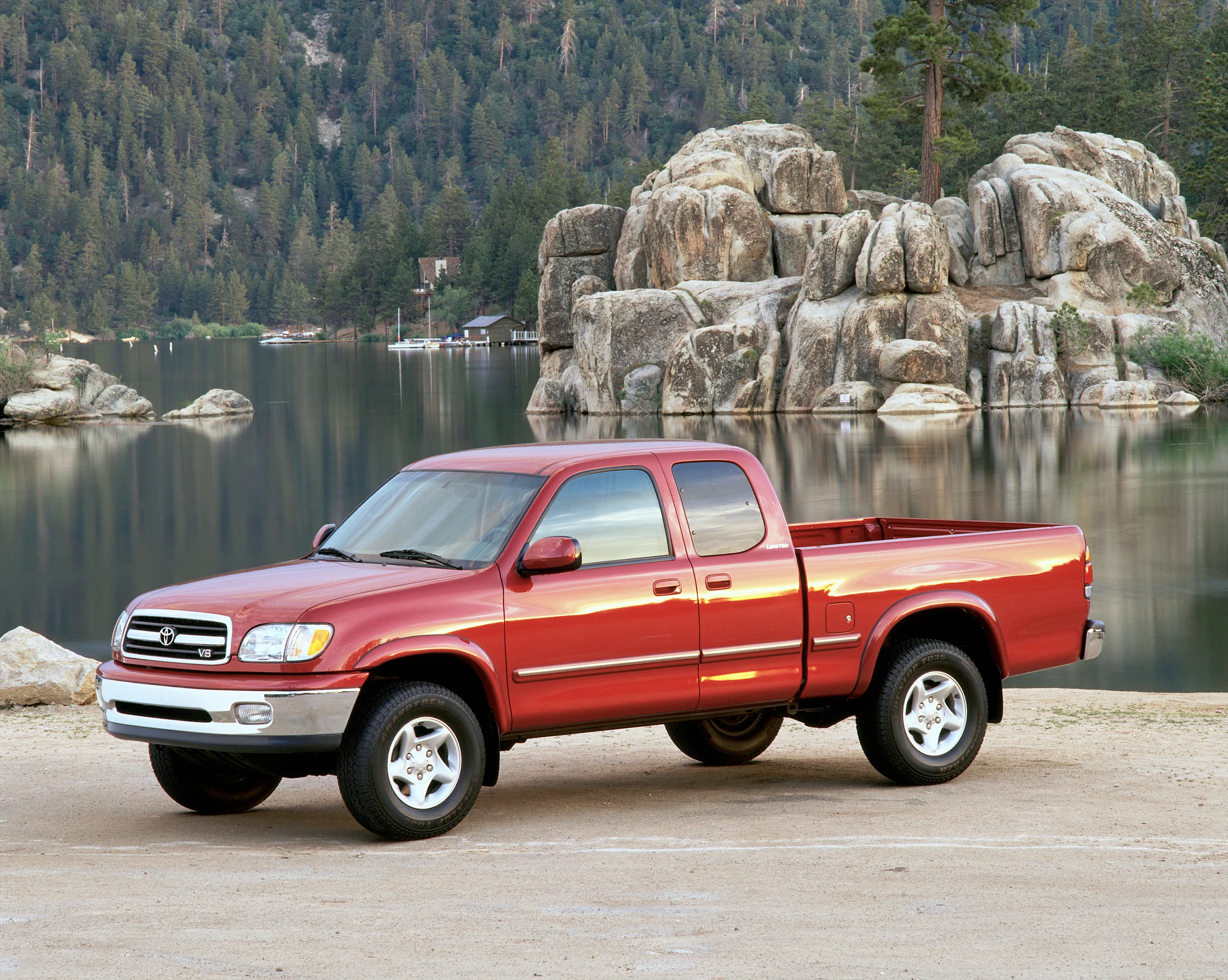
Toyota showed it as the T150 until Ford sued over the likeness to the F-150, and the production truck was renamed Tundra.
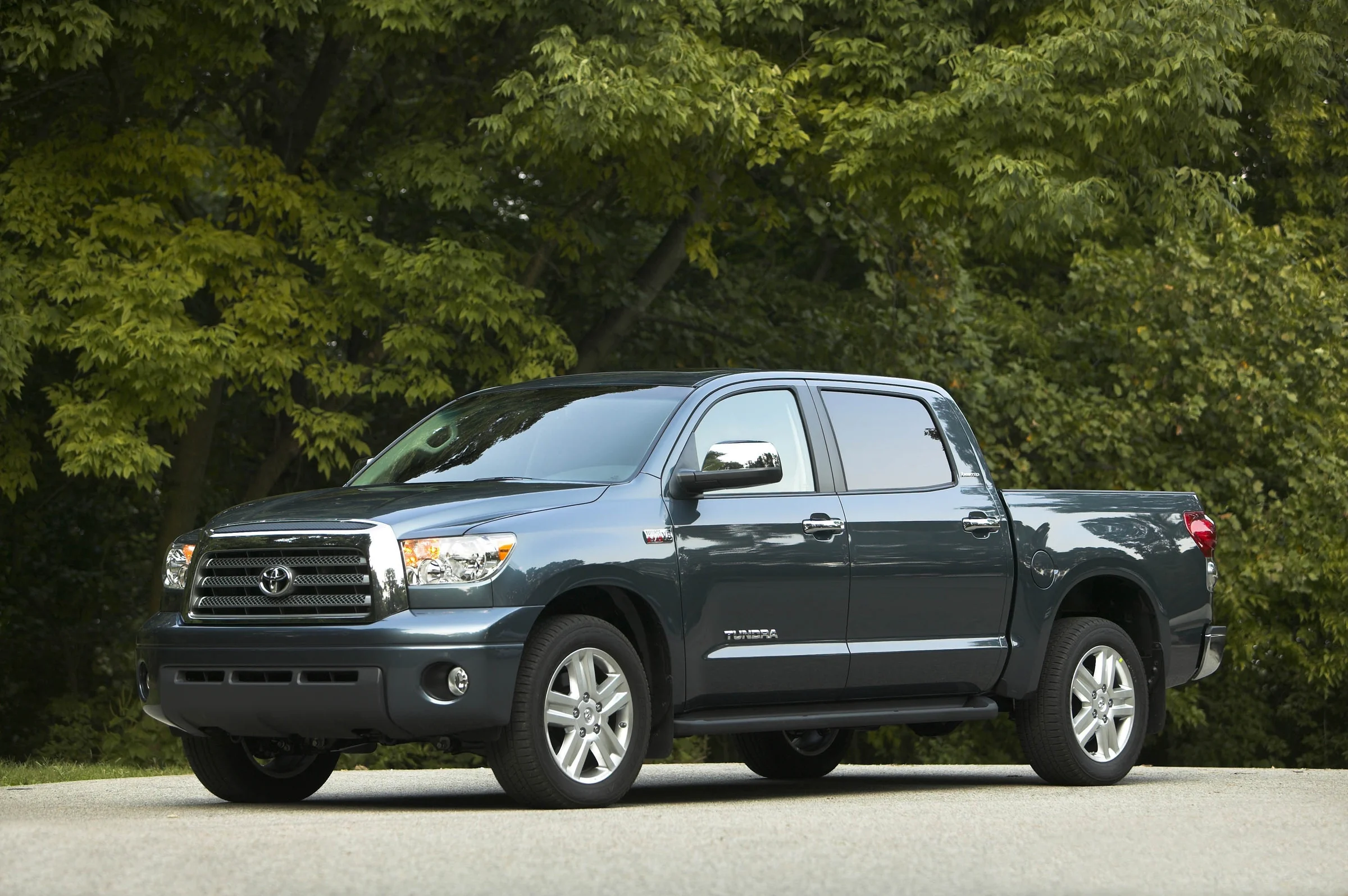
A Louisiana owner put over a million miles on his 2007 Tundra in eight years; Toyota gave him a new truck and took his apart to study it.
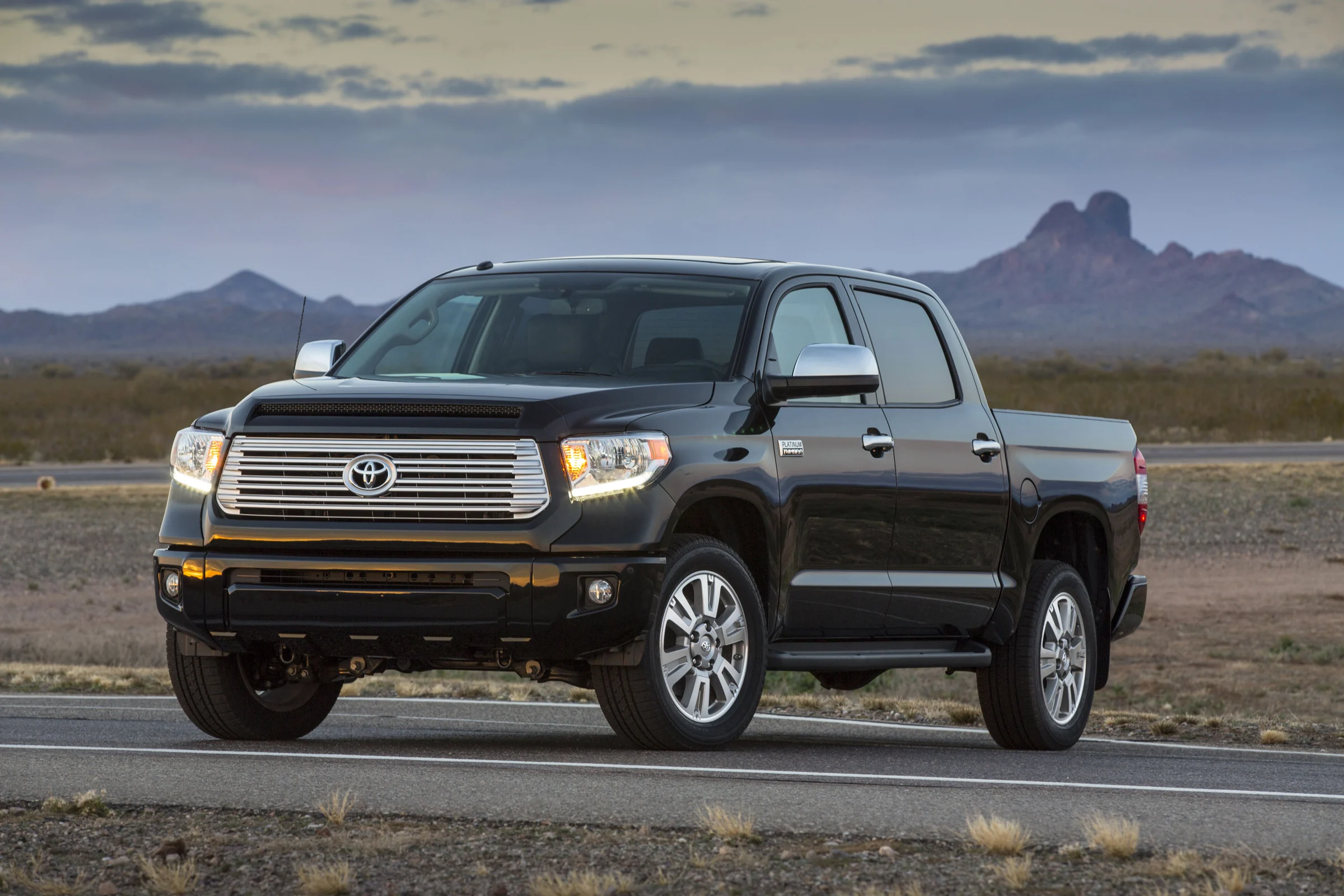
Toyota's Texas Tundra plant sits on land bought from the state's oldest working cattle ranch, and the 1794 Edition is named for the year that ranch was founded.
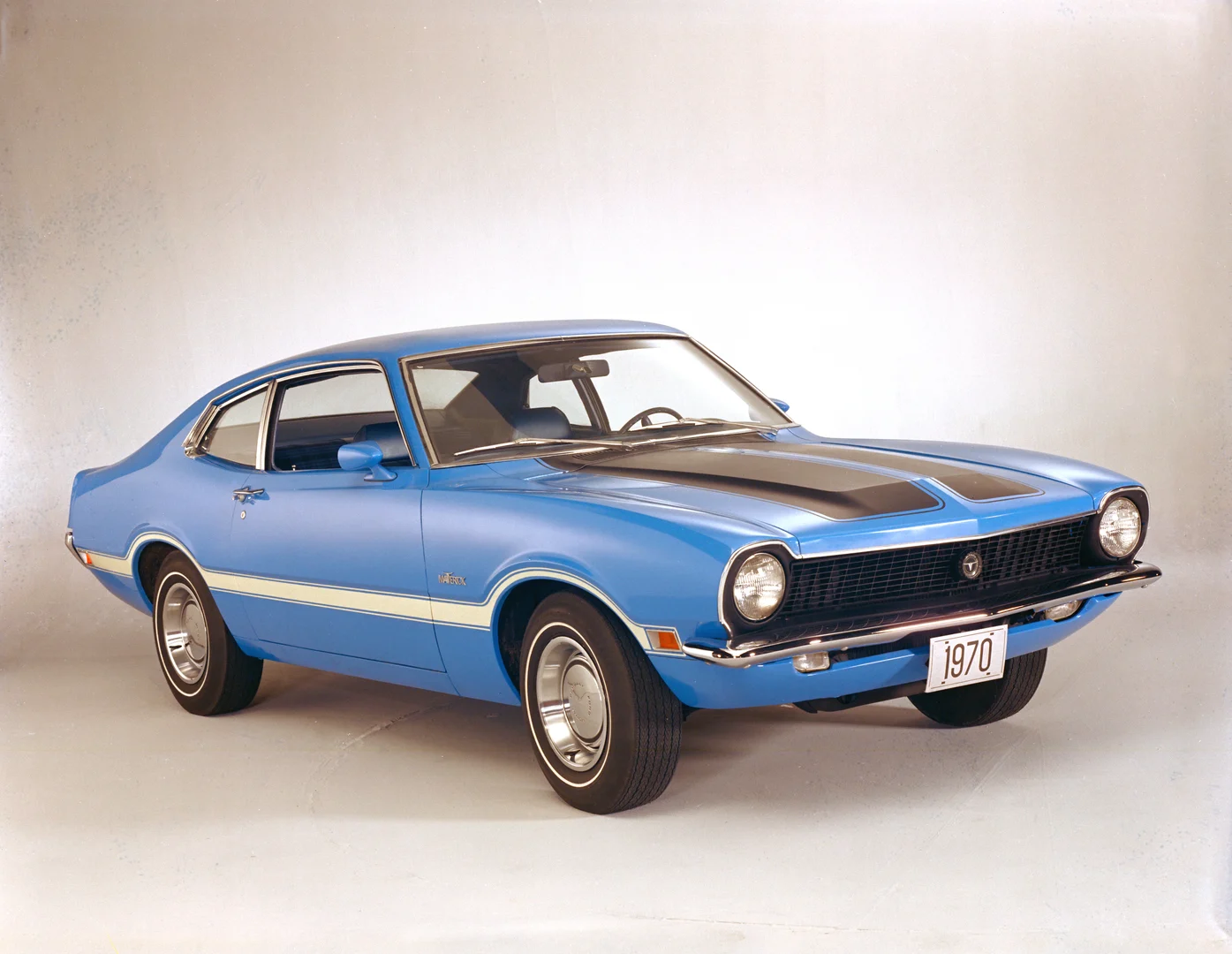
Its launch colours had pun names such as "Anti-Establish Mint" and "Freudian Gilt", sent to Lee Iacocca by a friend.