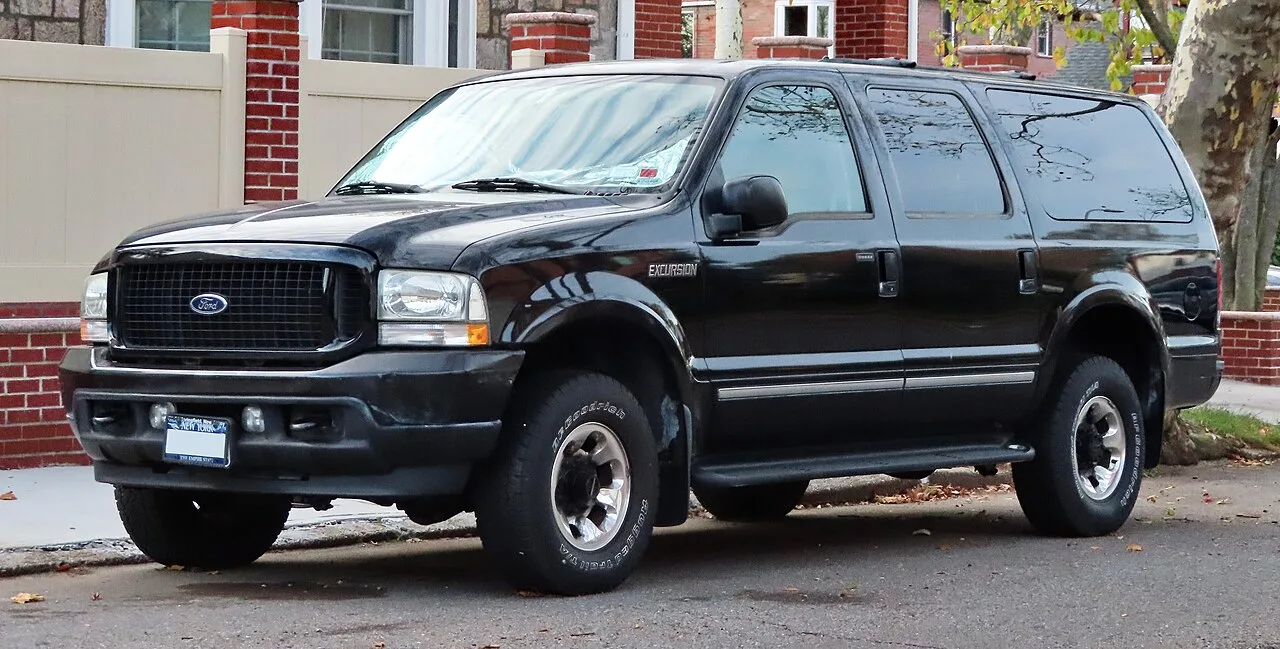
Popular Science called it the biggest sport utility on the planet, and its frame needed a blocker beam after tests showed it overriding a Taurus.
Lead trim: Excursion 5.4 Triton SOHC 2V V8 (255 hp) · up to 325 hp
Ford ExcursionUW137 · 2000–2005
- 0spots by members
- Unclaimednobody has spotted one yet
- 0sets it belongs to
Nobody in Burbles has spotted a Ford Excursion yet. See one on the street, point the app at it, and the first card is yours — with your @handle permanently credited on this page.
FactPopular Science called it the biggest sport utility on the planet, and its frame needed a blocker beam after tests showed it overriding a Taurus.
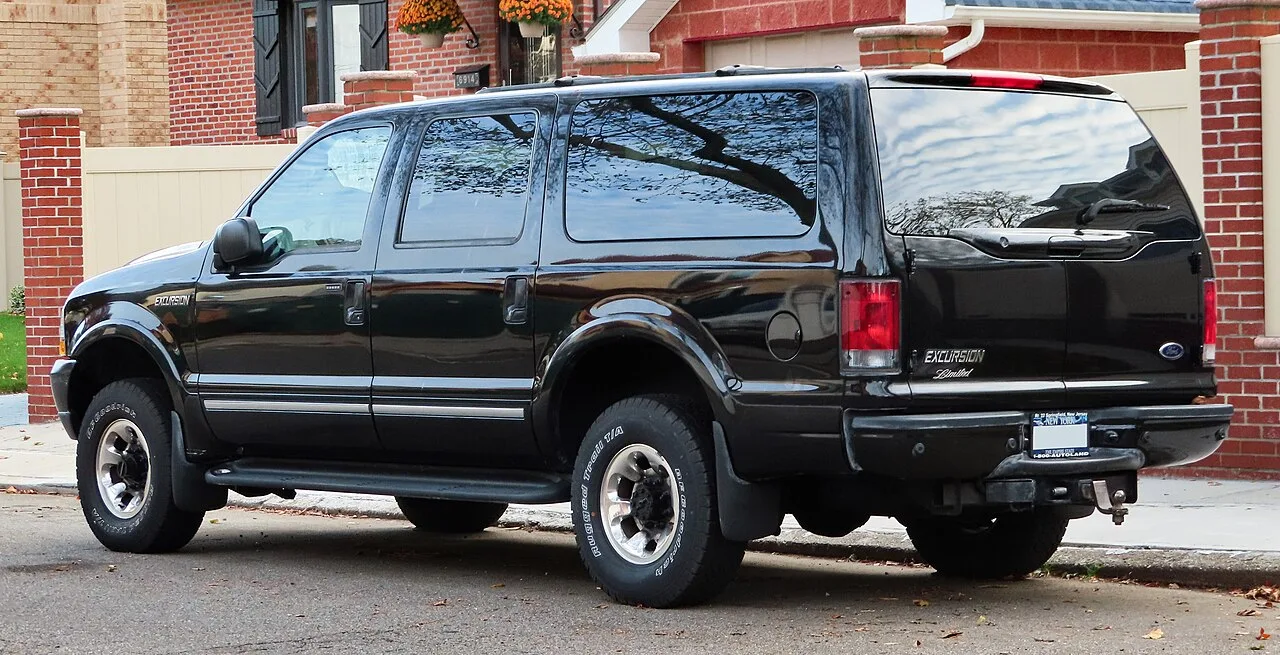
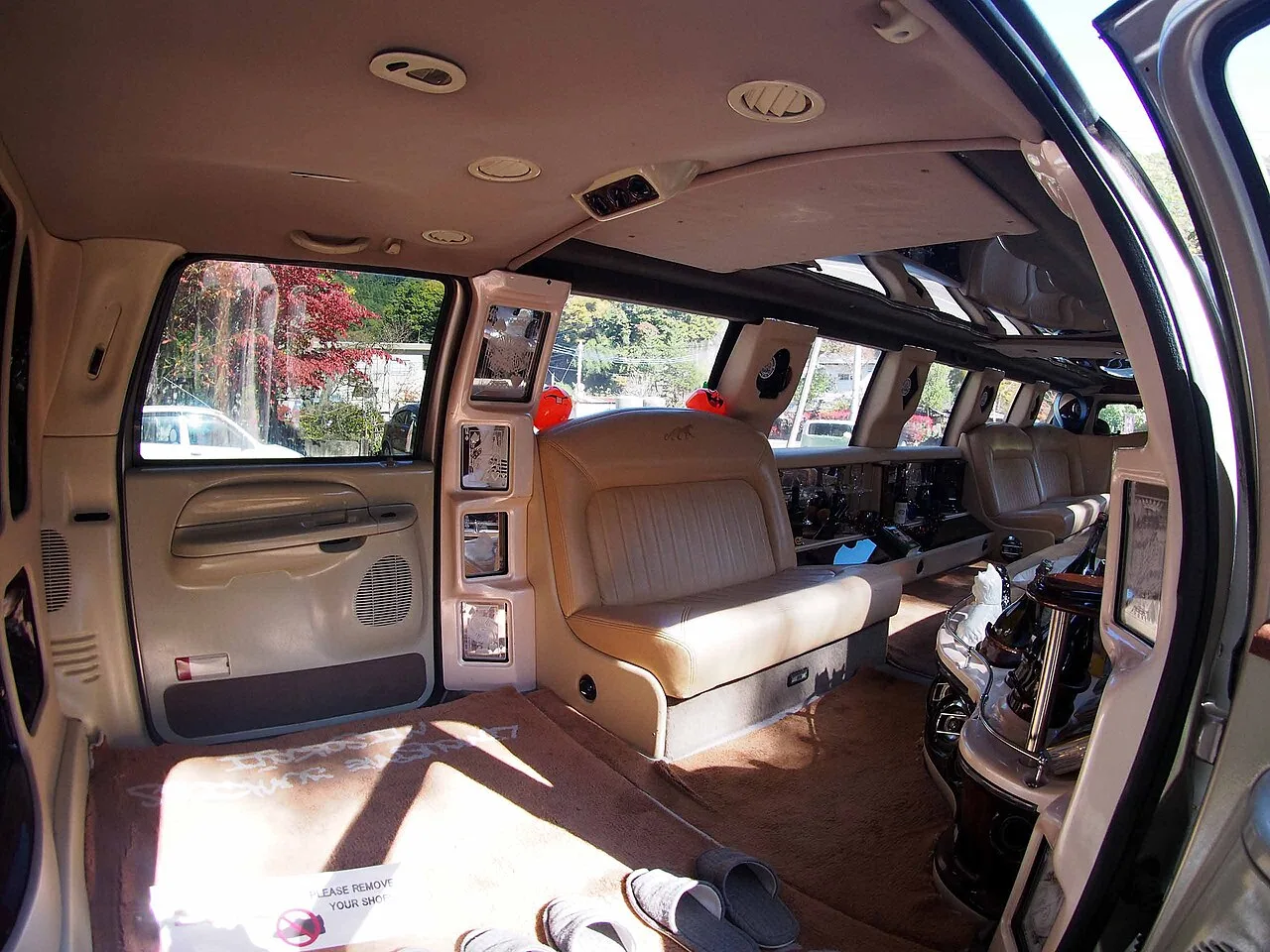
The Ford Excursion is a heavy-duty (Class 2) full-size SUV marketed for the 2000 through 2005 model years (introduced September 30, 1999; production ended September 30, 2005, with a shortened 2006 run for Mexico), the third Ford SUV derived from the F-Series after the Bronco and Expedition and built on the chassis of the regular-cab, long-bed F-250 Super Duty at Kentucky Truck Assembly in Louisville. Developed to take on the 3/4-ton Chevrolet Suburban / GMC Yukon XL, it was for nearly two decades the longest SUV mass-produced and remains the longest-wheelbase SUV ever produced; Popular Science called the 2000 model the "biggest sport utility on the planet" and that year, its best, sold nearly 69,000 (annual capacity was 70,000, and demand fell with the energy crisis of the 2000s). It has a distinct frame (taller and wider than the pickup's), a Sterling 10.5 rear axle, an NV273 transfer case and Dana 50 front axle on 4WD models, axle ratios of 3.73:1 and 4.30:1, and an under-bumper "blocker beam" added after tests showed it overriding smaller cars like the Taurus; a trailer hitch was standard to prevent underriding in rear-end collisions. Two Triton engines were offered throughout — the 5.4 L SOHC 2V V8 (255 hp, 350 lb·ft) as standard and the 6.8 L SOHC 2V V10 (310 hp, 425 lb·ft) as an option — with the Navistar 7.3 L Power Stroke turbodiesel V8 (250 hp, 525 lb·ft) at launch, replaced from mid-2003 by the 6.0 L Power Stroke turbodiesel V8 (325 hp, 560 lb·ft, variable-geometry turbo); no manual transmission, a 4-speed 4R100 automatic with the 5.4, 6.8 and 7.3 and the 5-speed 5R110W TorqShift with the 6.0. The two-wheel-drive Excursion was rated at 8,600 lb GVWR with gasoline engines and 8,900 lb with diesels (300 lb more for 4WD), exempting it from EPA fuel-economy ratings (reviewers cited 12–15 mpg with the V10). Body: shared with the F-250 crew cab from the B-pillars forward with an egg-crate grille, a three-way cargo door (top-hinged window with rear wiper plus 50/50 split rear doors), E-Series van taillamps, seating for eight or nine, and a minor 2005 front facelift with F-250 components; trims were XL (fleet), XLT, Limited and, for 2003, Eddie Bauer. Wheelbase 137.1 in, length 226.7 in, width 80.0 in (2000–01) / 79.9 in (2002–05), height 80.2 in (4WD) / 77.2 in (2WD), curb weight 7,700 lb (turbodiesel) and 7,200 lb (gasoline). For 2007 Ford repackaged the extended-length SUV as the Expedition EL/MAX on the F-150 architecture.
Collectors Spotted in the Ford Excursion Lineage
No member has published a public street spot of the Ford Excursion yet — the First · Worldwide stamp is wide open.
Trims & Figures
4 published trims in the catalogue. A blank is a figure not recorded, not zero.
| Trim | Years | Engine | Power | Torque | 0–60 | Drive | Gearbox | MSRP |
|---|---|---|---|---|---|---|---|---|
| Excursion 5.4 Triton SOHC 2V V8 (255 hp) | 2000–2005 | 5.4 L V8 | 255 hp | 350 lb-ft | — | — | — | — |
| Excursion 6.0 Power Stroke VT365 OHV V8 turbodiesel (325 hp) | 2003–2005 | 6.0 L V8 | 325 hp | 560 lb-ft | — | — | — | — |
| Excursion 6.8 Triton SOHC 2V V10 (310 hp) | 2000–2005 | 6.8 L 10-cyl | 310 hp | 425 lb-ft | — | — | — | — |
| Excursion 7.3 Power Stroke T444E OHV V8 turbodiesel (250 hp) | 2000–2003 | 7.3 L V8 | 250 hp | 525 lb-ft | — | — | — | — |
Owning one
An estimate, for the Excursion 5.4 Triton SOHC 2V V8 (255 hp) trim: fuel on its EPA figure and a dated national price, upkeep on a per-mile average for the kind of car it is.
Owners’ builds
Nobody has claimed one yet.
Photographs
Rivals
Same body, same money, other badges — tap any card to flip.
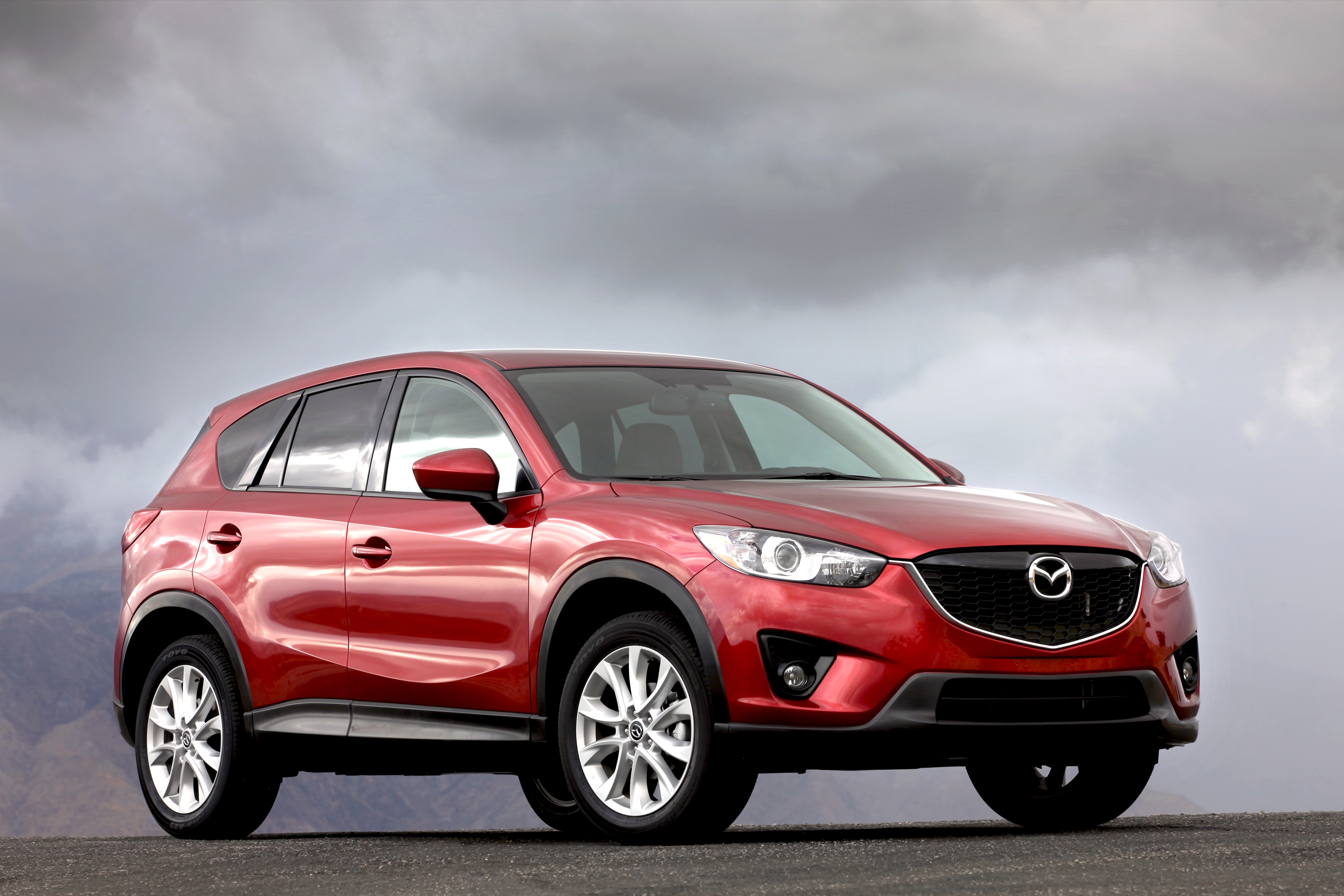
IIHS only crash-tests the driver's corner; tested on the passenger side instead, the CX-5 showed far worse intrusion.
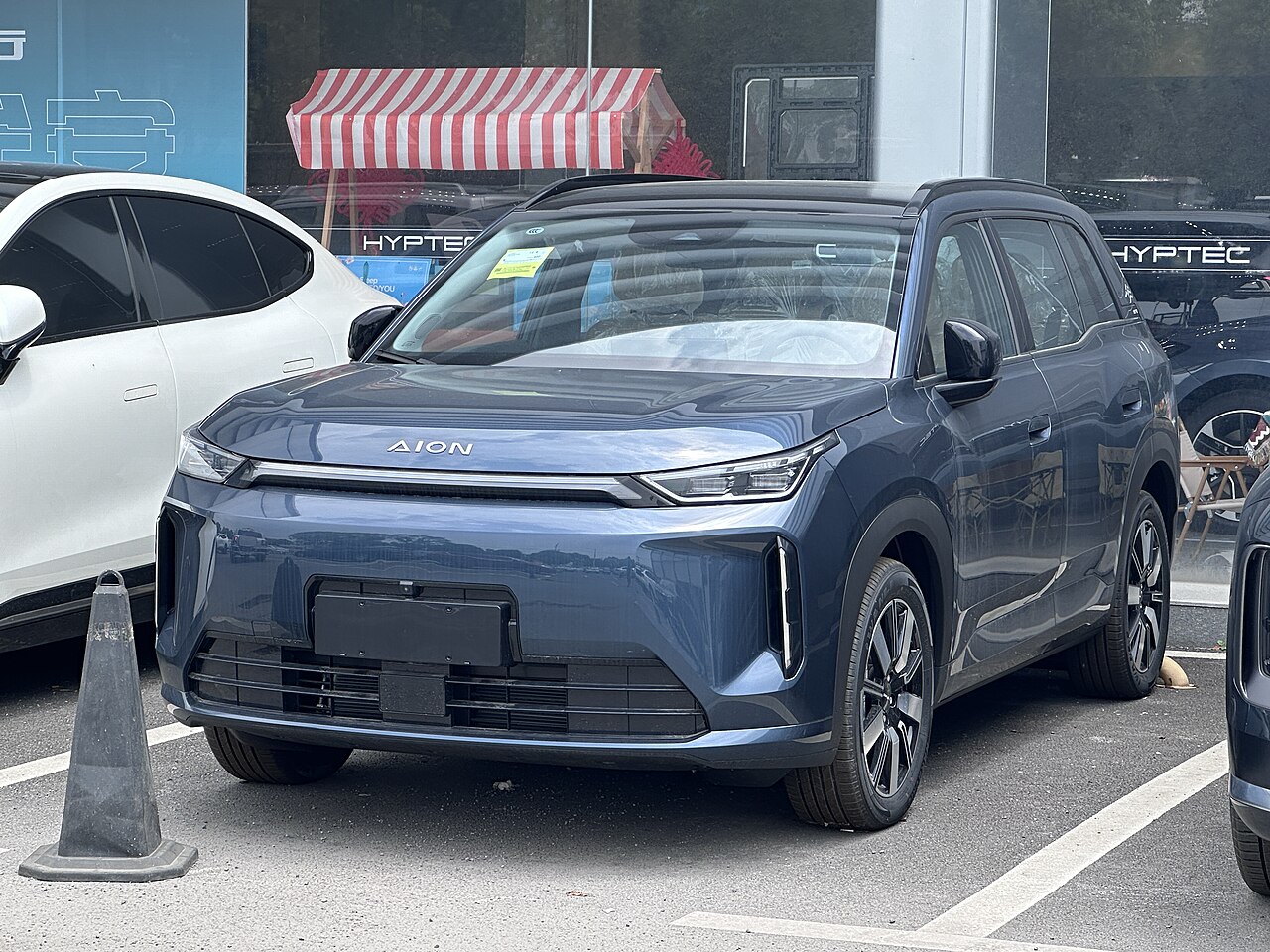
Despite launching from a standing start in late 2025, the i60 topped GAC Aion's own sales chart through January's seasonal slowdown.
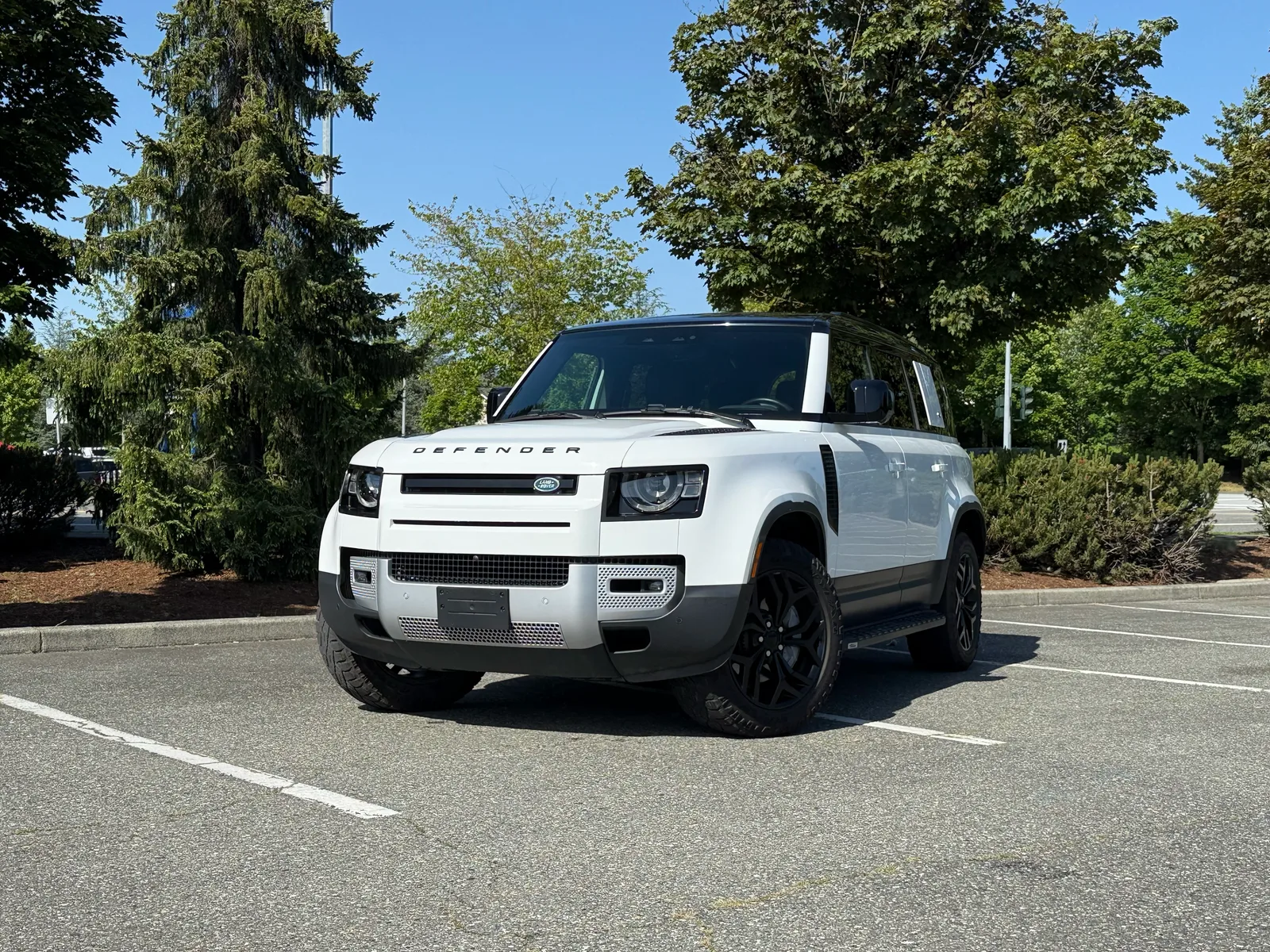
Every Defender before this one was body-on-frame — this generation broke decades of tradition with an aluminium unibody structure instead.
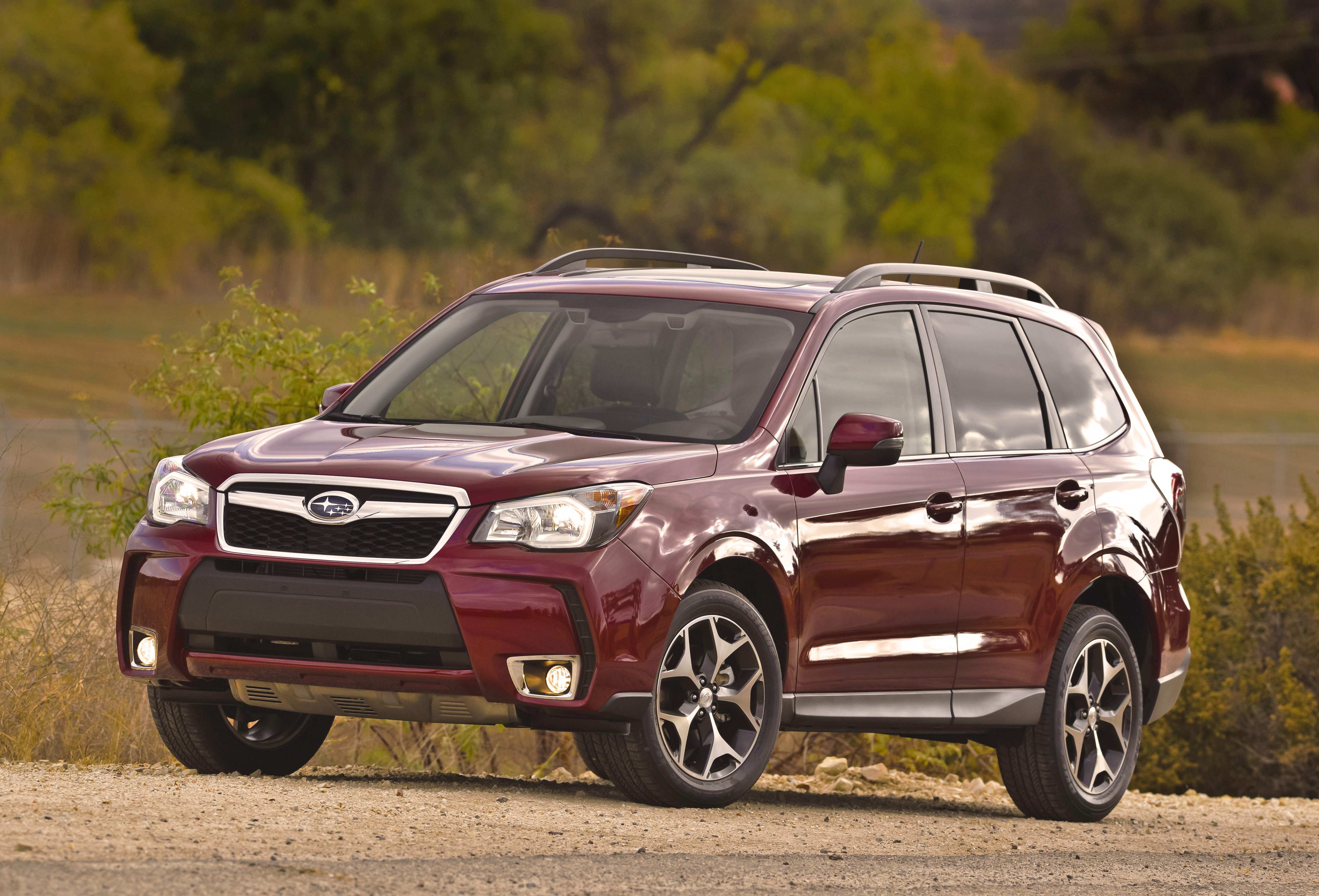
Crashed on the passenger side instead of the driver's, the 2014 Forester showed far more intrusion and would have rated Marginal with the IIHS.
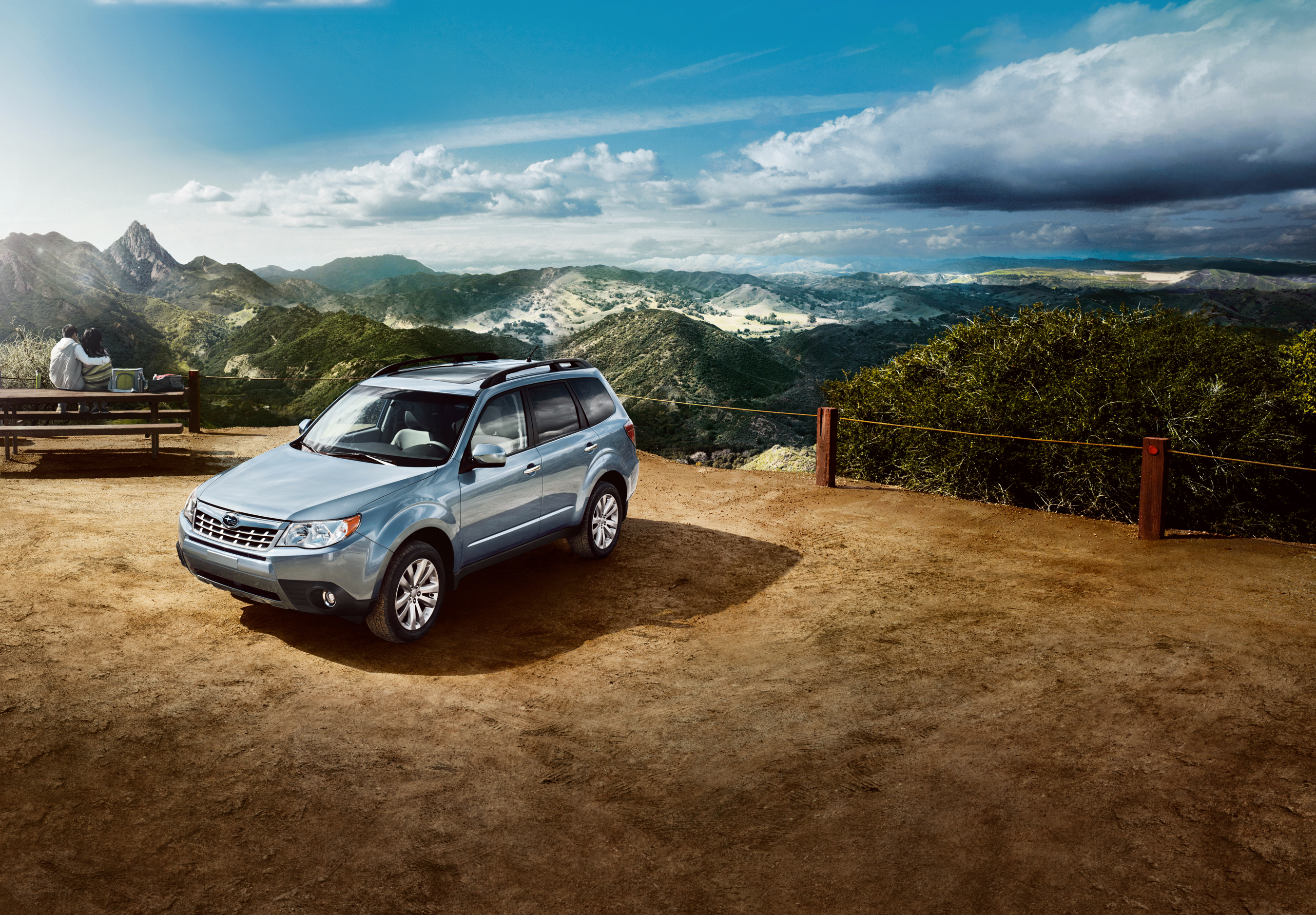
Subaru built a 2.5XT for the National Ski Patrol with a diamond-plate floor, a 9,500-pound winch and a toboggan on the roof.
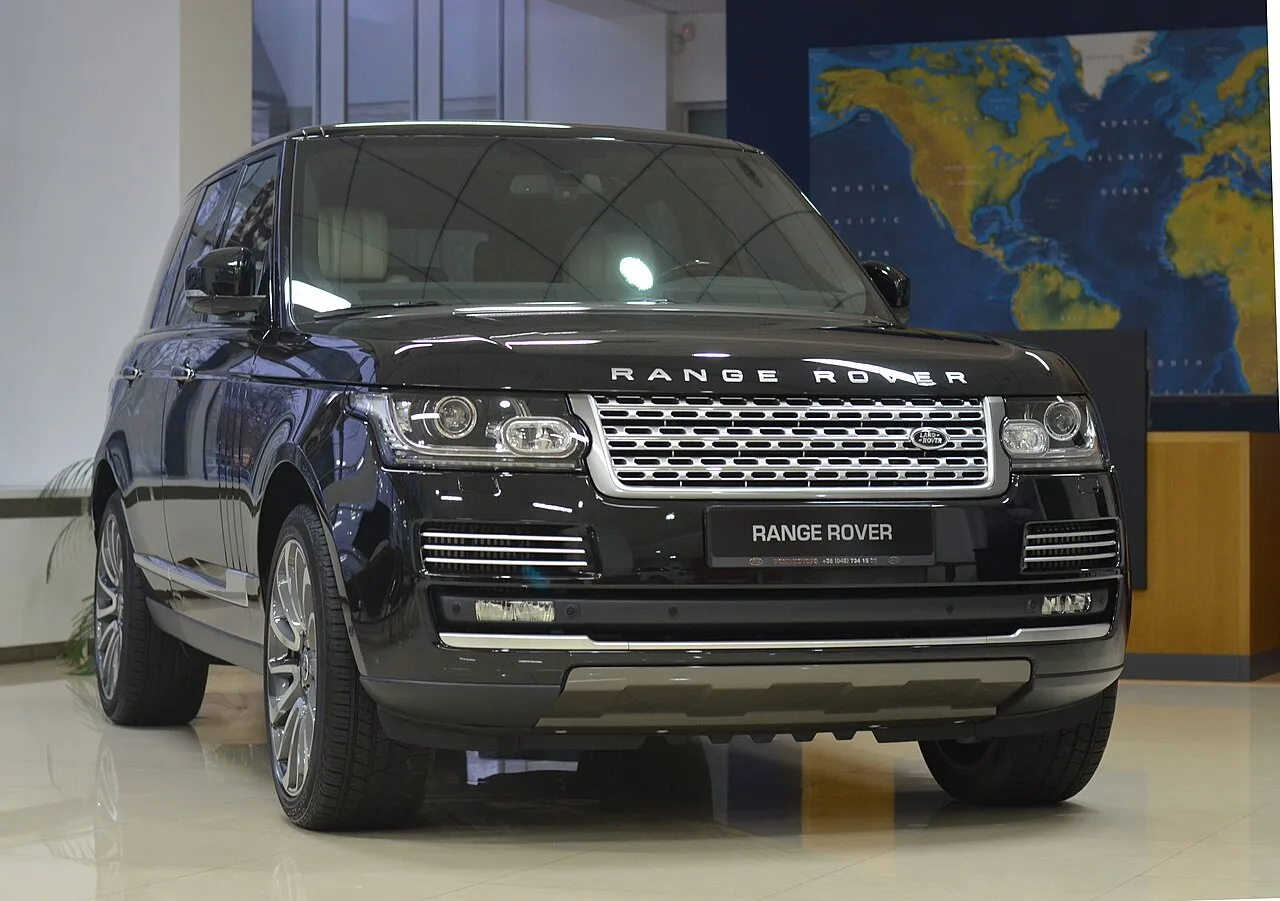
The L405 was the first Range Rover with a fully aluminum monocoque body, cutting up to 420 kg from the outgoing steel-bodied L322.
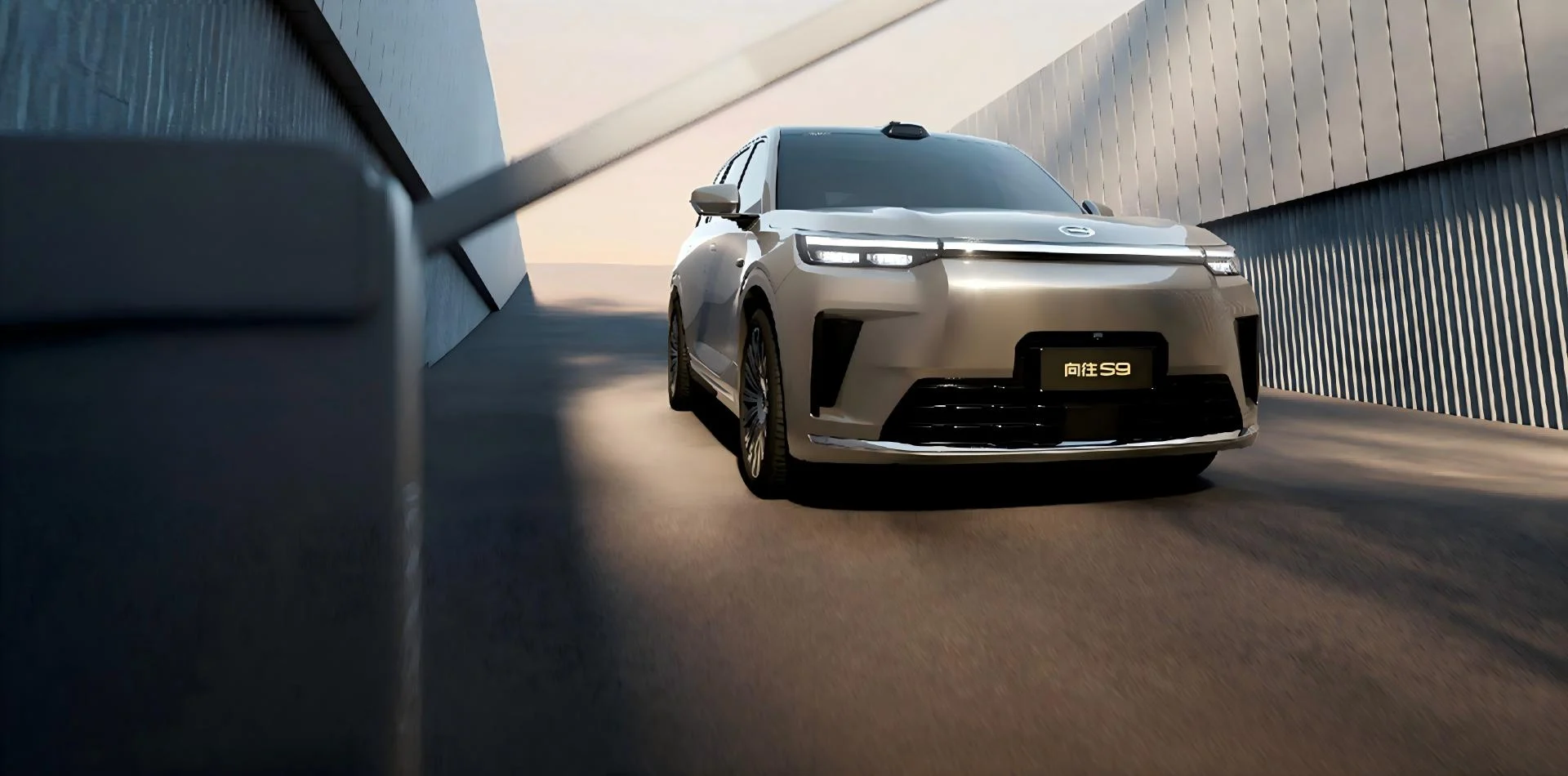
Rear passengers get a 17.3-inch screen that extends from the roof, and a lidar sensor sits in the front of the roof.
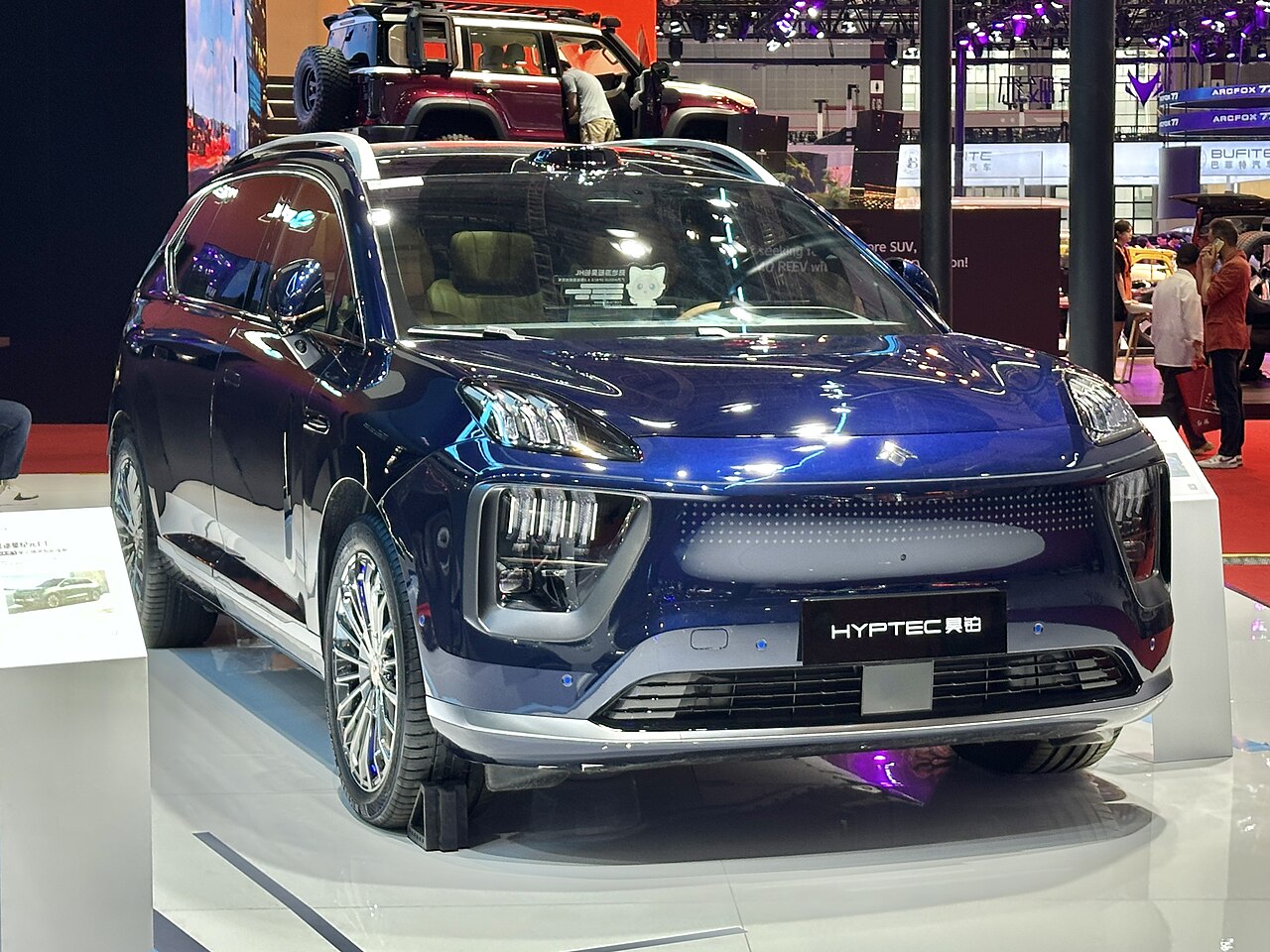
Its range-extender variant is rated for 1,200 km on a tank and charge, over three times the car's electric-only range.