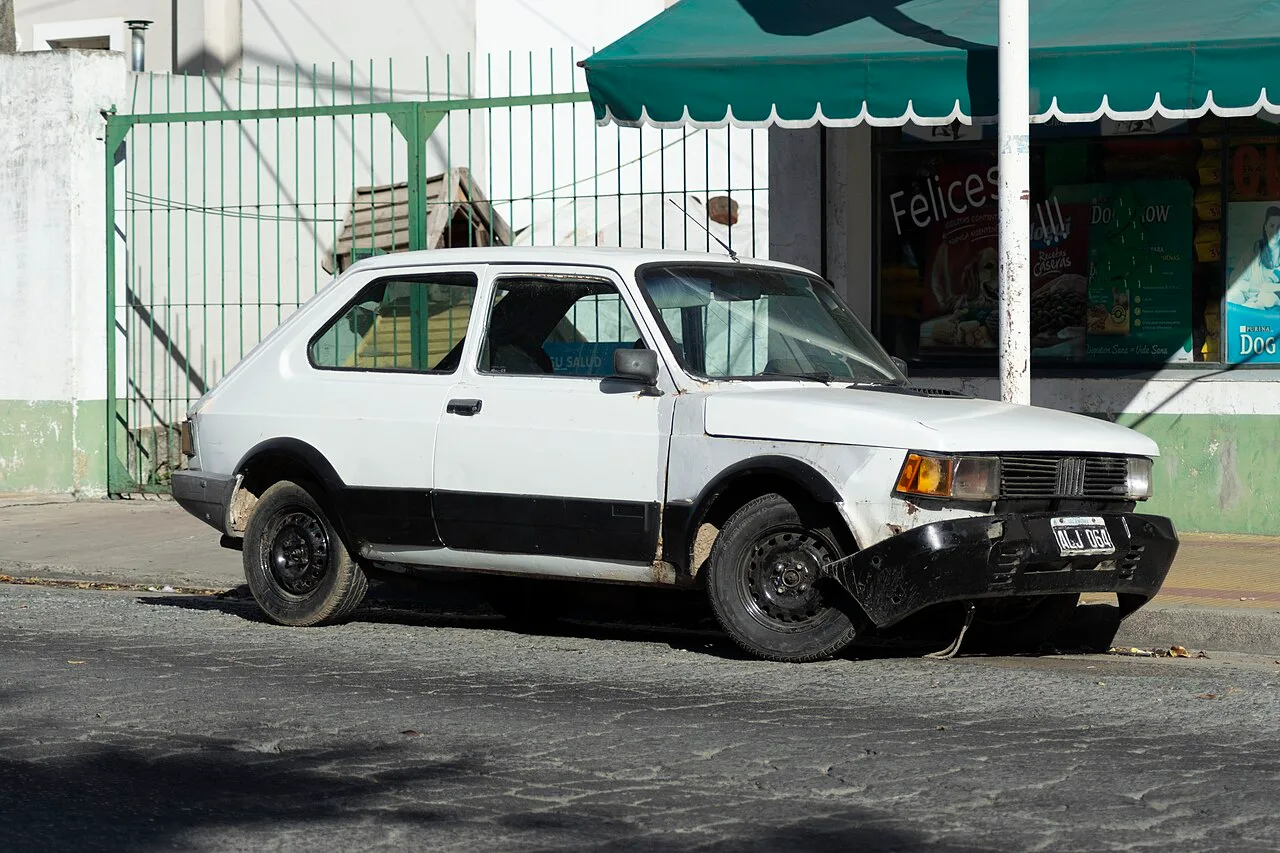
Argentina's tuned IAVA Sorpasso squeezed 90 PS from the 147's little 1.3-litre engine -- enough to make it, officially, the most powerful factory-built Fiat 127 derivative ever. Only 405 were built.
Median 65 hp across 277 similar cars
Lead trim: 147 C 0.9 OHV four (1982; 48 PS at 6,000 rpm) · up to 62 hp
Fiat 147 / Spazio / Brío / Vivace Argentina147-AR · 1982–1996
- 0spots by members
- Unclaimednobody has spotted one yet
- 0sets it belongs to
Nobody in Burbles has spotted a Fiat 147 / Spazio / Brío / Vivace Argentina yet. See one on the street, point the app at it, and the first card is yours — with your @handle permanently credited on this page.
FactArgentina's tuned IAVA Sorpasso squeezed 90 PS from the 147's little 1.3-litre engine -- enough to make it, officially, the most powerful factory-built Fiat 127 derivative ever. Only 405 were built.
Argentine production of the 147 by Sevel began in January 1982 (232,807 built at Córdoba), announced half a year earlier to modernise the lineup inherited from Fiat Concord, first as the 147 C (903 cc OHV, twin-barrel Weber, 48 PS at 6000 rpm) and 147 CL (Brazilian 1,049 cc OHC, single-barrel Brosol-Solex, 52 PS at 5600 rpm); in October 1982 the locally built 1,116 cc 128-series four replaced both, in May 1983 the five-speed TR 5 arrived with a 60 PS 1.3, and a 147 TRD diesel was added in 1984. The new Spazio of November 1984 had the second Brazilian facelift's front clip; the 1.3 was joined by a 1,372 cc version in 1991 (renamed Fiat Vivace in 1993), the smaller 1.1 and the diesel disappeared by 1990, and production continued until 1996. The 1987 Fiat Brío used the original pre-facelift Brazilian bodywork with the 1.1 engine as a bargain version until 1989. The IAVA Sorpasso is catalogued separately.
Collectors Spotted in the Fiat 147 Lineage
No member has published a public street spot of the Fiat 147 yet — the First · Worldwide stamp is wide open.
Trims & Figures
5 published trims in the catalogue. A blank is a figure not recorded, not zero.
| Trim | Years | Engine | Power | Torque | 0–60 | Drive | Gearbox | MSRP |
|---|---|---|---|---|---|---|---|---|
| 147 1.1 four (from October 1982) | 1982–1990 | 1.1 L Inline-4 | — | — | — | FWD | — | — |
| 147 C 0.9 OHV four (1982; 48 PS at 6,000 rpm) | 1982–1982 | 0.9 L Inline-4 | 47 hp | — | — | FWD | — | — |
| 147 CL 1.05 OHC four (1982; 52 PS at 5,600 rpm) | 1982–1982 | 1.0 L Inline-4 | 51 hp | — | — | FWD | — | — |
| 147 TR 5 1.3 four (from May 1983; 60 PS) | 1983–1996 | 1.3 L Inline-4 | 59 hp | — | — | FWD | — | — |
| Spazio / Vivace 1.4 four (1991–1996) | 1991–1996 | 1.4 L Inline-4 | 62 hp | 75 lb-ft | — | FWD | — | — |
Owning one
We don’t estimate running costs for a car like this. What it costs depends on its condition, its specialist and how it is driven, and an average would mislead.
Owners’ builds
Nobody has claimed one yet.
In the Community
Open CommunityNo notes tagged with the Fiat 147 / Spazio / Brío / Vivace Argentina yet.
Photographs
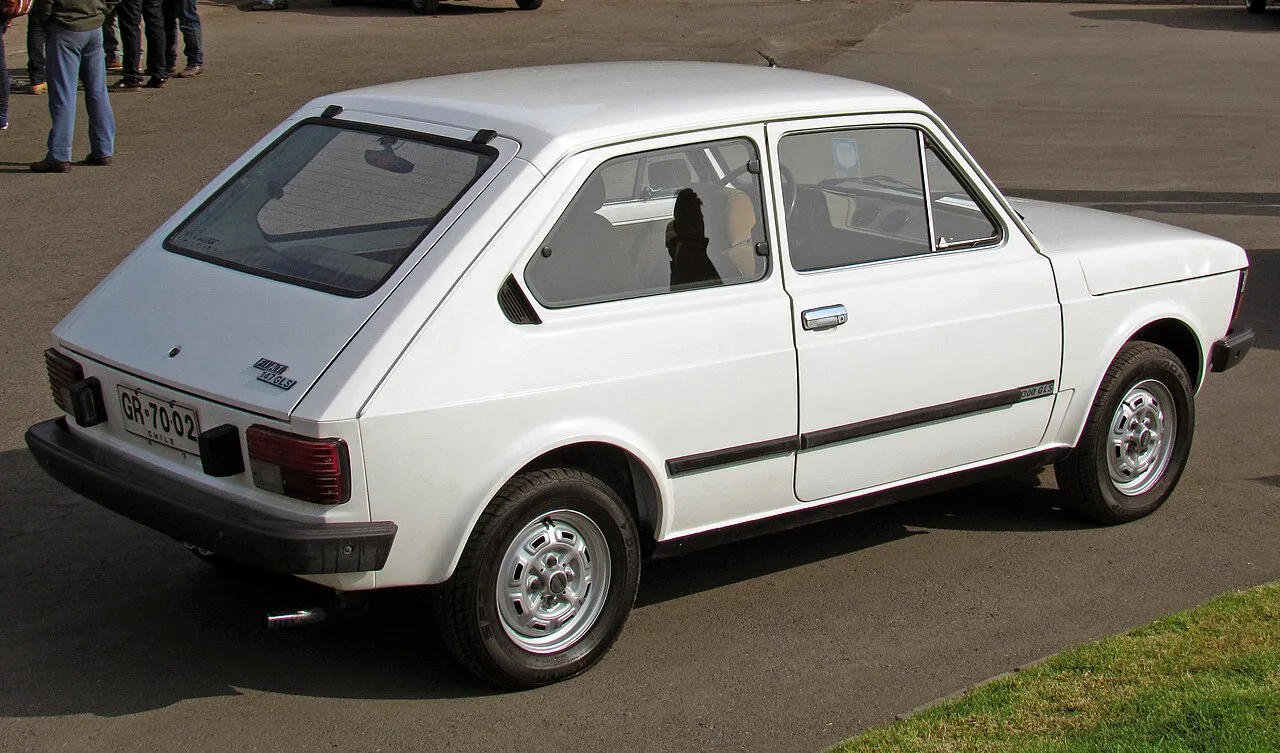
Twin carburettors turned this humble 127-based hatch into the most powerful factory-built 127 derivative Fiat ever made, good for a genuine 101 mph.
Argentina's tuned IAVA Sorpasso squeezed 90 PS from the 147's little 1.3-litre engine -- enough to make it, officially, the most powerful factory-built Fiat 127 derivative ever. Only 405 were built.
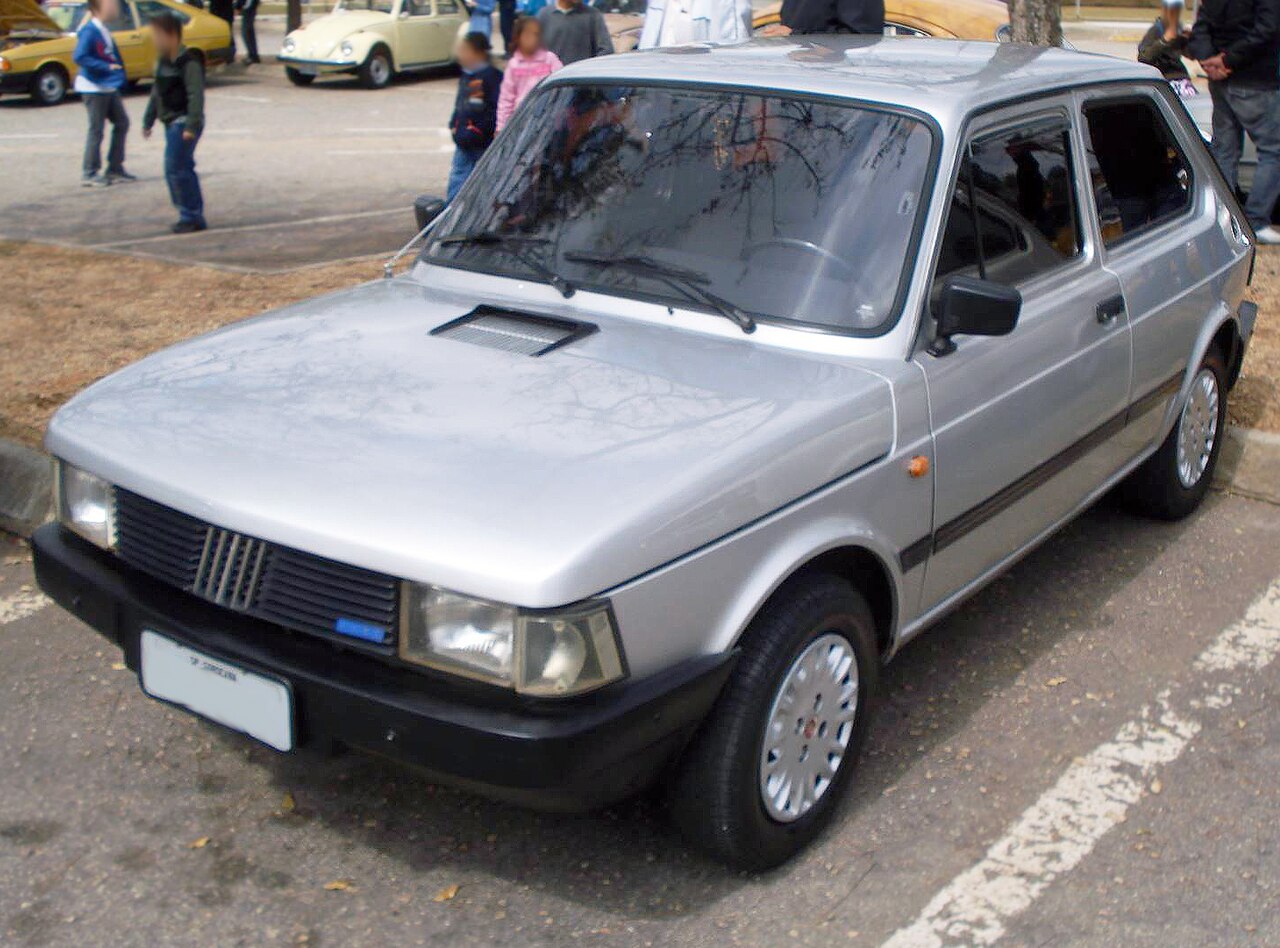
The same 1.3-liter engine that powered the posh 147 GLS made 9PS more in the sportier Rallye — Fiat's cheapest tuning trick for its hot hatch line.
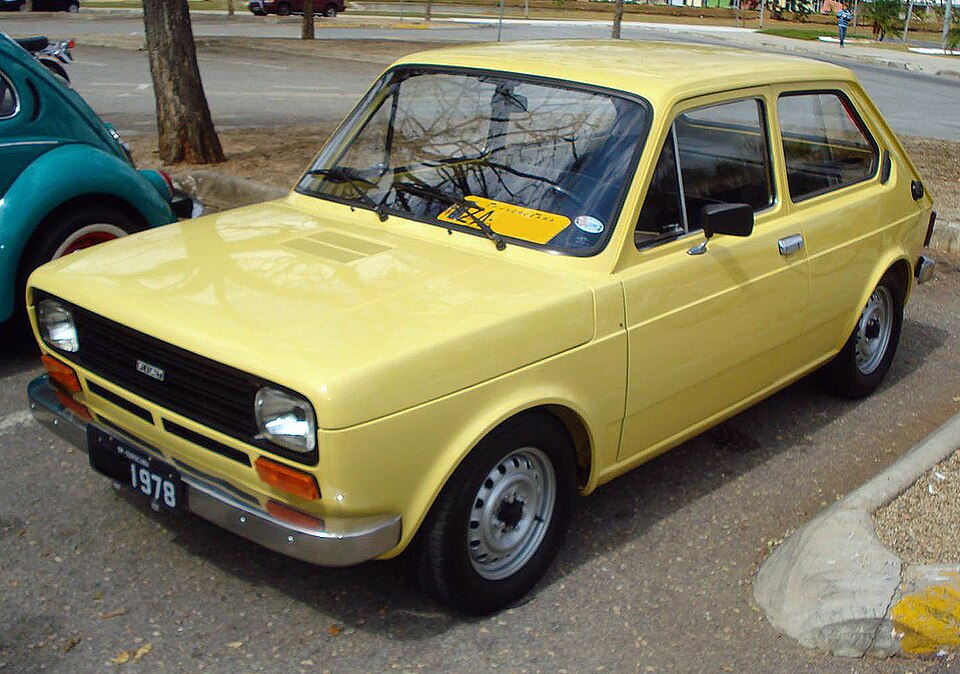
Brazil's 147 was the first mass-produced car built to run on pure ethanol instead of gasoline — the alcohol-burning version literally smelled like cachaça, and drivers nicknamed it "cachacinha."
Rivals
Same body, same money, other badges — tap any card to flip.
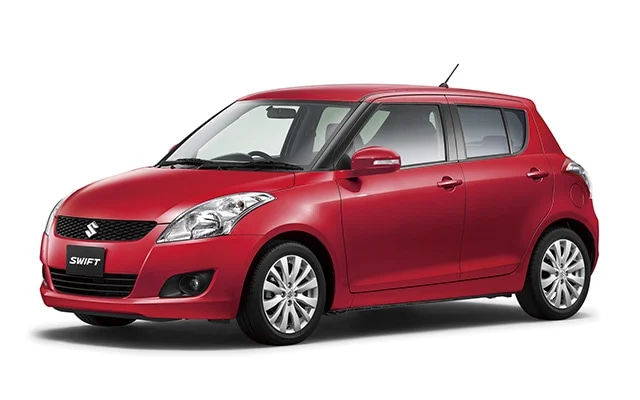
Japan was a minor market for the Swift: when it passed 2 million sales in 2011, about 39% were in India and 27% in Europe, against roughly 15% at home.
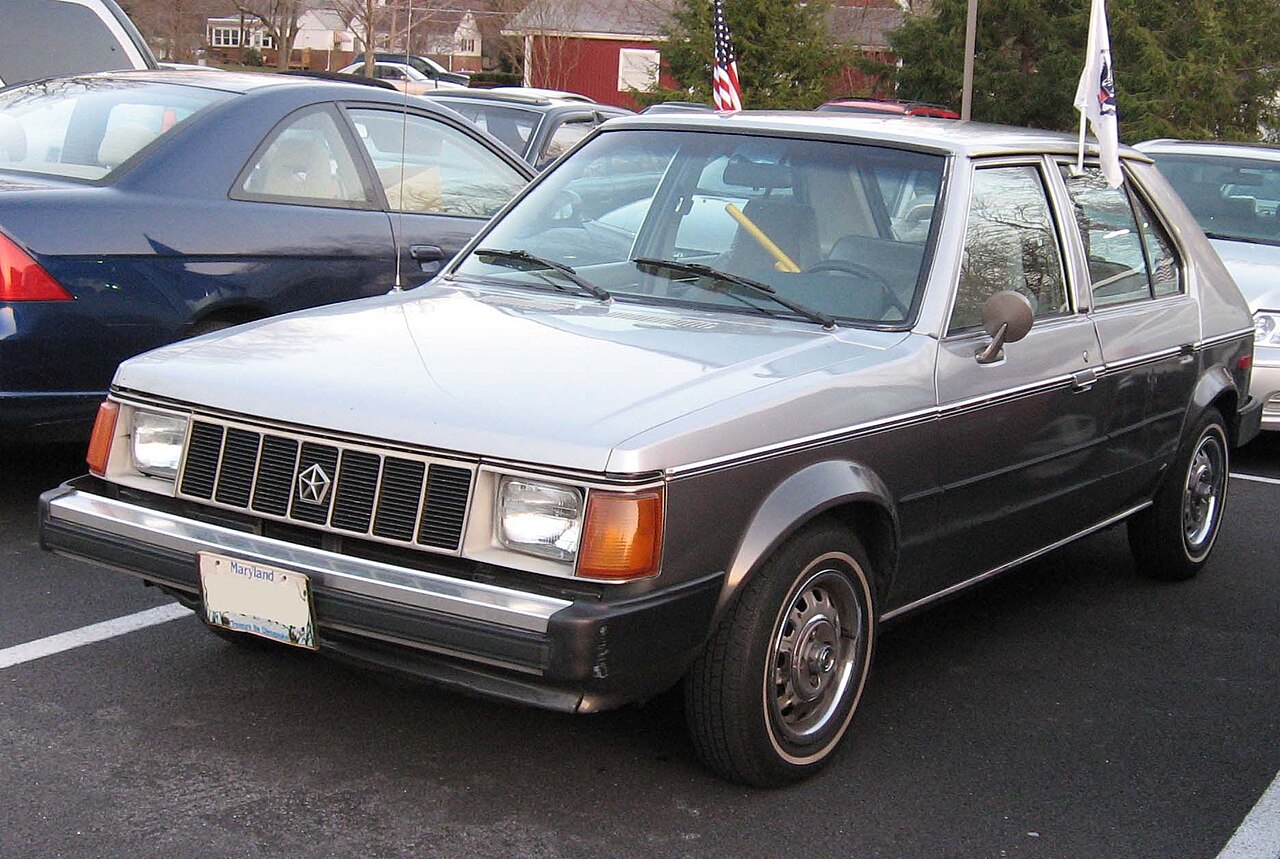
To adapt the Horizon for America, Chrysler bought nearly 100 Volkswagen Rabbits purely to reverse engineer them.
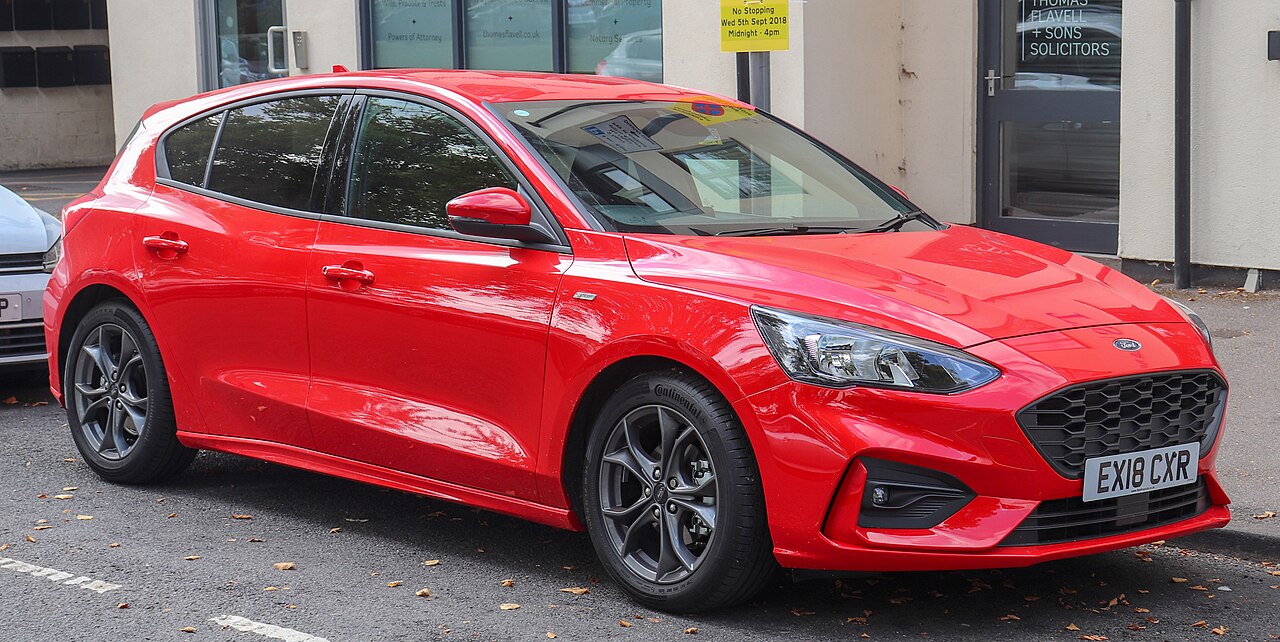
The Mk3 Focus RS's AWD system could send 100 percent of engine power to the rear wheels alone — built not in Ford's home country, but at the Saarlouis plant in Germany.
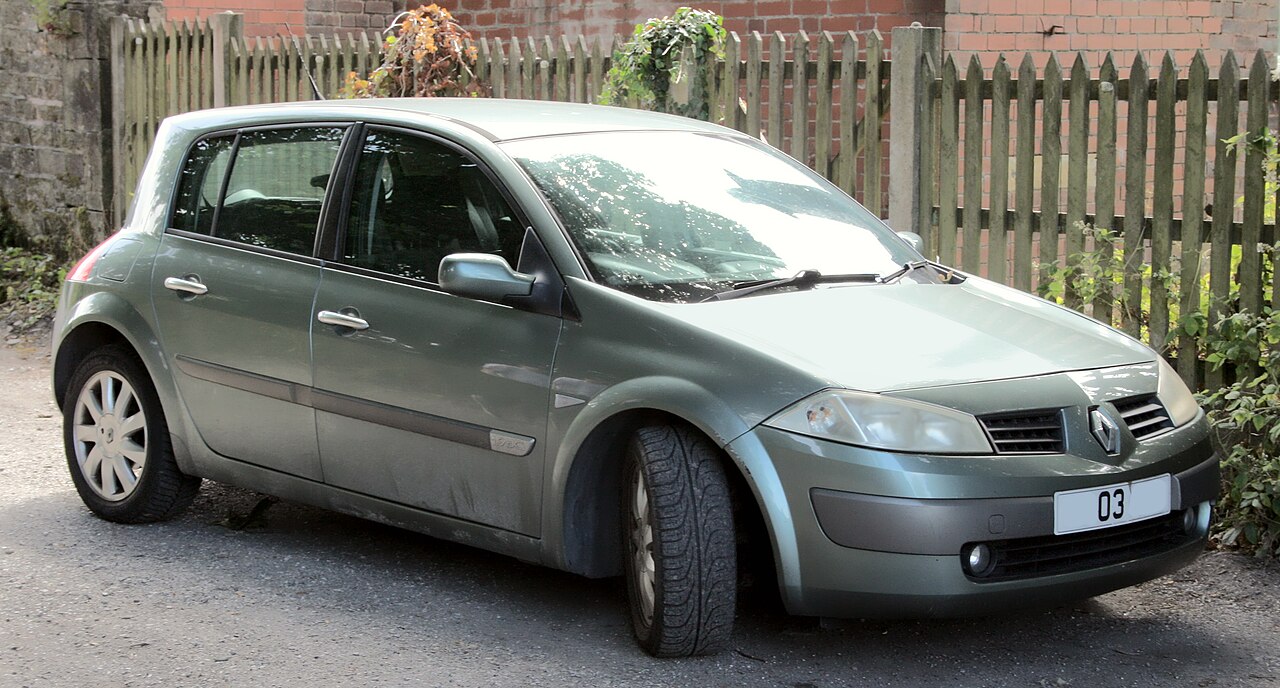
In June 2003, a Mégane II became the subject of the first ever live televised crash test with a real human driver at the wheel instead of a dummy — filmed by Top Gear.
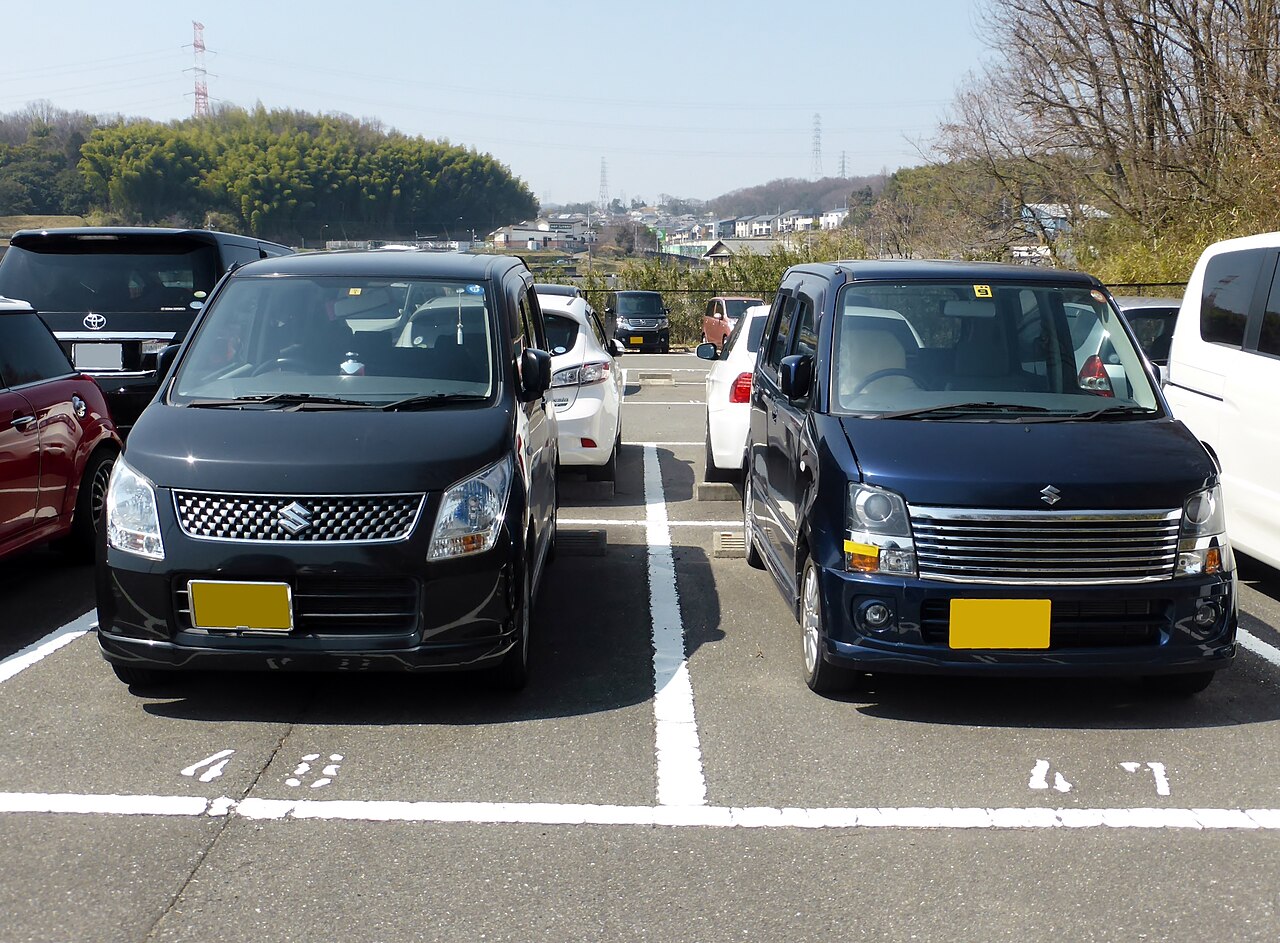
This Wagon R redesigned its rear doors specifically to kill off the D-pillar — bigger doors with built-in quarter glass solved what earlier generations needed a whole extra pillar for.
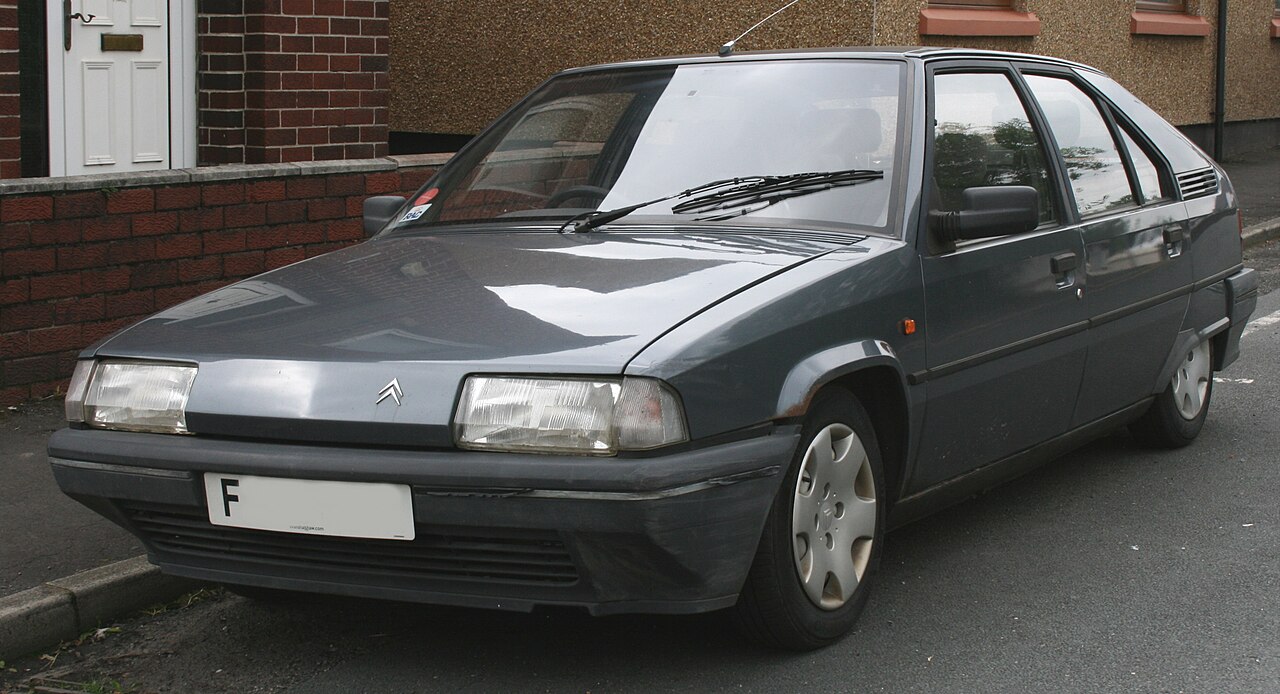
The BX was the UK's best-selling diesel car for four years from 1987, and 2,315,739 were built in all.
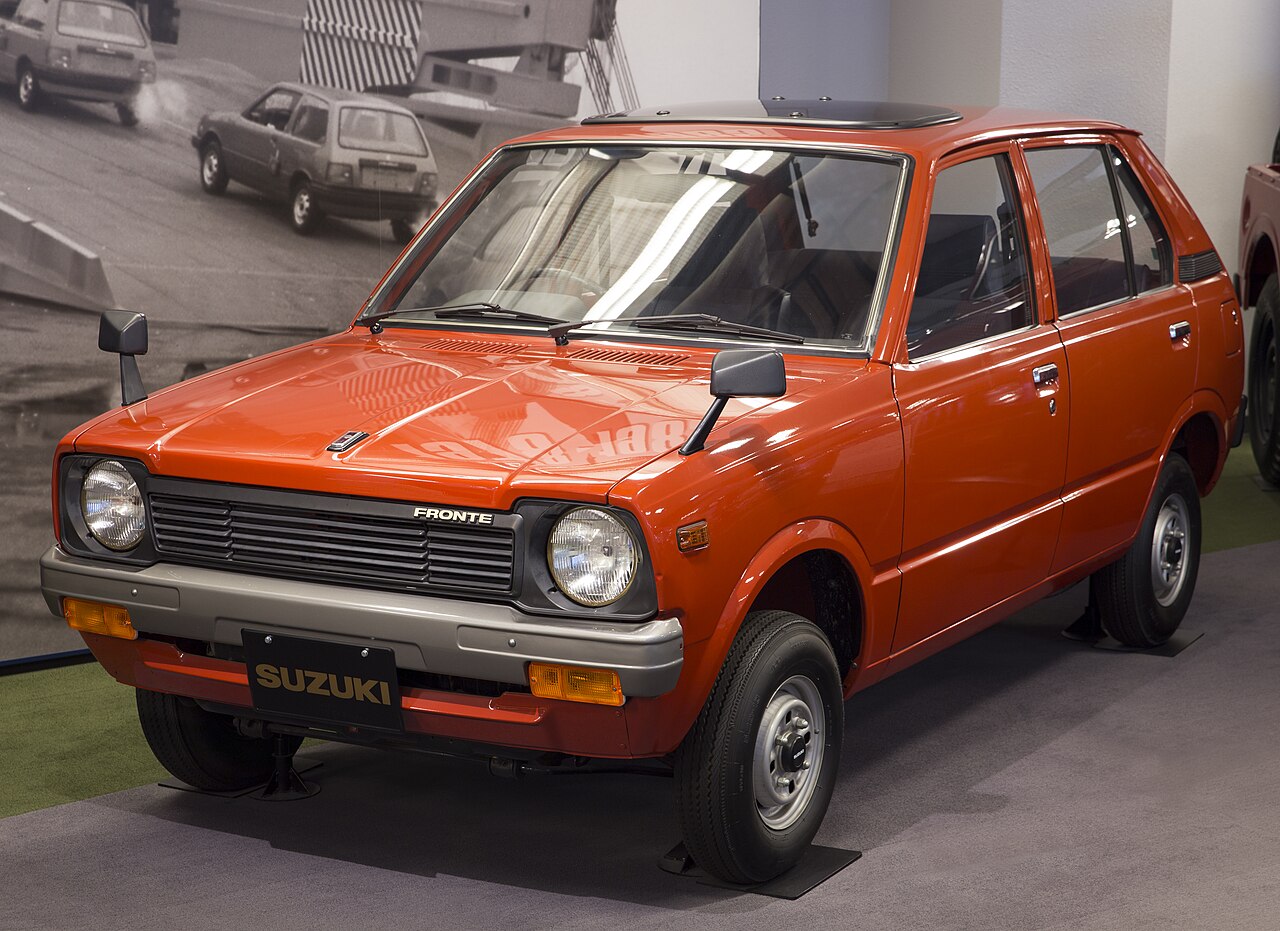
Six months before Suzuki retired the Fronte name for good, the CN11S's 796cc version was already being built in China under a completely different name: the Anchi 6330.
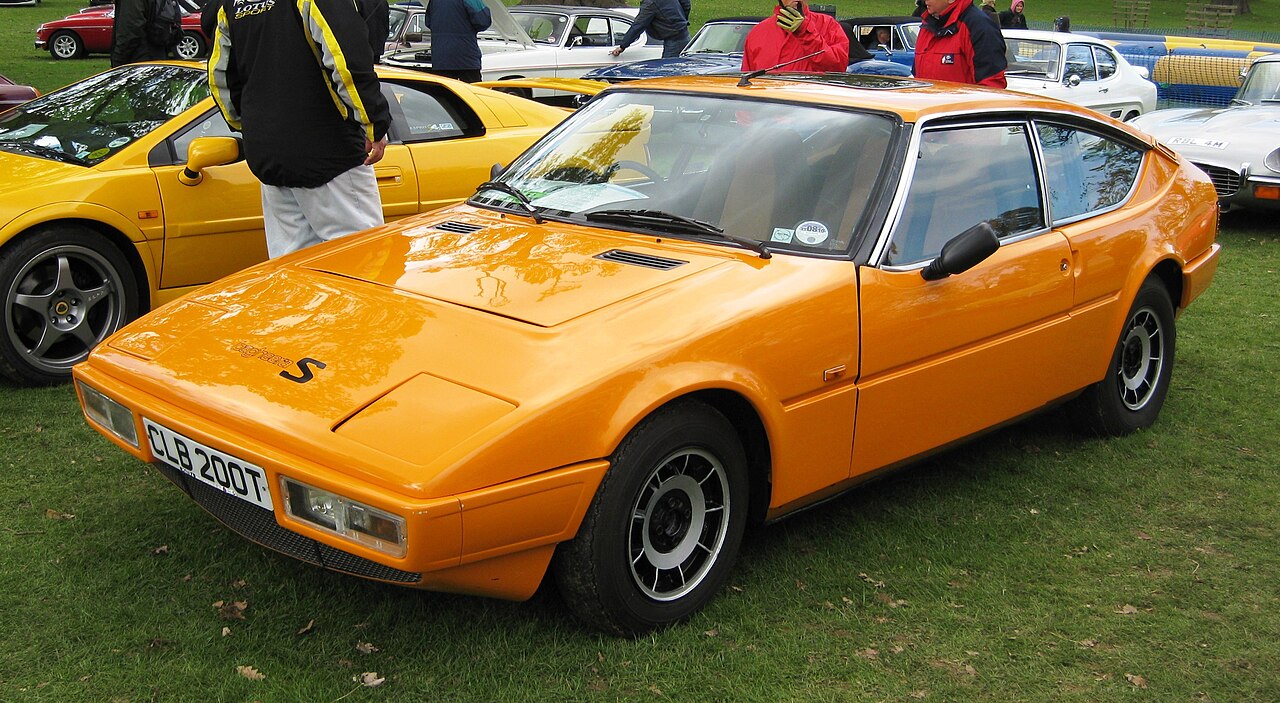
Built to use up Chrysler-Simca's parts bin, it took its engine and gearbox straight from the front-wheel-drive Simca 1100 but mounted them amidships instead.