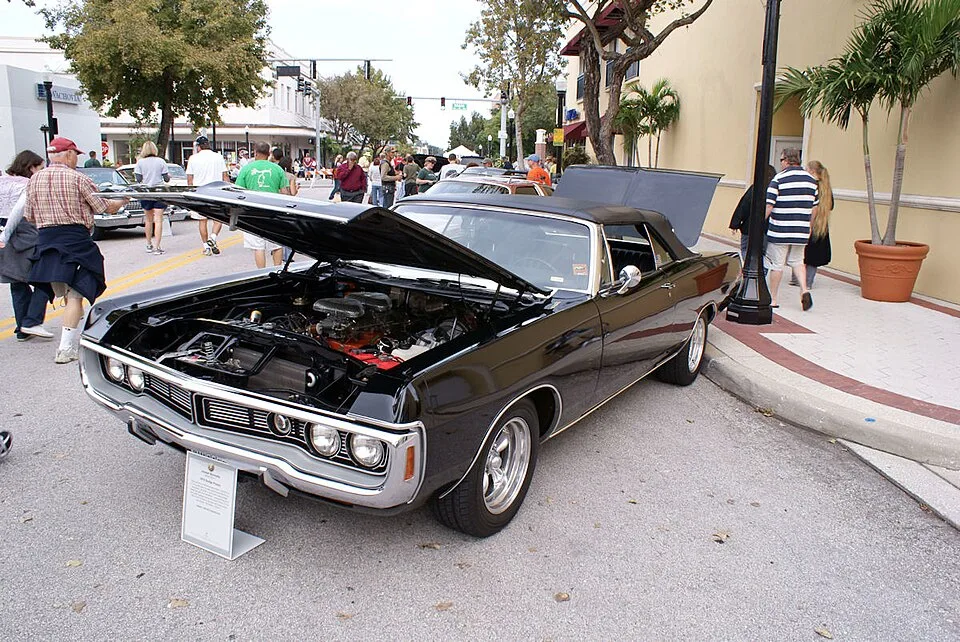
Argentina's hottest engine ever lived in this car: the Dodge GTX's 318 cubic-inch V8 is considered the most powerful engine Argentina ever produced.
Lead trim: GTX 318 V8 (212 hp)
Dodge PolaraPOLARA-GTX-AR · 1968–1980
- 0spots by members
- Unclaimednobody has spotted one yet
- 0sets it belongs to
Nobody in Burbles has spotted a Dodge Polara yet. See one on the street, point the app at it, and the first card is yours — with your @handle permanently credited on this page.
FactArgentina's hottest engine ever lived in this car: the Dodge GTX's 318 cubic-inch V8 is considered the most powerful engine Argentina ever produced.
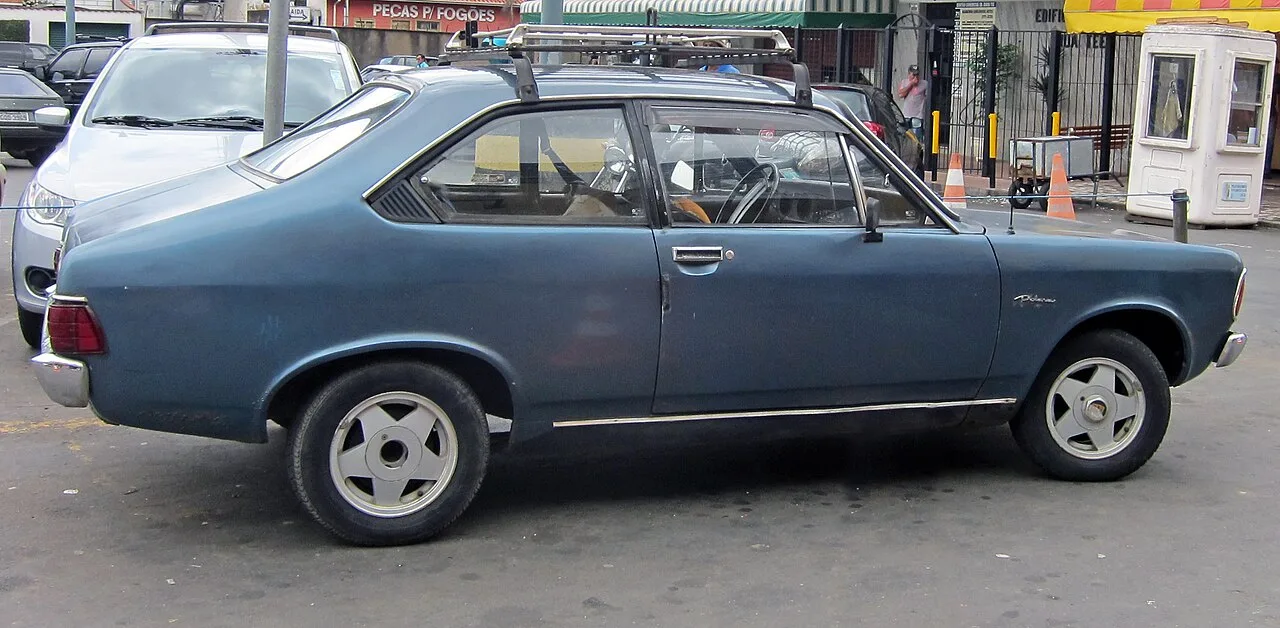
The Dodge Polara GTX (Dodge GTX) coupé was the deluxe high-performance version of the Argentinian Polara, equipped with a 318 cu in (5.2 L) V8 considered the most powerful engine ever produced in Argentina. The magazine Corsa road-tested one with a V8 rated at 212 hp (158 kW) at 4,400 rpm, 308 lb·ft (418 N·m) at 2,600 rpm and 8.5:1 compression: a top speed of 189 km/h (117 mph) and 0–100 km/h in 10.2 seconds.
Collectors Spotted in the Dodge Polara Lineage
No member has published a public street spot of the Dodge Polara yet — the First · Worldwide stamp is wide open.
Trims & Figures
One published trim in the catalogue. A blank is a figure not recorded, not zero.
| Trim | Years | Engine | Power | Torque | 0–60 | Drive | Gearbox | MSRP |
|---|---|---|---|---|---|---|---|---|
| GTX 318 V8 (212 hp) | 1968–1980 | 5.2 L V8 | 212 hp | 308 lb-ft | — | RWD | — | — |
Owning one
We don’t estimate running costs for a car like this. What it costs depends on its condition, its specialist and how it is driven, and an average would mislead.
Owners’ builds
Nobody has claimed one yet.
Photographs
A plain-looking police Polara held a speed record for 25 years: 149.6 mph, the fastest four-door sedan on Chrysler's test track, until a 1994 Caprice finally beat it.
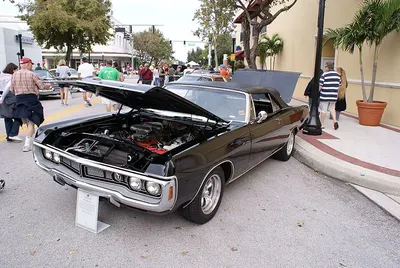
The Argentine Dodge Polara borrowed its name from Dodge's big American sedans, but underneath it was really a reskinned 1967-69 Dodge Dart.
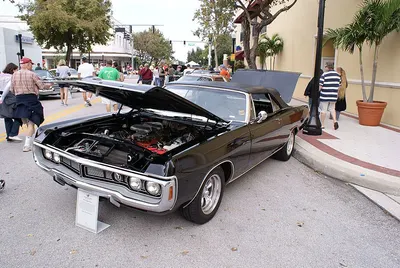
Argentina's hottest engine ever lived in this car: the Dodge GTX's 318 cubic-inch V8 is considered the most powerful engine Argentina ever produced.
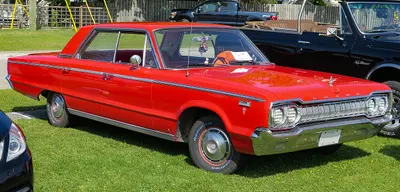
Dodge's full-size comeback came with a catch: 383-powered Polaras of this era averaged just 13.8 mpg, a number owners complained about even in an era of cheap gas.
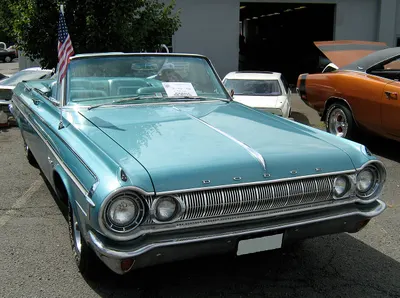
The downsized '62 Polara exists because Chrysler's president overheard Chevy's chief and misread it as a sign GM's big cars were shrinking — so Dodge frantically shrank its whole lineup to match a Chevy downsizing that was never actually happening.
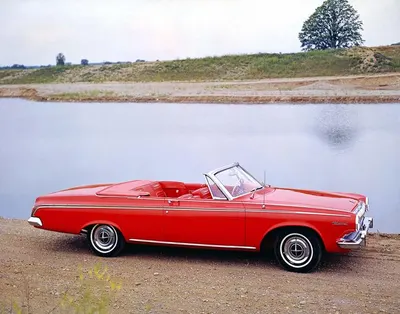
This Polara exists because of a rumor gone wrong: Chrysler's president overheard and misunderstood a GM executive, and panic-shrunk the whole lineup to match a downsizing Chevy never actually did.
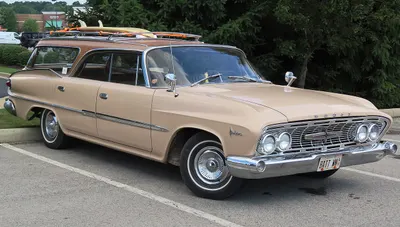
Virgil Exner's reversed-fin 1961 redesign bombed so badly that full-size Dodge sales crashed to their lowest since the company's 1914 founding — just 14,032 built.
Rivals
Same body, same money, other badges — tap any card to flip.

It briefly served as senior sibling to Marquette, a GM companion brand cancelled after just one year.

Nissan hired former BMW engineers to help develop the 510's suspension, which is why period reviewers frequently compared its handling to the BMW 1600/2002.

A Trabant 601 won its class at the 1970 Monte Carlo Rally, with a second 601 right behind it in second.

The 600 was a stopgap: the P50's body over the 601's mechanicals, and for a while its estate was built alongside the new 601 saloon.

The G80 Sport brought a 370 PS twin-turbo 3.3 V6, a mesh grille and copper-tinted chrome with copper stitching to match.

The Vigor was sold only with a five-cylinder engine, an unusual configuration Honda used to fit a longer engine transversely under a short hood.

The GS/E coupe earned the nickname "German Charger" for its long hood, short deck stance borrowed from Detroit muscle cars.

This DeVille/Fleetwood was the first production car anywhere to mount its V8 sideways, Cadillac's front-drive gamble on the new C-body.