Chevy's 1933 Master didn't start out as a Master — it rolled off the line badged 'Eagle' and got renamed mid-year when the cheaper Standard arrived.
Median 59 hp across 73 similar cars
Lead trim: Master six (1934; 80 hp)
Chevrolet MasterMASTER-1933 · 1933–1934
- 0spots by members
- Unclaimednobody has spotted one yet
- 0sets it belongs to
Nobody in Burbles has spotted a Chevrolet Master yet. See one on the street, point the app at it, and the first card is yours — with your @handle permanently credited on this page.
FactChevy's 1933 Master didn't start out as a Master — it rolled off the line badged 'Eagle' and got renamed mid-year when the cheaper Standard arrived.
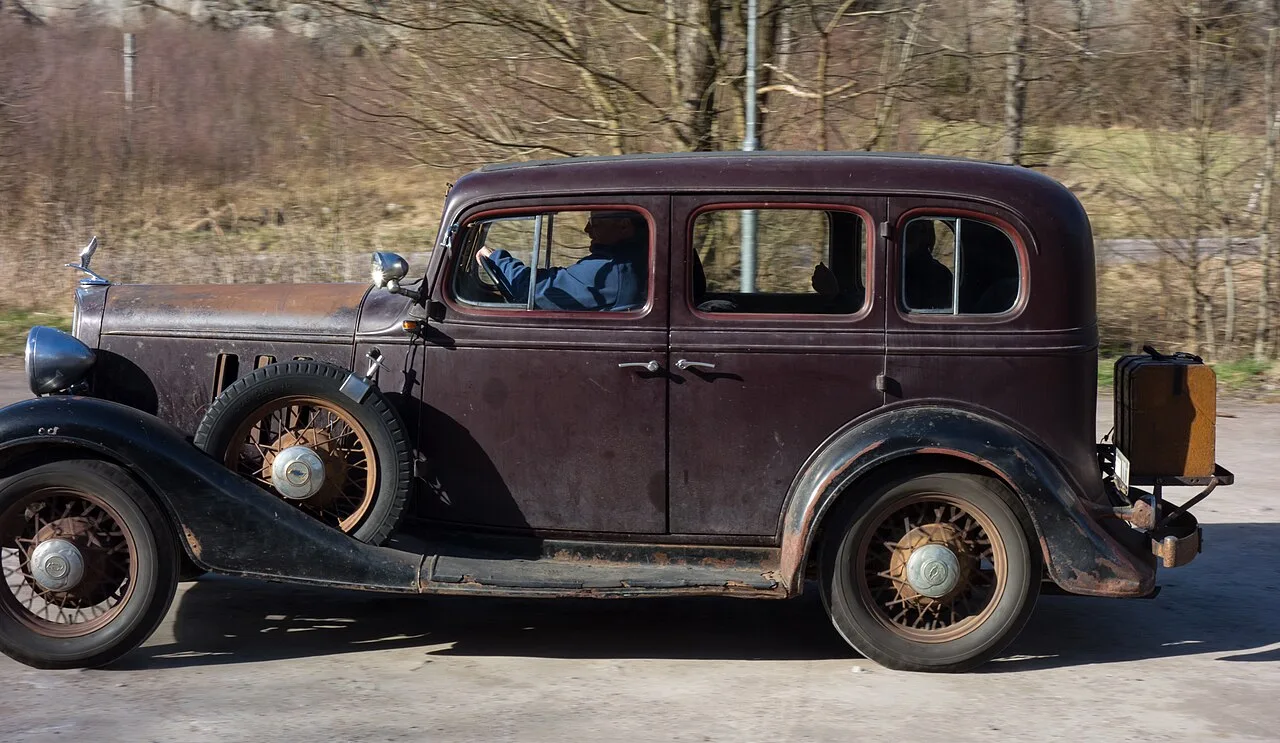
The Chevrolet Master and Master Deluxe were American passenger vehicles built between 1933 and 1942 to replace the 1933 Master Eagle, the most expensive model in the Chevrolet range at the time, with the Standard Mercury providing an affordable product between 1933 and 1937. From this generation all GM cars shared a corporate appearance as a result of the Art and Color Section headed by Harley Earl, introducing a concealed radiator behind a facade with a grille. The 1933 Series CA began production as the "Eagle" and was renamed "Master" midway through the model year when the 1933 Standard (Series CC) was introduced; the easiest distinguishing feature is the post between the front door wing windows and the roll-down windows, whose chrome divider goes down with the window on the Eagle but stays fixed on the Master. The 1934 Series DA Master had an increased wheelbase of 112 in, widening the difference with the cheaper Standard to 5 in, and used an upgraded version of the 206 cu in (3,380 cc) "Stovebolt" six-cylinder engine, now producing 80 hp, with the independent front suspension GM called "Knee-Action", using trailing arms and coil springs. The Master line was the last Chevrolet exported to Japan in knock-down kits and assembled at the Osaka factory before the Imperial Japanese Government appropriated it; when Toyota set out to develop its own sedan, the Toyota AA, a locally made Master was disassembled and examined. The page gives no figures for 1933.
Collectors Spotted in the Chevrolet Master Lineage
No member has published a public street spot of the Chevrolet Master yet — the First · Worldwide stamp is wide open.
Trims & Figures
One published trim in the catalogue. A blank is a figure not recorded, not zero.
| Trim | Years | Engine | Power | Torque | 0–60 | Drive | Gearbox | MSRP |
|---|---|---|---|---|---|---|---|---|
| Master six (1934; 80 hp) | 1934–1934 | 3.4 L Inline-6 | 80 hp | 150 lb-ft | — | RWD | — | — |
Owning one
We don’t estimate running costs for a car like this. What it costs depends on its condition, its specialist and how it is driven, and an average would mislead.
Owners’ builds
Nobody has claimed one yet.
Photographs
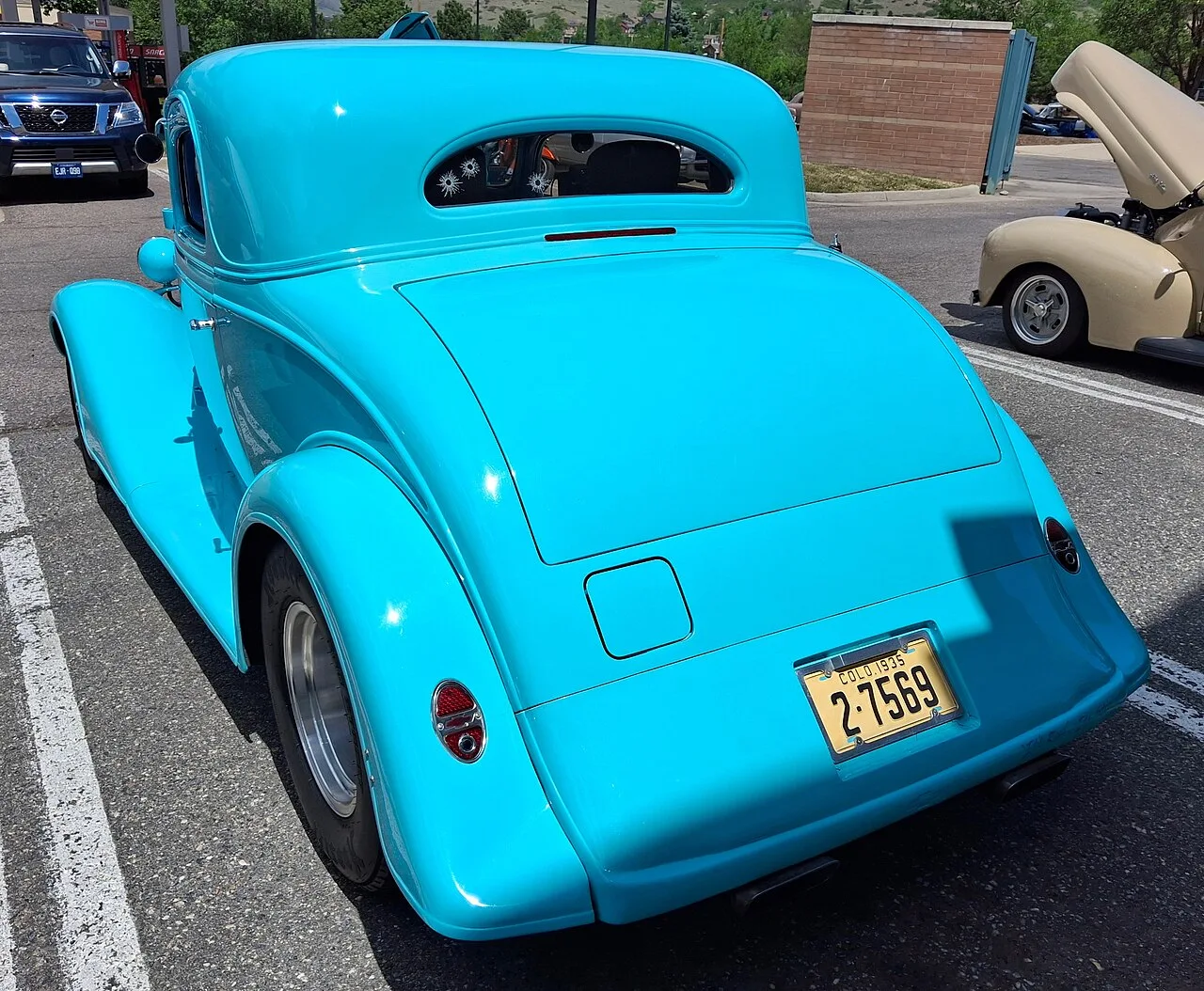
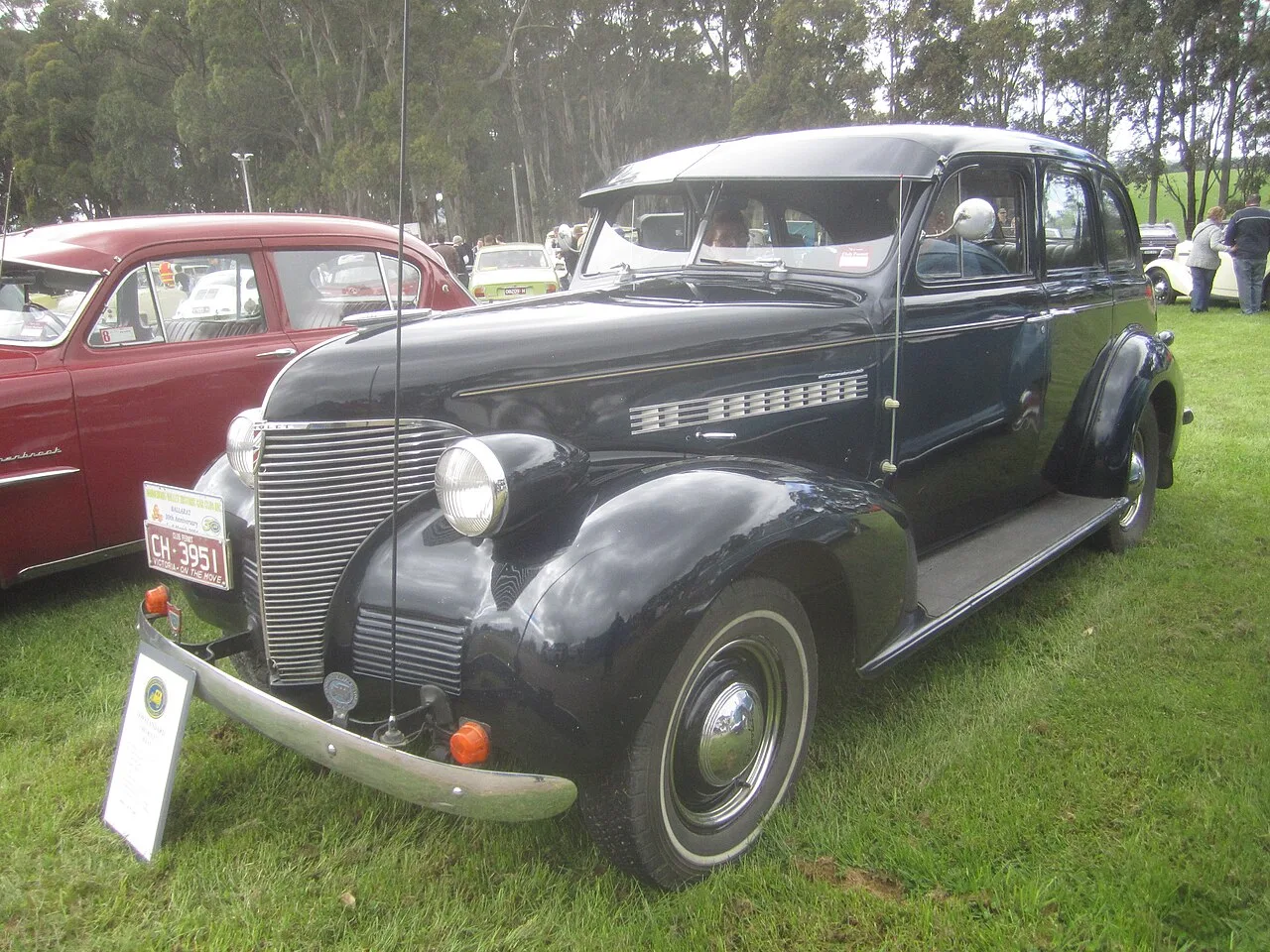
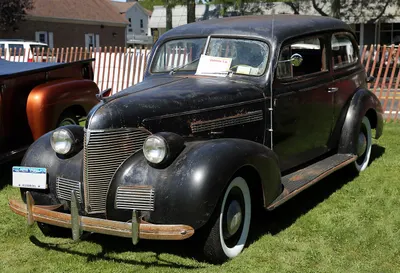
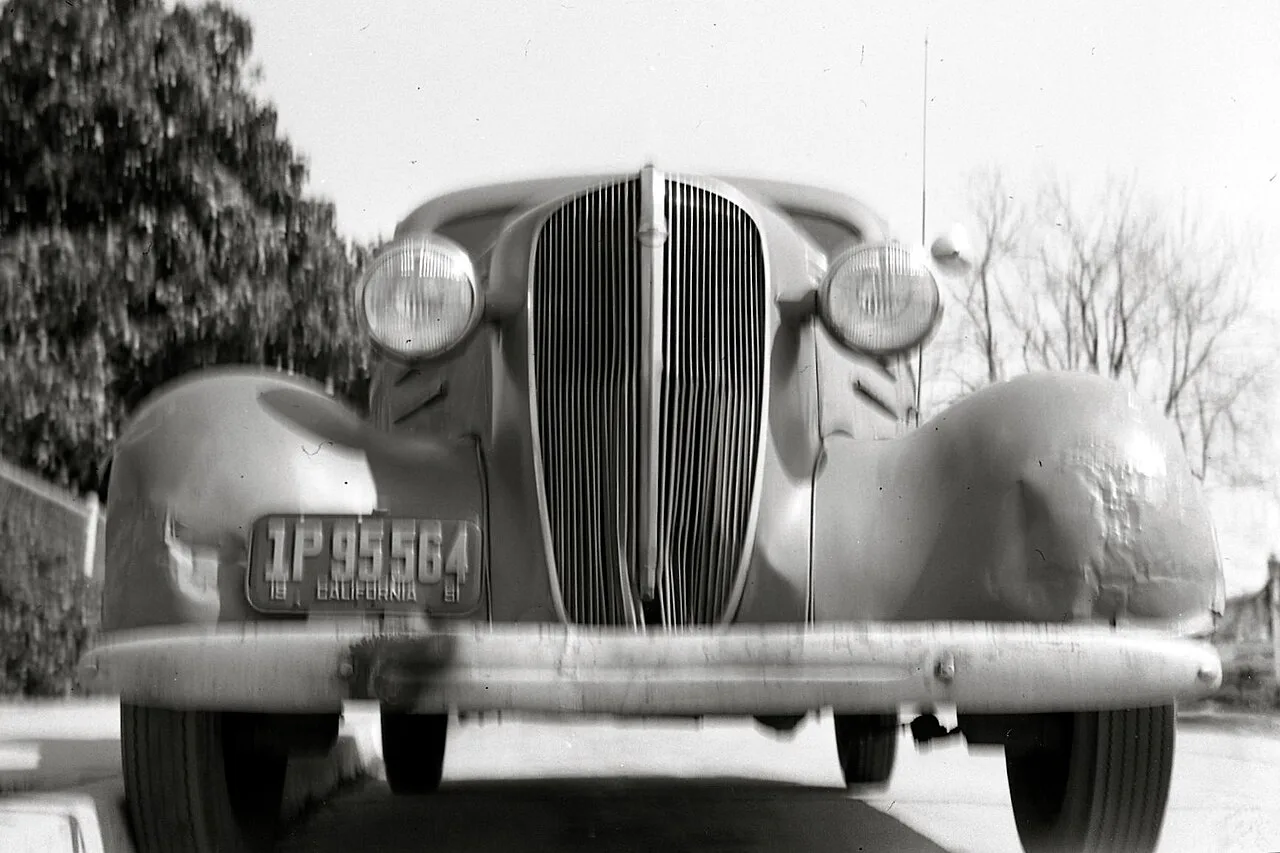
The 1939–42 Master shared its face with Chevy trucks, the last time GM let a pickup wear the same sheet metal as the sedan.
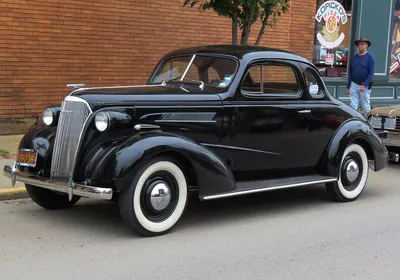
In 1937-38, Chevrolet quietly kept its cheaper Master on old technology: while the pricier Master Deluxe got independent front suspension, the base Master soldiered on with a plain beam front axle.
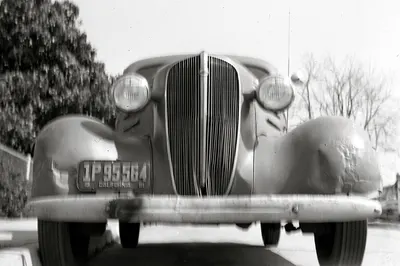
When Toyota set out to build its first sedan, engineers took apart a locally-built Chevrolet Master to figure out how to do it.
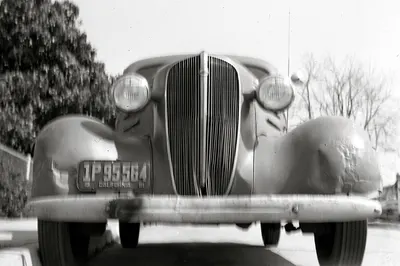
Chevy's 1933 Master didn't start out as a Master — it rolled off the line badged 'Eagle' and got renamed mid-year when the cheaper Standard arrived.
Rivals
Same body, same money, other badges — tap any card to flip.

It briefly served as senior sibling to Marquette, a GM companion brand cancelled after just one year.

Nissan hired former BMW engineers to help develop the 510's suspension, which is why period reviewers frequently compared its handling to the BMW 1600/2002.

A Trabant 601 won its class at the 1970 Monte Carlo Rally, with a second 601 right behind it in second.

The 600 was a stopgap: the P50's body over the 601's mechanicals, and for a while its estate was built alongside the new 601 saloon.

The G80 Sport brought a 370 PS twin-turbo 3.3 V6, a mesh grille and copper-tinted chrome with copper stitching to match.

The Vigor was sold only with a five-cylinder engine, an unusual configuration Honda used to fit a longer engine transversely under a short hood.

The GS/E coupe earned the nickname "German Charger" for its long hood, short deck stance borrowed from Detroit muscle cars.

This DeVille/Fleetwood was the first production car anywhere to mount its V8 sideways, Cadillac's front-drive gamble on the new C-body.