The redesigned 1965 Impala set an all-time industry sales record — over a million units in the US in a single year.
Median 99 hp across 304 similar cars
Lead trim: L36 427 Turbo-Jet V8 (385 hp, 1966) · up to 425 hp
Chevrolet Impala fourth generation1965–1970
- 0spots by members
- Unclaimednobody has spotted one yet
- 0sets it belongs to
Nobody in Burbles has spotted a Chevrolet Impala fourth generation yet. See one on the street, point the app at it, and the first card is yours — with your @handle permanently credited on this page.
FactThe redesigned 1965 Impala set an all-time industry sales record — over a million units in the US in a single year.
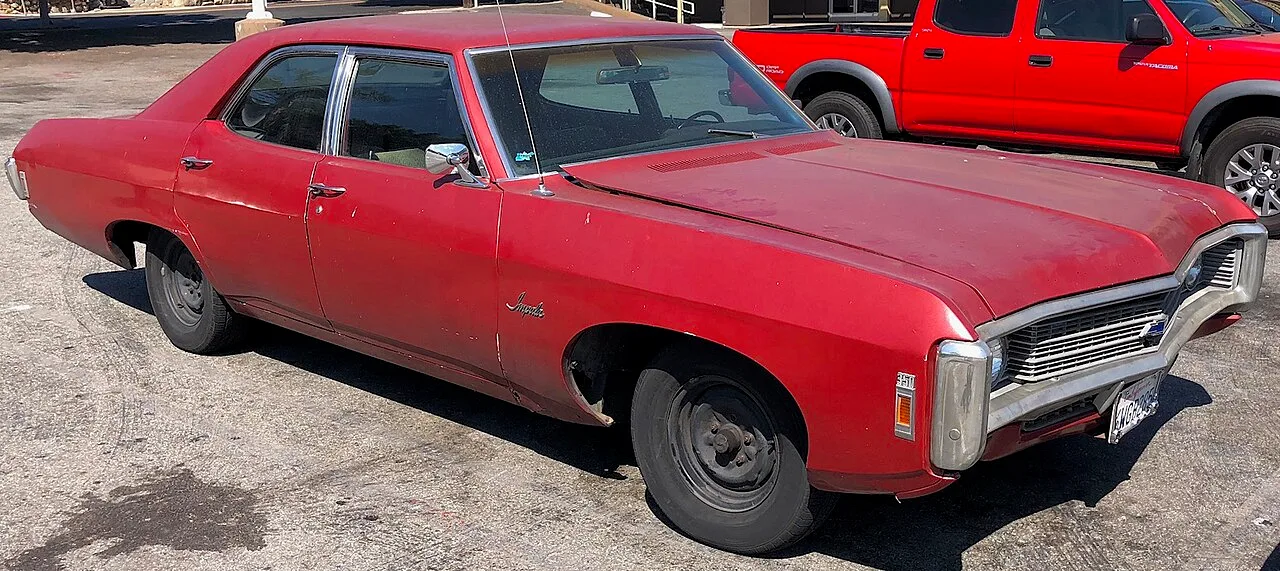
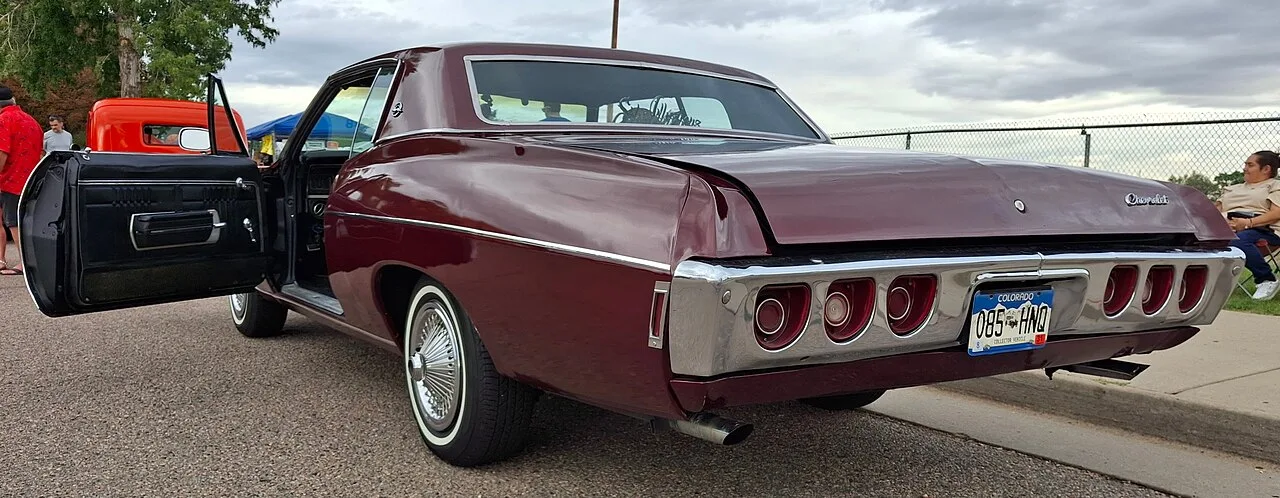
Redesigned by Irv Rybicki for 1965, the Impala set an all-time industry sales record of more than a million in a year. Two-door hardtops (Sport Coupe and, from 1968, the Custom Coupe with the Caprice roofline), a convertible (38,000 sold in 1966, second best in the US) and sedans and wagons (Kingswood in 1969–70). The 1966 model brought enlarged 427s: the L36 at 385 hp and the manual-only L72 at 425 hp, the L72 "427 Turbo-Jet" returning for 1968 and 1969 before the 454. SS427 was offered 1967–69. Small-block 283–350 and 396 Turbo-Jet big-block engines through the run.
Collectors Spotted in the Chevrolet Impala Lineage
No member has published a public street spot of the Chevrolet Impala yet — the First · Worldwide stamp is wide open.
Trims & Figures
2 published trims in the catalogue. A blank is a figure not recorded, not zero.
| Trim | Years | Engine | Power | Torque | 0–60 | Drive | Gearbox | MSRP |
|---|---|---|---|---|---|---|---|---|
| L36 427 Turbo-Jet V8 (385 hp, 1966) | 1966–1966 | 7.0 L V8 | 385 hp | 460 lb-ft | — | RWD | — | — |
| L72 427 Turbo-Jet solid-lifter V8 (425 hp) | 1966–1969 | 7.0 L V8 | 425 hp | 460 lb-ft | — | RWD | manual | — |
Owning one
We don’t estimate running costs for a car like this. What it costs depends on its condition, its specialist and how it is driven, and an average would mislead.
Owners’ builds
Nobody has claimed one yet.
Photographs
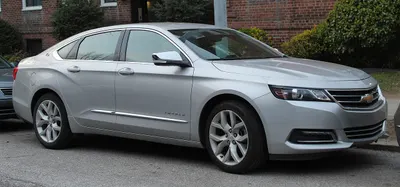
The last Impala wasn't just an American icon — this 10th generation also found its way onto dealer lots in the Middle East and South Korea.
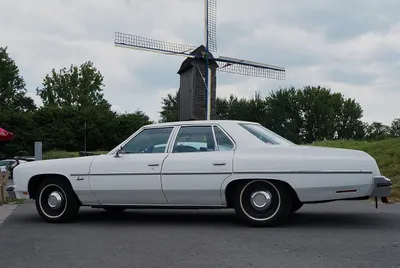
The SS version of this Impala packed a 5.3L V8, the first (and still only) V8 ever offered in a front-wheel-drive Chevrolet, and the first in any Chevy sedan since the 1996 Caprice.
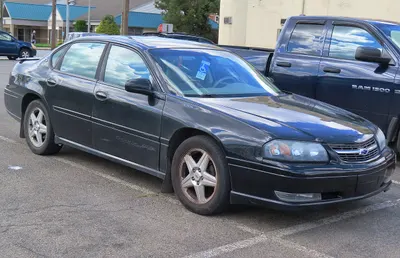
After four decades as a rear-drive icon, the Impala came back in 2000 as a totally different animal — a mainstream front-wheel-drive sedan.
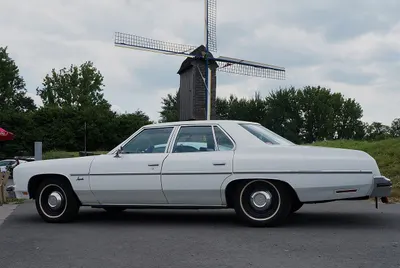
The Impala SS was essentially a cop car in plainclothes — built on the Caprice's 9C1 police package, with suspension and cooling gear once reserved for law enforcement.
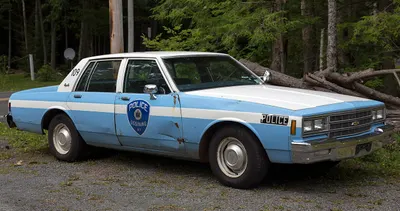
The downsized '77 Impala wasn't a step down — Motor Trend named the redesigned Impala/Caprice its Car of the Year, and production jumped enough to reclaim the #1 sales spot in the US.
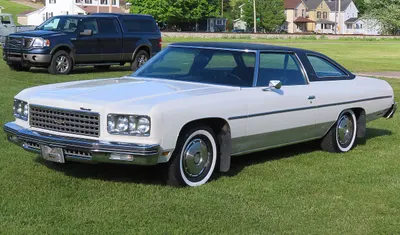
A thousand of these Impalas quietly shipped with an experimental airbag system in 1973, decades before airbags were mandated — one survivor even played Kramer's car on Seinfeld.
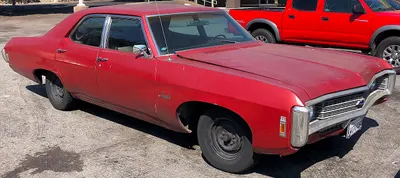
The redesigned 1965 Impala set an all-time industry sales record — over a million units in the US in a single year.
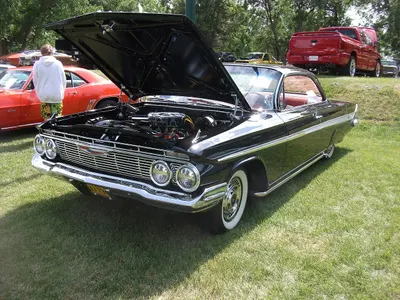
Hidden inside the 1963 lineup was the Z11: an all-aluminum 427 drag-racing special rated at 430 horsepower. Chevy built exactly fifty of them.
Exported to Australia, this Impala carried a distinction no American import before it had: the first postwar US car sold there with a V8 as standard equipment.
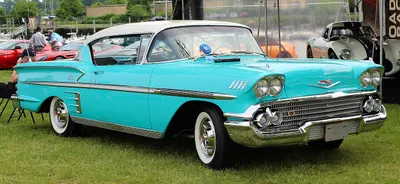
The brand-new 1958 Impala sold so well in its first year that it made up 15 percent of all Chevrolets built — and helped Chevrolet reclaim the number-one production spot in a recession year.
Rivals
Same body, same money, other badges — tap any card to flip.

It briefly served as senior sibling to Marquette, a GM companion brand cancelled after just one year.

Nissan hired former BMW engineers to help develop the 510's suspension, which is why period reviewers frequently compared its handling to the BMW 1600/2002.

A Trabant 601 won its class at the 1970 Monte Carlo Rally, with a second 601 right behind it in second.

The 600 was a stopgap: the P50's body over the 601's mechanicals, and for a while its estate was built alongside the new 601 saloon.

The G80 Sport brought a 370 PS twin-turbo 3.3 V6, a mesh grille and copper-tinted chrome with copper stitching to match.

The Vigor was sold only with a five-cylinder engine, an unusual configuration Honda used to fit a longer engine transversely under a short hood.

The GS/E coupe earned the nickname "German Charger" for its long hood, short deck stance borrowed from Detroit muscle cars.

This DeVille/Fleetwood was the first production car anywhere to mount its V8 sideways, Cadillac's front-drive gamble on the new C-body.