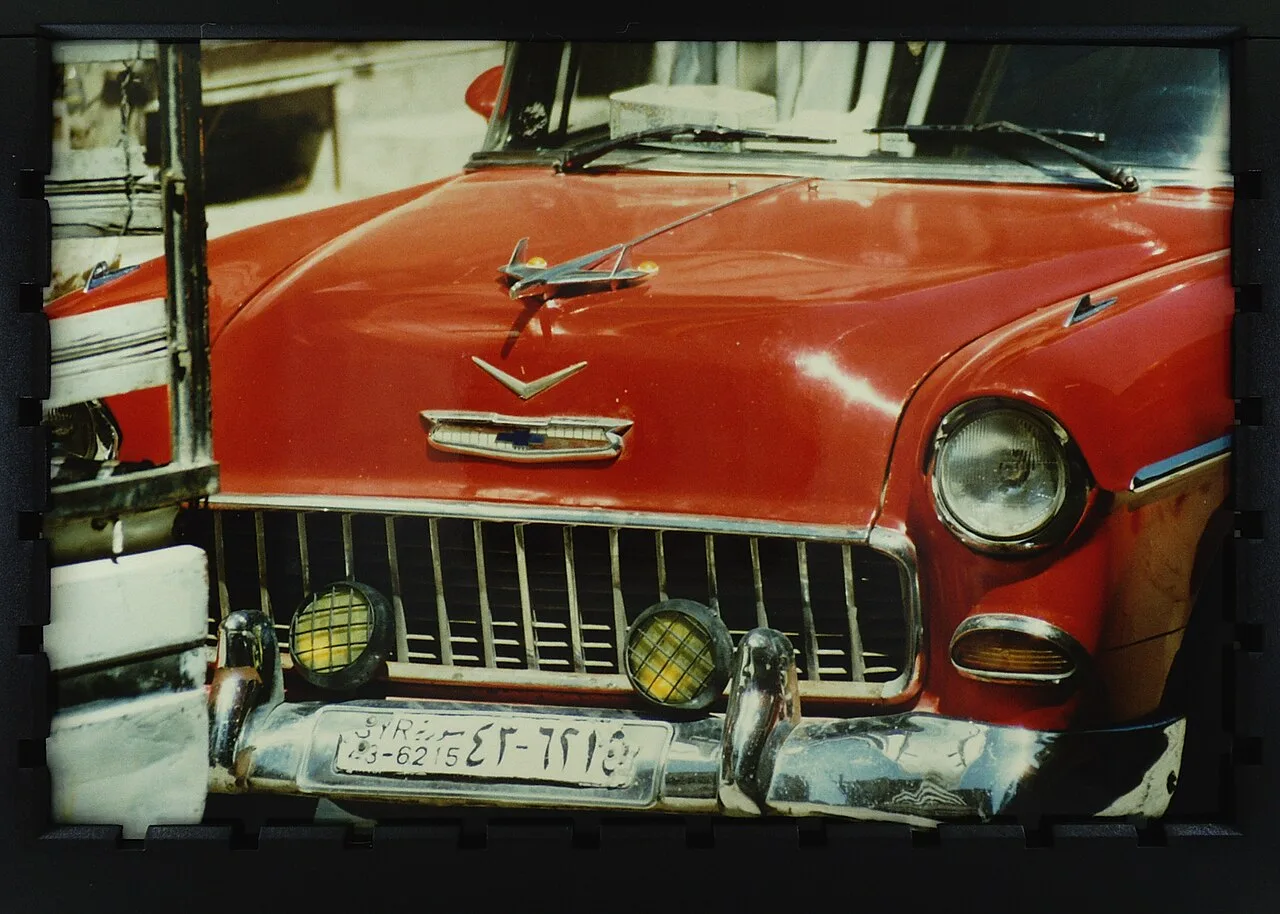
Chevrolet built the Delray for fleets, not families, so police departments got a big-block 348 with rubber floors and no chrome.
Median 83 hp across 123 similar cars
Lead trim: Delray 235 Blue Flame I6 · up to 250 hp
Chevrolet DelrayDELRAY-1958 · 1958–1958
- 0spots by members
- Unclaimednobody has spotted one yet
- 0sets it belongs to
Nobody in Burbles has spotted a Chevrolet Delray yet. See one on the street, point the app at it, and the first card is yours — with your @handle permanently credited on this page.
FactChevrolet built the Delray for fleets, not families, so police departments got a big-block 348 with rubber floors and no chrome.
In 1958 the Delray became a distinct series of its own, taking the place of the 150 as Chevrolet's price-leading, no-frills model, with the Biscayne, Bel Air and Impala (the last a sub-model of the Bel Air for 1958) above it. It now used GM's X-frame and was offered as a 2-door sedan, 2-door utility sedan, 4-door sedan and sedan delivery; its 1958-only station wagon counterpart was the Yeoman. Chevrolet models were redesigned longer, lower and heavier than their 1957 predecessors, and the first production Chevrolet big block V8, the 348 cu in, was now an option. With minimal interior and exterior trim and limited options the Delray was popular with fleet buyers such as police departments and businesses, though private customers could also buy one for low price, economy and basic full-size transportation; all transmissions were controlled by a column lever and the Powerglide adopted the safer PRNDL pattern in place of PNDLR. Buyers could order any engine and transmission, including the new 348 V8 and the fuel-injected 283 V8; the 283 is listed at 195 to 220 bhp and the 348 at 250 to 350 bhp, ranges with no single rating, so power is left blank. The infobox gives the wheelbase as 120.5 in, while the Yeoman and Biscayne pages give 117.5 in for the same 1958 platform, so no wheelbase is entered; length 209.1 in, width 77.7 in and height 57 in are as listed.
Collectors Spotted in the Chevrolet Delray Lineage
No member has published a public street spot of the Chevrolet Delray yet — the First · Worldwide stamp is wide open.
Trims & Figures
3 published trims in the catalogue. A blank is a figure not recorded, not zero.
| Trim | Years | Engine | Power | Torque | 0–60 | Drive | Gearbox | MSRP |
|---|---|---|---|---|---|---|---|---|
| Delray 235 Blue Flame I6 | 1958–1958 | 3.9 L Inline-6 | 145 hp | 215 lb-ft | — | RWD | — | — |
| Delray 283 Turbo Fire V8 | 1958–1958 | 4.6 L V8 | 185 hp | 275 lb-ft | — | RWD | — | — |
| Delray 348 W-series Turbo Thrust V8 | 1958–1958 | 5.7 L V8 | 250 hp | 355 lb-ft | — | RWD | — | — |
Owning one
We don’t estimate running costs for a car like this. What it costs depends on its condition, its specialist and how it is driven, and an average would mislead.
Owners’ builds
Nobody has claimed one yet.
Photographs
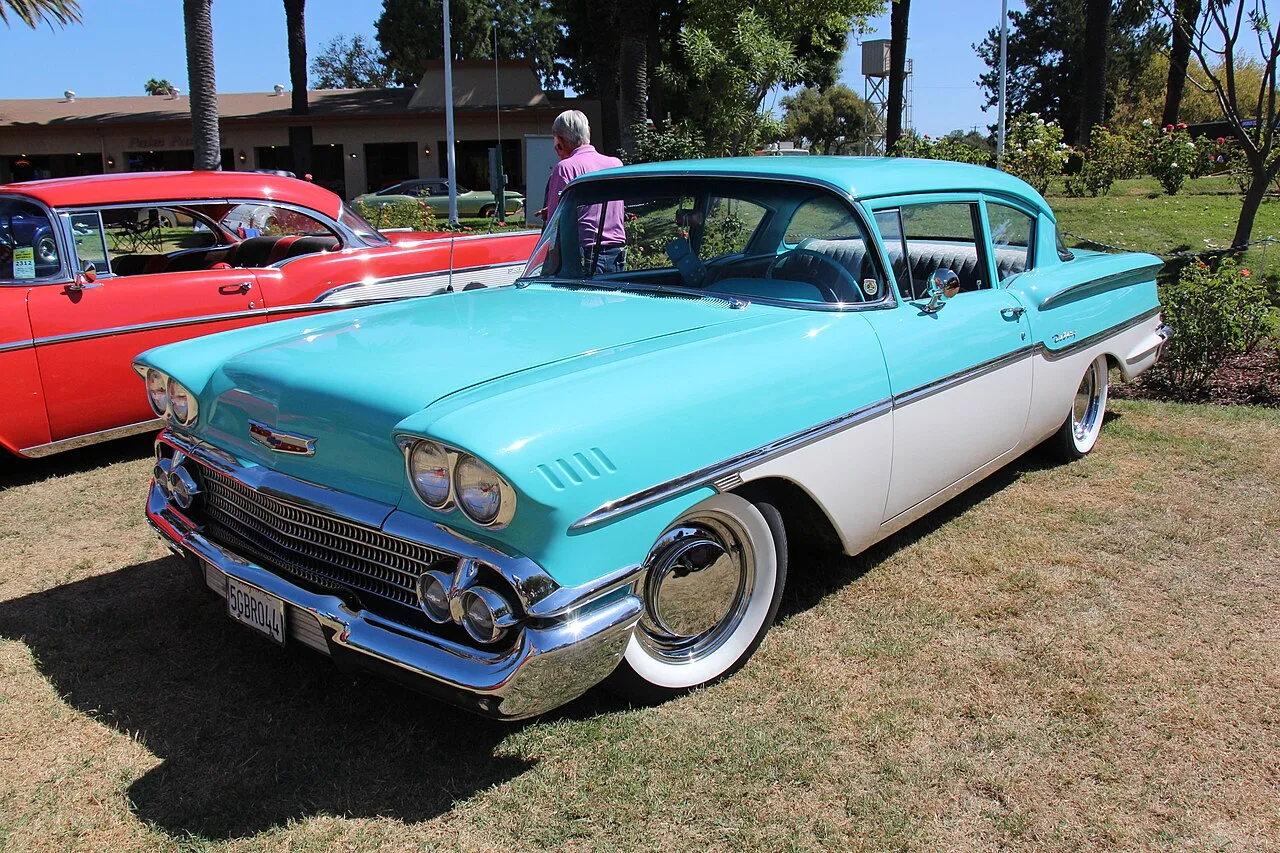
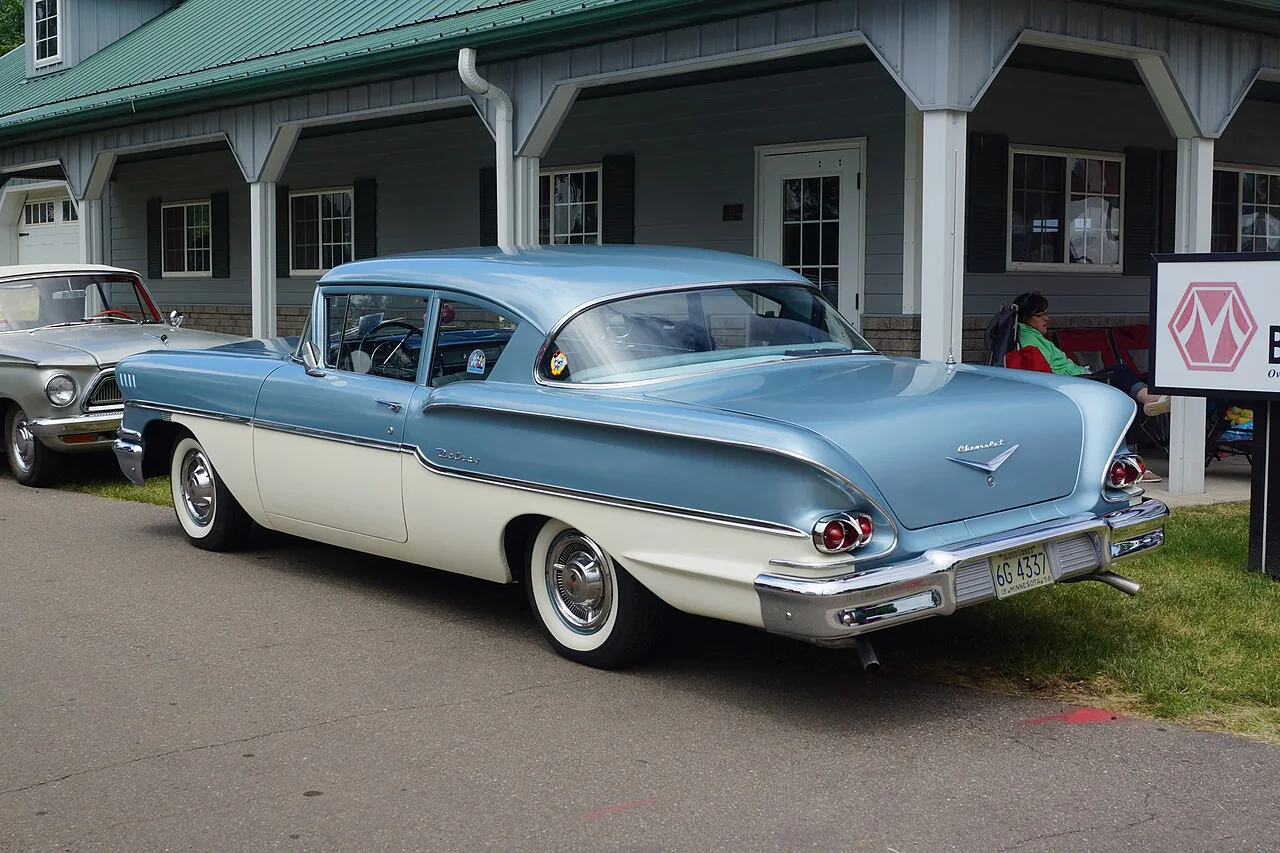
Chevrolet built the Delray for fleets, not families, so police departments got a big-block 348 with rubber floors and no chrome.
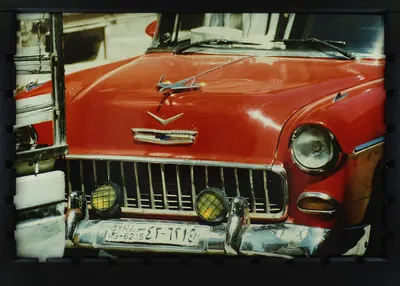
Despite having its own badge, the Tri-Five Delray wasn't really its own model — it was an interior trim package for the base 210 two-door, with nicer vinyl and carpet.
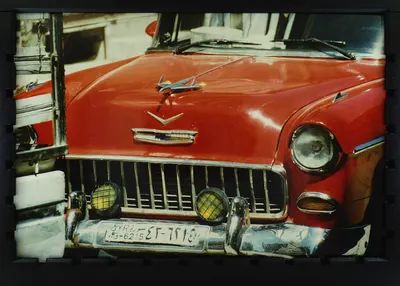
1954 was the end of an era for Chevy: the last year the "Blue Flame" straight-six reigned as the top engine before the small-block V8 arrived, and the last year any Chevrolet ran six-volt electrics.
Rivals
Same body, same money, other badges — tap any card to flip.

It briefly served as senior sibling to Marquette, a GM companion brand cancelled after just one year.

Nissan hired former BMW engineers to help develop the 510's suspension, which is why period reviewers frequently compared its handling to the BMW 1600/2002.

A Trabant 601 won its class at the 1970 Monte Carlo Rally, with a second 601 right behind it in second.

The 600 was a stopgap: the P50's body over the 601's mechanicals, and for a while its estate was built alongside the new 601 saloon.

The G80 Sport brought a 370 PS twin-turbo 3.3 V6, a mesh grille and copper-tinted chrome with copper stitching to match.

The Vigor was sold only with a five-cylinder engine, an unusual configuration Honda used to fit a longer engine transversely under a short hood.

The GS/E coupe earned the nickname "German Charger" for its long hood, short deck stance borrowed from Detroit muscle cars.

This DeVille/Fleetwood was the first production car anywhere to mount its V8 sideways, Cadillac's front-drive gamble on the new C-body.