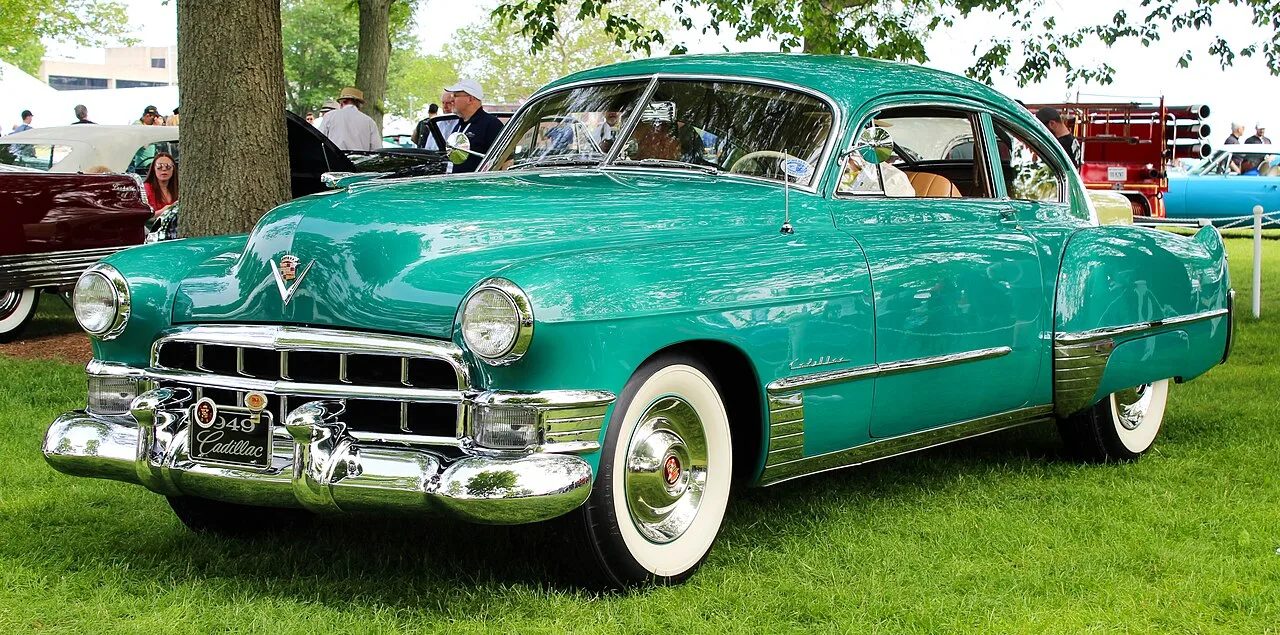
Postwar steel was so scarce that some 1946 Series 62s left the factory with wooden bumpers. Dealers were supposed to bolt on real ones whenever metal became available.
Lead trim: Series 62 346 cu in Monobloc V8 (1946–1947)
Cadillac Series 621942–1947
- 0spots by members
- Unclaimednobody has spotted one yet
- 0sets it belongs to
Nobody in Burbles has spotted a Cadillac Series 62 yet. See one on the street, point the app at it, and the first card is yours — with your @handle permanently credited on this page.
FactPostwar steel was so scarce that some 1946 Series 62s left the factory with wooden bumpers. Dealers were supposed to bolt on real ones whenever metal became available.
The grille became more massive in 1942 with even fewer bars, the start of the traditional "egg crate" appearance all future products adopted; parking lights became round, fenders were rounded and longer with GM's "Airfoil" character outlines extending into the doors, and a new fresh air ventilating system with air ducts from the grille replaced cowl ventilators. Vehicles built until February 1942 lacked chrome trim starting in January when it was prohibited for wartime production. The first postwar Cadillac rolled off the line on October 7, 1945, and for several months only Series 62s were produced; 1946 Cadillacs were not significantly altered from 1942 outside a few styling changes and a negative ground battery, with the same coupe, sedan and convertible lineup (18,565 Series 62s built for 1946, about 65% of Cadillac's 29,000). Demand much exceeded supply, with as many as 100,000 unfilled orders into 1947 and some cars shipped with wooden bumpers. The Series 62 used GM's C-body platform with the Sixty Special, Buick Super and Roadmaster and Oldsmobile 98, with the 346 cu in (5.7 L) Monobloc V8 and a 3-speed manual or 4-speed Hydra-Matic: 129.0 in wheelbase, 220.0 in long in 1942 and 219.2 in in 1946–47, 80.8 in wide, 63.1 in high, 4,300–4,700 lb.
Collectors Spotted in the Cadillac Series 62 Lineage
No member has published a public street spot of the Cadillac Series 62 yet — the First · Worldwide stamp is wide open.
Trims & Figures
2 published trims in the catalogue. A blank is a figure not recorded, not zero.
| Trim | Years | Engine | Power | Torque | 0–60 | Drive | Gearbox | MSRP |
|---|---|---|---|---|---|---|---|---|
| Series 62 346 cu in Monobloc V8 (1942) | 1942–1942 | 5.7 L V8 | 150 hp | — | — | RWD | — | — |
| Series 62 346 cu in Monobloc V8 (1946–1947) | 1946–1947 | 5.7 L V8 | 150 hp | — | — | RWD | — | — |
Owning one
We don’t estimate running costs for a car like this. What it costs depends on its condition, its specialist and how it is driven, and an average would mislead.
Owners’ builds
Nobody has claimed one yet.
Photographs
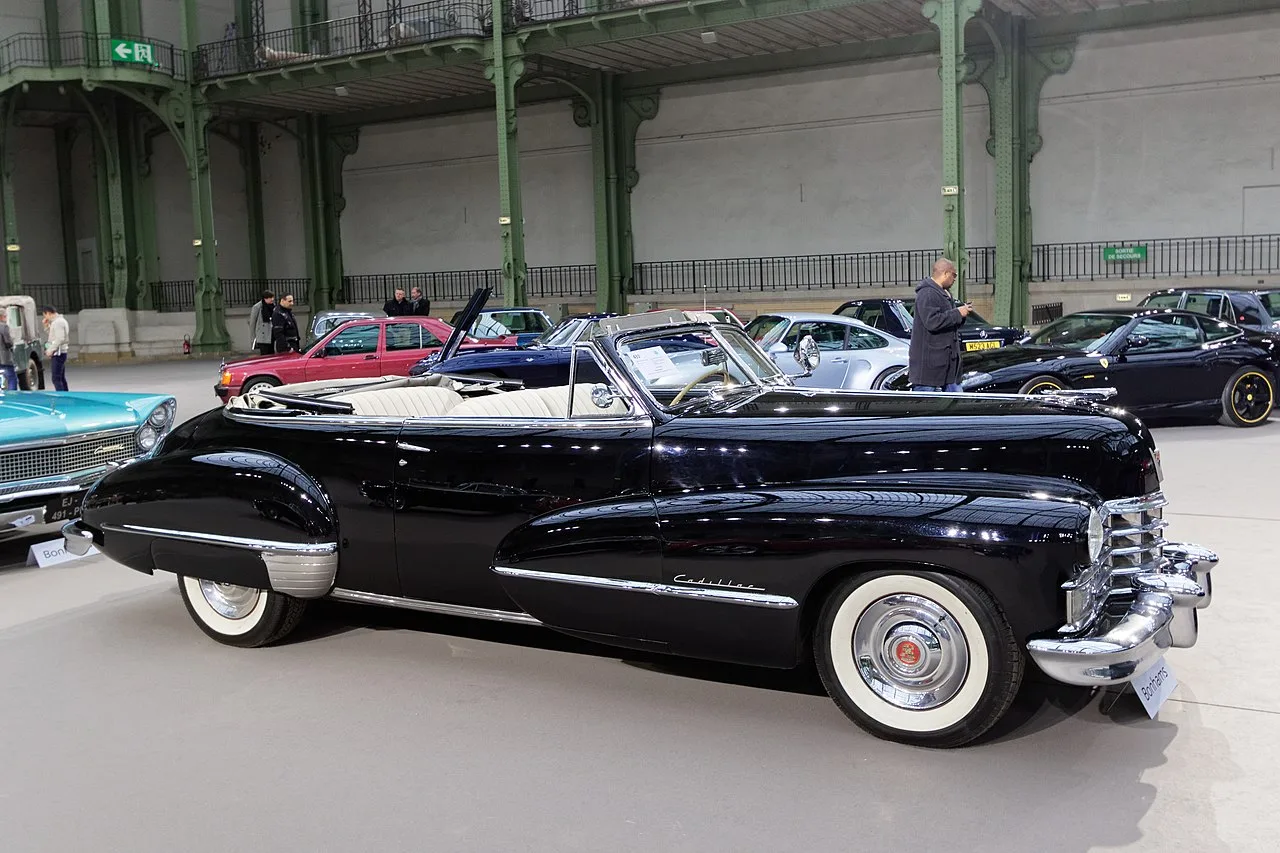
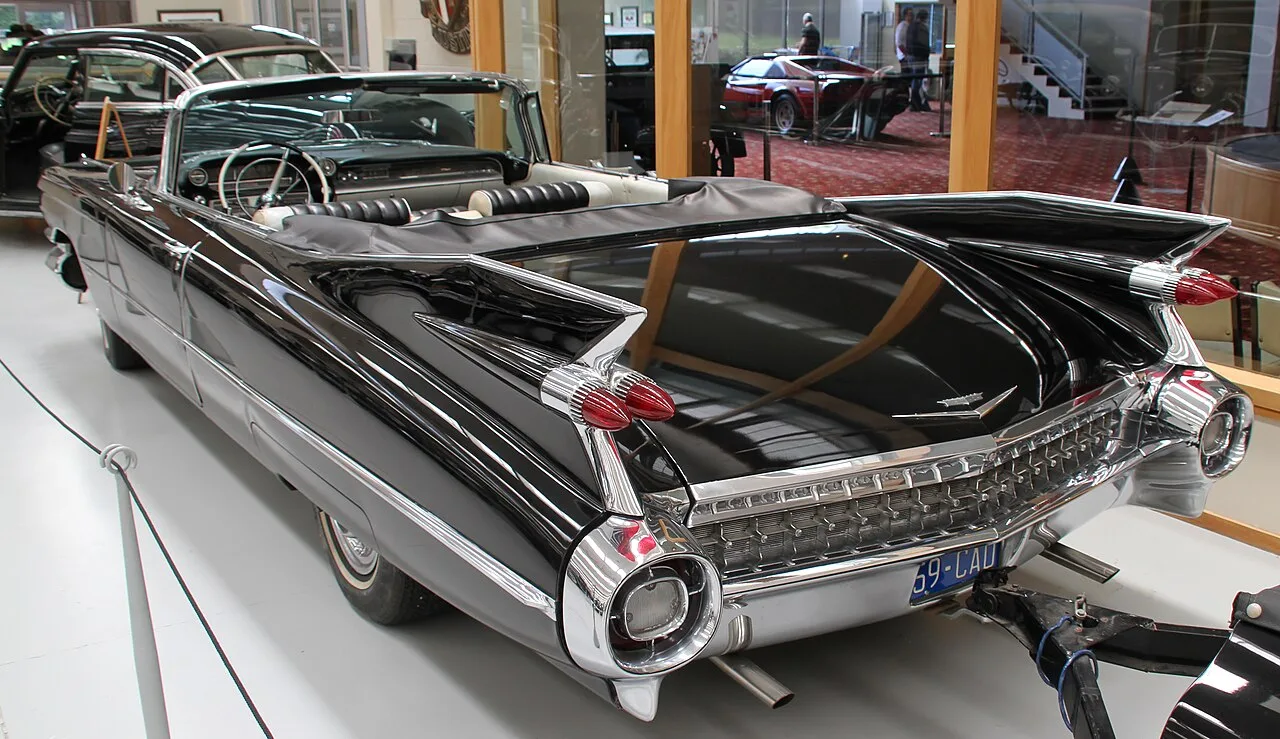
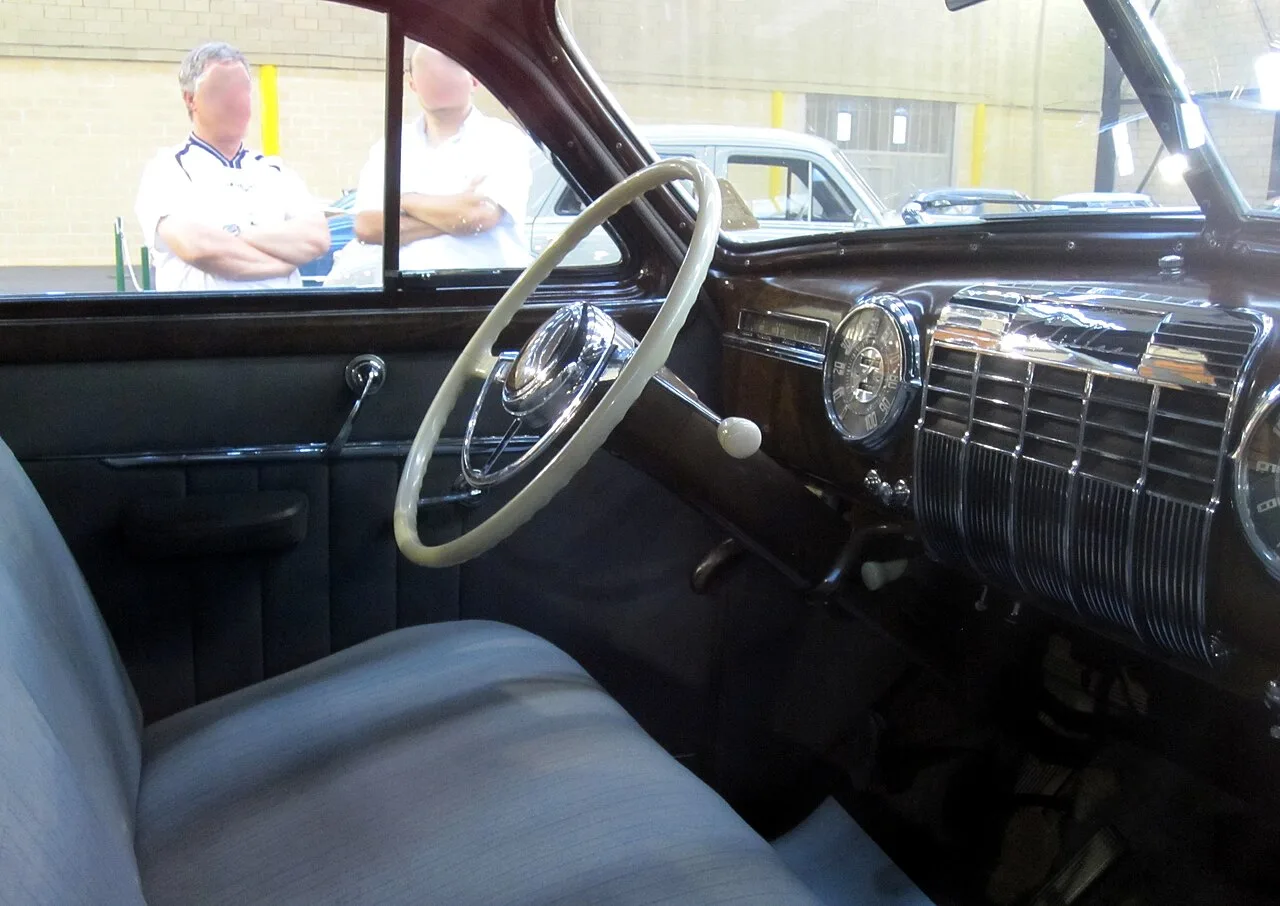
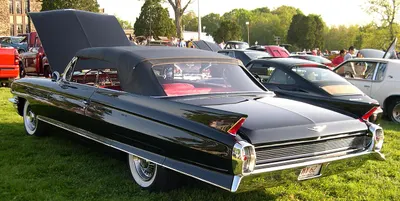
The 1964 Series 62 introduced Comfort Control, a dial-set automatic heating and air conditioning system — the industry's first fully automatic climate control, standard decades before it became common.
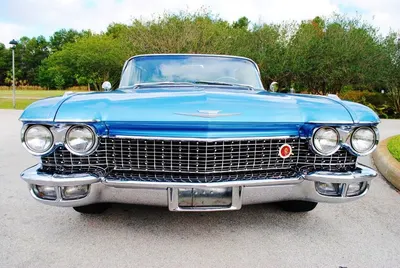
The year it became the Series 6200, Cadillac split De Villes and 2-door Eldorados into their own separate series — and sales of the Series 6200 alone plunged to just 70,736, its lowest since 1950.
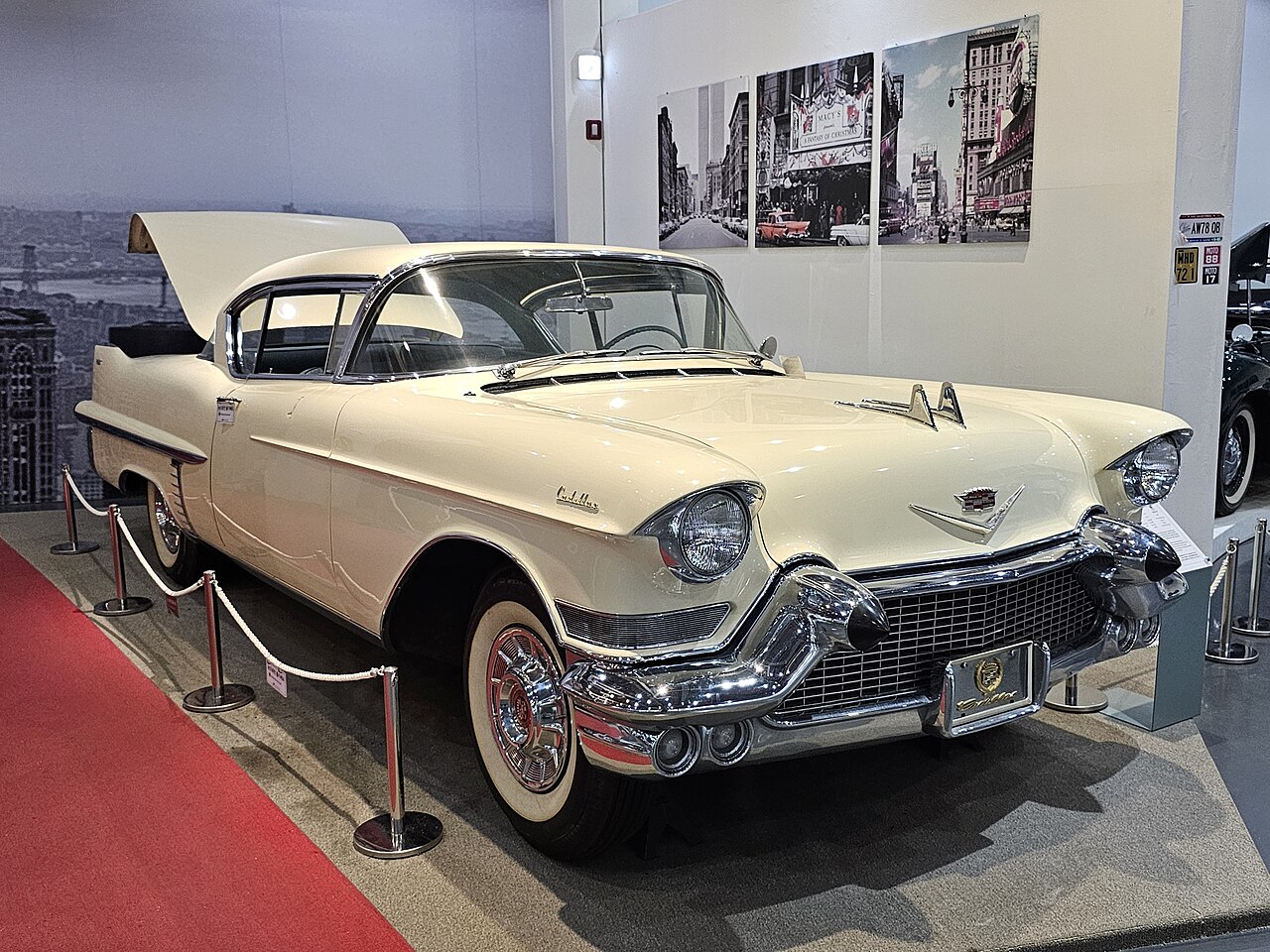
Cadillac's 1957 X-frame let the Series 62 sit lower without losing interior room — but rivals like Ford called the frame design unsafe.
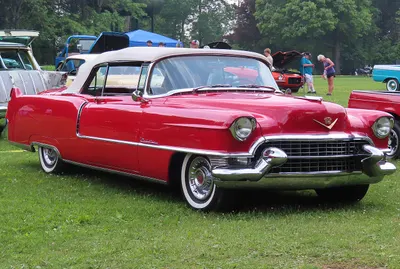
Cadillac built one completely unique Series 62-based Eldorado coupe just for the Reynolds Aluminum Corporation, with special extruded-aluminum body panels.
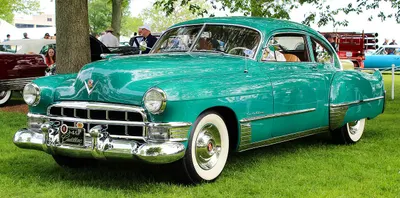
Cadillac's all-new postwar 1948 Series 62 looked like the future — P-38 fighter-inspired tailfins and all — but under the hood sat the same flathead V8 from 1941, good for a leisurely 16-second sprint to 60.
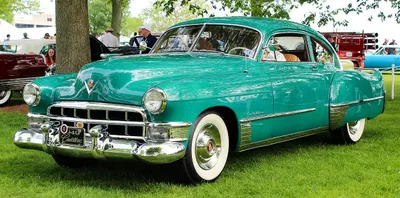
Postwar steel was so scarce that some 1946 Series 62s left the factory with wooden bumpers. Dealers were supposed to bolt on real ones whenever metal became available.
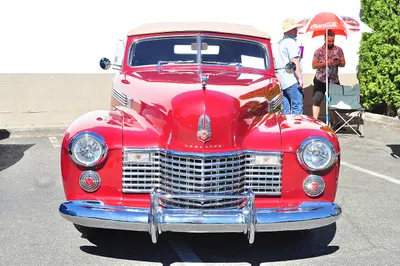
The 1941 Series 62 is the only four-door convertible Cadillac ever built — the brand never made that body style again.
Rivals
Same body, same money, other badges — tap any card to flip.

It briefly served as senior sibling to Marquette, a GM companion brand cancelled after just one year.

Nissan hired former BMW engineers to help develop the 510's suspension, which is why period reviewers frequently compared its handling to the BMW 1600/2002.

A Trabant 601 won its class at the 1970 Monte Carlo Rally, with a second 601 right behind it in second.

The 600 was a stopgap: the P50's body over the 601's mechanicals, and for a while its estate was built alongside the new 601 saloon.

The G80 Sport brought a 370 PS twin-turbo 3.3 V6, a mesh grille and copper-tinted chrome with copper stitching to match.

The Vigor was sold only with a five-cylinder engine, an unusual configuration Honda used to fit a longer engine transversely under a short hood.

The GS/E coupe earned the nickname "German Charger" for its long hood, short deck stance borrowed from Detroit muscle cars.

This DeVille/Fleetwood was the first production car anywhere to mount its V8 sideways, Cadillac's front-drive gamble on the new C-body.