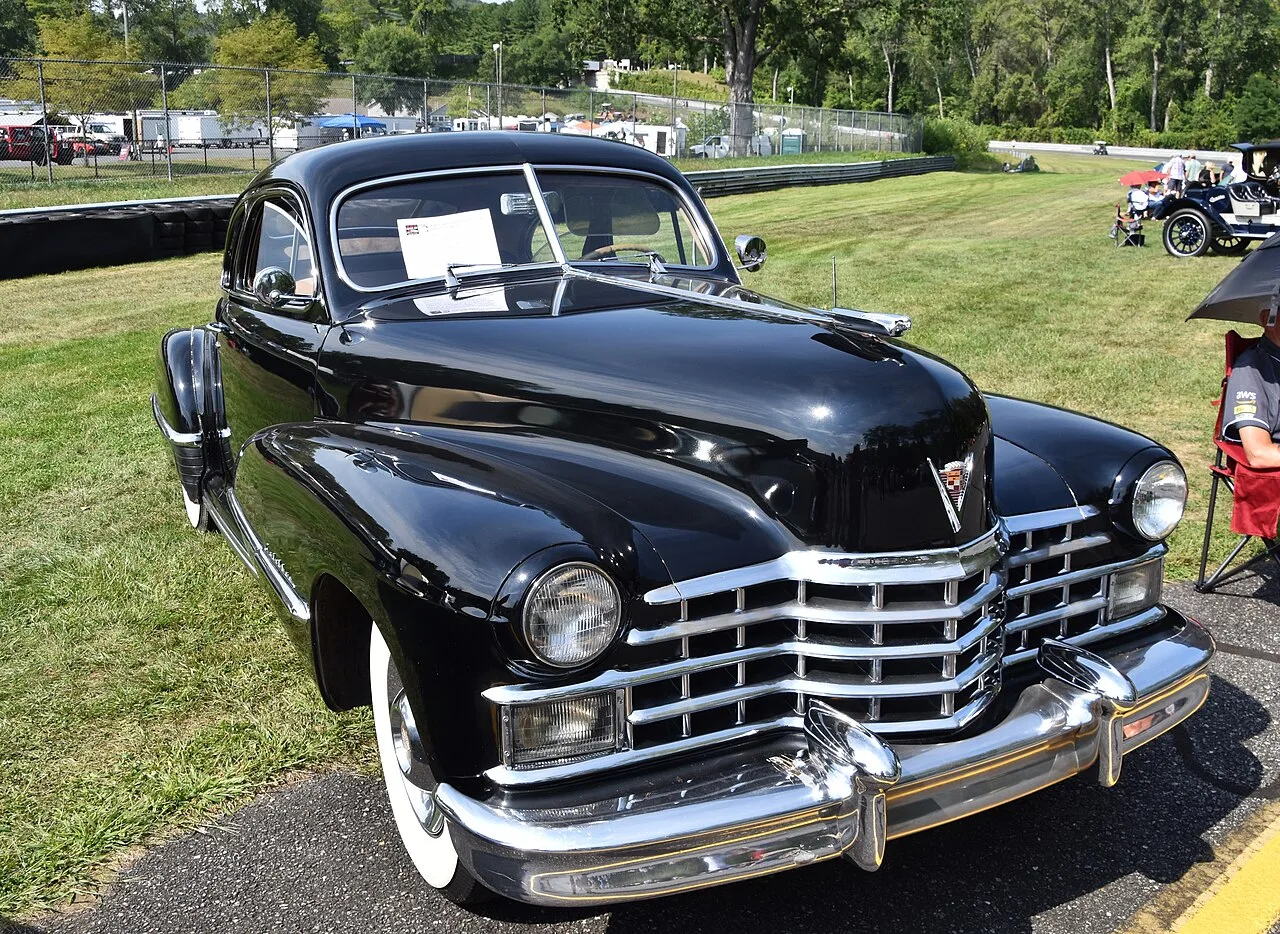
The Series 61 briefly vanished -- upgraded into the Series 62 for 1940 -- then came back for 1941, revived to replace Cadillac's own cancelled LaSalle Series 50.
Lead trim: Series 61 346 cu in L-head V8 (135 hp, 1939) · up to 150 hp
Cadillac Series 611939–1941
- 0spots by members
- Unclaimednobody has spotted one yet
- 0sets it belongs to
Nobody in Burbles has spotted a Cadillac Series 61 yet. See one on the street, point the app at it, and the first card is yours — with your @handle permanently credited on this page.
FactThe Series 61 briefly vanished -- upgraded into the Series 62 for 1940 -- then came back for 1941, revived to replace Cadillac's own cancelled LaSalle Series 50.
The Cadillac Series 61 was Cadillac's mainstream product range, priced and equipped more modestly below the D-platform Series 85, 90, 72, 67 and 75 limousines, popular with buyers who wanted a prestigious luxury car usually driven by the owner, at the same price level as Buick products. It combined the most popular features of the Series 60 and Series 65; it was upgraded to the Series 62 in 1940 only to return in model year 1941, replacing the cancelled LaSalle Series 50, remaining the junior line until 1951 (production suspended 1943–45). The 1939 Fisher-bodied Series 61 used a 126 in wheelbase (207.25 in long) with the B-body and GM's 1939 "Torpedo" appearance with an extended, protruding bow, die-cast protruding center grille and functional side grilles, concealed door hinges and optional sea shell horns; it was available as a club coupe, convertible or sedan with an optional retracting safety-glass center divider and the choice to add or remove running boards. All Sixty Special and Series 61 shared the same 346 cu in (5.7 L) L-head V8 in 1939 with 135 hp rising to 150 hp for 1941. Prices were the most affordable for Cadillac products (2-passenger coupe US$1,695, Touring Sedan US$1,805, 5-passenger Convertible Sedan US$2,265). In 1941 the Hydramatic automatic became a US$125 option (listed price US$1,535 for the Deluxe Sedan), and all Cadillacs used the Monobloc V8 of the same displacement when the V16 in the Series 90 was cancelled; the 1941 styling had a lower one-piece hood, a wide vertical grille bulging in the middle and headlights in the fender noses.
Collectors Spotted in the Cadillac Series 61 Lineage
No member has published a public street spot of the Cadillac Series 61 yet — the First · Worldwide stamp is wide open.
Trims & Figures
2 published trims in the catalogue. A blank is a figure not recorded, not zero.
| Trim | Years | Engine | Power | Torque | 0–60 | Drive | Gearbox | MSRP |
|---|---|---|---|---|---|---|---|---|
| Series 61 346 cu in L-head V8 (135 hp, 1939) | 1939–1939 | 5.7 L V8 | 135 hp | — | — | RWD | — | — |
| Series 61 346 cu in Monobloc V8 (150 hp, 1941) | 1941–1941 | 5.7 L V8 | 150 hp | — | — | RWD | — | — |
Owning one
We don’t estimate running costs for a car like this. What it costs depends on its condition, its specialist and how it is driven, and an average would mislead.
Owners’ builds
Nobody has claimed one yet.
Photographs
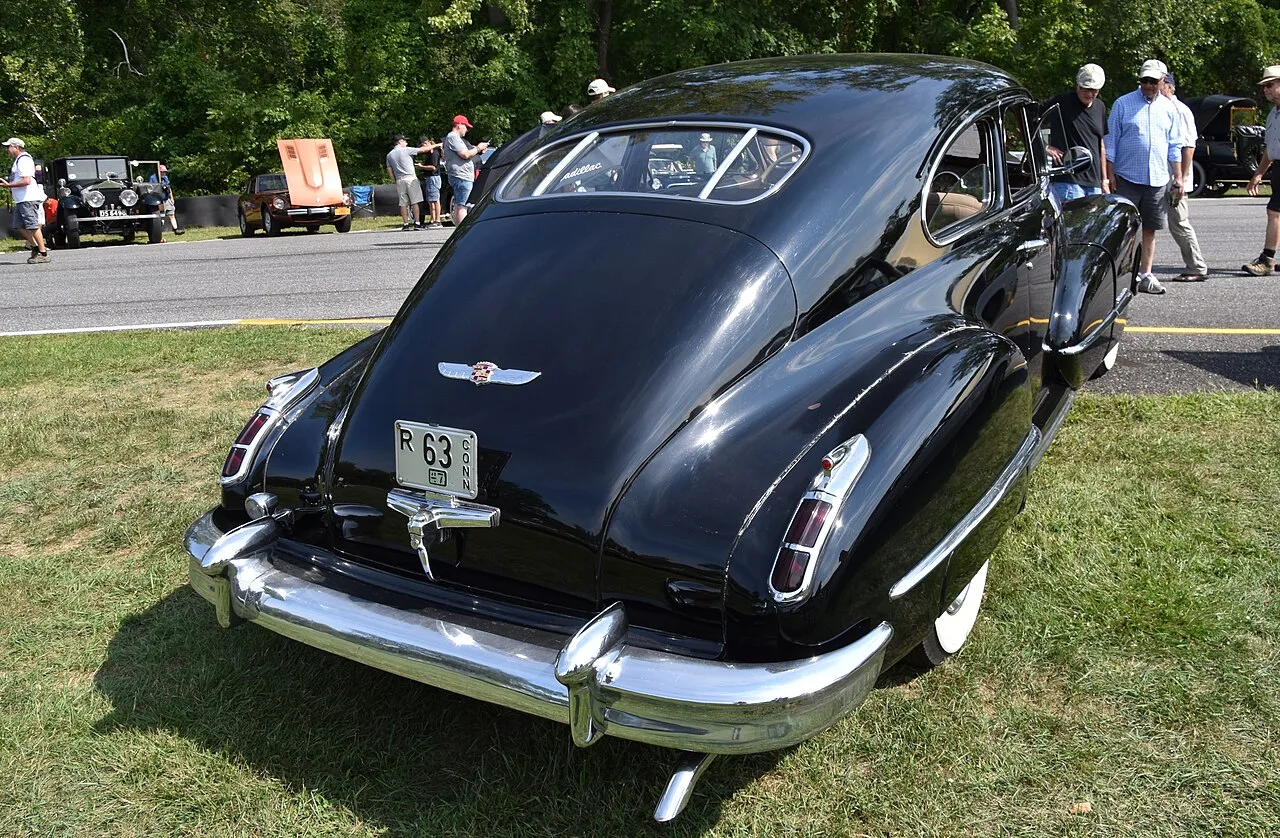
Cadillac's famous tailfins didn't start as a styling flourish — this 1948 Series 61 wore them first, modeled directly on a WWII fighter plane.
Wartime rationing changed this Series 61 mid-run: from January 1942 chrome trim was banned, so cars built from then until February had their bumpers and trim painted instead of plated.
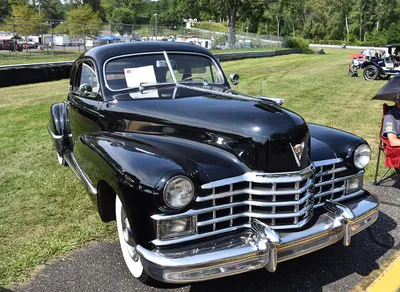
The Series 61 briefly vanished -- upgraded into the Series 62 for 1940 -- then came back for 1941, revived to replace Cadillac's own cancelled LaSalle Series 50.
Rivals
Same body, same money, other badges — tap any card to flip.

It briefly served as senior sibling to Marquette, a GM companion brand cancelled after just one year.

Nissan hired former BMW engineers to help develop the 510's suspension, which is why period reviewers frequently compared its handling to the BMW 1600/2002.

A Trabant 601 won its class at the 1970 Monte Carlo Rally, with a second 601 right behind it in second.

The 600 was a stopgap: the P50's body over the 601's mechanicals, and for a while its estate was built alongside the new 601 saloon.

The G80 Sport brought a 370 PS twin-turbo 3.3 V6, a mesh grille and copper-tinted chrome with copper stitching to match.

The Vigor was sold only with a five-cylinder engine, an unusual configuration Honda used to fit a longer engine transversely under a short hood.

The GS/E coupe earned the nickname "German Charger" for its long hood, short deck stance borrowed from Detroit muscle cars.

This DeVille/Fleetwood was the first production car anywhere to mount its V8 sideways, Cadillac's front-drive gamble on the new C-body.