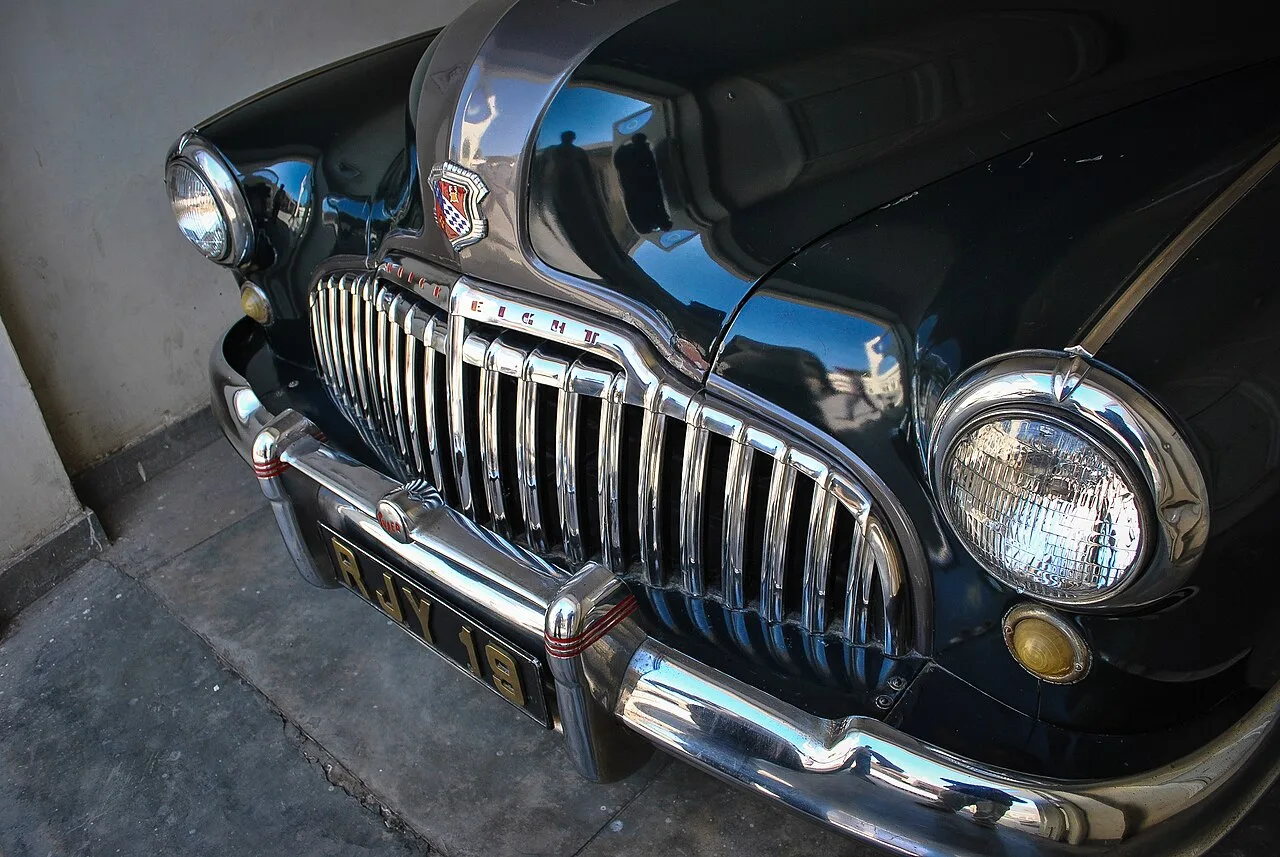
Government wartime chrome restrictions from January 1942 forced Buick to paint over most trim on the last Supers before production stopped that February.
Lead trim: Super 248 cu in Fireball I8
Buick Super1942–1948
- 0spots by members
- Unclaimednobody has spotted one yet
- 0sets it belongs to
Nobody in Burbles has spotted a Buick Super yet. See one on the street, point the app at it, and the first card is yours — with your @handle permanently credited on this page.
FactGovernment wartime chrome restrictions from January 1942 forced Buick to paint over most trim on the last Supers before production stopped that February.
The 1942 Super coupes adopted the Sedanet fastback style that had been the sensation of 1941 on the Century and Special, with new wider and lower bodies and "Airfoil" front fenders flowing into the rear fenders on convertibles and Sedanets, parallel chrome front fender strips, a new lower grille with thin vertical strips and an interior air intake replacing the cowl-level ventilator; body styles were reduced to three (the one-year Business Coupe eliminated), and after the government prohibited the use of chrome on January 1, 1942 several body styles were dropped and most trim was painted. Cast iron pistons were used in the 248 cu in (4.1 L) Fireball straight-eight; the last 1942 Buicks were completed on February 4, 1942 and only 33,034 Supers were built. In 1946 Buick once again combined the large Series 70 Roadmaster body with the economical Series 40 Special powerplant to create the Series 50 Super line (wheelbase 124.0 in, length 210.0 in in 1942, 212.4 in in 1946–47 and 212.5 in in 1948, width 78.6 in, height 66.7 in, 4,000–4,400 lb; body styles 4-door sedan, 2-door Sedanet coupe, 2-door convertible and a 4-door Estate wagon 1946–48).
Collectors Spotted in the Buick Super Lineage
No member has published a public street spot of the Buick Super yet — the First · Worldwide stamp is wide open.
Trims & Figures
One published trim in the catalogue. A blank is a figure not recorded, not zero.
| Trim | Years | Engine | Power | Torque | 0–60 | Drive | Gearbox | MSRP |
|---|---|---|---|---|---|---|---|---|
| Super 248 cu in Fireball I8 | 1942–1948 | 4.1 L Inline-8 | 110 hp | — | — | RWD | — | — |
Owning one
We don’t estimate running costs for a car like this. What it costs depends on its condition, its specialist and how it is driven, and an average would mislead.
Owners’ builds
Nobody has claimed one yet.
Photographs
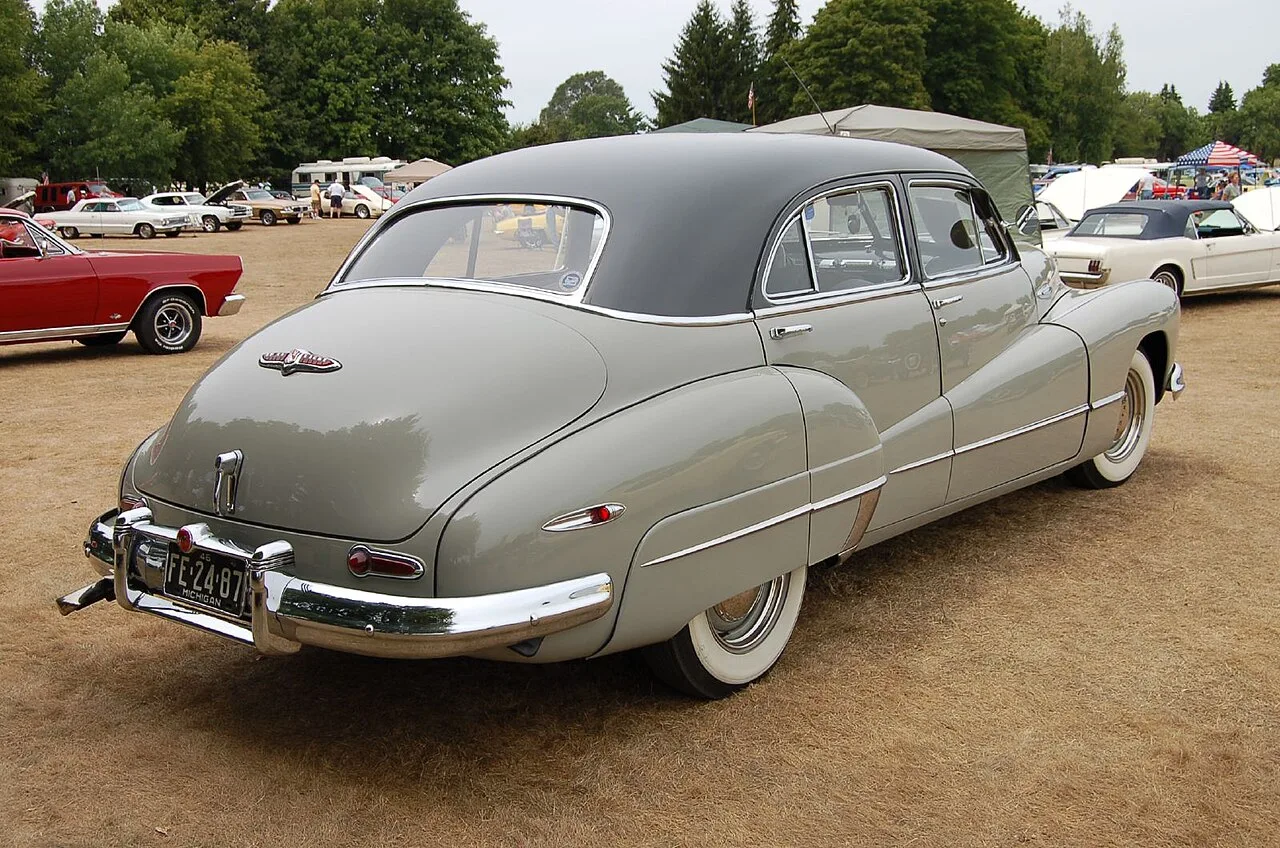
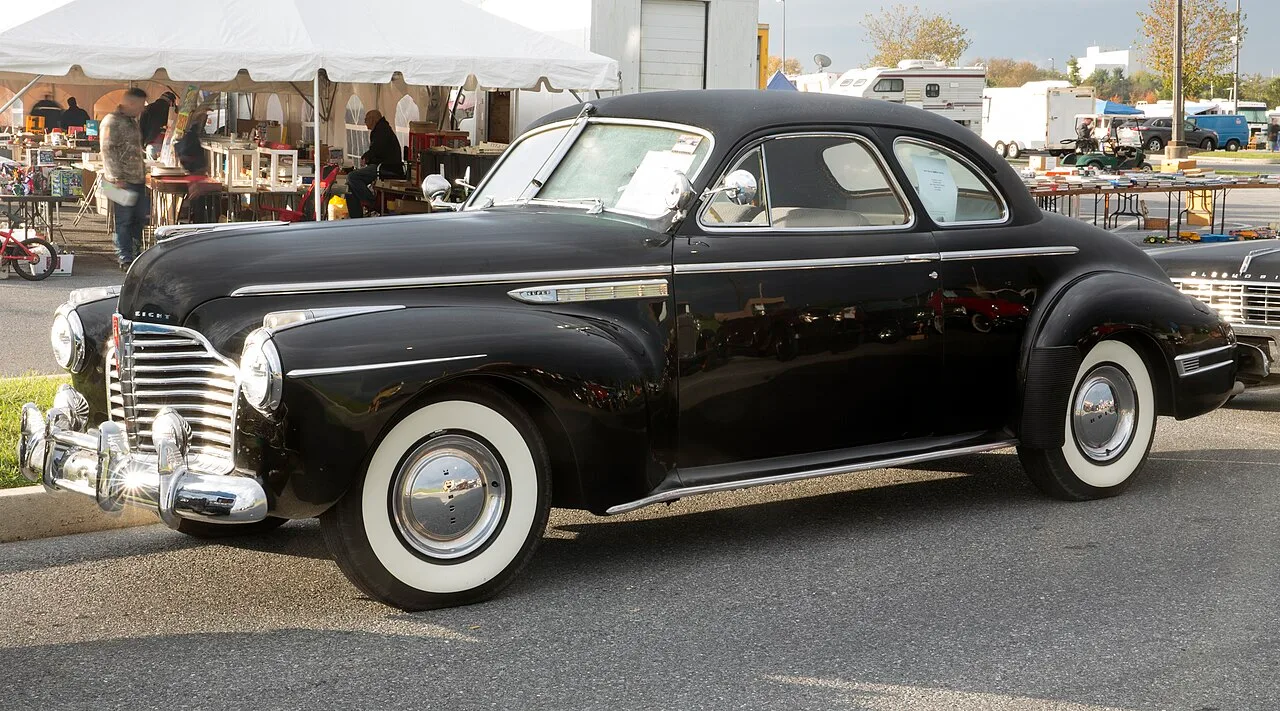
Buick padded Super door panels and seats entirely in Cordaveen vinyl, a fabric substitute Buick trademarked for closed cars and convertibles alike.
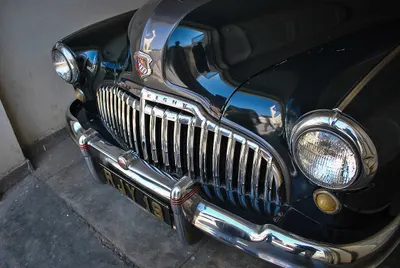
VentiPort count jumped from three to four per fender in 1955, marking the Super's promotion to senior status.
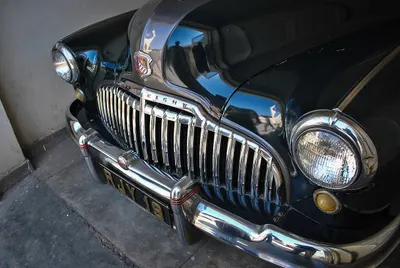
1949 Super sales hit a record 190,514, the best year since its introduction.
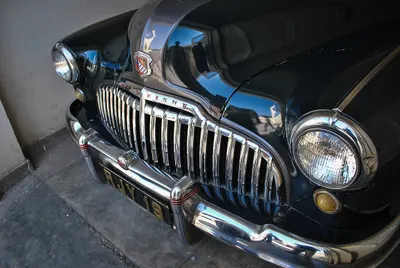
Government wartime chrome restrictions from January 1942 forced Buick to paint over most trim on the last Supers before production stopped that February.
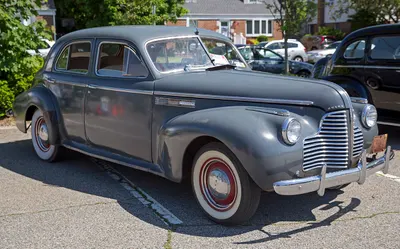
A one-year-only three-passenger Business Coupe appeared in 1941, with 2,449 built, then vanished.
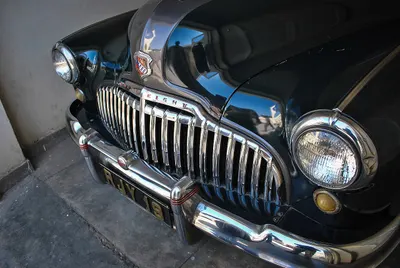
The Series 50 was repositioned as a junior luxury make to Cadillac after Marquette's launch, priced below the LaSalle.
Rivals
Same body, same money, other badges — tap any card to flip.

It briefly served as senior sibling to Marquette, a GM companion brand cancelled after just one year.

Nissan hired former BMW engineers to help develop the 510's suspension, which is why period reviewers frequently compared its handling to the BMW 1600/2002.

A Trabant 601 won its class at the 1970 Monte Carlo Rally, with a second 601 right behind it in second.

The 600 was a stopgap: the P50's body over the 601's mechanicals, and for a while its estate was built alongside the new 601 saloon.

The G80 Sport brought a 370 PS twin-turbo 3.3 V6, a mesh grille and copper-tinted chrome with copper stitching to match.

The Vigor was sold only with a five-cylinder engine, an unusual configuration Honda used to fit a longer engine transversely under a short hood.

The GS/E coupe earned the nickname "German Charger" for its long hood, short deck stance borrowed from Detroit muscle cars.

This DeVille/Fleetwood was the first production car anywhere to mount its V8 sideways, Cadillac's front-drive gamble on the new C-body.