The 198 V6 that debuted here was the first American V6 built in volume production, cast in iron off the aluminum 215 V8's design.
Lead trim: Skylark 198 cu in Fireball V6 (135 hp gross at 4600 rpm, 1962) · up to 200 hp
Buick Skylark1961–1963
- 0spots by members
- Unclaimednobody has spotted one yet
- 0sets it belongs to
Nobody in Burbles has spotted a Buick Skylark yet. See one on the street, point the app at it, and the first card is yours — with your @handle permanently credited on this page.
FactThe 198 V6 that debuted here was the first American V6 built in volume production, cast in iron off the aluminum 215 V8's design.
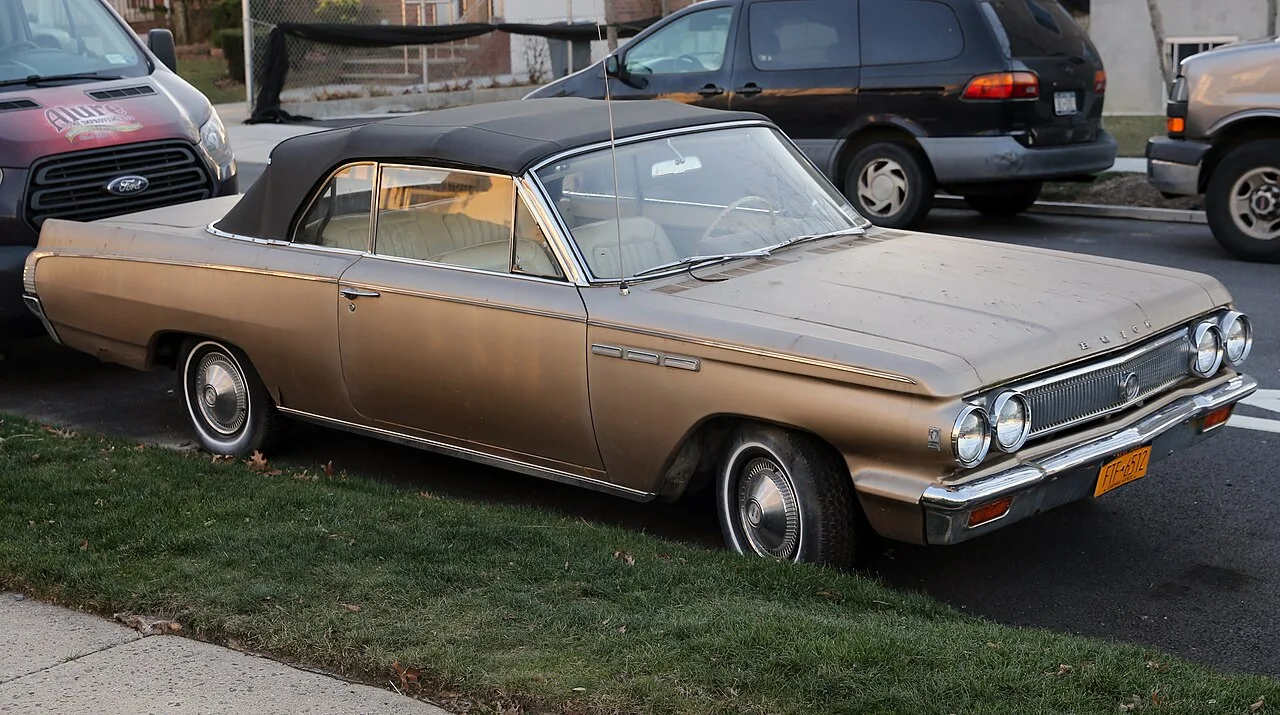
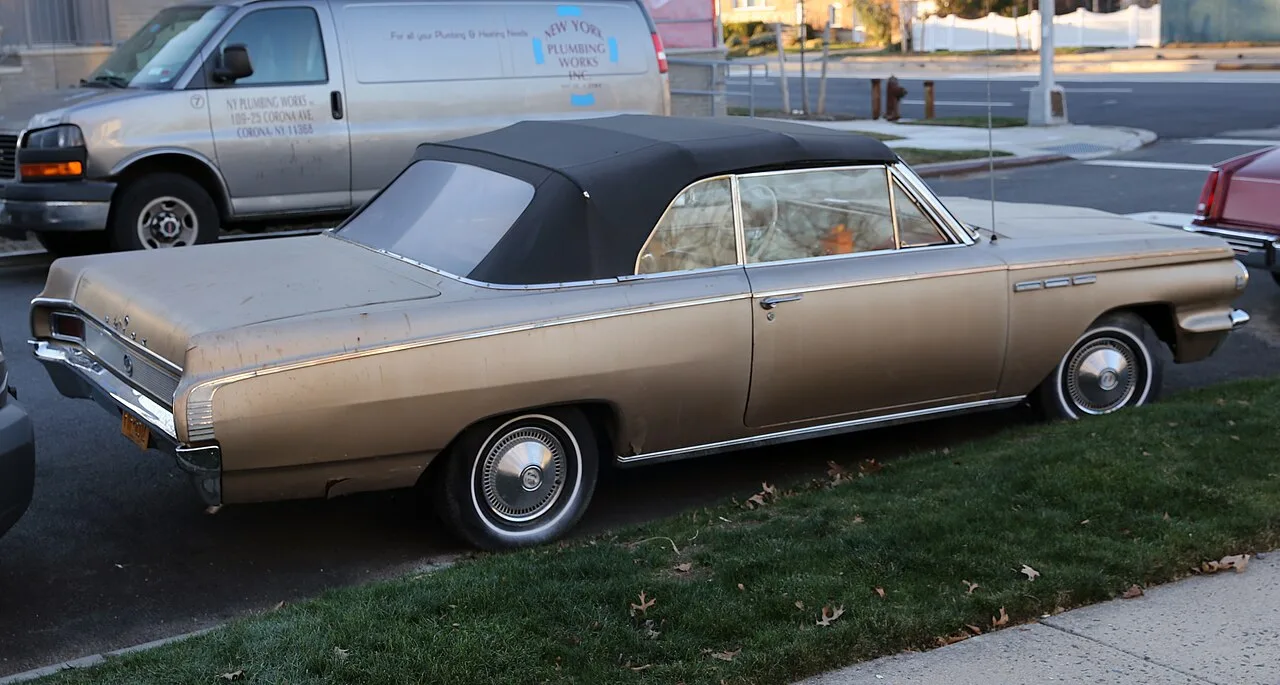
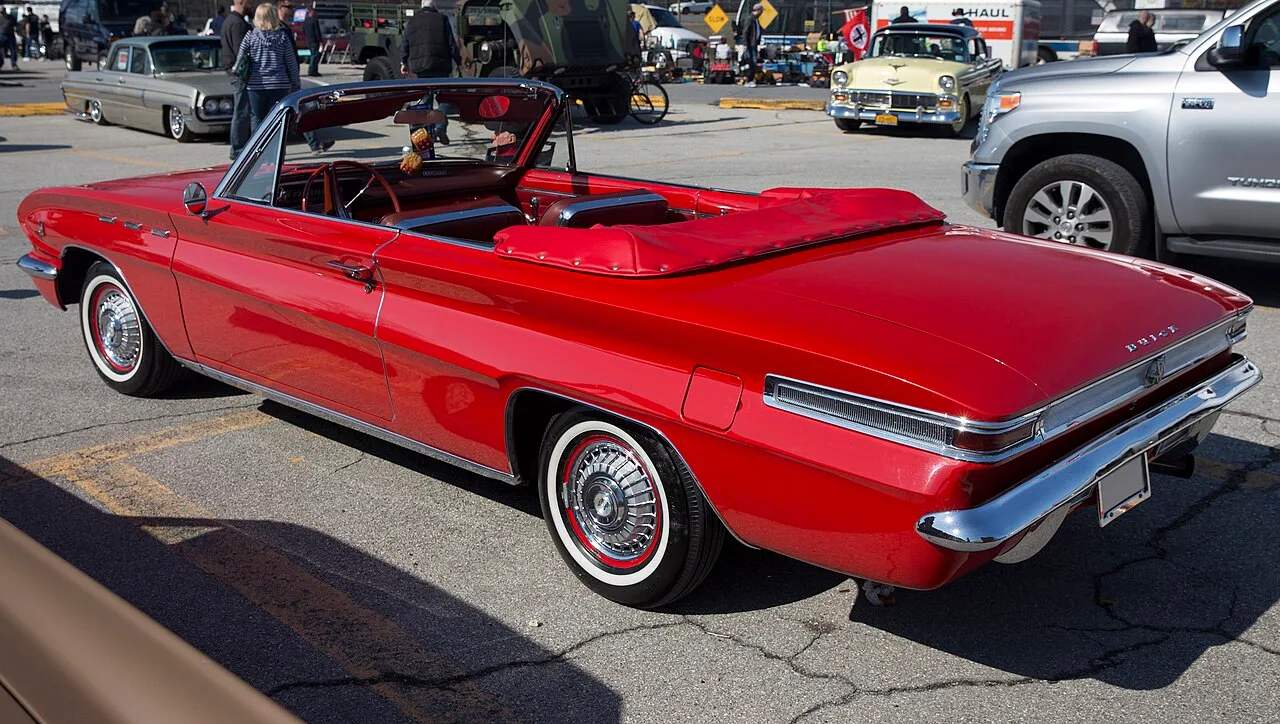
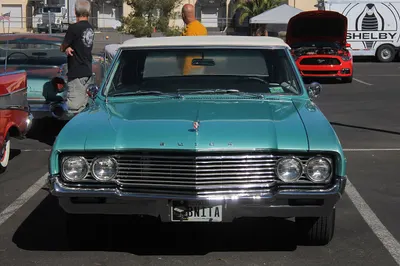
In the fall of 1960 GM introduced a trio of compact cars for 1961 sharing the same chassis, engines and basic sheet metal: the Buick Special, Pontiac Tempest and Oldsmobile F-85. In the middle of the 1961 model year the Buick Special Skylark made its debut: effectively a luxury trim level based on a two-door sedan (coupe), with unique Skylark emblems, taillight housings, lower-body side moldings, turbine wheel covers, a vinyl-covered roof, three Ventiports on each fender and a plush "Cordaveen" all-vinyl interior (bucket seats optional). The Skylark replaced the Special's standard aluminum-block 215 cu in (3.5 L) two-barrel V8 with a higher-compression four-barrel version boosting power from 155 hp at 4600 rpm to 185 hp. For 1962 the Skylark became a model in its own right with a convertible, a station wagon and a two-door pillarless hardtop, with the 215 V8 tuned to 190 hp at 4800 rpm; the Special/Skylark also offered the 198 cu in Fireball V6, engineered down from the 215 but cast in iron, with 135 hp (gross) at 4600 rpm and 205 lb-ft at 2400 rpm (the page calls it the first American car to use a V6 in volume production). For 1963 the body was restyled, length increased by five inches to 193 in and the 215 V8 generated 200 hp at 5,000 rpm. Wheelbase 112 in, width 70.2 in.
Collectors Spotted in the Buick Skylark Lineage
No member has published a public street spot of the Buick Skylark yet — the First · Worldwide stamp is wide open.
Trims & Figures
4 published trims in the catalogue. A blank is a figure not recorded, not zero.
| Trim | Years | Engine | Power | Torque | 0–60 | Drive | Gearbox | MSRP |
|---|---|---|---|---|---|---|---|---|
| Skylark 198 cu in Fireball V6 (135 hp gross at 4600 rpm, 1962) | 1962–1962 | 3.2 L V6 | 135 hp | 205 lb-ft | — | RWD | — | — |
| Skylark 215 cu in aluminum V8 (190 hp at 4800 rpm, 1962) | 1962–1962 | 3.5 L V8 | 190 hp | 235 lb-ft | — | RWD | — | — |
| Skylark 215 cu in aluminum V8 (200 hp at 5000 rpm, 1963) | 1963–1963 | 3.5 L V8 | 200 hp | 240 lb-ft | — | RWD | — | — |
| Special Skylark 215 cu in aluminum V8 4-barrel (185 hp, 1961) | 1961–1961 | 3.5 L V8 | 185 hp | 230 lb-ft | — | RWD | — | — |
Owning one
An estimate, for the Skylark 198 cu in Fireball V6 (135 hp gross at 4600 rpm, 1962) trim: fuel on its EPA figure and a dated national price, upkeep on a per-mile average for the kind of car it is.
Owners’ builds
Nobody has claimed one yet.
Photographs
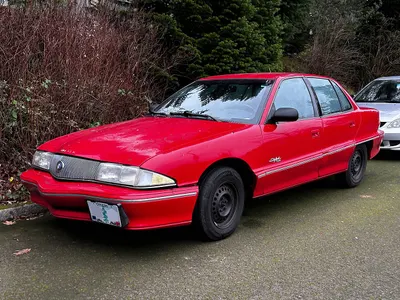
The 1992 Skylark's wedge shape and pointed grille weren't new — Buick previewed them on the 1990 Bolero concept, and that grille itself was a callback to 1930s Buick Specials.
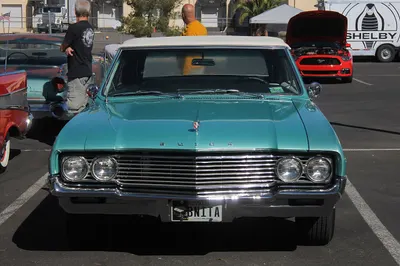
The N-body coupe was badged "Somerset" at launch — Buick had already used that name once before, as a trim package on the Regal.
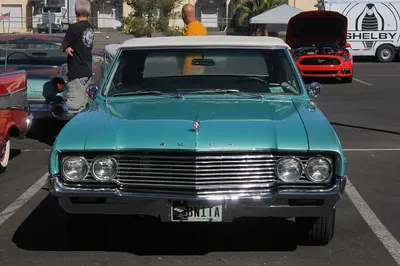
1985 was the end of the line for the X-body Skylark's two-door coupe — Buick dropped it for a sedan-only lineup as the body style moved to the new Somerset Regal.
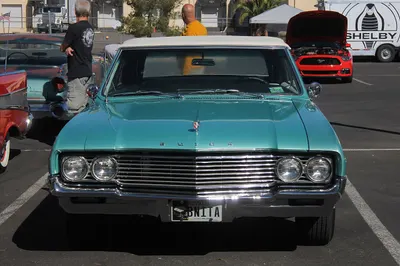
This Skylark broke a 62-year streak — the first four-cylinder Buick since the original Buick Four was dropped back in 1918.
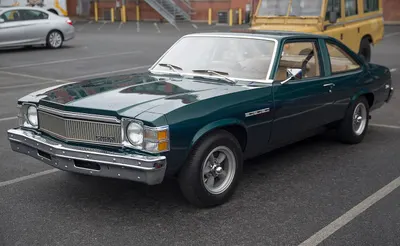
Buick had to buy back its own V6 tooling from American Motors, which got it via the Kaiser Jeep deal, to build the 1975 Skylark.
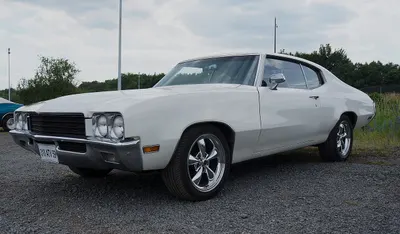
The GSX's 455 V8 made 510 lb-ft of torque — more than any American performance car until the Dodge Viper finally beat it, 33 years later.
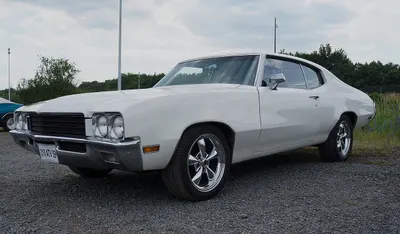
At 510 lb-ft, this GS 455's big-block held the American muscle-car torque record for over three decades — until a 2003 Dodge Viper took the crown.
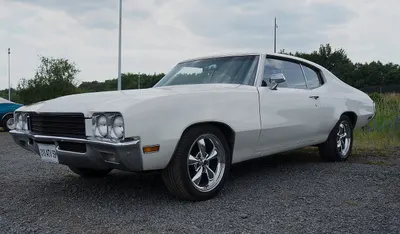
Buick sold its discontinued V6 tooling to Kaiser Industries, where it went on to power Jeep trucks instead of Skylarks.
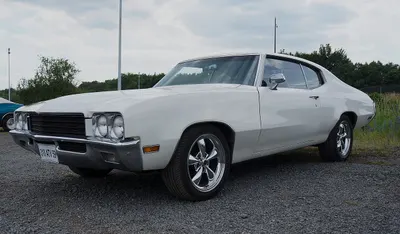
The GS 350 was the baby of Buick's muscle-car GS line, but it outlasted the bigger GS 400 and GS 455 — running until V8 Gran Sport production ended entirely in 1975.
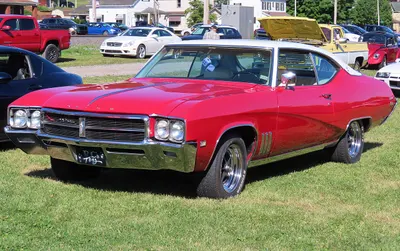
The GS California wasn't a nationwide car — in its 1967 debut year, Buick sold it in California only and never advertised it anywhere else.
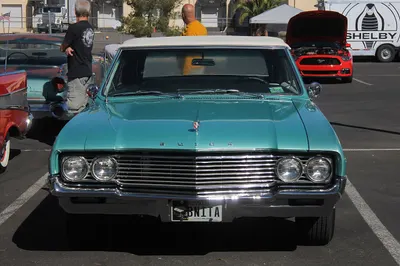
Buick split its 1967 Gran Sport in two: the big-block GS 400 came in multiple body styles, but the cheaper 340-cubic-inch GS 340 was sold only as a two-door hardtop — no other way to get one.
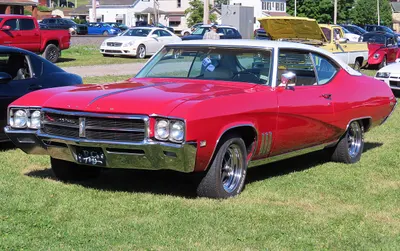
The '400' in GS 400 undersold it — the real engine was a 401 cubic inch V8, trimmed to fit GM's internal cap on how big an intermediate's engine could sound.
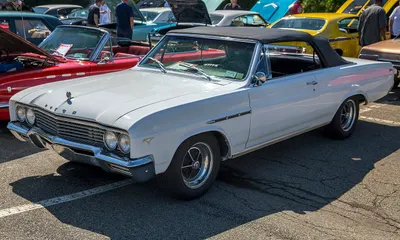
Buick's Gran Sport ran a 401-cubic-inch V8 — but sales brochures listed it as 400 cubic inches, dodging a GM corporate rule that capped intermediate cars at exactly that limit.
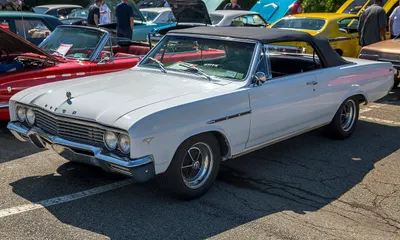
Buick sold off the tooling for its aluminum 215 V8 after dropping it here, and Rover kept building that engine until 2006.
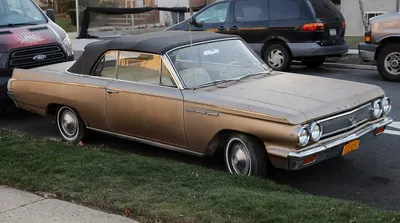
The 198 V6 that debuted here was the first American V6 built in volume production, cast in iron off the aluminum 215 V8's design.
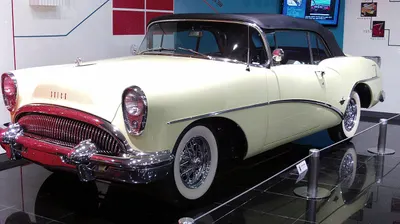
Buick sold only 836 of these Skylarks in 1954, undercut by buyers who saw it as a step down from the Roadmaster it borrowed from.
The 1953 Skylark cost over a thousand dollars more than the Roadmaster convertible it was built from, for a car sharing most of the same tub.
Rivals
Same body, same money, other badges — tap any card to flip.

It briefly served as senior sibling to Marquette, a GM companion brand cancelled after just one year.

Nissan hired former BMW engineers to help develop the 510's suspension, which is why period reviewers frequently compared its handling to the BMW 1600/2002.

A Trabant 601 won its class at the 1970 Monte Carlo Rally, with a second 601 right behind it in second.

The 600 was a stopgap: the P50's body over the 601's mechanicals, and for a while its estate was built alongside the new 601 saloon.

The G80 Sport brought a 370 PS twin-turbo 3.3 V6, a mesh grille and copper-tinted chrome with copper stitching to match.

The Vigor was sold only with a five-cylinder engine, an unusual configuration Honda used to fit a longer engine transversely under a short hood.

The GS/E coupe earned the nickname "German Charger" for its long hood, short deck stance borrowed from Detroit muscle cars.

This DeVille/Fleetwood was the first production car anywhere to mount its V8 sideways, Cadillac's front-drive gamble on the new C-body.