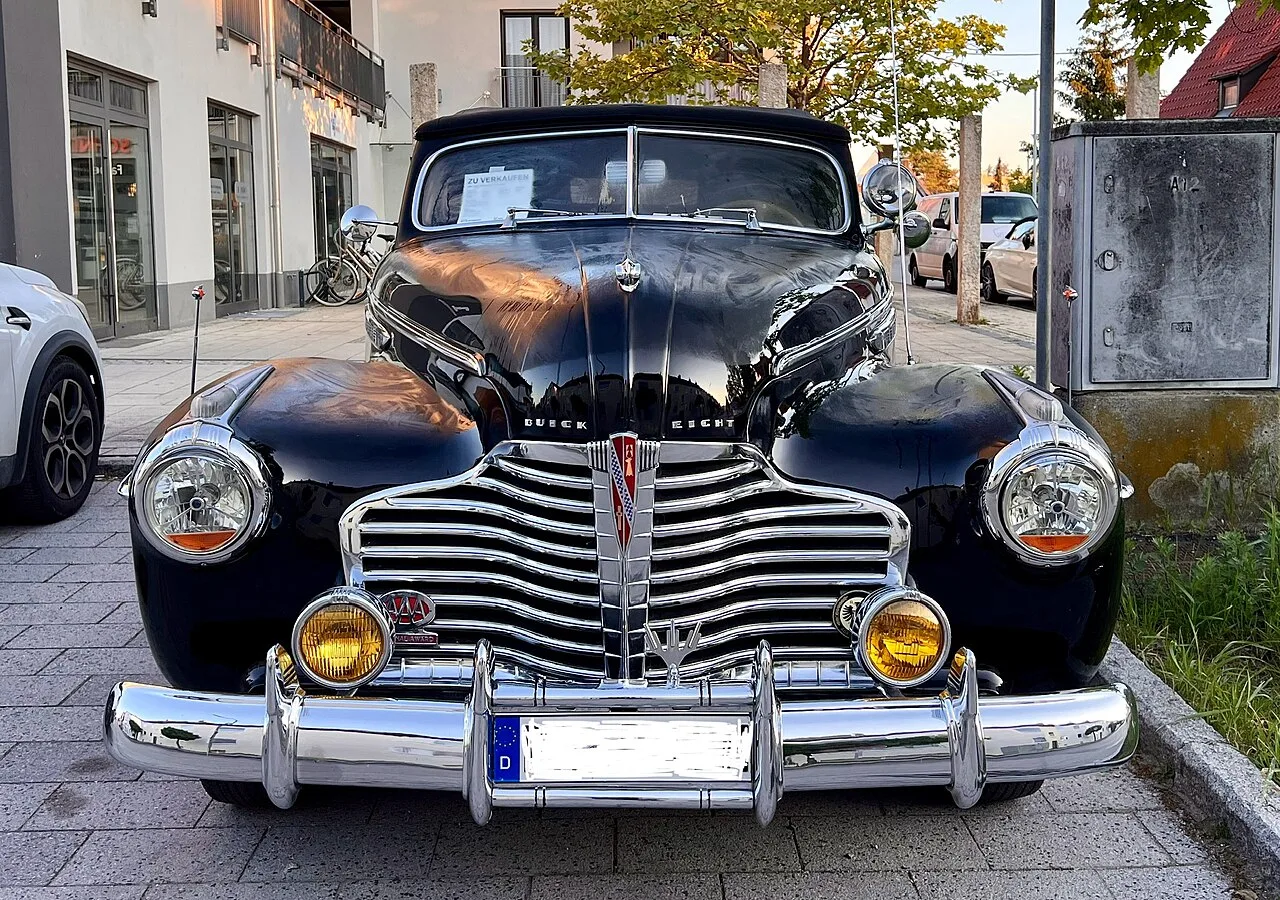
Only one 1940 Roadmaster is known to have been built as a custom open-front town car, nicknamed the Townmaster.
Lead trim: Roadmaster 320 cu in Fireball I8
Buick Roadmaster1940–1941
- 0spots by members
- Unclaimednobody has spotted one yet
- 0sets it belongs to
Nobody in Burbles has spotted a Buick Roadmaster yet. See one on the street, point the app at it, and the first card is yours — with your @handle permanently credited on this page.
FactOnly one 1940 Roadmaster is known to have been built as a custom open-front town car, nicknamed the Townmaster.
In 1940 the Series 80 was renamed Buick Limited and the Roadmaster name was transferred to the new Series 70, introduced simultaneously with a brand-new Series 50 Super. The Roadmaster featured a cutting-edge "torpedo" C-body shared with the Super, the Cadillac Series 62, the Oldsmobile Series 90 and the Pontiac Torpedo, with shoulder and hip room over 5 in wider, no running boards and exterior styling streamlined and 2–3 in lower; with a column-mounted shift lever the cars offered room for six passengers. The 1940 Roadmaster had a shorter wheelbase (126.0 in), weighed less and cost less than the previous year's model; the formal and fastback sedans were discontinued and a two-door coupe body style newly introduced (3,991 sold); overall sales more than tripled to 18,345, and only one Roadmaster (the "Townmaster" open-front town car) is known to have been produced in 1940 as a custom. Length 214.0 in (1940) and 215.0 in (1941), width 75.8 in and 76.5 in, height 66.1 in, with the 320 cu in (5.2 L) Fireball straight-eight.
Collectors Spotted in the Buick Roadmaster Lineage
No member has published a public street spot of the Buick Roadmaster yet — the First · Worldwide stamp is wide open.
Trims & Figures
One published trim in the catalogue. A blank is a figure not recorded, not zero.
| Trim | Years | Engine | Power | Torque | 0–60 | Drive | Gearbox | MSRP |
|---|---|---|---|---|---|---|---|---|
| Roadmaster 320 cu in Fireball I8 | 1940–1941 | 5.2 L Inline-8 | — | — | — | RWD | — | — |
Owning one
We don’t estimate running costs for a car like this. What it costs depends on its condition, its specialist and how it is driven, and an average would mislead.
Owners’ builds
Nobody has claimed one yet.
Photographs
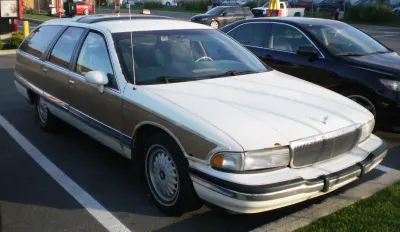
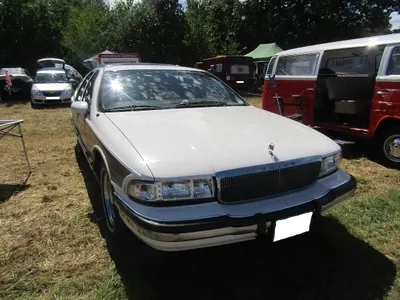
This land-yacht Roadmaster wagon could out-tow plenty of trucks of its day — with the factory package and the right setup, it was rated for 7,000 pounds.
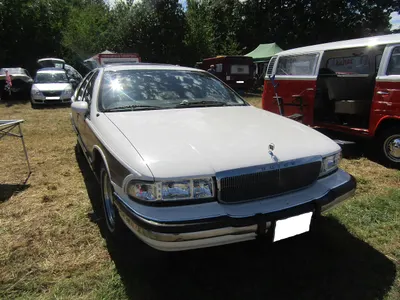
The exhaust on a 1957 Roadmaster ran out through a filler-like opening centered in the rear bumper, right next to the fuel cap.
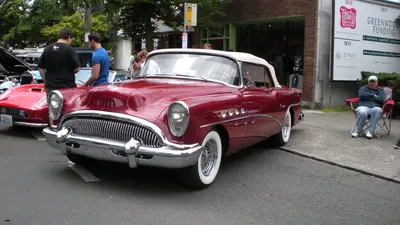
The 1955 Roadmaster's Dynaflow transmission changed its own stator blade pitch under hard acceleration, a rare mechanical trick for the era.
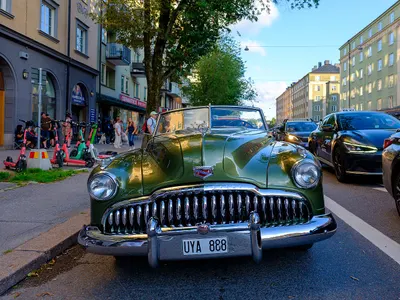
Buick's non-functional VentiPorts started here in 1949 as a status code: four holes for a Roadmaster, three for lesser Buicks.
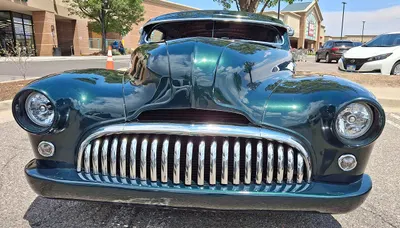
New Roadmaster sales were restricted in early 1942 to buyers in occupations the government deemed essential to the war effort.
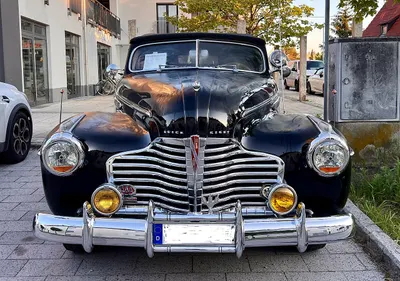
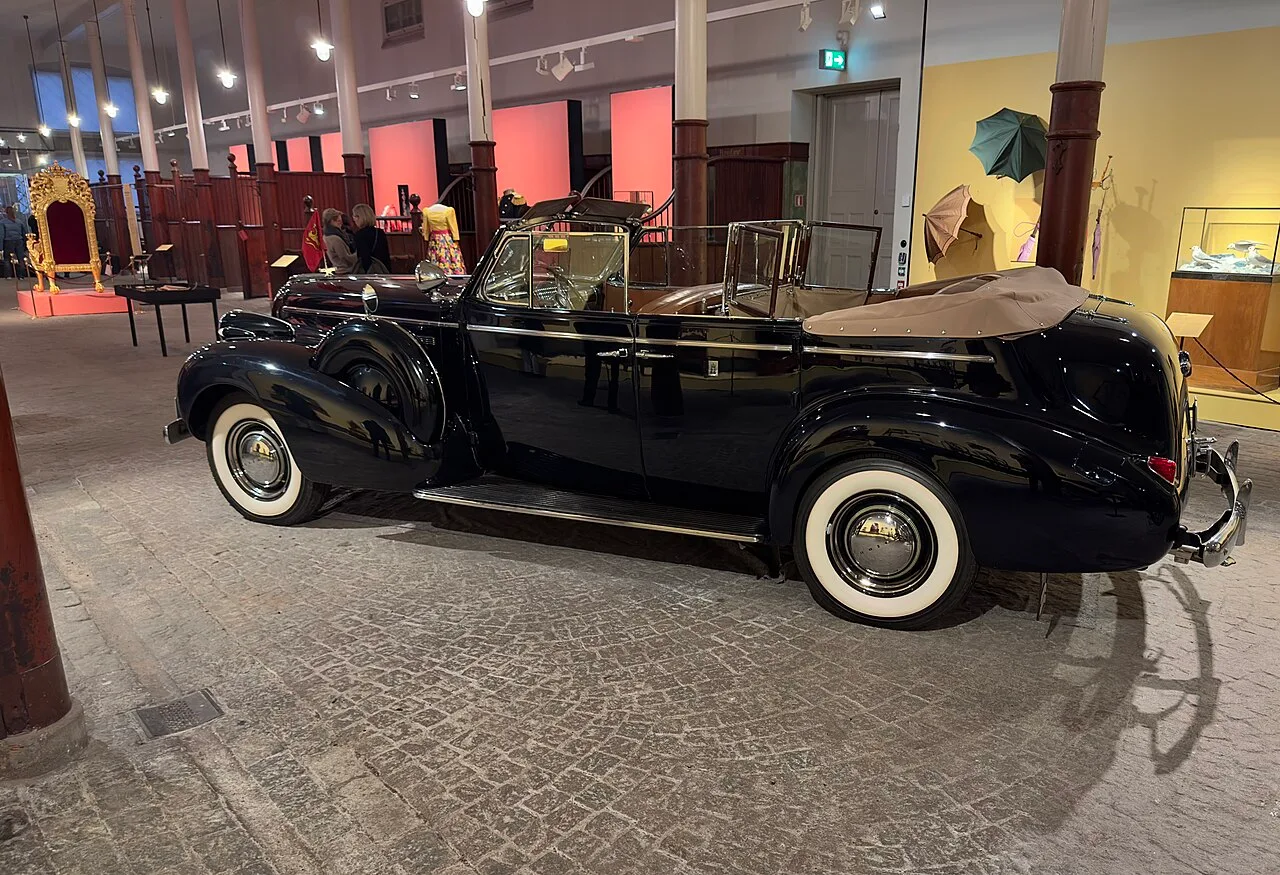
Only one 1940 Roadmaster is known to have been built as a custom open-front town car, nicknamed the Townmaster.
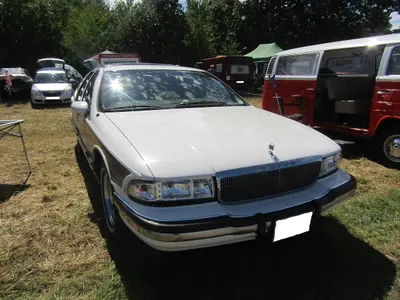
For 1938, Buick swapped the Roadmaster's rear leaf springs for coils and fitted shock absorbers four times the size of its rivals', a genuinely progressive ride upgrade for the era.
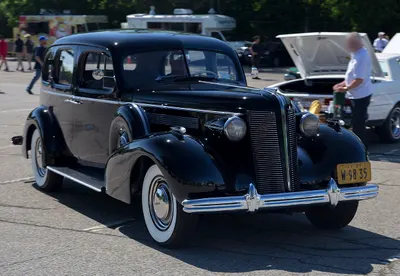
Buick's brand-new 1936 Roadmaster undercut the cheapest Cadillac sedan by $440 — real luxury-car presence at a price Cadillac couldn't touch.
GM patented the humble vent window right here -- 1933's Series 80 cars got the first "No Draft Individually Controlled Ventilation," later renamed Ventiplanes.
Rivals
Same body, same money, other badges — tap any card to flip.

It briefly served as senior sibling to Marquette, a GM companion brand cancelled after just one year.

Nissan hired former BMW engineers to help develop the 510's suspension, which is why period reviewers frequently compared its handling to the BMW 1600/2002.

A Trabant 601 won its class at the 1970 Monte Carlo Rally, with a second 601 right behind it in second.

The 600 was a stopgap: the P50's body over the 601's mechanicals, and for a while its estate was built alongside the new 601 saloon.

The G80 Sport brought a 370 PS twin-turbo 3.3 V6, a mesh grille and copper-tinted chrome with copper stitching to match.

The Vigor was sold only with a five-cylinder engine, an unusual configuration Honda used to fit a longer engine transversely under a short hood.

The GS/E coupe earned the nickname "German Charger" for its long hood, short deck stance borrowed from Detroit muscle cars.

This DeVille/Fleetwood was the first production car anywhere to mount its V8 sideways, Cadillac's front-drive gamble on the new C-body.