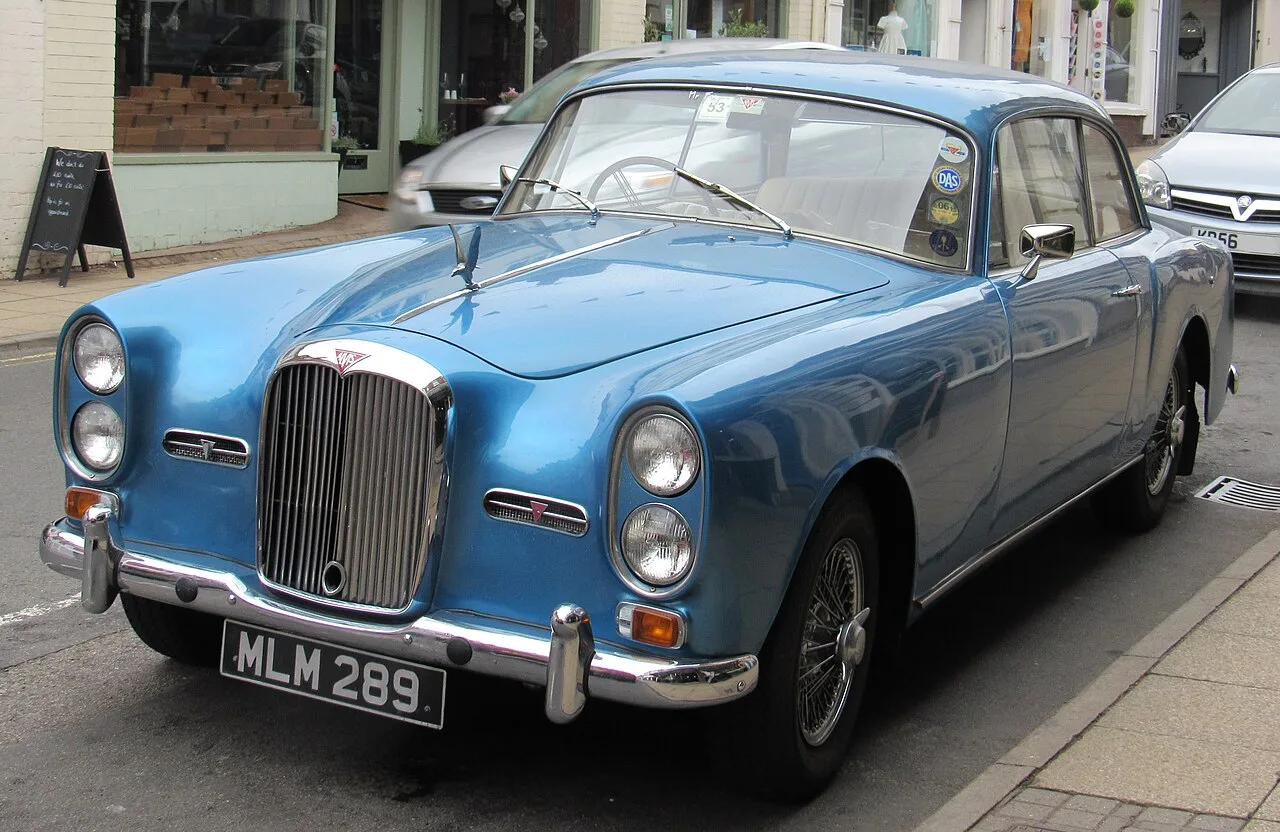
Spot the stacked lights: this Alvis wore its twin headlights mounted one above the other, a Graber-styled, Mulliner Park Ward-built body unlike anything else Alvis made.
Median 54 hp across 27 similar cars
Lead trim: TE 21 2993 cc six (130 bhp)
Alvis Three Litre TE 21 Series IIITE 21 · 1963–1966
- 0spots by members
- Unclaimednobody has spotted one yet
- 0sets it belongs to
Nobody in Burbles has spotted a Alvis Three Litre TE 21 Series III yet. See one on the street, point the app at it, and the first card is yours — with your @handle permanently credited on this page.
FactSpot the stacked lights: this Alvis wore its twin headlights mounted one above the other, a Graber-styled, Mulliner Park Ward-built body unlike anything else Alvis made.
The Alvis Three Litre Series III sports saloon or drophead coupé, also known as the TE 21, is a luxury automobile produced by Alvis between 1963 and 1966 (352 made) with a body built by Mulliner Park Ward, an updated version of the 1958 TD21. The body was a modified version of the TC 108G styled by Graber of Switzerland and distinguished by twin headlights mounted one above the other, noted for its lack of bright side trim and creases moulded into the body panels, with a one-piece curved windscreen. The 2993 cc engine, first used in the 1950 TA 21, received a modified cylinder head and manifold that increased power to 130 bhp (97 kW) at 4000 rpm, giving a top speed of 107 mph; a choice of automatic or five-speed ZF gearbox was available, with independent coil-sprung front suspension, leaf springs at the rear, disc brakes all round and recirculating-ball steering (power steering optional from late 1964). Although replaced by the TF 21 in 1966 the TE 21 remained available to special order until 1967. Wheelbase 111.5 in (2,832 mm), length 189 in (4,800 mm), width 66 in (1,676 mm), curb weight about 3,250 lb (1,470 kg).
Collectors Spotted in the Alvis Three Litre Lineage
No member has published a public street spot of the Alvis Three Litre yet — the First · Worldwide stamp is wide open.
Trims & Figures
One published trim in the catalogue. A blank is a figure not recorded, not zero.
| Trim | Years | Engine | Power | Torque | 0–60 | Drive | Gearbox | MSRP |
|---|---|---|---|---|---|---|---|---|
| TE 21 2993 cc six (130 bhp) | 1963–1966 | 3.0 L Inline-6 | 130 hp | — | — | RWD | — | — |
Owning one
We don’t estimate running costs for a car like this. What it costs depends on its condition, its specialist and how it is driven, and an average would mislead.
Owners’ builds
Nobody has claimed one yet.
Photographs
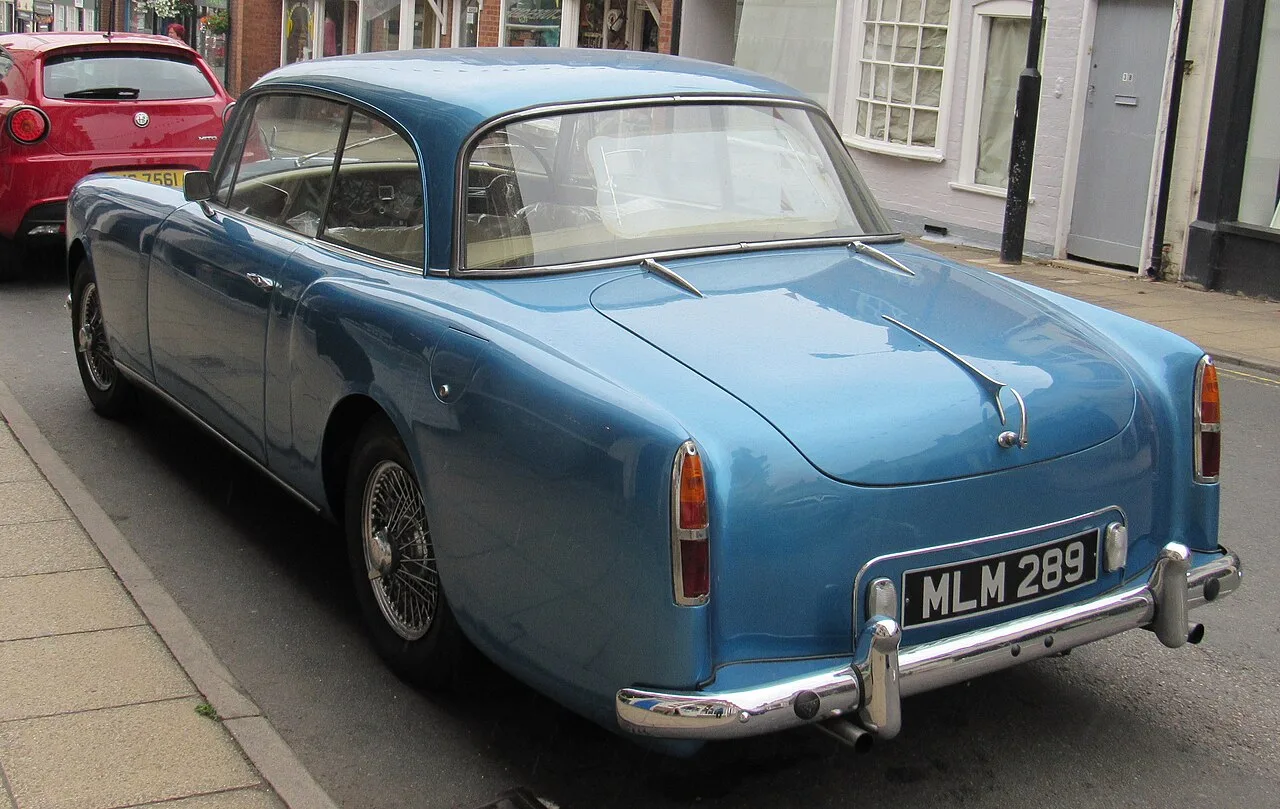
This was the last car Alvis ever built. After nearly 50 years making cars in Coventry, the company closed out production with the TF21.
Spot the stacked lights: this Alvis wore its twin headlights mounted one above the other, a Graber-styled, Mulliner Park Ward-built body unlike anything else Alvis made.
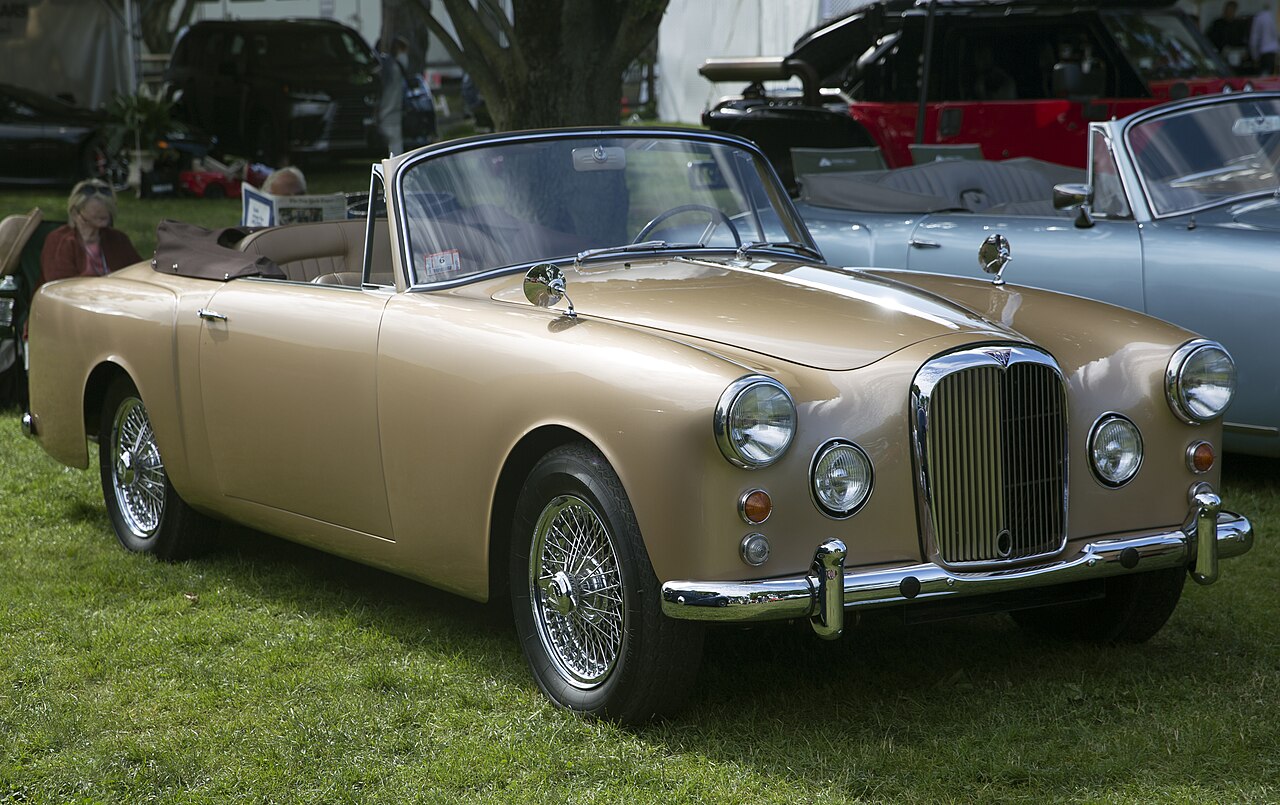
This Series II TD21 switched its door frames to aluminium mid-production — a fix for persistent problems with the wooden door pillar Park Ward had been using.
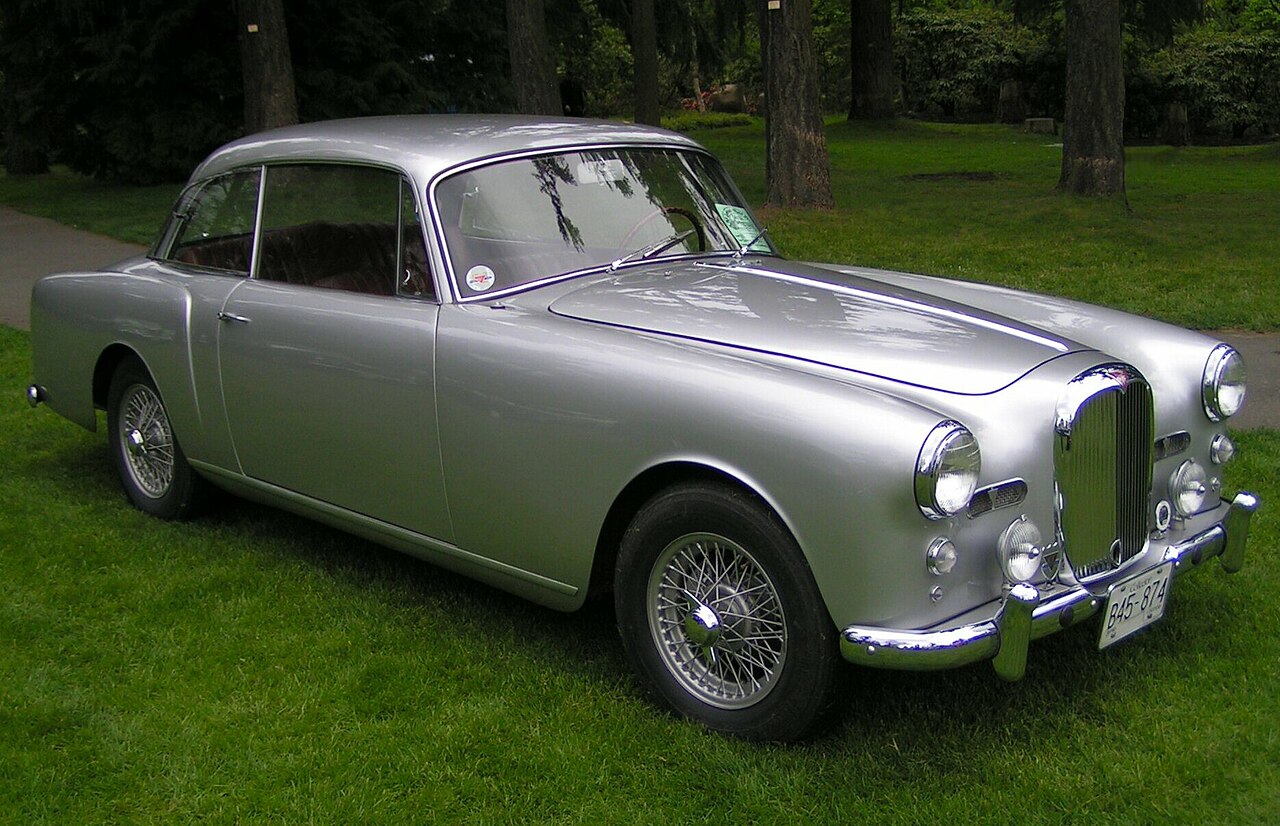
Alvis didn't build the TD21's body itself, it handed the job to coachbuilder Park Ward, who could supply bodies at the quantity, quality and price Alvis needed.
When The Times road-tested the Alvis TC 21/100 'Grey Lady' in 1955, the reviewer singled it out as one of the few British cars that didn't ape American styling.
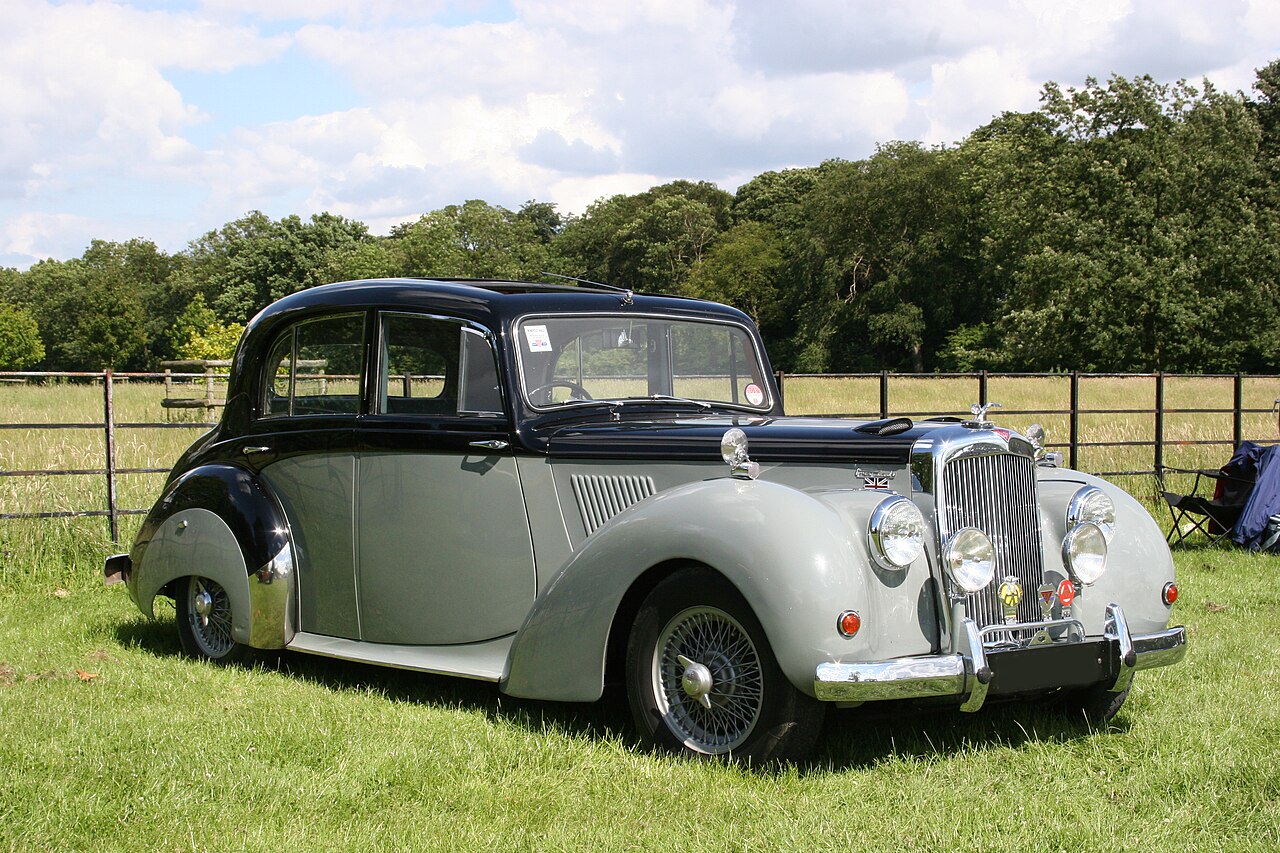
The Grey Lady's name came with a promise -- Alvis guaranteed 100 mph from this 1953 model, squeezed out by raising the compression ratio and improving the exhaust.
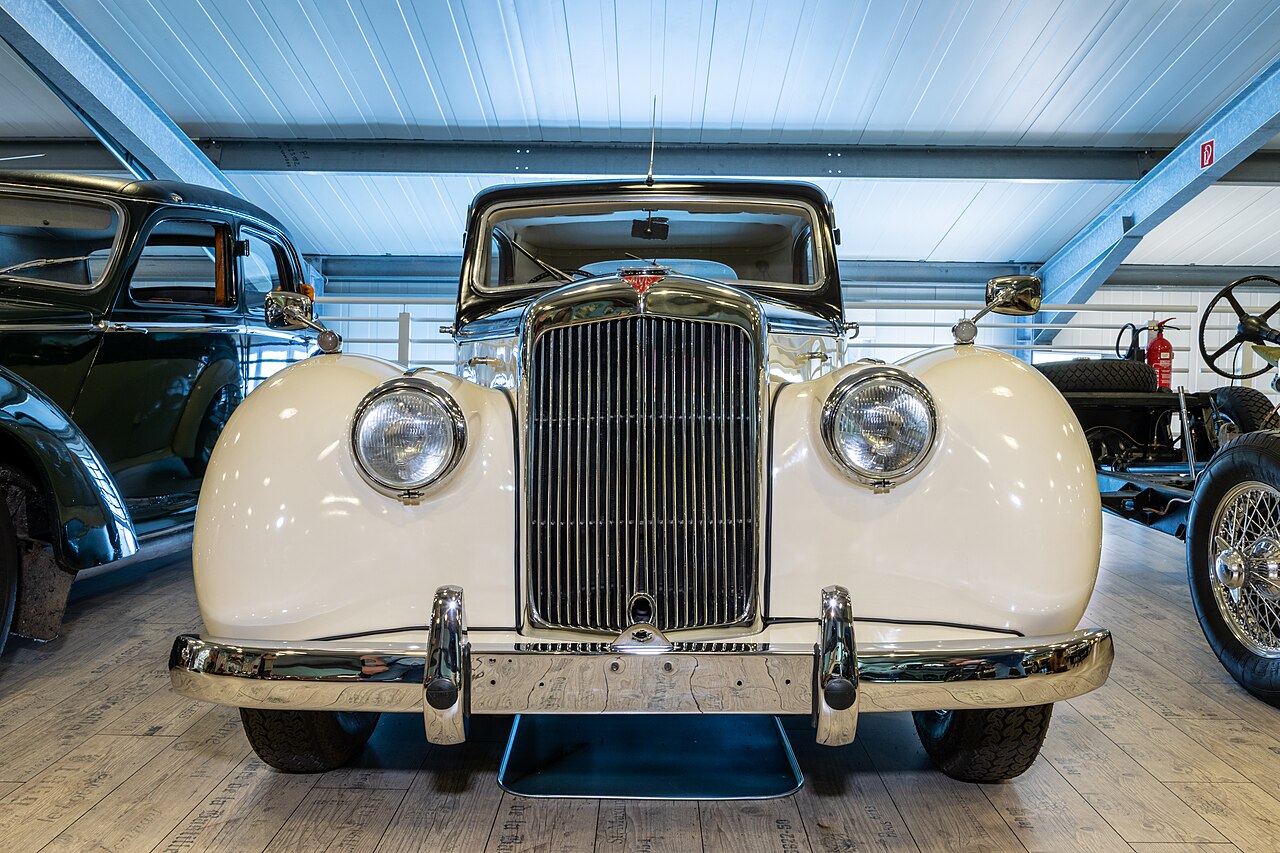
The TA 21's new three-litre six hid an odd trick: its timing gears sat at the REAR of the block, not the front, paired with a 7-bearing crank for smoothness.
Rivals
Same body, same money, other badges — tap any card to flip.
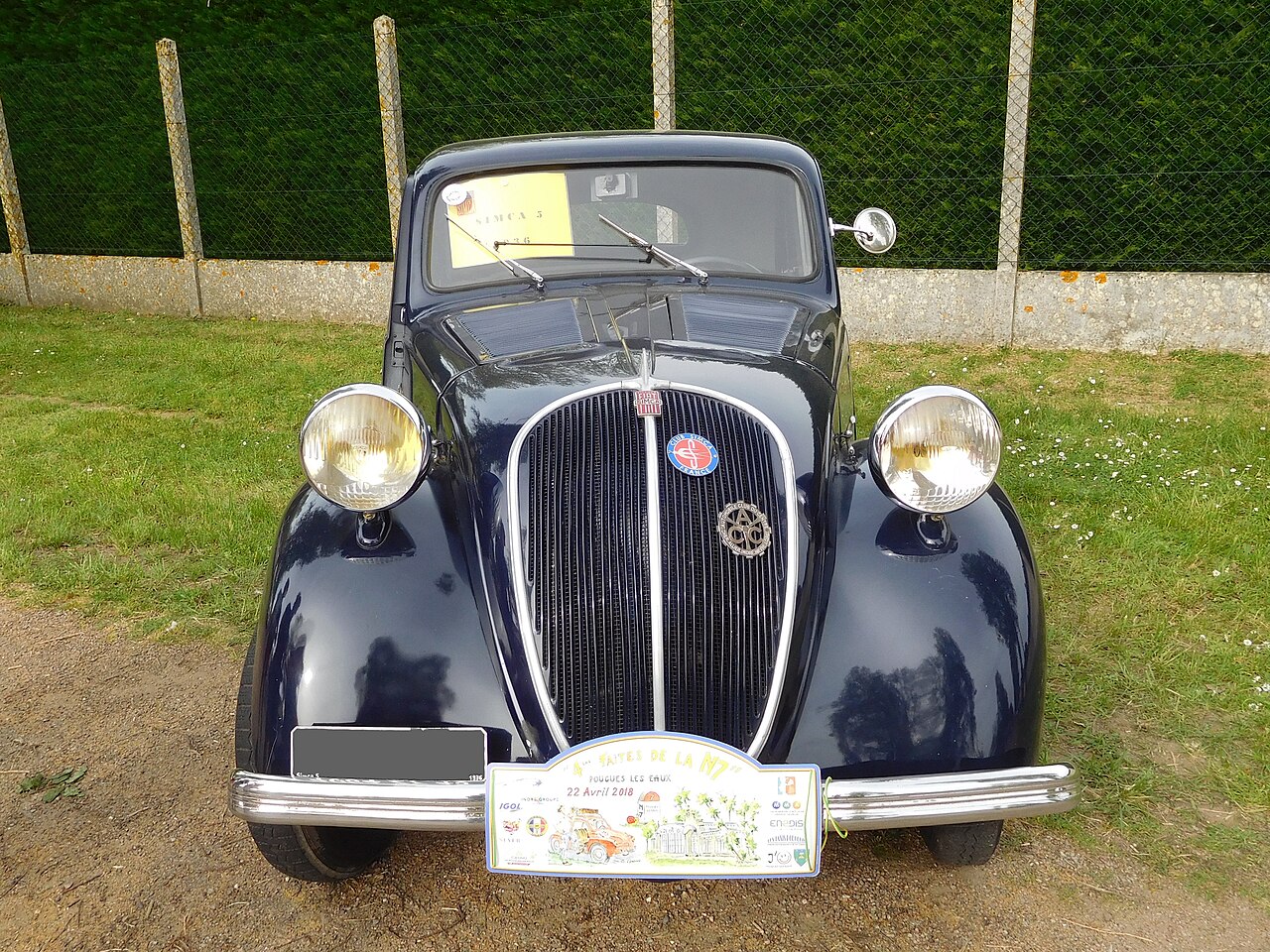
Simca beat Fiat to market by three months with what was essentially Fiat's own Topolino design.
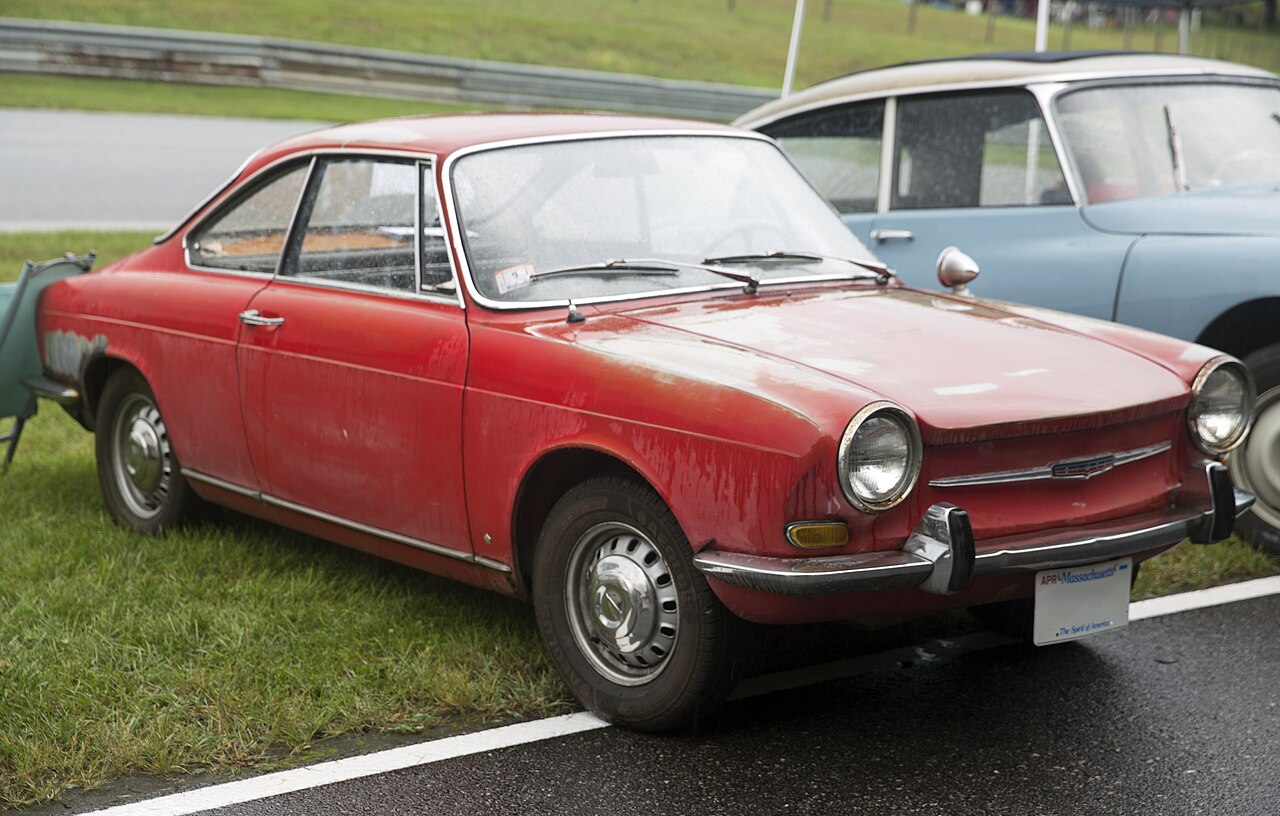
The Simca 1000 began at Fiat: Simca boss Henri Pigozzi picked one of six boxy clay models from Fiat's "Project 122".
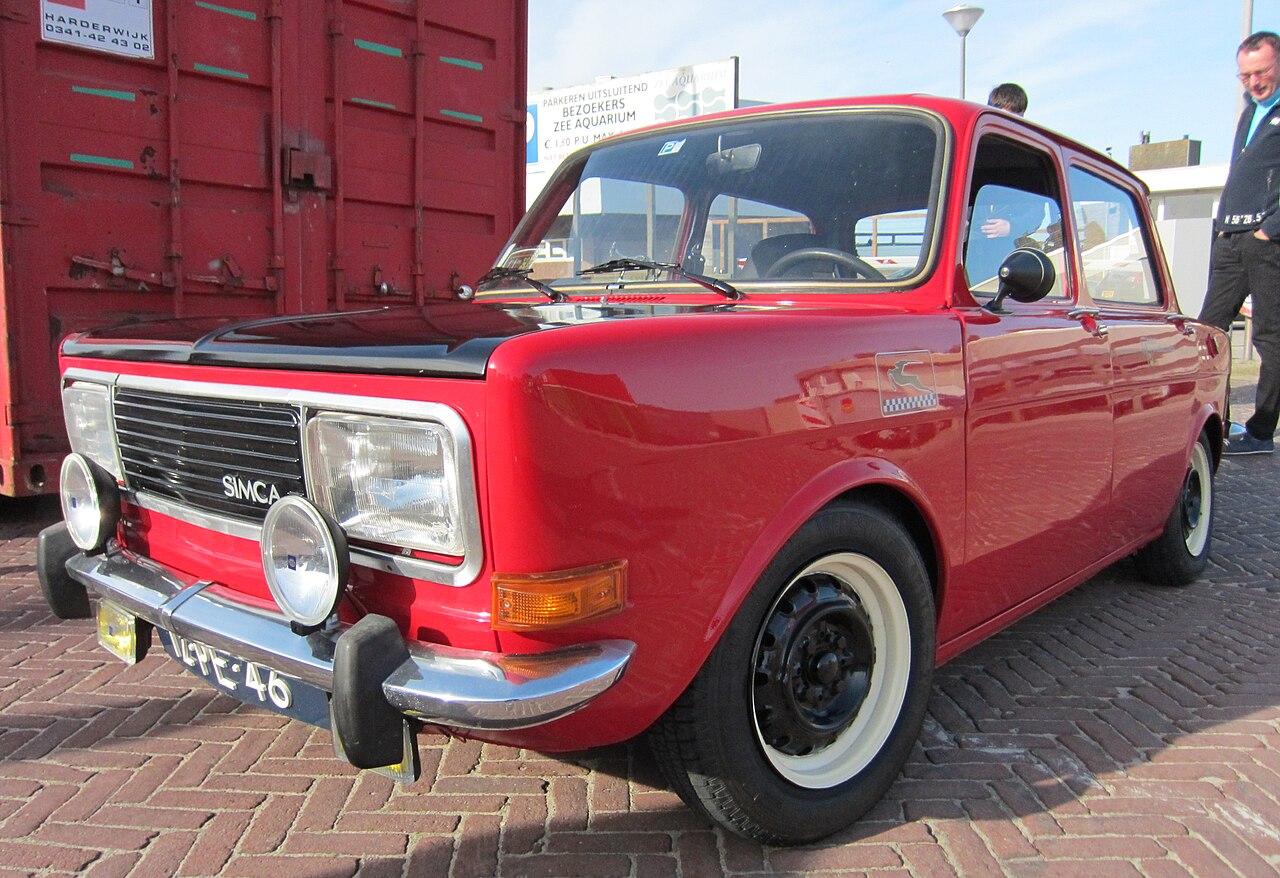
The last Simca 1000 ever built, the 1978 Rallye 3, was also the rarest — just 1,000 were made in the model's final year, a quiet send-off for a car that had sold nearly two million.
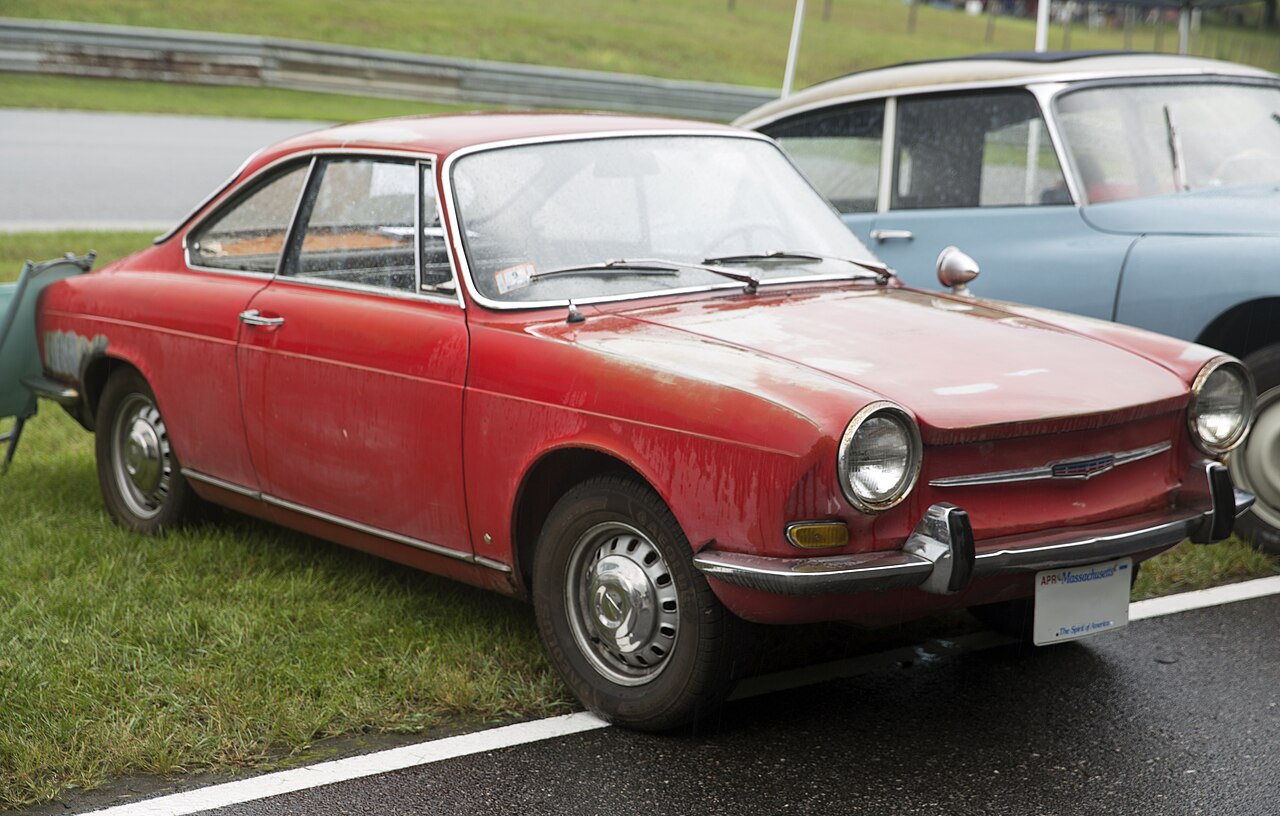
To drum up buzz at launch, Simca briefly swapped 50 of its Paris taxi fleet's Ariane sedans for tiny new 1000s, making the little car a familiar sight on the capital's streets.
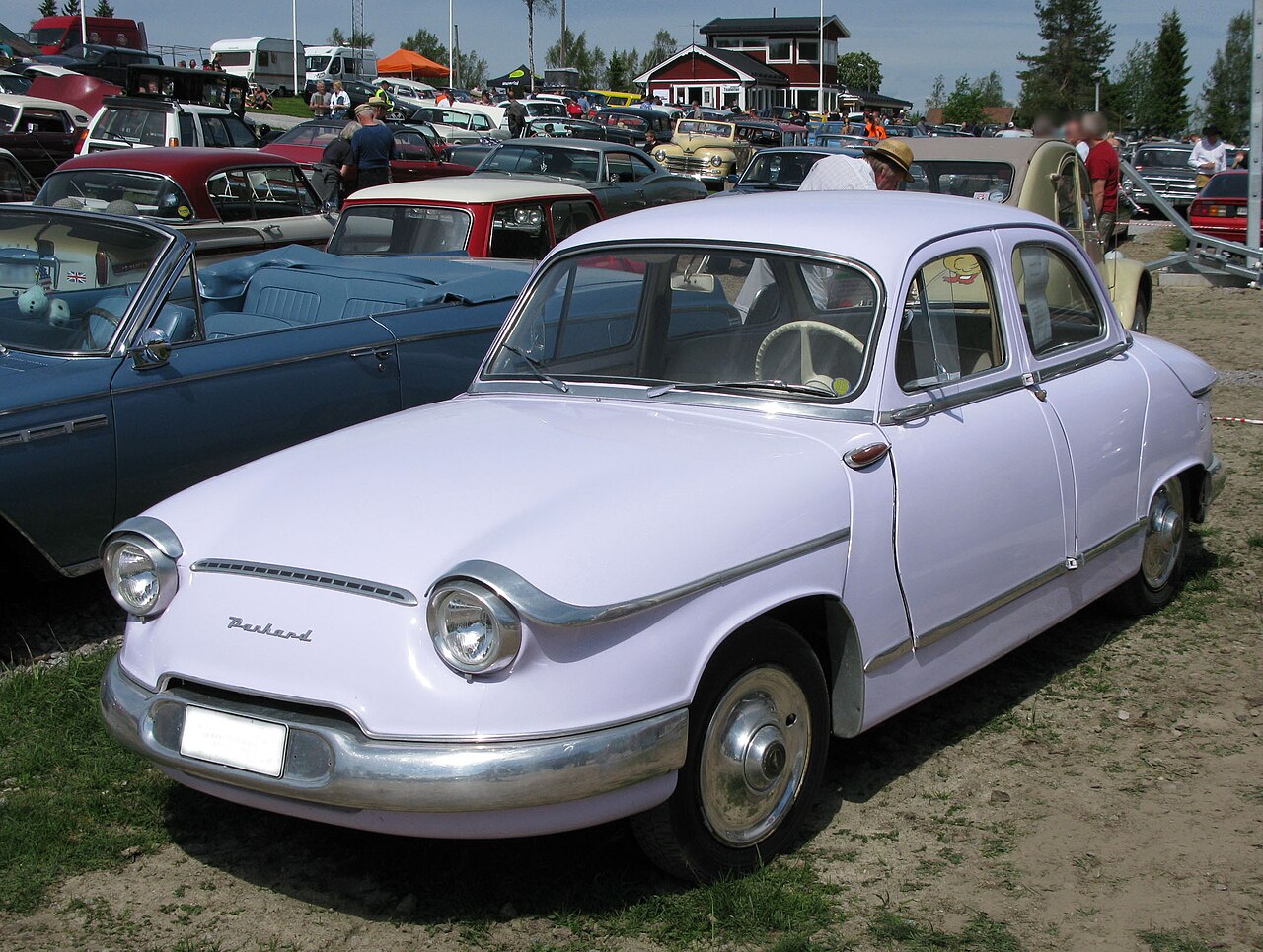
The PL 17's name is a sum: 5 fiscal horsepower, 6 seats, 6 litres per 100 km, kept a digit below the Citroën DS 19's.
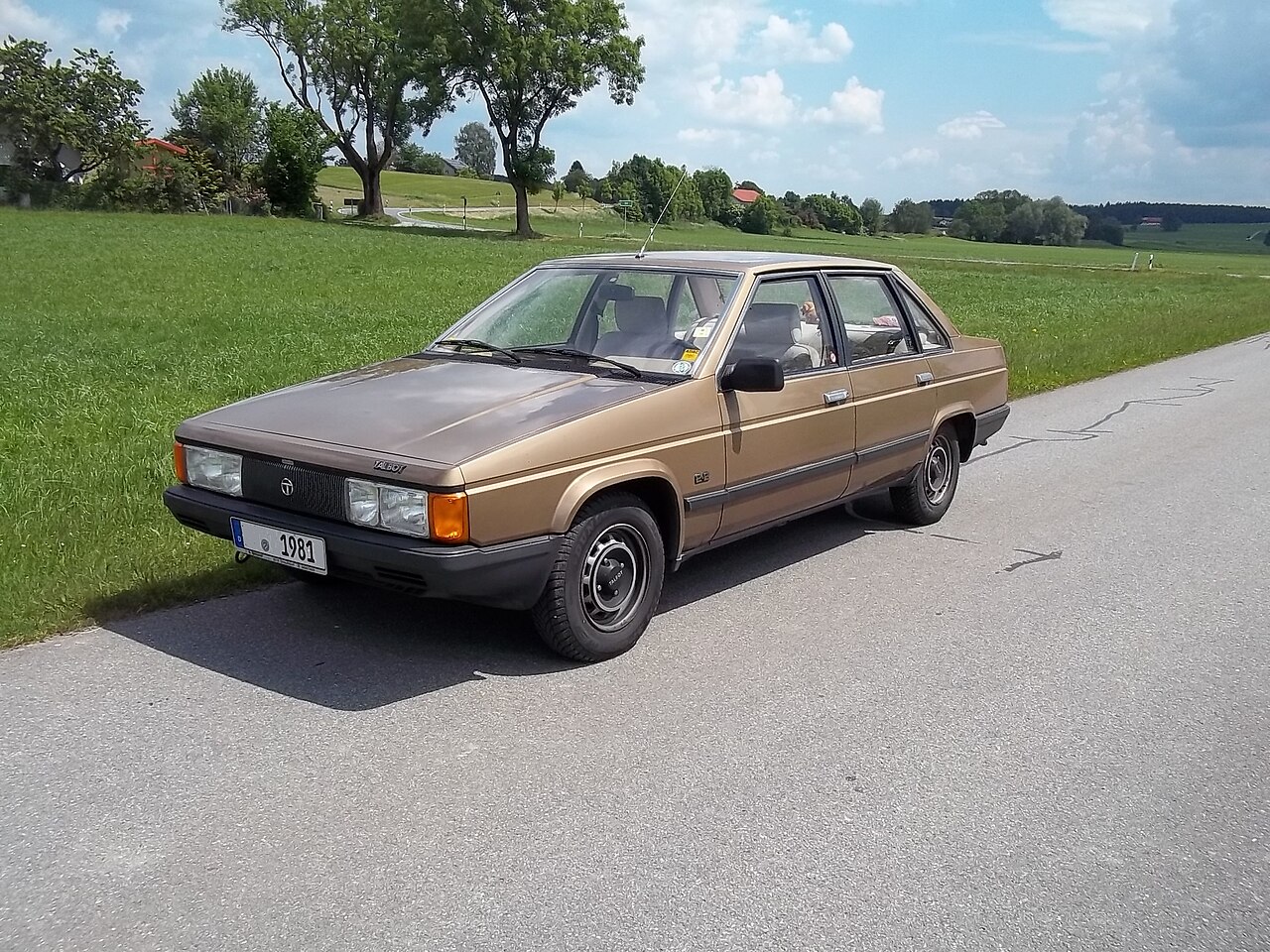
The humble Tagora spawned a one-off concept, the Présidence, decked out with Connolly leather and electronics way ahead of 1981 — a built-in telephone, dictaphone, text-message receiver and a TV with VCR.
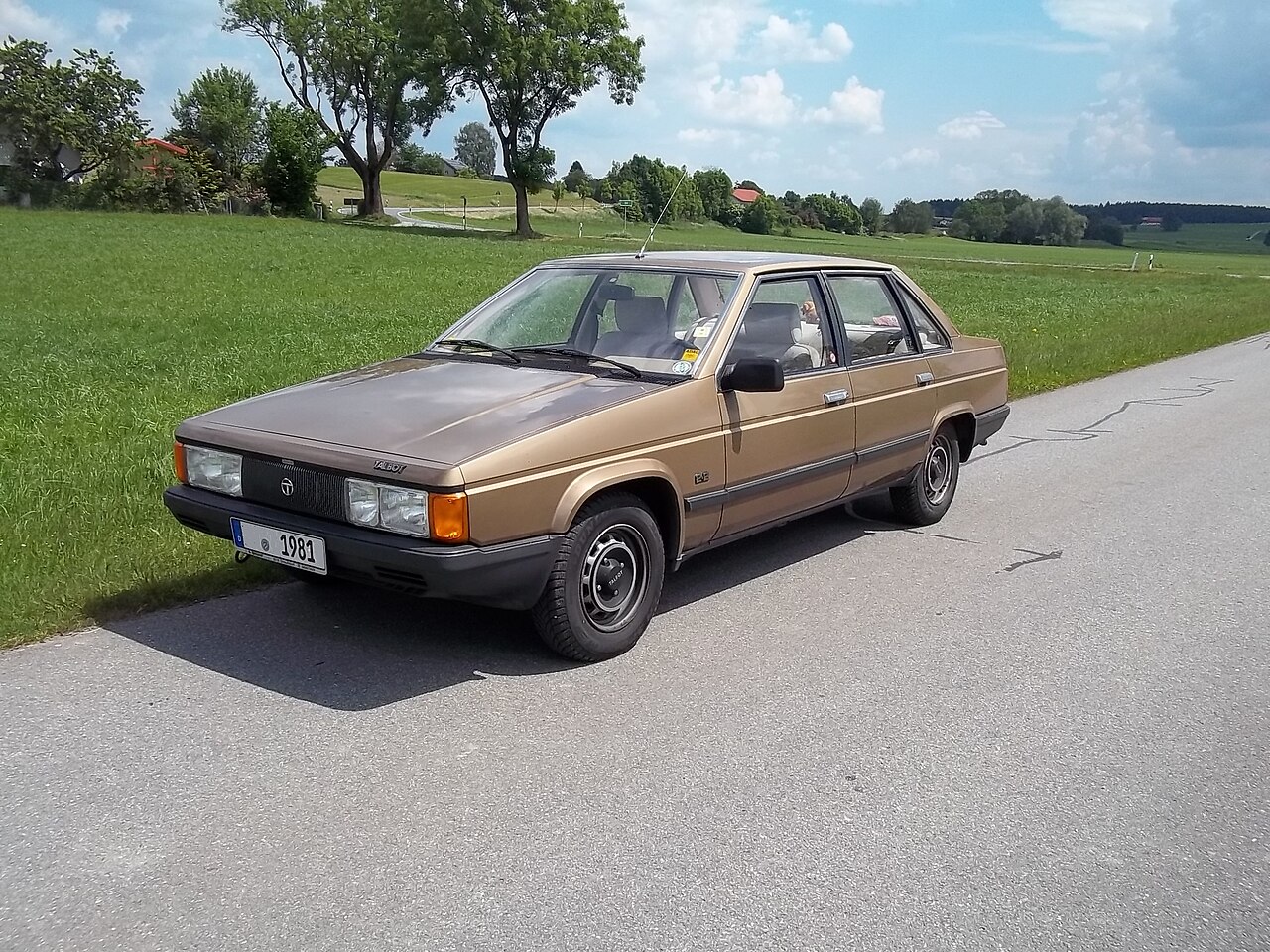
Talbot fed the Tagora's V6 old-fashioned triple carburettors instead of fuel injection — and the extra power briefly made it the most powerful French car on sale. Only 1,083 were ever built.
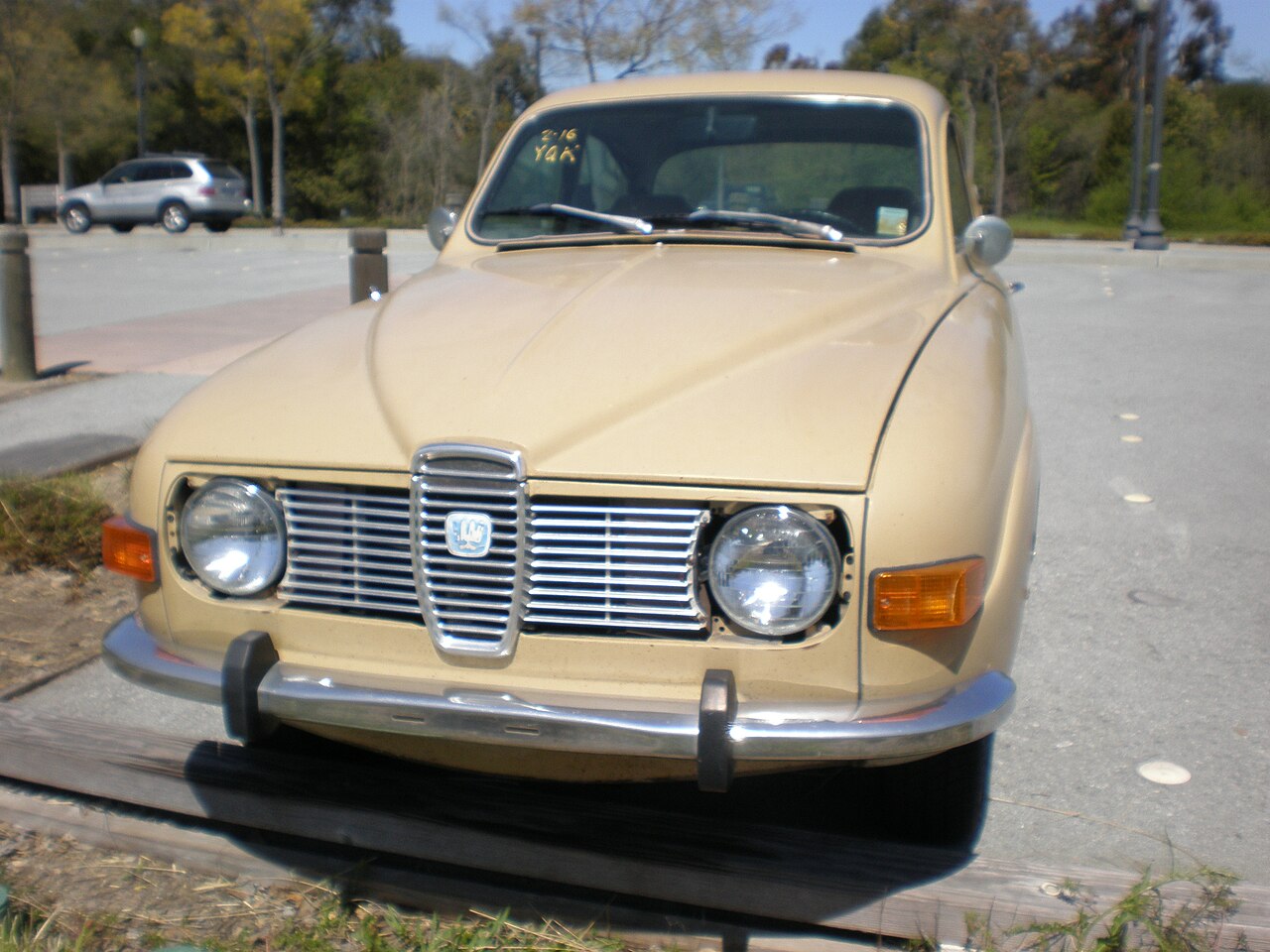
Switching the 96 from a two-stroke to a Ford V4 was such a closely guarded secret that Saab invented a fake company, Maskinverktyg AB, just to buy the new engine's parts without its own purchasing department finding out.