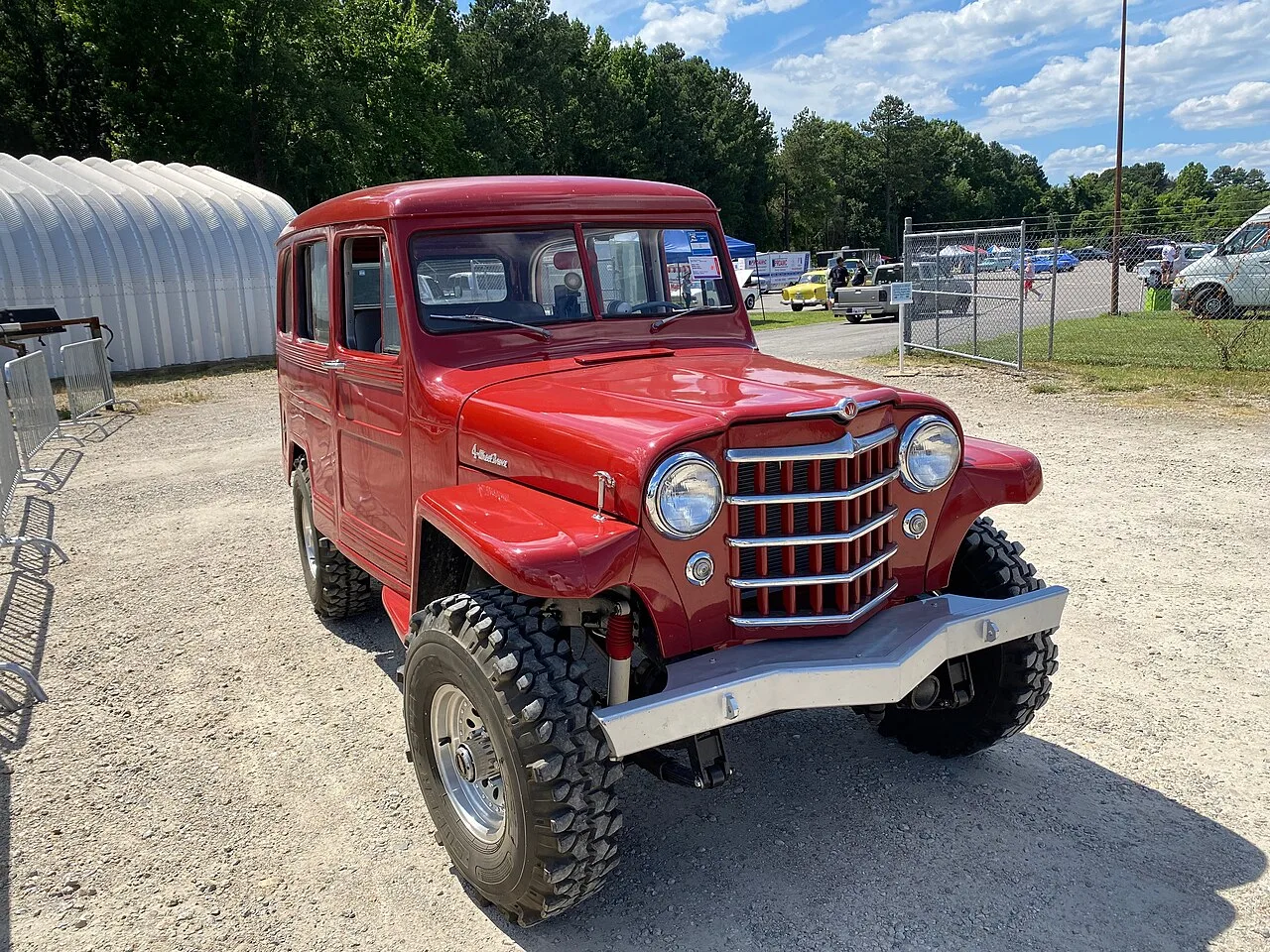
Brooks Stevens designed its steel body so household-appliance metal shops could stamp it, with draws no deeper than 6 inches.
Lead trim: Station Wagon 6-226 Super Hurricane flathead inline six (1954–1962)
Willys Jeep Station Wagon463 · 1946–1964
- 0spots by members
- Unclaimednobody has spotted one yet
- 0sets it belongs to
Nobody in Burbles has spotted a Willys Jeep Station Wagon yet. See one on the street, point the app at it, and the first card is yours — with your @handle permanently credited on this page.
FactBrooks Stevens designed its steel body so household-appliance metal shops could stamp it, with draws no deeper than 6 inches.
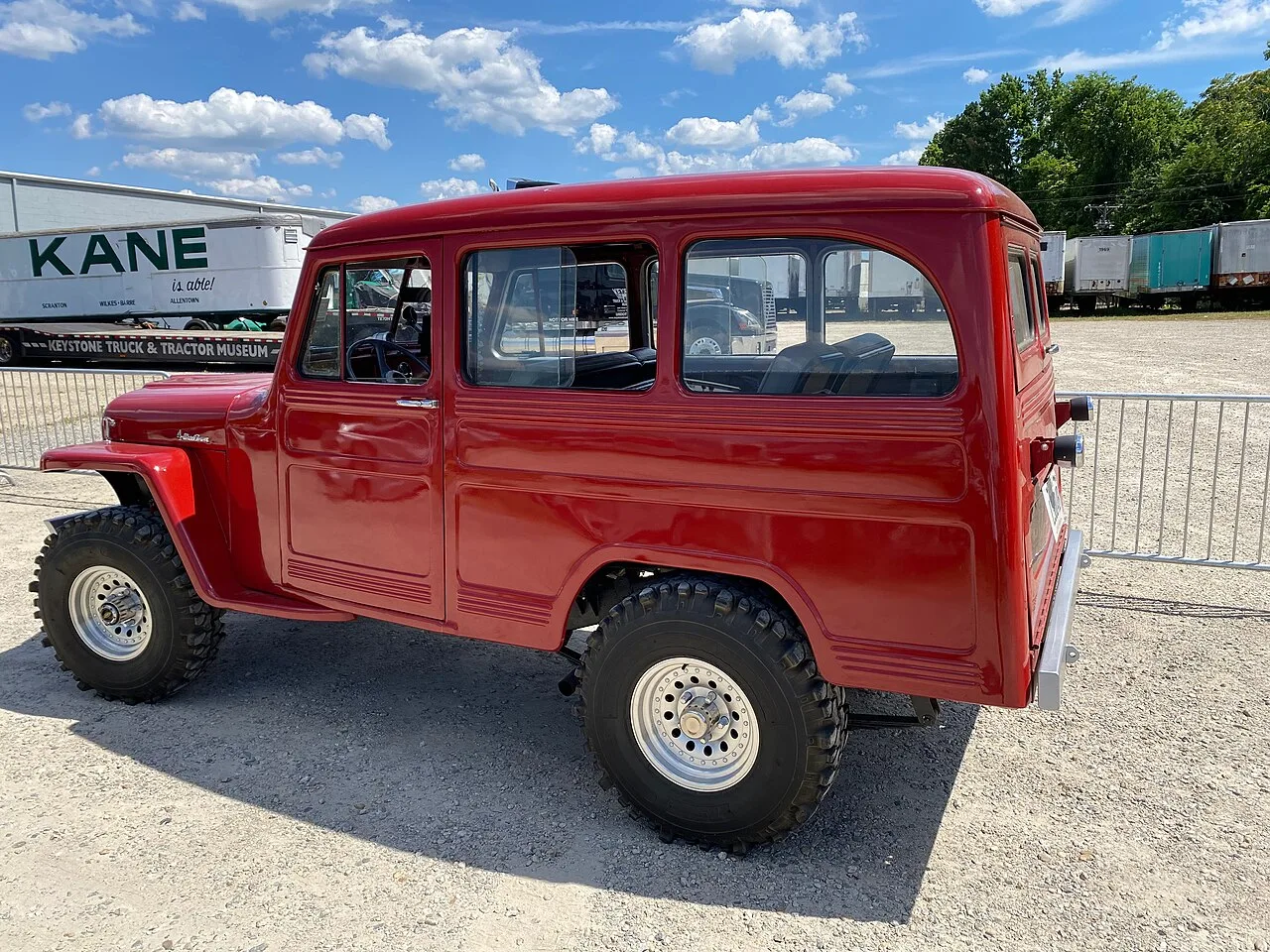
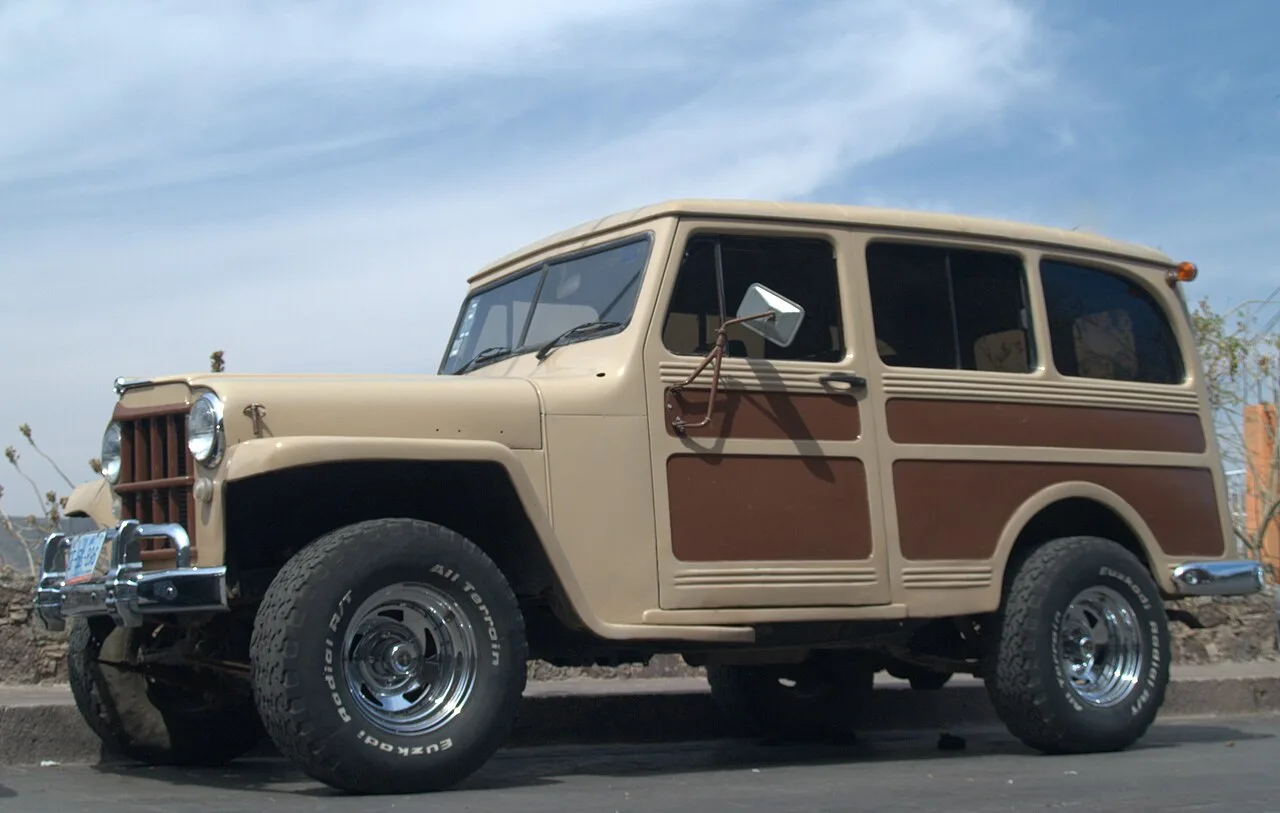
The Willys Jeep Station Wagon, Utility Wagon and Panel Delivery were built by Willys and Kaiser Jeep in the US from 1946 to 1964 (Argentina to 1970 and Brazil to 1977; over 300,000 US-built), the first mass-market all-steel station wagons designed as passenger vehicles and, in four-wheel-drive form (from 1949), often considered the first production SUV. Brooks Stevens designed the body so it could be built by sheet-metal fabricators that normally made household-appliance parts (deep draws of no more than 6 inches); it was the first Willys with independent front suspension (Barney Roos's transverse seven-leaf-spring "Planadyne"). Introduced in July 1946 as the 463 with the L-134 Go-Devil flathead four (RWD), a six-cylinder L-148 Lightning 663 followed (50 built in 1947), 4x4 came in 1949, the 1950 lineup got the F-134 Hurricane and a 161 cu in (2.6 L) Lightning six, the F-161 Hurricane replaced the flathead Lightning in 1952, the 6-226 Super Hurricane flathead six arrived in 1954, and the 6-230 Tornado OHC replaced it in May 1962; the 1958 Maverick was a luxury two-wheel-drive four-cylinder wagon and production ended in 1964 as the Wagoneer took over. Wheelbase 104 in, length 176.25 in, width 72 in, height 74 in, curb weight 3,206 lb.
Collectors Spotted in the Willys Jeep Station Wagon Lineage
No member has published a public street spot of the Willys Jeep Station Wagon yet — the First · Worldwide stamp is wide open.
Trims & Figures
4 published trims in the catalogue. A blank is a figure not recorded, not zero.
| Trim | Years | Engine | Power | Torque | 0–60 | Drive | Gearbox | MSRP |
|---|---|---|---|---|---|---|---|---|
| Station Wagon 463 L-134 Go-Devil flathead inline-four (1946) | 1946–1949 | Inline-4 | — | — | — | — | — | — |
| Station Wagon 6-226 Super Hurricane flathead inline six (1954–1962) | 1954–1962 | Inline-6 | — | 190 lb-ft | — | — | — | — |
| Station Wagon 663 L-148 Lightning straight-six | 1947–1949 | Inline-6 | — | — | — | — | — | — |
| Station Wagon 673 161 cu in Lightning six (1950–1951) | 1950–1951 | 2.6 L | — | — | — | — | — | — |
Owning one
We don’t estimate running costs for a car like this. What it costs depends on its condition, its specialist and how it is driven, and an average would mislead.
Owners’ builds
Nobody has claimed one yet.
Photographs
Rivals
Same body, same money, other badges — tap any card to flip.
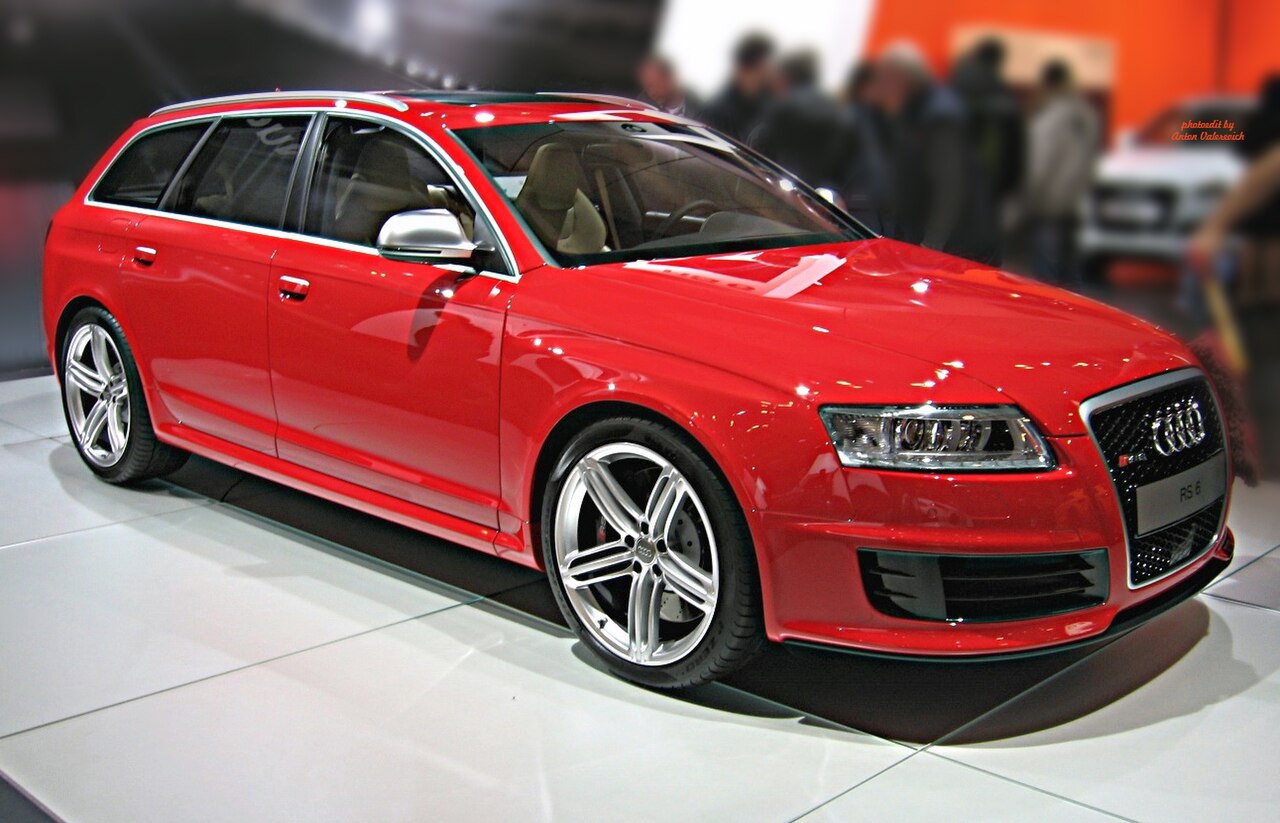
Cooling the C6 RS6’s twin-turbo V10 took seven separate radiators and four electric fans under the bonnet.
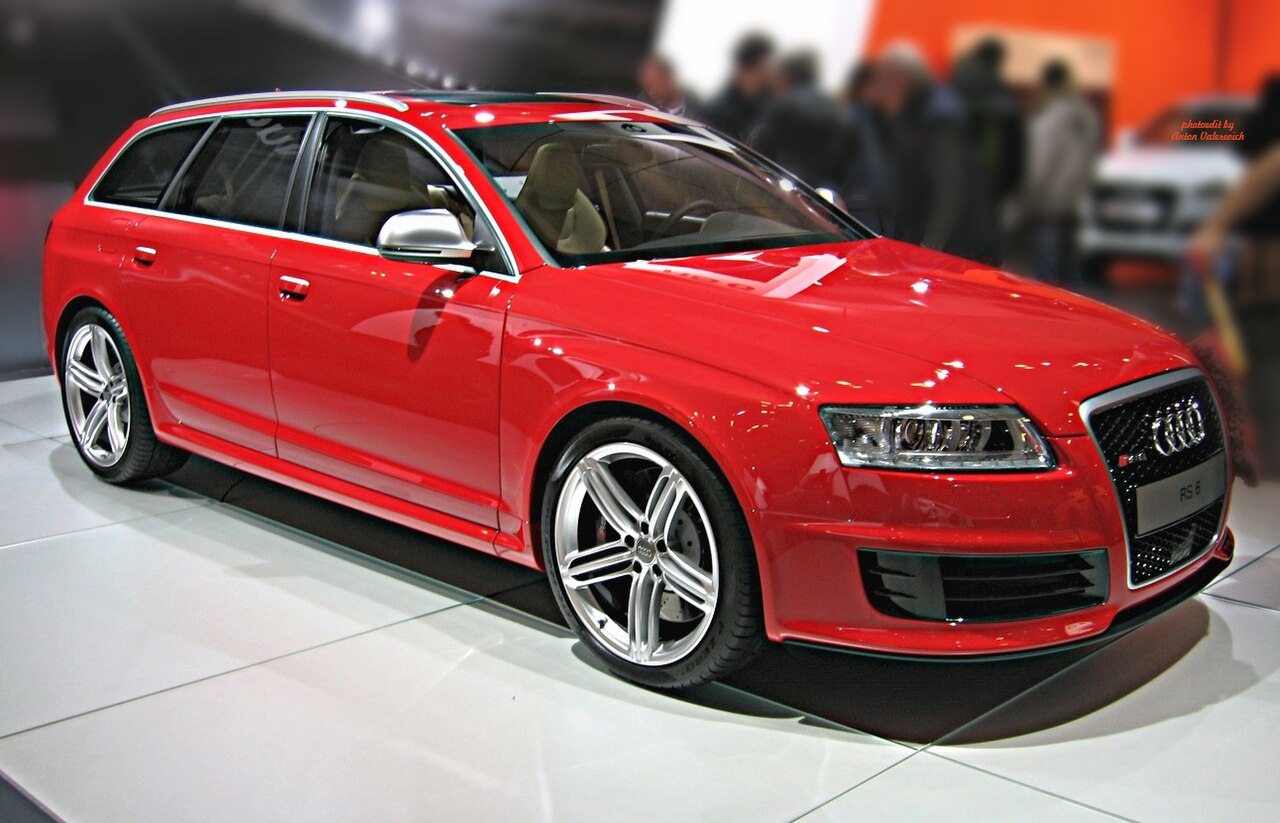
The original RS6 debuted Audi's clever hydraulic Dynamic Ride Control suspension — and enough owners got tired of its leaking dampers that they ripped the whole system out for plain coilovers.
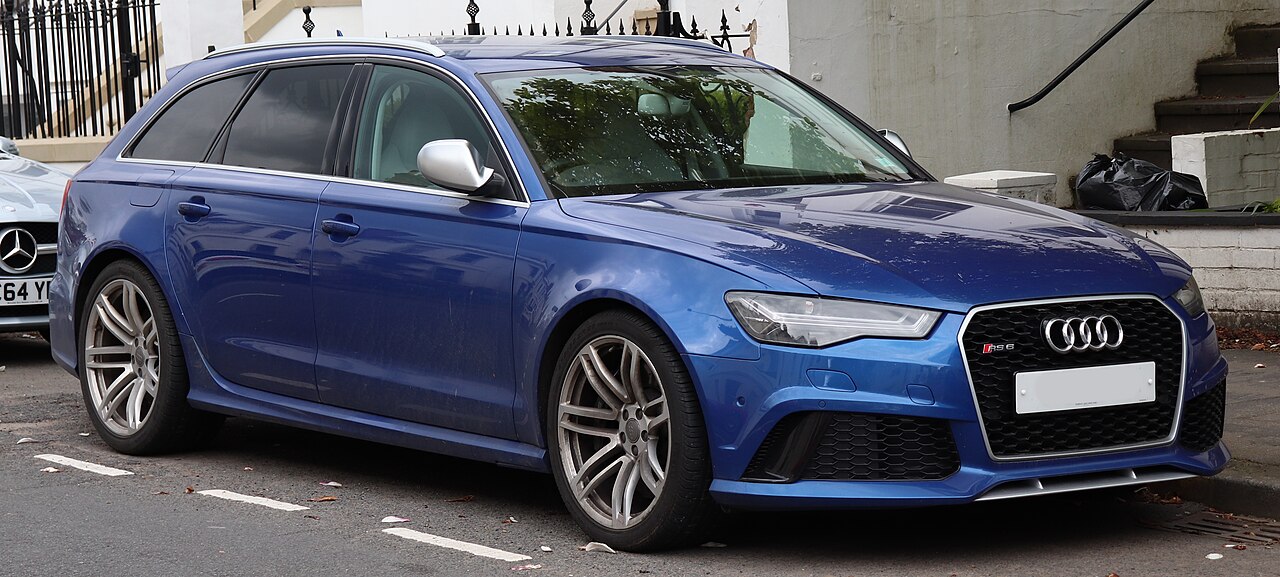
The C7-generation RS6 Avant never officially reached America at all — buyers there got the RS7 Sportback instead, running the exact same engine and platform in a different body.
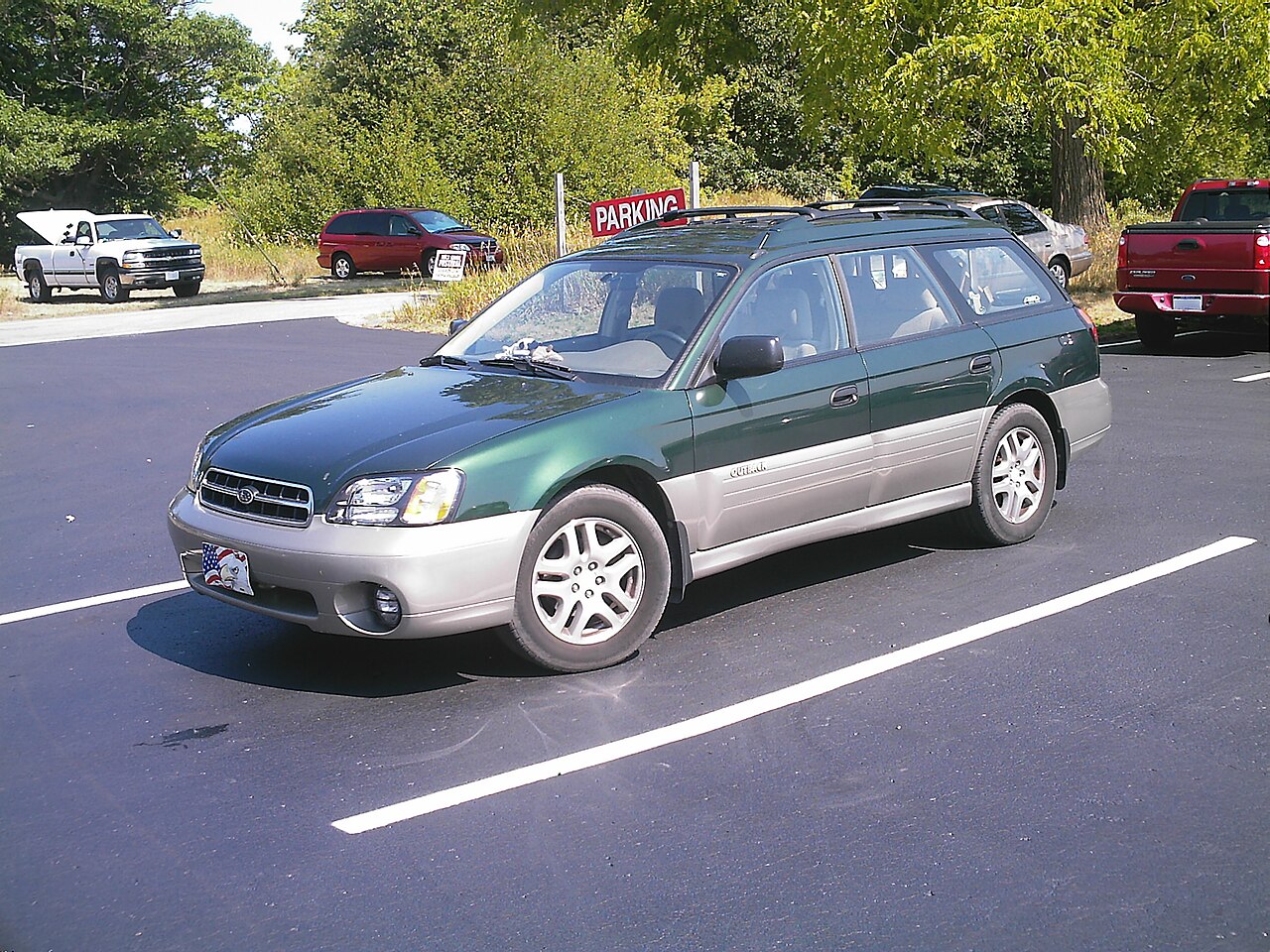
For a few years, this Outback's six-cylinder trim came with genuine McIntosh audio — the same esteemed hi-fi name found in home theaters, one of the only cars ever to get it from the factory.
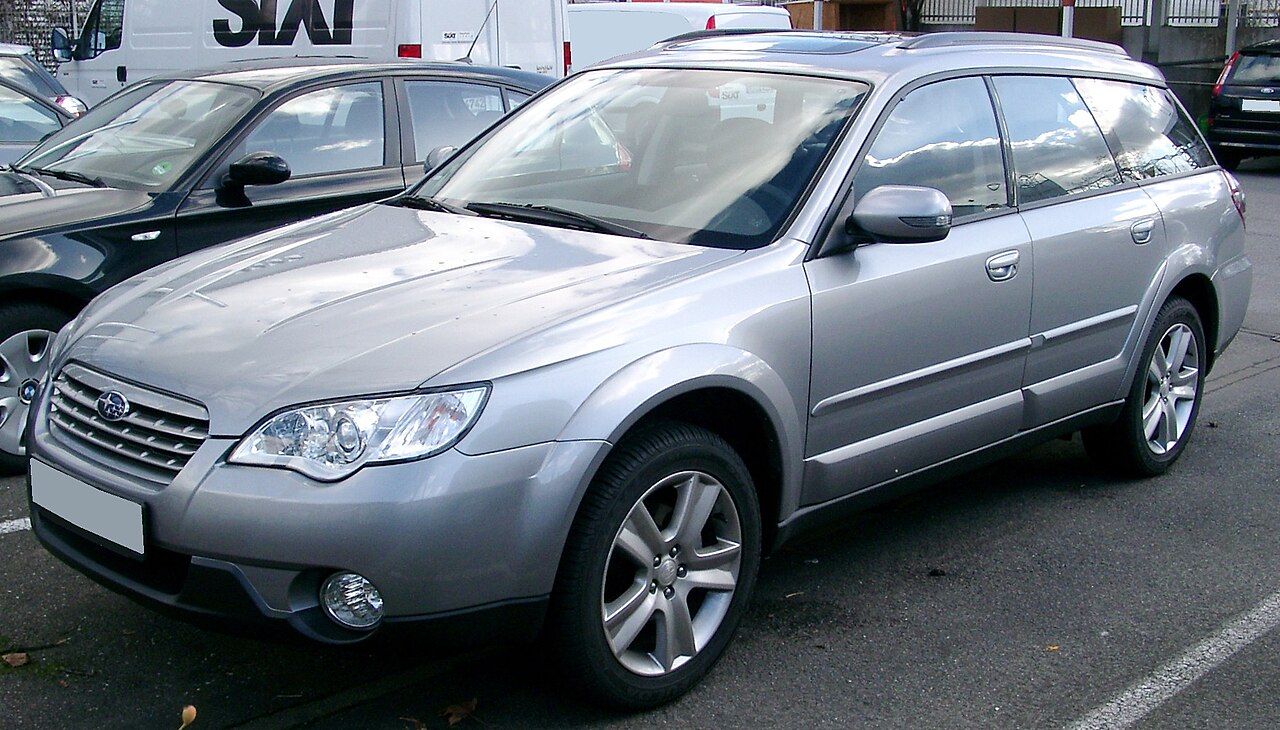
Subaru didn't have the budget for an all-new SUV, so it dressed up a Legacy wagon instead. A Subaru of America executive later put it bluntly: "[the Outback] saved our company."
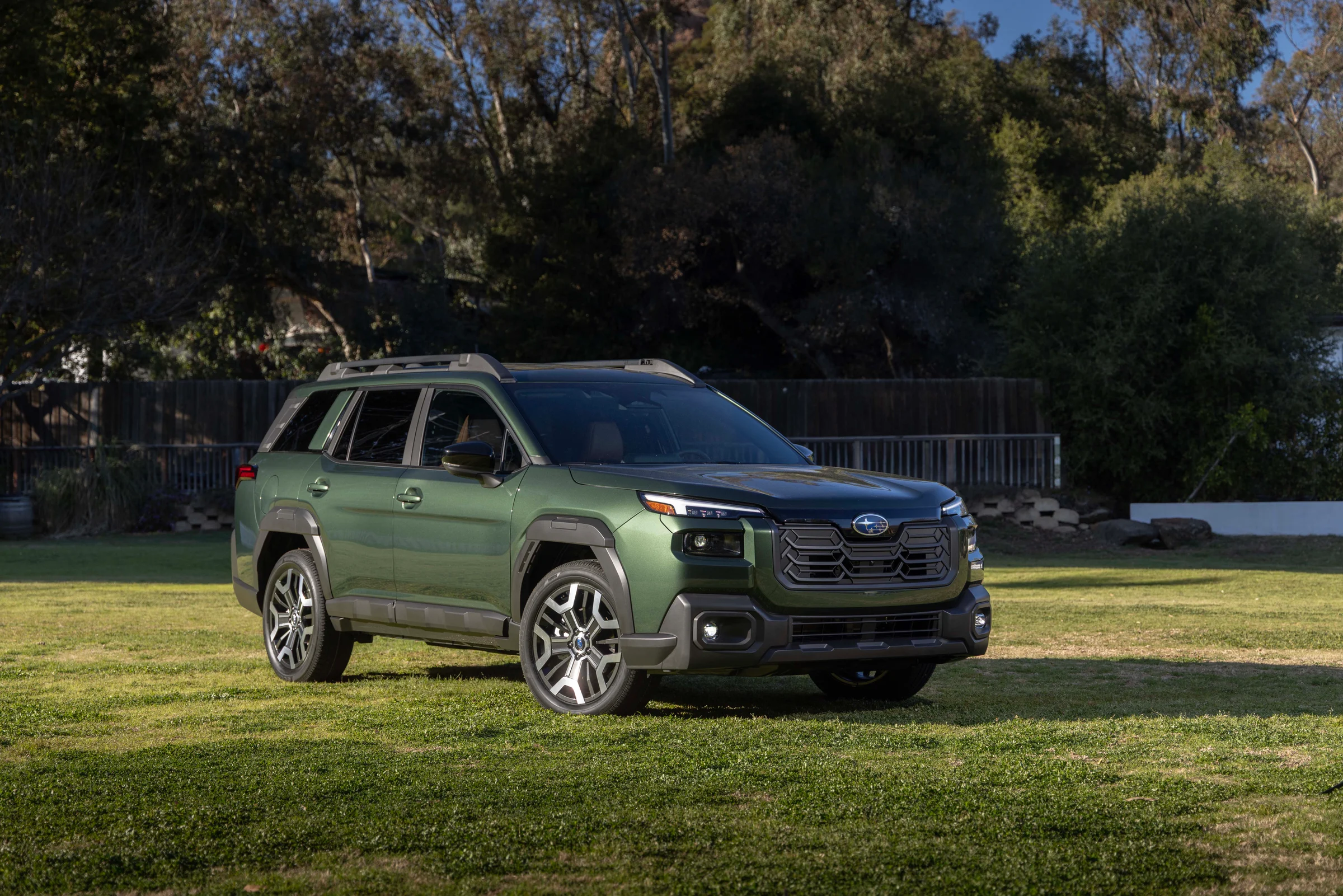
The new Outback's full-width tail light bar has a 2 ft ruler built in, for measuring whatever you are about to load.
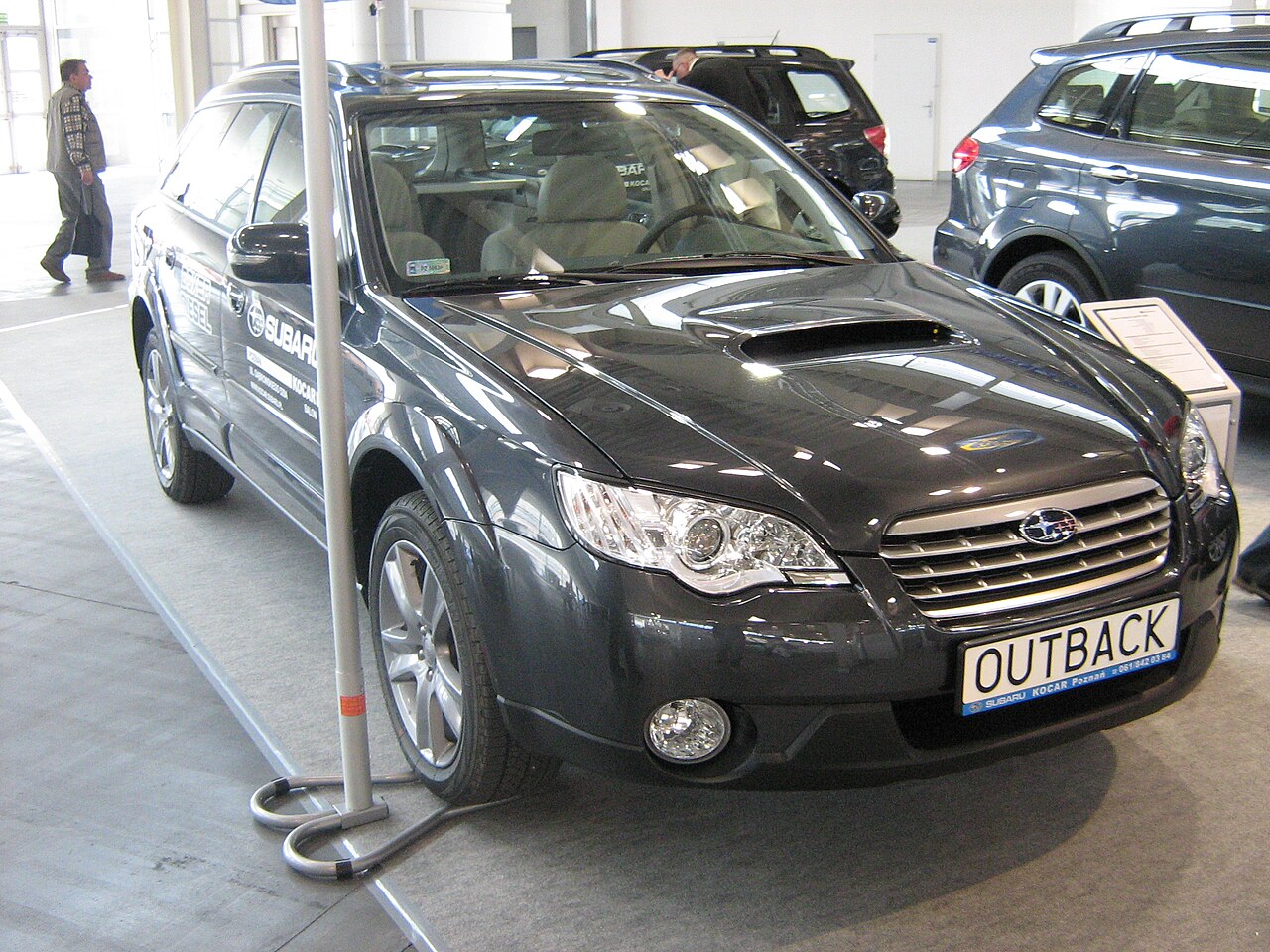
This Outback shared Top Gear's Car of the Year crown — an unusual honor for a jacked-up wagon to split with the Ford Mondeo in 2007.
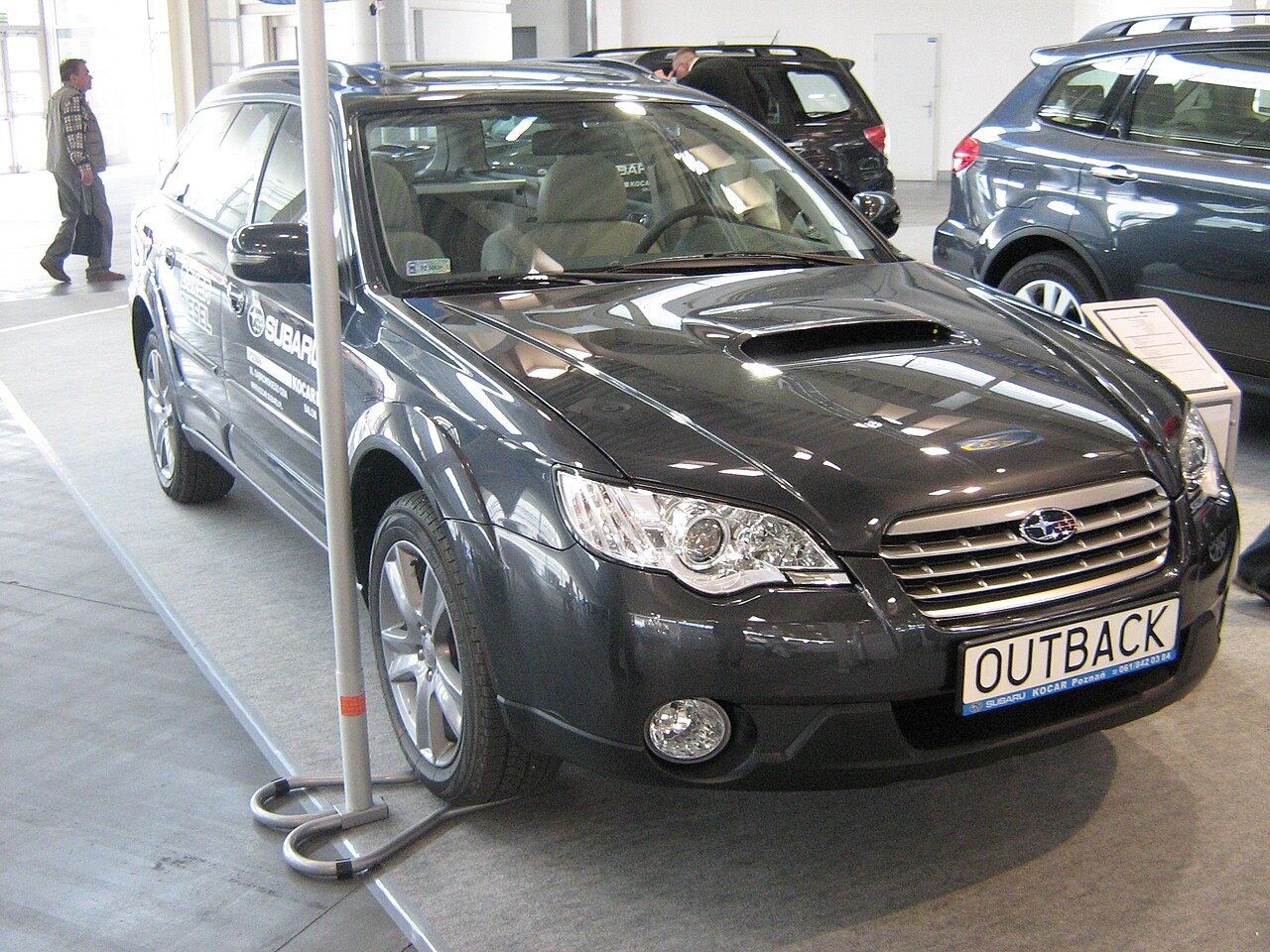
A wagon beat the SUVs at their own game: this Outback generation won Motor Trend's Sport/Utility of the Year award for 2010.