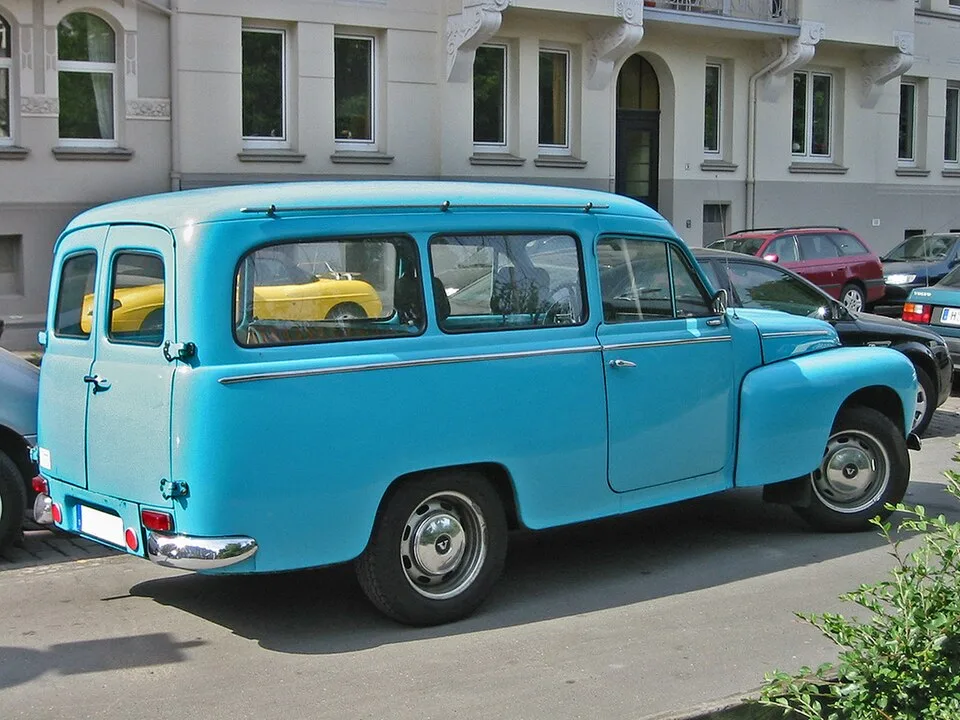
Its name promised double duty: a delivery van on weekdays, a proper car on Sundays, hence Duett.
Lead trim: 1.8 B18A
Volvo Duett1953–1969
- 0spots by members
- Unclaimednobody has spotted one yet
- 0sets it belongs to
Nobody in Burbles has spotted a Volvo Duett yet. See one on the street, point the app at it, and the first card is yours — with your @handle permanently credited on this page.
FactIts name promised double duty: a delivery van on weekdays, a proper car on Sundays, hence Duett.
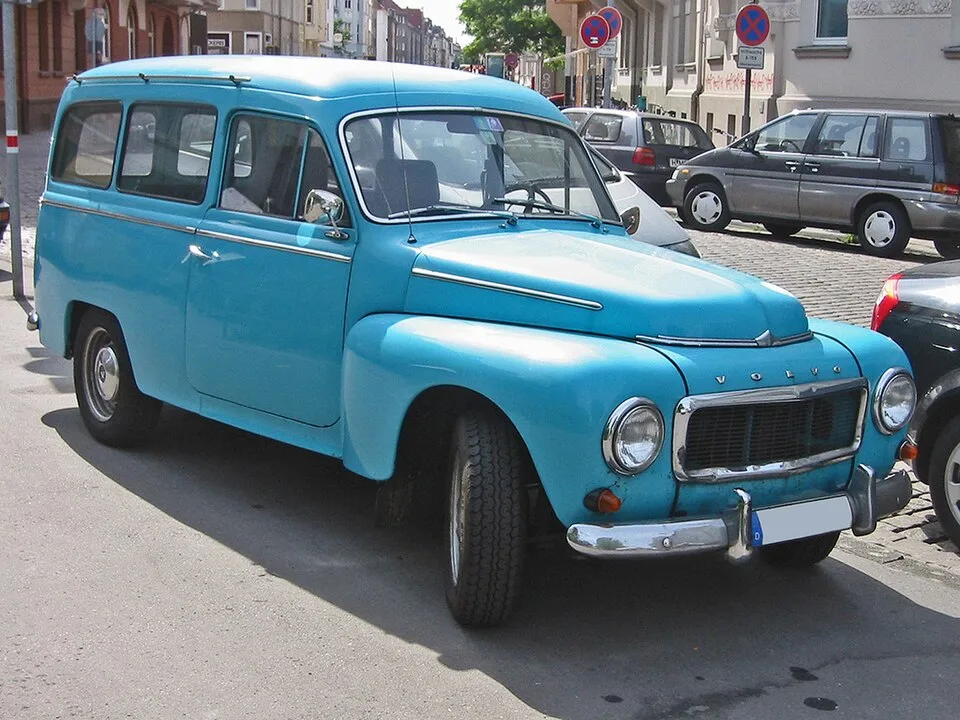
The Volvo Duett is an automobile from Volvo that was in production from 1953 until 1969. The name Duett was intended to signify a car that could be used as a delivery vehicle during the week and as a comfortable sedan away from work, and it was produced in three body styles: an estate car (station wagon), a panel van and, in small numbers, a bare chassis with no body from the windshield rearward. The design is based on the Volvo PV sedan and shares its engine and front suspension, but unlike the unibody PV with coil-spring rear suspension the Duett used a ladder frame with leaf springs supporting the rear, giving Volvo an easy solution for a suitable commercial vehicle. The availability of the bare chassis allowed Swedish coach builders such as Grip, Valbo and Nordbergs to build Duett-based pickup trucks, convertibles and specialised commercial vehicles, and it was the only automobile marketed by Volvo in the United States that used a separate frame. The PV445 was based on the PV444 saloon and the P210 replaced it in the fall of 1960 with a single-piece curved windshield shared with the PV544; the final P210 rolled off the line in 1969 and the Duett was replaced by the Volvo 145 Express. It used the 1.8 L B18A four-cylinder engine.
Collectors Spotted in the Volvo Duett Lineage
No member has published a public street spot of the Volvo Duett yet — the First · Worldwide stamp is wide open.
Trims & Figures
One published trim in the catalogue. A blank is a figure not recorded, not zero.
| Trim | Years | Engine | Power | Torque | 0–60 | Drive | Gearbox | MSRP |
|---|---|---|---|---|---|---|---|---|
| 1.8 B18A | 1953–1969 | 1.8 L Inline-4 | — | — | — | — | — | — |
Owning one
We don’t estimate running costs for a car like this. What it costs depends on its condition, its specialist and how it is driven, and an average would mislead.
Owners’ builds
Nobody has claimed one yet.
Photographs
Rivals
Same body, same money, other badges — tap any card to flip.
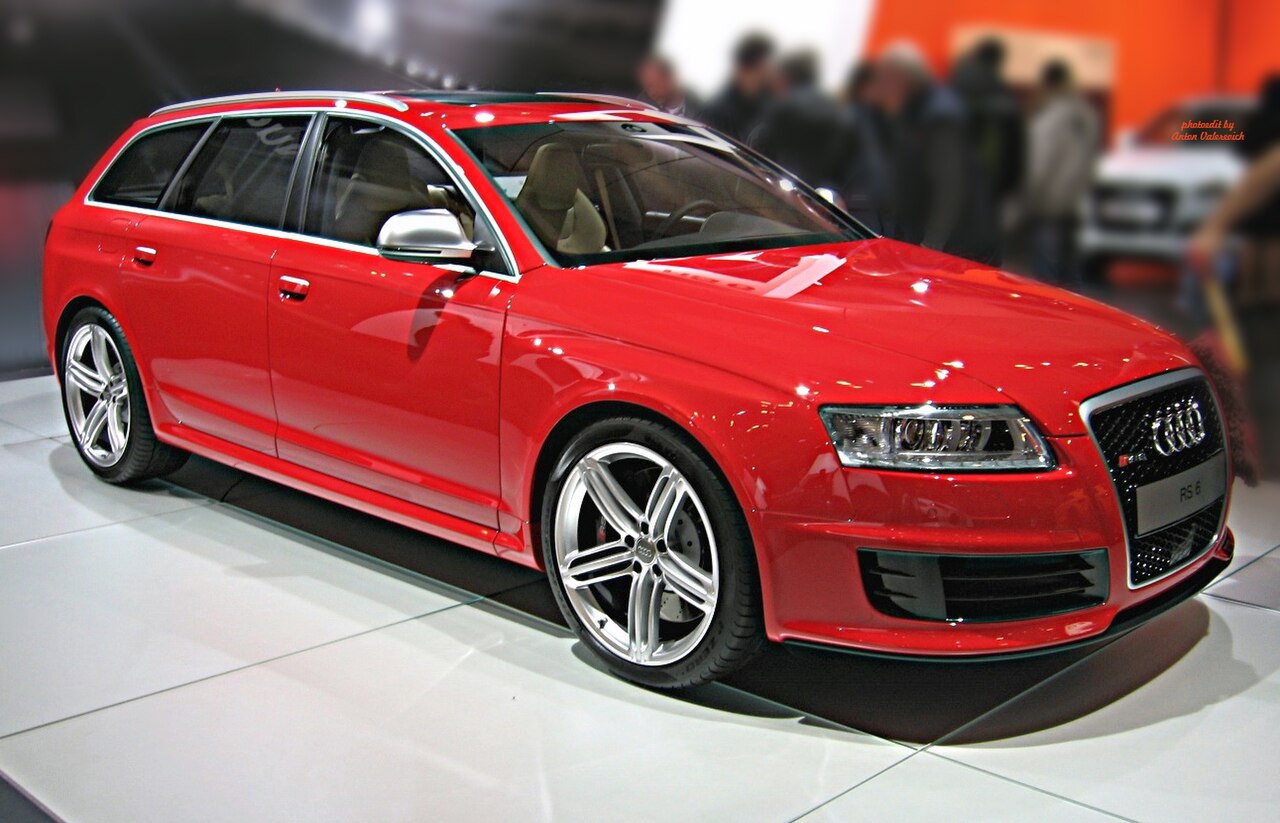
Cooling the C6 RS6’s twin-turbo V10 took seven separate radiators and four electric fans under the bonnet.
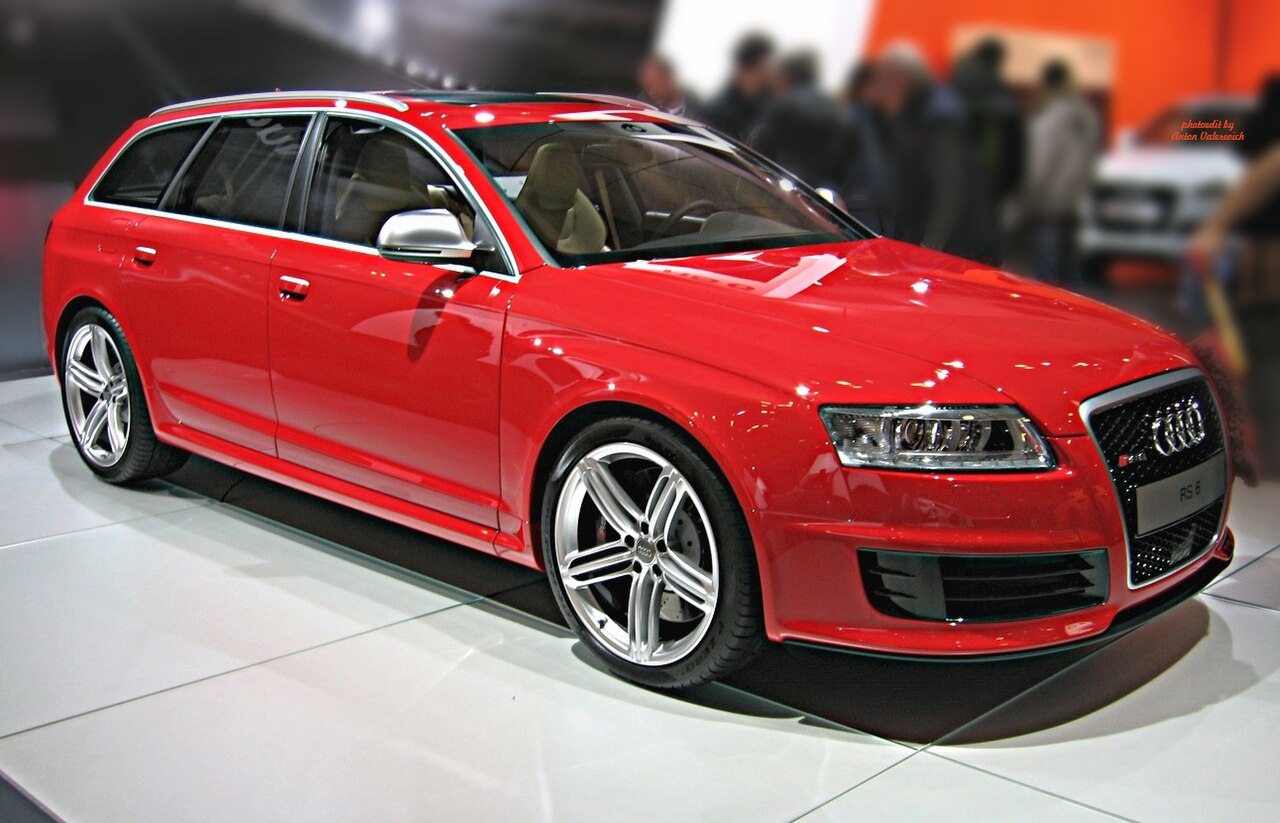
The original RS6 debuted Audi's clever hydraulic Dynamic Ride Control suspension — and enough owners got tired of its leaking dampers that they ripped the whole system out for plain coilovers.
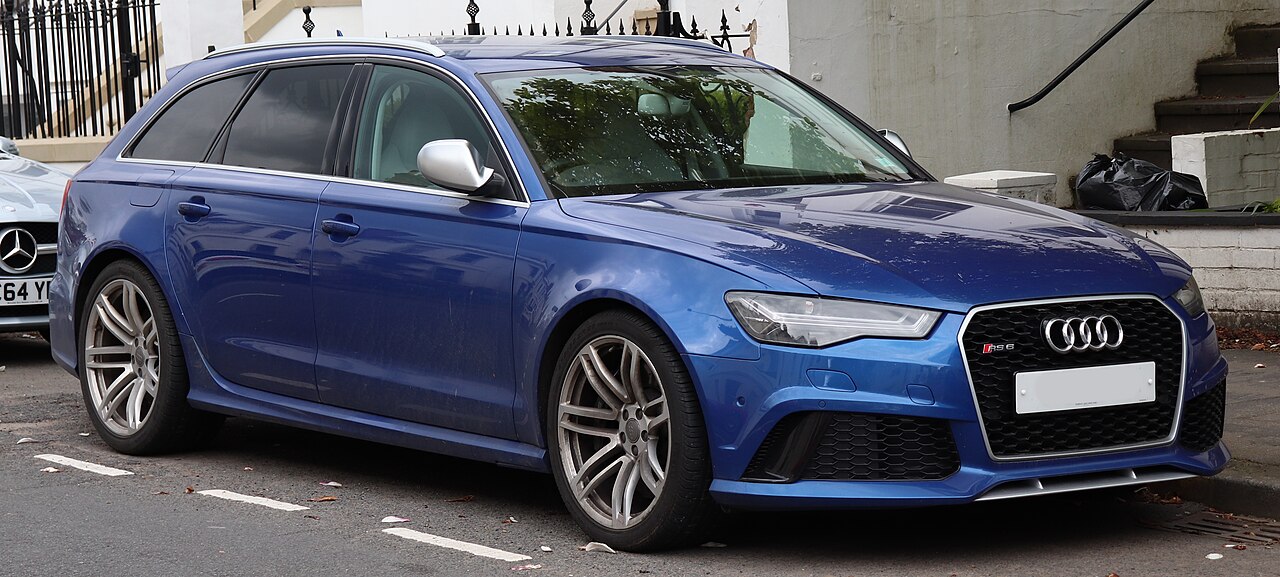
The C7-generation RS6 Avant never officially reached America at all — buyers there got the RS7 Sportback instead, running the exact same engine and platform in a different body.
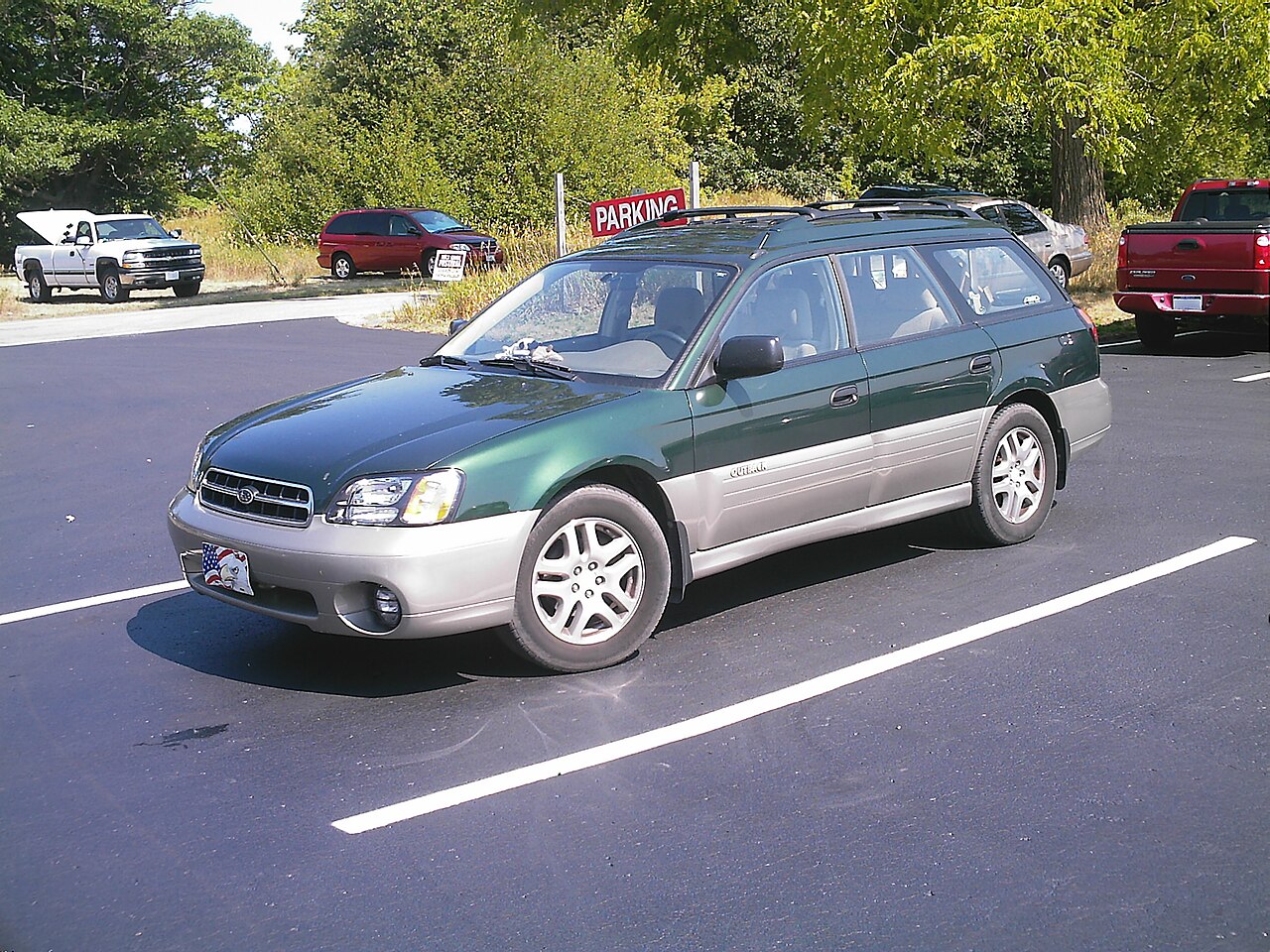
For a few years, this Outback's six-cylinder trim came with genuine McIntosh audio — the same esteemed hi-fi name found in home theaters, one of the only cars ever to get it from the factory.
Subaru didn't have the budget for an all-new SUV, so it dressed up a Legacy wagon instead. A Subaru of America executive later put it bluntly: "[the Outback] saved our company."
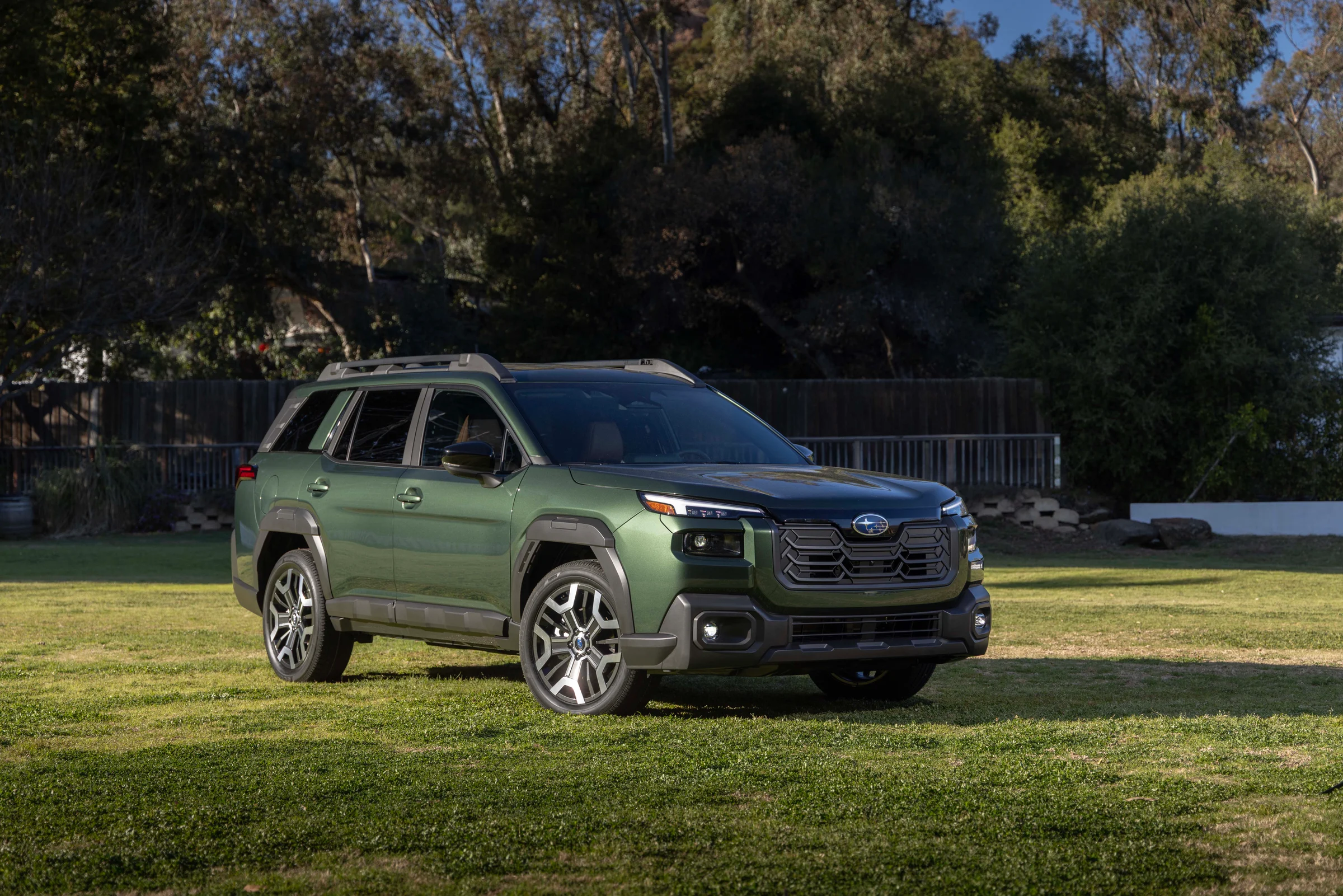
The new Outback's full-width tail light bar has a 2 ft ruler built in, for measuring whatever you are about to load.
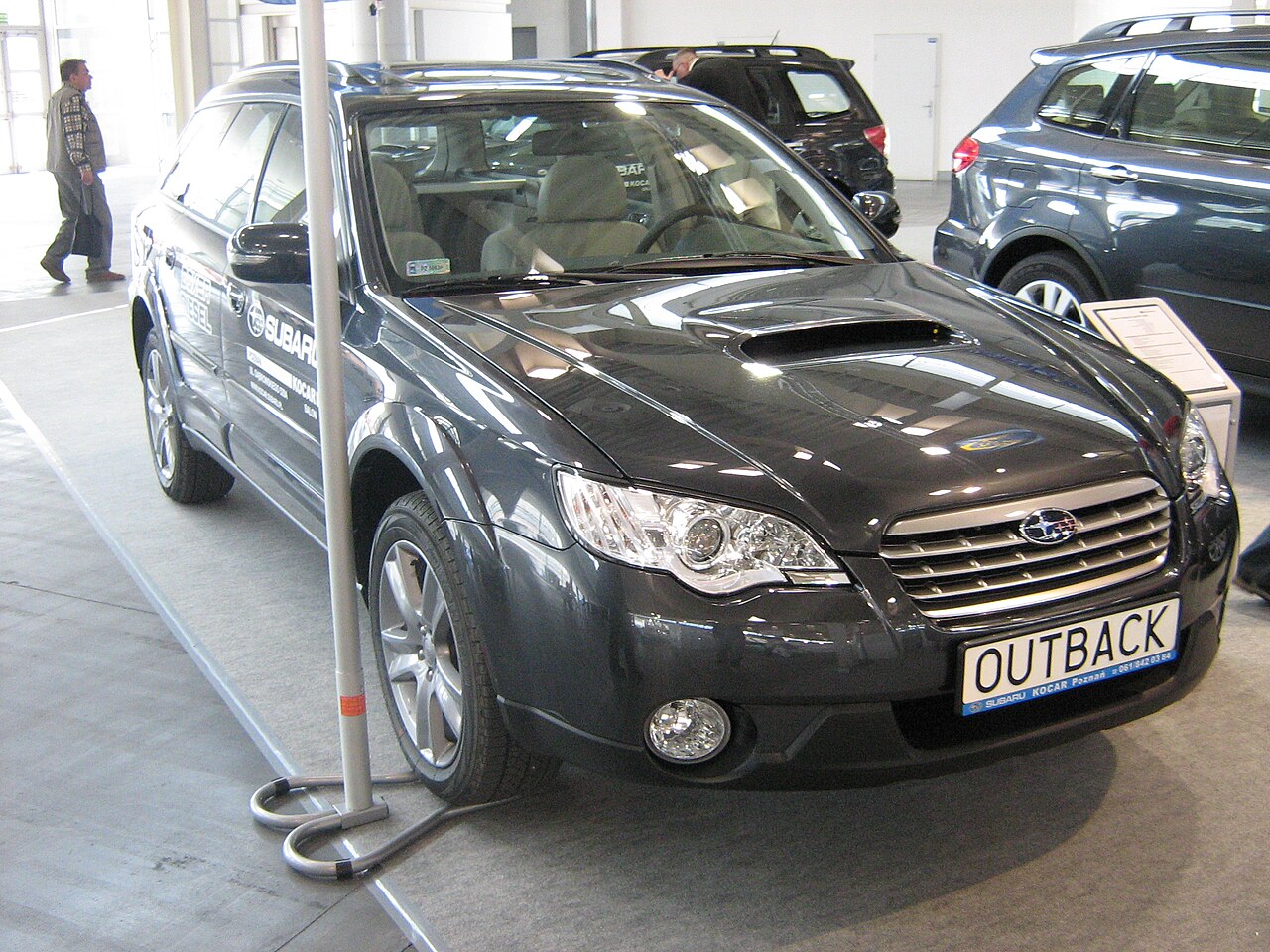
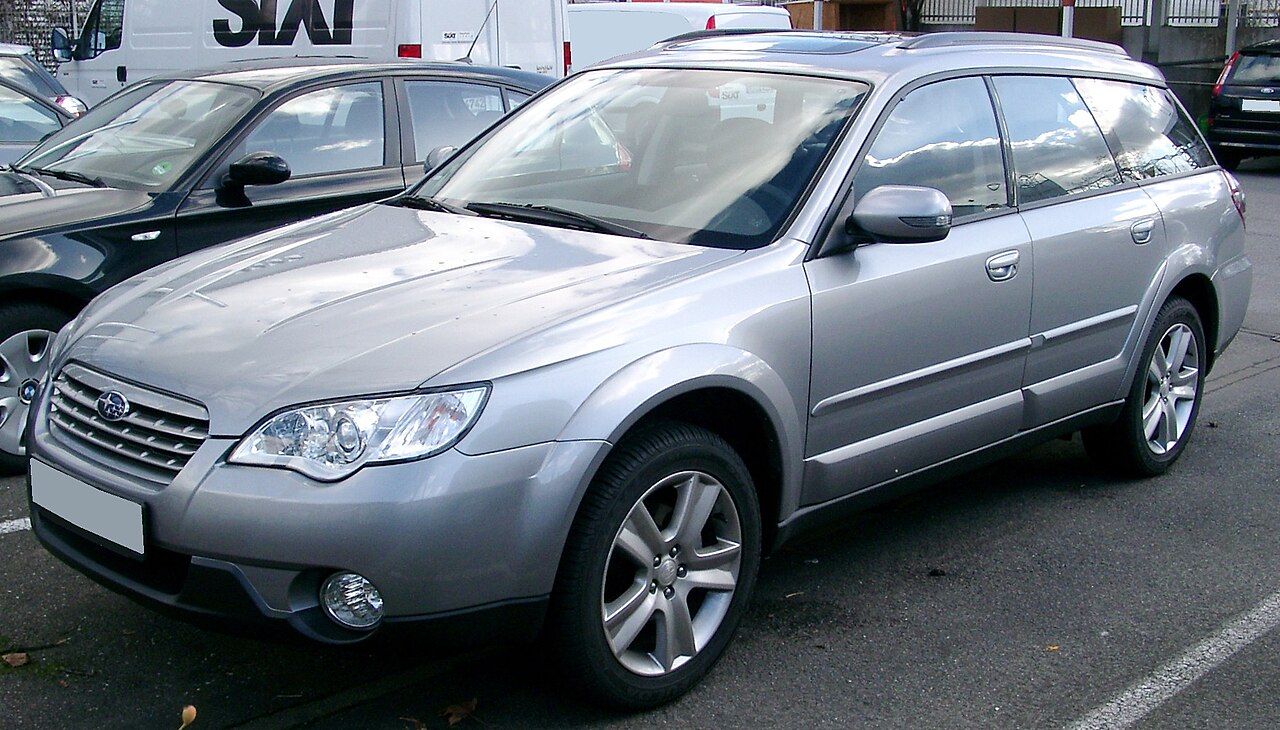
This Outback shared Top Gear's Car of the Year crown — an unusual honor for a jacked-up wagon to split with the Ford Mondeo in 2007.
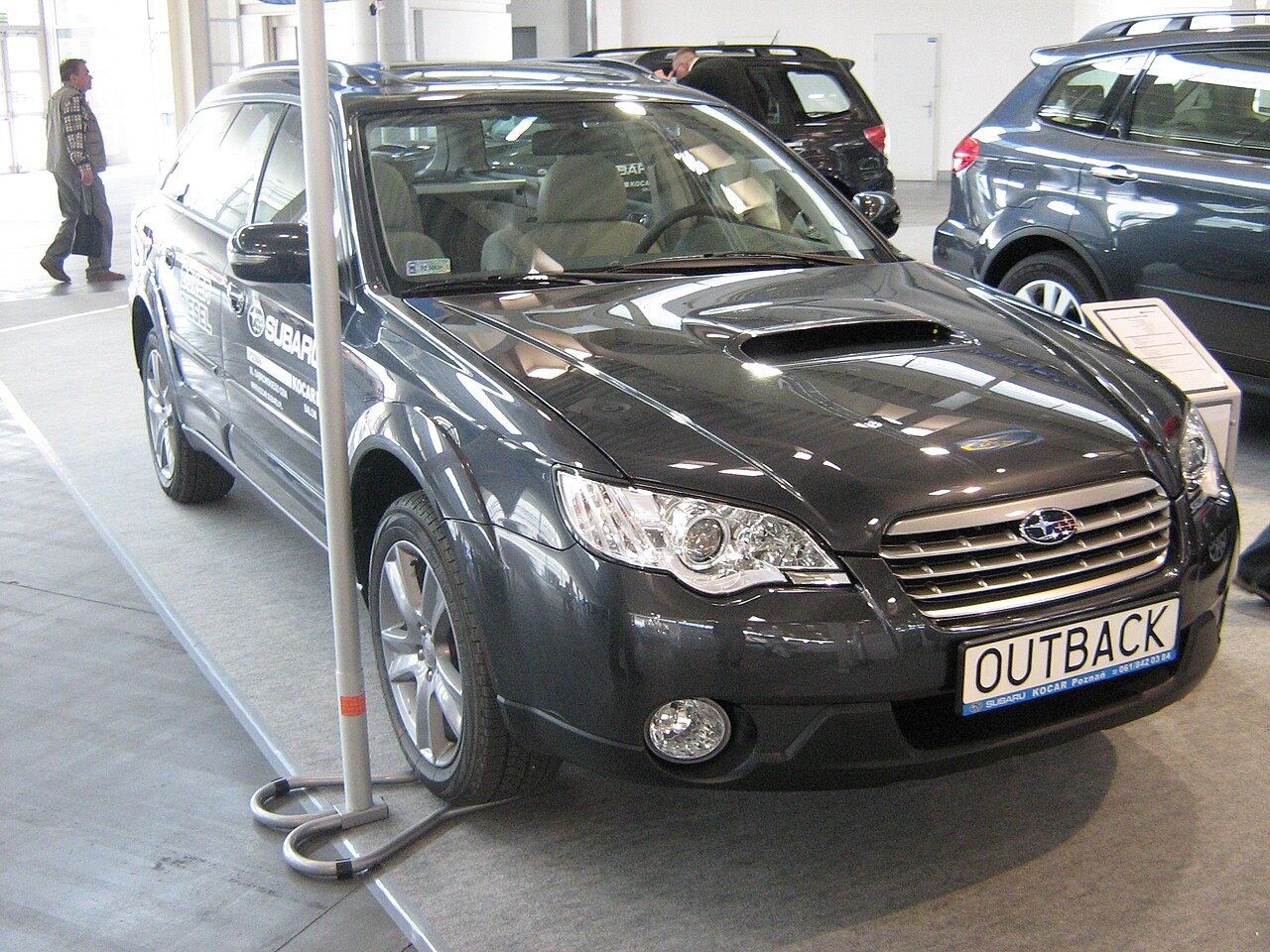
A wagon beat the SUVs at their own game: this Outback generation won Motor Trend's Sport/Utility of the Year award for 2010.