VerifiedFIRST PRINTThe Prius Eco lost its spare tyre, rear wiper and boot lining to pass the original Honda Insight as America's most efficient non-plug-in car.

Developing the second Prius produced 530 patent filings, and its all-electric air-conditioning compressor was an industry first.
Median 198 hp across 6 similar cars
Lead trim: 1.5 Hybrid (1NZ-FXE)
Nobody in Burbles has spotted a Toyota Prius yet. See one on the street, point the app at it, and the first card is yours — with your @handle permanently credited on this page.
FactDeveloping the second Prius produced 530 patent filings, and its all-electric air-conditioning compressor was an industry first.
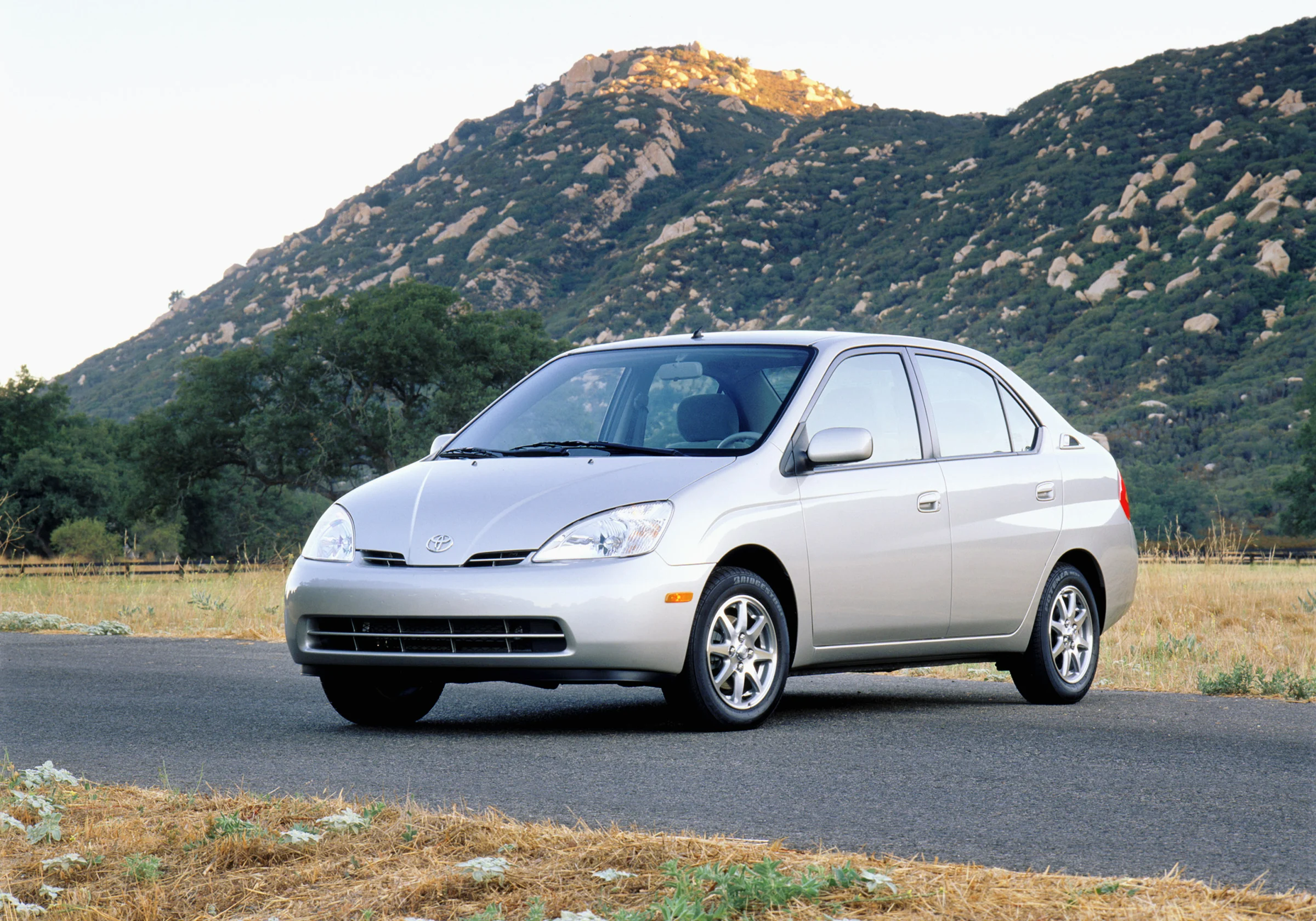
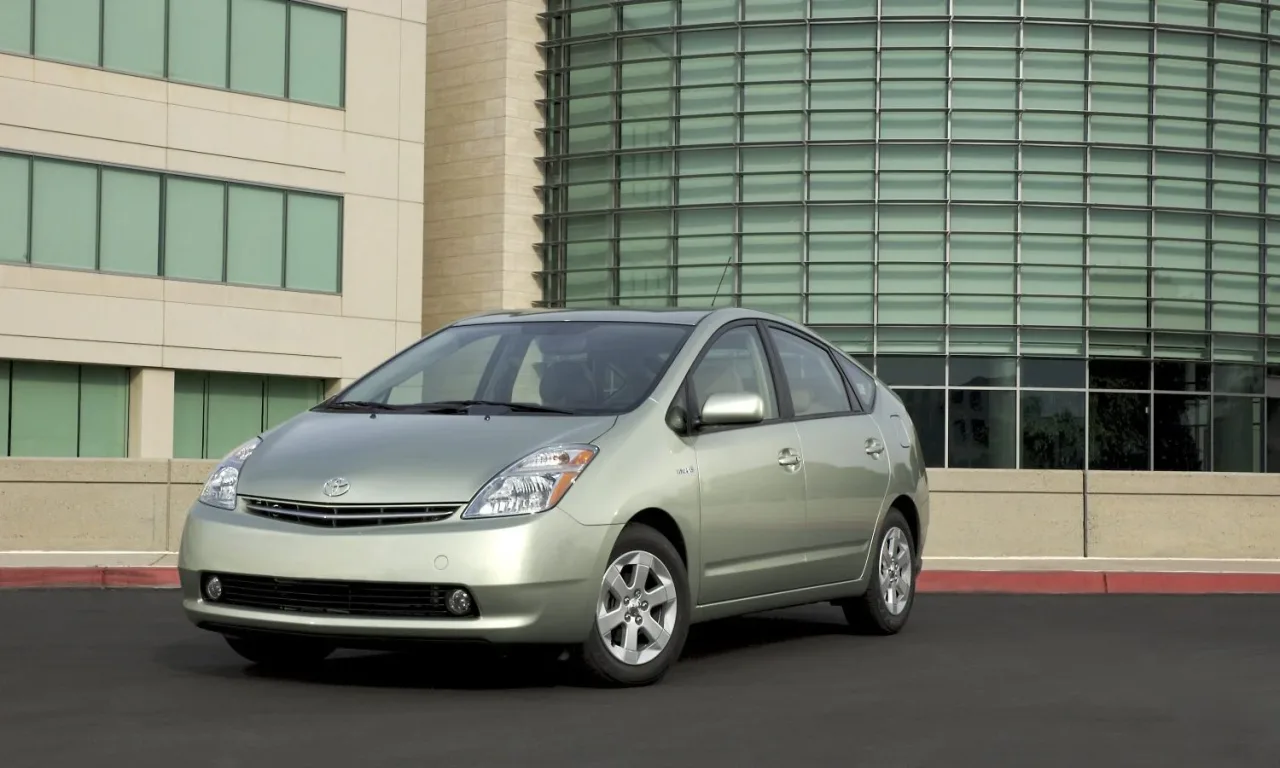
The XW20 was the second-generation Prius, redesigned in 2003 as a compact five-door liftback with a Kammback profile and a drag coefficient of 0.26. It used the Toyota Hybrid System II with a 1.5-litre Atkinson-cycle 1NZ-FXE engine, an all-electric air-conditioning compressor and electric power steering, and a smaller, lighter NiMH battery that made it both quicker and more efficient than the XW10. It won the 2005 European Car of the Year, and was built in Japan and, from 2005 to 2009, in China. Toyota sold about 1,192,000 second-generation Priuses worldwide.
Real Toyota Prius cards spotted on the street by Burbles collectors. Tap any card to flip it over, inspect the collector’s binder, or follow them.
VerifiedFIRST PRINTThe Prius Eco lost its spare tyre, rear wiper and boot lining to pass the original Honda Insight as America's most efficient non-plug-in car.
One published trim in the catalogue. A blank is a figure not recorded, not zero.
| Trim | Years | Engine | Power | Torque | 0–60 | Drive | Gearbox | MSRP |
|---|---|---|---|---|---|---|---|---|
| 1.5 Hybrid (1NZ-FXE) | 2003–2012 | 1.5 L Inline-4 | 110 hp | — | — | FWD | — | — |
An estimate, for the 1.5 Hybrid (1NZ-FXE) trim: fuel on its EPA figure and a dated national price, upkeep on a per-mile average for the kind of car it is.
Nobody has claimed one yet.


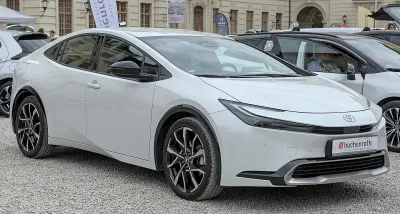
This Prius broke a decades-long streak: after weak sales of the previous generation, Toyota didn’t bother bringing the fifth-gen Prius to Australia at all.

The Prius Eco lost its spare tyre, rear wiper and boot lining to pass the original Honda Insight as America's most efficient non-plug-in car.

The XW30's solar roof was meant to help charge the battery, but that setup interfered with the radio, so it only ran a ventilation fan.

Developing the second Prius produced 530 patent filings, and its all-electric air-conditioning compressor was an industry first.

The first-generation Prius sold in Japan from 1997 but did not reach the US and Europe until 2000.
Same body, same money, other badges — tap any card to flip.

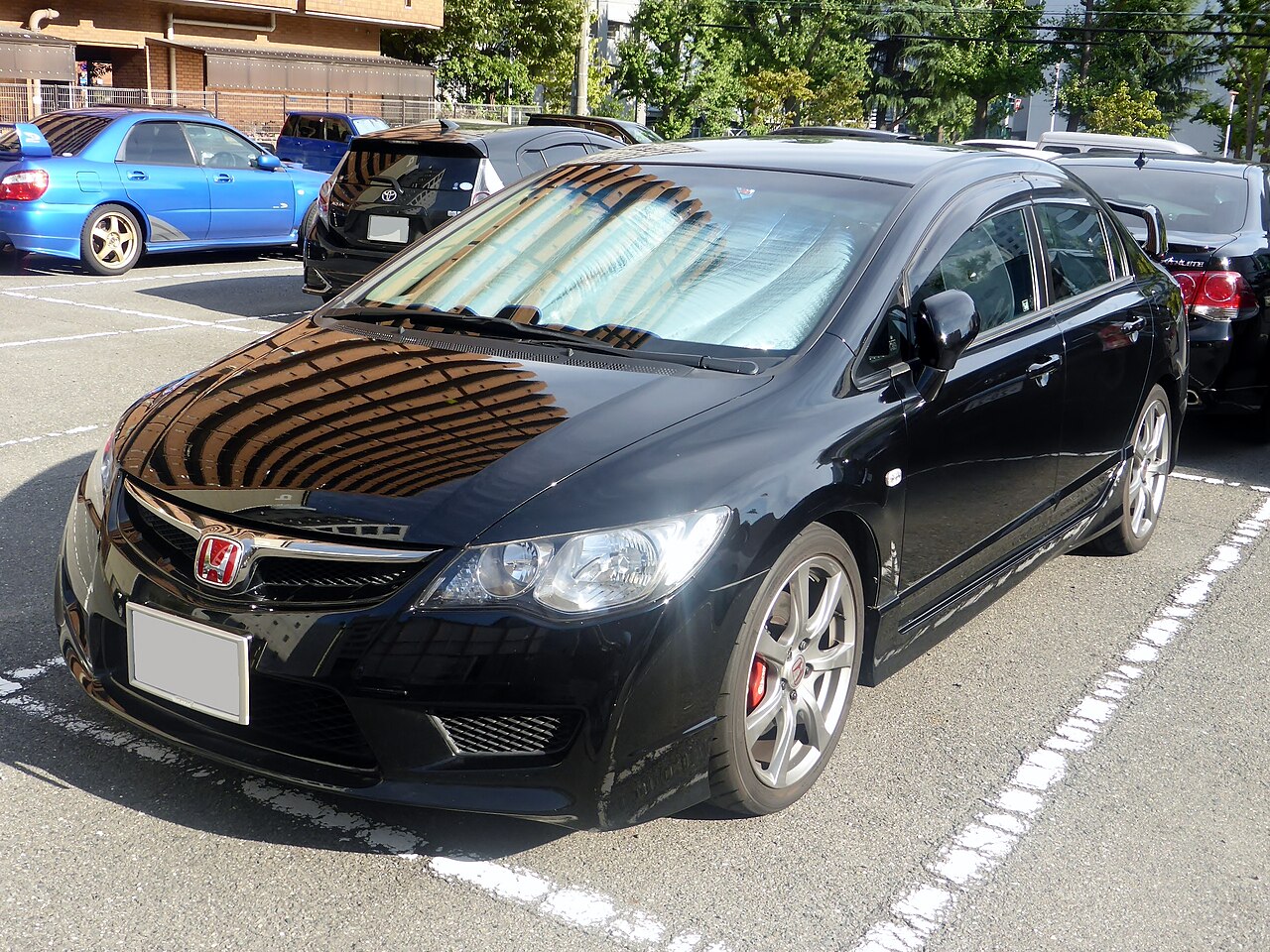
The FD2 Type R's sedan shell is bigger and stiffer than the old JDM Integra Type R's, yet Honda only added 70 kg: the weight penalty for a whole size class up.

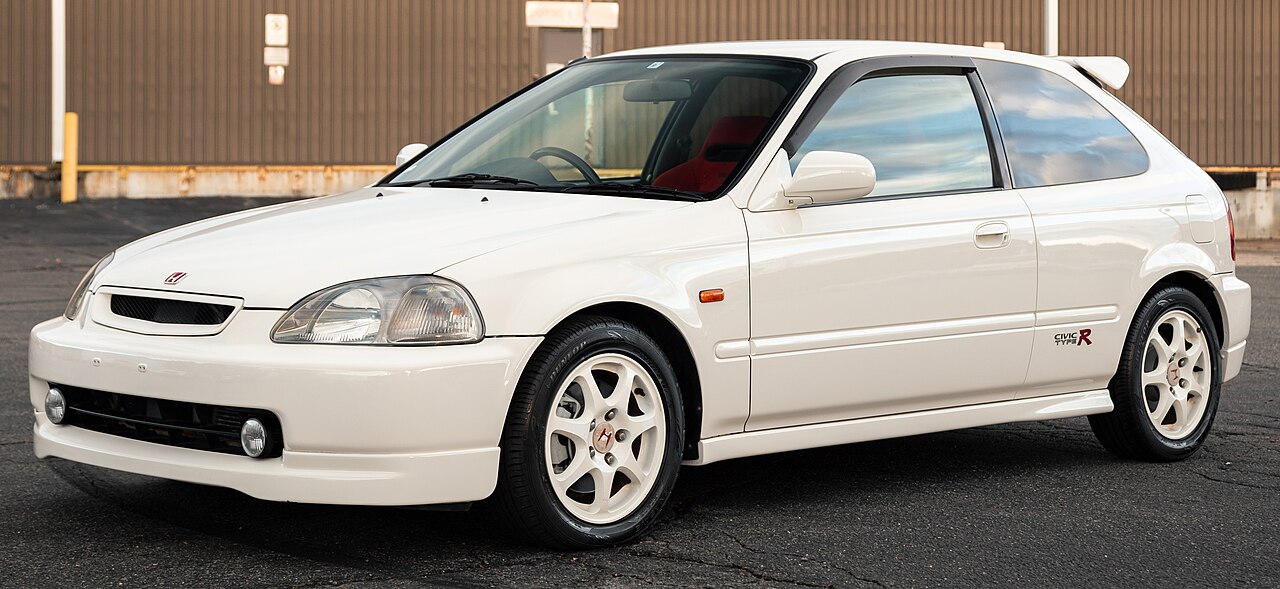
The EK9's B16B engine was hand-built and revved to 8,200 rpm, squeezing 182 hp from just 1.6 liters -- unheard of for a compact in 1997.

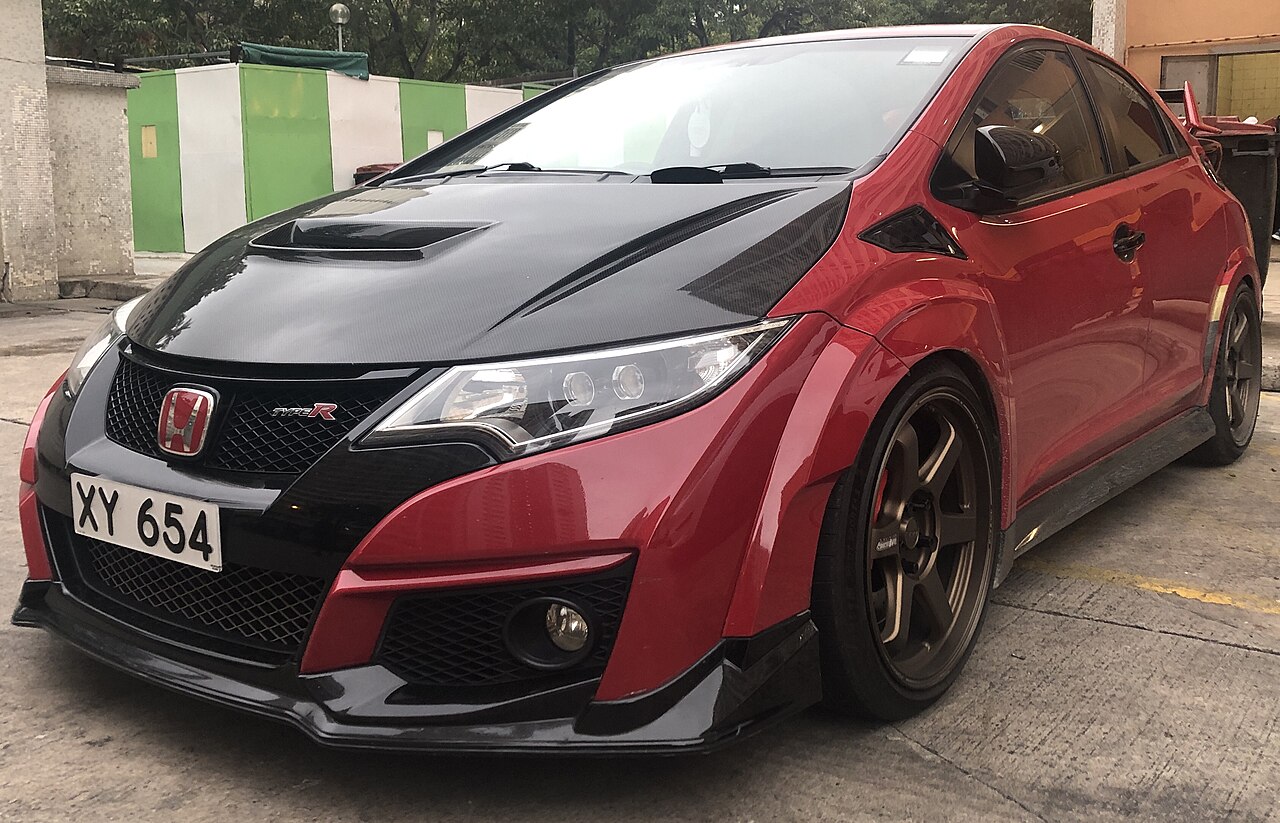
This British-built hot hatch had an American heart — every FK2 Type R's turbocharged engine was actually cast and built at Honda's Anna Engine Plant in Ohio before shipping to the UK.

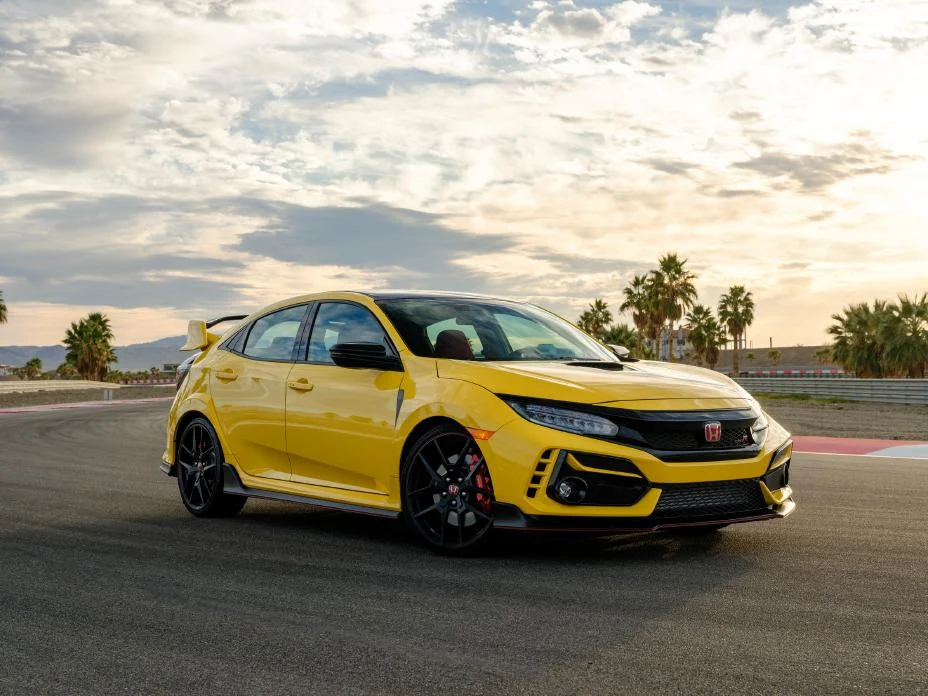
Honda claimed 5.7 seconds to 62mph for the FK8 Type R — Car and Driver's own stopwatch had it hitting 60 in just 4.9.

Engineers moved the fuel tank under the driver's seat, since this British-built Type R shared no chassis with Japan's sedan version.

Honda deleted the rear wiper and heater ducts to shave 38 pounds off an already stripped Type R.

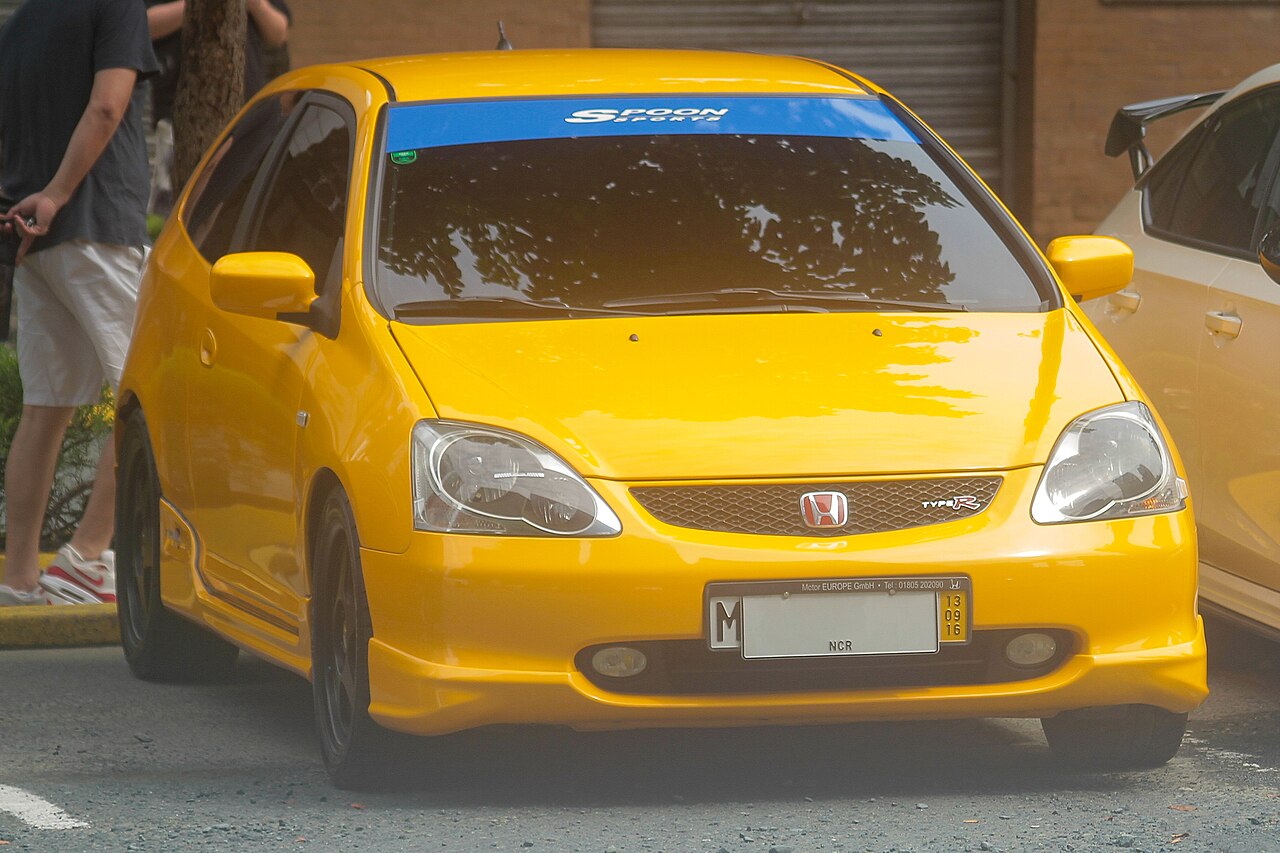
Britain built the Japanese-market EP3 Civic Type R at Swindon, then shipped it home to Japan with the Recaros and helical diff Europe didn't get.

Renault moved the third Twingo's engine to the rear, which let the front wheels turn a startling 45° — an 8.6 m turning circle tighter than almost anything else on sale.