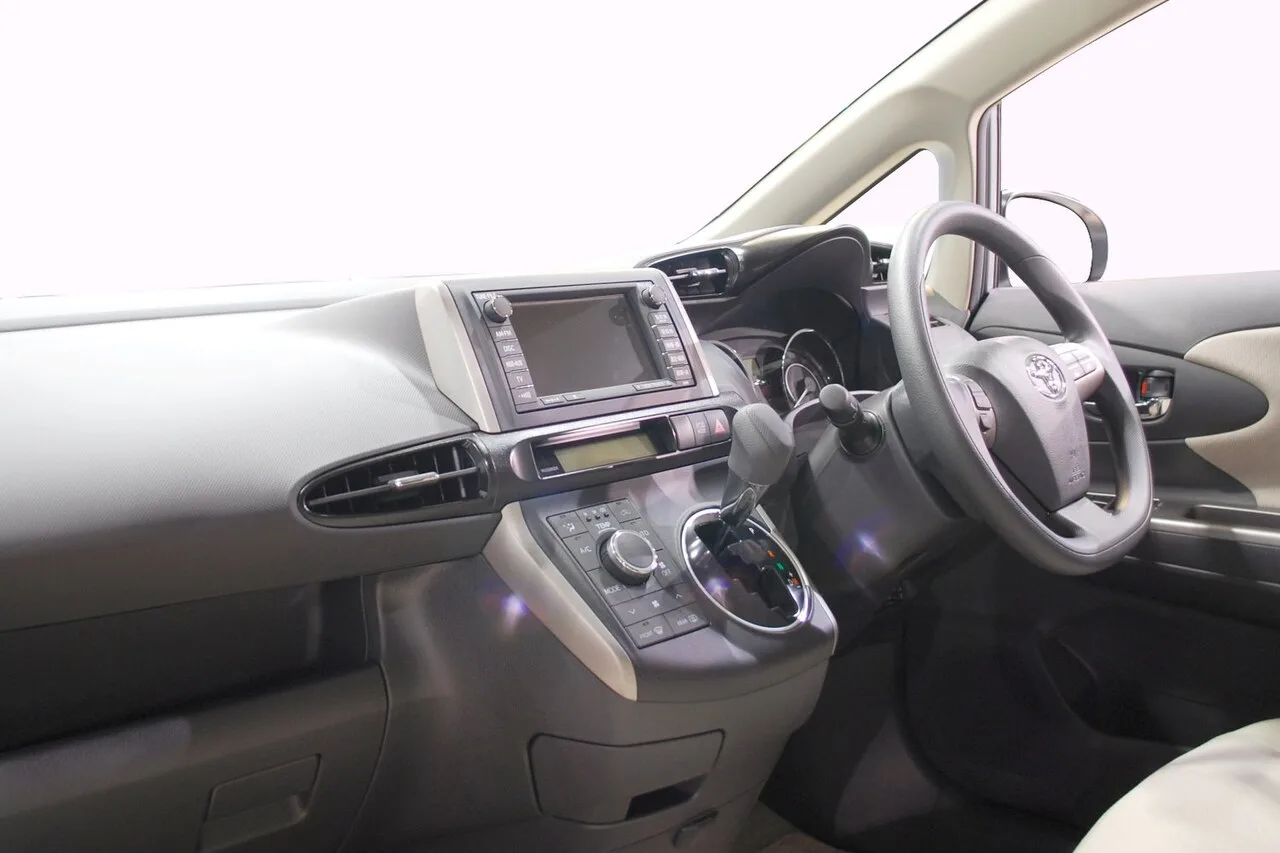
The Wish launched in January 2003 timed to a Hikaru Utada single — the TV ad used her song 'Colors' to coincide with her new CD, turning a family minivan's debut into a pop-music crossover.
Median 141 hp across 95 similar cars
Lead trim: 1.8 1ZZ-FE · up to 153 hp
Toyota Wish first generation AE102003–2009
- 0spots by members
- Unclaimednobody has spotted one yet
- 0sets it belongs to
Nobody in Burbles has spotted a Toyota Wish first generation AE10 yet. See one on the street, point the app at it, and the first card is yours — with your @handle permanently credited on this page.
FactThe Wish launched in January 2003 timed to a Hikaru Utada single — the TV ad used her song 'Colors' to coincide with her new CD, turning a family minivan's debut into a pop-music crossover.
The Toyota Wish was developed under the code name "760N" by a team led by chief engineer Takeshi Yoshida and introduced at the Tokyo Motor Show in October 2002, with the production version launched on 20 January 2003 under a massive publicity campaign with Japanese singer Hikaru Utada, whose song Colors coincided with the launch of her new CD single; the car was marketed under the "Wish Comes True" slogan. The 1.8 L 1ZZ-FE (ZNE10G FWD, ZNE14G 4WD) produces 132 PS and is only available with a four-speed automatic; a 2.0 L version with the 1AZ-FSE direct-injection engine, producing 155 PS, was launched in April 2003 and the variants with the 2.0 D-4 engine are only available with a CVT. The Wish was extremely successful in its home market, frequently seen in the top 5 of the 30 best-seller list each month, and it changed the market positioning of competitors such as the Honda Stream and the Mazda Premacy/Mazda5.
Collectors Spotted in the Toyota Wish Lineage
No member has published a public street spot of the Toyota Wish yet — the First · Worldwide stamp is wide open.
Trims & Figures
2 published trims in the catalogue. A blank is a figure not recorded, not zero.
| Trim | Years | Engine | Power | Torque | 0–60 | Drive | Gearbox | MSRP |
|---|---|---|---|---|---|---|---|---|
| 1.8 1ZZ-FE | 2003–2009 | 1.8 L Inline-4 | 130 hp | 125 lb-ft | — | — | — | — |
| 2.0 1AZ-FSE | 2003–2009 | 2.0 L Inline-4 | 153 hp | 142 lb-ft | — | — | — | — |
Owning one
We don’t estimate running costs for a car like this. What it costs depends on its condition, its specialist and how it is driven, and an average would mislead.
Owners’ builds
Nobody has claimed one yet.
Photographs
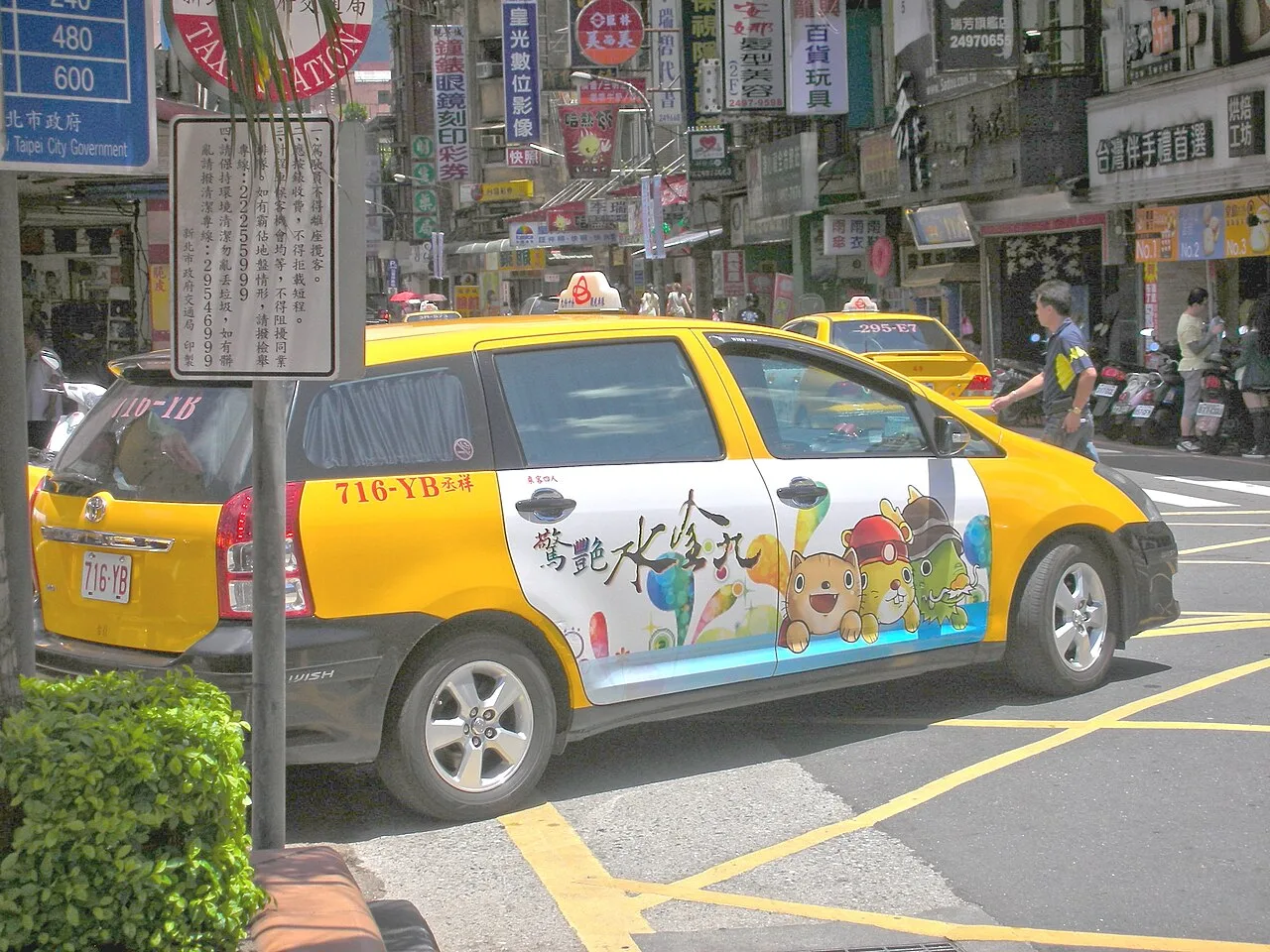
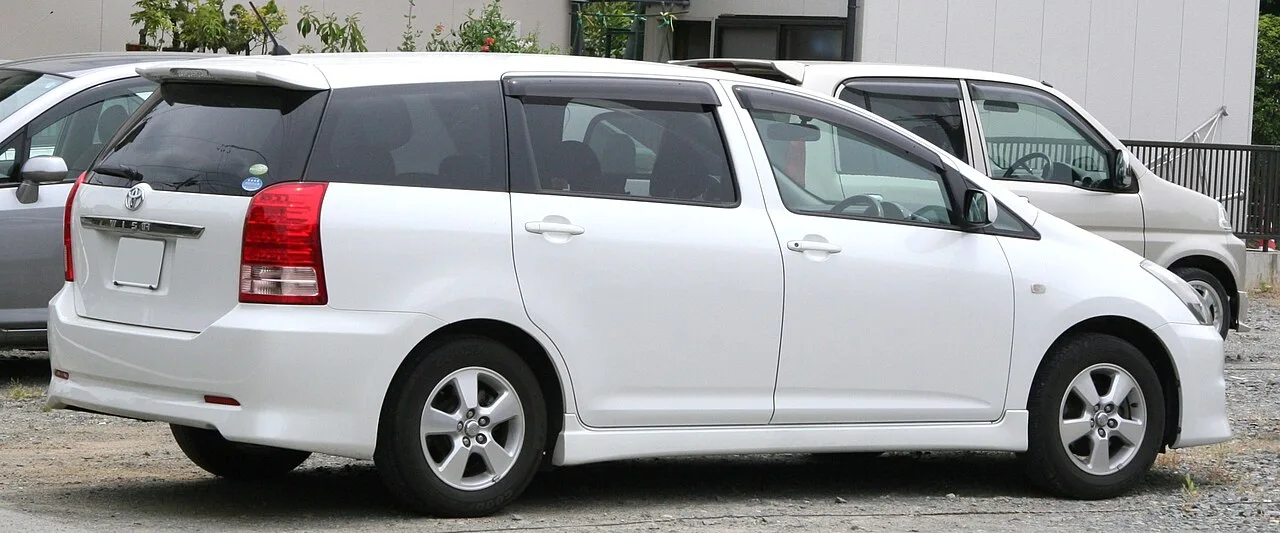
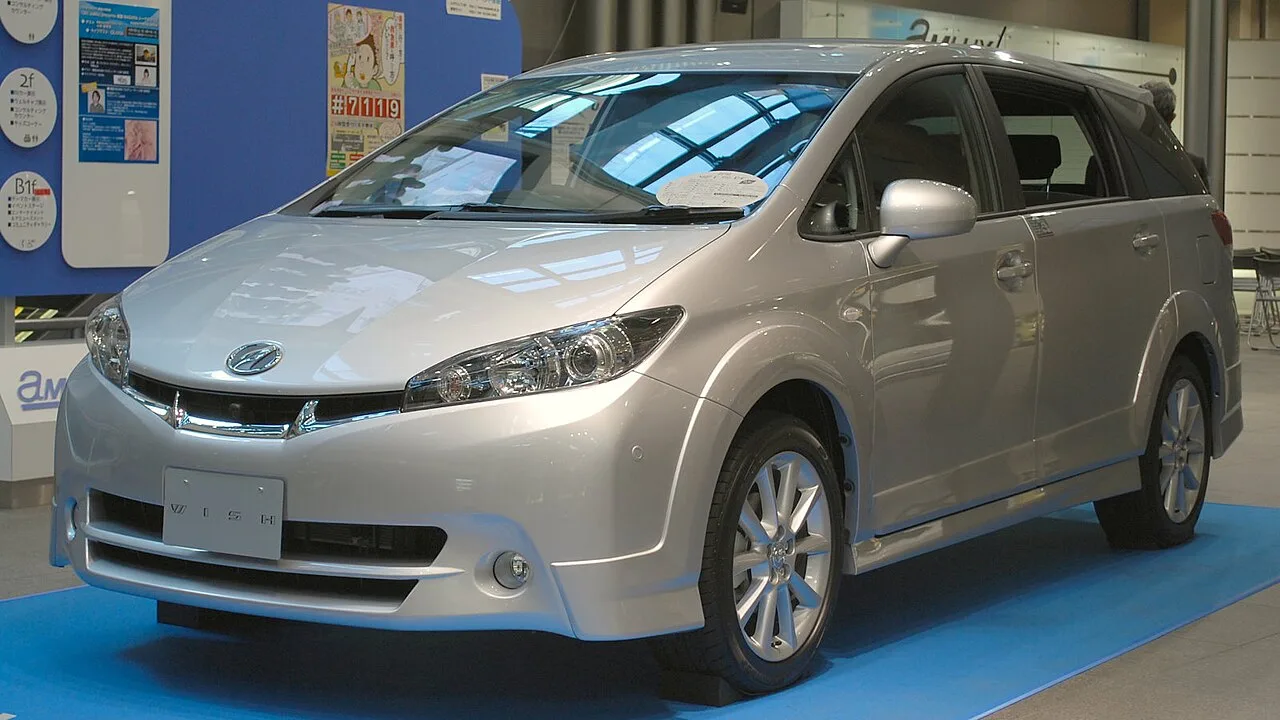
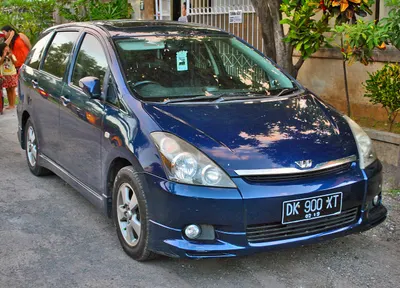
Oddly, the Wish's top-spec Z trim actually seated fewer people — swapping the three-across bench for two captain's chairs dropped it from seven seats to six.
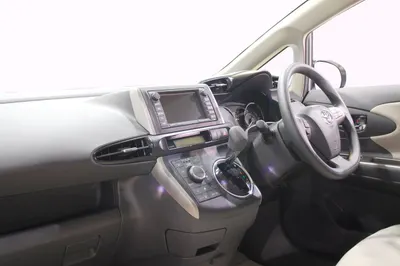
The Wish launched in January 2003 timed to a Hikaru Utada single — the TV ad used her song 'Colors' to coincide with her new CD, turning a family minivan's debut into a pop-music crossover.
Rivals
Same body, same money, other badges — tap any card to flip.
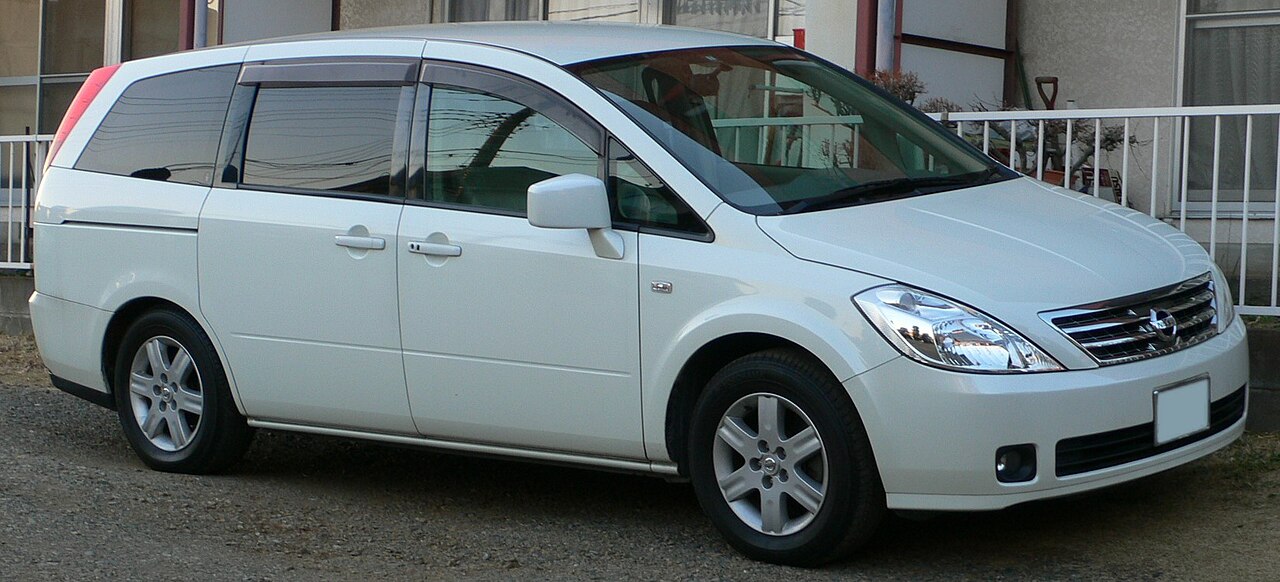
This Presage minivan shares its underlying platform with the Teana sedan and the North American Murano crossover — one architecture doing three very different jobs.
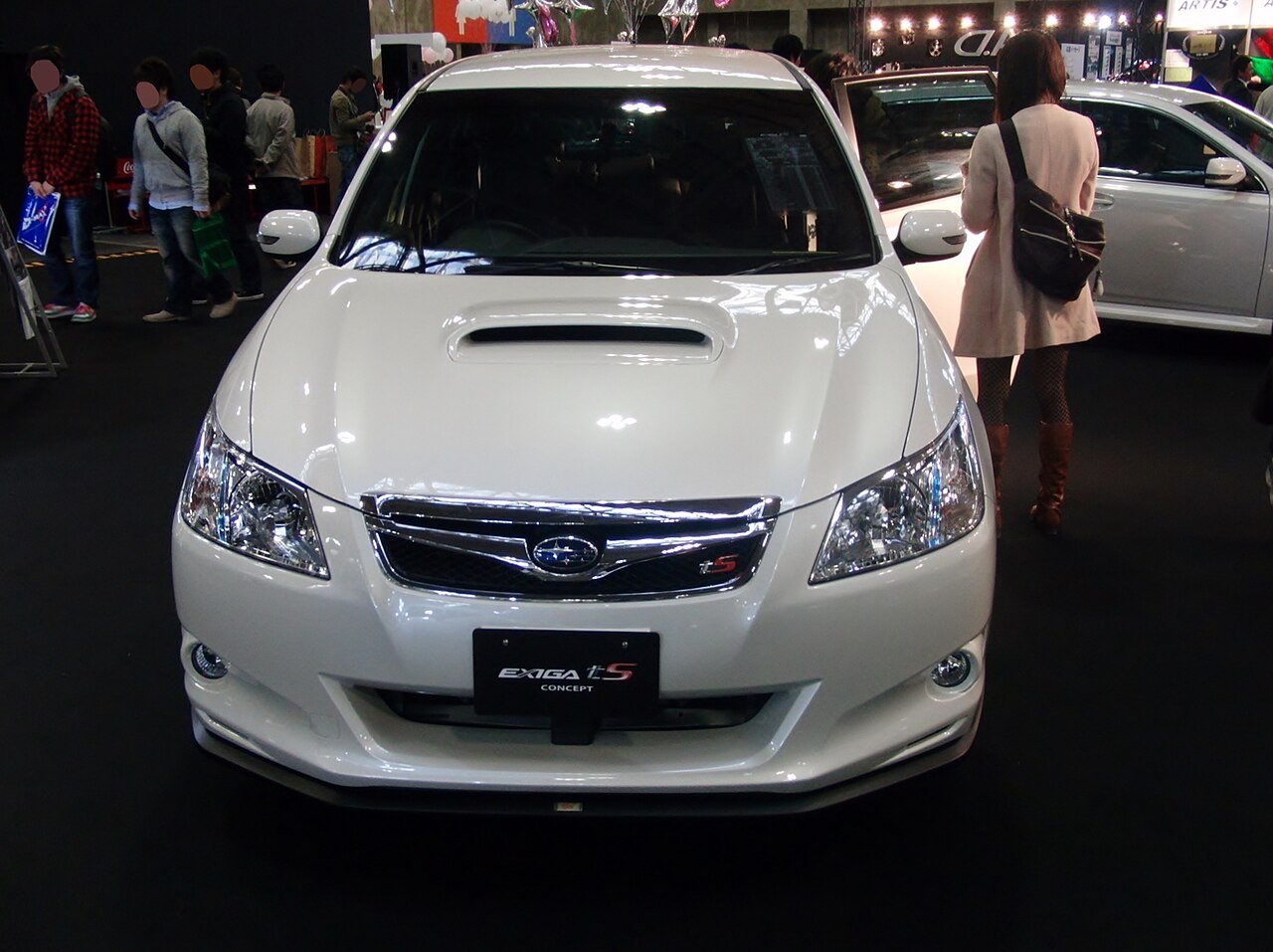
Subaru's family-hauling Exiga got an unlikely STi treatment in 2009 — front spoiler, sport muffler, tighter suspension and a leather Momo wheel — but only 300 were ever built.
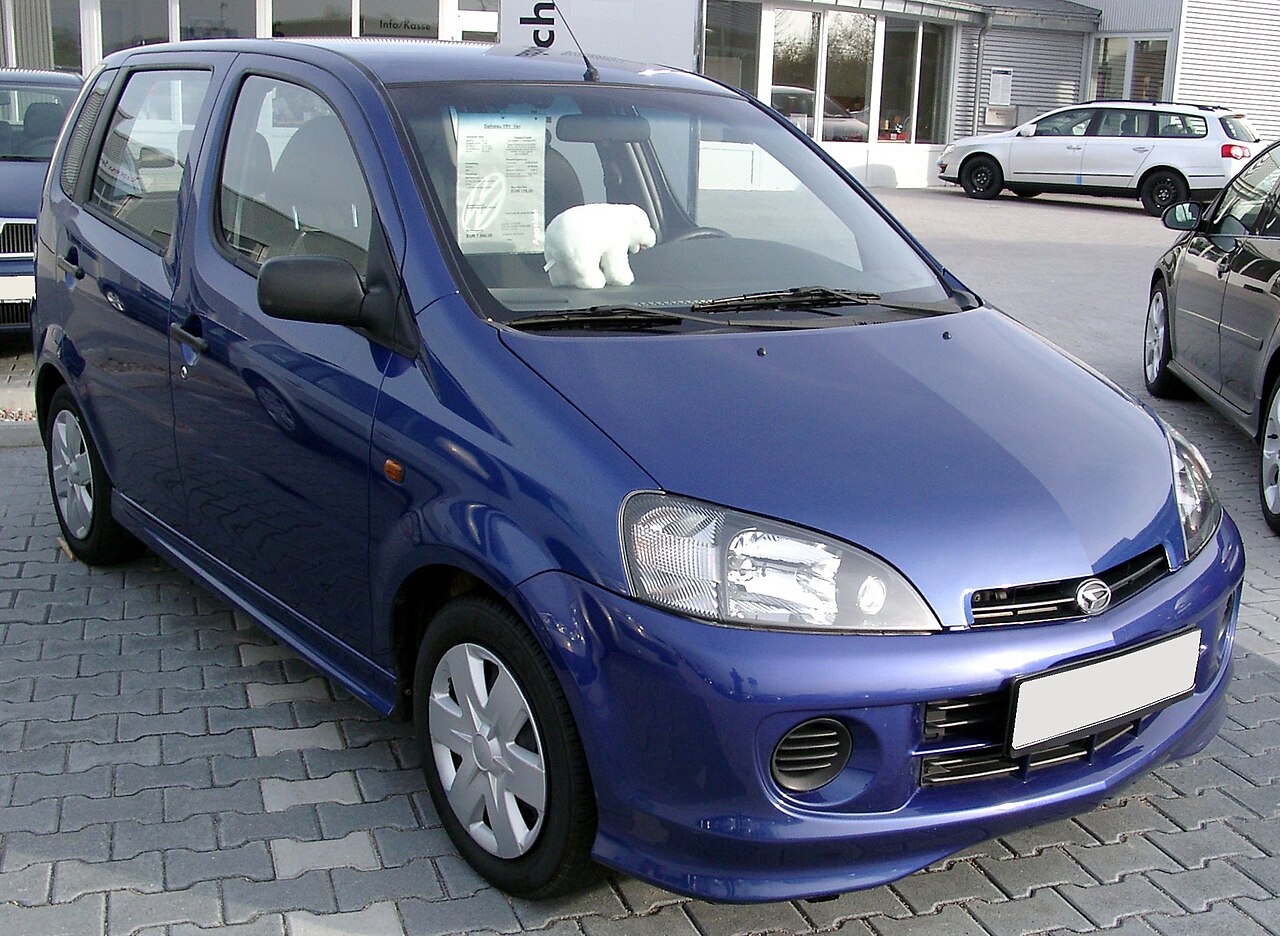
YRV stands for Young Recreational Vehicle, a mini MPV built to out-handle its own segment rivals.
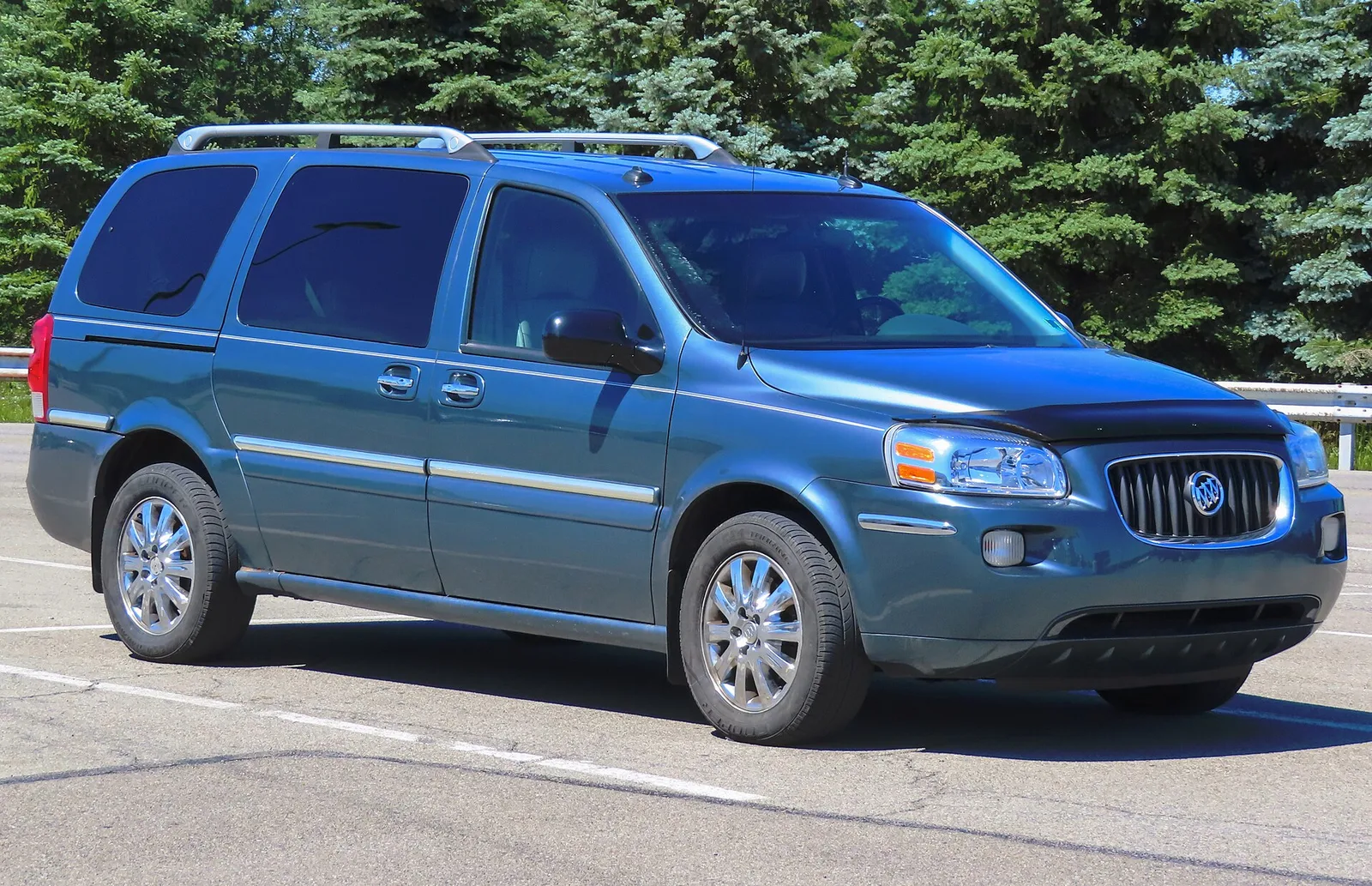
The Terraza was Buick's first-ever minivan for the North American market - a badge-engineered cousin of the Chevrolet Uplander, Pontiac Montana SV6, and Saturn Relay.
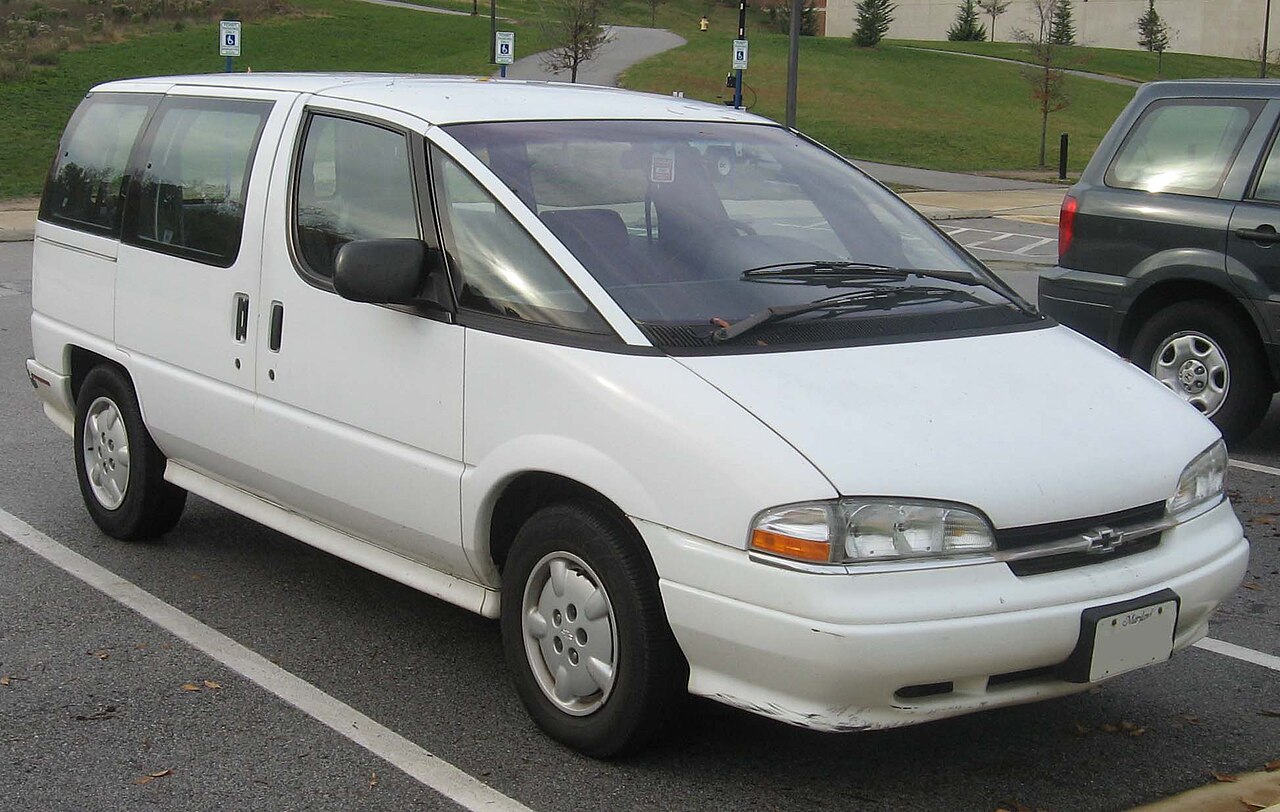
The restyled 1994 Lumina Minivan quietly made American automotive history: it was the first minivan sold in the US with a power sliding door you could open by remote.
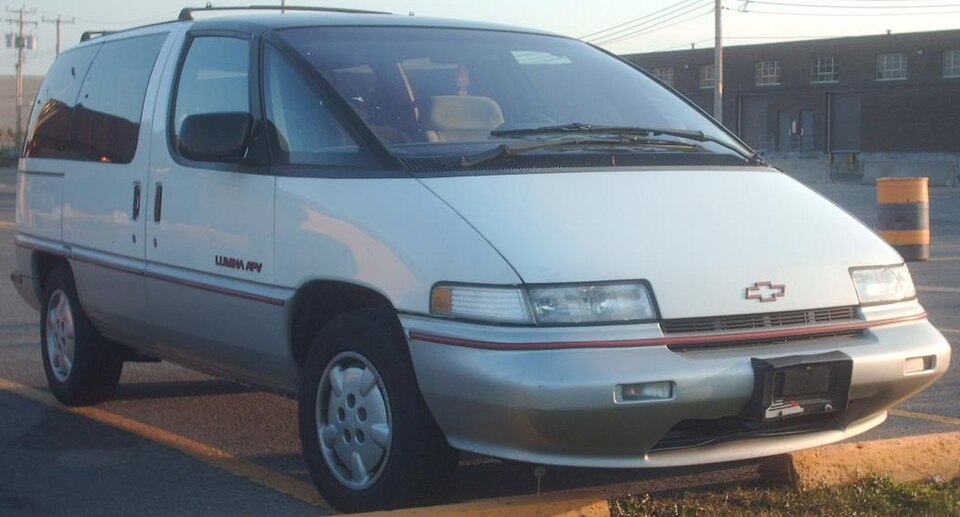
The first-generation Lumina APV minivan was nicknamed the "Dustbuster" by the press for its sharply sloped windshield, which pushed the dashboard far forward of the driver.
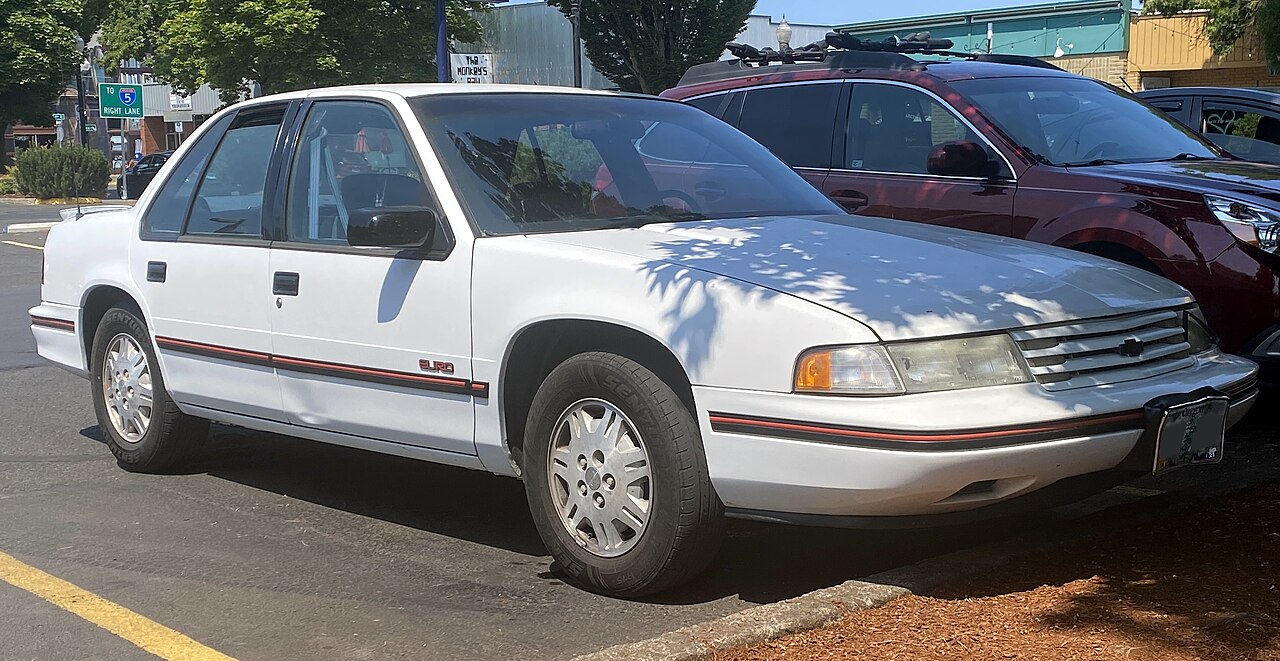
Its steeply sloped windshield gave the Lumina APV one of the deepest dashboards ever fitted to a mass-produced car.
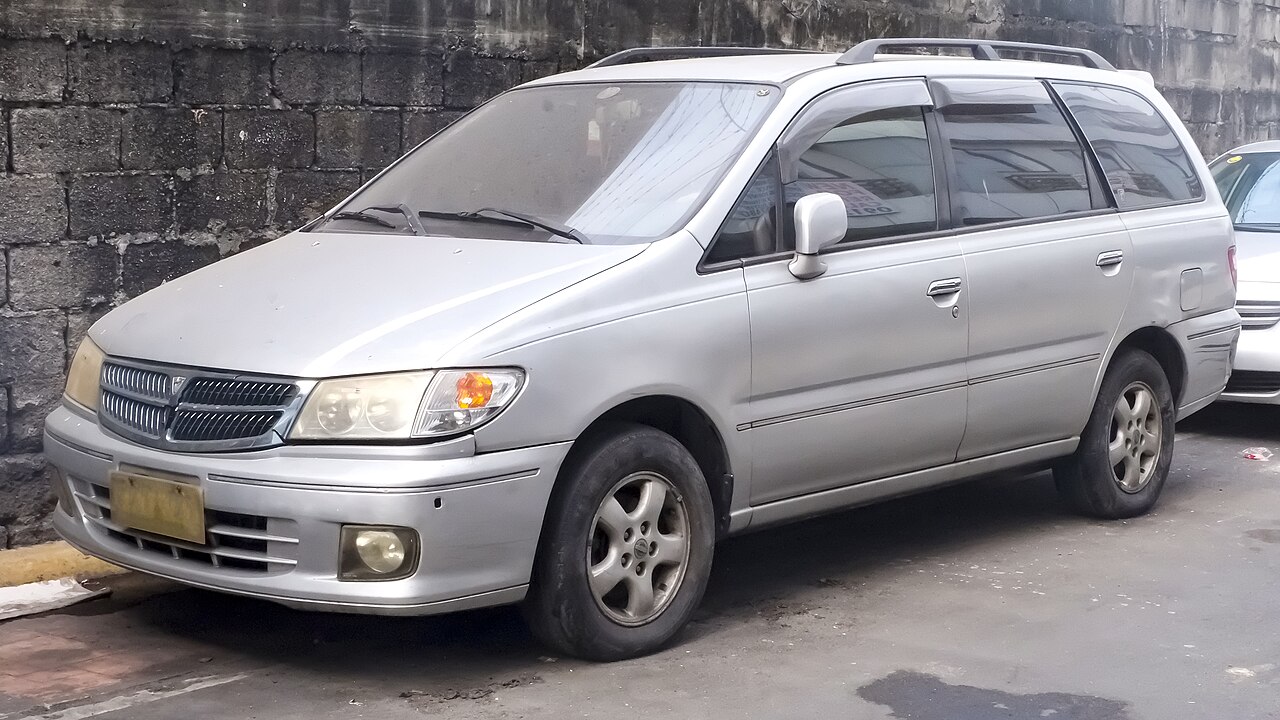
The first Presage wasn't really its own car underneath — most of its parts came straight from the Nissan R'nessa, with more shared with its platform twin, the Bassara.