Tata's Indica had an unlikely second life in Britain — badge-engineered and sold by MG Rover as the Rover CityRover until Rover went bankrupt in 2005.
Lead trim: Indica V2 1.2 petrol Xeta
Tata Indica V1 / V21998–2008
- 0spots by members
- Unclaimednobody has spotted one yet
- 0sets it belongs to
Nobody in Burbles has spotted a Tata Indica V1 / V2 yet. See one on the street, point the app at it, and the first card is yours — with your @handle permanently credited on this page.
FactTata's Indica had an unlikely second life in Britain — badge-engineered and sold by MG Rover as the Rover CityRover until Rover went bankrupt in 2005.
The Tata Indica ("Indian Car") is a B-segment hatchback launched by Tata Motors on 30 December 1998 — the first Indian hatchback with a diesel engine and Tata's first passenger hatchback (earlier Tatas were station wagons and SUVs) — styled by Justyn Norek of I.DE.A Institute with an indigenous engine. Introduced with the caption "More car per car" and a focus on roomy interiors and affordability, it took 115,000 orders within a week of its 1999 unveiling and became the number-one car in its segment within two years. The 1.4-litre petrol/diesel four-cylinder (internally 475DL) derived from Tata's pick-up and SUV engine with a shortened stroke (the original engine, the 483DL, meant four cylinders with an 83 mm stroke); air conditioning and electric windows, previously limited to upmarket imported cars in India, were offered. After early complaints about power and mileage Tata re-engineered it as the Indica V2 (a 70 PS / 69 hp Xeta petrol delivering about 14 km/L), with a turbocharged diesel from October 2005, a 1.2-litre petrol in November 2006 and the direct-injection common-rail Dicor diesel (16 valves, DOHC, variable-geometry turbo and intercooler) in January 2008; the Indica eV2 of March 2011 claimed 25 km/L, and a CNG option was launched in 2001. The cab-fleet Indicab, the Indigo saloon (with the short CS, long-wheelbase XL and Marina estate) shared its framework. It was exported to Europe from 2001 and, from 2003 until MG Rover's bankruptcy in April 2005, sold in the UK as the Rover CityRover, and it went on to sell more than 910,000 units by August 2008 (as high as 144,690 in 2006–2007). The 2006 Indica Silhouette concept had a rear-drive 3.5-litre 330 hp V6.
Collectors Spotted in the Tata Indica Lineage
No member has published a public street spot of the Tata Indica yet — the First · Worldwide stamp is wide open.
Trims & Figures
3 published trims in the catalogue. A blank is a figure not recorded, not zero.
| Trim | Years | Engine | Power | Torque | 0–60 | Drive | Gearbox | MSRP |
|---|---|---|---|---|---|---|---|---|
| Indica 1.4 diesel (475DL; turbo from October 2005) | 1998–2008 | 1.4 L Inline-4 | — | — | — | FWD | — | — |
| Indica 1.4 petrol MPFI (Indica 2000 / Xeta) | 1998–2008 | 1.4 L Inline-4 | — | — | — | FWD | — | — |
| Indica V2 1.2 petrol Xeta | 2006–2008 | 1.2 L Inline-4 | 69 hp | — | — | FWD | — | — |
Owning one
We don’t estimate running costs for a car like this. What it costs depends on its condition, its specialist and how it is driven, and an average would mislead.
Owners’ builds
Nobody has claimed one yet.
Photographs
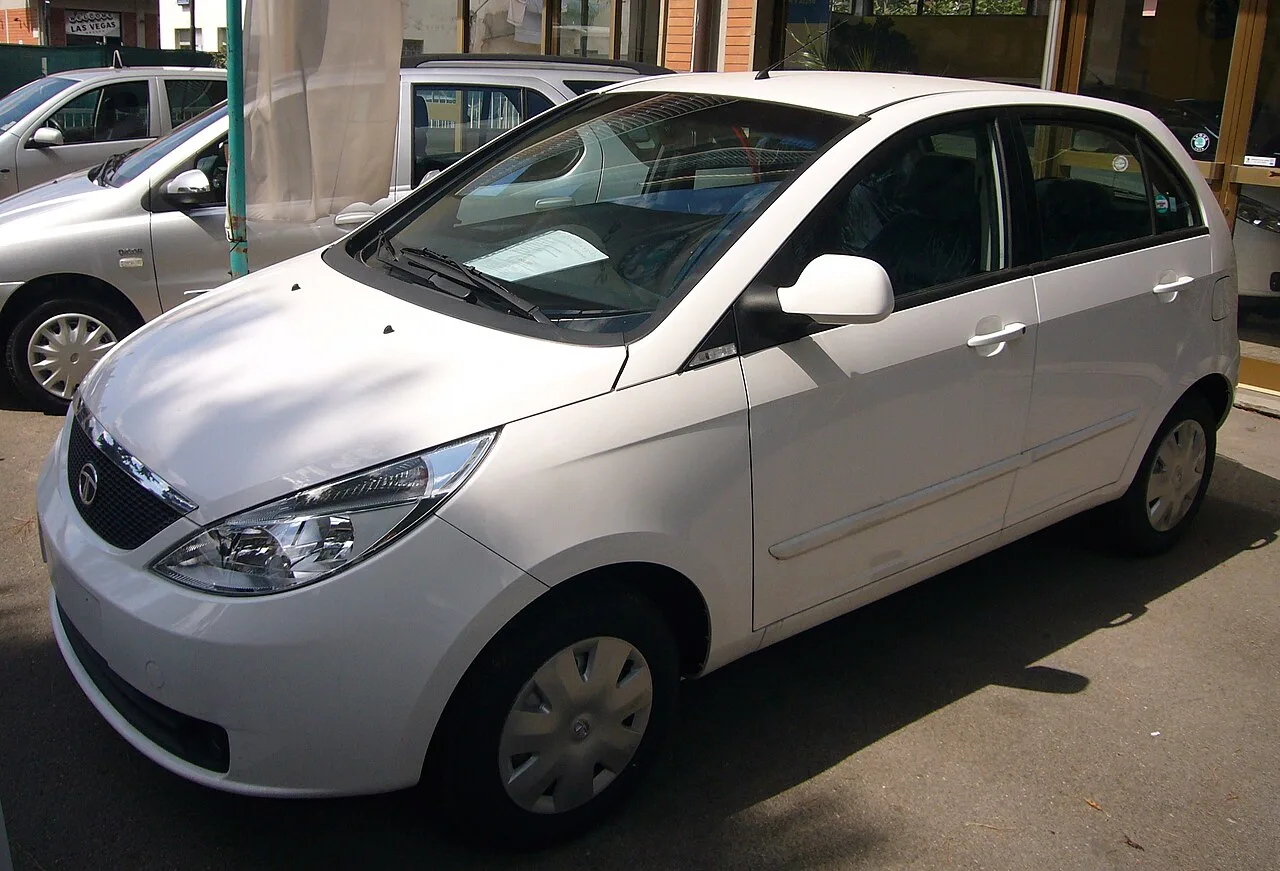
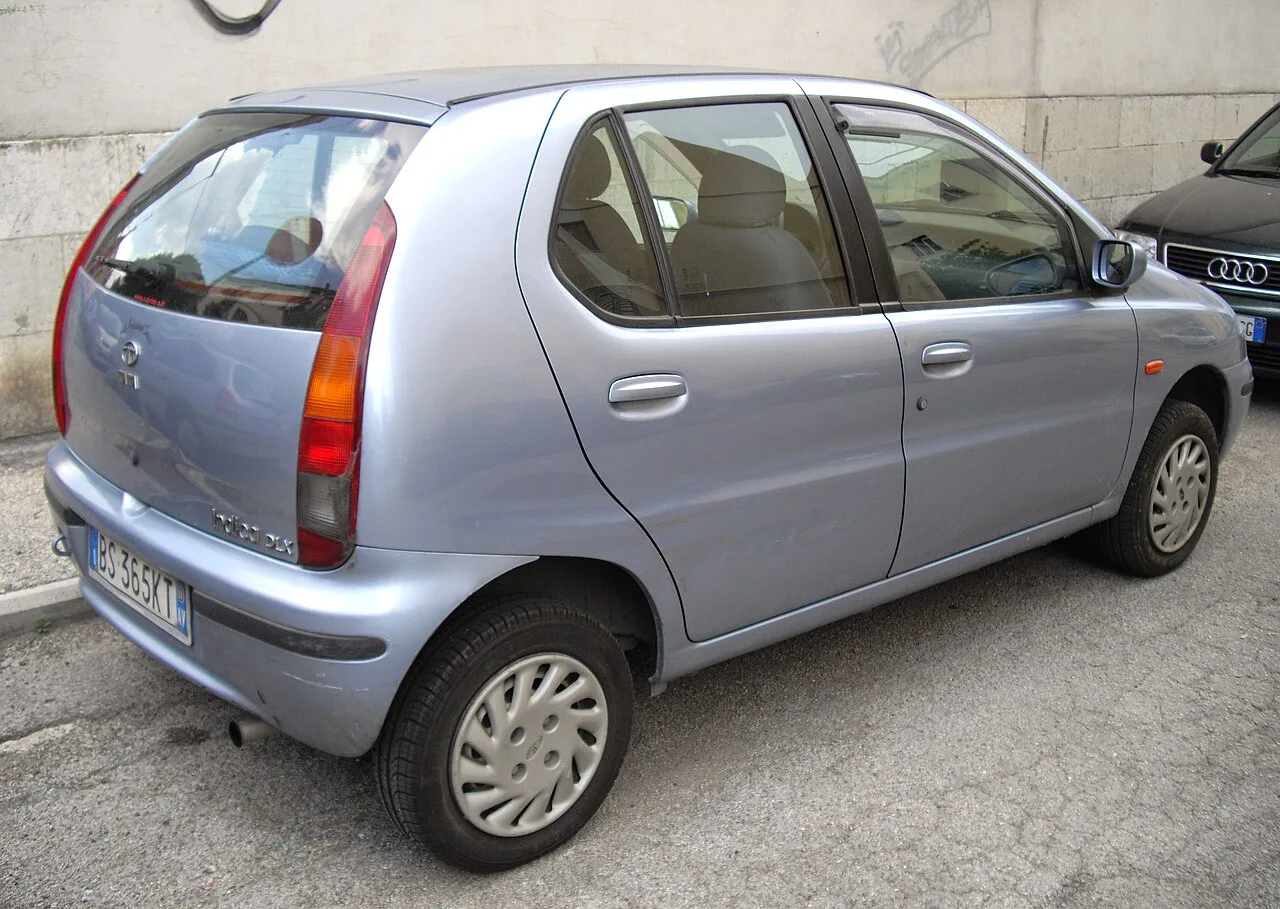
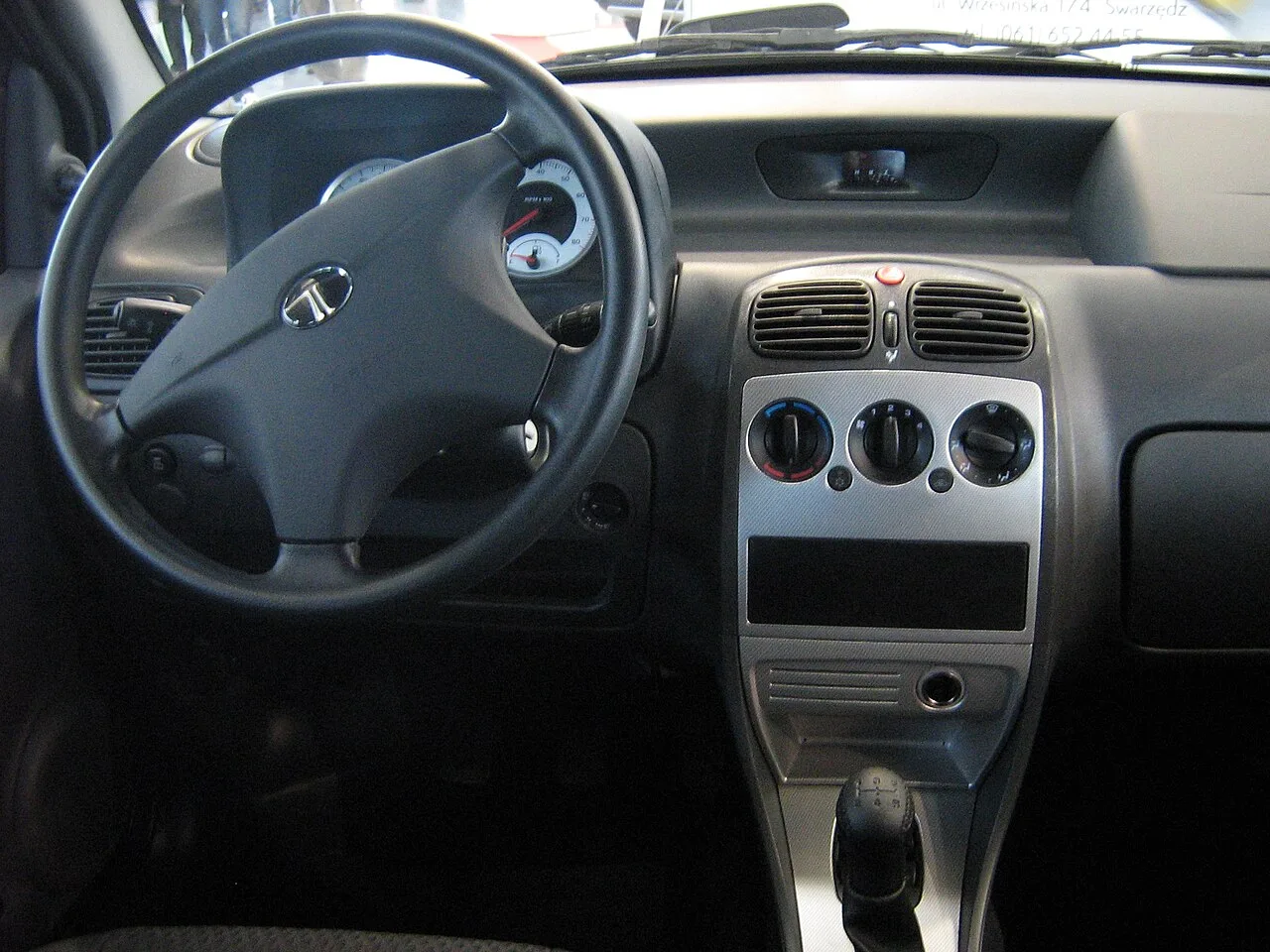
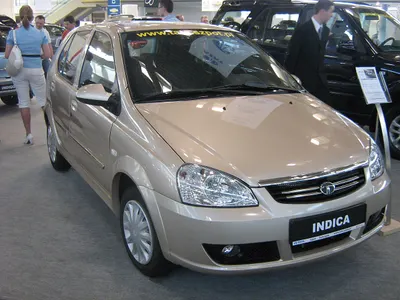
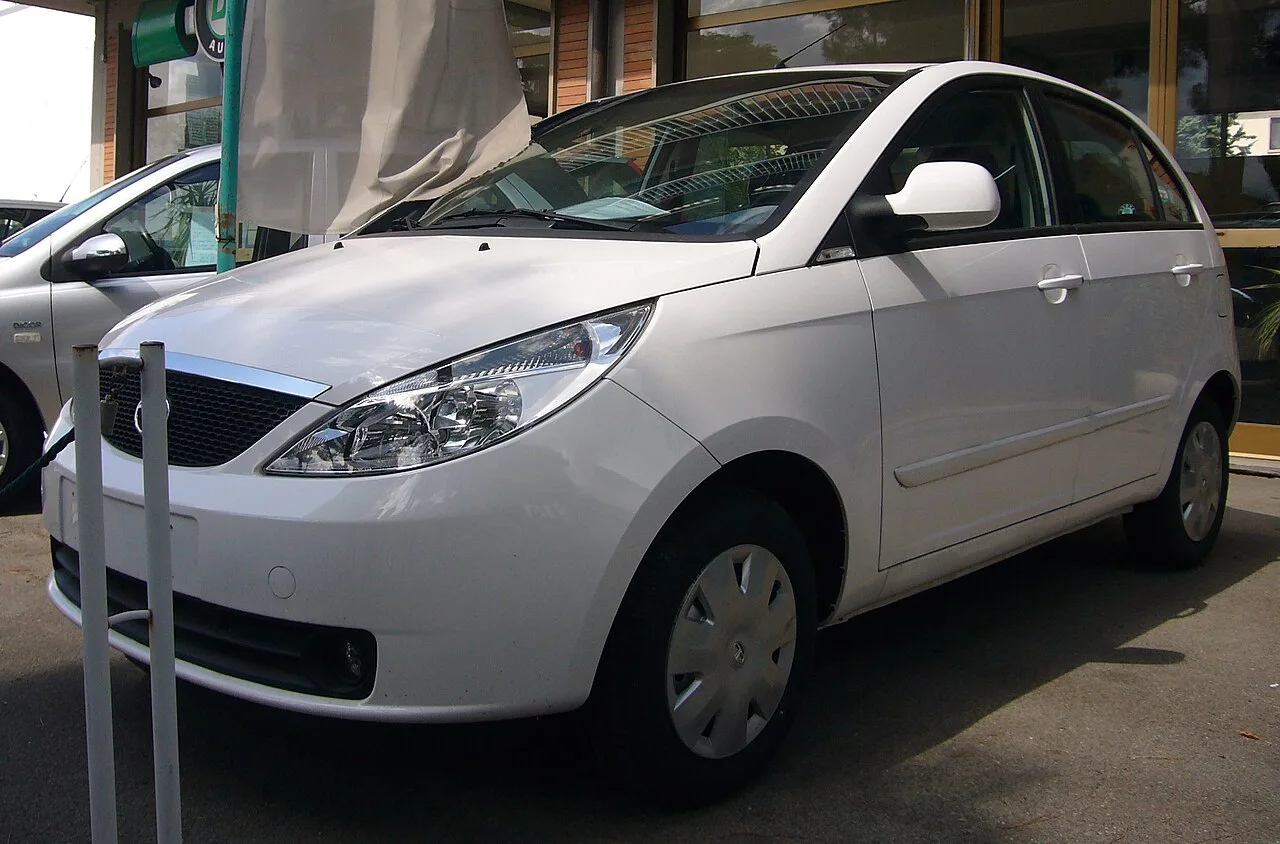
Tata built its own Indica engine in-house, but for the all-new Vista it switched things up entirely, sourcing two brand-new Fiat engines for the car instead.
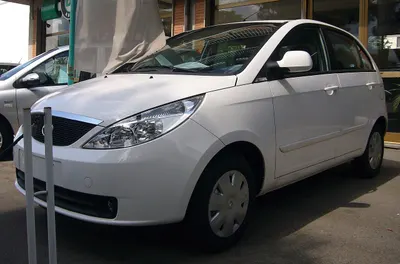
Tata's Indica had an unlikely second life in Britain — badge-engineered and sold by MG Rover as the Rover CityRover until Rover went bankrupt in 2005.
Rivals
Same body, same money, other badges — tap any card to flip.
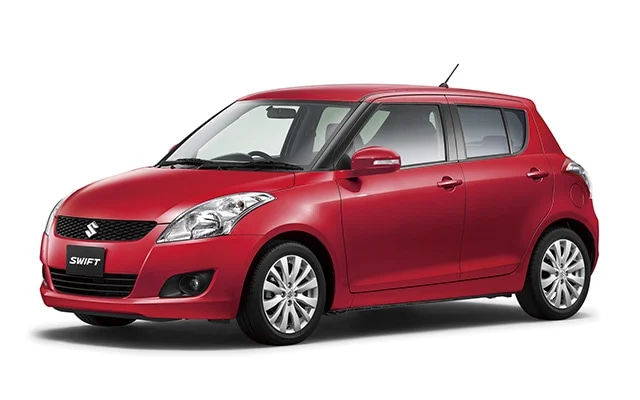
Japan was a minor market for the Swift: when it passed 2 million sales in 2011, about 39% were in India and 27% in Europe, against roughly 15% at home.
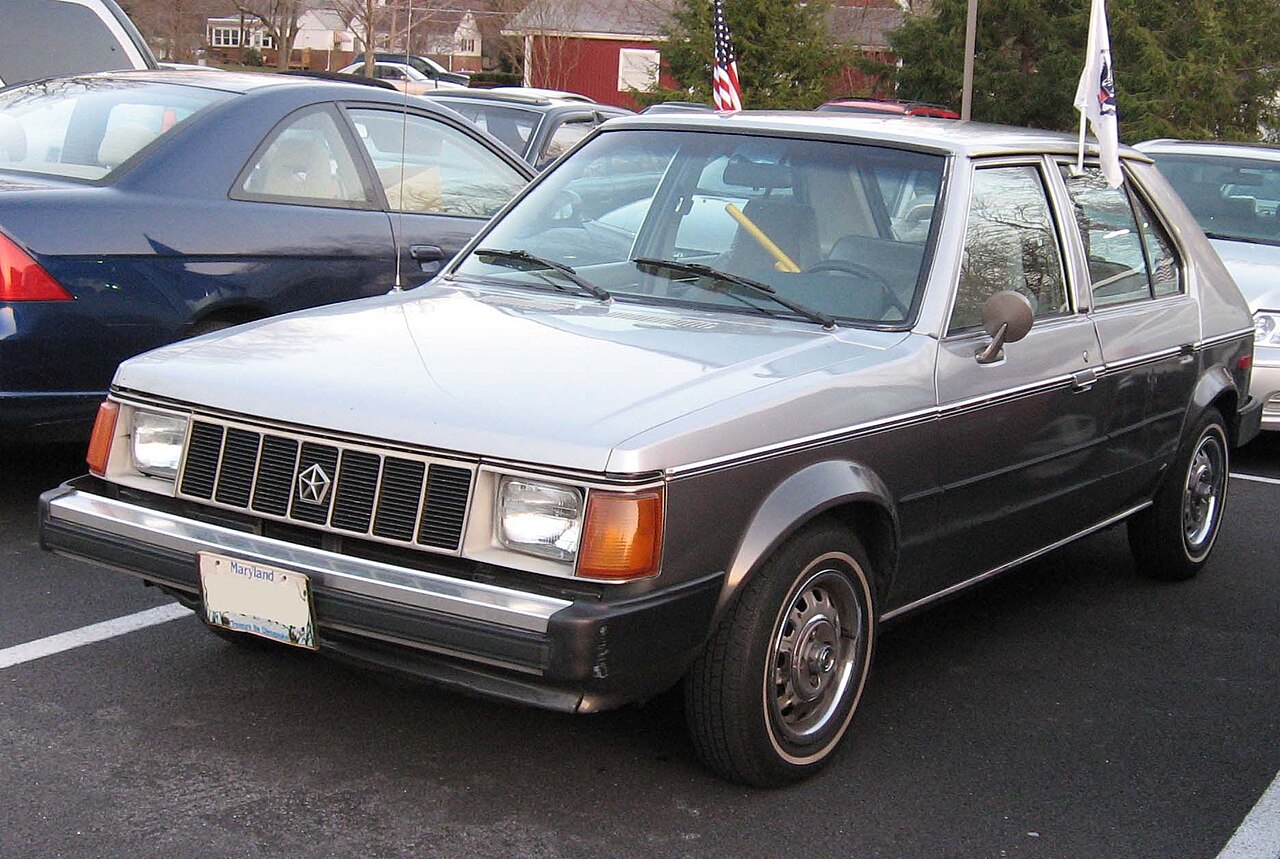
To adapt the Horizon for America, Chrysler bought nearly 100 Volkswagen Rabbits purely to reverse engineer them.
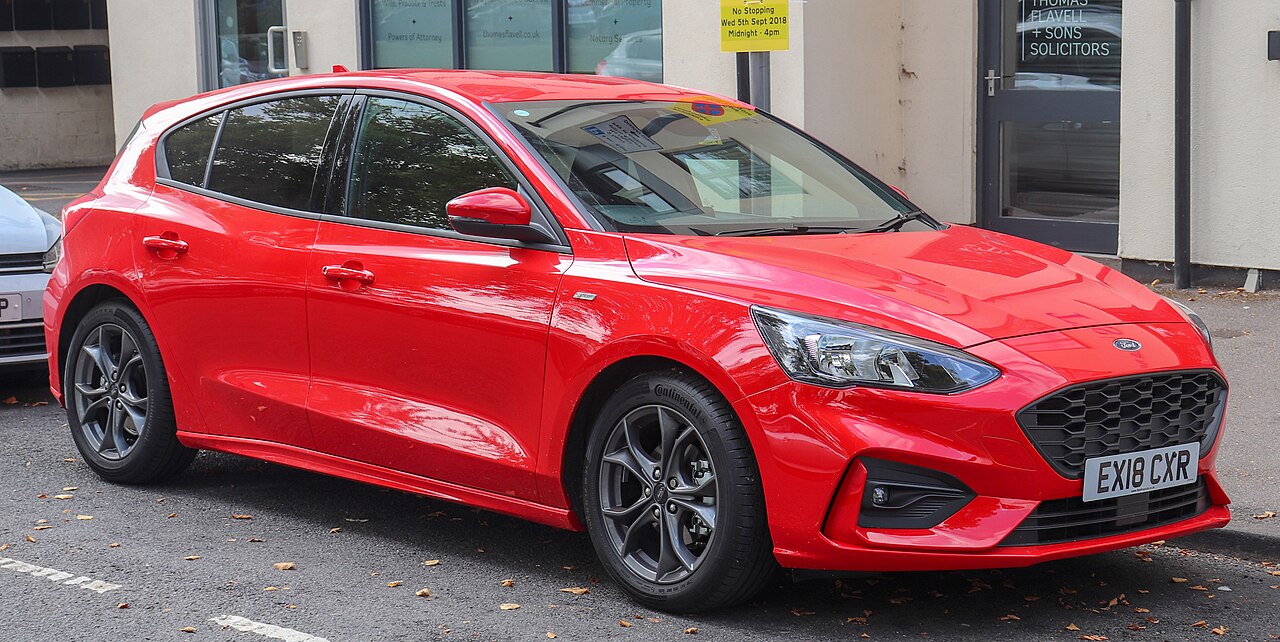
The Mk3 Focus RS's AWD system could send 100 percent of engine power to the rear wheels alone — built not in Ford's home country, but at the Saarlouis plant in Germany.
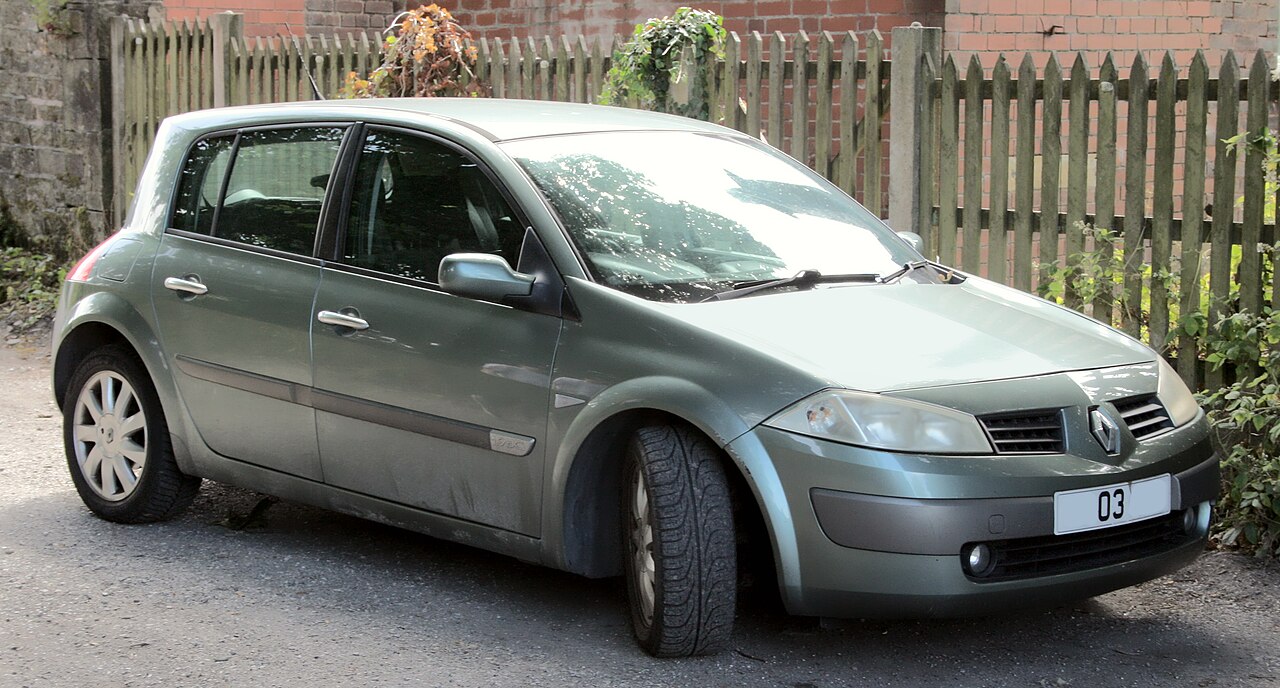
In June 2003, a Mégane II became the subject of the first ever live televised crash test with a real human driver at the wheel instead of a dummy — filmed by Top Gear.
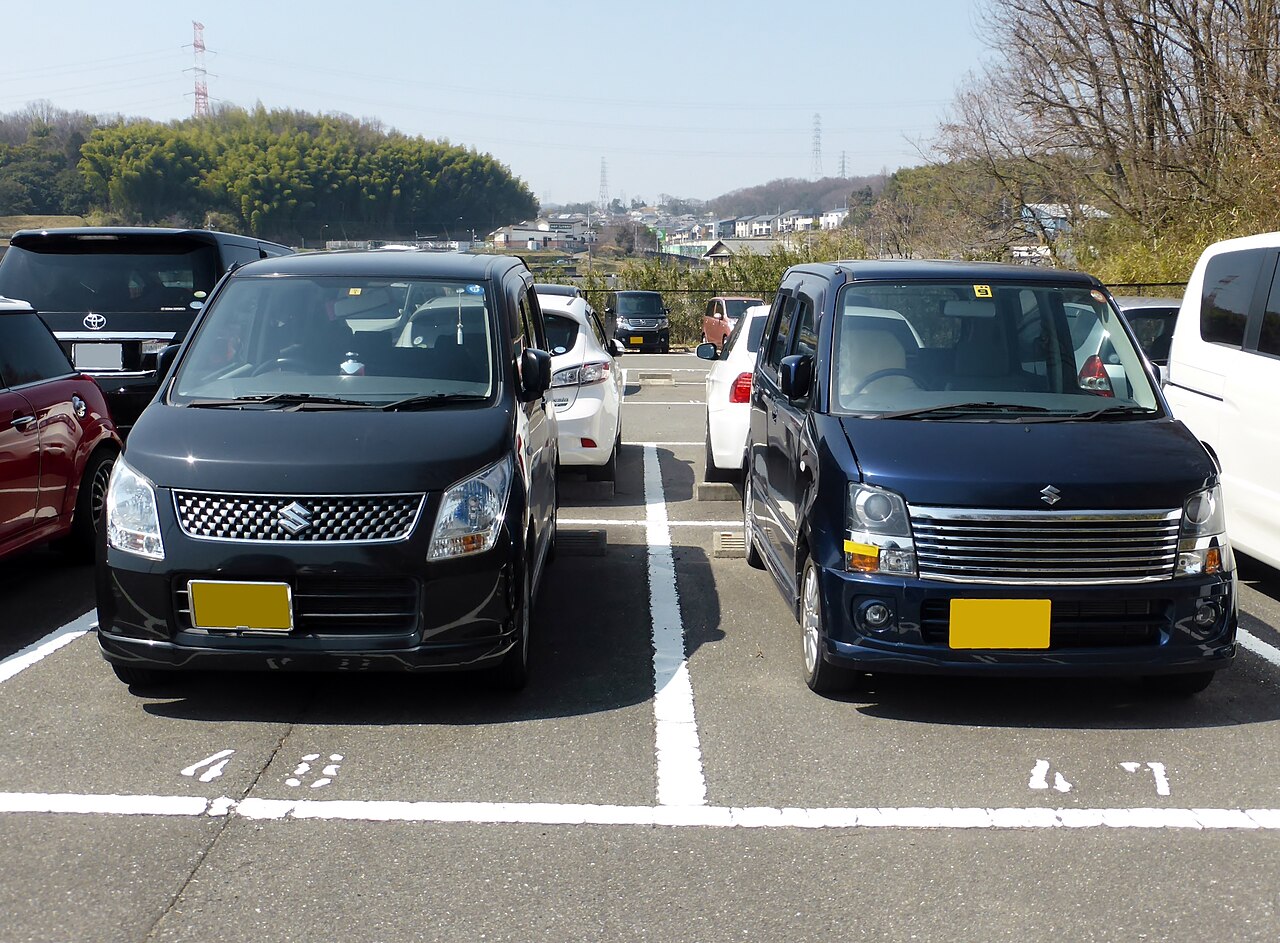
This Wagon R redesigned its rear doors specifically to kill off the D-pillar — bigger doors with built-in quarter glass solved what earlier generations needed a whole extra pillar for.
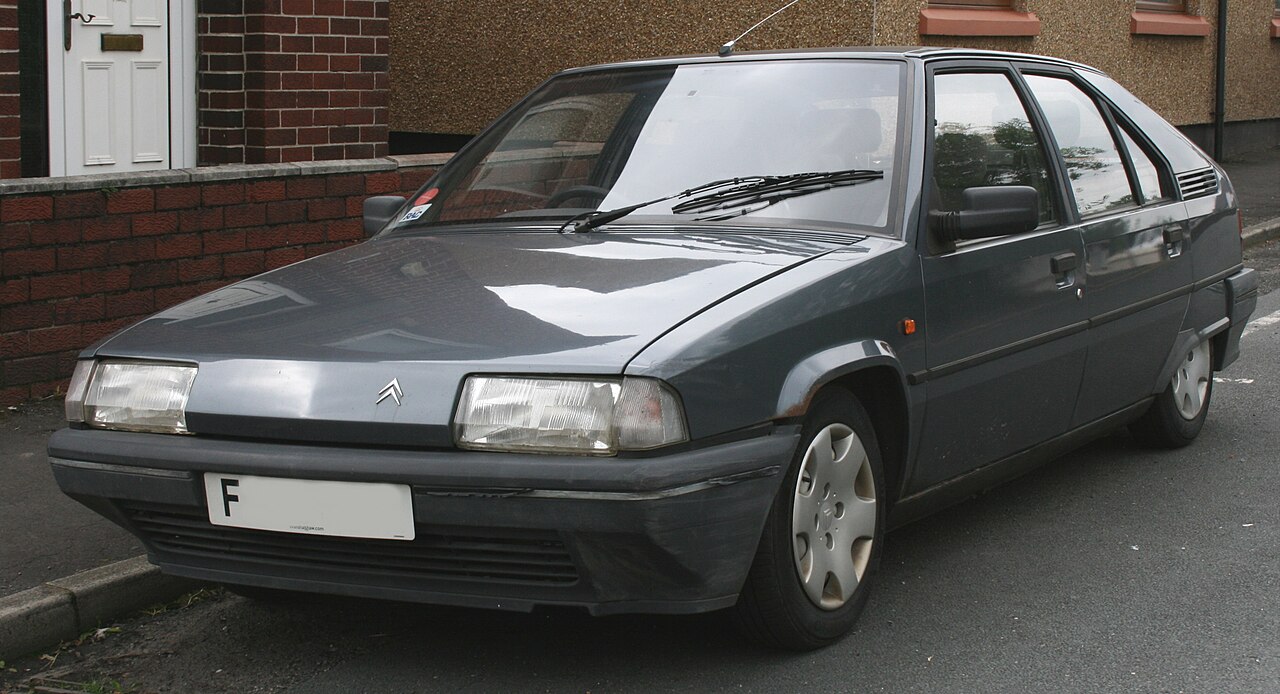
The BX was the UK's best-selling diesel car for four years from 1987, and 2,315,739 were built in all.
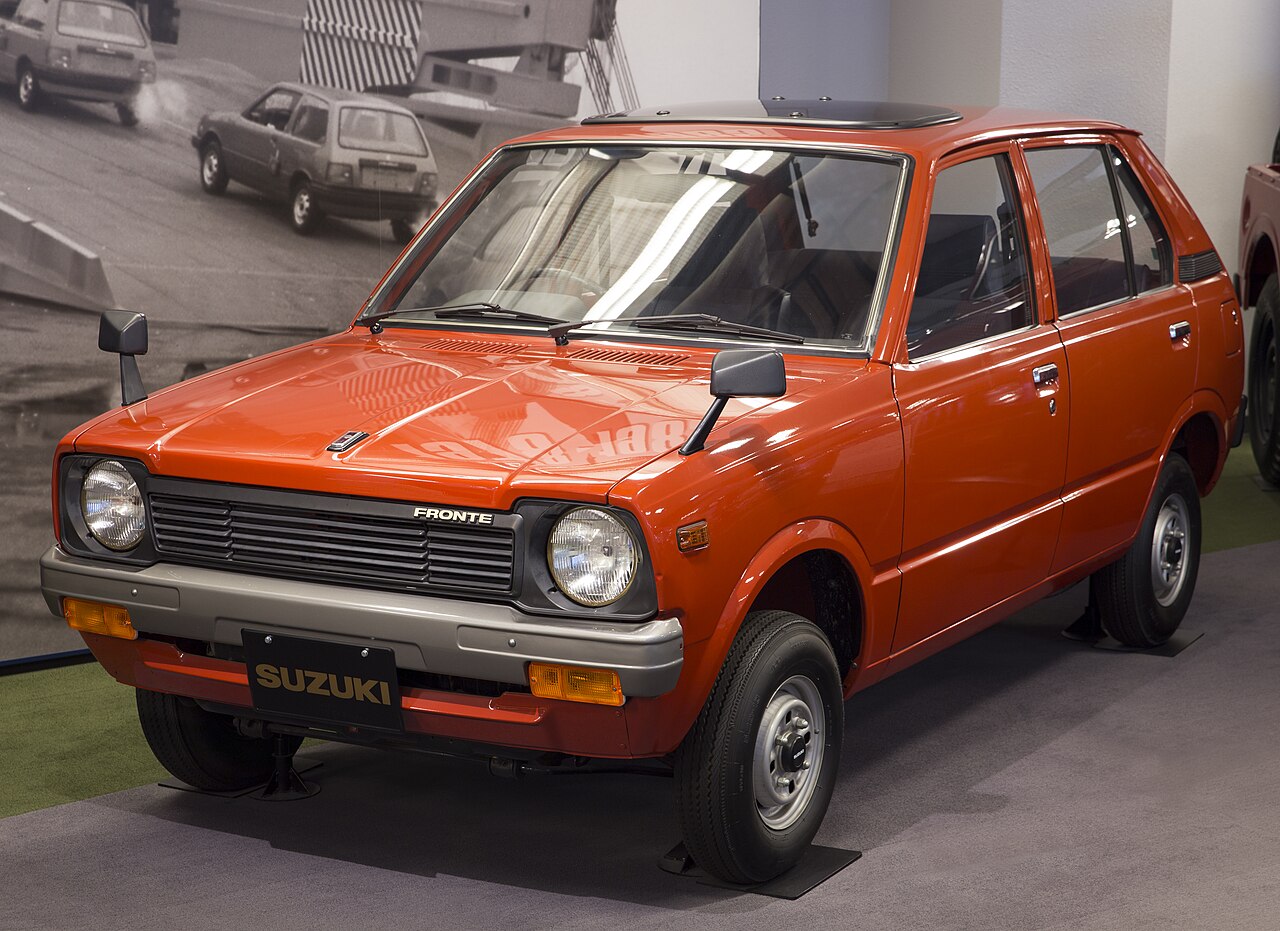
Six months before Suzuki retired the Fronte name for good, the CN11S's 796cc version was already being built in China under a completely different name: the Anchi 6330.
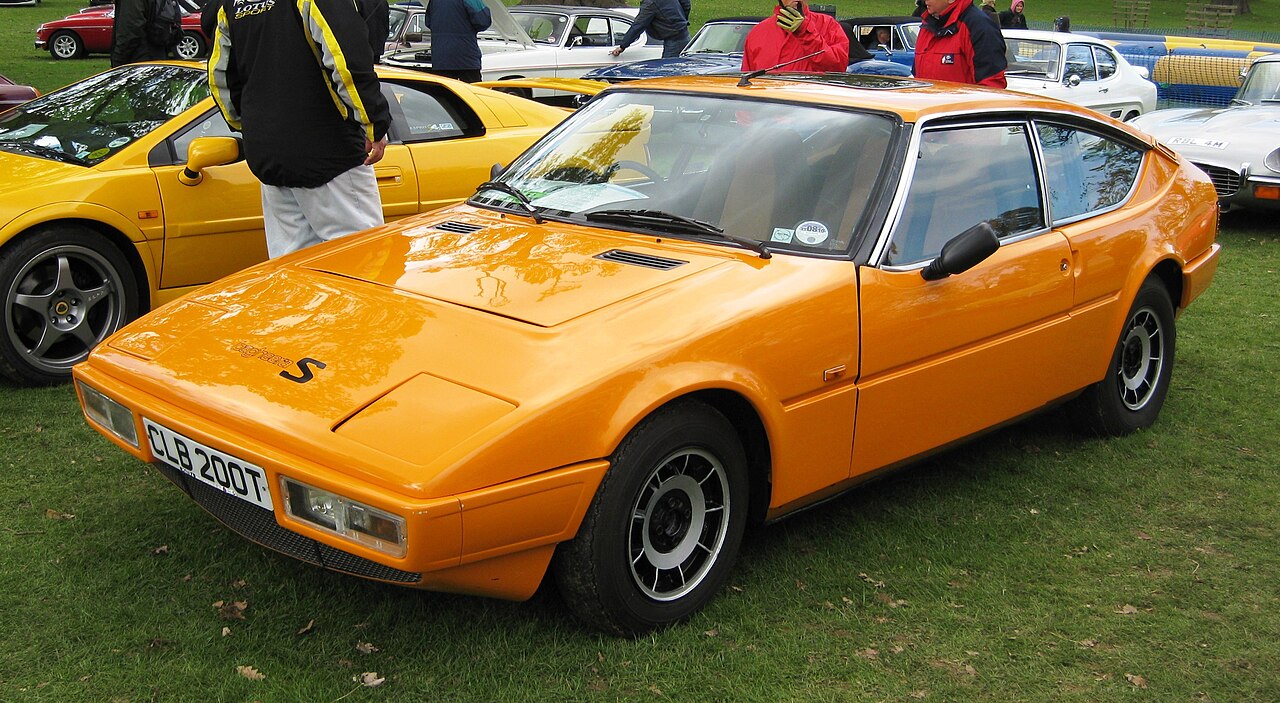
Built to use up Chrysler-Simca's parts bin, it took its engine and gearbox straight from the front-wheel-drive Simca 1100 but mounted them amidships instead.