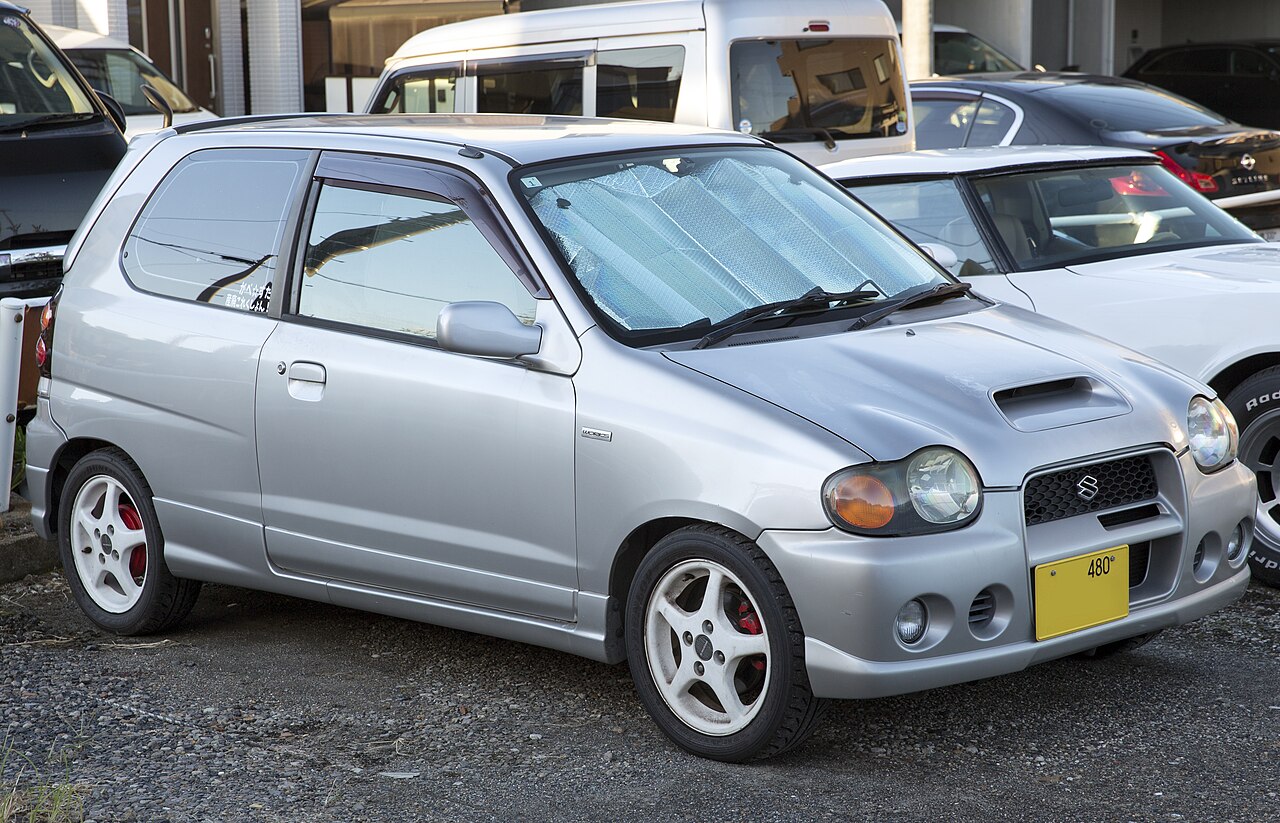
This Works brought variable valve timing and drive-by-wire to the kei hot hatch; both proved so unpopular they were dropped in the 1999 update.
Median 63 hp across 129 similar cars
Lead trim: i.e. 657 cc F6A SOHC turbo (60 PS) · up to 63 hp
Suzuki Alto Works HA12/HA22HA12/HA22 · 1998–2000
- 0spots by members
- Unclaimednobody has spotted one yet
- 0sets it belongs to
Nobody in Burbles has spotted a Suzuki Alto Works HA12/HA22 yet. See one on the street, point the app at it, and the first card is yours — with your @handle permanently credited on this page.
FactThis Works brought variable valve timing and drive-by-wire to the kei hot hatch; both proved so unpopular they were dropped in the 1999 update.
The fourth Alto Works was built on the fifth-generation Alto introduced in October 1998, and was the only Works ever offered as a five-door as well as a three-door. The Works i.e. had a 60 PS turbocharged F6A (HA12) and the RS/Z a 64 PS turbocharged K6A with VVT (HA22), each with front- or all-wheel drive and a manual or automatic. It wore the round-headlamp, chrome-grille "classic" face shared with the Alto C. With the December 2000 facelift the Works was discontinued and the Suzuki Kei Sports took up its role; the Works name returned in 2015.
Collectors Spotted in the Suzuki Alto Works Lineage
No member has published a public street spot of the Suzuki Alto Works yet — the First · Worldwide stamp is wide open.
Trims & Figures
2 published trims in the catalogue. A blank is a figure not recorded, not zero.
| Trim | Years | Engine | Power | Torque | 0–60 | Drive | Gearbox | MSRP |
|---|---|---|---|---|---|---|---|---|
| RS/Z 658 cc K6A DOHC VVT turbo (64 PS) | 1998–2000 | 0.7 L Inline-3 | 63 hp | — | — | — | — | — |
| i.e. 657 cc F6A SOHC turbo (60 PS) | 1998–2000 | 0.7 L Inline-3 | 59 hp | — | — | — | — | — |
Owning one
We don’t estimate running costs for a car like this. What it costs depends on its condition, its specialist and how it is driven, and an average would mislead.
Owners’ builds
Nobody has claimed one yet.
Photographs
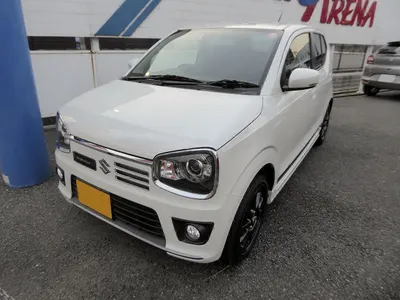
The hot Alto Works nameplate was gone for 15 years before Suzuki finally revived it for this generation — a cult favorite hot kei car coming back from the dead.
This Works brought variable valve timing and drive-by-wire to the kei hot hatch; both proved so unpopular they were dropped in the 1999 update.
The 1995 Works R got forged pistons, a high-lift cam, 260 cc injectors and its own HT06 turbo, yet its catalogue output stayed at 64 PS.
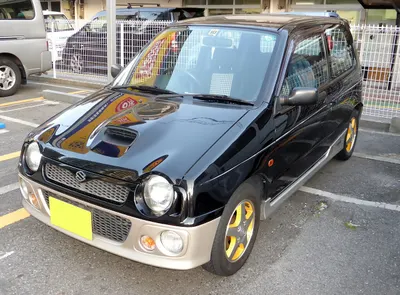
The Works R rally special used van seats to save weight, so it was registered as a commercial vehicle, then won the All-Japan Rally A class two years running.
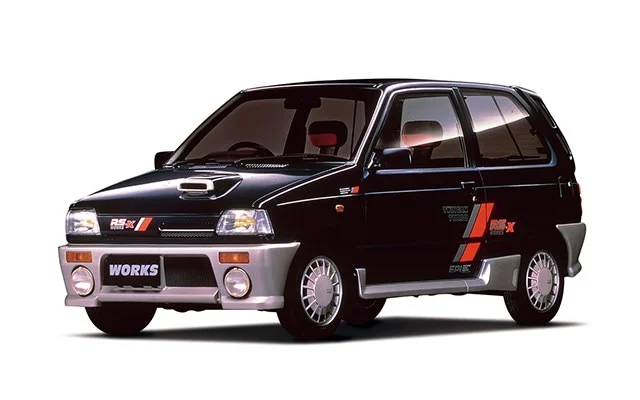
The first Alto Works RS-X and RS-R came with full aero parts as standard and a loud, pink-themed interior that got people talking.
Rivals
Same body, same money, other badges — tap any card to flip.
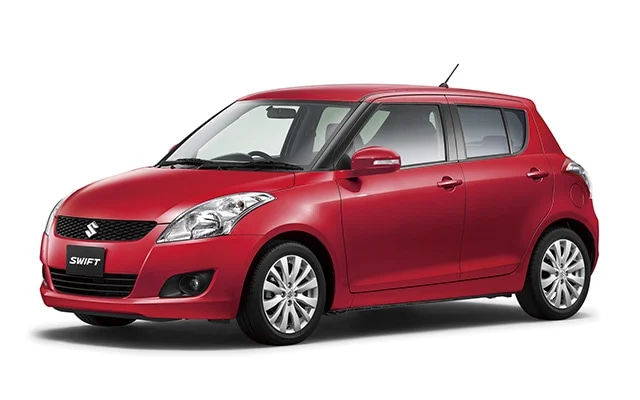
Japan was a minor market for the Swift: when it passed 2 million sales in 2011, about 39% were in India and 27% in Europe, against roughly 15% at home.
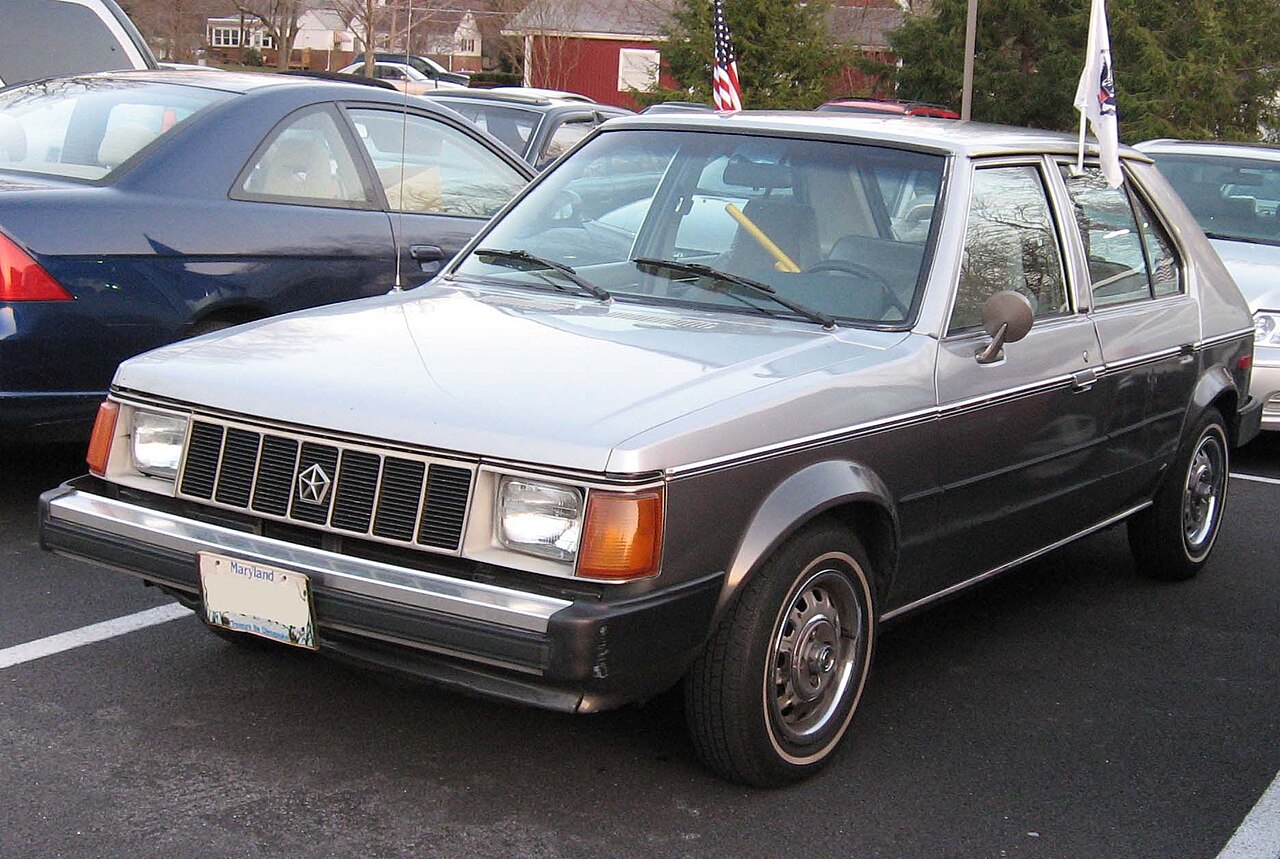
To adapt the Horizon for America, Chrysler bought nearly 100 Volkswagen Rabbits purely to reverse engineer them.
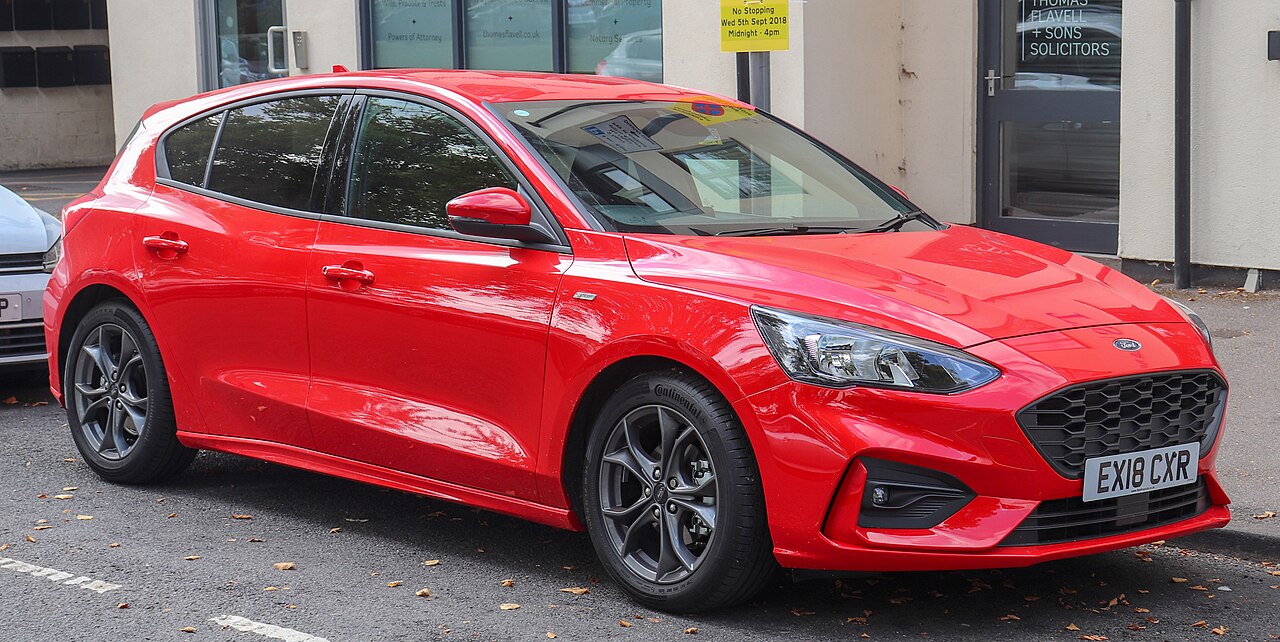
The Mk3 Focus RS's AWD system could send 100 percent of engine power to the rear wheels alone — built not in Ford's home country, but at the Saarlouis plant in Germany.
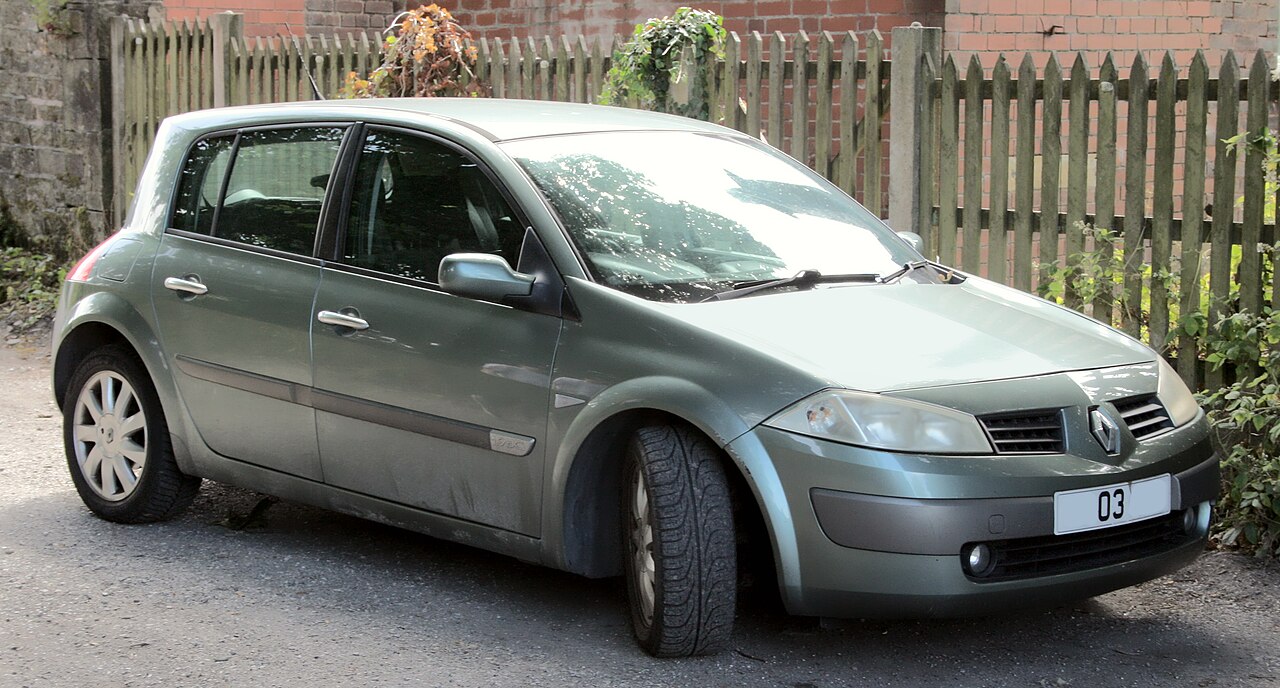
In June 2003, a Mégane II became the subject of the first ever live televised crash test with a real human driver at the wheel instead of a dummy — filmed by Top Gear.
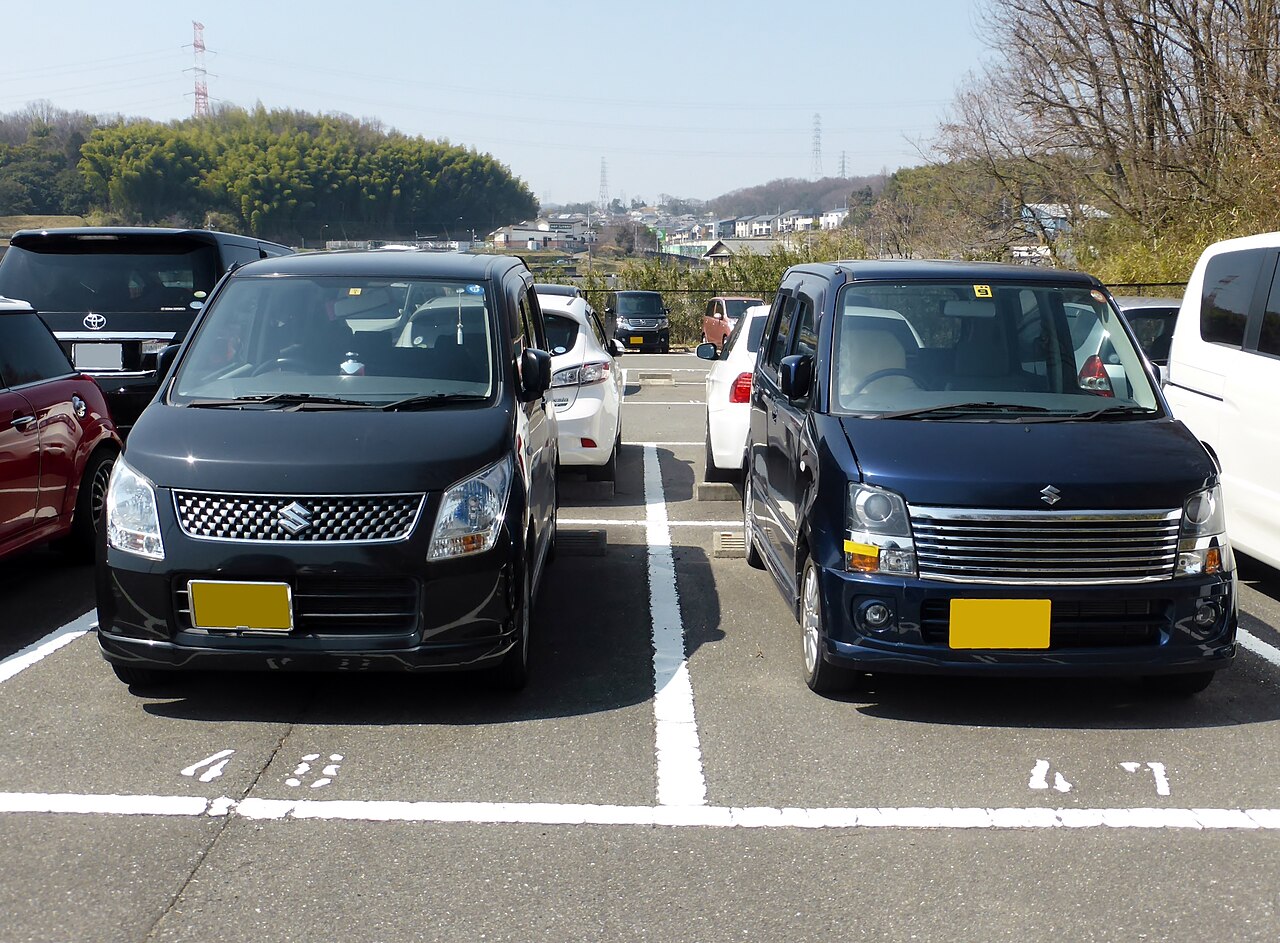
This Wagon R redesigned its rear doors specifically to kill off the D-pillar — bigger doors with built-in quarter glass solved what earlier generations needed a whole extra pillar for.
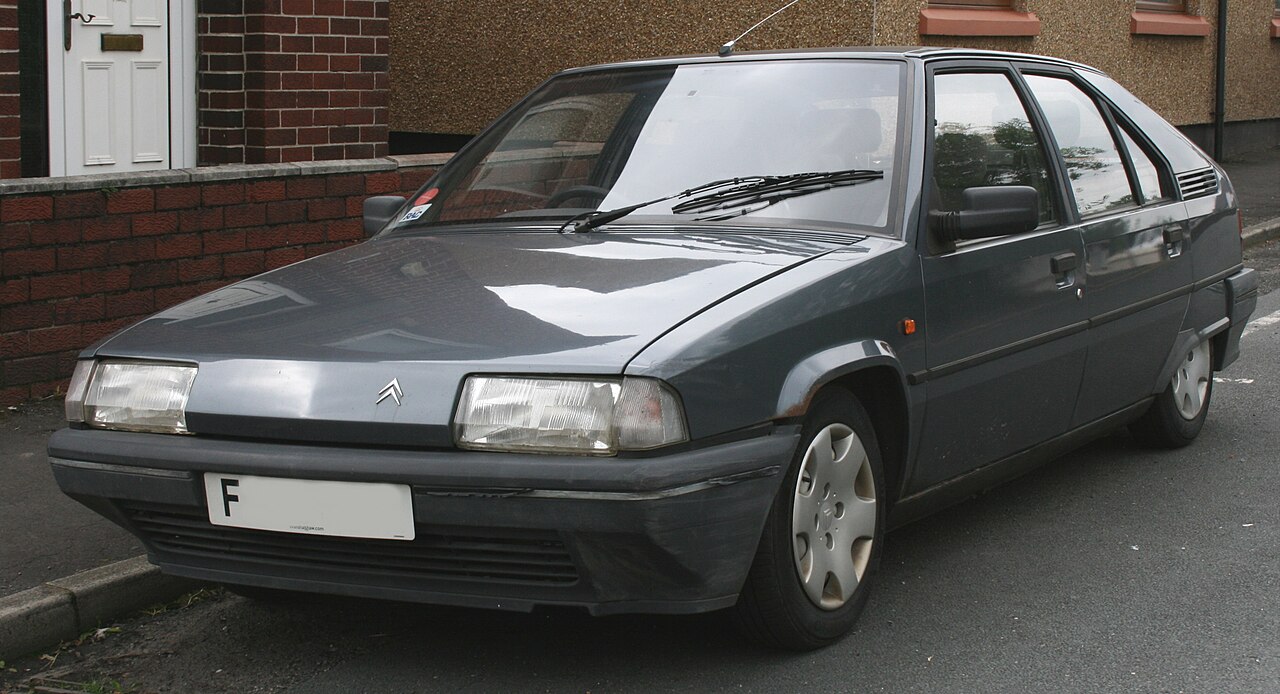
The BX was the UK's best-selling diesel car for four years from 1987, and 2,315,739 were built in all.
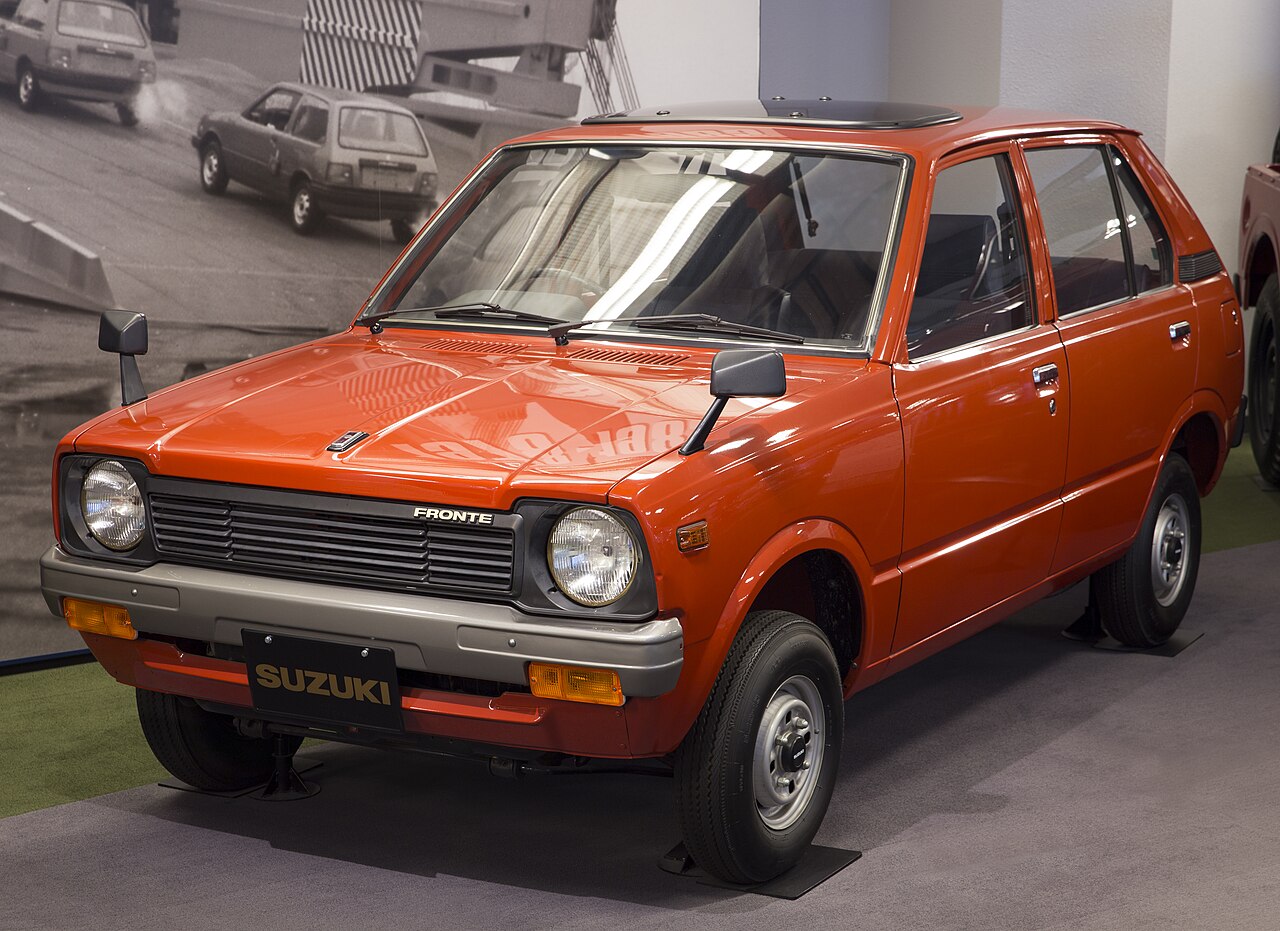
Six months before Suzuki retired the Fronte name for good, the CN11S's 796cc version was already being built in China under a completely different name: the Anchi 6330.
Built to use up Chrysler-Simca's parts bin, it took its engine and gearbox straight from the front-wheel-drive Simca 1100 but mounted them amidships instead.