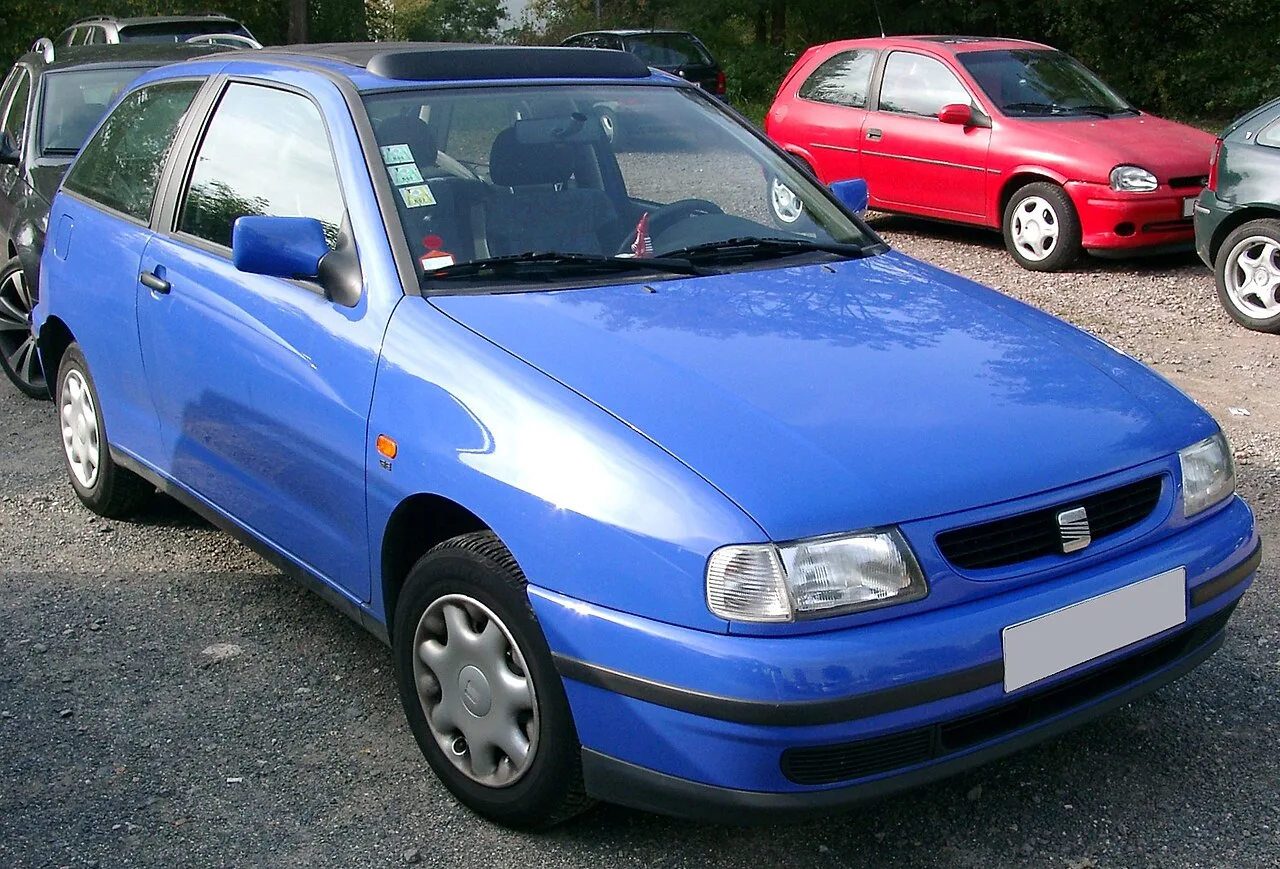
The 90s Ibiza wasn't as unique inside as it looked — its dashboard was shared wholesale with the SEAT Córdoba, SEAT Inca, and Volkswagen Polo Mk3.
Lead trim: 1.0 MPI 8v (50 PS) · up to 127 hp
SEAT Ibiza Mk26K · 1993–2002
- 0spots by members
- Unclaimednobody has spotted one yet
- 0sets it belongs to
Nobody in Burbles has spotted a SEAT Ibiza Mk2 yet. See one on the street, point the app at it, and the first card is yours — with your @handle permanently credited on this page.
FactThe 90s Ibiza wasn't as unique inside as it looked — its dashboard was shared wholesale with the SEAT Córdoba, SEAT Inca, and Volkswagen Polo Mk3.
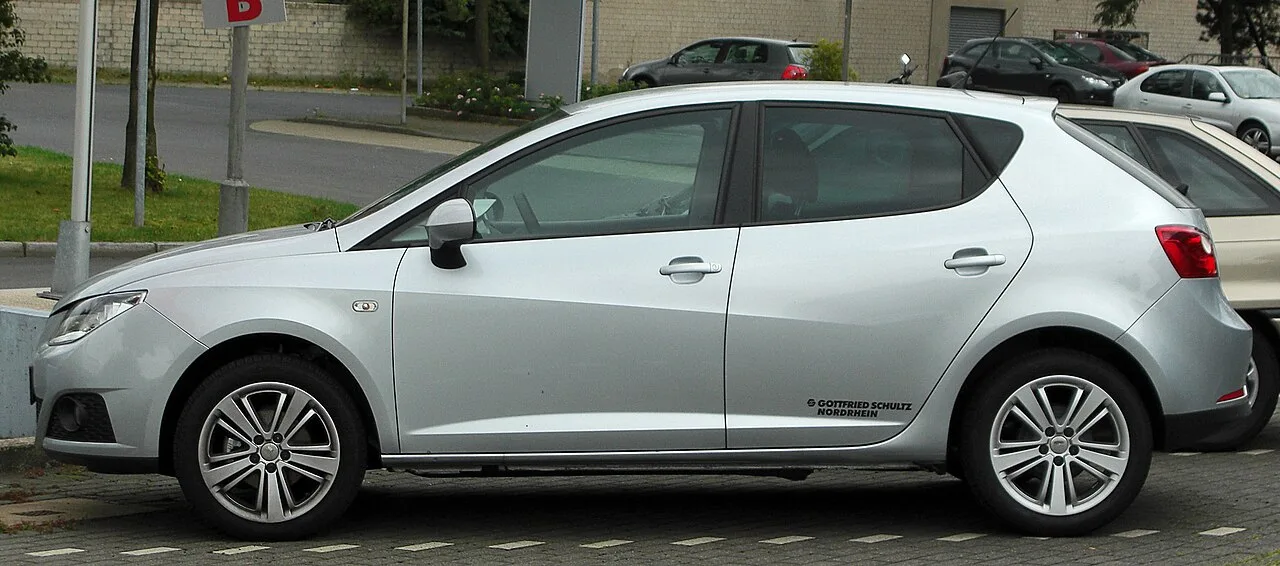
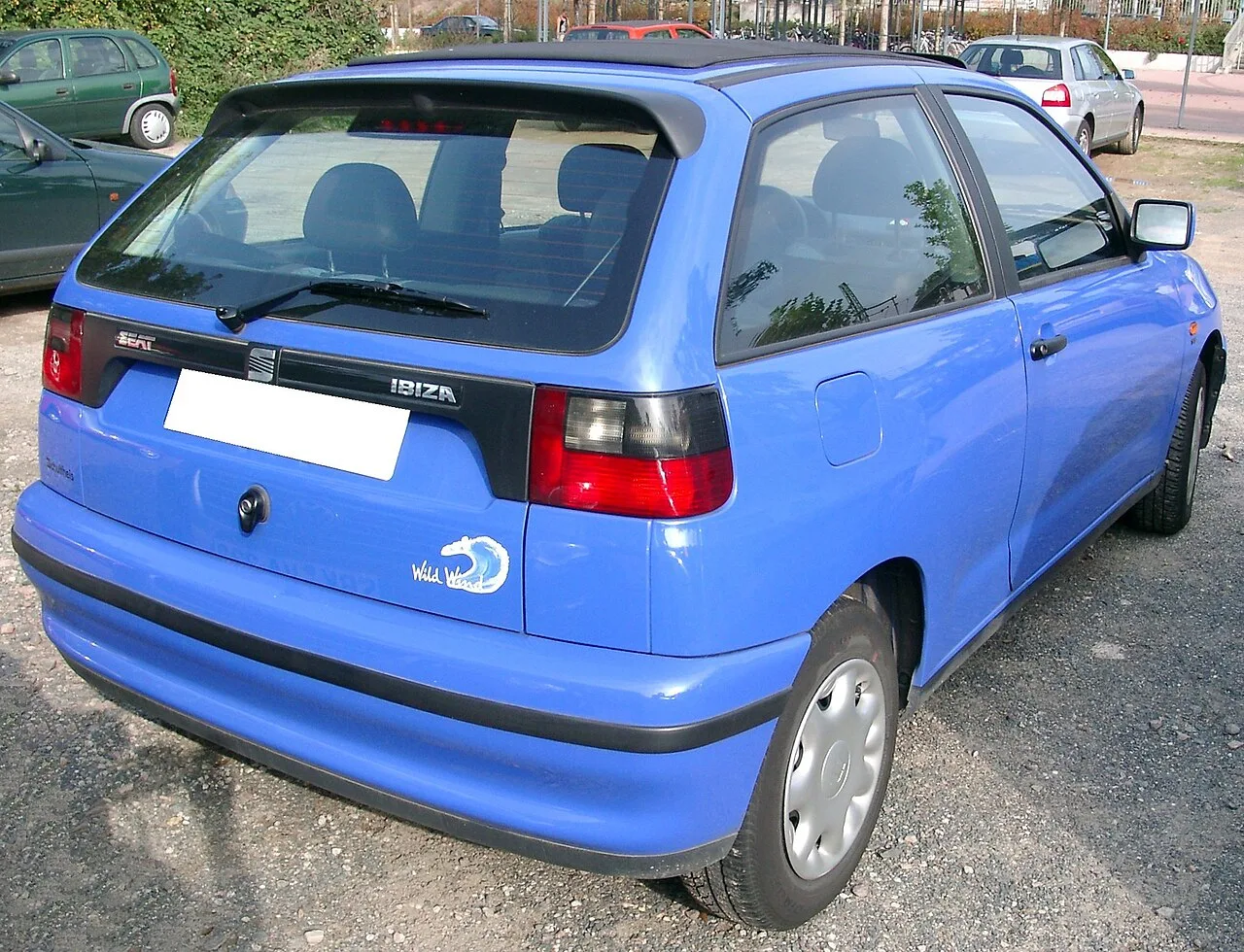
The Ibiza Mk2 (Typ 6K) was the first generation fully developed and produced under Volkswagen Group ownership, on a platform variant based on the Polo 6N and Golf Mk3 and styled by Giorgetto Giugiaro at Italdesign. Three- and five-door hatchbacks (the saloon/coupé was the Córdoba, the estate the Córdoba Vario) were regularly Spain's best-selling car and sold 1,522,607 from 1993 to 2002. The 1996 revision added the 150 PS 2.0-litre 16v ABF petrol (the 2.0 Cupra), and the 1999 facelift (Typ 6K2) added a tailgate-mounted SEAT badge that doubles as the boot release, a new dashboard, and the 156 PS 1.8T Cupra and the 180 PS Cupra R (only 200 built). It was Spain and Portugal's Car of the Year for 1994, and SEAT returned to the World Rally Championship in 1995 with a 1.8-litre 16v Ibiza (Erwin Weber, Rally of Portugal) before the Ibiza Kit Car won the FIA 2-Litre World Rally Cup in 1996, 1997 and 1998. It was rebadged as the Volkswagen Polo Playa in South Africa and the SEAT Barcelona in Taiwan.
Collectors Spotted in the SEAT Ibiza Lineage
No member has published a public street spot of the SEAT Ibiza yet — the First · Worldwide stamp is wide open.
Trims & Figures
10 published trims in the catalogue. A blank is a figure not recorded, not zero.
| Trim | Years | Engine | Power | Torque | 0–60 | Drive | Gearbox | MSRP |
|---|---|---|---|---|---|---|---|---|
| 1.0 MPI 16v (70 PS) | 2000–2002 | 1.0 L Inline-4 | 69 hp | 67 lb-ft | — | FWD | — | — |
| 1.0 MPI 8v (50 PS) | 1996–2002 | 1.0 L Inline-4 | 49 hp | 63 lb-ft | — | FWD | — | — |
| 1.4 MPI 16v (75 PS) | 1999–2002 | 1.4 L Inline-4 | 74 hp | 94 lb-ft | — | FWD | — | — |
| 1.4 MPI 8v (60 PS) | 1996–2002 | 1.4 L Inline-4 | 59 hp | 86 lb-ft | — | FWD | — | — |
| 1.6 MPI 8v (101 PS) | 1996–2002 | 1.6 L Inline-4 | 100 hp | 107 lb-ft | — | FWD | — | — |
| 1.8 MPI GTI 16 ADL (129 PS) | 1994–1996 | 1.8 L Inline-4 | 127 hp | 122 lb-ft | — | FWD | — | — |
| 1.9 SDI diesel (68 PS) | 1999–2002 | 1.9 L Inline-4 | 67 hp | 98 lb-ft | — | FWD | — | — |
| 1.9 TDI AGR / ALH diesel (90 PS) | 1999–2002 | 1.9 L Inline-4 | 89 hp | 155 lb-ft | — | FWD | — | — |
| 1.9 TDI ASK / ASV diesel (110 PS) | 1999–2002 | 1.9 L Inline-4 | 108 hp | 173 lb-ft | — | FWD | — | — |
| 2.0 MPI GTI 8v (115 PS) | 1993–1996 | 2.0 L Inline-4 | 113 hp | 122 lb-ft | — | FWD | — | — |
Owning one
We don’t estimate running costs for a car like this. What it costs depends on its condition, its specialist and how it is driven, and an average would mislead.
Owners’ builds
Nobody has claimed one yet.
Photographs
This Ibiza was the test bed: the first Volkswagen Group car built on the MQB A0 platform, ahead of the Polo.
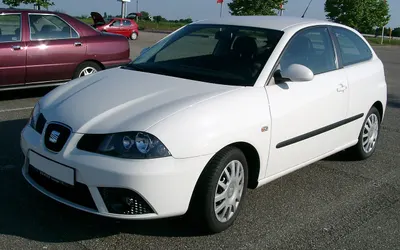
The 6J Ibiza Cupra squeezed 180 PS from 1.4 litres by using a turbocharger and a supercharger together, paired with a seven-speed DSG.
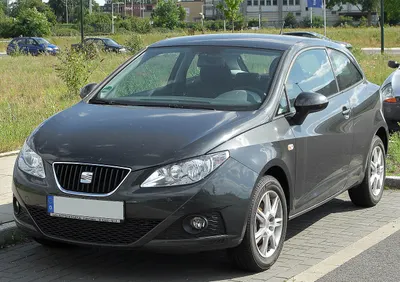
The budget-brand Ibiza beat Volkswagen and Audi to the punch: this generation was first in the VW Group to ride on the new PQ25 supermini platform.
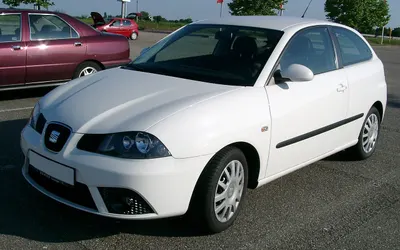
The 6L Ibiza Cupra filled a gap in the VW family: its Polo sibling had no hot hatch until the Polo GTI arrived in 2006.
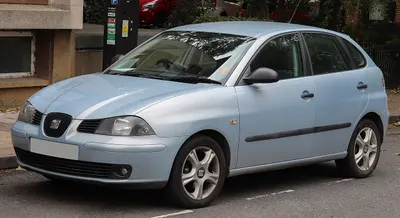
VW didn't launch a Polo GTI until 2006 — so for years, SEAT's Ibiza FR and Cupra were the only Group hot hatches on this platform, and What Car? called the Ibiza its 2003 Car of the Year.
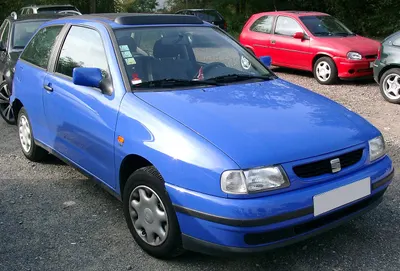
The first Ibiza Cupra borrowed its 2.0-litre 16-valve ABF engine from the third-generation Golf GTI.
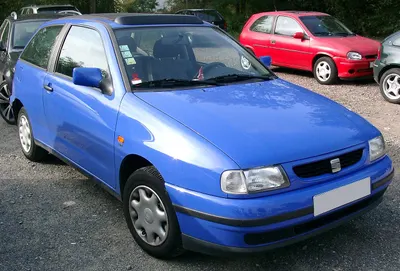
The 90s Ibiza wasn't as unique inside as it looked — its dashboard was shared wholesale with the SEAT Córdoba, SEAT Inca, and Volkswagen Polo Mk3.
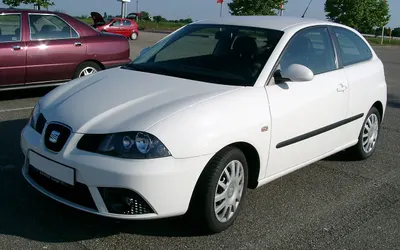
Porsche engineered the Mk1 Ibiza's gearbox and powertrain — but SEAT still had to pay Porsche seven German marks per car before it was allowed to stamp "System Porsche" on the engine.
Rivals
Same body, same money, other badges — tap any card to flip.
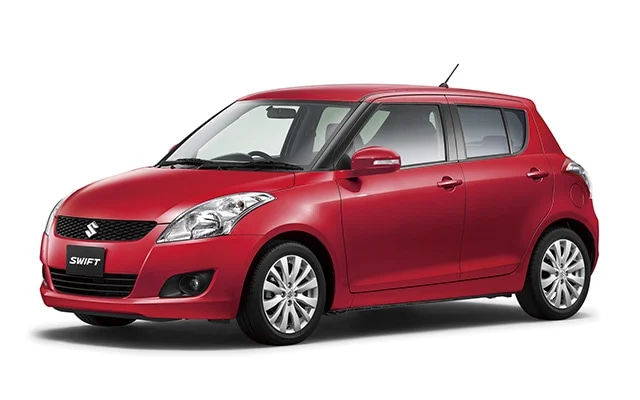
Japan was a minor market for the Swift: when it passed 2 million sales in 2011, about 39% were in India and 27% in Europe, against roughly 15% at home.
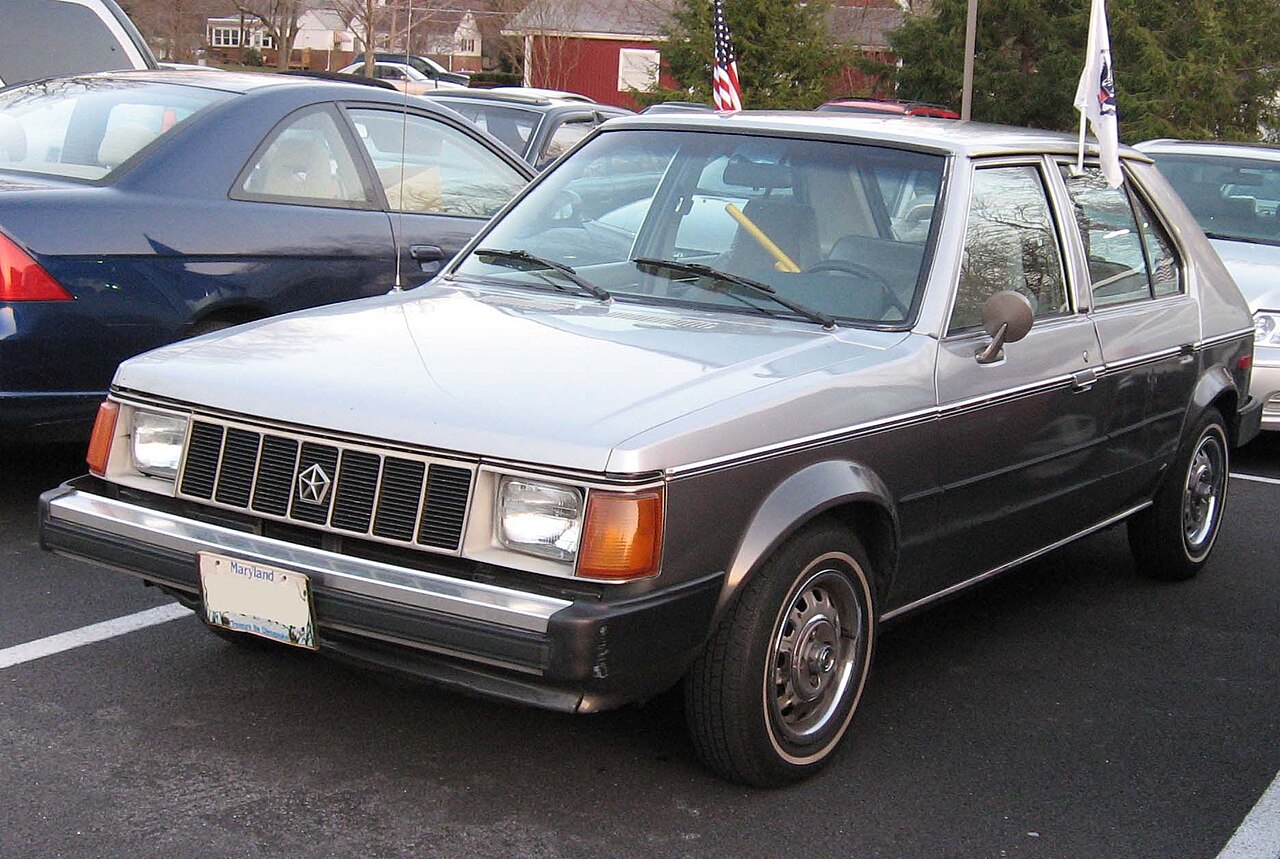
To adapt the Horizon for America, Chrysler bought nearly 100 Volkswagen Rabbits purely to reverse engineer them.
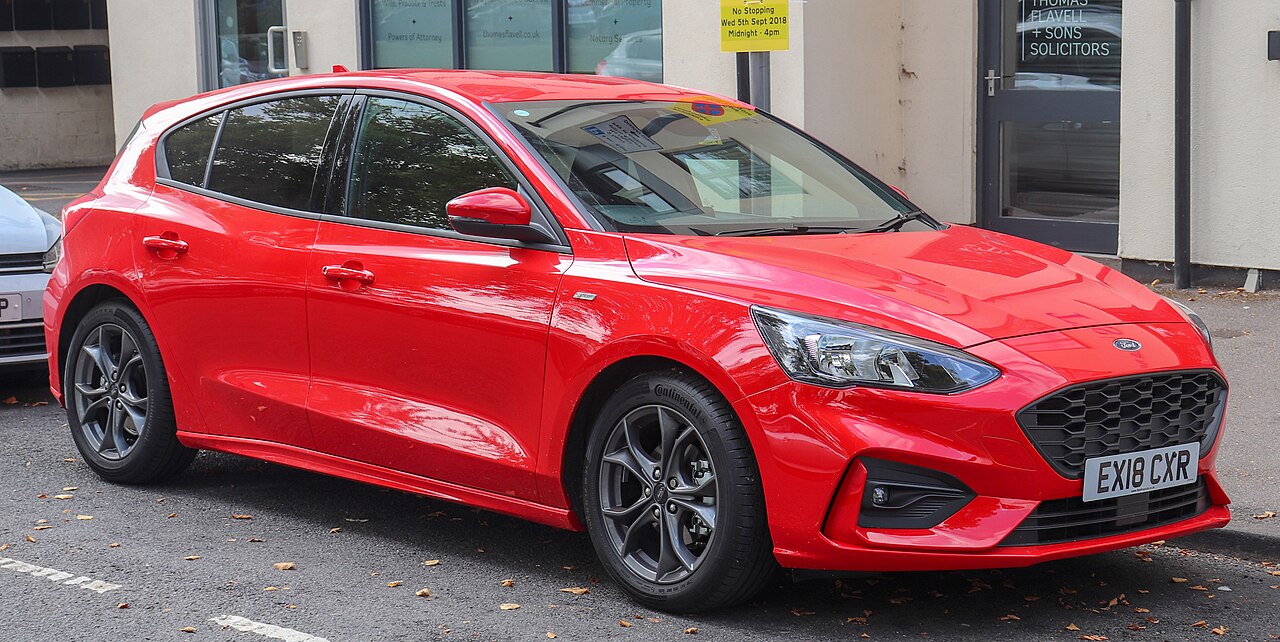
The Mk3 Focus RS's AWD system could send 100 percent of engine power to the rear wheels alone — built not in Ford's home country, but at the Saarlouis plant in Germany.
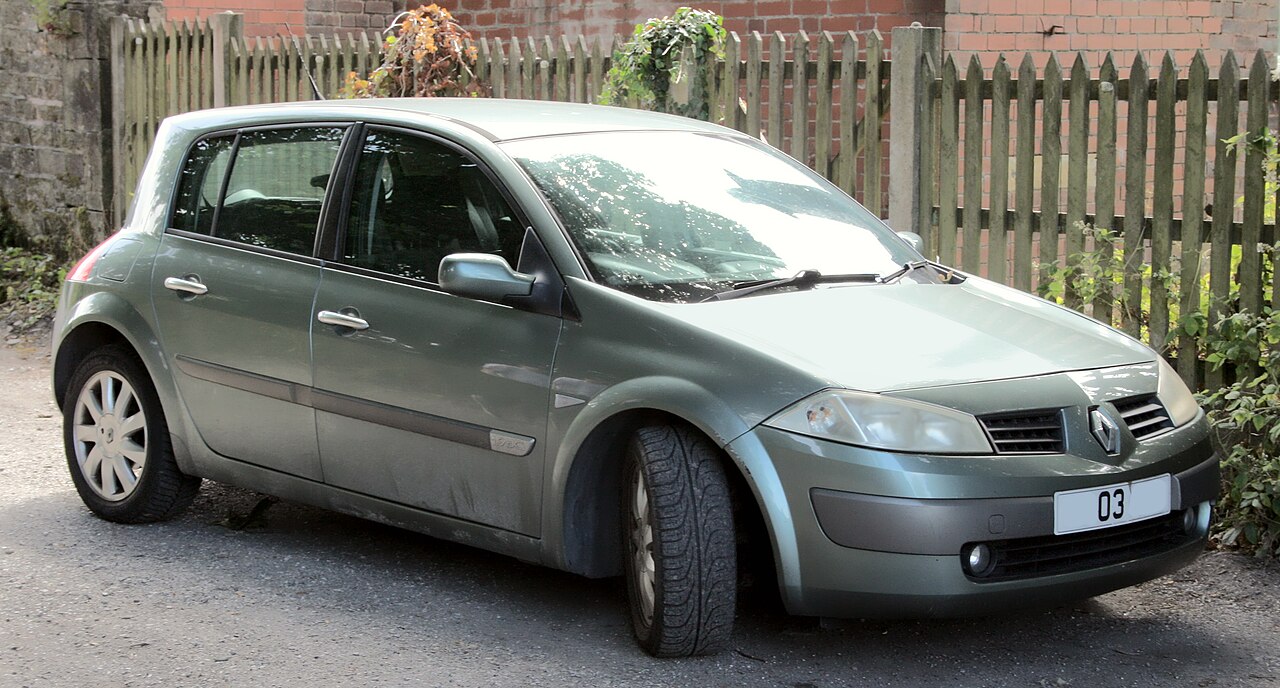
In June 2003, a Mégane II became the subject of the first ever live televised crash test with a real human driver at the wheel instead of a dummy — filmed by Top Gear.
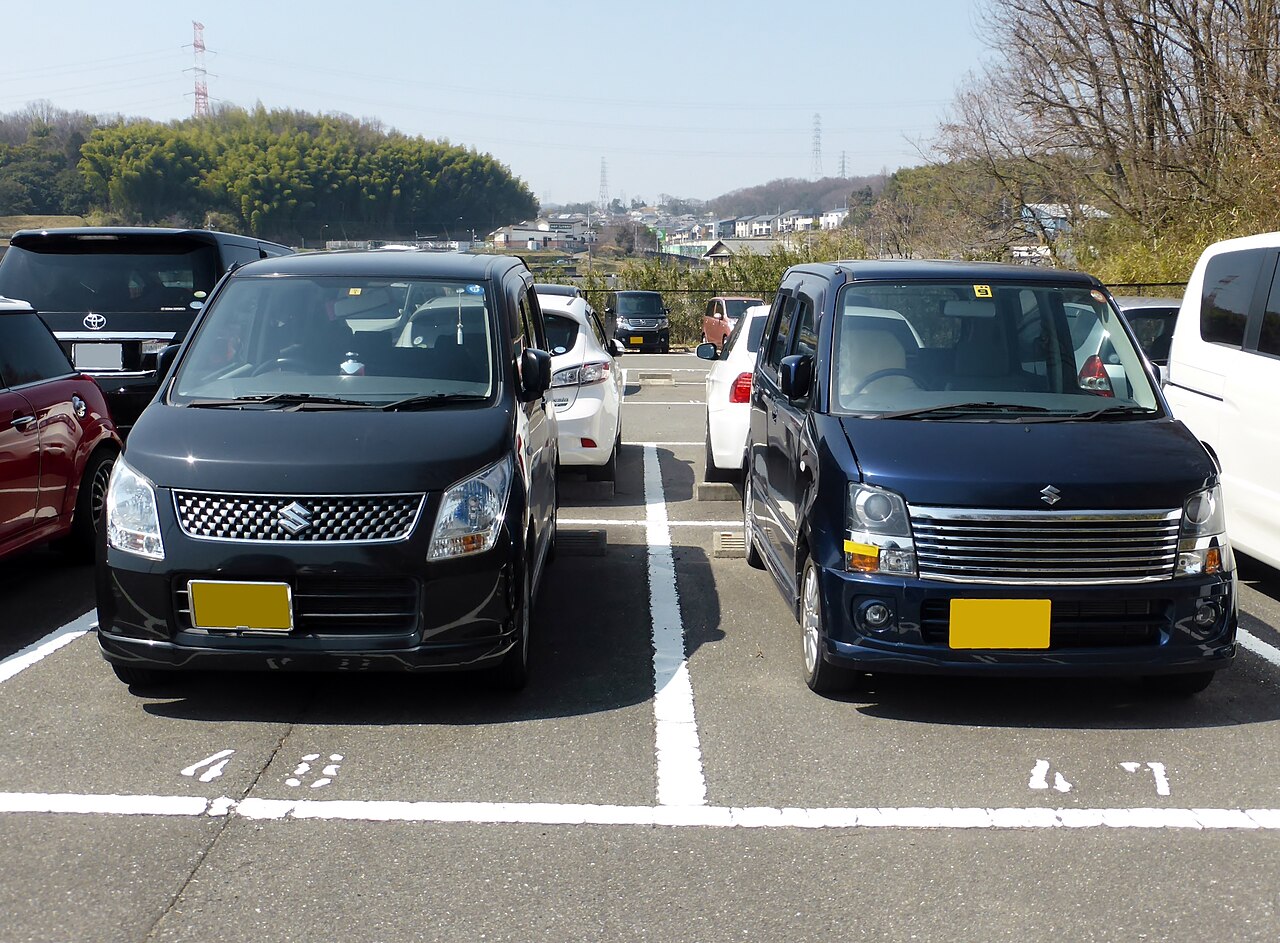
This Wagon R redesigned its rear doors specifically to kill off the D-pillar — bigger doors with built-in quarter glass solved what earlier generations needed a whole extra pillar for.
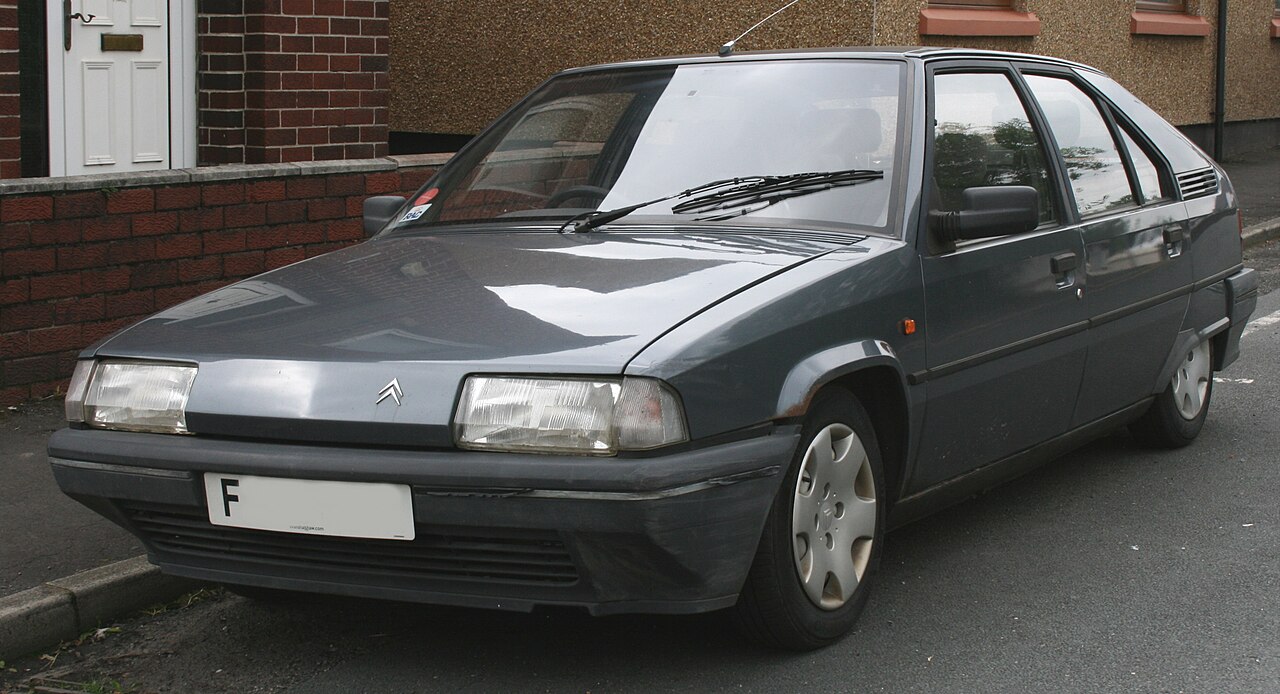
The BX was the UK's best-selling diesel car for four years from 1987, and 2,315,739 were built in all.
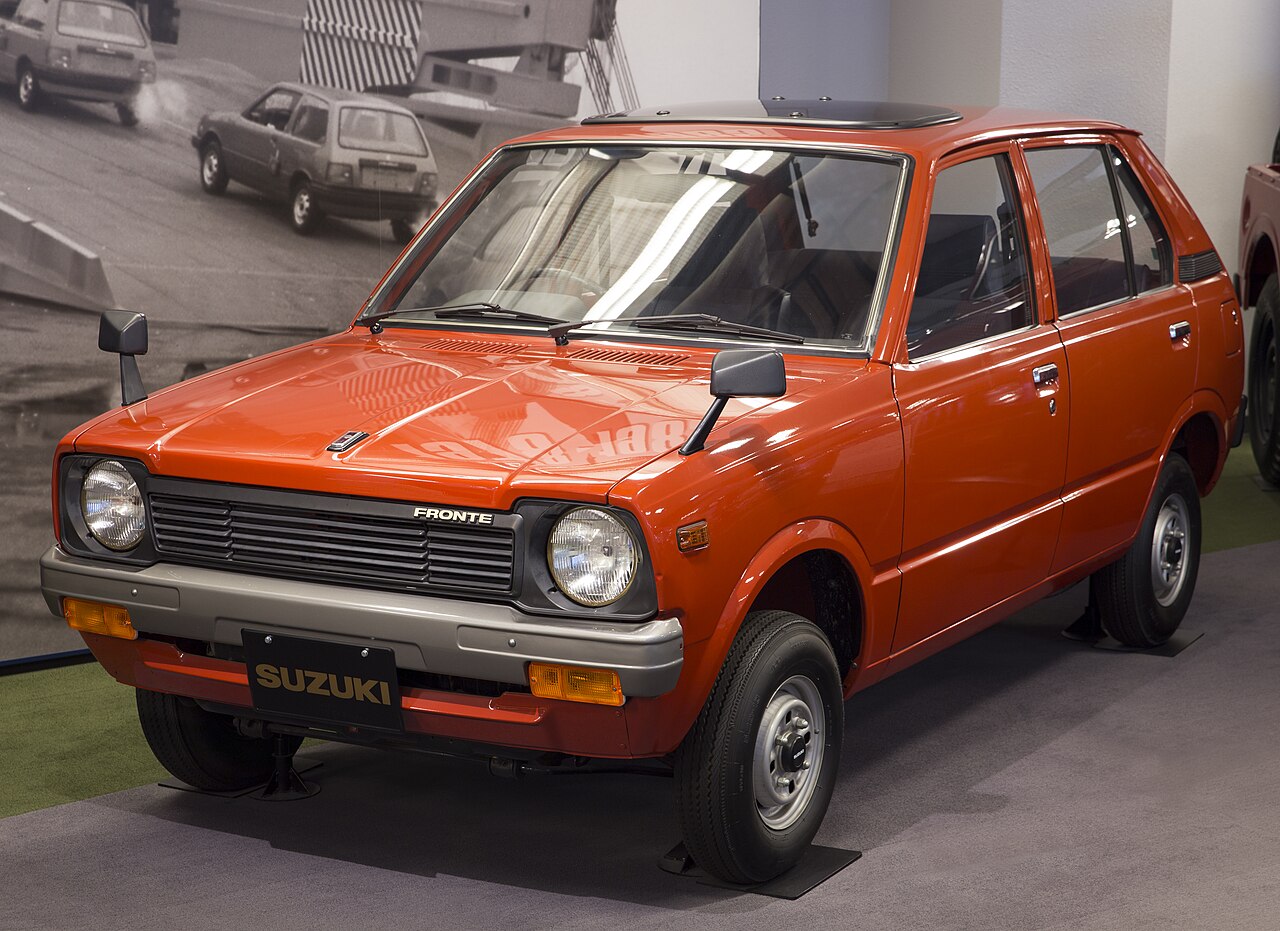
Six months before Suzuki retired the Fronte name for good, the CN11S's 796cc version was already being built in China under a completely different name: the Anchi 6330.
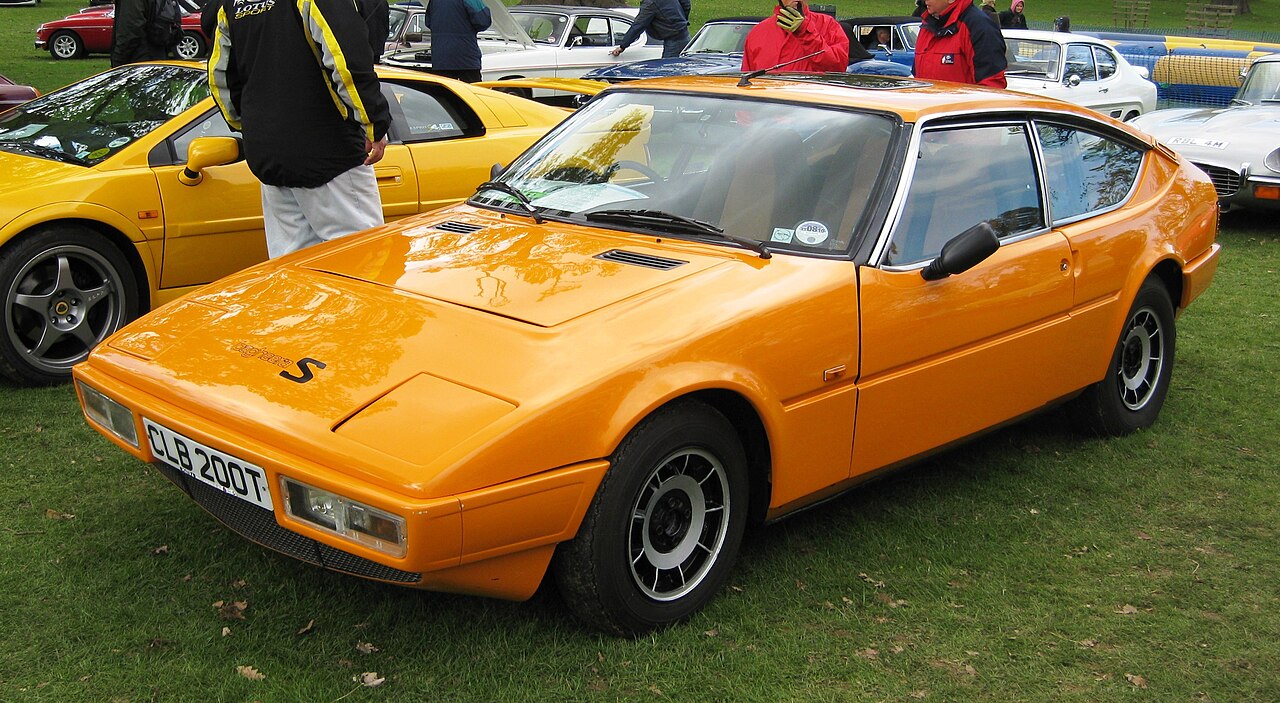
Built to use up Chrysler-Simca's parts bin, it took its engine and gearbox straight from the front-wheel-drive Simca 1100 but mounted them amidships instead.