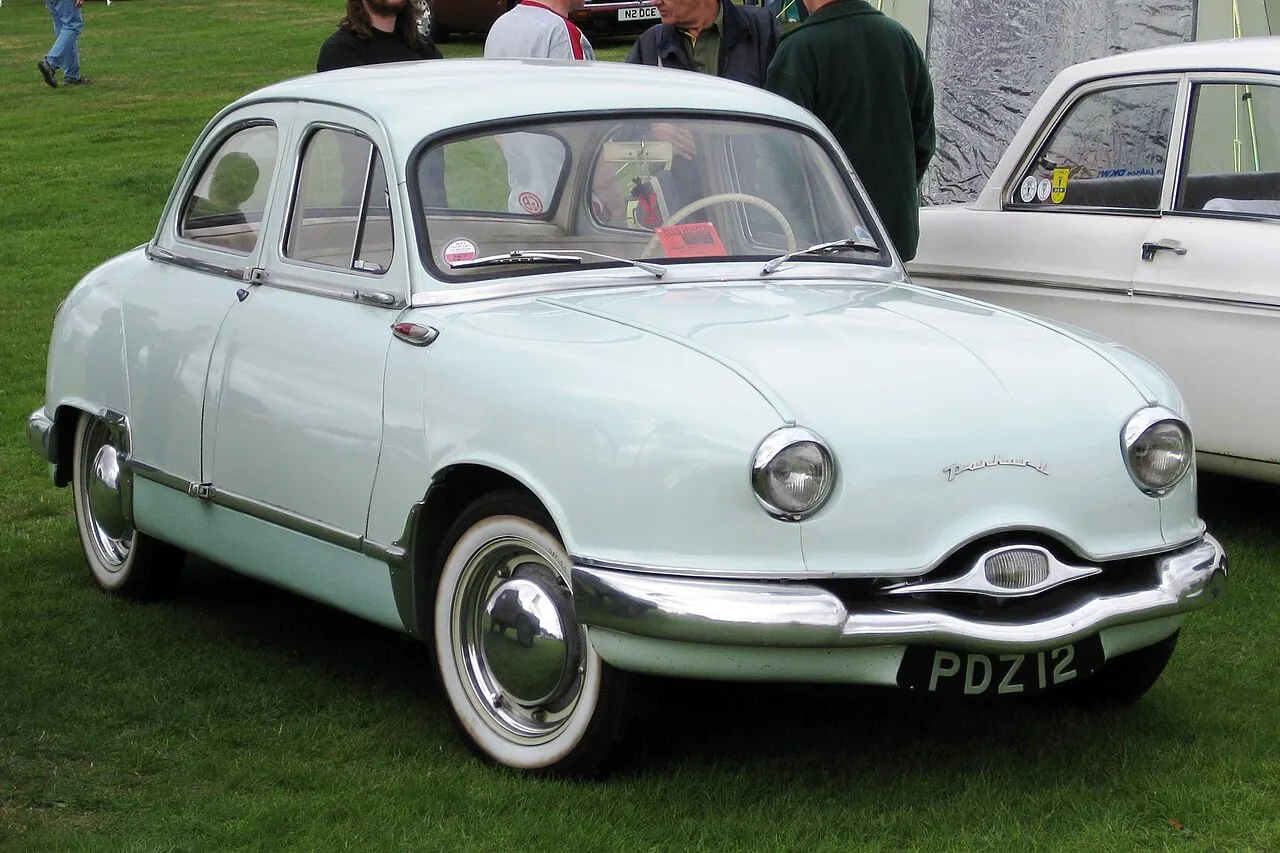
Panhard swapped the Dyna Z's aluminium body for steel in 1955 to cut costs, and instantly added 123 kg.
Lead trim: Dyna Z 851 cc boxer twin (42 hp) · up to 50 hp
Panhard Dyna ZZ1 · 1954–1959
- 0spots by members
- Unclaimednobody has spotted one yet
- 0sets it belongs to
Nobody in Burbles has spotted a Panhard Dyna Z yet. See one on the street, point the app at it, and the first card is yours — with your @handle permanently credited on this page.
FactPanhard swapped the Dyna Z's aluminium body for steel in 1955 to cut costs, and instantly added 123 kg.
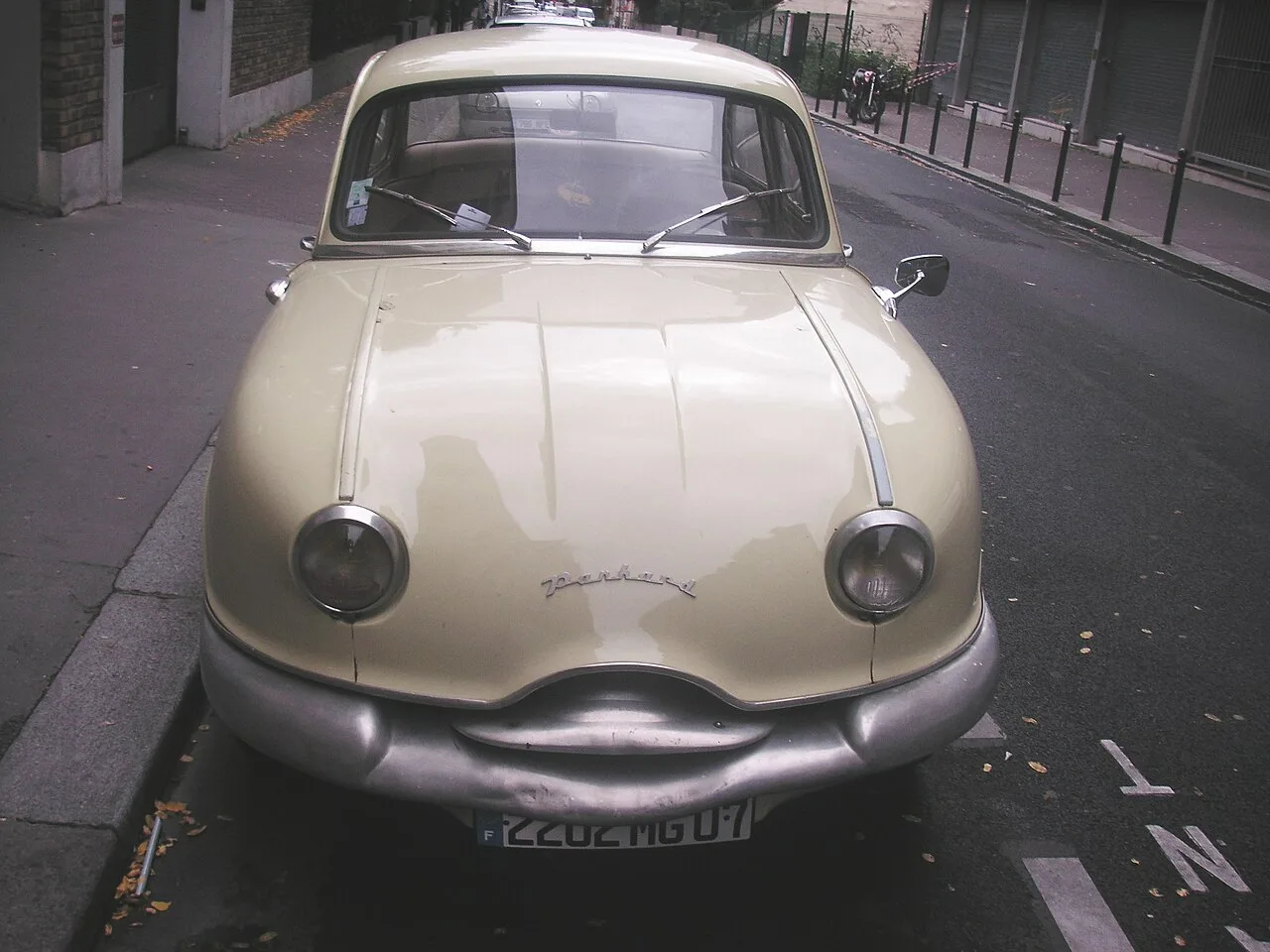
The Panhard Dyna Z is a lightweight motor car produced by Panhard of France from 1954 to 1959 (approximately 140,000 built), first presented to the press at Les Ambassadeurs restaurant in Paris on 17 June 1953, entering production the following year and replaced by the Panhard PL 17 in 1959. The Dyna X was replaced by the more streamlined Dyna Z, whose body was originally aluminium with steel tube subframes; the cost penalty of aluminium bodywork became unsustainable in summer 1954 and from September 1955 the Type Z1 switched to steel bodywork (door shells, trunk and hood still aluminium), an instant weight penalty of 123 kg, by which time Citroën had taken a 25% holding in Panhard (1955) and integrated the dealership networks. It was a six-seat saloon (also a two-door cabriolet and a 2-door pickup) with front-wheel drive from an 851 cc two-cylinder boxer engine of 42 or 50 hp (the page gives 5000 rpm in its infobox but 5500 rpm for the Tiger), a 4-speed column-shift gearbox, transverse leaf-spring front suspension and torsion-bar rear, and drum brakes; the Tiger version, with a racing-inspired engine and full cooling shroud, was sold in the US at about $2,000 (halfway between a Volkswagen Beetle and a Peugeot 403), with 50 hp and a top speed of 145 km/h (90 mph). It suffered from some engine and wind noise, and reliability suffered. Wheelbase 2,570 mm (101.2 in), length 4,570 mm (179.9 in), width 1,668 mm (65.7 in), height 1,430 mm (56.3 in) as a saloon.
Collectors Spotted in the Panhard Dyna Z Lineage
No member has published a public street spot of the Panhard Dyna Z yet — the First · Worldwide stamp is wide open.
Trims & Figures
2 published trims in the catalogue. A blank is a figure not recorded, not zero.
| Trim | Years | Engine | Power | Torque | 0–60 | Drive | Gearbox | MSRP |
|---|---|---|---|---|---|---|---|---|
| Dyna Z 851 cc boxer twin (42 hp) | 1954–1959 | 0.9 L Flat-2 | 42 hp | 47 lb-ft | — | FWD | — | — |
| Dyna Z Tiger 851 cc boxer twin (50 hp) | 1954–1959 | 0.9 L Flat-2 | 50 hp | 49 lb-ft | — | FWD | — | — |
Owning one
We don’t estimate running costs for a car like this. What it costs depends on its condition, its specialist and how it is driven, and an average would mislead.
Owners’ builds
Nobody has claimed one yet.
Photographs
Rivals
Same body, same money, other badges — tap any card to flip.
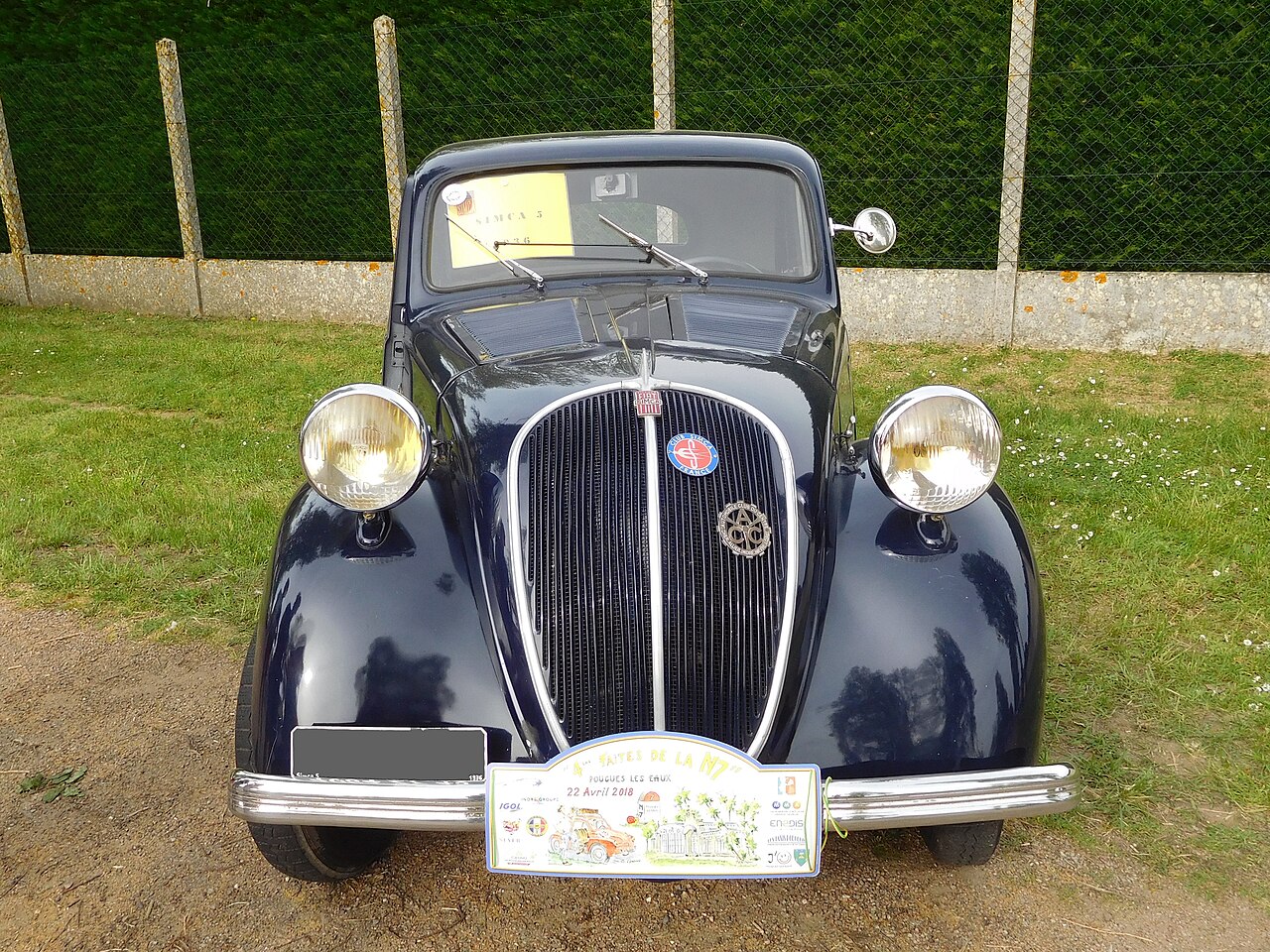
Simca beat Fiat to market by three months with what was essentially Fiat's own Topolino design.
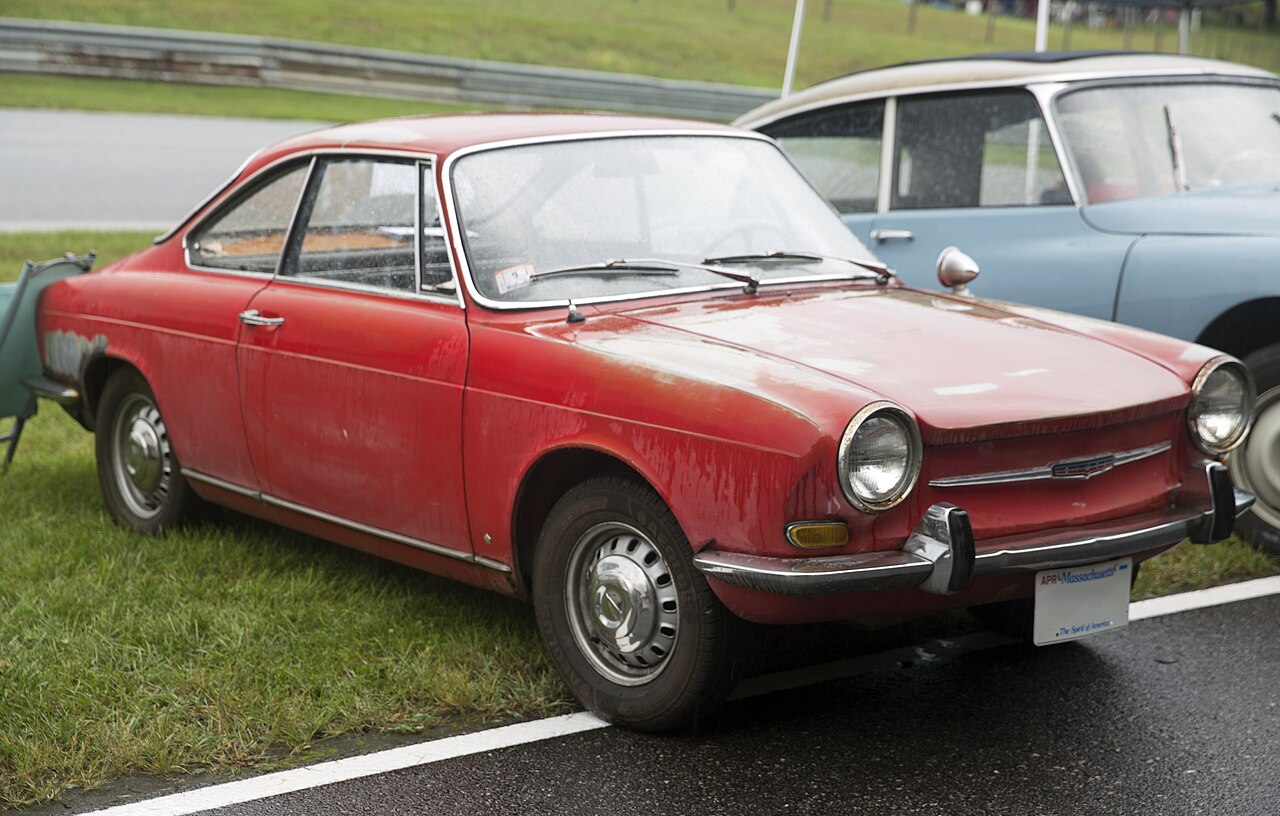
The Simca 1000 began at Fiat: Simca boss Henri Pigozzi picked one of six boxy clay models from Fiat's "Project 122".
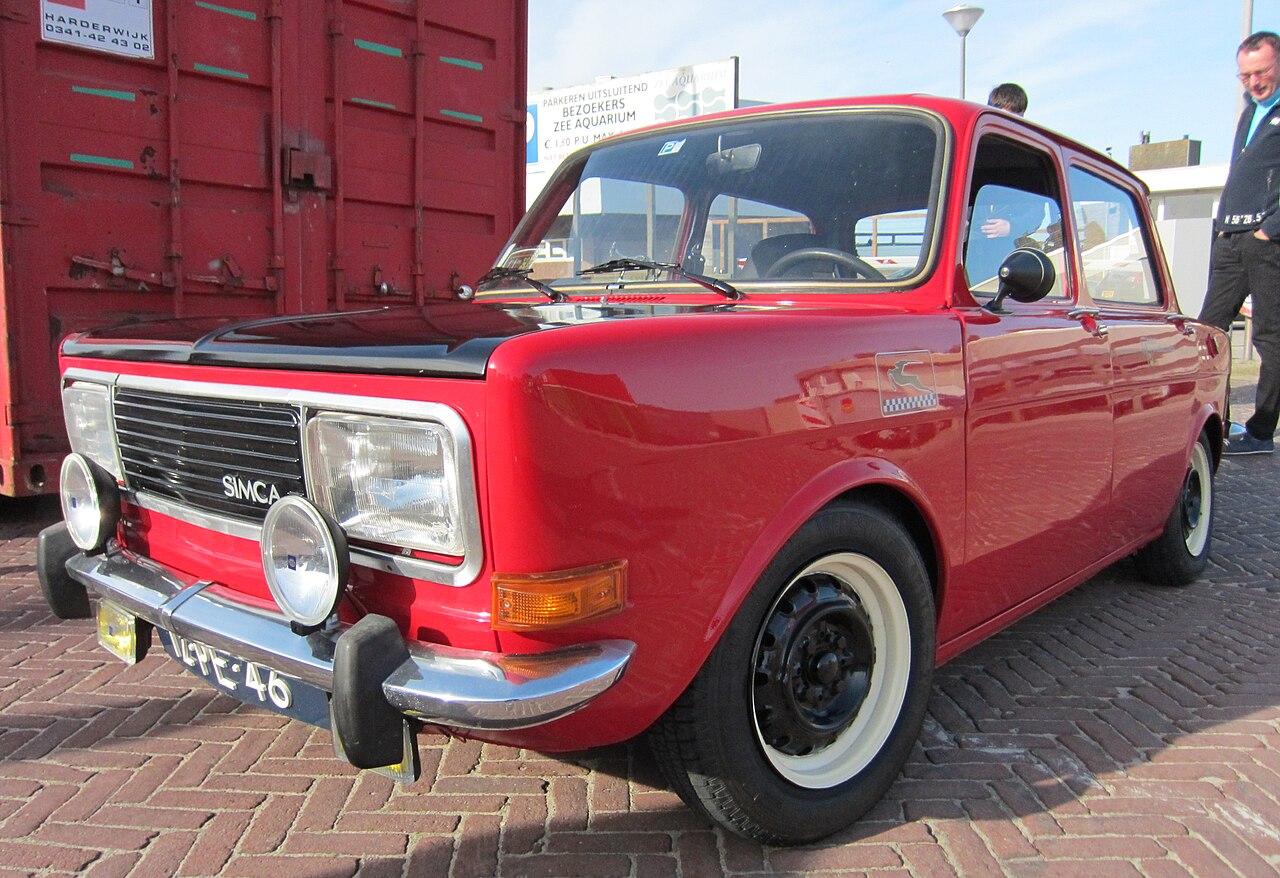
The last Simca 1000 ever built, the 1978 Rallye 3, was also the rarest — just 1,000 were made in the model's final year, a quiet send-off for a car that had sold nearly two million.
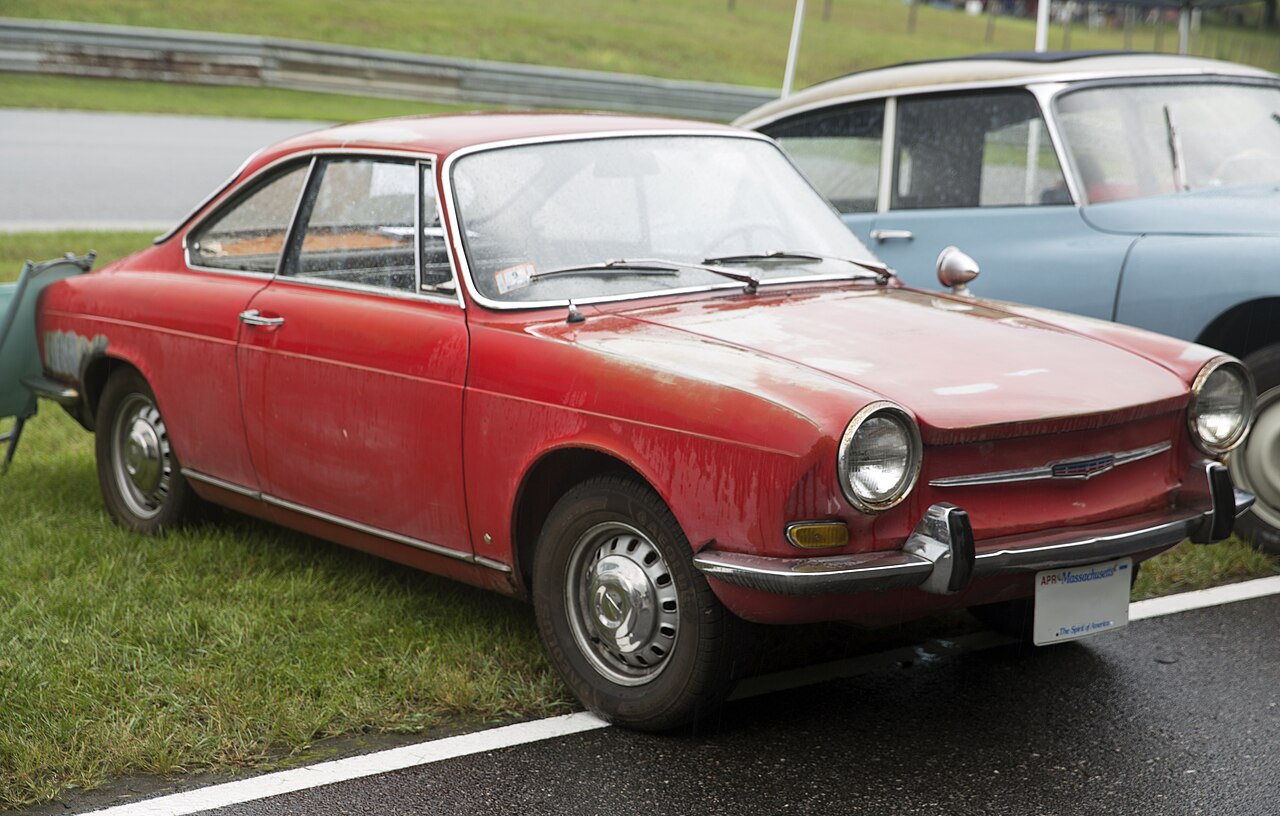
To drum up buzz at launch, Simca briefly swapped 50 of its Paris taxi fleet's Ariane sedans for tiny new 1000s, making the little car a familiar sight on the capital's streets.
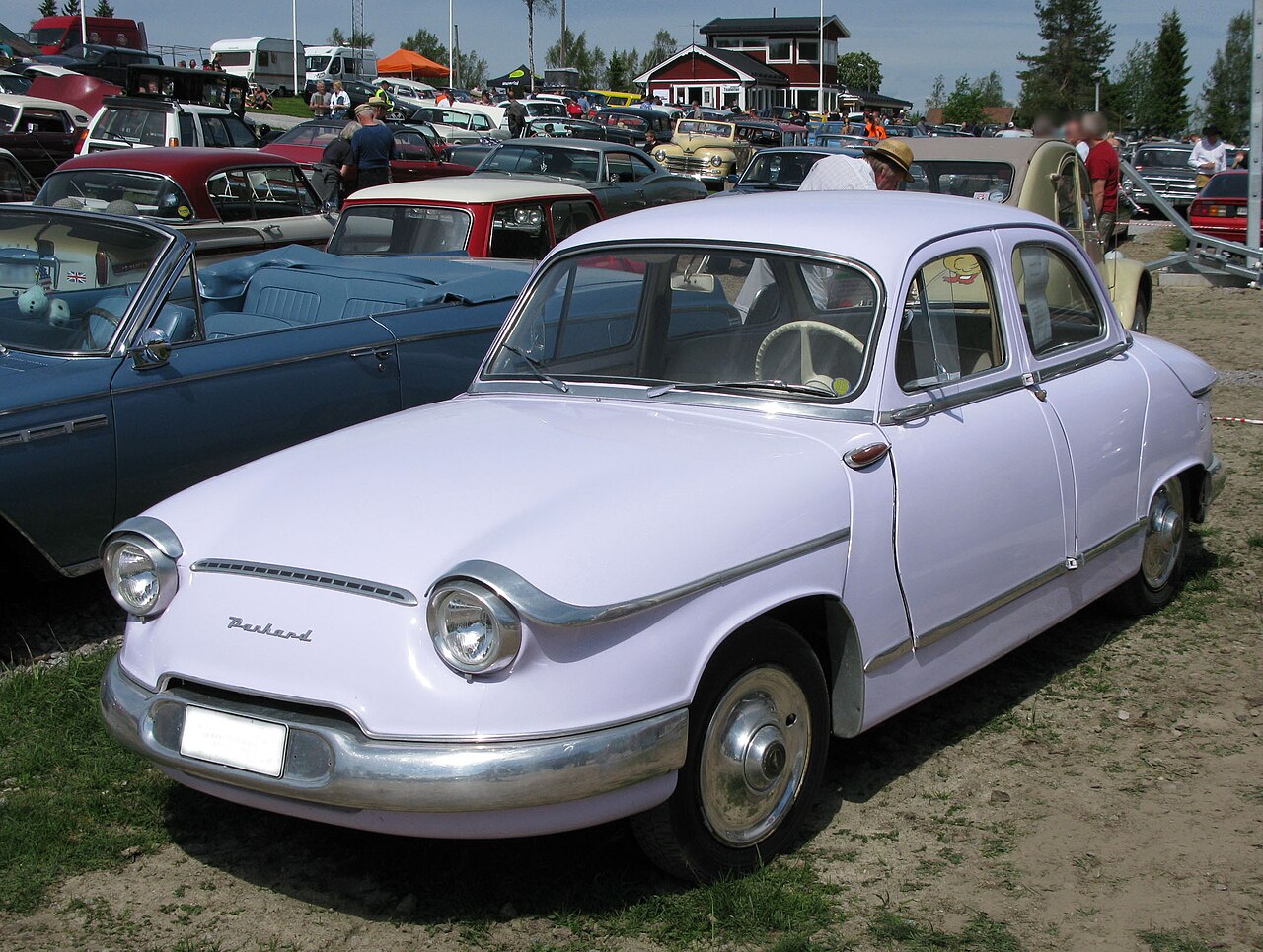
The PL 17's name is a sum: 5 fiscal horsepower, 6 seats, 6 litres per 100 km, kept a digit below the Citroën DS 19's.
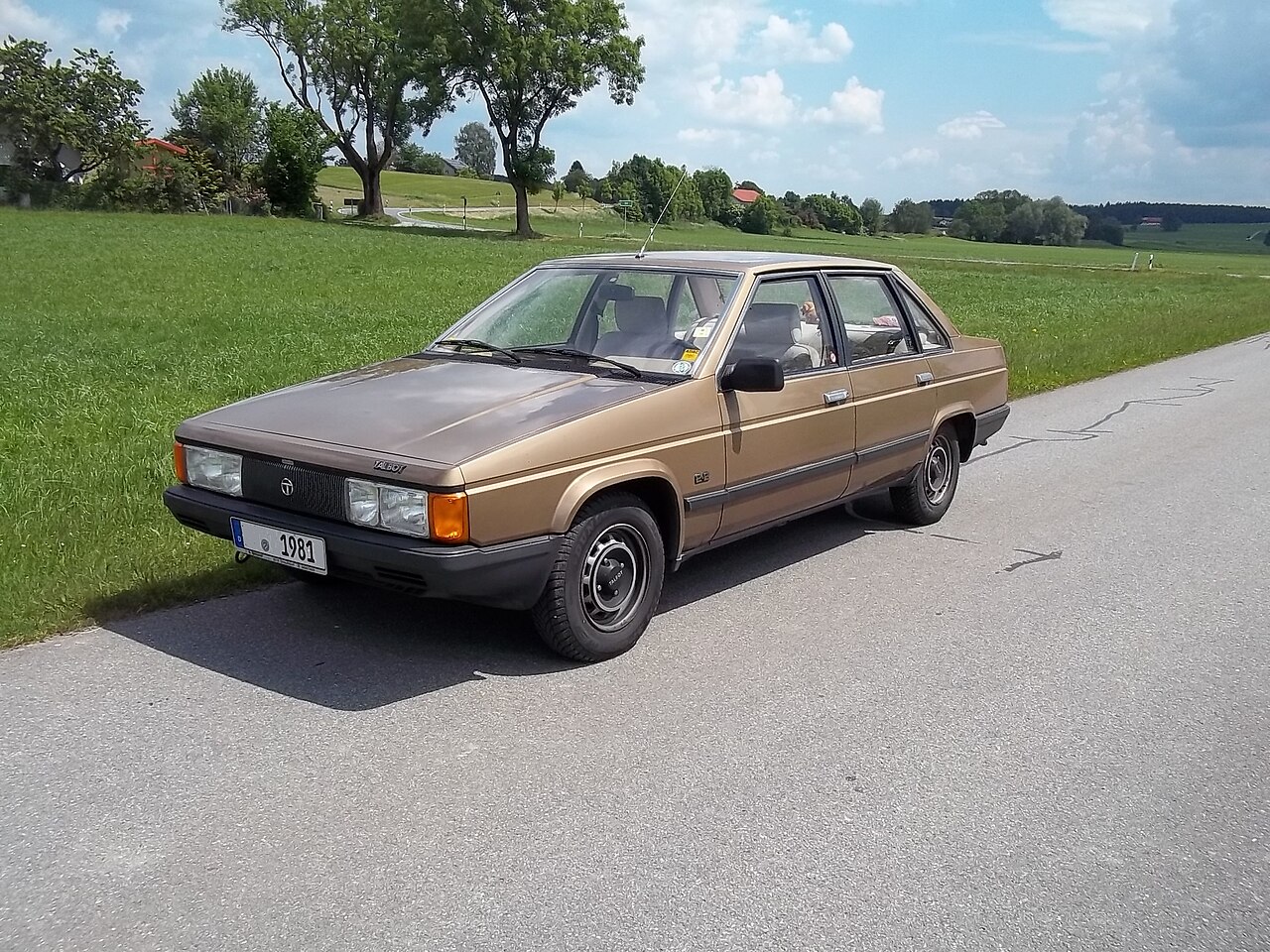
The humble Tagora spawned a one-off concept, the Présidence, decked out with Connolly leather and electronics way ahead of 1981 — a built-in telephone, dictaphone, text-message receiver and a TV with VCR.
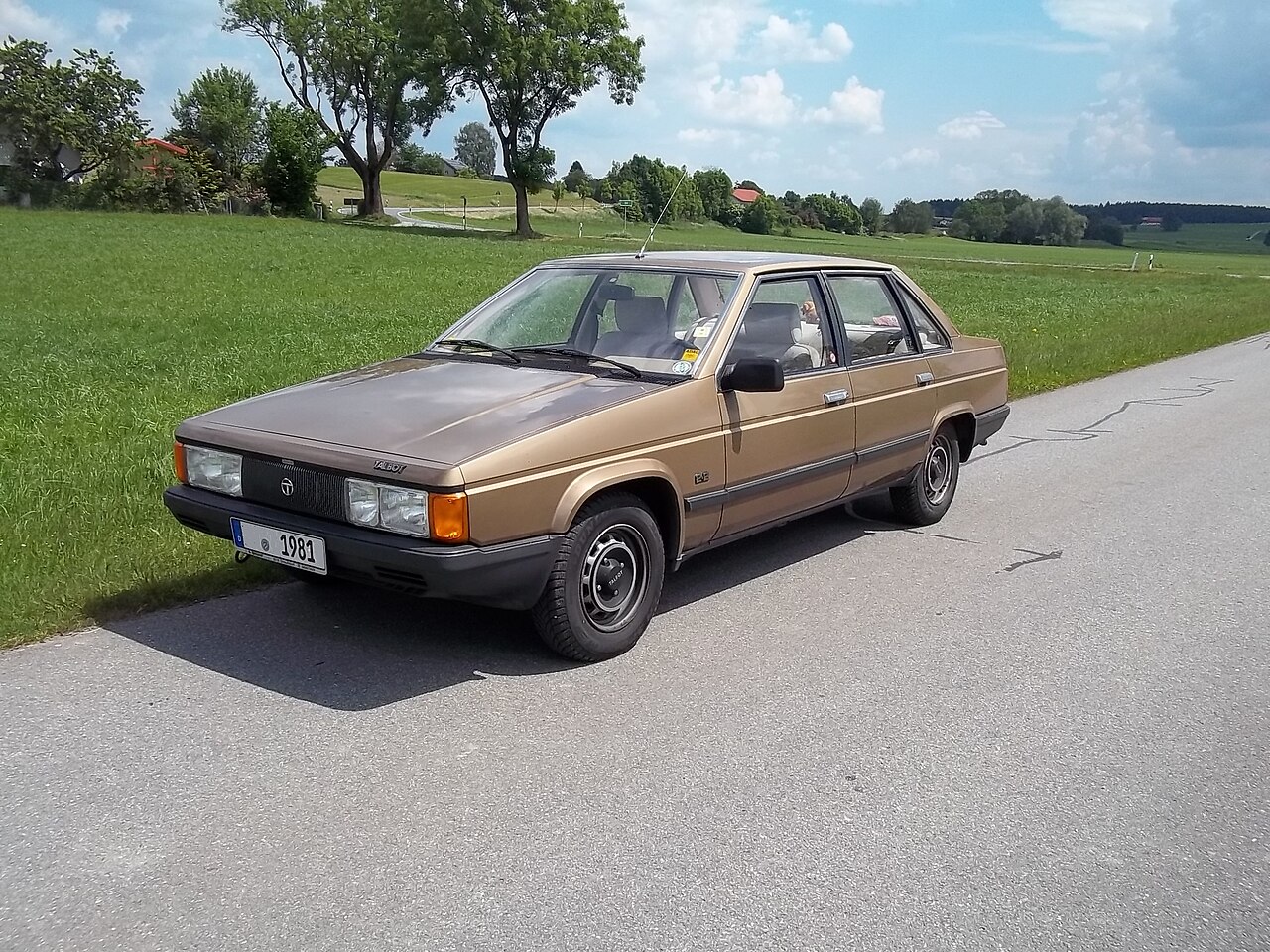
Talbot fed the Tagora's V6 old-fashioned triple carburettors instead of fuel injection — and the extra power briefly made it the most powerful French car on sale. Only 1,083 were ever built.
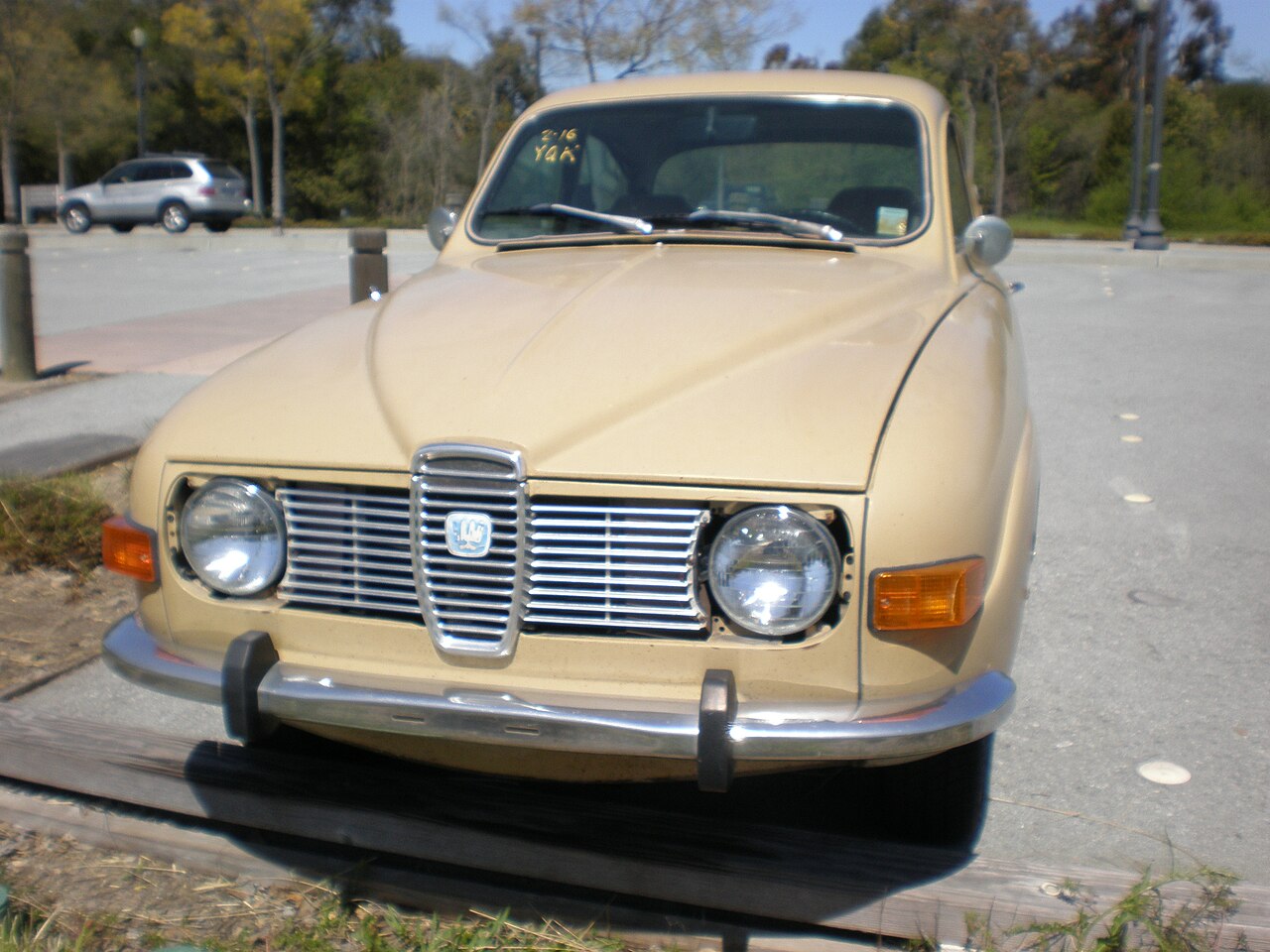
Switching the 96 from a two-stroke to a Ford V4 was such a closely guarded secret that Saab invented a fake company, Maskinverktyg AB, just to buy the new engine's parts without its own purchasing department finding out.