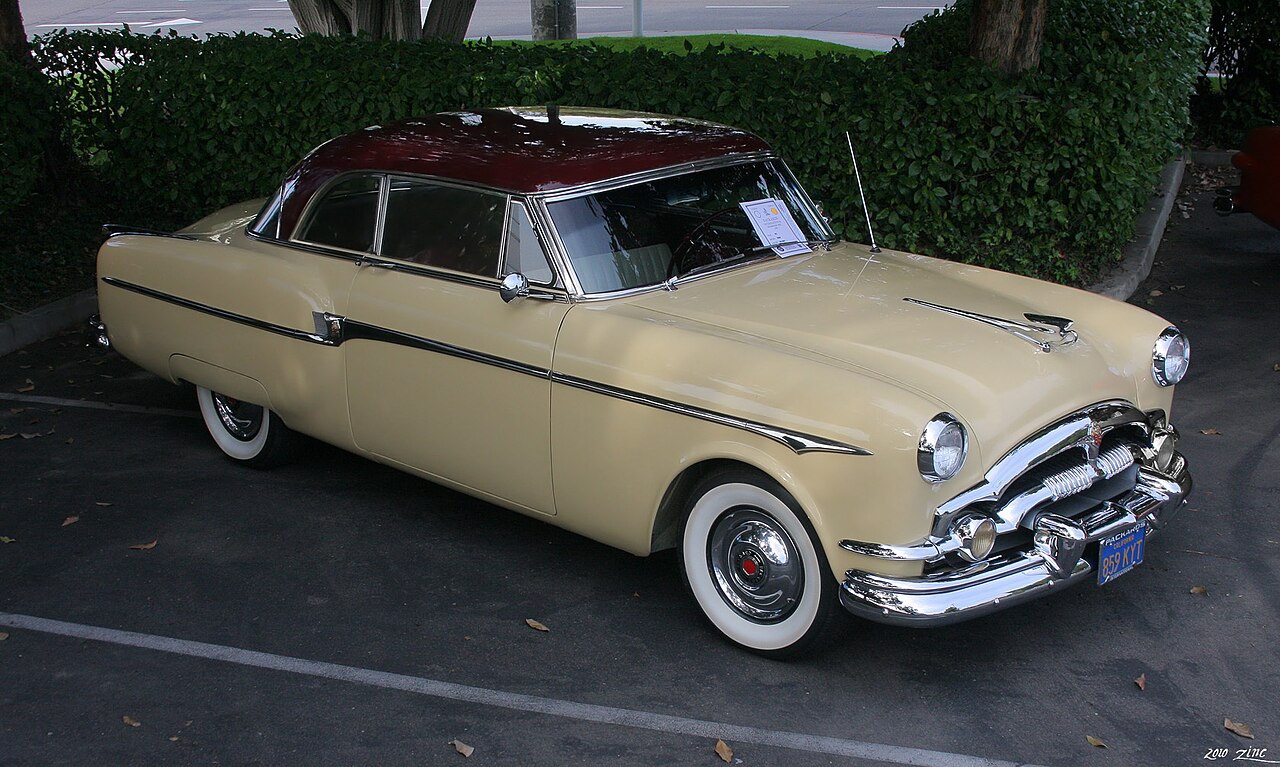
The Packard 250 only existed to fill a gap: when the Victoria convertible was dropped, the 250 line — including the Mayfair hardtop — was rushed out in March 1951 to give Packard a hardtop and convertible again.
Lead trim: Mayfair / 250 327 cu in L-head straight-eight
Packard Mayfair (250)1951–1953
- 0spots by members
- Unclaimednobody has spotted one yet
- 0sets it belongs to
Nobody in Burbles has spotted a Packard Mayfair (250) yet. See one on the street, point the app at it, and the first card is yours — with your @handle permanently credited on this page.
FactThe Packard 250 only existed to fill a gap: when the Victoria convertible was dropped, the 250 line — including the Mayfair hardtop — was rushed out in March 1951 to give Packard a hardtop and convertible again.
The Mayfair name was applied to the 1951–1953 Packard 250 as a hardtop coupe, Packard's first hardtop, built to compete with the Oldsmobile 98 Holiday, Buick Roadmaster Riviera, Lincoln Capri and Chrysler New Yorker Newport; the 250 range was introduced in March 1951 on the 122 in junior wheelbase with the larger 327 cu in (5.4 L) eight and more upscale trim (three jet louvers on each rear quarter), and the same body was also a convertible, with the Mayfair name exclusive to the hardtop (production 4,640 in 1951, 5,201 in 1952, 6,668 in 1953). The Mayfair came with a three-speed manual, with Ultramatic, a four-way power seat, leather upholstery, power steering, Easamatic brakes and power windows extra; the convertible was $3,939 and the hardtop $3,234. It was succeeded in 1954 by the Pacific and, for the convertible, by the Caribbean. The infobox gives 212 hp for this 327, while the Cavalier and Caribbean pages give 185 bhp for the four-barrel 327 and 212 for the 359, so no power is entered. Wheelbase 122 in, length 209.4 in, width 77.8 in, height 62.3 in, curb weight 3,820 lb.
Collectors Spotted in the Packard Mayfair (250) Lineage
No member has published a public street spot of the Packard Mayfair (250) yet — the First · Worldwide stamp is wide open.
Trims & Figures
One published trim in the catalogue. A blank is a figure not recorded, not zero.
| Trim | Years | Engine | Power | Torque | 0–60 | Drive | Gearbox | MSRP |
|---|---|---|---|---|---|---|---|---|
| Mayfair / 250 327 cu in L-head straight-eight | 1951–1953 | 5.4 L Inline-8 | 212 hp | — | — | RWD | — | — |
Owning one
We don’t estimate running costs for a car like this. What it costs depends on its condition, its specialist and how it is driven, and an average would mislead.
Owners’ builds
Nobody has claimed one yet.
Photographs
Rivals
Same body, same money, other badges — tap any card to flip.
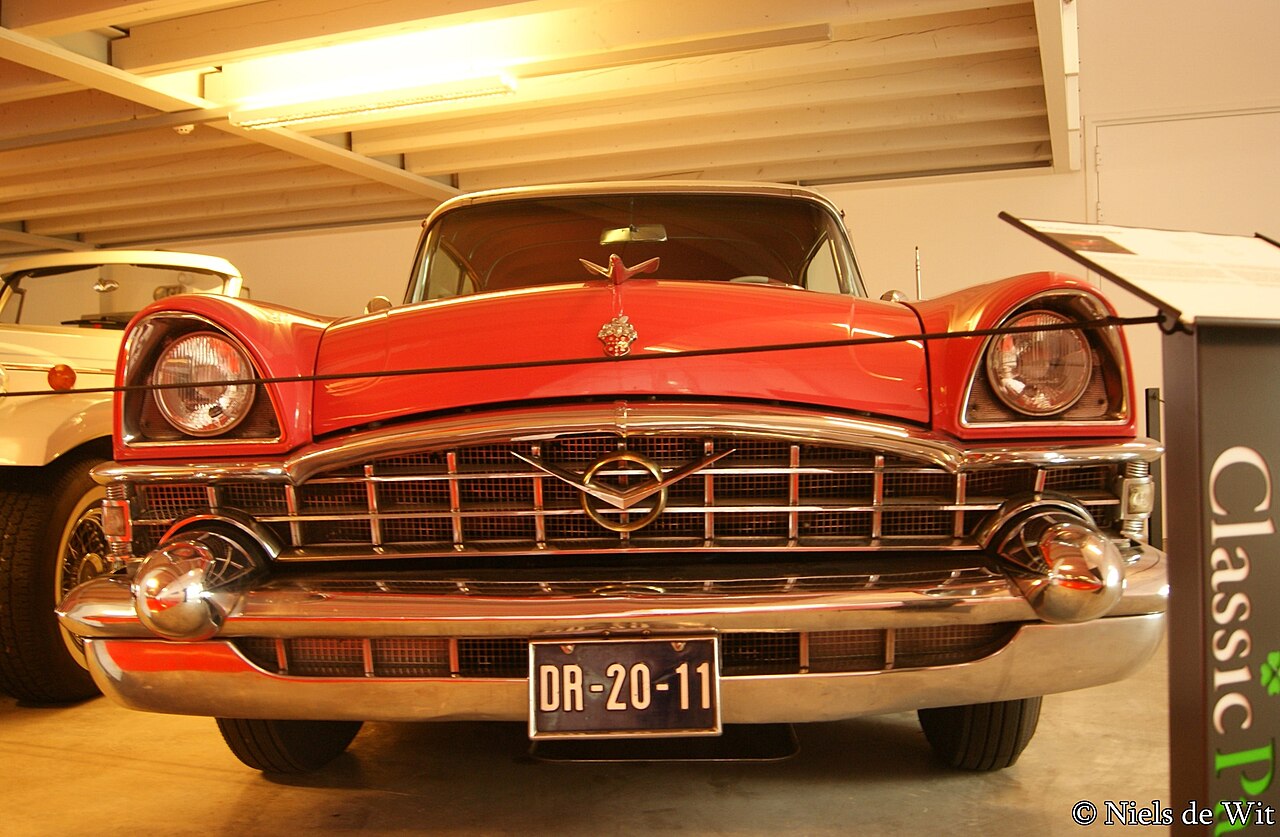
Packard had killed off the '400' name back in 1953 — then brought it back from the dead in 1955, slapping it on a new senior-range two-door hardtop.
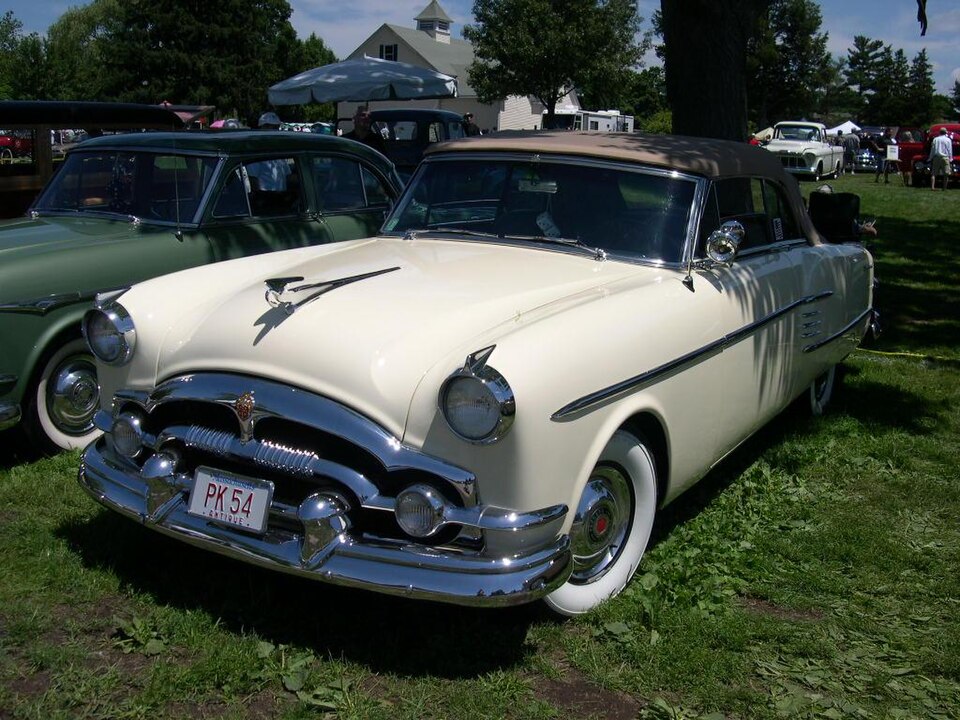
Packard's Pacific hardtop had no folding roof at all — but its headliner was deliberately lined with chrome strips designed purely to make riders think they were in a convertible.
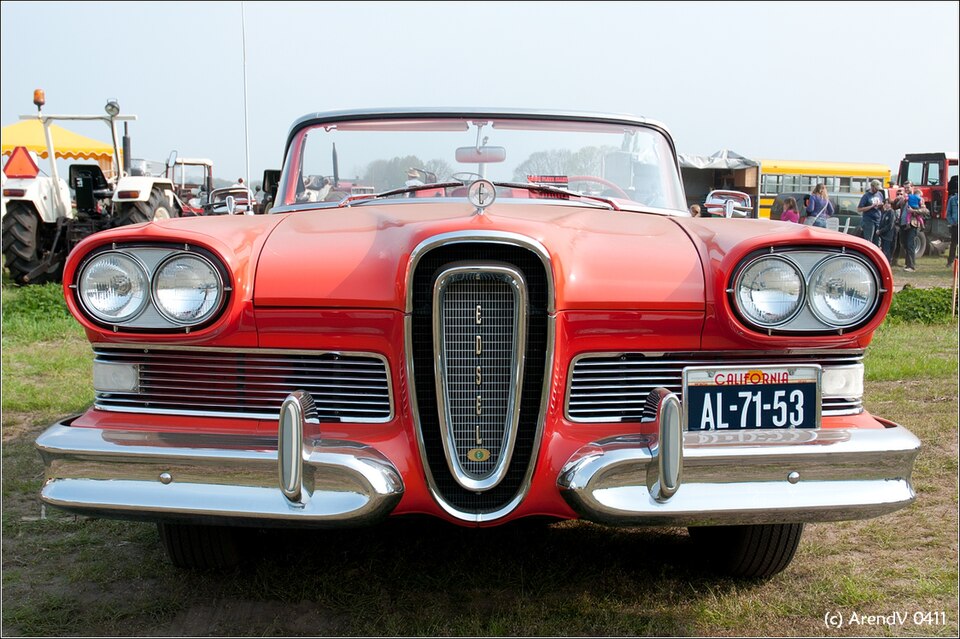
The Corsair's pushbutton Teletouch transmission put its gear buttons right in the steering wheel hub — exactly where drivers reached for the horn.
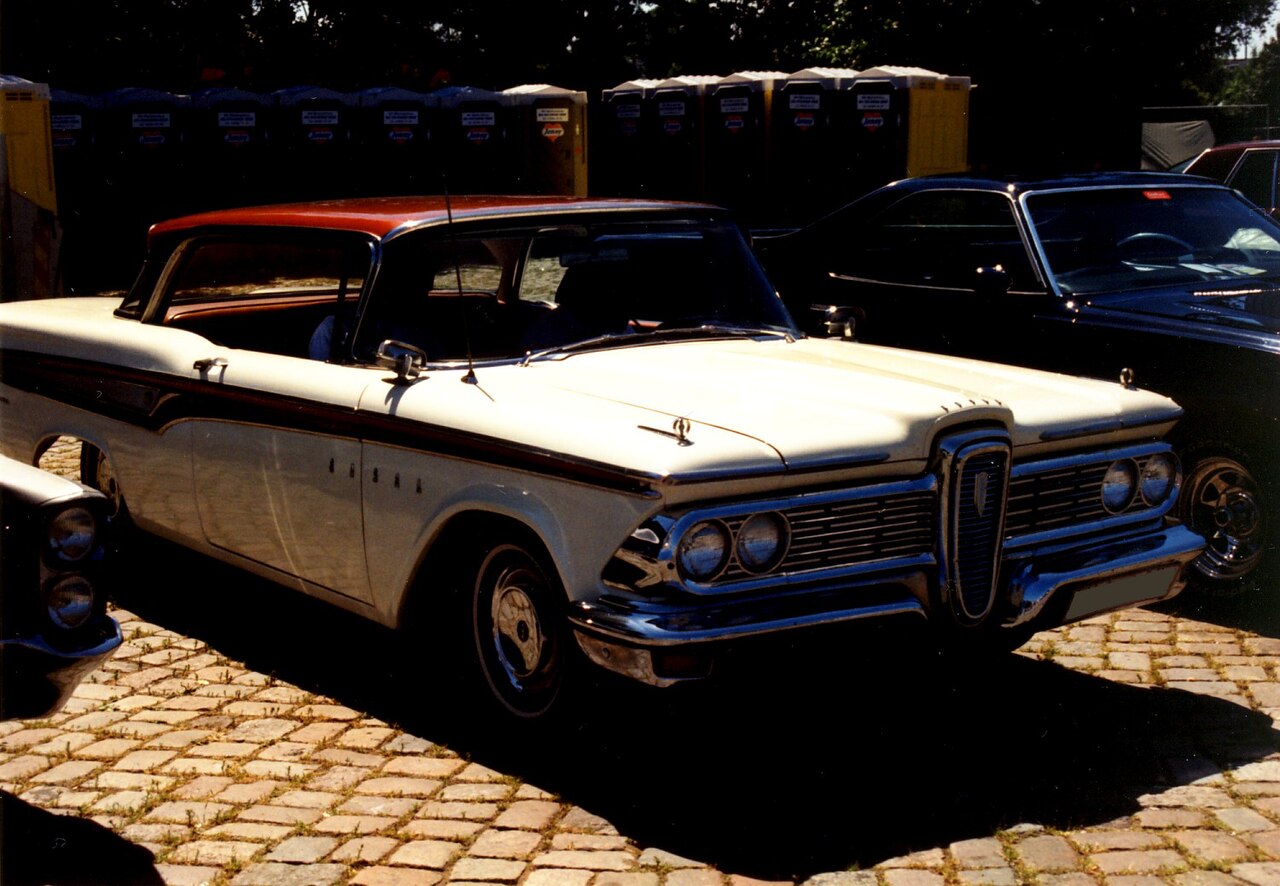
For 1959, the Corsair got bumped to the top of the Edsel range overnight, inheriting the flagship spot after Ford quietly killed off the pricier Citation.
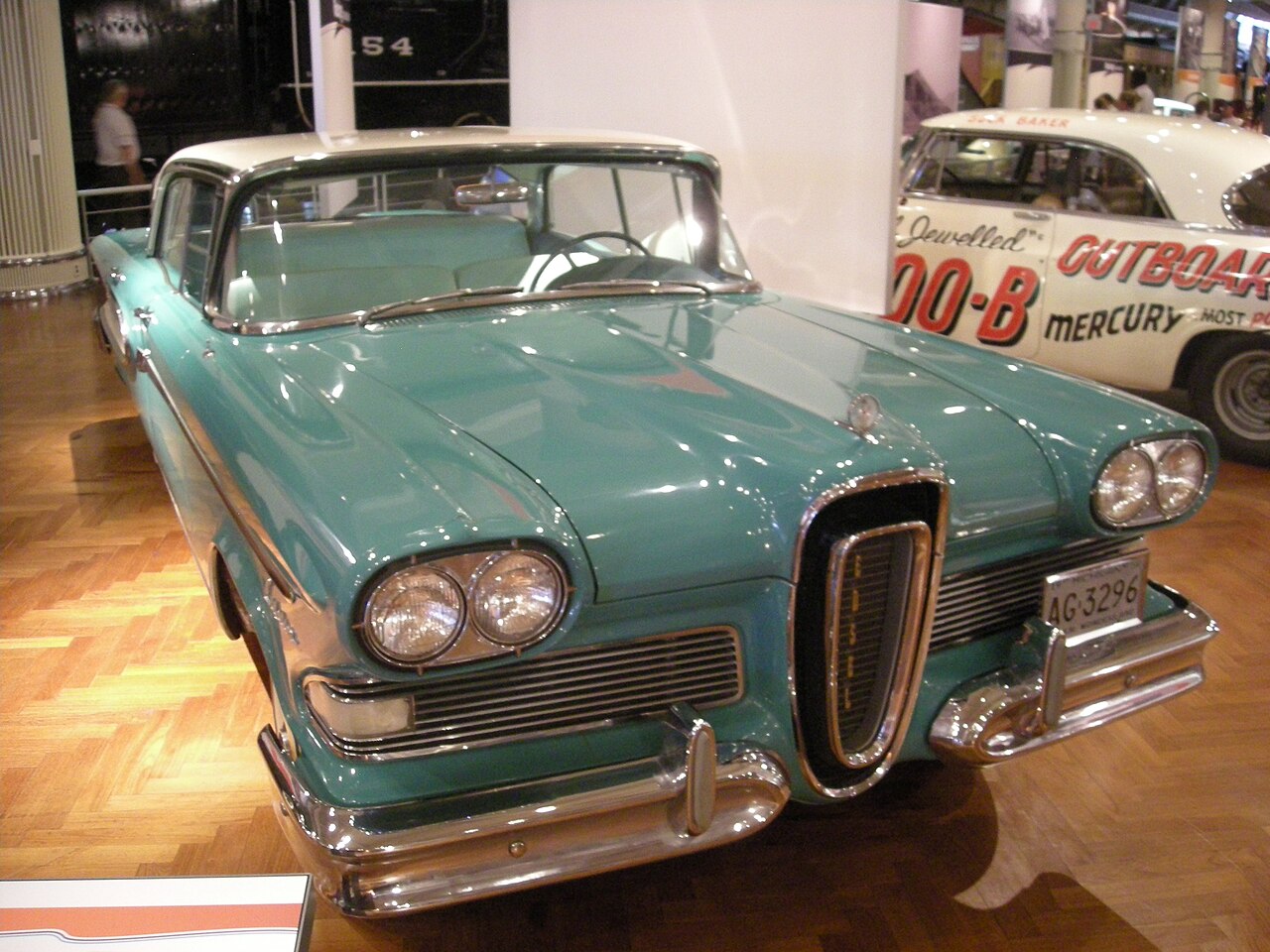
Ford gave the doomed Edsel one genuinely odd party trick — an options-list 'Edsel Lubricator' that greased the chassis at the push of a dashboard button, as long as you remembered to top up its reservoir.
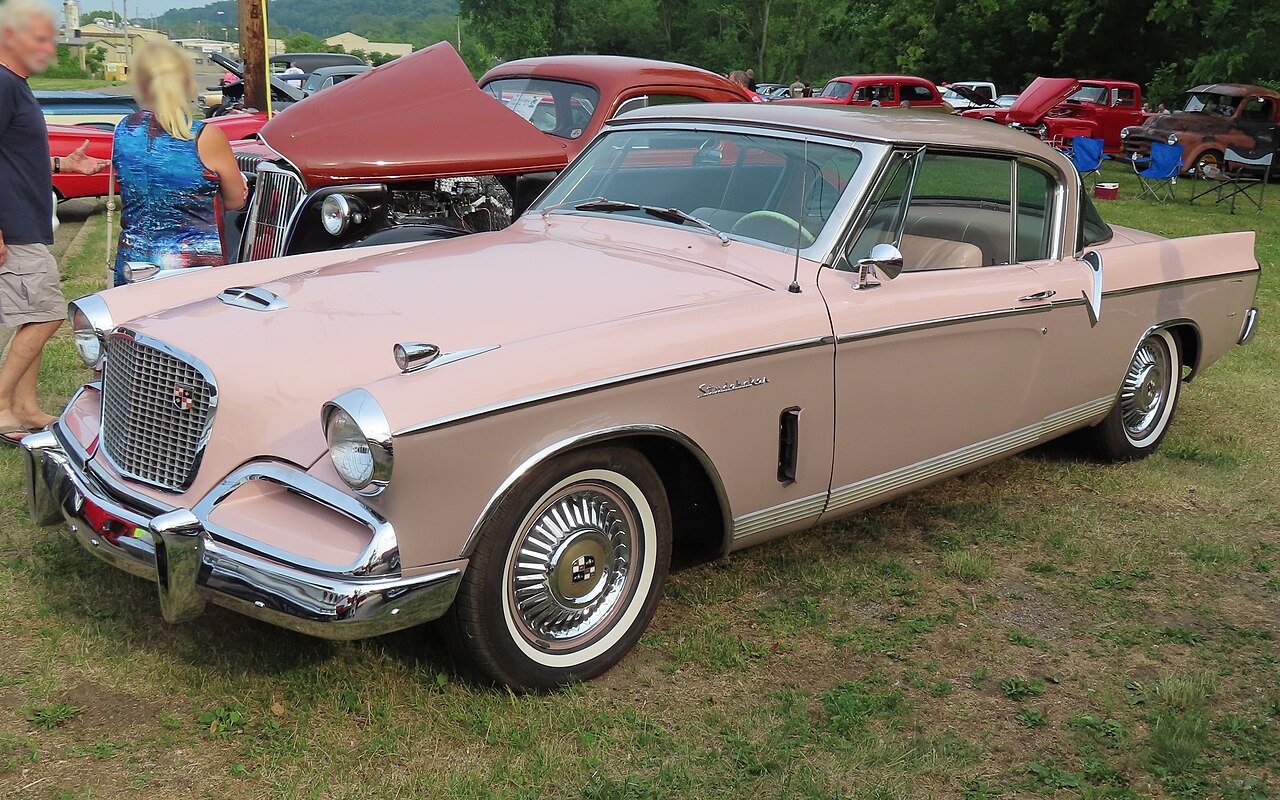
A Packard-engined Golden Hawk ran the Mille Miglia, the last car styled under Raymond Loewy's studio before the Avanti.
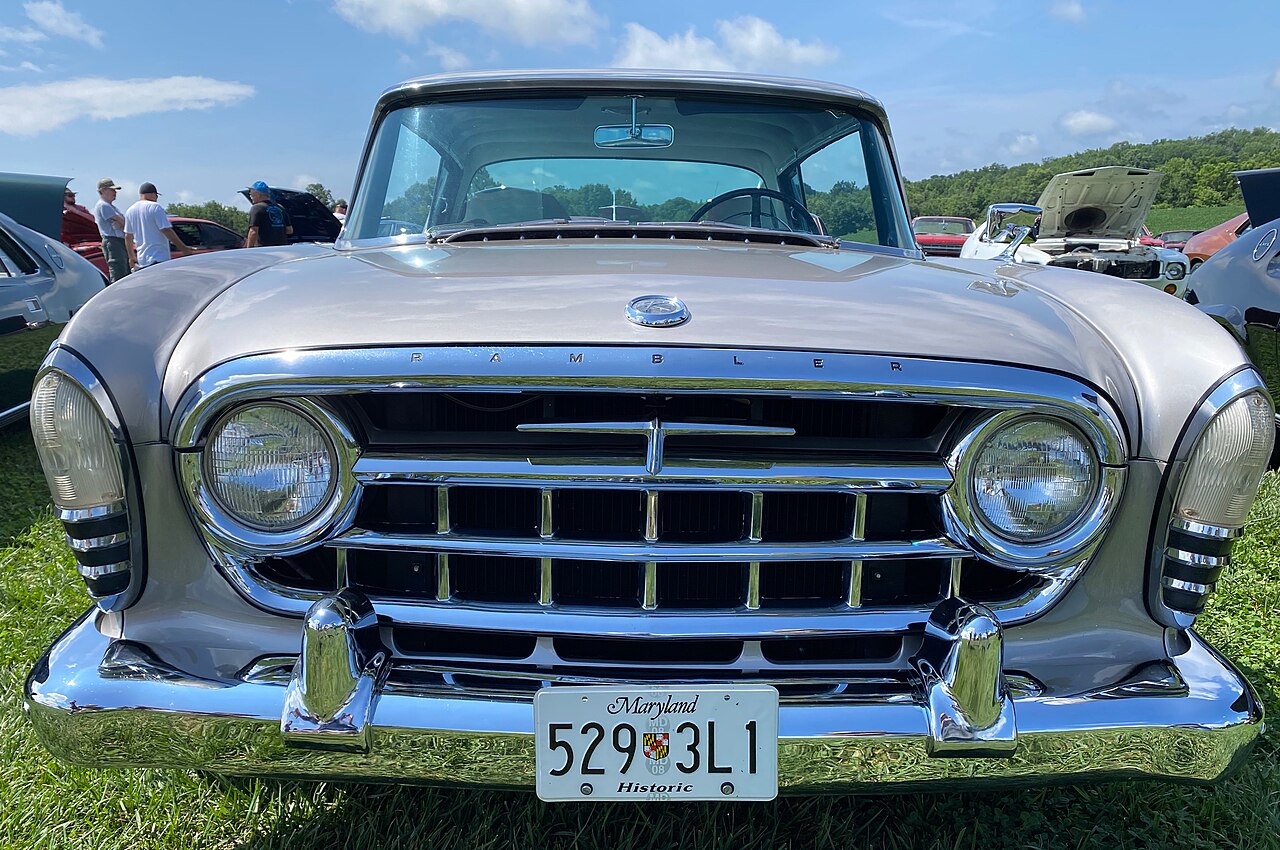
AMC announced a 288-hp fuel-injected Rebel option, then never sold one; every production car got a four-barrel carburetor instead.
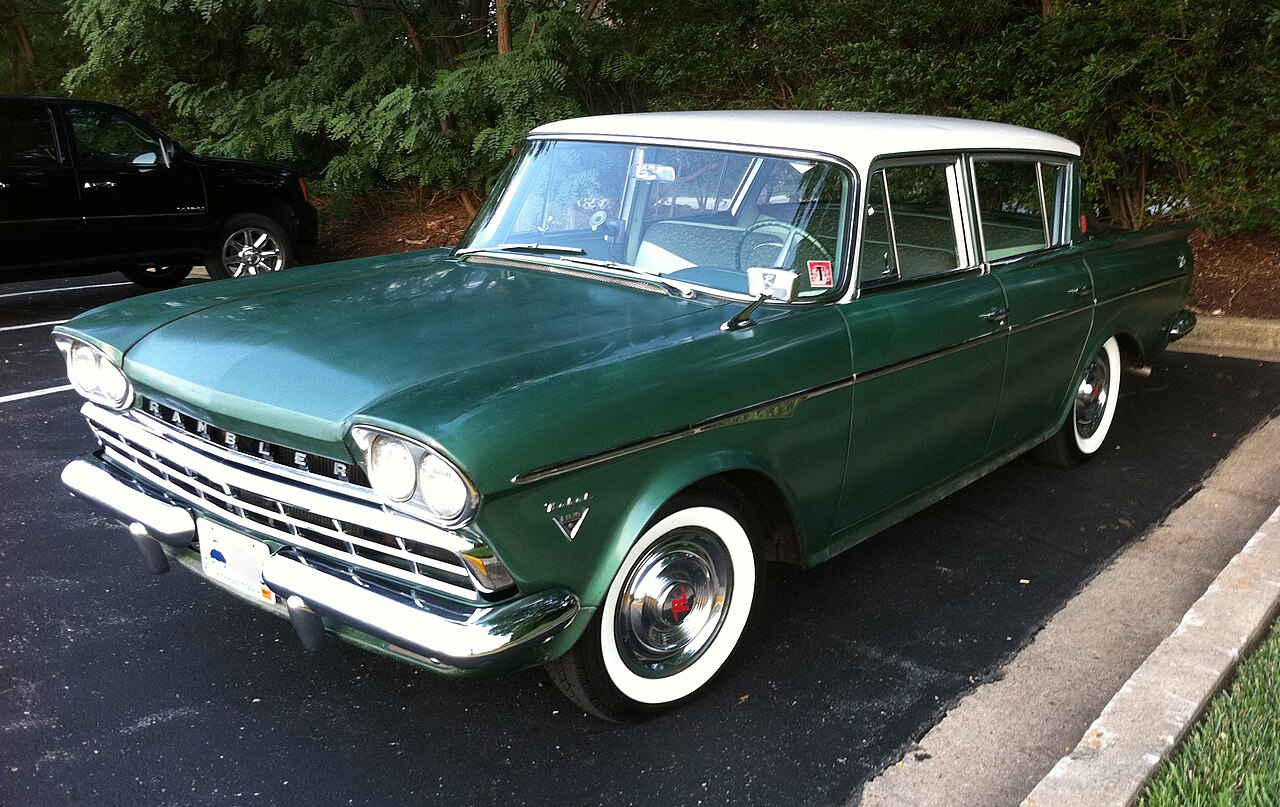
For 1960 AMC quietly dropped the Rebel name from marketing altogether, calling it simply the Rambler V8 engine option.