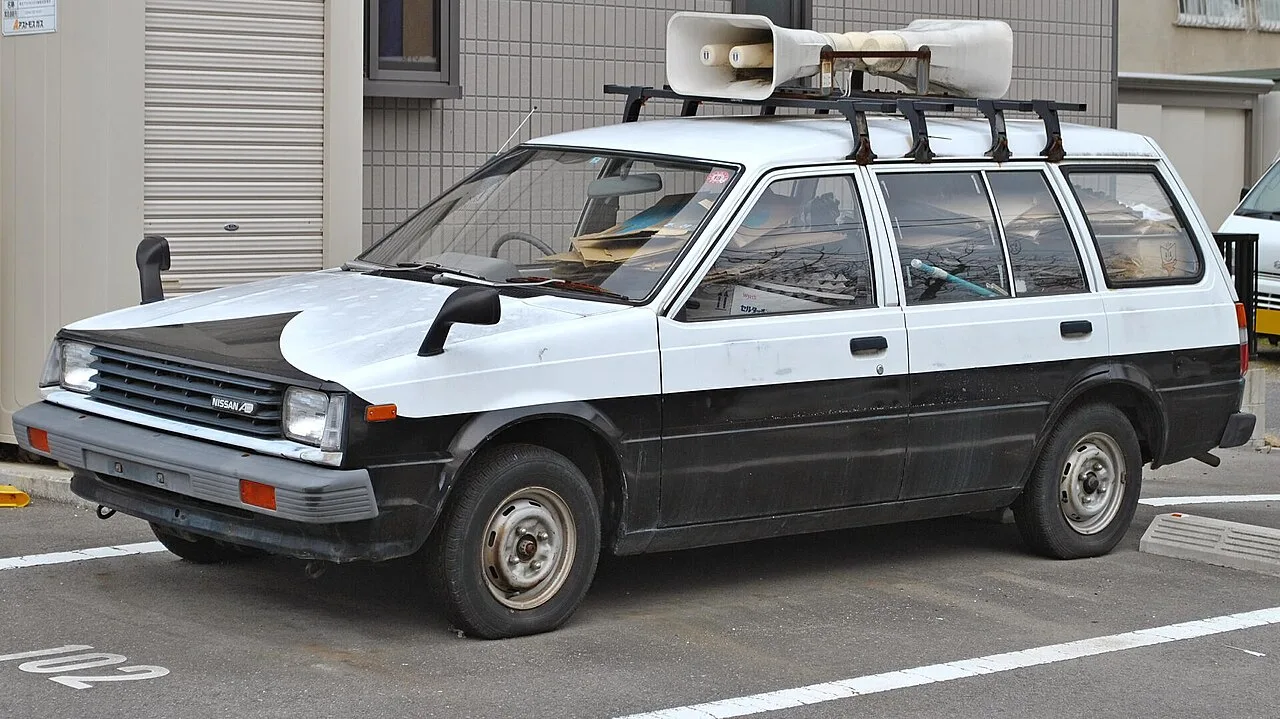
One van did the work of three — within a year of its 1982 debut, this AD Van had replaced Nissan's separate Cedric van, Gloria van, and Sunny van, folding three commercial van lines into one.
Lead trim: AD Van 1.3 E13S (75 PS) · up to 84 hp
Nissan AD Van VB11VB11 · 1982–1990
- 0spots by members
- Unclaimednobody has spotted one yet
- 0sets it belongs to
Nobody in Burbles has spotted a Nissan AD Van VB11 yet. See one on the street, point the app at it, and the first card is yours — with your @handle permanently credited on this page.
FactOne van did the work of three — within a year of its 1982 debut, this AD Van had replaced Nissan's separate Cedric van, Gloria van, and Sunny van, folding three commercial van lines into one.
The AD Van appeared in October 1982 to supplement, and gradually replace, the commercial delivery vans based on Nissan's other cars; the Cedric and Gloria vans were dropped in 1983. Built at Zama on the B11-series Sunny wagon with a more square-rigged, utilitarian look, it originally had four front doors and a liftback and gained a two-door version in July 1983, which finally retired the B310 Sunny Van. In Japan it was sold as the Sunny AD Van at Nissan Satio Store and the Pulsar AD Van at Nissan Cherry Store, and also as the "Nissan Datsun AD Van" to tie it to the Datsun pickup. It had three engines (carburetted 1.3 and 1.5-litre petrol E13S and E15S and the CD17 diesel), rated in Japan for 1984 at 75, 85 and 61 PS, with four- or five-speed manuals and a three-speed automatic for the bigger petrol; the rear suspension was a simple leaf-spring setup designed for commercial use, prioritising low cost, light weight and a flat, low loading floor. It was sold as the Nissan Sunny in some European markets (the UK's three-door panel van had the 60 hp 1.3 and a 505 kg payload) and in Australia as the Pulsar panel van from September 1983 to December 1985 (840 kg, 540 kg payload).
Collectors Spotted in the Nissan AD Lineage
No member has published a public street spot of the Nissan AD yet — the First · Worldwide stamp is wide open.
Trims & Figures
3 published trims in the catalogue. A blank is a figure not recorded, not zero.
| Trim | Years | Engine | Power | Torque | 0–60 | Drive | Gearbox | MSRP |
|---|---|---|---|---|---|---|---|---|
| AD Van 1.3 E13S (75 PS) | 1982–1990 | 1.3 L Inline-4 | 74 hp | 77 lb-ft | — | FWD | — | — |
| AD Van 1.5 E15S (85 PS) | 1982–1990 | 1.5 L Inline-4 | 84 hp | 89 lb-ft | — | FWD | — | — |
| AD Van 1.7 CD17 diesel (61 PS) | 1982–1990 | 1.7 L Inline-4 | 60 hp | 77 lb-ft | — | FWD | — | — |
Owning one
We don’t estimate running costs for a car like this. What it costs depends on its condition, its specialist and how it is driven, and an average would mislead.
Owners’ builds
Nobody has claimed one yet.
Photographs
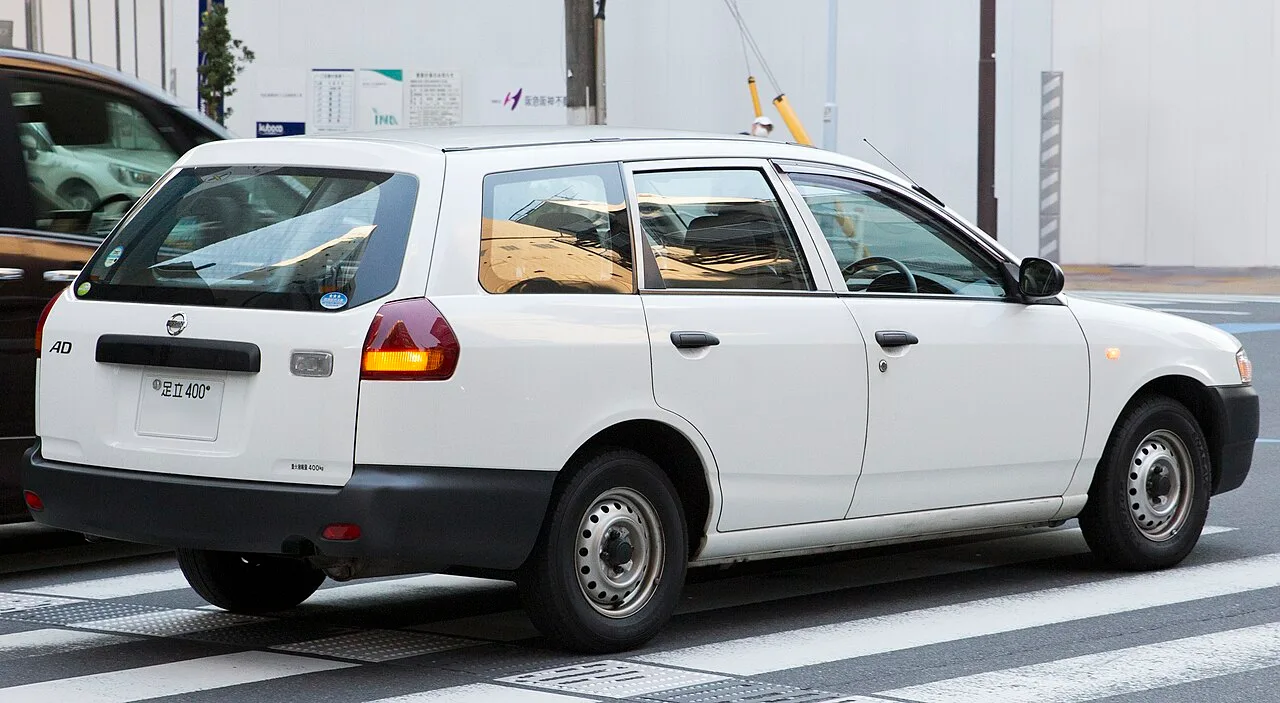
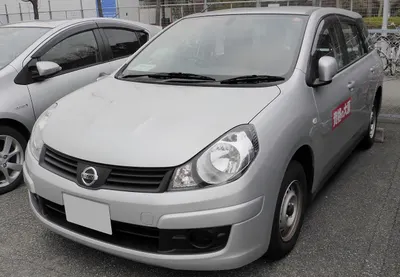
Your Nissan AD cargo van and a Livina wagon across Asia are closer kin than badges suggest — this Y12 shares body hardpoints, engines and suspension with the Euro/Japan Nissan Note hatchback.
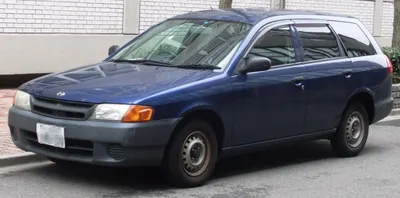
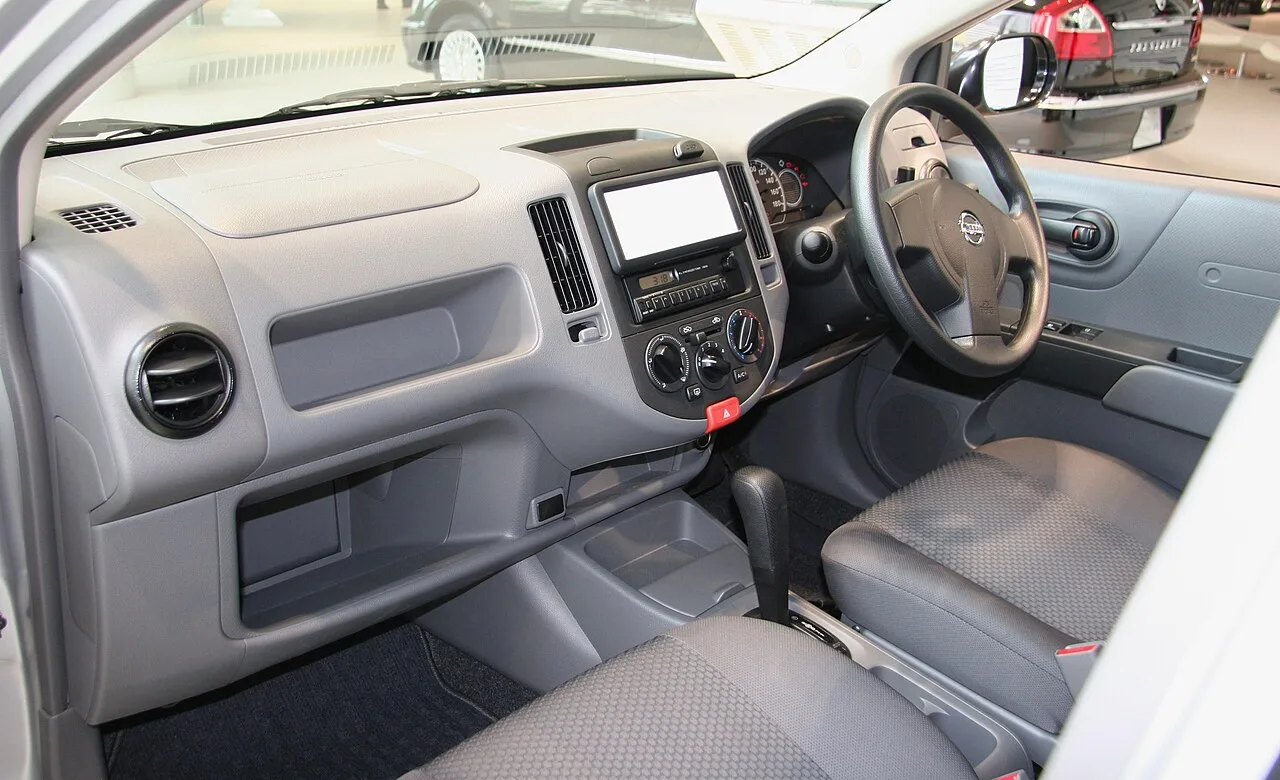
The Y11 Wingroad's top "G Extra" trim packed an odd luxury for a humble Japanese wagon: an optional TV screen that folded down from the ceiling for rear passengers.
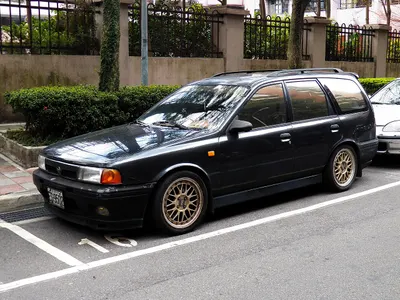
The 1992 AD Max was a wagon with a raised cargo bay and actual French doors on the back — an idea so unusual only one other carmaker, Suzuki, ever tried it.
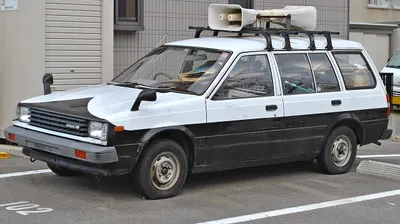
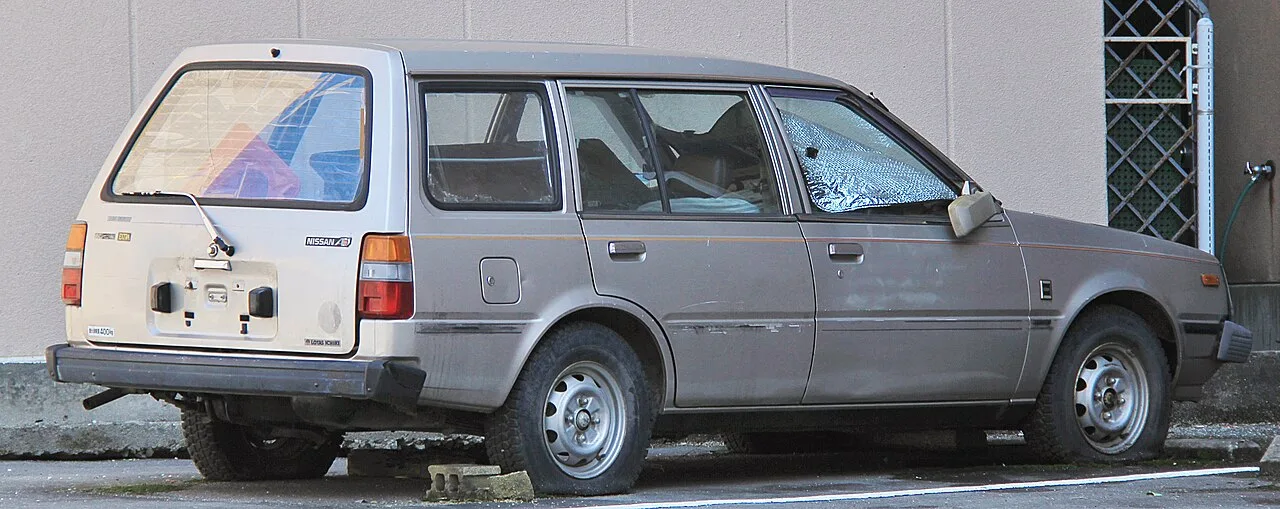
One van did the work of three — within a year of its 1982 debut, this AD Van had replaced Nissan's separate Cedric van, Gloria van, and Sunny van, folding three commercial van lines into one.
Rivals
Same body, same money, other badges — tap any card to flip.
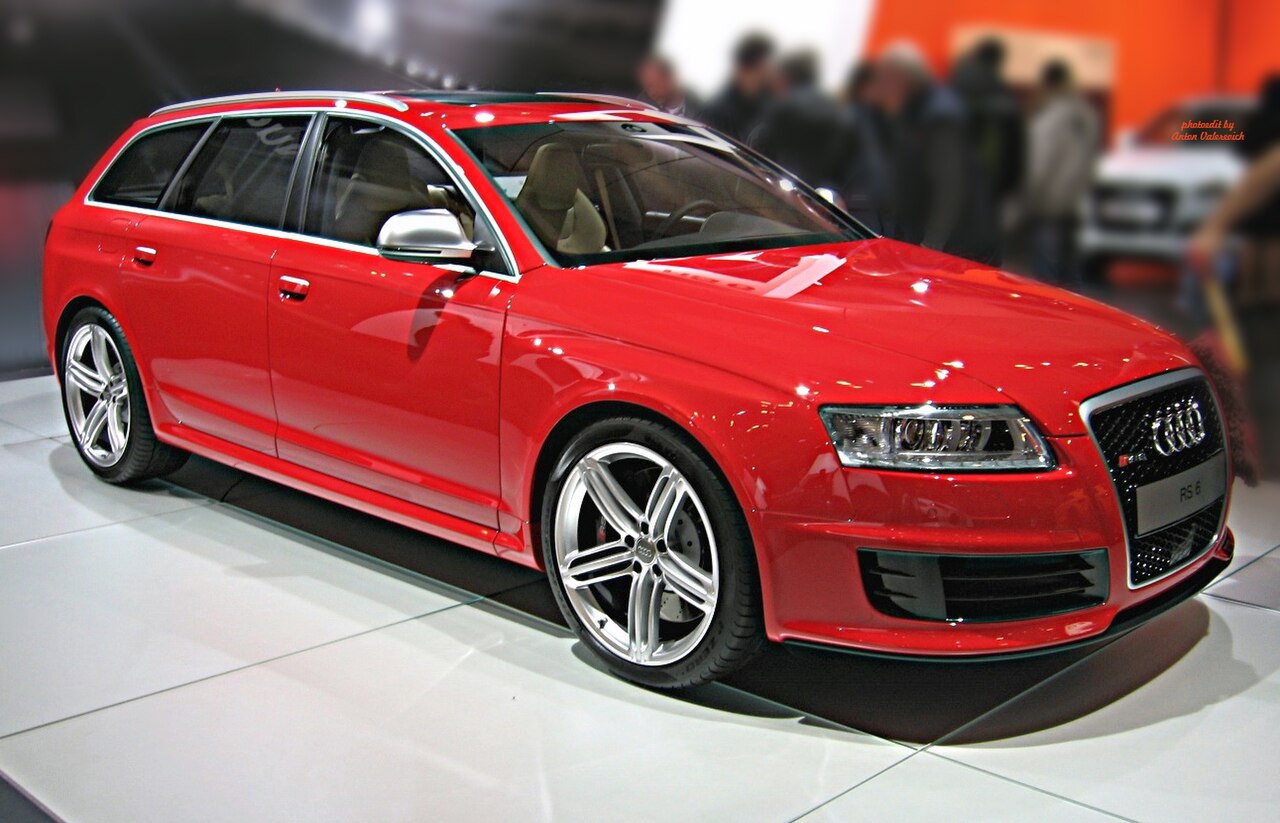
Cooling the C6 RS6’s twin-turbo V10 took seven separate radiators and four electric fans under the bonnet.
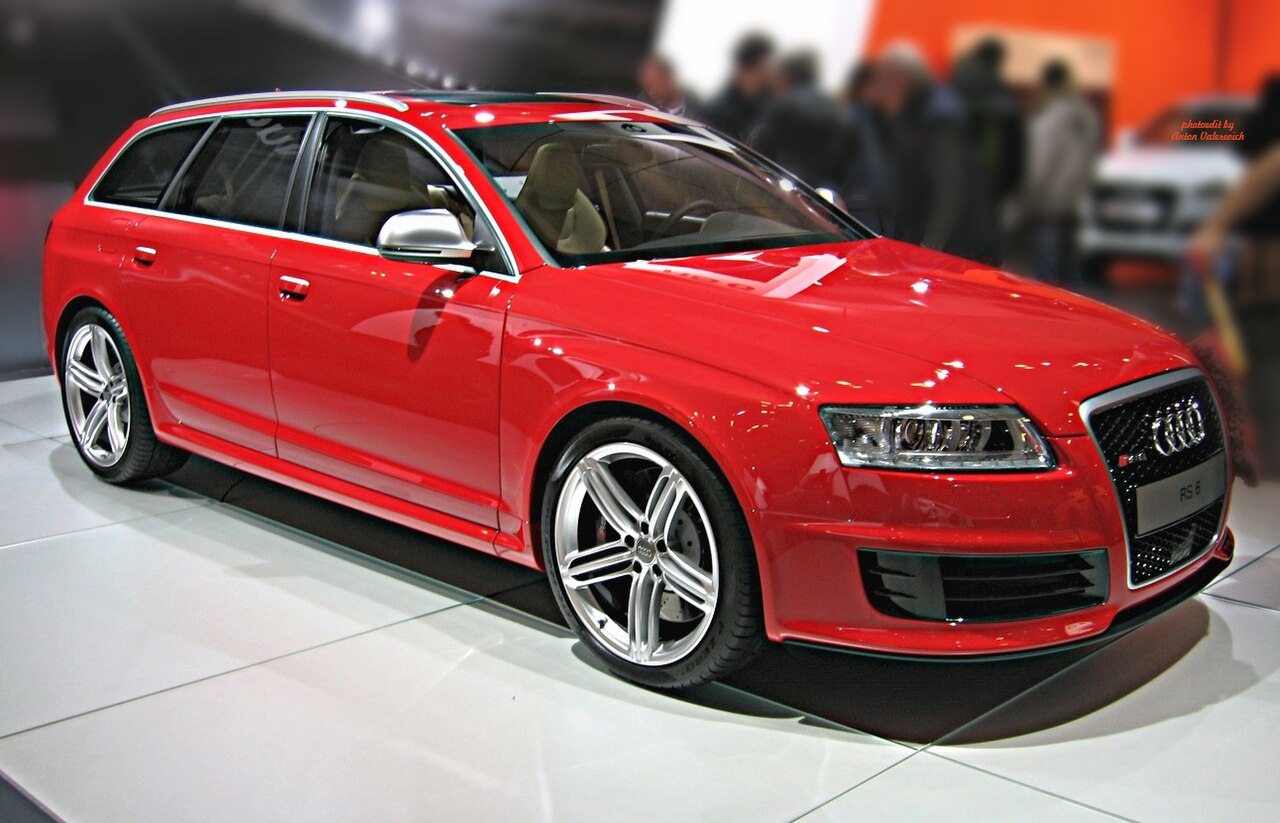
The original RS6 debuted Audi's clever hydraulic Dynamic Ride Control suspension — and enough owners got tired of its leaking dampers that they ripped the whole system out for plain coilovers.
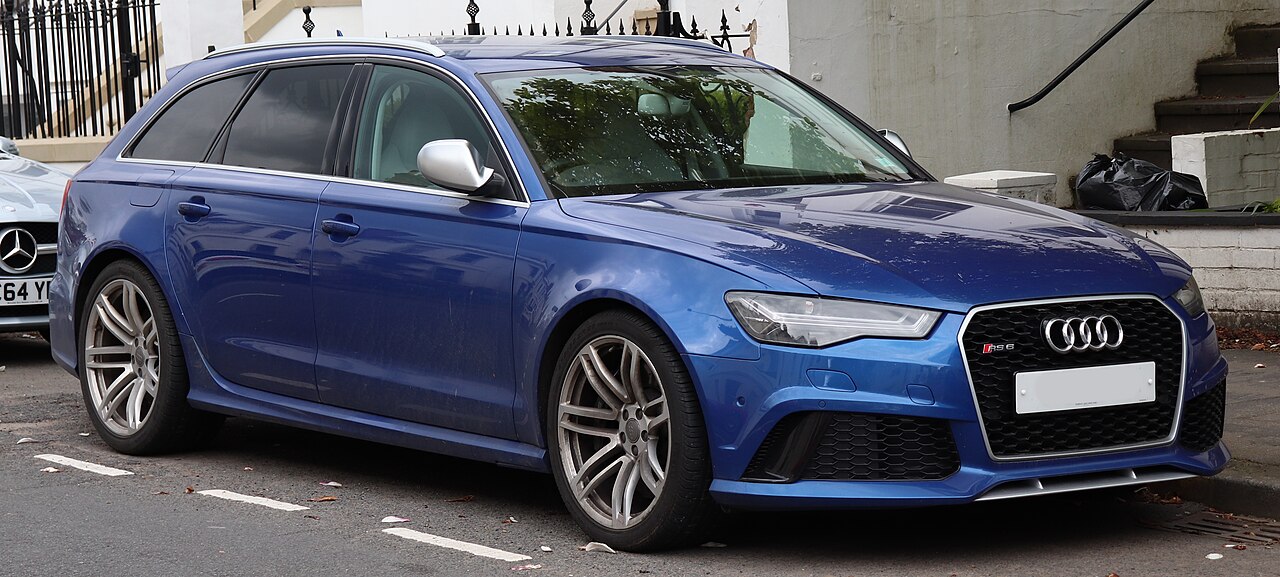
The C7-generation RS6 Avant never officially reached America at all — buyers there got the RS7 Sportback instead, running the exact same engine and platform in a different body.
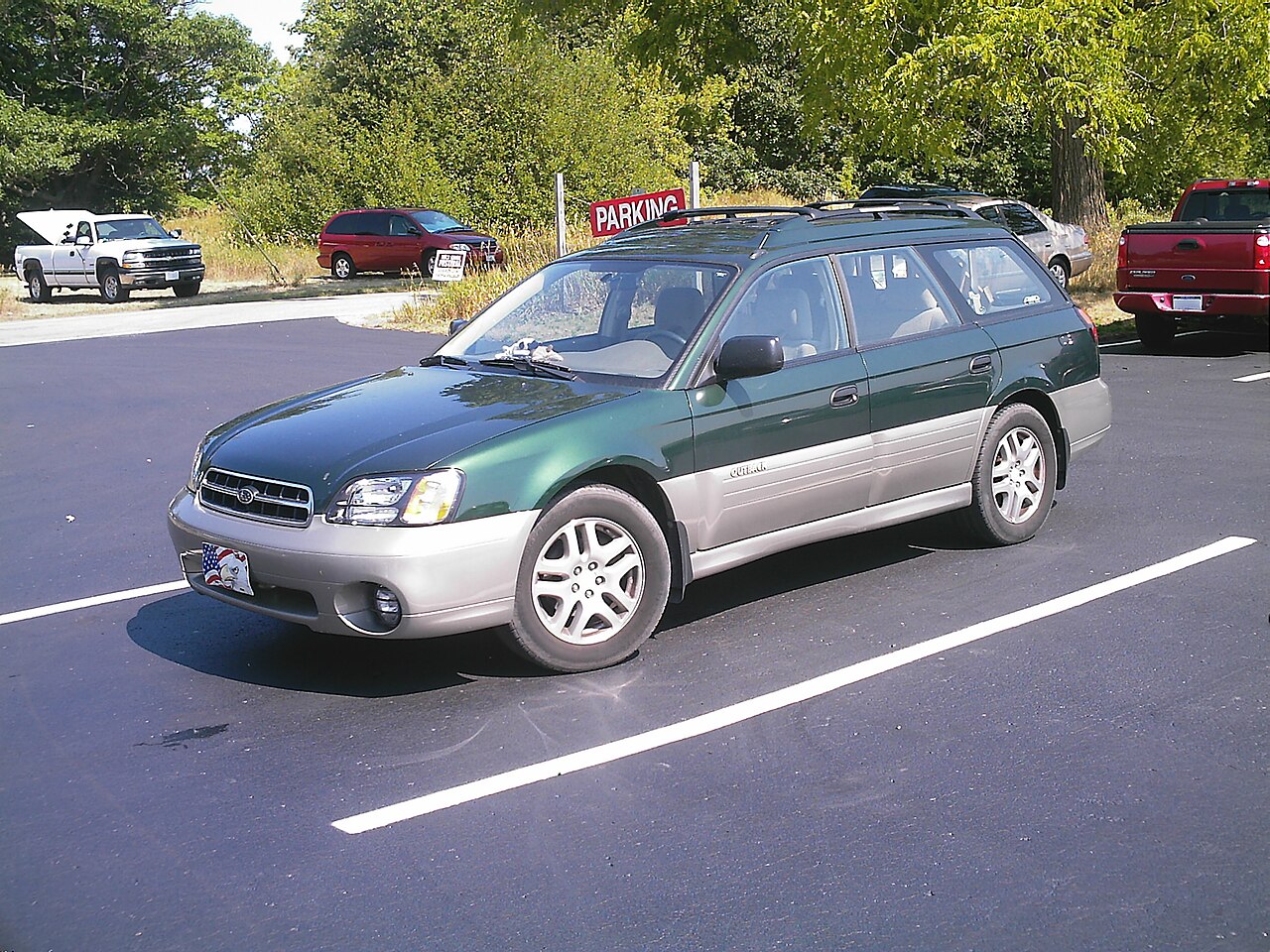
For a few years, this Outback's six-cylinder trim came with genuine McIntosh audio — the same esteemed hi-fi name found in home theaters, one of the only cars ever to get it from the factory.
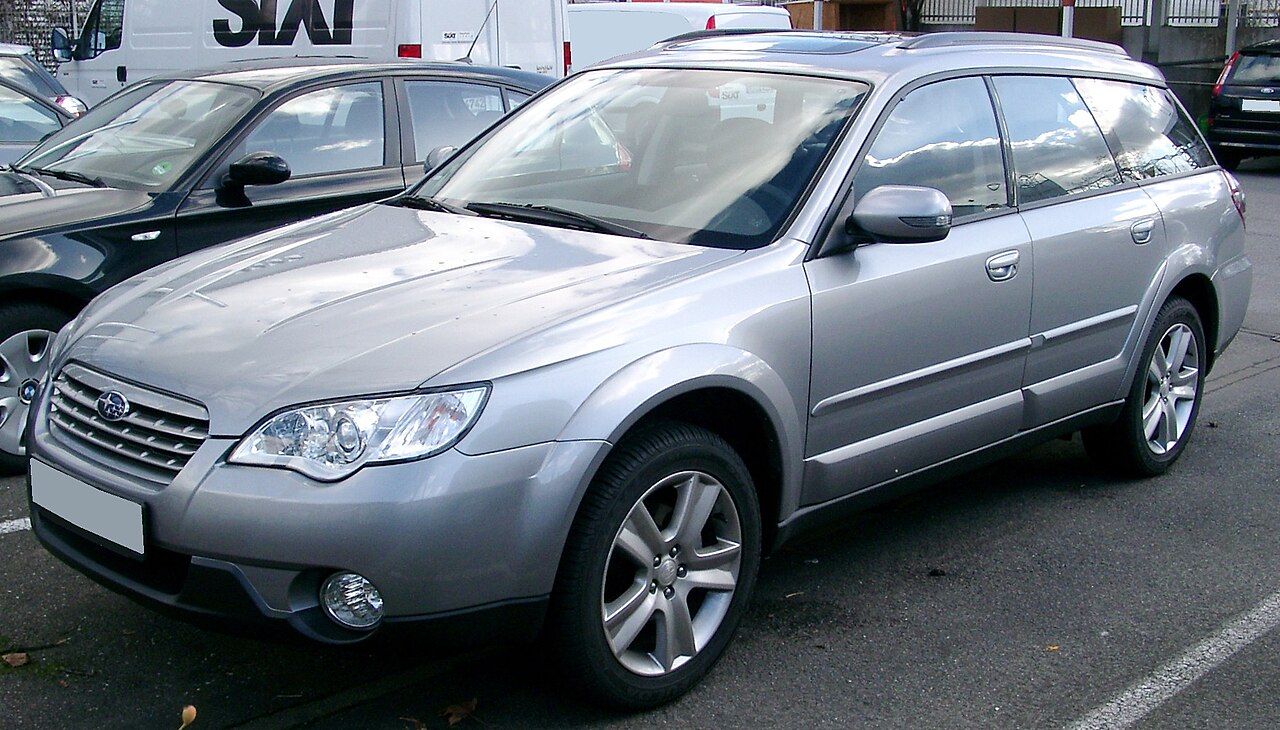
Subaru didn't have the budget for an all-new SUV, so it dressed up a Legacy wagon instead. A Subaru of America executive later put it bluntly: "[the Outback] saved our company."
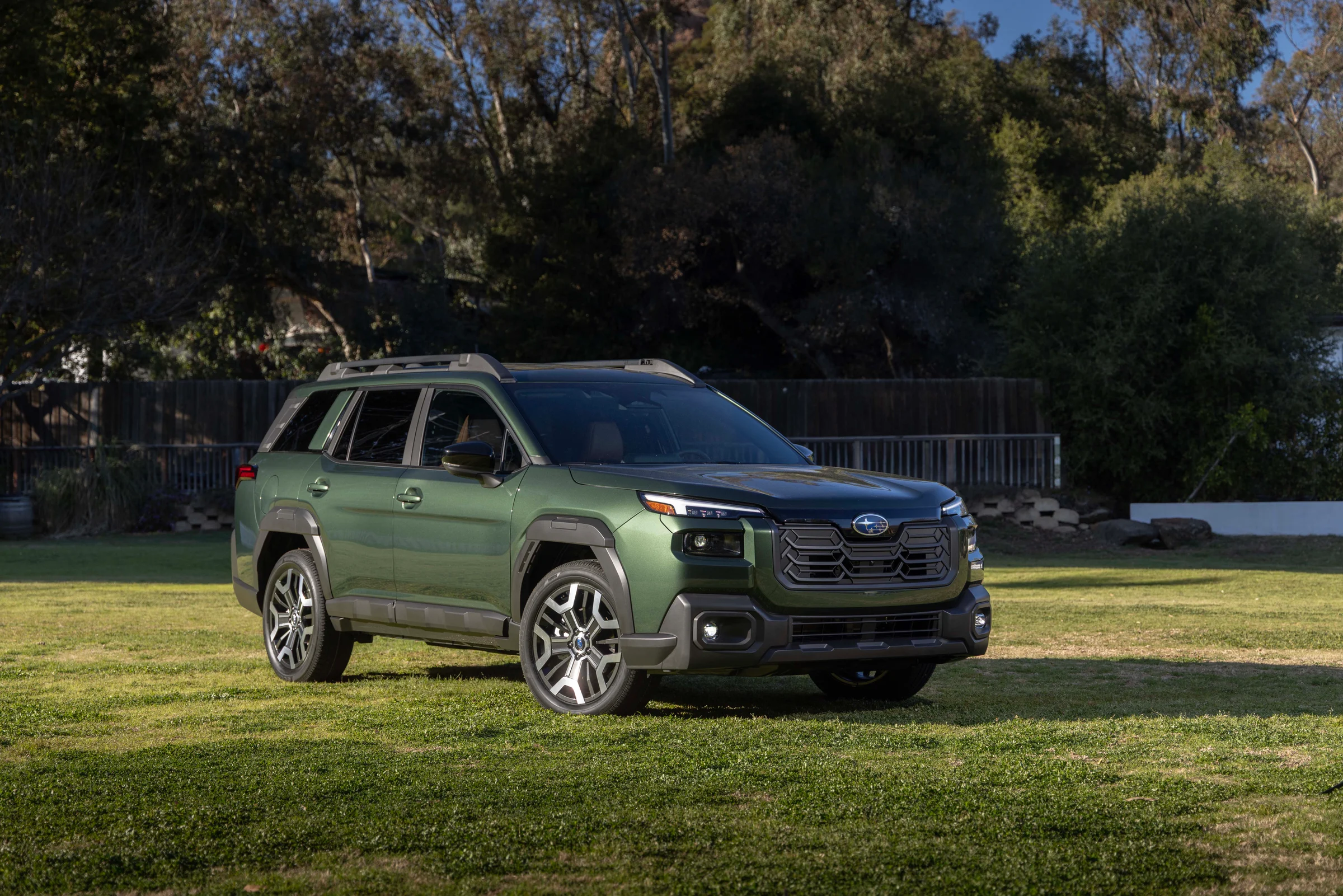
The new Outback's full-width tail light bar has a 2 ft ruler built in, for measuring whatever you are about to load.
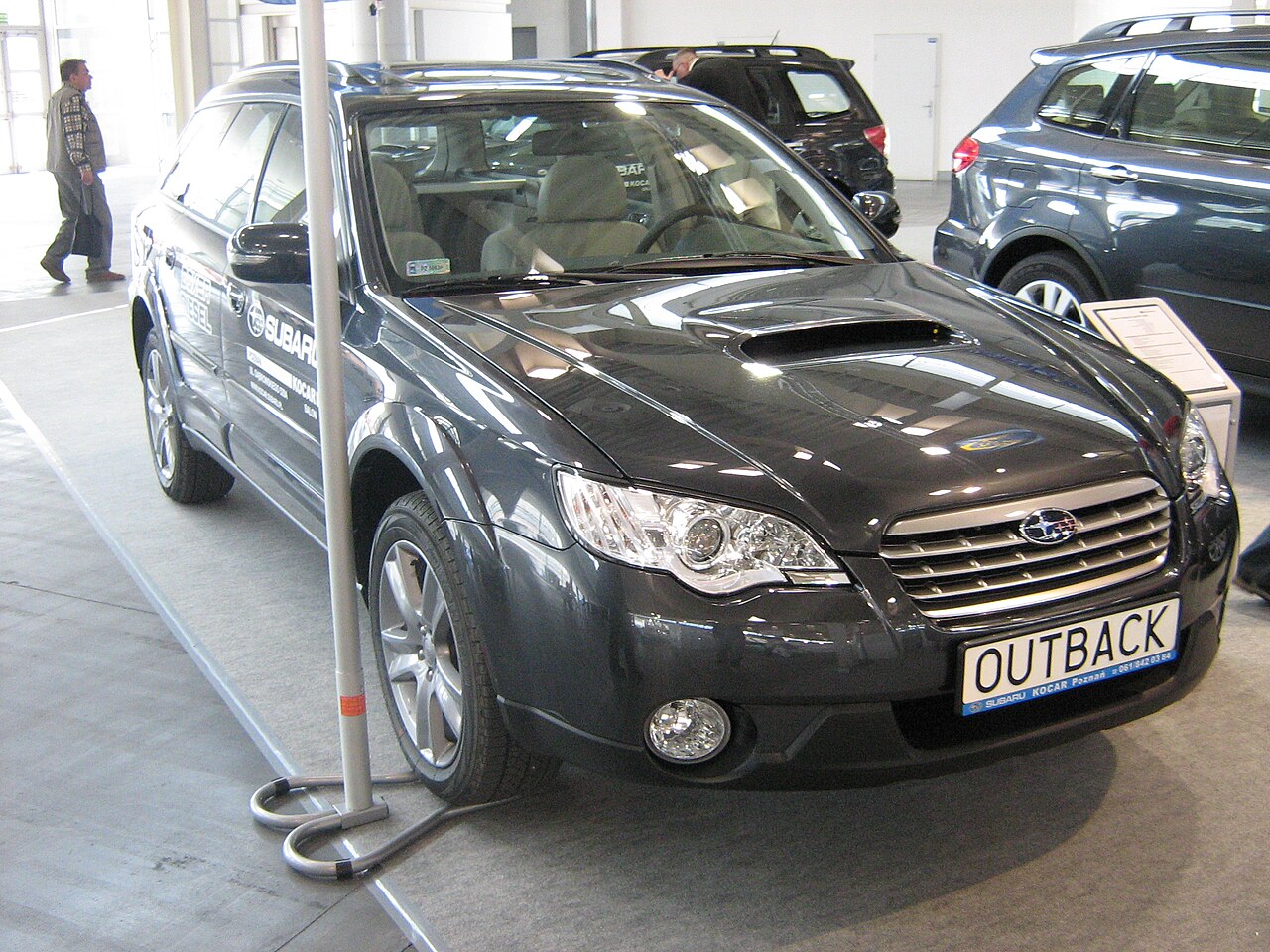
This Outback shared Top Gear's Car of the Year crown — an unusual honor for a jacked-up wagon to split with the Ford Mondeo in 2007.
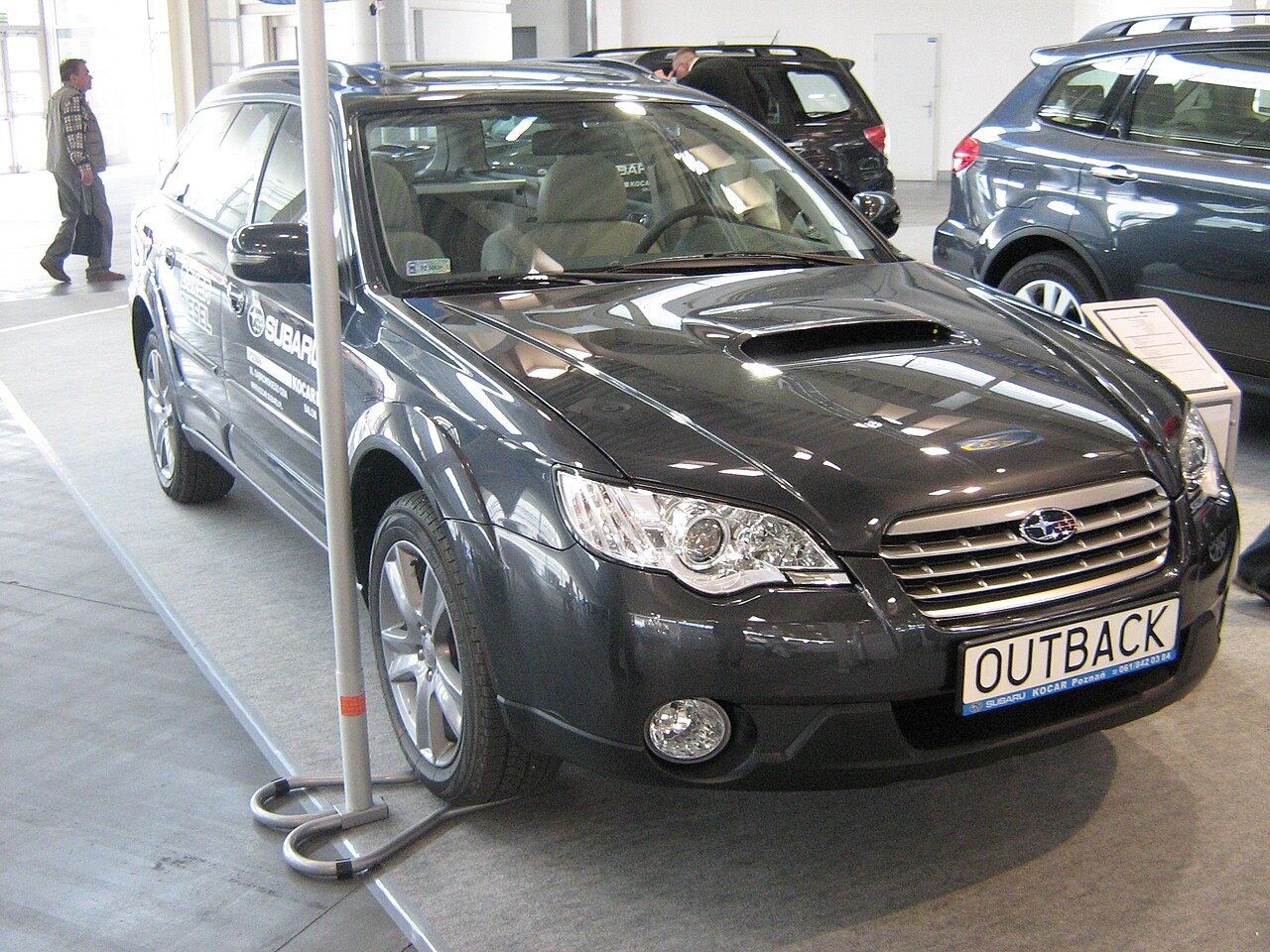
A wagon beat the SUVs at their own game: this Outback generation won Motor Trend's Sport/Utility of the Year award for 2010.