A limited-run N13 Pulsar variant ran three viscous couplings for its four-wheel drive — one per axle plus a centre unit — nearly the same layout Nissan launched in the larger Bluebird soon after as "Attesa."
Lead trim: Family II 18LE 1.8 L (Australia, 106 hp) · up to 127 hp
Nissan Pulsar / Sunny N13N13 · 1986–1990
- 0spots by members
- Unclaimednobody has spotted one yet
- 0sets it belongs to
Nobody in Burbles has spotted a Nissan Pulsar / Sunny N13 yet. See one on the street, point the app at it, and the first card is yours — with your @handle permanently credited on this page.
FactA limited-run N13 Pulsar variant ran three viscous couplings for its four-wheel drive — one per axle plus a centre unit — nearly the same layout Nissan launched in the larger Bluebird soon after as "Attesa."
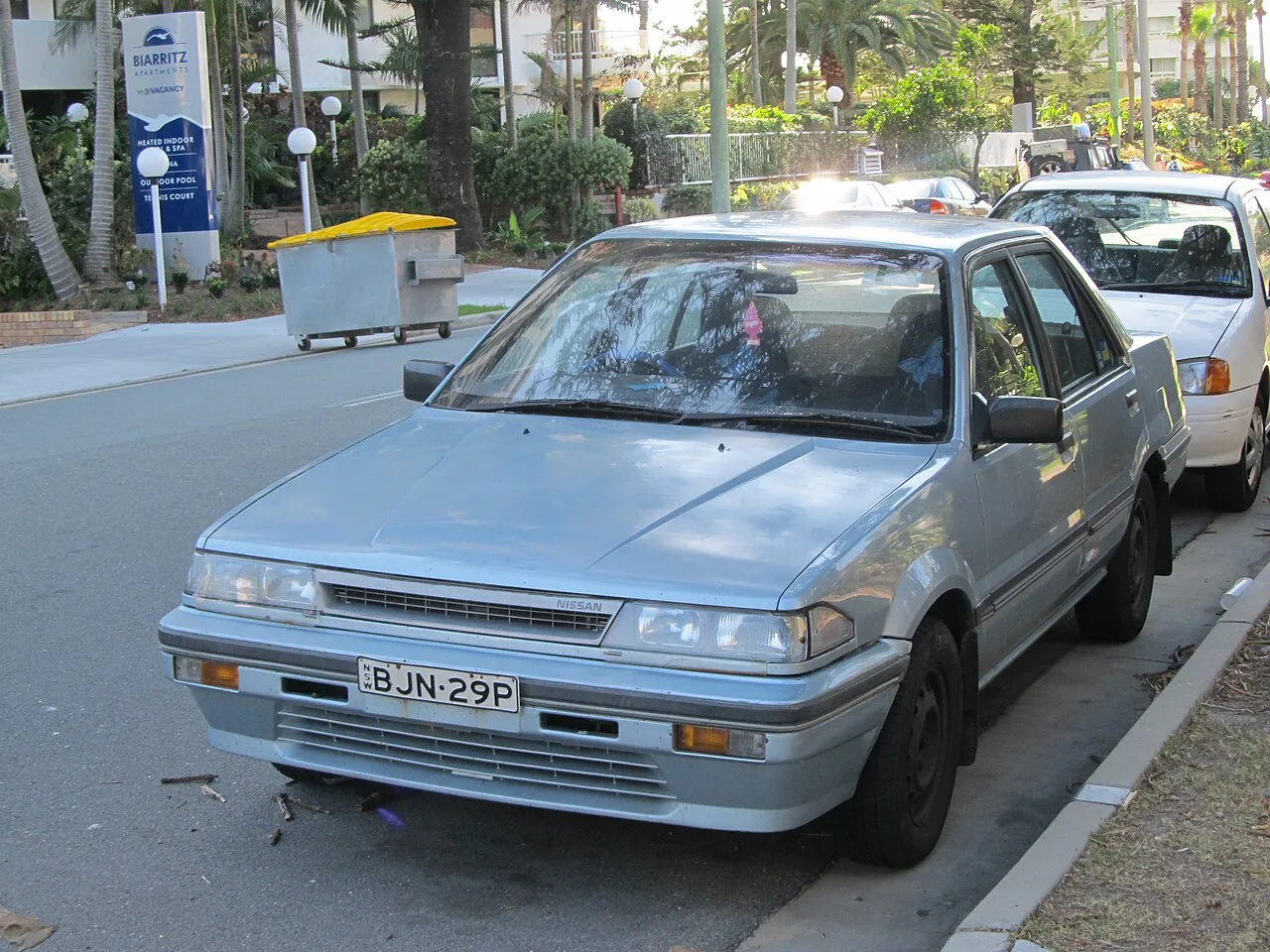
A squarer Pulsar released in 1986 after Nissan's design chief ordered an affordable subcompact, sharing visual cues with the R31 Skyline, and Japan's Car of the Year for 1986. A permanent four-wheel-drive model with a viscous coupling appeared in May 1986; a February 1987 version with three viscous couplings (front axle, rear axle and centre) was initially limited to 200 cars and later regular, similar to the Attesa system that appeared soon after in the Bluebird. No turbocharged N13 was made for Japan, Nissan preferring multivalve engines; the 1.5 L engines changed to the GA generation in April 1988. The Langley and Liberta Villa continued as upmarket versions. In Europe it was sold mostly as the Nissan Sunny (Cherry in Greece), with the Sunny GTi topping the range, in Australia as the Pulsar (with Holden Astra twin, using GM Family II engines) and in Malaysia and New Zealand as the Sentra.
Collectors Spotted in the Nissan Pulsar Lineage
No member has published a public street spot of the Nissan Pulsar yet — the First · Worldwide stamp is wide open.
Trims & Figures
3 published trims in the catalogue. A blank is a figure not recorded, not zero.
| Trim | Years | Engine | Power | Torque | 0–60 | Drive | Gearbox | MSRP |
|---|---|---|---|---|---|---|---|---|
| CA16DE 1.6 L 16V DOHC (Sunny GTi, Europe, 120 hp) | 1987–1990 | 1.6 L Inline-4 | 120 hp | 101 lb-ft | — | — | — | — |
| CA18DE 1.8 L 16V DOHC (Sunny GTi, Europe, 127 hp) | 1988–1990 | 1.8 L Inline-4 | 127 hp | 117 lb-ft | — | — | — | — |
| Family II 18LE 1.8 L (Australia, 106 hp) | 1987–1990 | 1.8 L Inline-4 | 106 hp | 111 lb-ft | — | — | — | — |
Owning one
We don’t estimate running costs for a car like this. What it costs depends on its condition, its specialist and how it is driven, and an average would mislead.
Owners’ builds
Nobody has claimed one yet.
Photographs
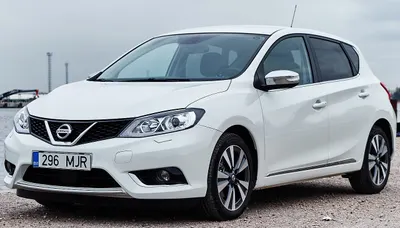
The C13 was the first Pulsar ever officially sold in mainland Europe. Nissan had always used the Cherry, Sunny and Almera names there instead.
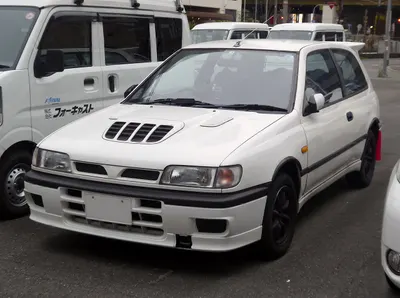
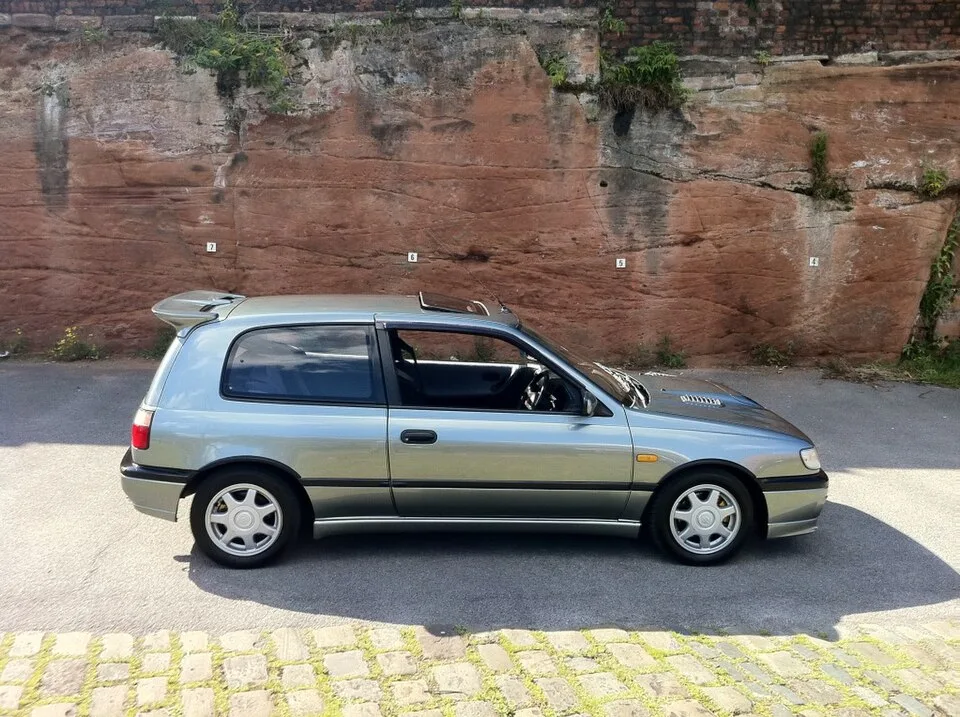
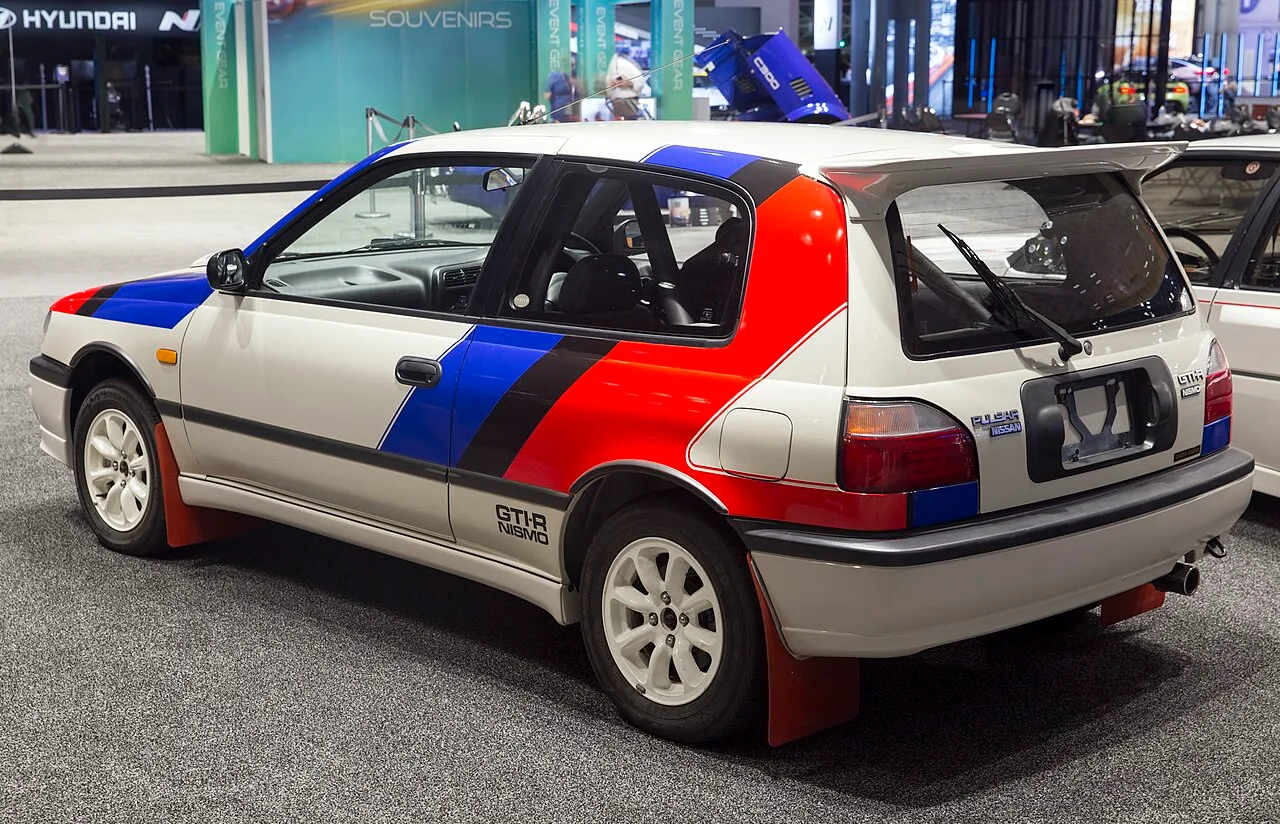
Order a GTI-R with Nismo parts a dealer couldn't fit, and Nissan shipped your car to Autech for factory installation instead — only 21 of these Nismo-built GTI-Rs ever left the line.
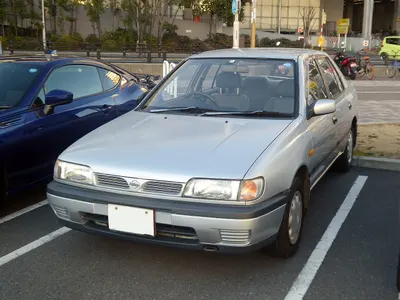
A bitter falling-out between Nissan and its UK importer meant this exact car was sold in Britain under two different names at once — as a Pulsar from one distributor and a Sunny from Nissan's own new outfit.
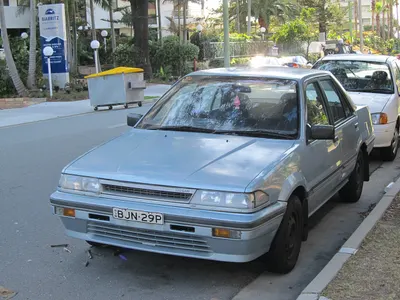
A limited-run N13 Pulsar variant ran three viscous couplings for its four-wheel drive — one per axle plus a centre unit — nearly the same layout Nissan launched in the larger Bluebird soon after as "Attesa."
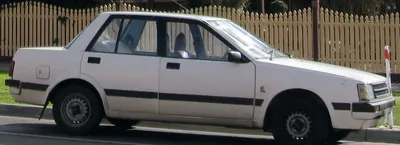
In May 1983, some Pulsars switched from fender-mounted mirrors to door mirrors — a style Japanese law had only just begun to allow, and Nissan grabbed the change before any other Japanese maker did.
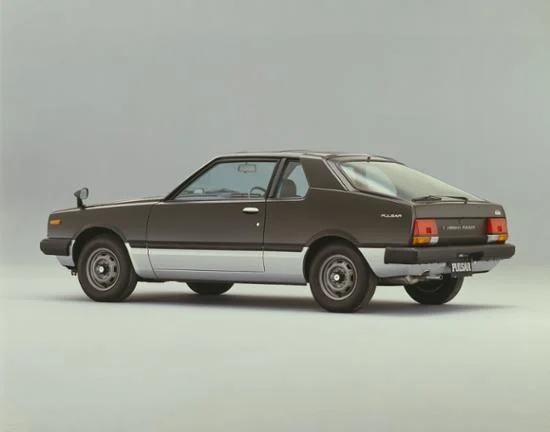
This Pulsar's unusually long nose wasn't styling for its own sake — Nissan engineered the space for a rear-wheel-drive version aimed at developing markets that was never actually built.
Rivals
Same body, same money, other badges — tap any card to flip.
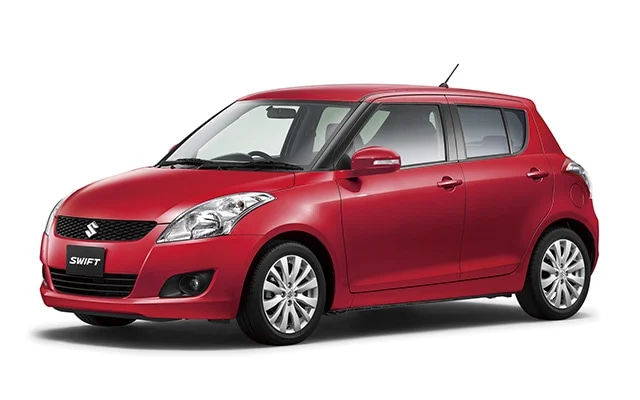
Japan was a minor market for the Swift: when it passed 2 million sales in 2011, about 39% were in India and 27% in Europe, against roughly 15% at home.
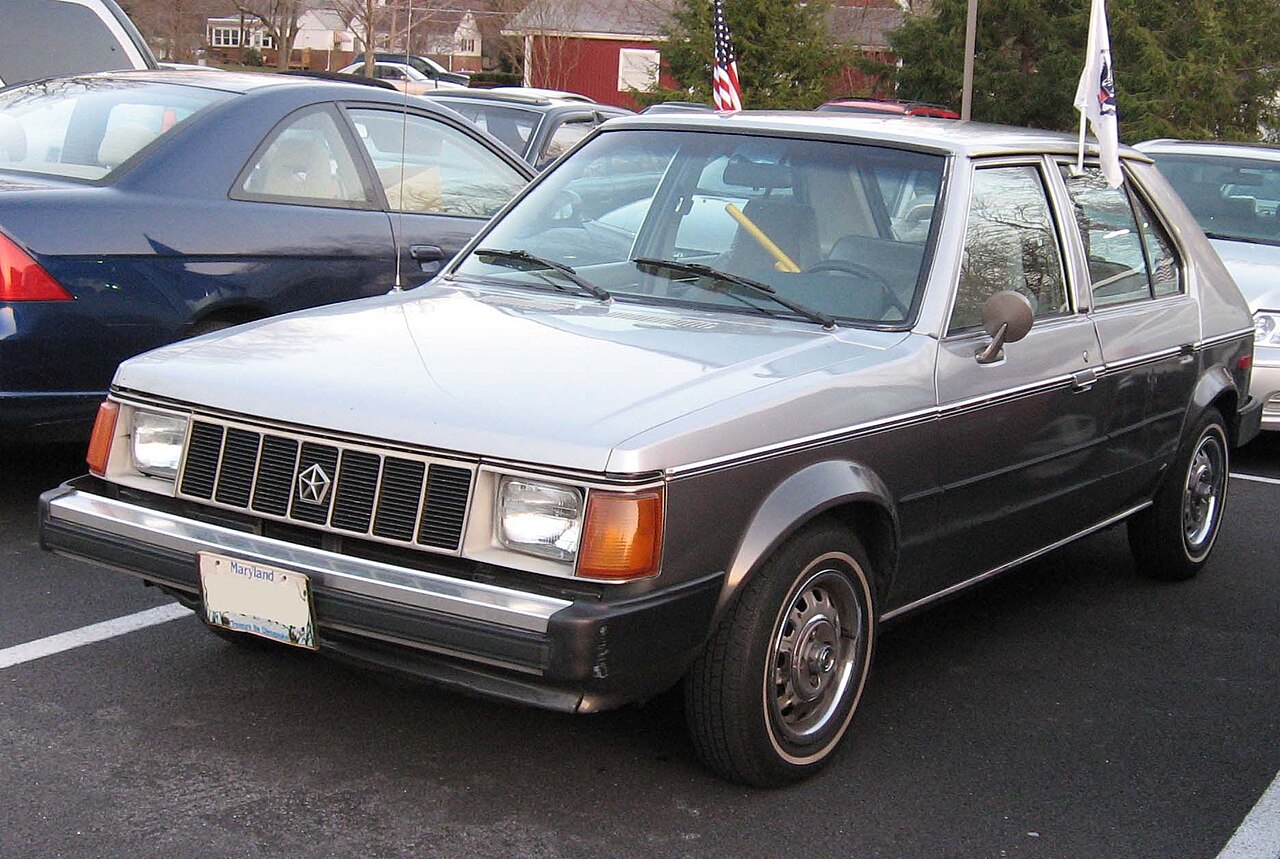
To adapt the Horizon for America, Chrysler bought nearly 100 Volkswagen Rabbits purely to reverse engineer them.
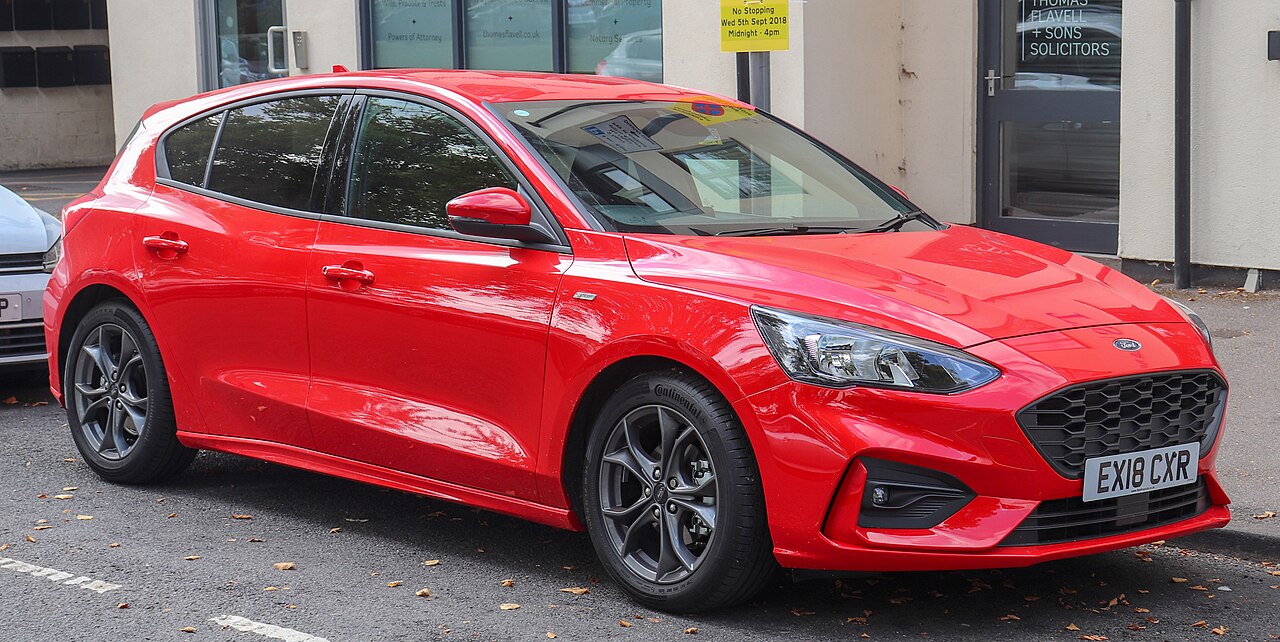
The Mk3 Focus RS's AWD system could send 100 percent of engine power to the rear wheels alone — built not in Ford's home country, but at the Saarlouis plant in Germany.
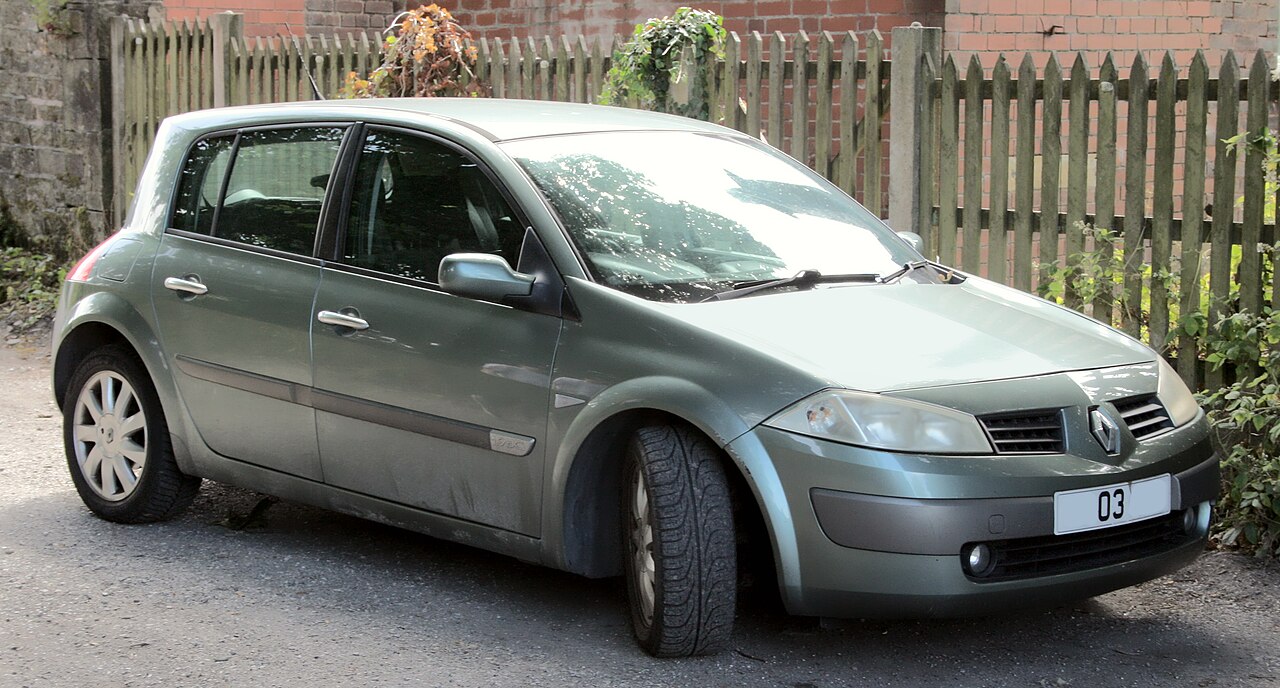
In June 2003, a Mégane II became the subject of the first ever live televised crash test with a real human driver at the wheel instead of a dummy — filmed by Top Gear.
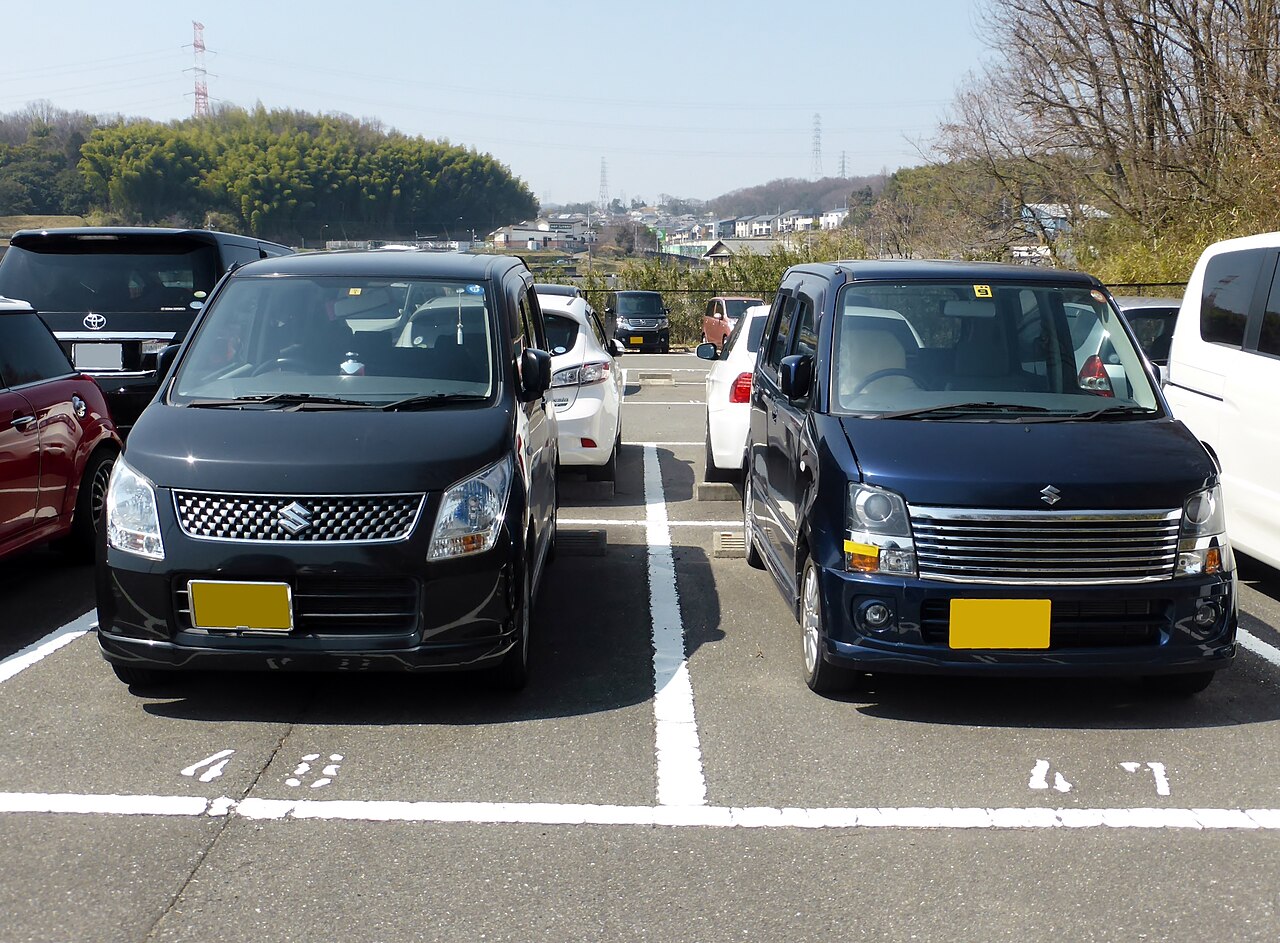
This Wagon R redesigned its rear doors specifically to kill off the D-pillar — bigger doors with built-in quarter glass solved what earlier generations needed a whole extra pillar for.
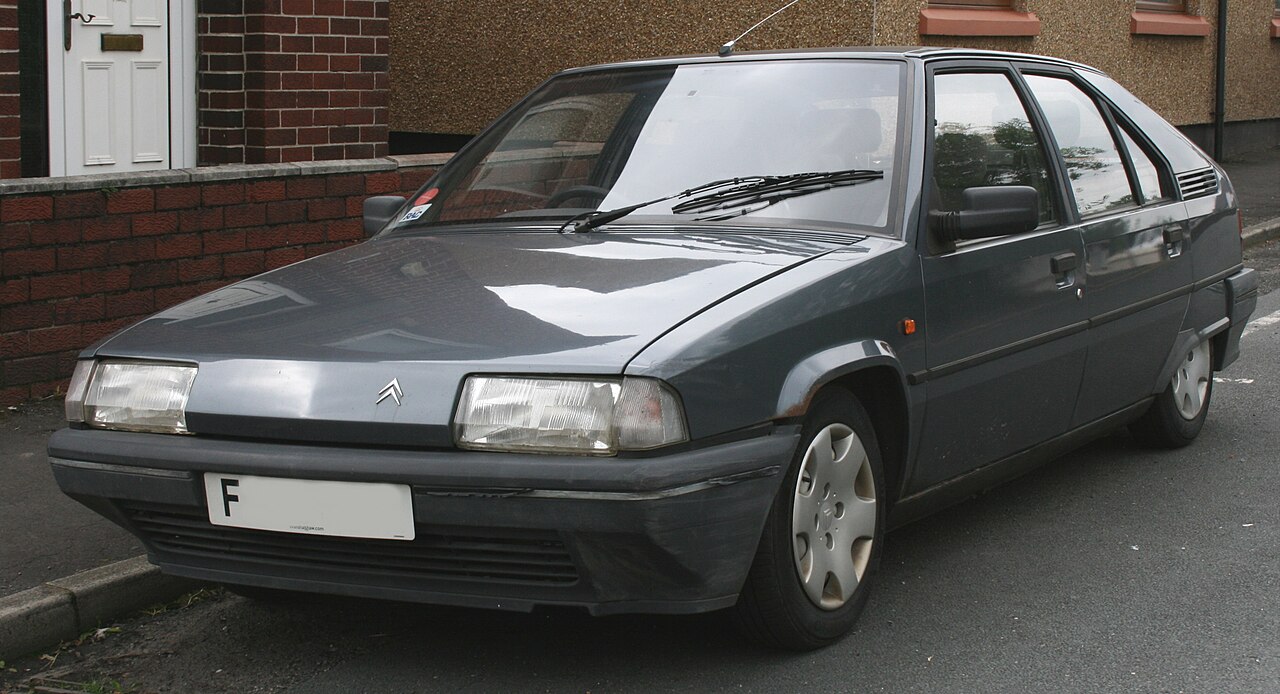
The BX was the UK's best-selling diesel car for four years from 1987, and 2,315,739 were built in all.
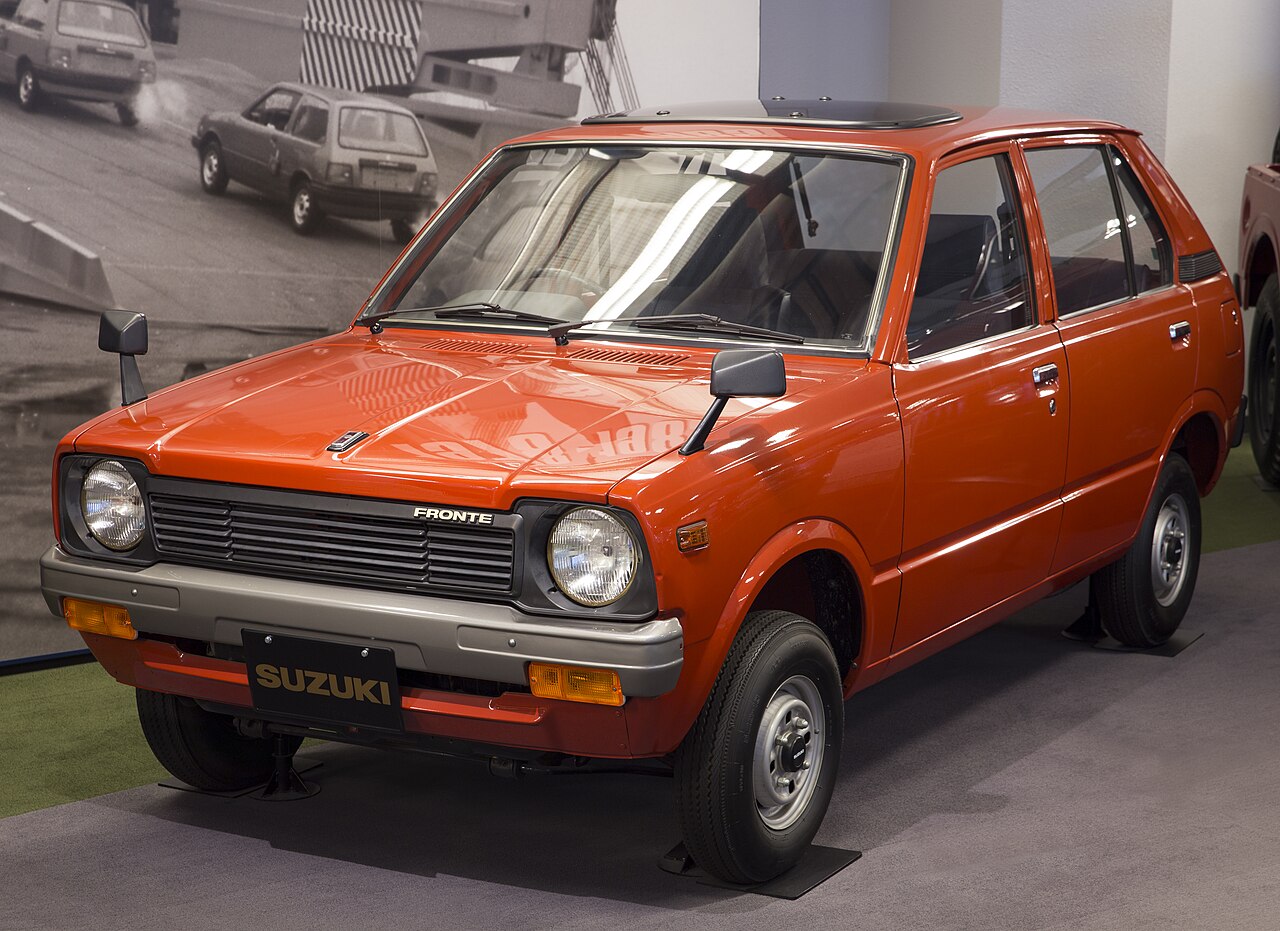
Six months before Suzuki retired the Fronte name for good, the CN11S's 796cc version was already being built in China under a completely different name: the Anchi 6330.
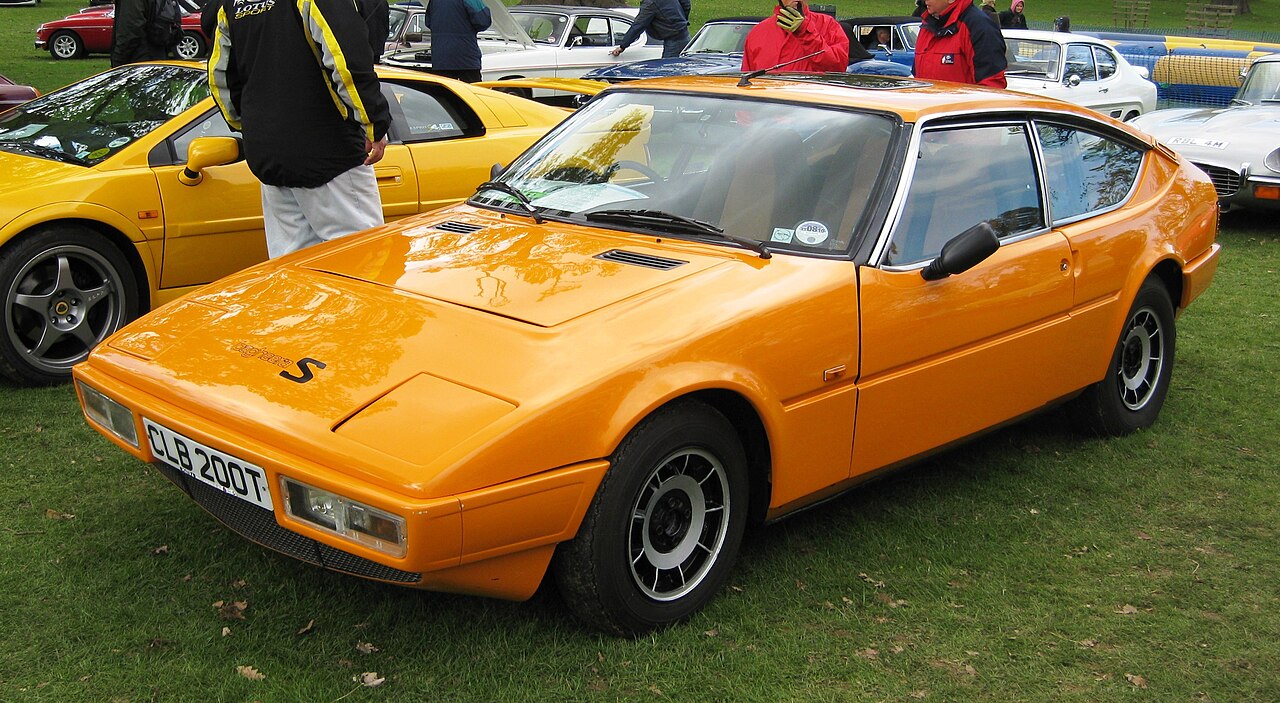
Built to use up Chrysler-Simca's parts bin, it took its engine and gearbox straight from the front-wheel-drive Simca 1100 but mounted them amidships instead.