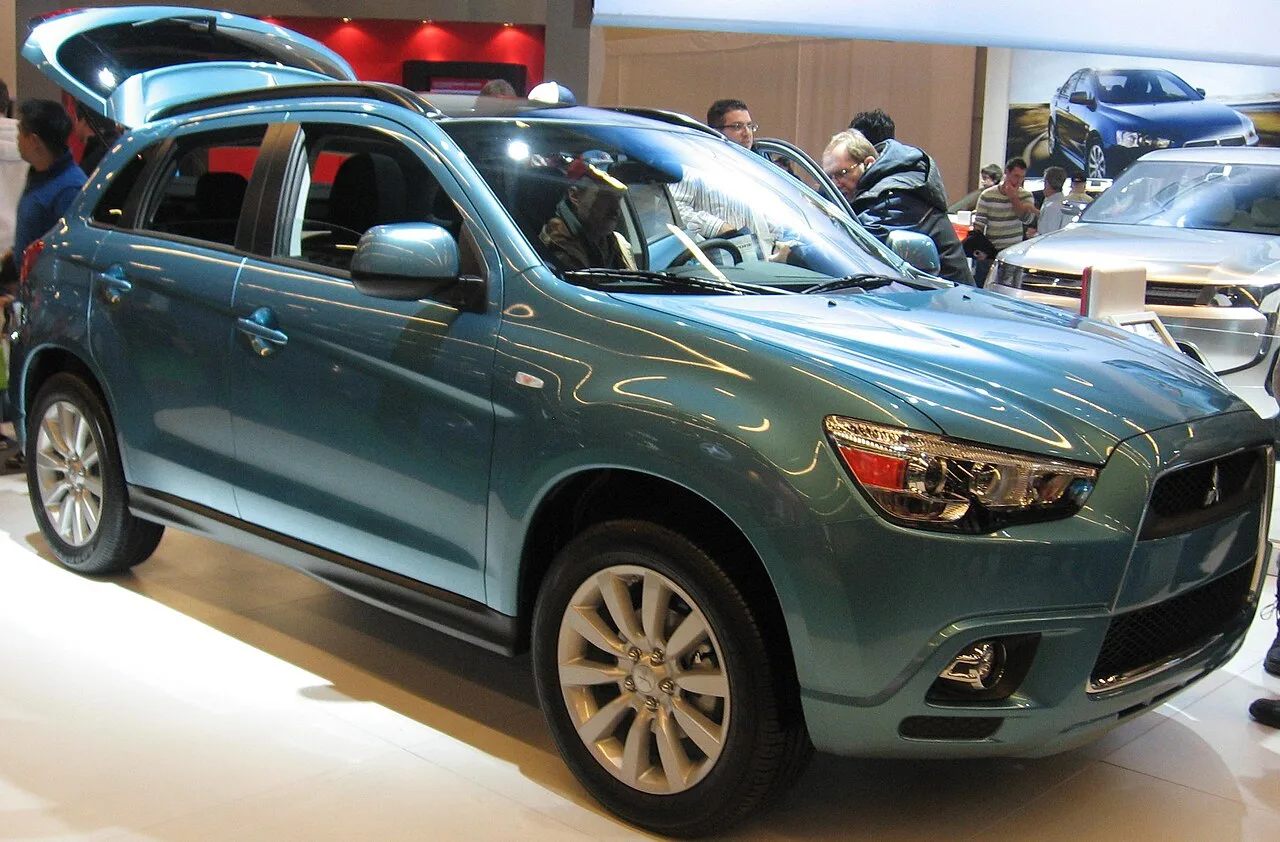
A small detail that sets this one apart from its rivals: the RVR's sliding side door latches to a B-pillar, unlike the Toyota and Nissan compact MPVs it competed against.
Median 126 hp across 28 similar cars
Lead trim: Expo LRV 2.4 4G64 (North America, 135 hp)
Mitsubishi RVR first generation N10 / N20N10/N20 · 1991–1997
- 0spots by members
- Unclaimednobody has spotted one yet
- 0sets it belongs to
Nobody in Burbles has spotted a Mitsubishi RVR first generation N10 / N20 yet. See one on the street, point the app at it, and the first card is yours — with your @handle permanently credited on this page.
FactA small detail that sets this one apart from its rivals: the RVR's sliding side door latches to a B-pillar, unlike the Toyota and Nissan compact MPVs it competed against.
The first-generation Mitsubishi RVR ("Recreation Vehicle Runner", introduced in February 1991) was Mitsubishi's Recreational Vehicle debut during Japan's bubble economy, a compact "tall wagon" MPV sold at its Car Plaza dealers with Bugs Bunny and Daffy Duck in the Japanese TV commercials, a youth-oriented approach and a passenger-side sliding door. It was essentially a second-generation Chariot with its chassis shortened by 20 cm (7.9 in), with two rows of seats, a single rear door and a single passenger-side sliding door in all markets (the Mitsubishi door latched to a B-pillar, unlike Toyota's and Nissan's); the rear windows were forward-hinged rather than retracting. It was sold as the Space Runner in Europe, the Expo LRV in North America (1991–1995, with the 2.4-litre 4G64 producing 135 hp, standard on AWD versions at least from MY 1993) and by Chrysler as the Dodge/Plymouth Colt Vista Wagon and Eagle Summit Wagon (MY 1992–1996). It launched with naturally aspirated 2.0 and 1.8 litre petrol engines (the 1.8 added in June 1991) and later a turbodiesel option; the 2.0-litre intercooled turbo arrived in September 1994, and the final and most powerful "Hyper Sports Gear" of January 1997 used the drivetrain of the first Galant VR-4 (the 4G63T turbo), the turbo models rated at 170–184 kW (231–250 PS; 228–247 hp) JIS. Transmissions were a 5-speed manual, 4-speed automatic or 4-speed INVECS semi-auto, in front- or four-wheel drive.
Collectors Spotted in the Mitsubishi RVR Lineage
No member has published a public street spot of the Mitsubishi RVR yet — the First · Worldwide stamp is wide open.
Trims & Figures
6 published trims in the catalogue. A blank is a figure not recorded, not zero.
| Trim | Years | Engine | Power | Torque | 0–60 | Drive | Gearbox | MSRP |
|---|---|---|---|---|---|---|---|---|
| Expo LRV 2.4 4G64 (North America, 135 hp) | 1991–1995 | 2.4 L Inline-4 | 135 hp | 145 lb-ft | — | — | — | — |
| RVR 1.8 4D65 turbodiesel | 1992–1997 | 1.8 L Inline-4 | — | — | — | — | — | — |
| RVR 1.8 4G93 16V | 1991–1997 | 1.8 L Inline-4 | — | — | — | — | — | — |
| RVR 2.0 4D68 turbodiesel | 1992–1997 | 2.0 L Inline-4 | — | — | — | — | — | — |
| RVR 2.0 4G63 16V DOHC | 1991–1997 | 2.0 L Inline-4 | — | — | — | — | — | — |
| RVR 2.0 4G63T 16V turbo DOHC | 1994–1997 | 2.0 L Inline-4 | — | — | — | — | — | — |
Owning one
We don’t estimate running costs for a car like this. What it costs depends on its condition, its specialist and how it is driven, and an average would mislead.
Owners’ builds
Nobody has claimed one yet.
In the Community
Open CommunityNo notes tagged with the Mitsubishi RVR first generation N10 / N20 yet.
Photographs
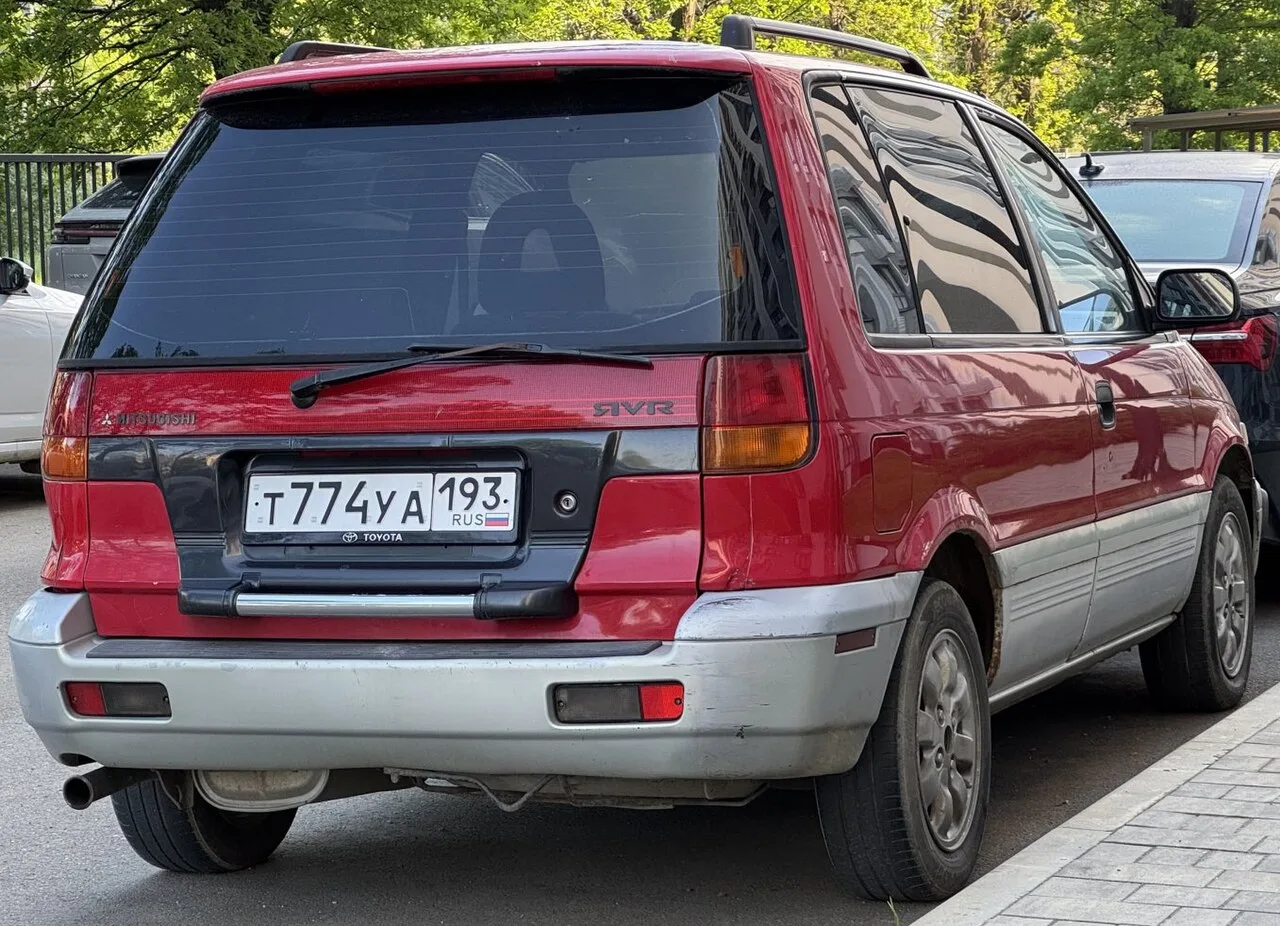
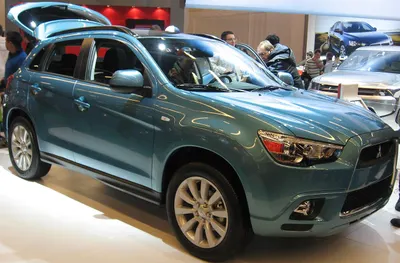
Mitsubishi once sold a factory 'Fishing Gear' package for the RVR — built-in refrigerator, a rod holder, a roof box and water-repellent seats, aimed squarely at bass fishers.
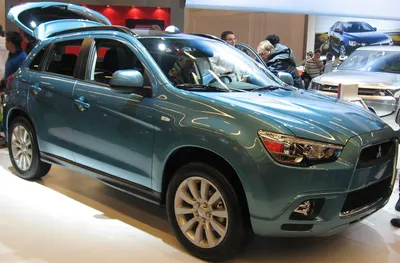
A small detail that sets this one apart from its rivals: the RVR's sliding side door latches to a B-pillar, unlike the Toyota and Nissan compact MPVs it competed against.
Rivals
Same body, same money, other badges — tap any card to flip.
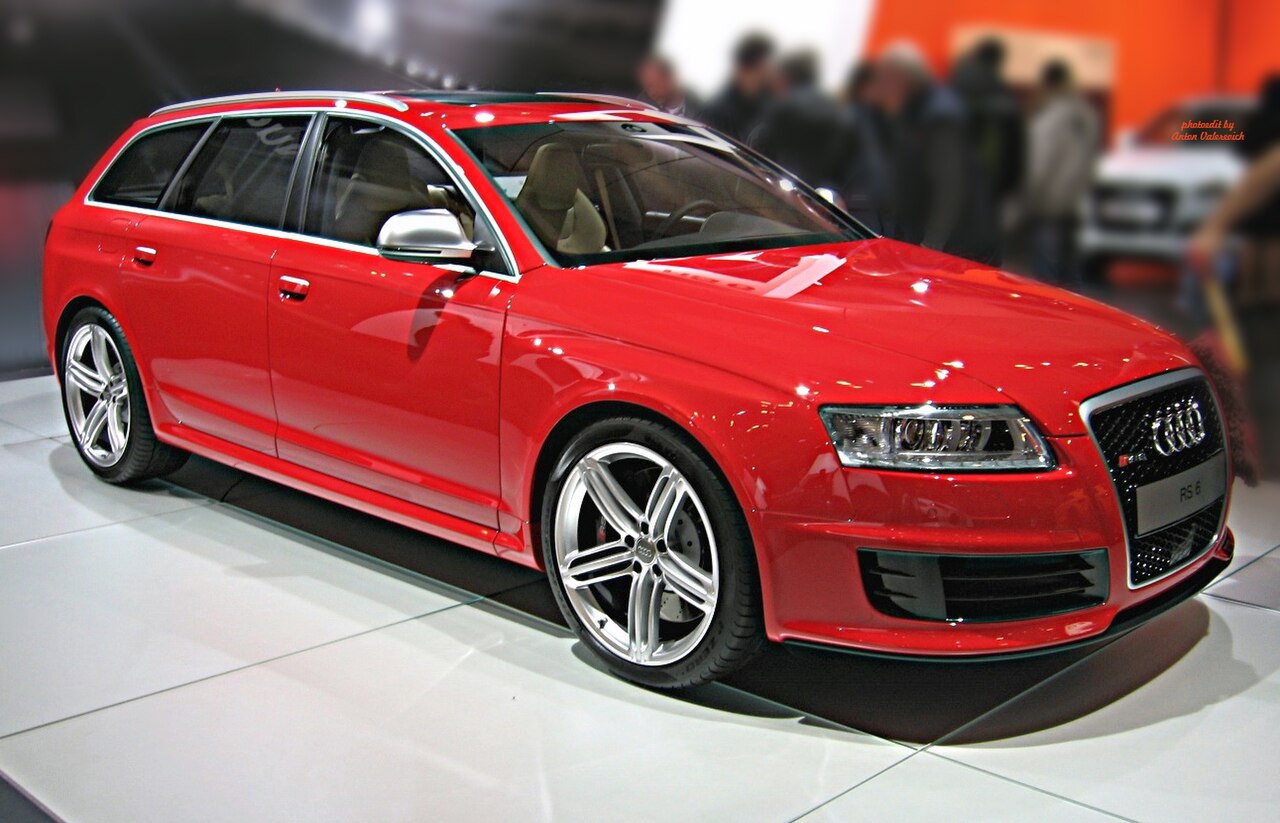
Cooling the C6 RS6’s twin-turbo V10 took seven separate radiators and four electric fans under the bonnet.
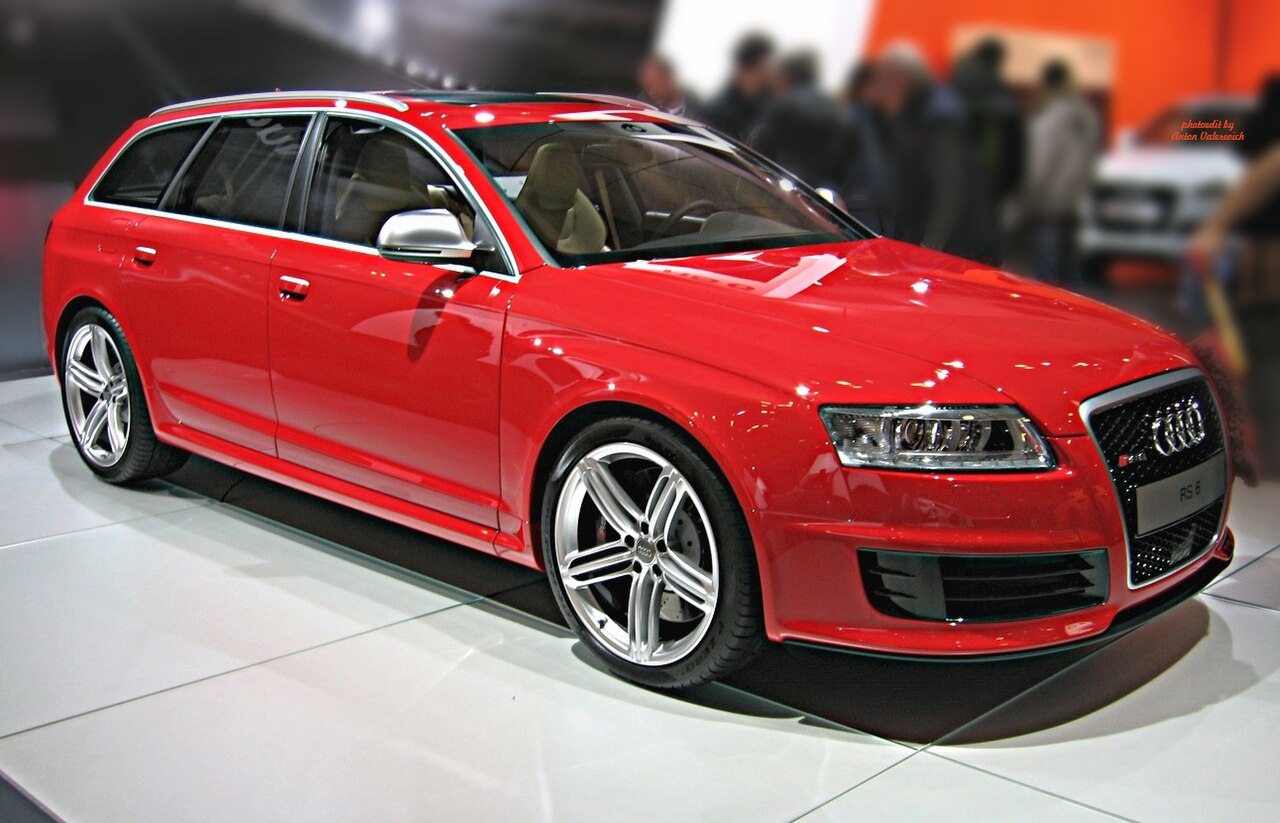
The original RS6 debuted Audi's clever hydraulic Dynamic Ride Control suspension — and enough owners got tired of its leaking dampers that they ripped the whole system out for plain coilovers.
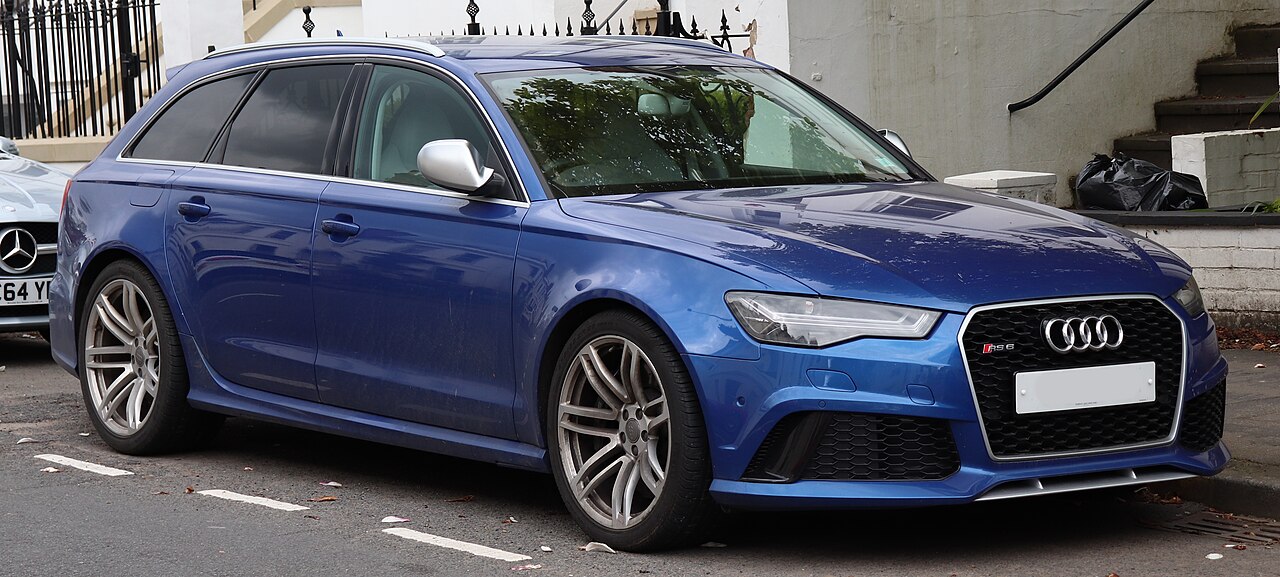
The C7-generation RS6 Avant never officially reached America at all — buyers there got the RS7 Sportback instead, running the exact same engine and platform in a different body.
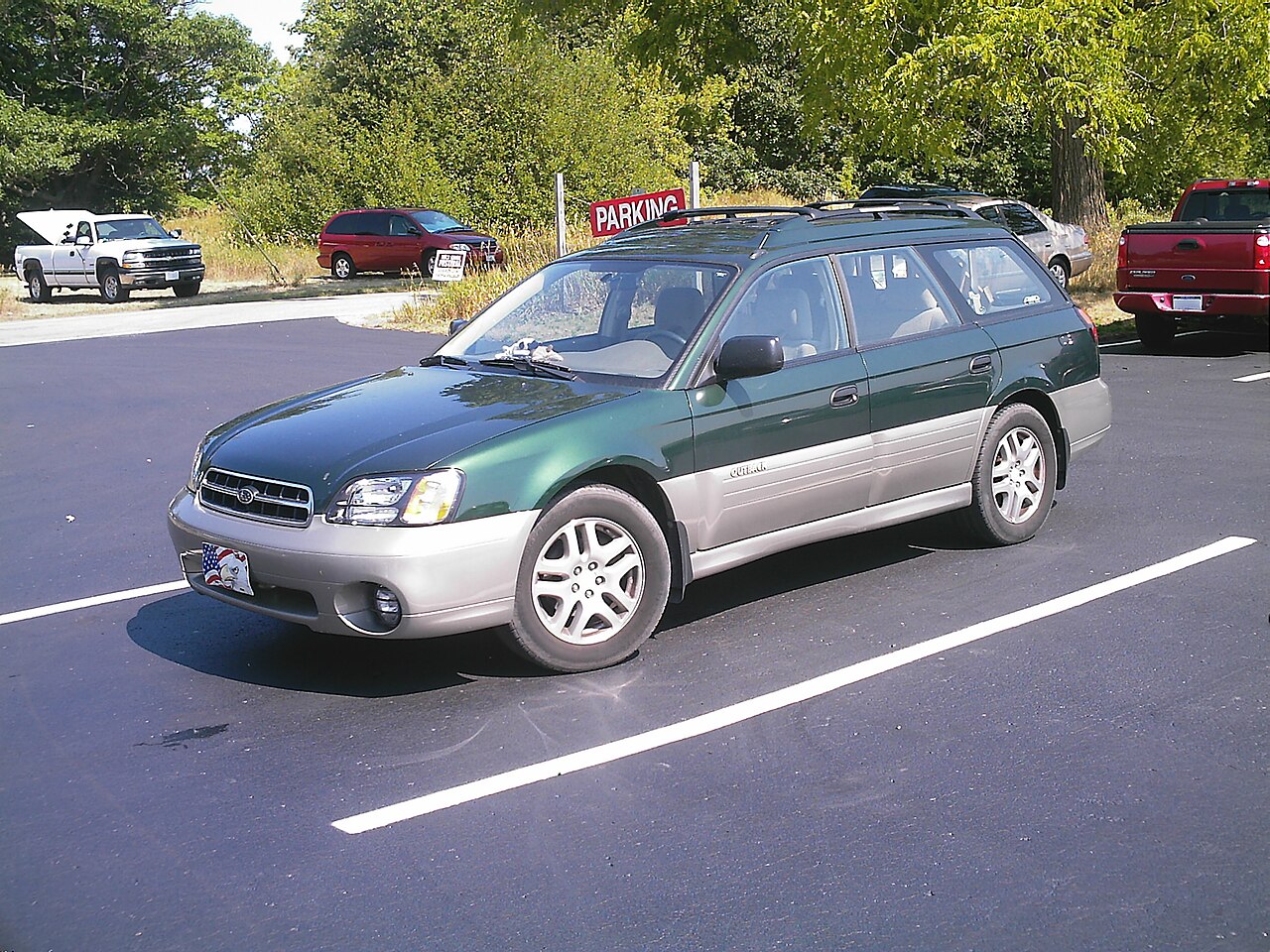
For a few years, this Outback's six-cylinder trim came with genuine McIntosh audio — the same esteemed hi-fi name found in home theaters, one of the only cars ever to get it from the factory.
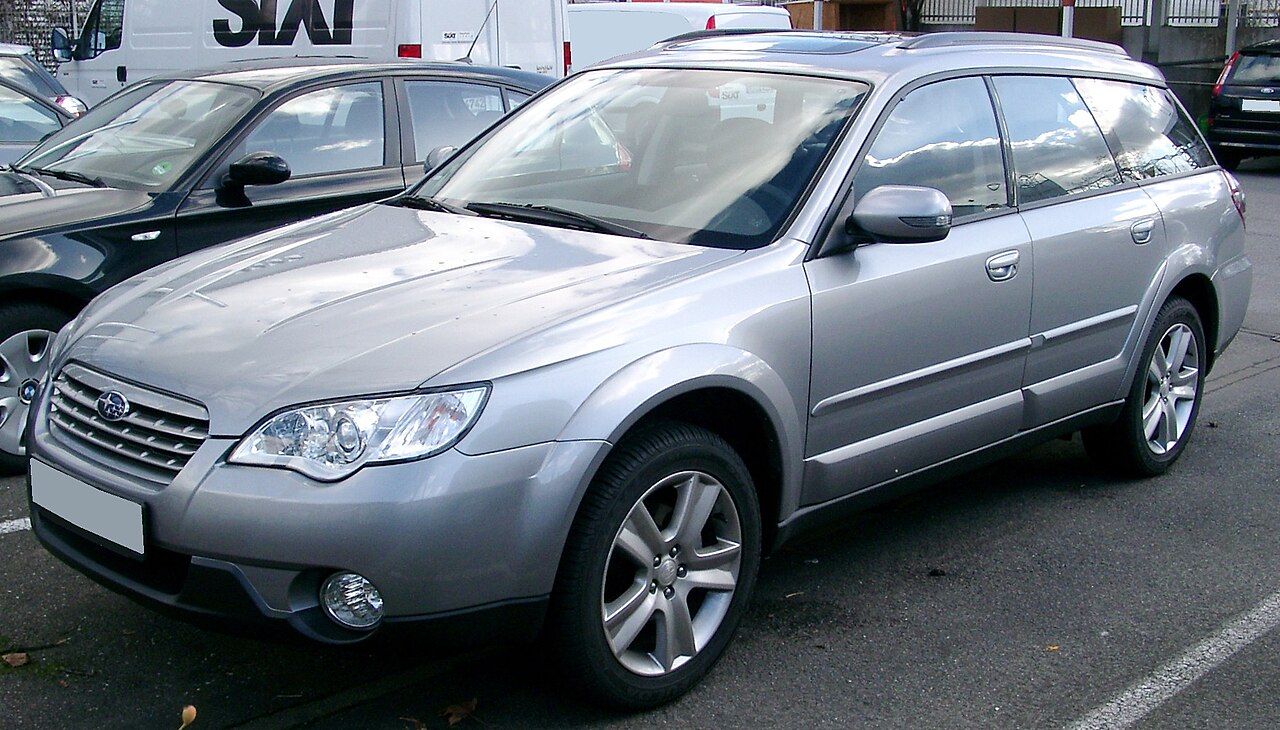
Subaru didn't have the budget for an all-new SUV, so it dressed up a Legacy wagon instead. A Subaru of America executive later put it bluntly: "[the Outback] saved our company."
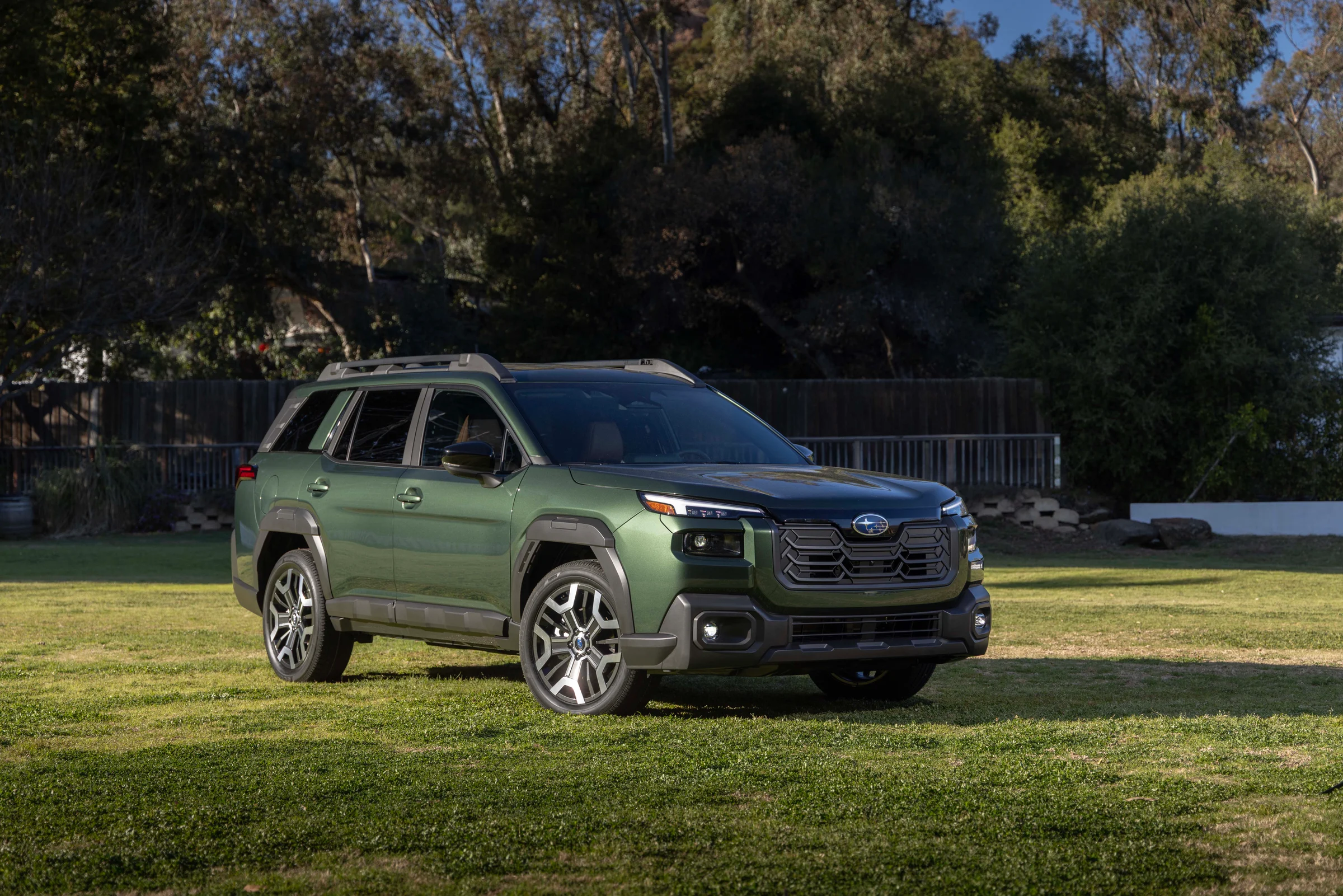
The new Outback's full-width tail light bar has a 2 ft ruler built in, for measuring whatever you are about to load.
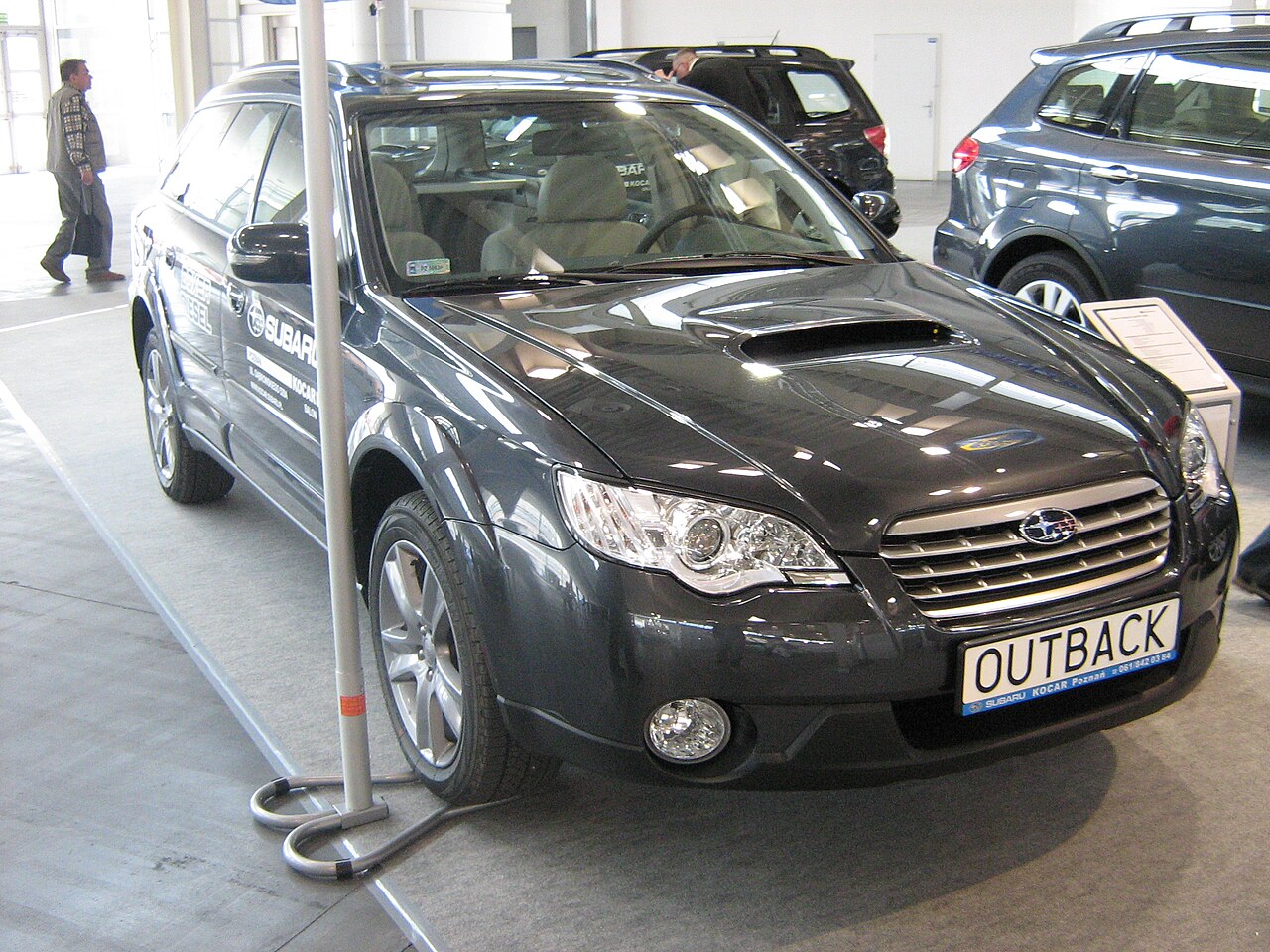
This Outback shared Top Gear's Car of the Year crown — an unusual honor for a jacked-up wagon to split with the Ford Mondeo in 2007.
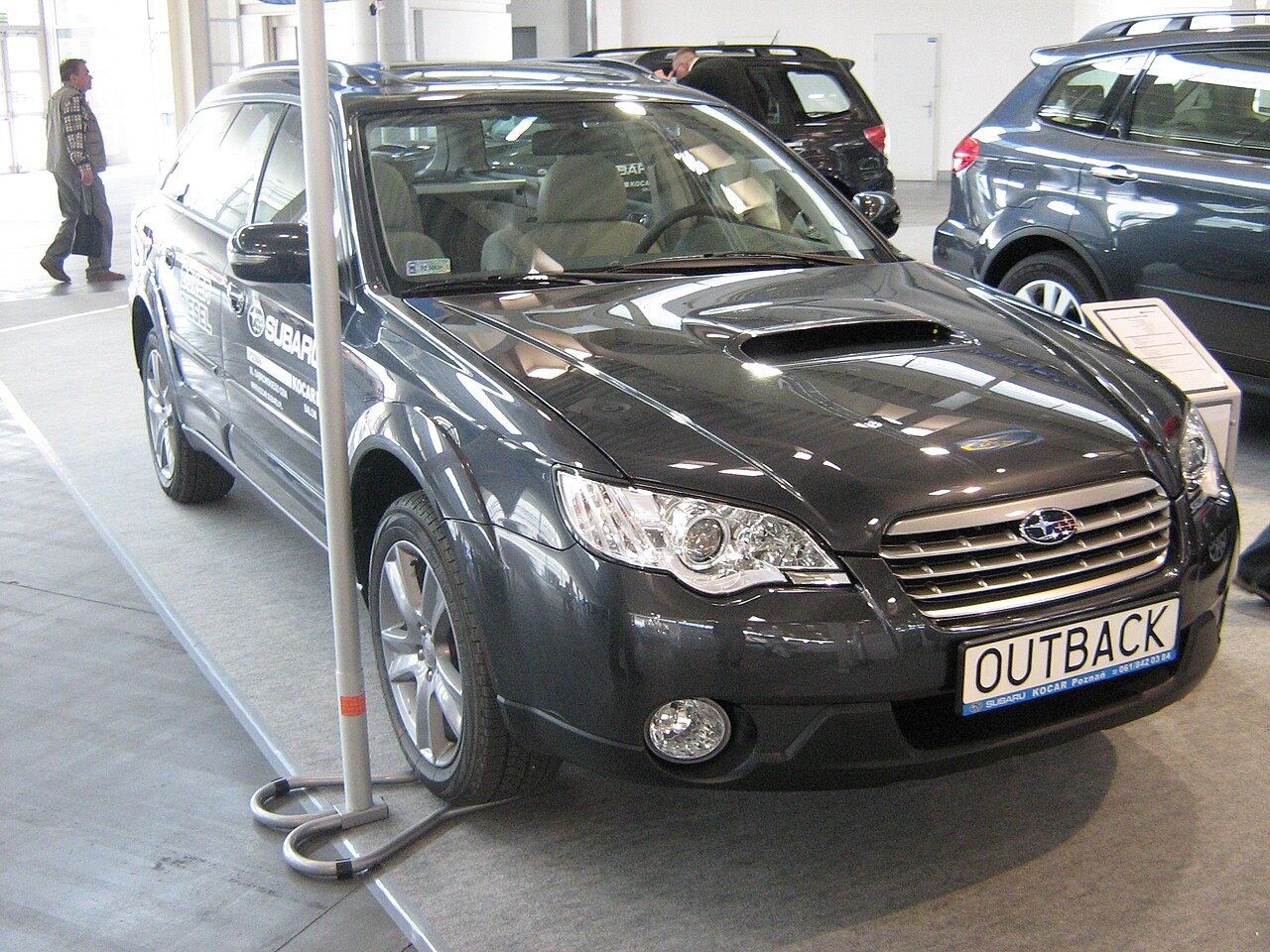
A wagon beat the SUVs at their own game: this Outback generation won Motor Trend's Sport/Utility of the Year award for 2010.