Swapping in Daihatsu three-cylinder engines backfired on Innocenti's owner in an odd way: reliability improved so much that his repair network ended up overstaffed, with warranty claims down 70%.
Median 63 hp across 163 similar cars
Lead trim: Minitre CB22 993 cc SOHC three (52 PS)
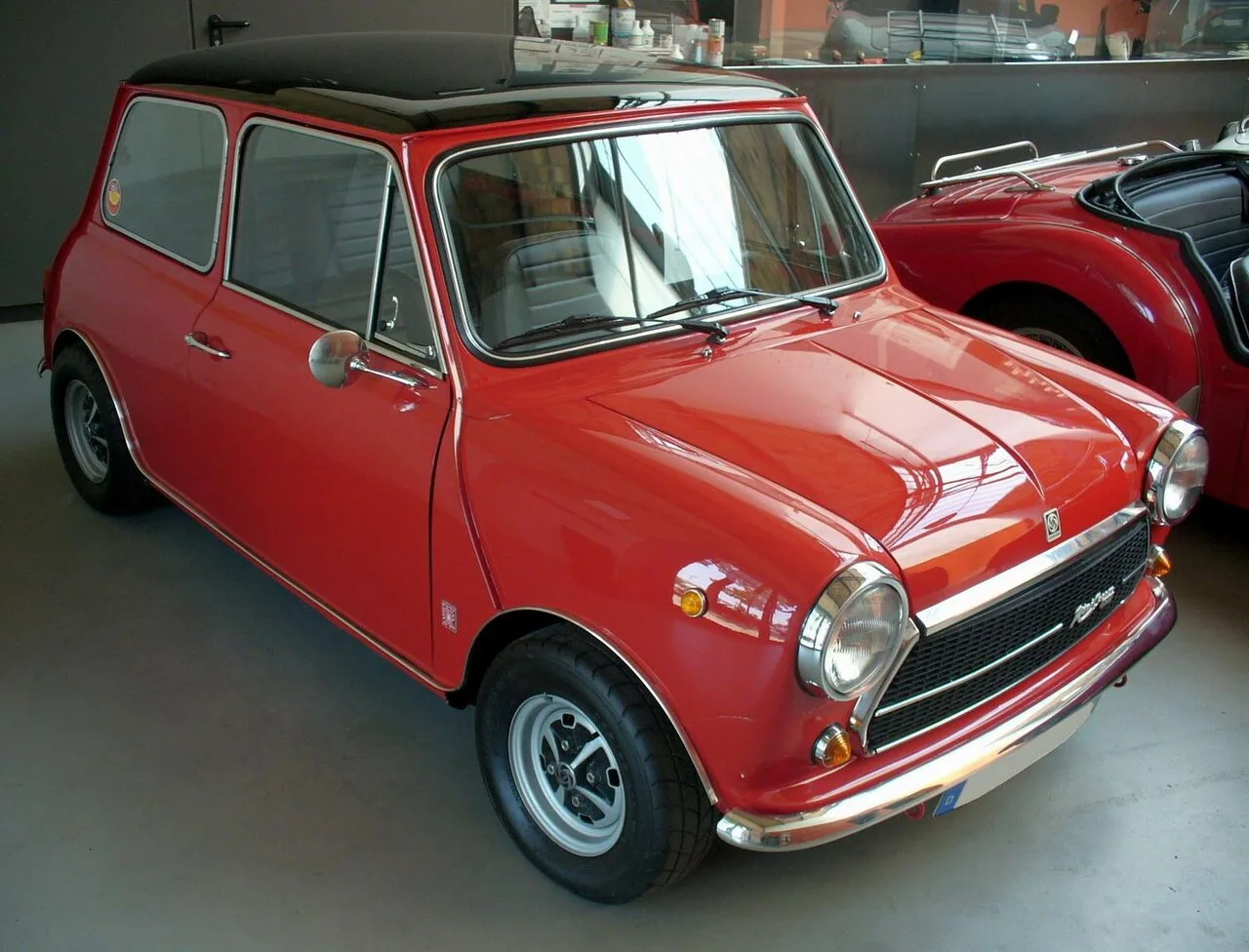
Innocenti Mini 3 Cilindri / MinitreMinitre · 1982–1987
- 0spots by members
- Unclaimednobody has spotted one yet
- 0sets it belongs to
Nobody in Burbles has spotted a Innocenti Mini 3 Cilindri / Minitre yet. See one on the street, point the app at it, and the first card is yours — with your @handle permanently credited on this page.
FactSwapping in Daihatsu three-cylinder engines backfired on Innocenti's owner in an odd way: reliability improved so much that his repair network ended up overstaffed, with warranty claims down 70%.
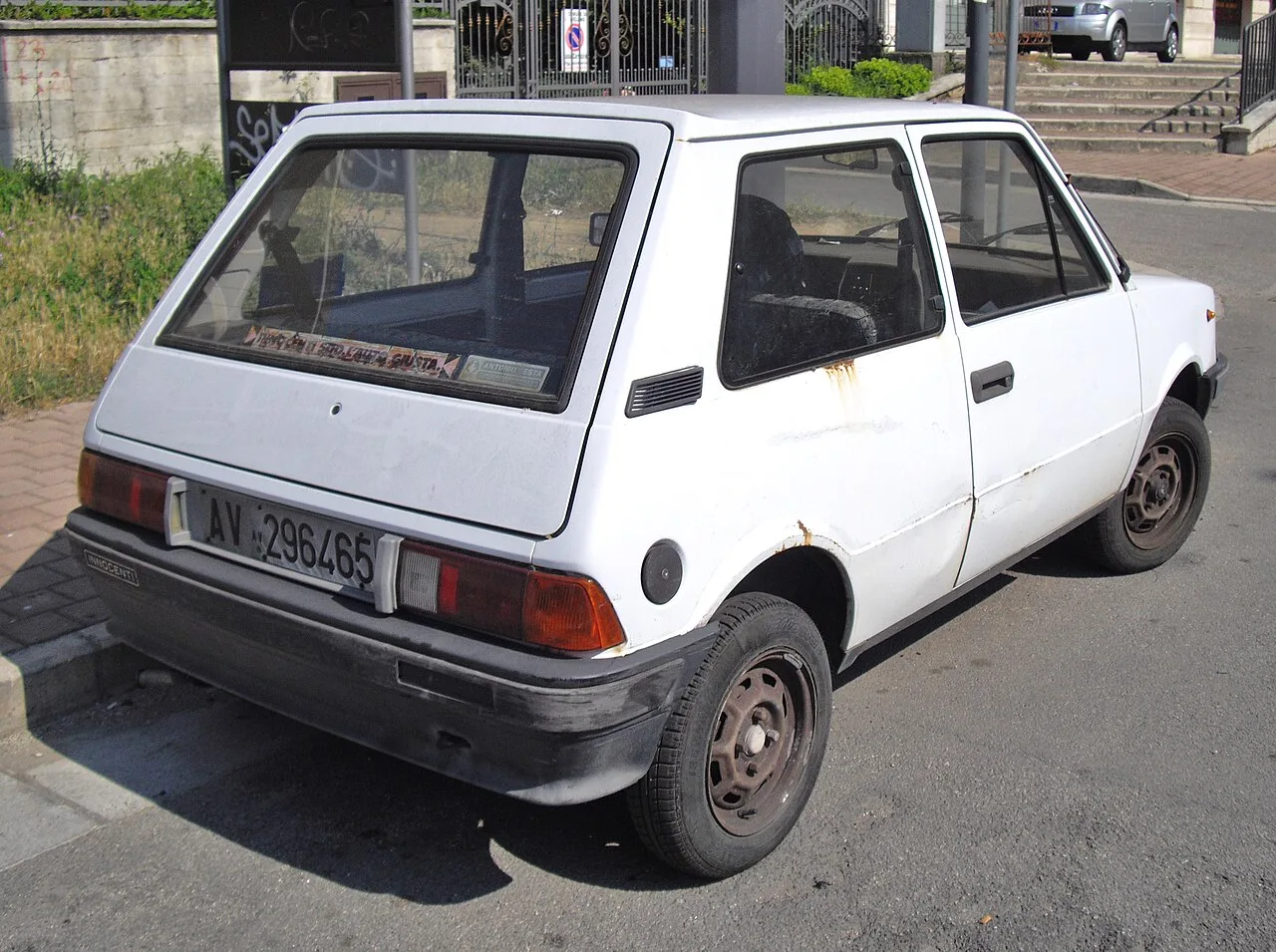
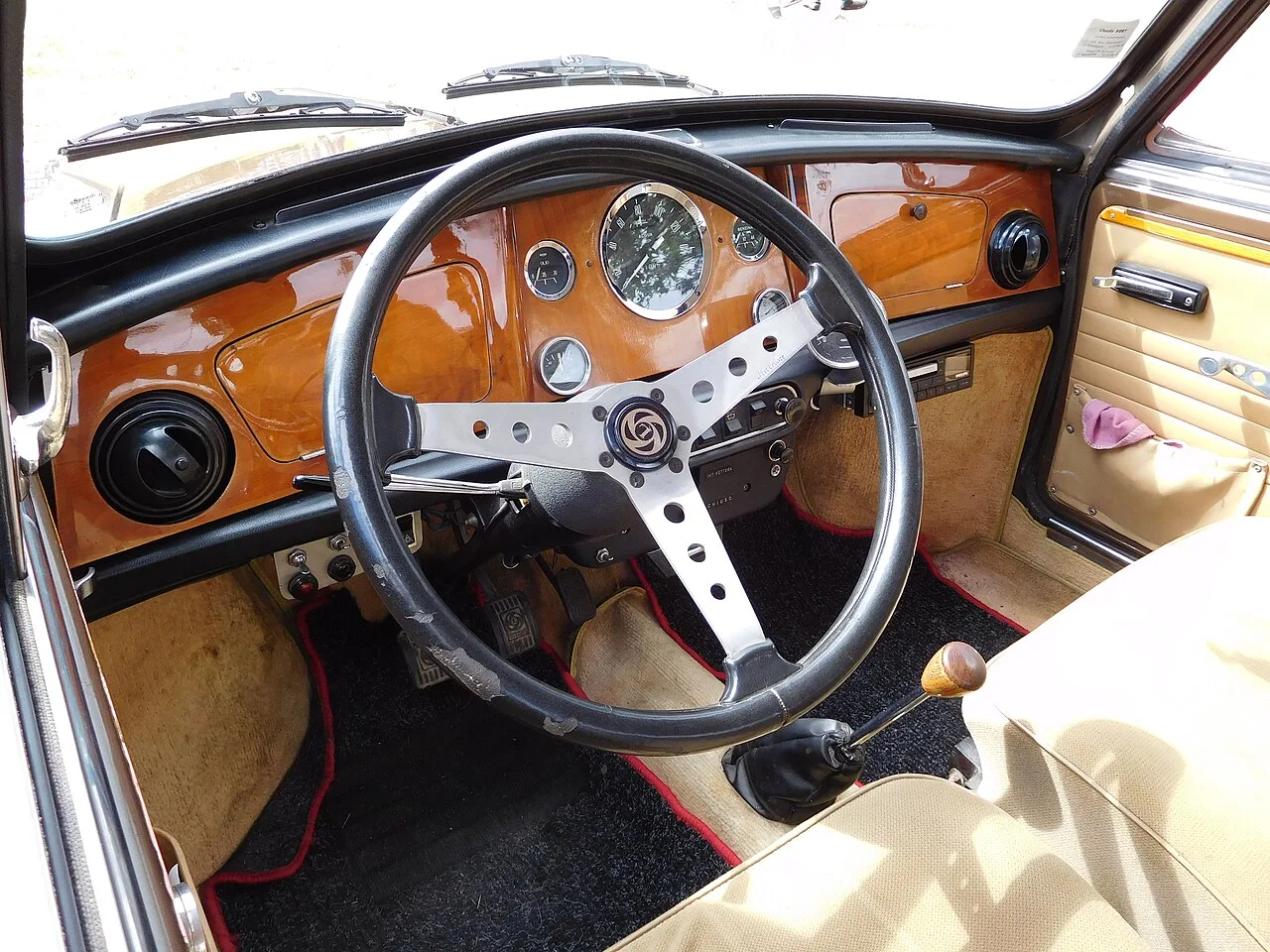
After De Tomaso's takeover the Innocenti Mini took Daihatsu-sourced three-cylinder engines, the 993 cc CB22 SOHC unit in the Minitre / 3 Cilindri (SE and SE Special versions, 1982-1986 per the data table), with a 5-speed manual and a 2-speed automatic Minimatic version (1984-1986). Table figures: 52 PS (38 kW) at 5,600 rpm, 74 Nm (55 lb-ft) at 3,200 rpm, 145 km/h (90 mph), 0-100 km/h in 17.4 s, wheelbase 2,045 mm (80.5 in), length 3,160 mm (124.4 in), width 1,520 mm (59.8 in), height 1,380 mm (54.3 in), weight 638 kg (1,407 lb). Output slid from the forty-thousands a year in the late 1970s to the mid-teens by 1984/85, which De Tomaso tried to counter with a more luxurious, customisable product.
Collectors Spotted in the Innocenti Mini Lineage
No member has published a public street spot of the Innocenti Mini yet — the First · Worldwide stamp is wide open.
Trims & Figures
One published trim in the catalogue. A blank is a figure not recorded, not zero.
| Trim | Years | Engine | Power | Torque | 0–60 | Drive | Gearbox | MSRP |
|---|---|---|---|---|---|---|---|---|
| Minitre CB22 993 cc SOHC three (52 PS) | 1982–1986 | 1.0 L Inline-3 | 51 hp | 55 lb-ft | — | FWD | — | — |
Owning one
We don’t estimate running costs for a car like this. What it costs depends on its condition, its specialist and how it is driven, and an average would mislead.
Owners’ builds
Nobody has claimed one yet.
Photographs
The tiny Innocenti Mini 500 found fans in France, where its featherweight tax class matched the famously minimal Fiat 126 — good company for a car this small.
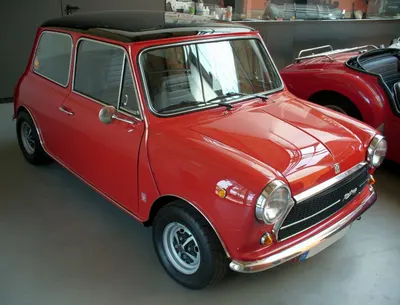
The long-wheelbase Innocenti 990 got an unlikely fashion collaborator: its 1991 Serie Speciale special edition had an Alcantara interior designed by Italian fashion house Missoni.
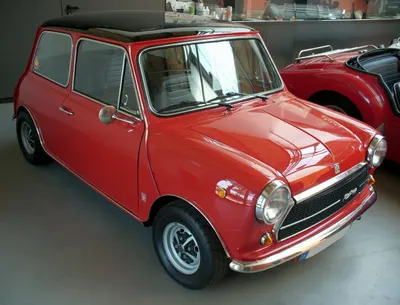
Innocenti's 1984 Minidiesel squeezed a one-litre diesel into a Mini-shaped body — at launch it was the smallest passenger-car diesel in the world, and the highest-output naturally aspirated diesel in series production.
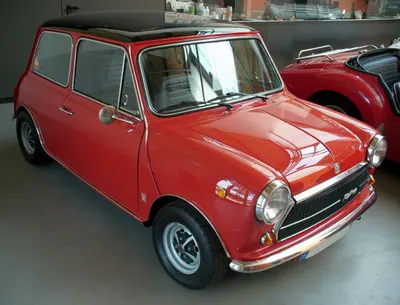
Innocenti's tiny two-cylinder 650 made just 31 PS, but it ran surprisingly smooth for such a small, cheap engine thanks to twin balance shafts — tech usually reserved for bigger motors.
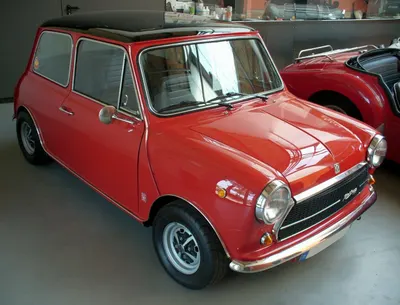
This Mini's original turbo engine wasn't purely Japanese or Italian — De Tomaso's engineers took Daihatsu's naturally aspirated block and developed their own turbocharged version in-house, badged CB-DT for 'De Tomaso.'
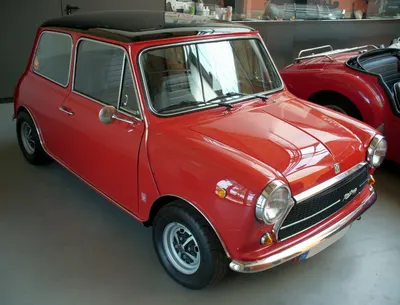
Swapping in Daihatsu three-cylinder engines backfired on Innocenti's owner in an odd way: reliability improved so much that his repair network ended up overstaffed, with warranty claims down 70%.
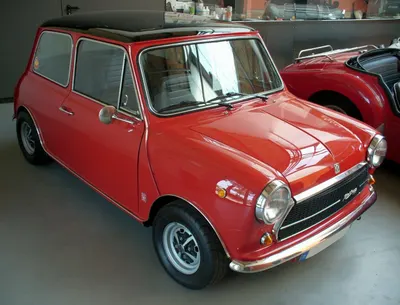
Innocenti's Italian-bodied Mini was good enough that there were once plans for it to replace the original English Mini outright — the plan just never happened.
Rivals
Same body, same money, other badges — tap any card to flip.
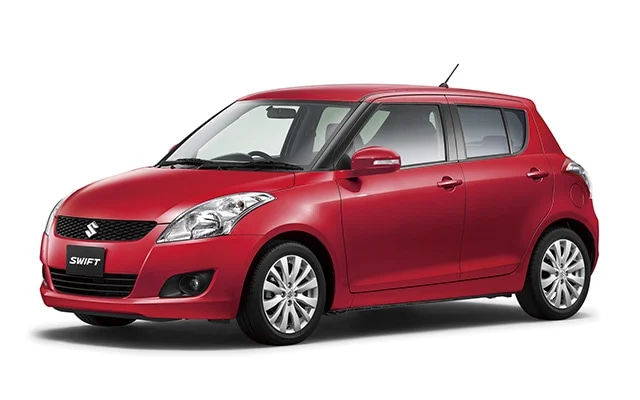
Japan was a minor market for the Swift: when it passed 2 million sales in 2011, about 39% were in India and 27% in Europe, against roughly 15% at home.
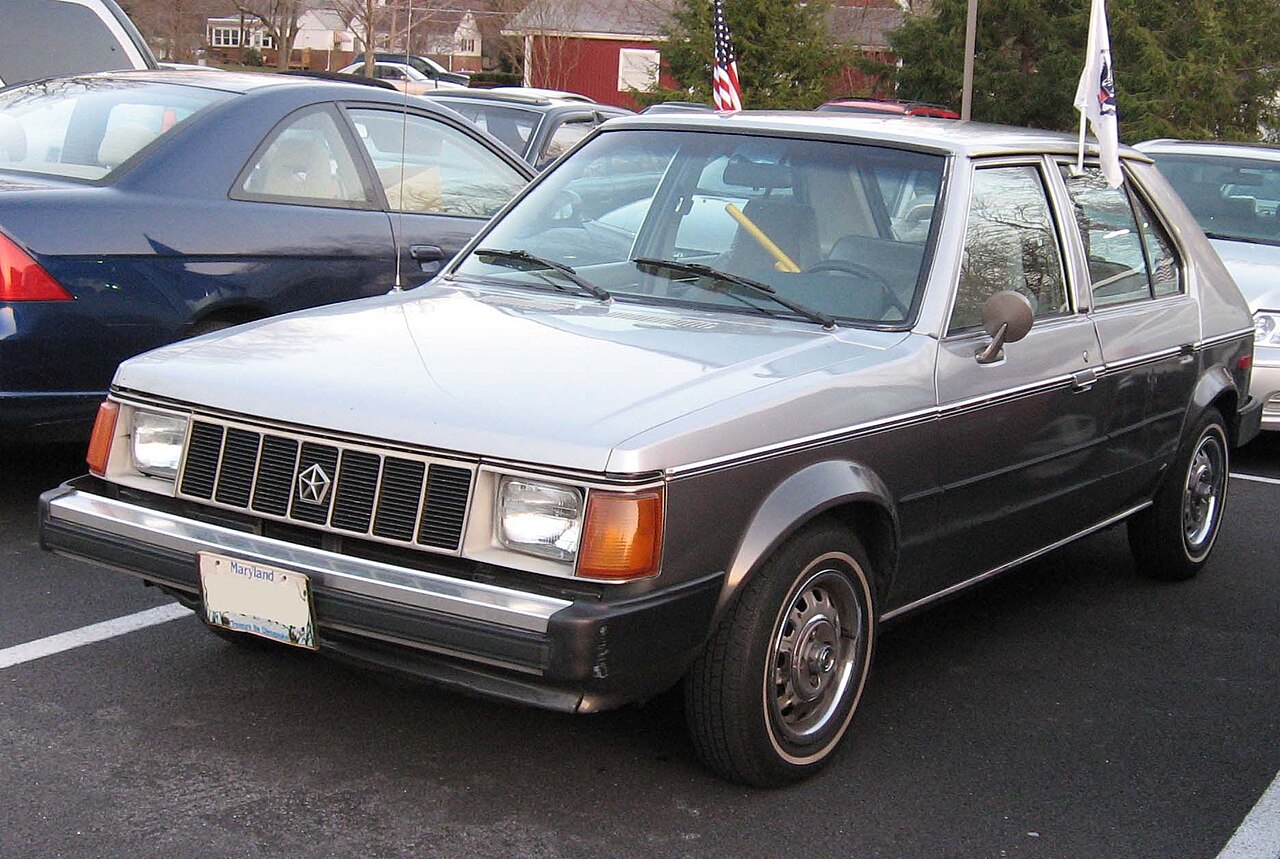
To adapt the Horizon for America, Chrysler bought nearly 100 Volkswagen Rabbits purely to reverse engineer them.
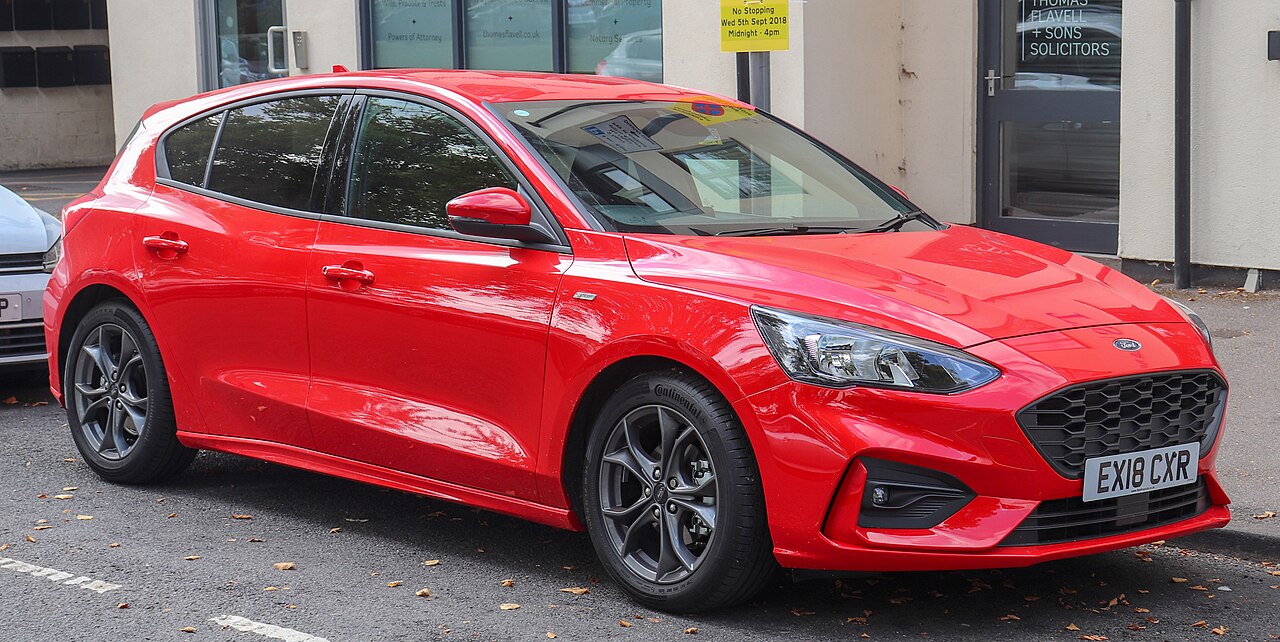
The Mk3 Focus RS's AWD system could send 100 percent of engine power to the rear wheels alone — built not in Ford's home country, but at the Saarlouis plant in Germany.
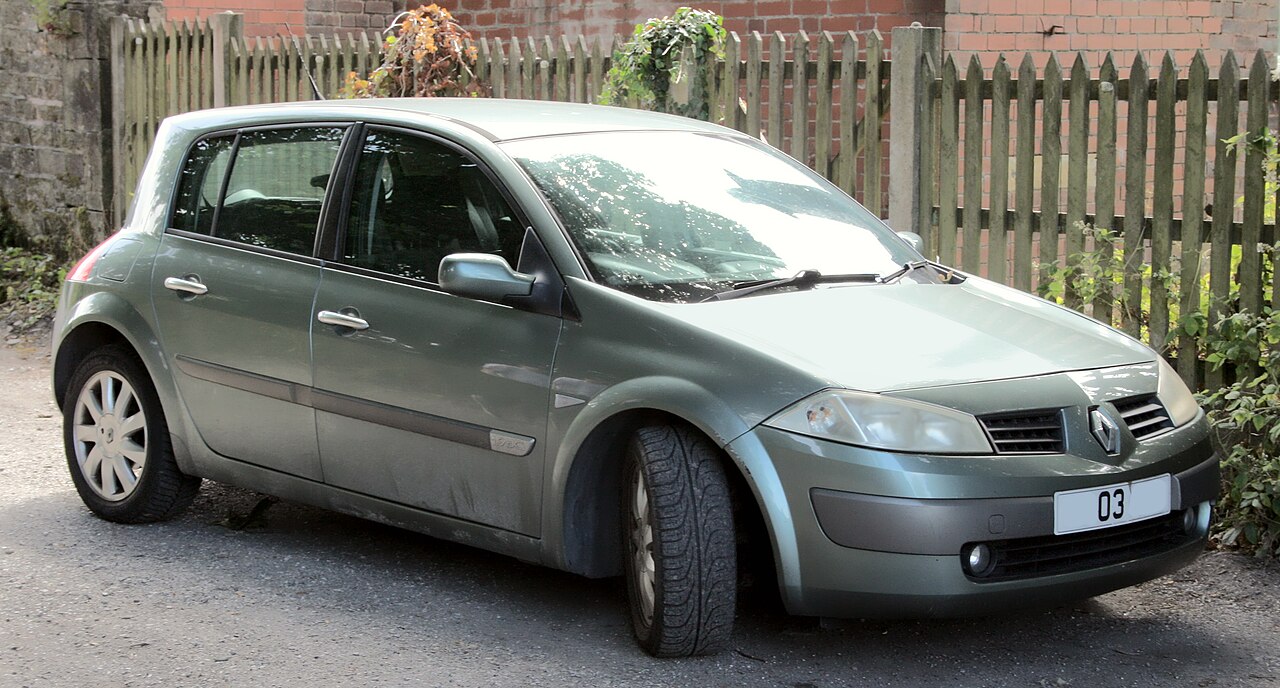
In June 2003, a Mégane II became the subject of the first ever live televised crash test with a real human driver at the wheel instead of a dummy — filmed by Top Gear.
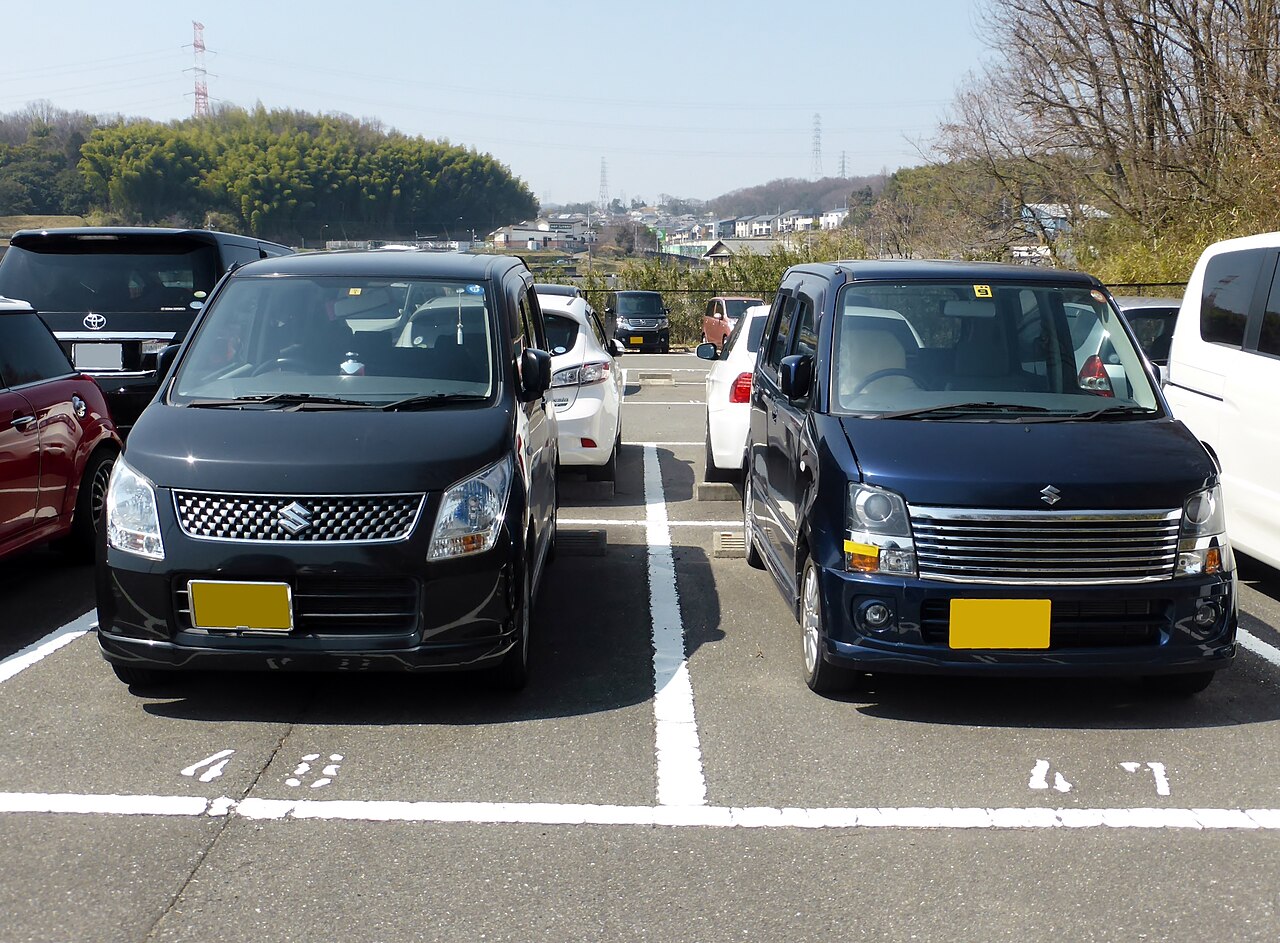
This Wagon R redesigned its rear doors specifically to kill off the D-pillar — bigger doors with built-in quarter glass solved what earlier generations needed a whole extra pillar for.
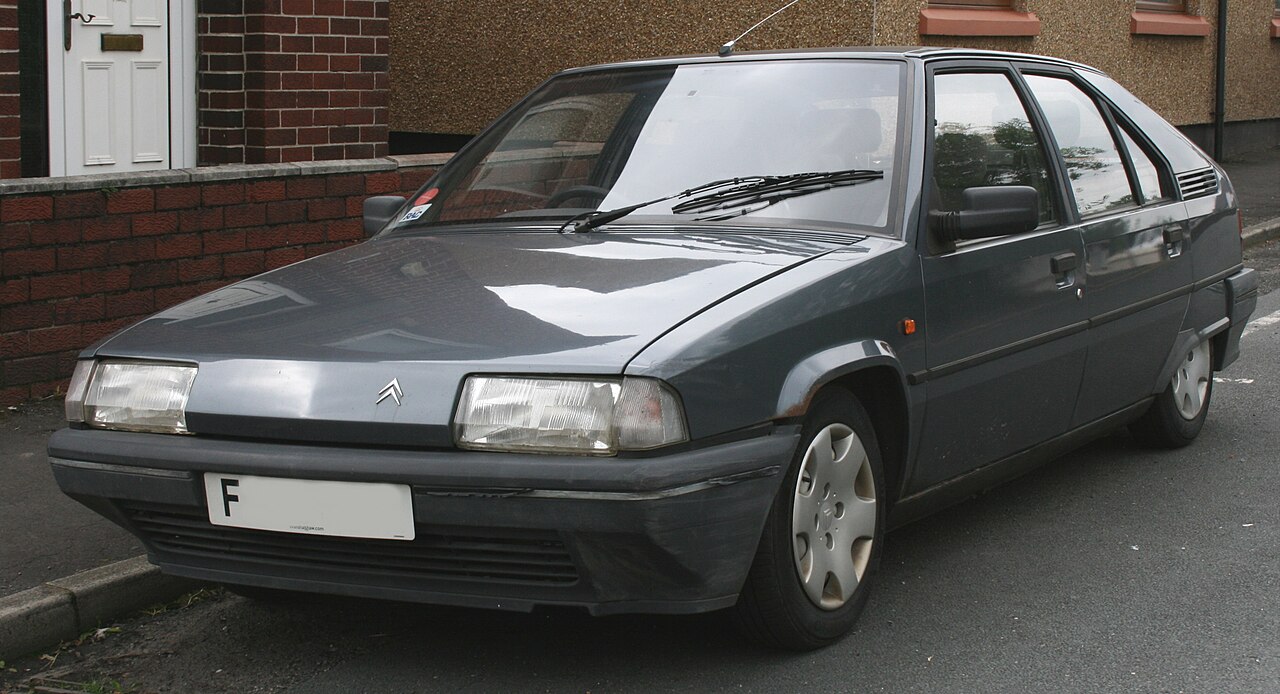
The BX was the UK's best-selling diesel car for four years from 1987, and 2,315,739 were built in all.
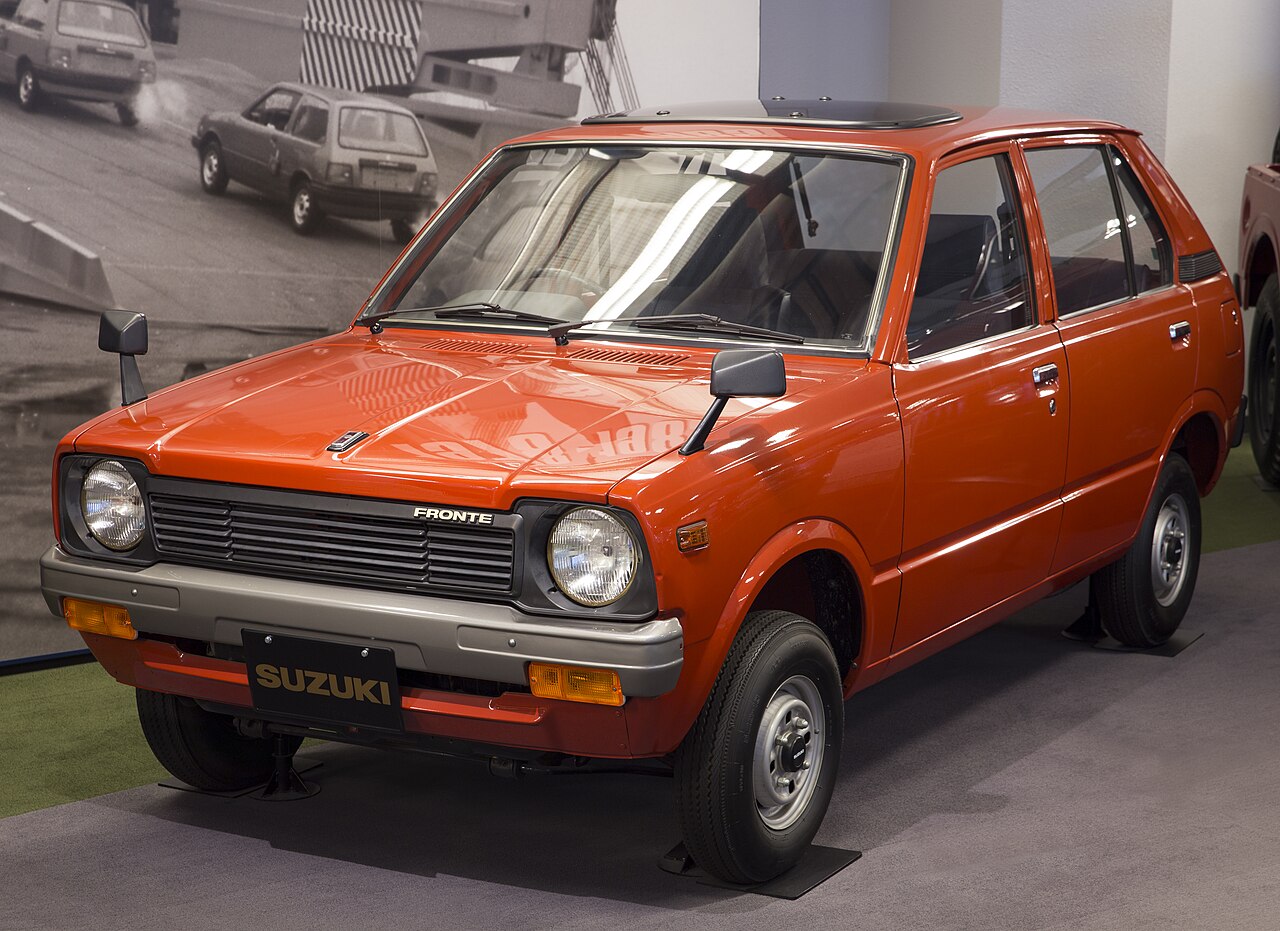
Six months before Suzuki retired the Fronte name for good, the CN11S's 796cc version was already being built in China under a completely different name: the Anchi 6330.
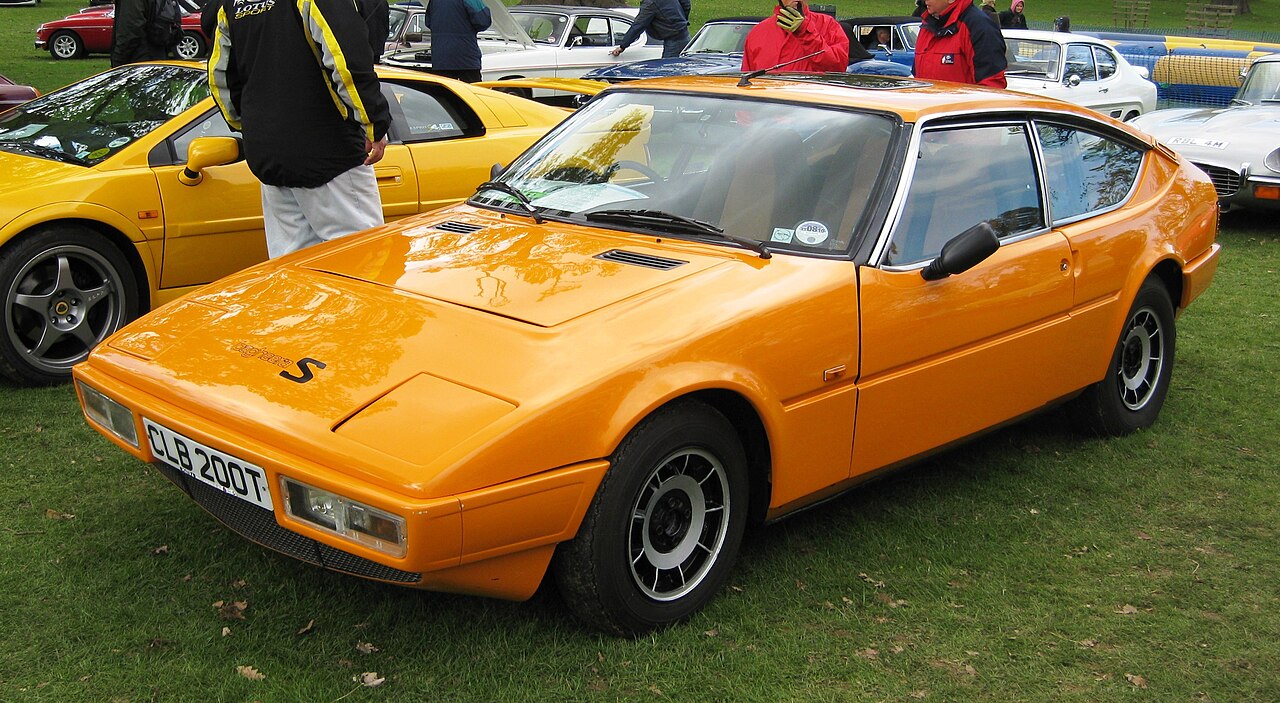
Built to use up Chrysler-Simca's parts bin, it took its engine and gearbox straight from the front-wheel-drive Simca 1100 but mounted them amidships instead.