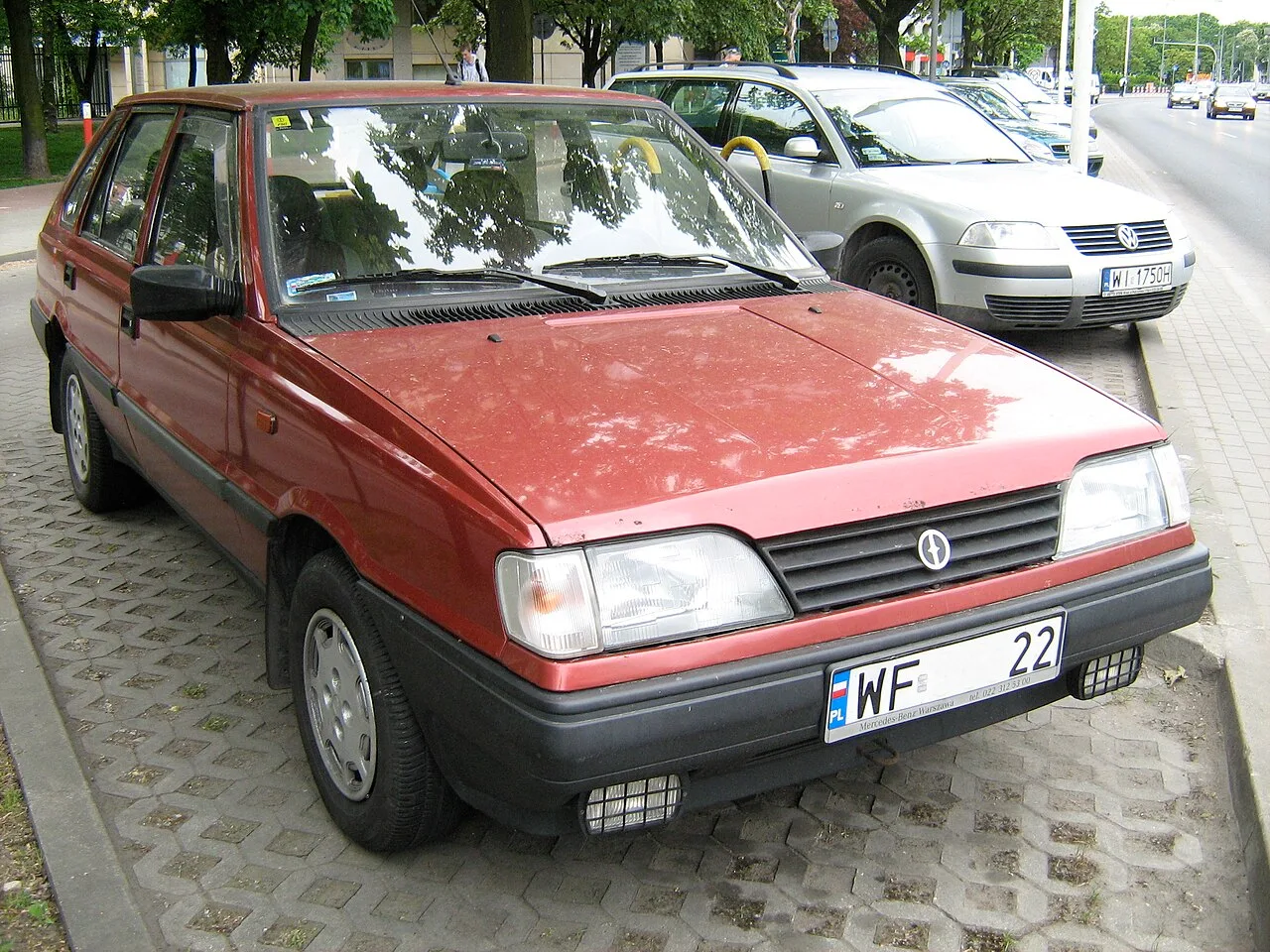
In a Cold War first, this Polish family car was the only Eastern Bloc model of 1978 built to actually pass United States crash tests.
Lead trim: Polonez 1500 X AB 1,481 cc OHV four (82 PS) · up to 110 hp
FSO PolonezType 137 · 1978–1991
- 0spots by members
- Unclaimednobody has spotted one yet
- 0sets it belongs to
Nobody in Burbles has spotted a FSO Polonez yet. See one on the street, point the app at it, and the first card is yours — with your @handle permanently credited on this page.
FactIn a Cold War first, this Polish family car was the only Eastern Bloc model of 1978 built to actually pass United States crash tests.
The FSO Polonez was developed in Poland with Fiat and produced by Fabryka Samochodów Osobowych from 1978 to 2002 (more than a million built), on the Polski Fiat 125p platform and mechanicals with a new liftback body designed by Zbigniew Wattson, Walter de Silva and Giorgetto Giugiaro, from a 1974 project based on Fiat's ESV 2000 safety prototype (Type 137); the name came from a readers' poll in Życie Warszawy. It was the only Eastern European car to pass US crash tests in 1978. Mass production began in May 1978 with the 1300 and 1500; the Polonez 2000 (a Fiat twin-cam 1,995 cc, 110 hp, 5-speed, 0-100 km/h in 12.0 s, 175 km/h (109 mph)) followed in 1979, sold mostly to government officials; a three-door 1300/1500 (about 300 built 1979-1981), the Coupé (1981 and 1983, a few dozen) and the 1983 'Kryzysowy' crisis models C and CE (stripped equipment, Wartburg 353 rectangular lights) came next, and in 1983 the Polski Fiat 125p was renamed FSO 125p when the Fiat badge licence lapsed. Later versions: the 1983 2.0 D Turbo diesel (VM HR 488, 1,995 cc, 84 PS at 4,300 rpm, 120 lb-ft, 91 mph, about 100 built), the 1500 X (1,481 cc, 82 PS, five-speed), the 1.6 LE of 1987 (1,598 cc, 87 PS at 5,200 rpm, 97 lb-ft at 3,800 rpm, 96 mph), the 1.5 SLE Turbo of December 1989 (1,481 cc, 105 hp at 6,000 rpm, 133 lb-ft at 3,200 rpm, 0-100 km/h in 11.0 s, 112 mph), a Belgian-market Polonez Piedra 1.3 Turbodiesel with a 1,366 cc FNM engine (60 PS, 96 mph), and in 1990 the 2.0 SLE with Ford's 105 PS engine (12.5 s to 100 km/h, 103 mph). A group-A rally 1500 Turbo (190 PS) and the one-off Stratopolonez are not entered. Length 4,272 mm (168.2 in) for the hatchback, width 1,650 mm (65.0 in), height 1,420 mm (55.9 in); the description carries a needs-more-citations notice.
Collectors Spotted in the FSO Polonez Lineage
No member has published a public street spot of the FSO Polonez yet — the First · Worldwide stamp is wide open.
Trims & Figures
7 published trims in the catalogue. A blank is a figure not recorded, not zero.
| Trim | Years | Engine | Power | Torque | 0–60 | Drive | Gearbox | MSRP |
|---|---|---|---|---|---|---|---|---|
| Polonez 1.5 SLE Turbo 1,481 cc four (105 hp) | 1989–1991 | 1.5 L Inline-4 | 105 hp | 133 lb-ft | — | RWD | — | — |
| Polonez 1.6 LE 1,598 cc four (87 PS) | 1987–1991 | 1.6 L Inline-4 | 86 hp | 97 lb-ft | — | RWD | — | — |
| Polonez 1500 X AB 1,481 cc OHV four (82 PS) | 1983–1991 | 1.5 L Inline-4 | 81 hp | — | — | RWD | — | — |
| Polonez 2.0 D Turbo VM HR 488 diesel (84 PS) | 1983–1983 | 2.0 L Inline-4 | 83 hp | 120 lb-ft | — | RWD | — | — |
| Polonez 2.0 SLE Ford 2.0 L four (105 PS) | 1990–1991 | 2.0 L Inline-4 | 104 hp | — | — | RWD | — | — |
| Polonez 2000 Fiat DOHC 1,995 cc four (110 hp) | 1979–1991 | 2.0 L Inline-4 | 110 hp | — | — | RWD | — | — |
| Polonez Piedra 1.3 Turbodiesel FNM 1,366 cc (60 PS) | 1989–1991 | 1.4 L | 59 hp | — | — | RWD | — | — |
Owning one
We don’t estimate running costs for a car like this. What it costs depends on its condition, its specialist and how it is driven, and an average would mislead.
Owners’ builds
Nobody has claimed one yet.
Photographs
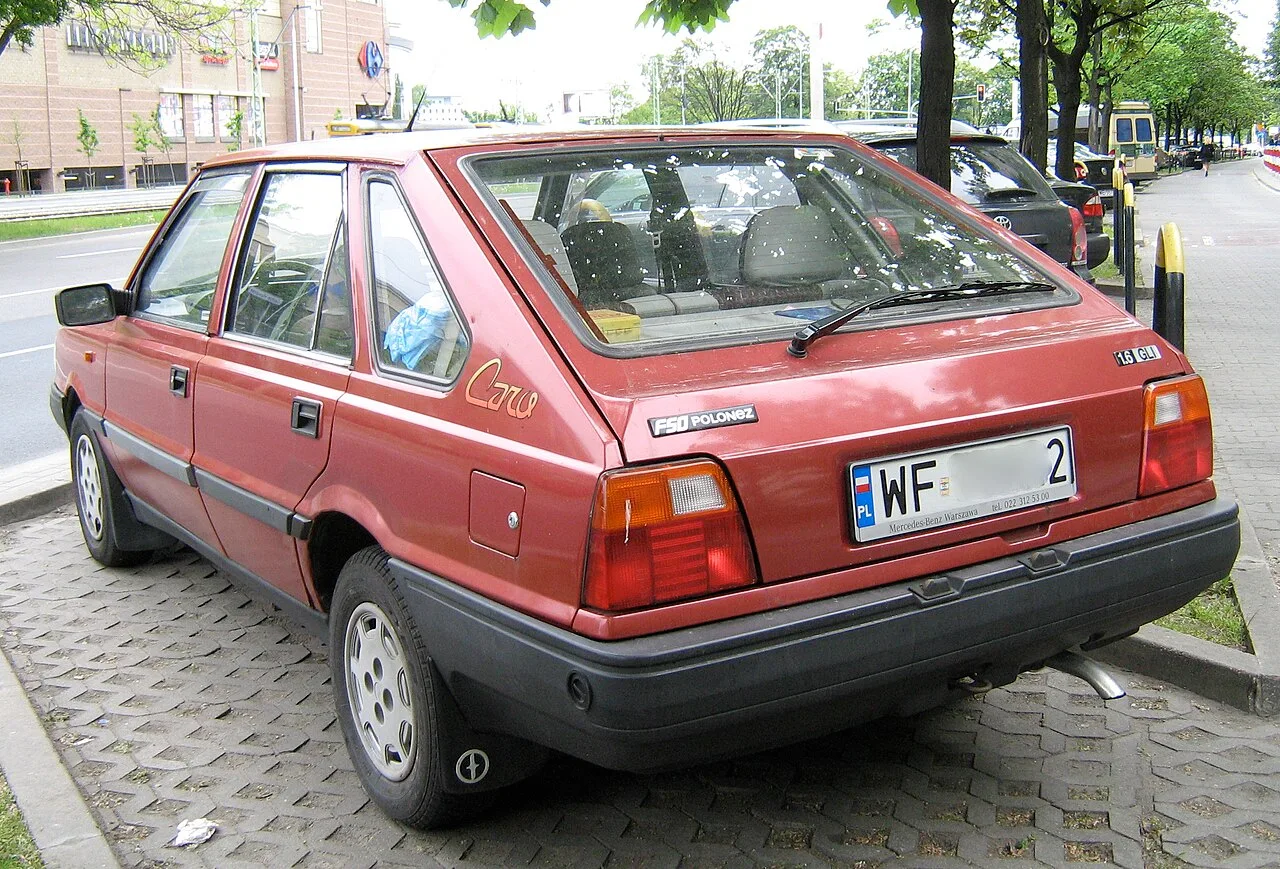
By 1999 the Polonez wasn't entirely Polish anymore — the Caro Plus borrowed its steering wheel straight off a Daewoo Nubira.
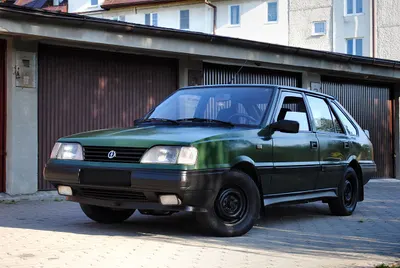
A rare Polonez Caro trim, the 2.0 GLE, skipped the Polish engine entirely — it ran a Ford Sierra engine and gearbox, in roughly 1,000 cars.
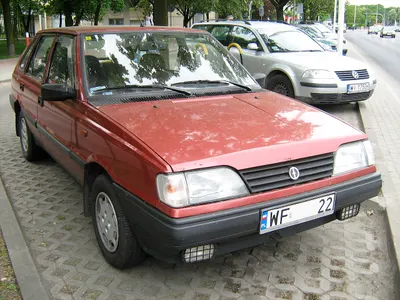
In a Cold War first, this Polish family car was the only Eastern Bloc model of 1978 built to actually pass United States crash tests.
Rivals
Same body, same money, other badges — tap any card to flip.
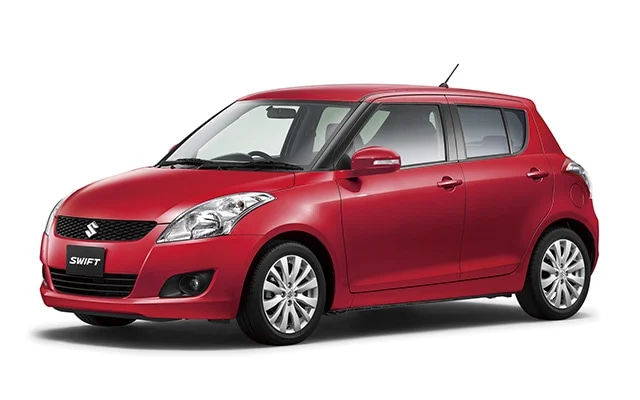
Japan was a minor market for the Swift: when it passed 2 million sales in 2011, about 39% were in India and 27% in Europe, against roughly 15% at home.
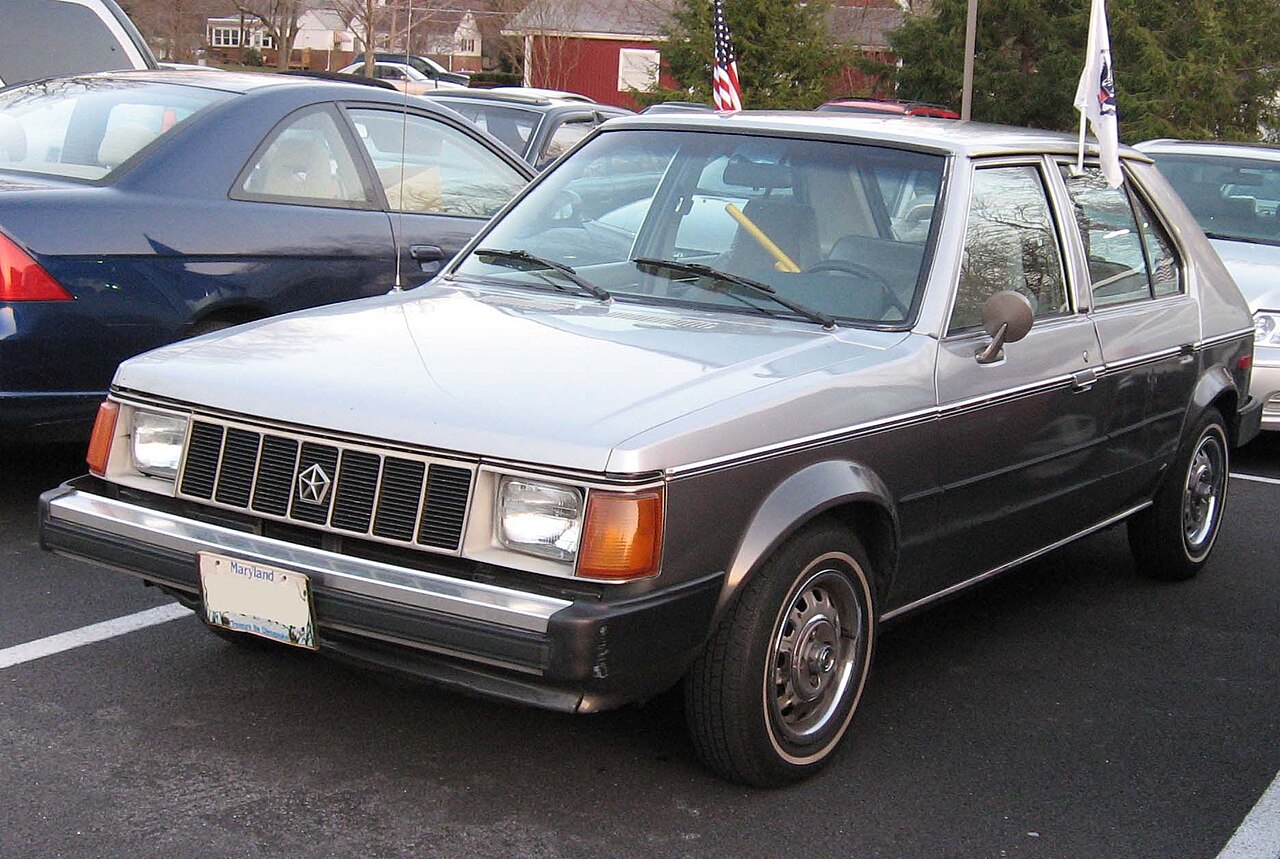
To adapt the Horizon for America, Chrysler bought nearly 100 Volkswagen Rabbits purely to reverse engineer them.
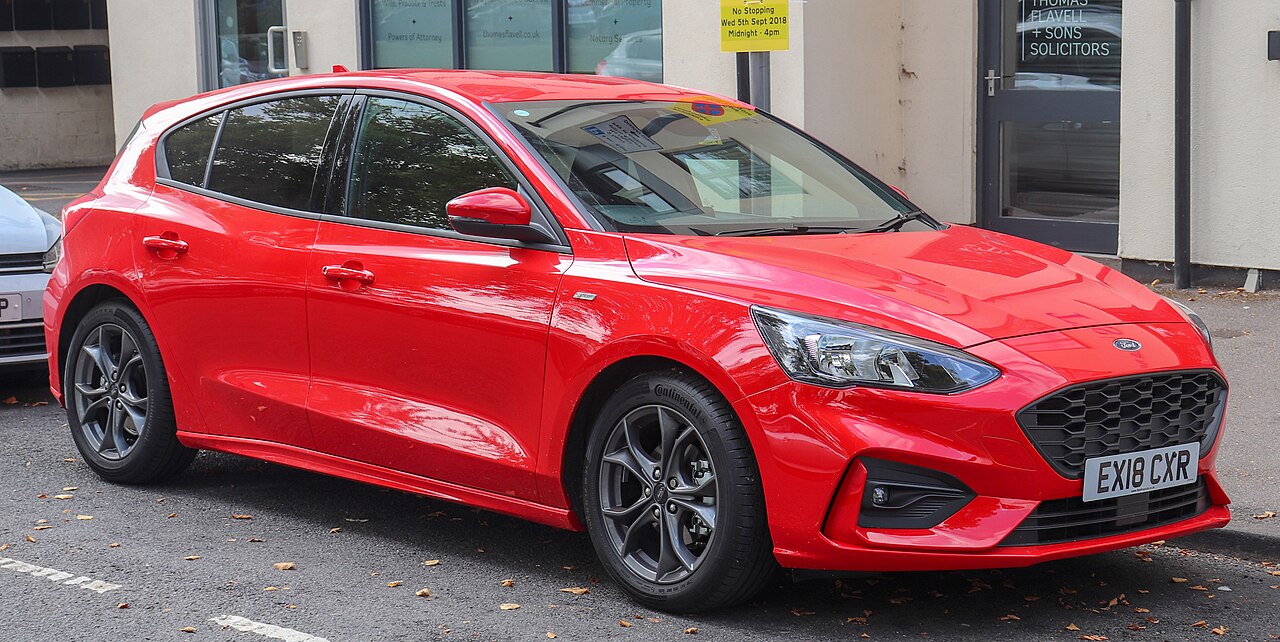
The Mk3 Focus RS's AWD system could send 100 percent of engine power to the rear wheels alone — built not in Ford's home country, but at the Saarlouis plant in Germany.
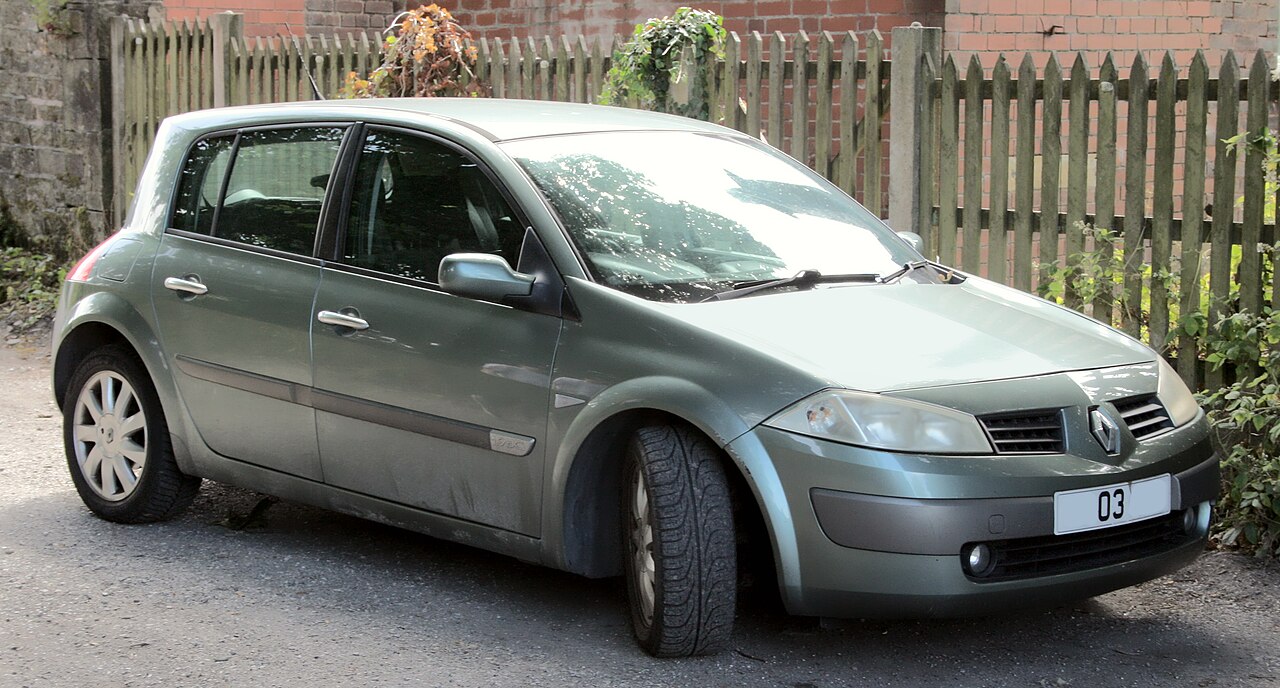
In June 2003, a Mégane II became the subject of the first ever live televised crash test with a real human driver at the wheel instead of a dummy — filmed by Top Gear.
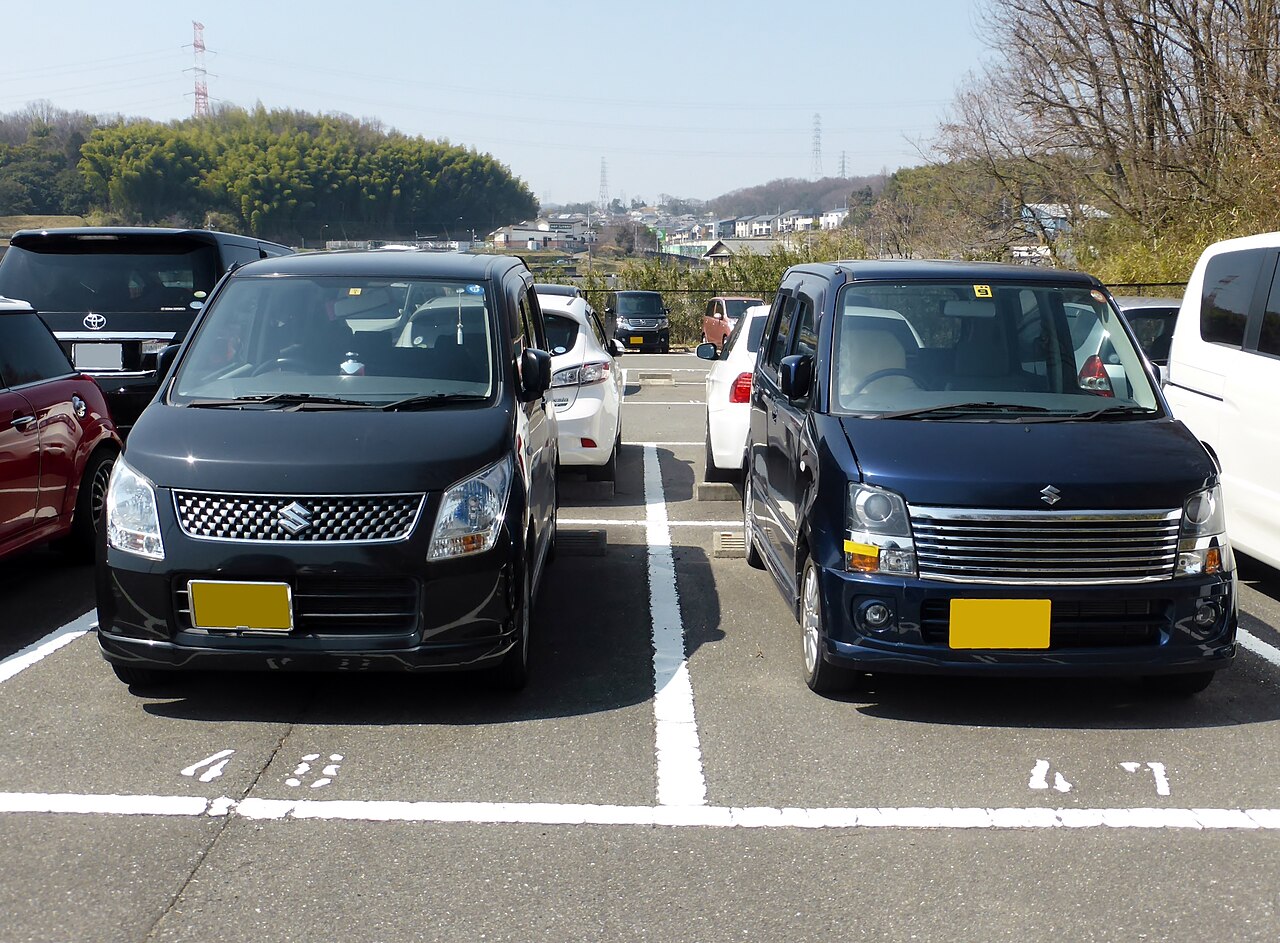
This Wagon R redesigned its rear doors specifically to kill off the D-pillar — bigger doors with built-in quarter glass solved what earlier generations needed a whole extra pillar for.
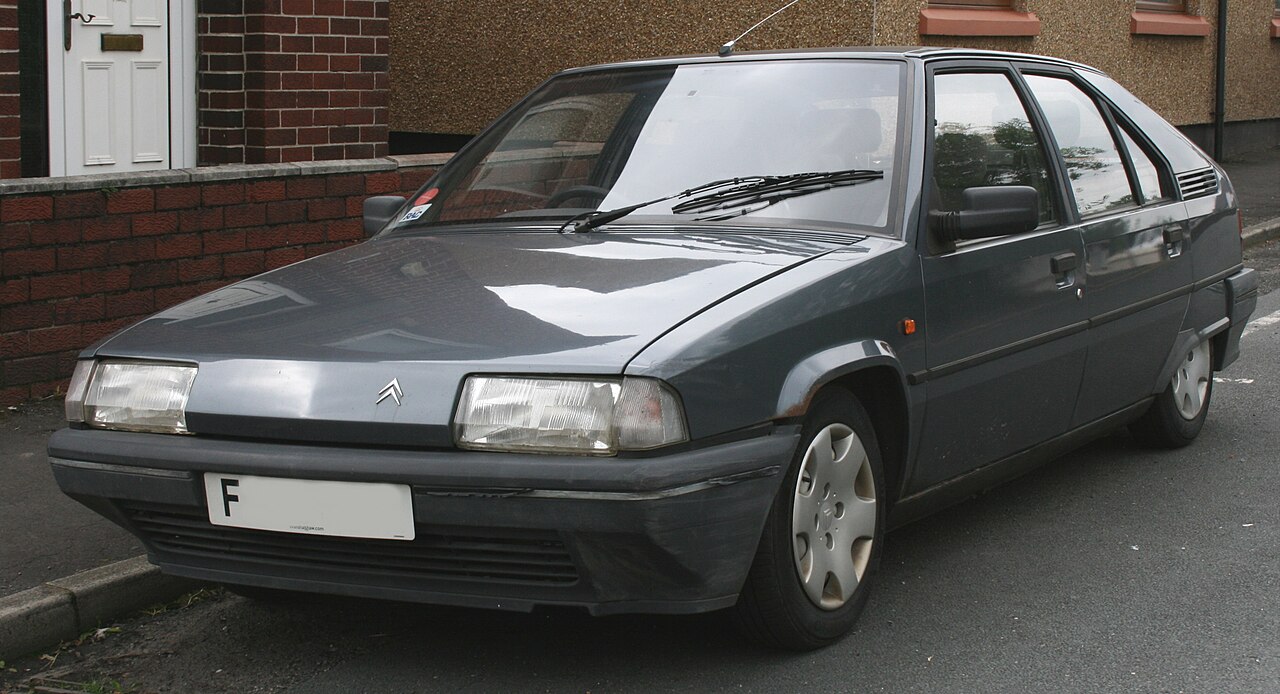
The BX was the UK's best-selling diesel car for four years from 1987, and 2,315,739 were built in all.
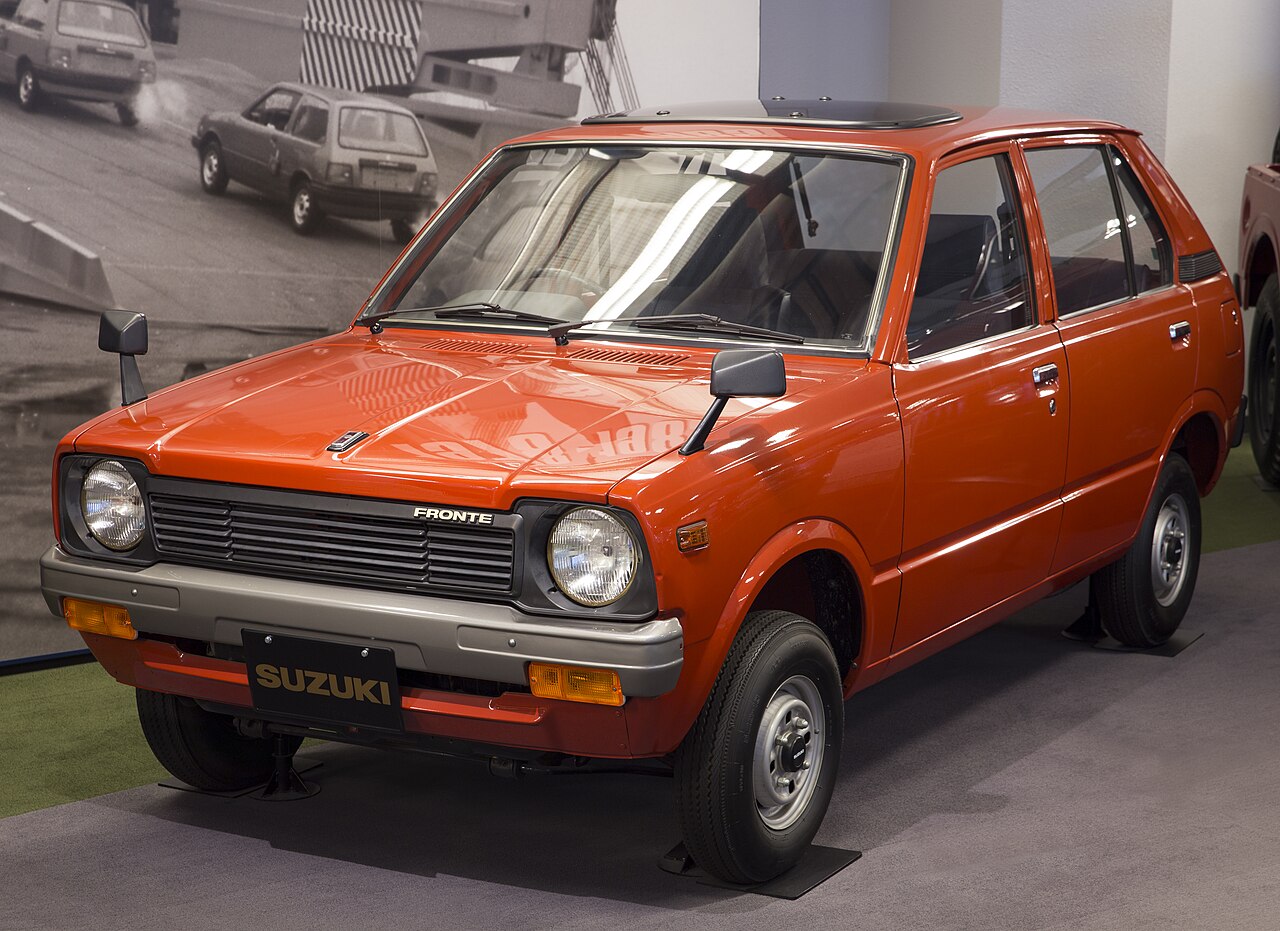
Six months before Suzuki retired the Fronte name for good, the CN11S's 796cc version was already being built in China under a completely different name: the Anchi 6330.
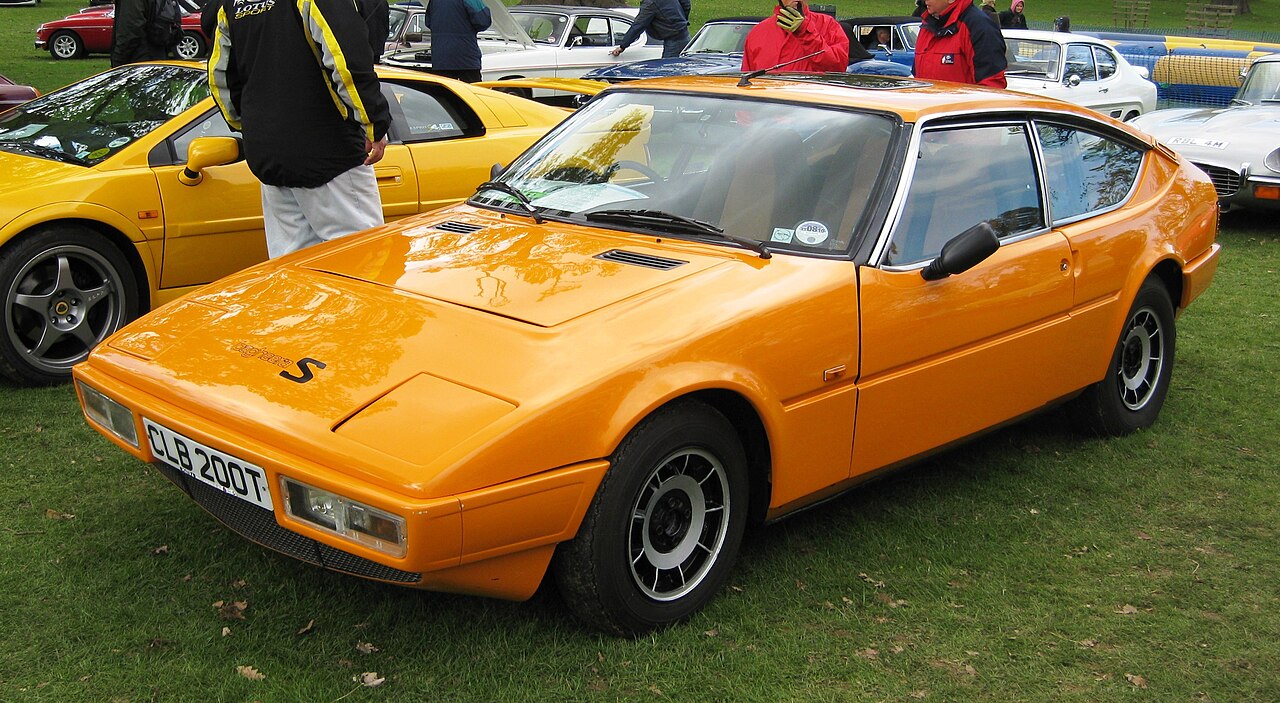
Built to use up Chrysler-Simca's parts bin, it took its engine and gearbox straight from the front-wheel-drive Simca 1100 but mounted them amidships instead.