Ford Mustang300HP
 VerifiedFIRST PRINTPRO
V6 · 3.7 L
PONY WARS
FACT
The S550 was the first Mustang generation offered with an independent rear suspension across the entire lineup.
SPOTTED BY @MATCHATEGGY · 10/2026№ 0002 · 01/3 EDITION
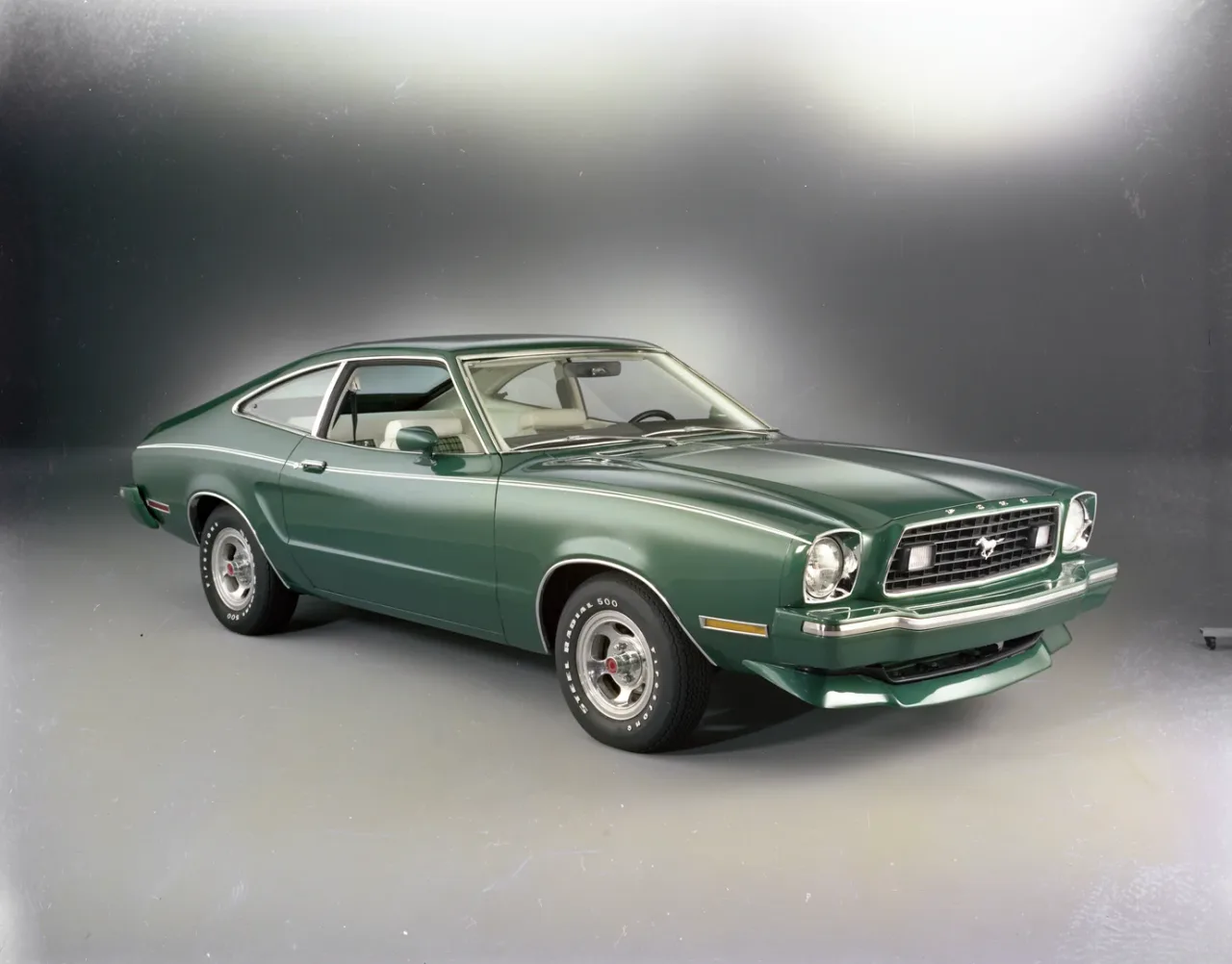
The Mustang II launched the same week as the 1973 oil embargo and became the only Mustang year ever sold without a V8 option.
Median 140 hp across 103 similar cars
Lead trim: 302 Windsor V8
Nobody in Burbles has spotted a Ford Mustang II yet. See one on the street, point the app at it, and the first card is yours — with your @handle permanently credited on this page.
FactThe Mustang II launched the same week as the 1973 oil embargo and became the only Mustang year ever sold without a V8 option.
The second-generation Ford Mustang, marketed as the Mustang II, was introduced on 21 September 1973 for the 1974 model year, at roughly the same time as the oil embargo, and built until 1978 as a two-door coupé and a three-door hatchback. Developed under Lee Iacocca and related to the Ford Pinto, it was named Motor Trend's 1974 Car of the Year and sold more than 1.1 million over four years. For 1974 it had only a 2.3 litre four and a 2.8 litre Cologne V6, the only Mustang year without a V8; the 302 cu in V8 returned for 1975.
Real Ford Mustang cards spotted on the street by Burbles collectors. Tap any card to flip it over, inspect the collector’s binder, or follow them.
VerifiedFIRST PRINTPROThe S550 was the first Mustang generation offered with an independent rear suspension across the entire lineup.
 VerifiedFIRST PRINTONLY ONE IN VANCOUVERPRO
The S550 was the first Mustang generation offered with an independent rear suspension across the entire lineup.
 VerifiedFIRST PRINTONLY ONE IN VANCOUVERPRO
The S197 Mustang's retro styling was led by designer Sid Ramnarace, who drew inspiration from the 1967–1968 fastback.
 VerifiedFIRST · WORLDWIDEFIRST PRINTONLY ONE IN VANCOUVER
The 1996 Mystic Cobra was the first production vehicle with colour-shifting factory paint, moving from green to amber to gold to purple; 1,999 were made.
3 published trims in the catalogue. A blank is a figure not recorded, not zero.
| Trim | Years | Engine | Power | Torque | 0–60 | Drive | Gearbox | MSRP |
|---|---|---|---|---|---|---|---|---|
| 2.3 Lima I4 | 1974–1978 | 2.3 L I4 | — | — | — | RWD | — | — |
| 2.8 Cologne V6 | 1974–1978 | 2.8 L V6 | — | — | — | RWD | — | — |
| 302 Windsor V8 | 1975–1978 | 4.9 L V8 | 140 hp | — | — | RWD | — | — |
An estimate, for the 2.3 Lima I4 trim: fuel on its EPA figure and a dated national price, upkeep on a per-mile average for the kind of car it is.
Nobody has claimed one yet.
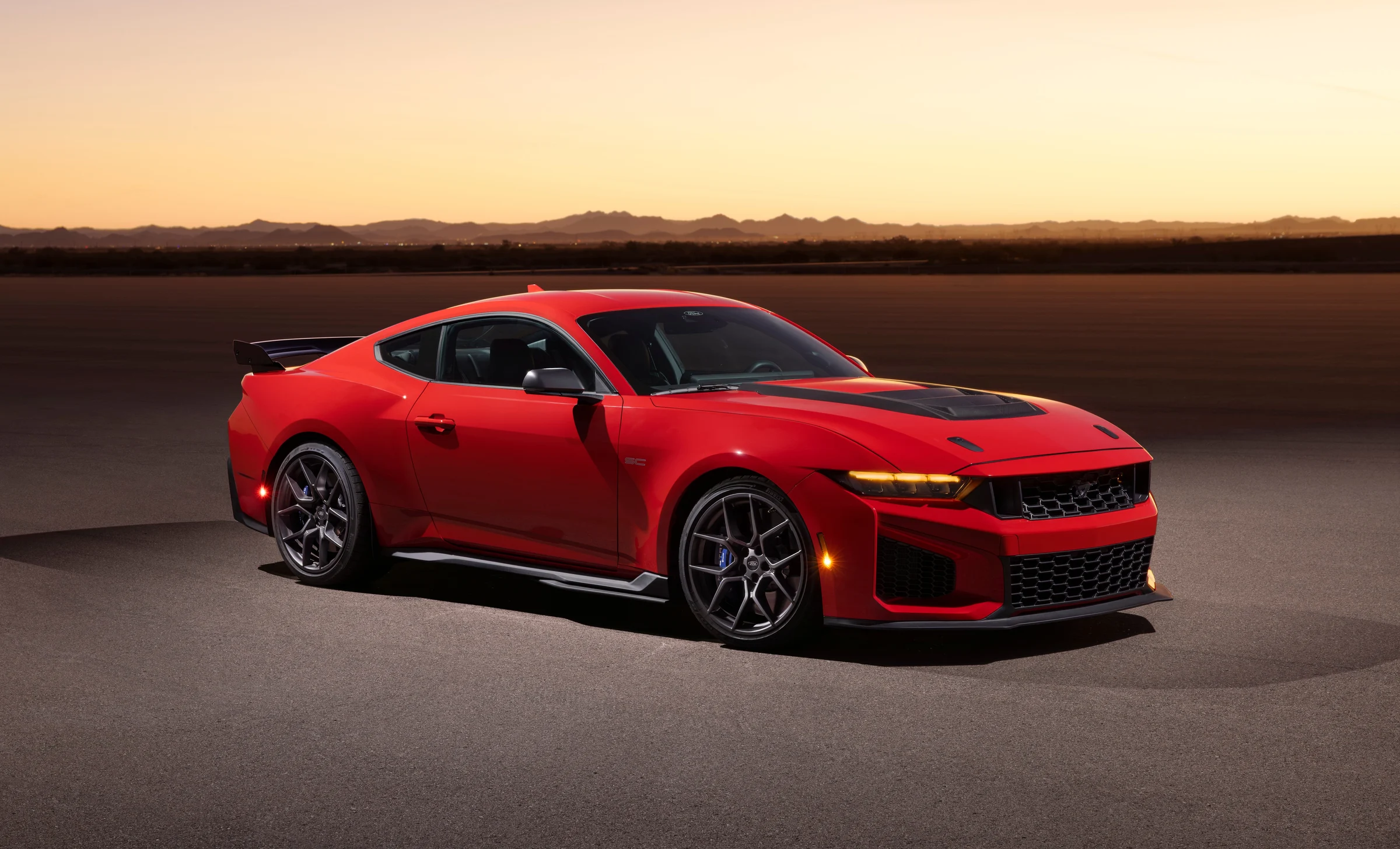
Ford calls the Dark Horse SC the successor to the Shelby GT500, built on the same supercharged 5.2-litre V8.
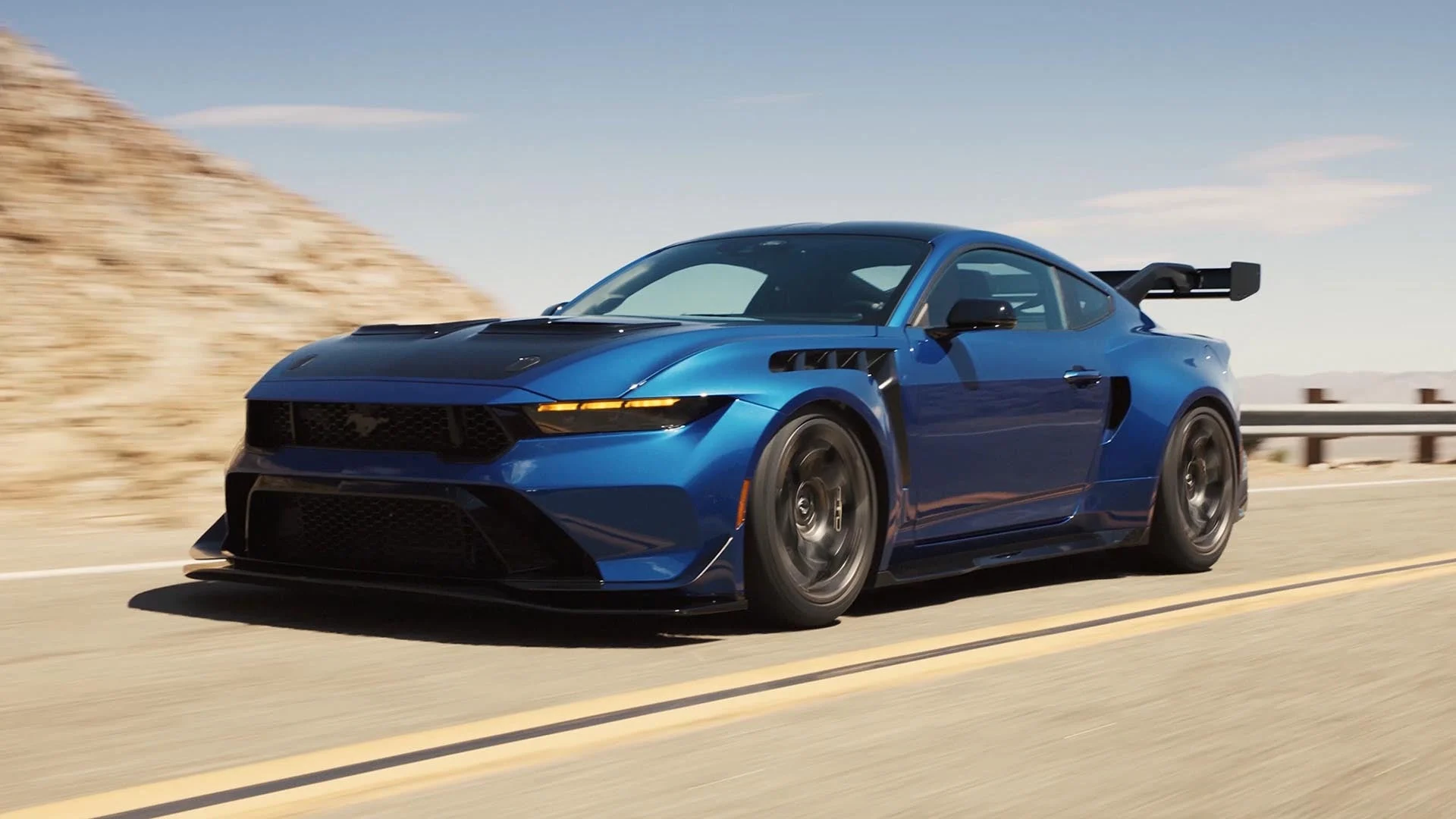
Ford built this Mustang's rear transaxle to mimic its own GT3 race car, then shaved its Nürburgring time by nearly eight seconds in five months.
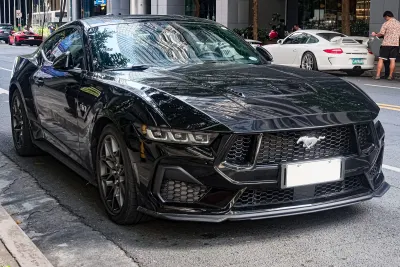
The track-focused GTD variant of this generation briefly stood alone: it became the only American production car ever to lap the Nürburgring in under seven minutes.
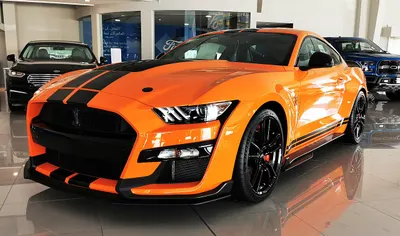
The 2020 Shelby GT500's dual-clutch gearbox can bang off a shift in as little as 80 milliseconds — blink-of-an-eye quick for a 760-horsepower muscle car.
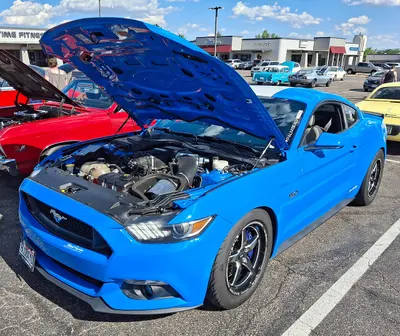
The GT350's Voodoo V8 uses a flat-plane crankshaft - exotic Ferrari-style engineering that lets it scream to a higher redline than any other Mustang V8.
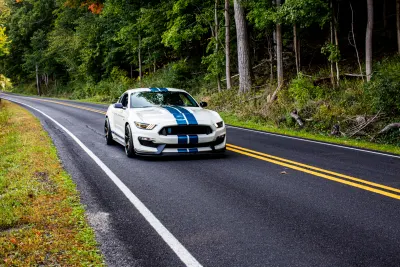
The GT350R was the first mass-production car fitted with carbon-fibre wheels, built by Carbon Revolution.
The S550 was the first Mustang generation offered with an independent rear suspension across the entire lineup.
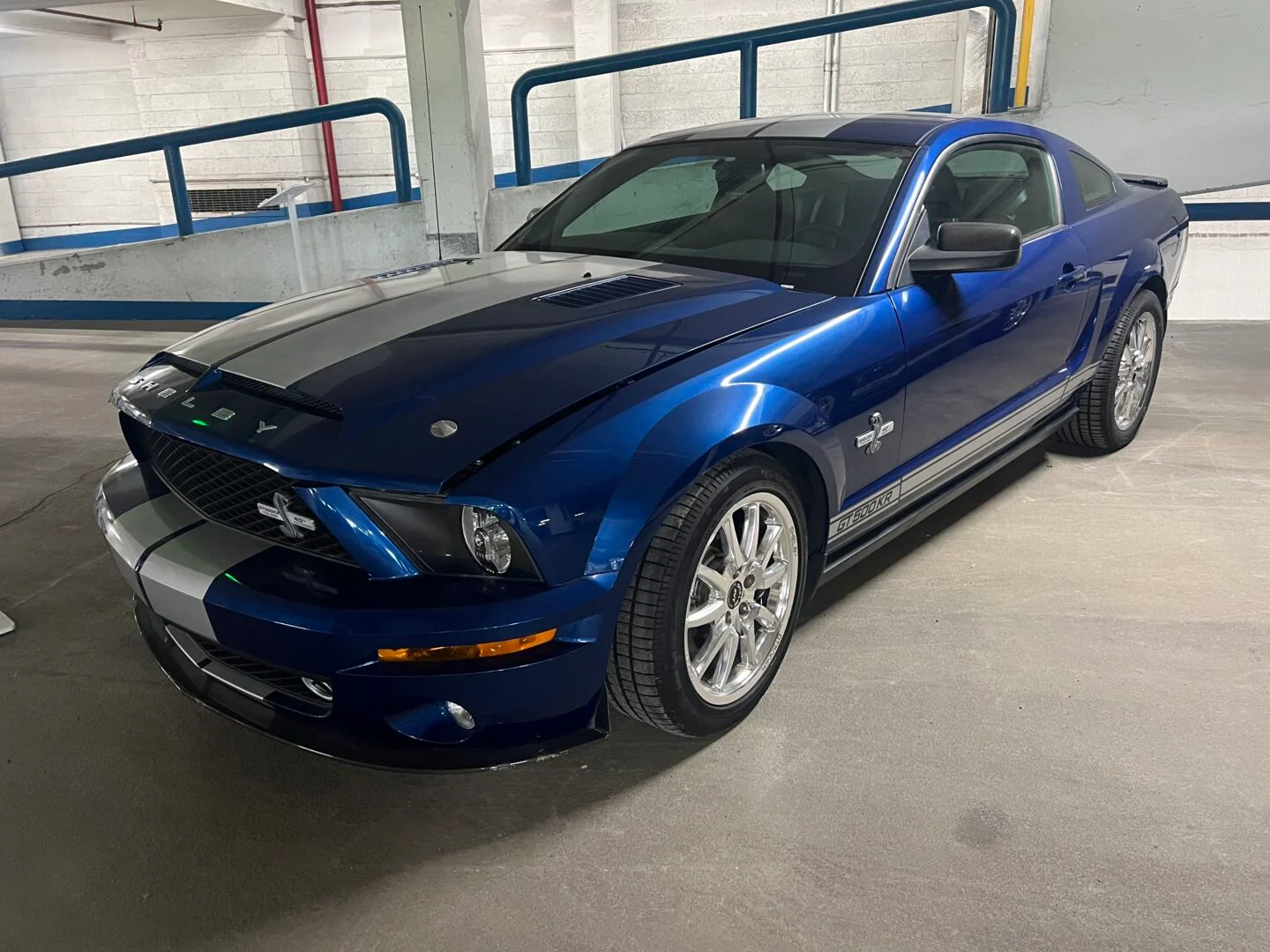
Ford built 1,571 Shelby GT500KRs across 2008 and 2009, matching the exact production count of the original 1968 GT500KR.
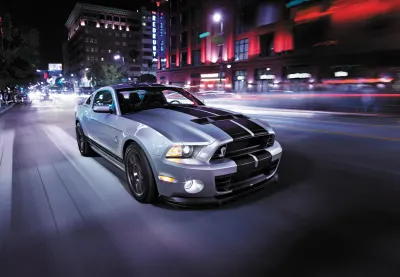
In NBC's Knight Rider reboot, KITT lived in a black GT500KR, using its hood scoops for the famous red scanner.
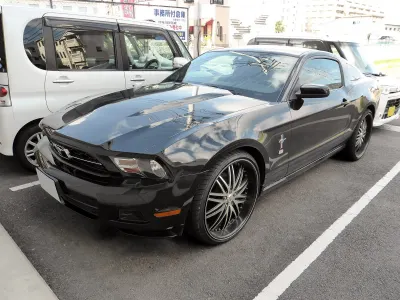
The S197 Mustang's retro styling was led by designer Sid Ramnarace, who drew inspiration from the 1967–1968 fastback.
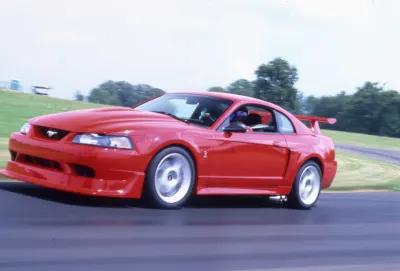
Its 5.4-litre V8 was built on a Ford truck block, and its cylinder heads were later used, slightly modified, on the 2005–2006 Ford GT.
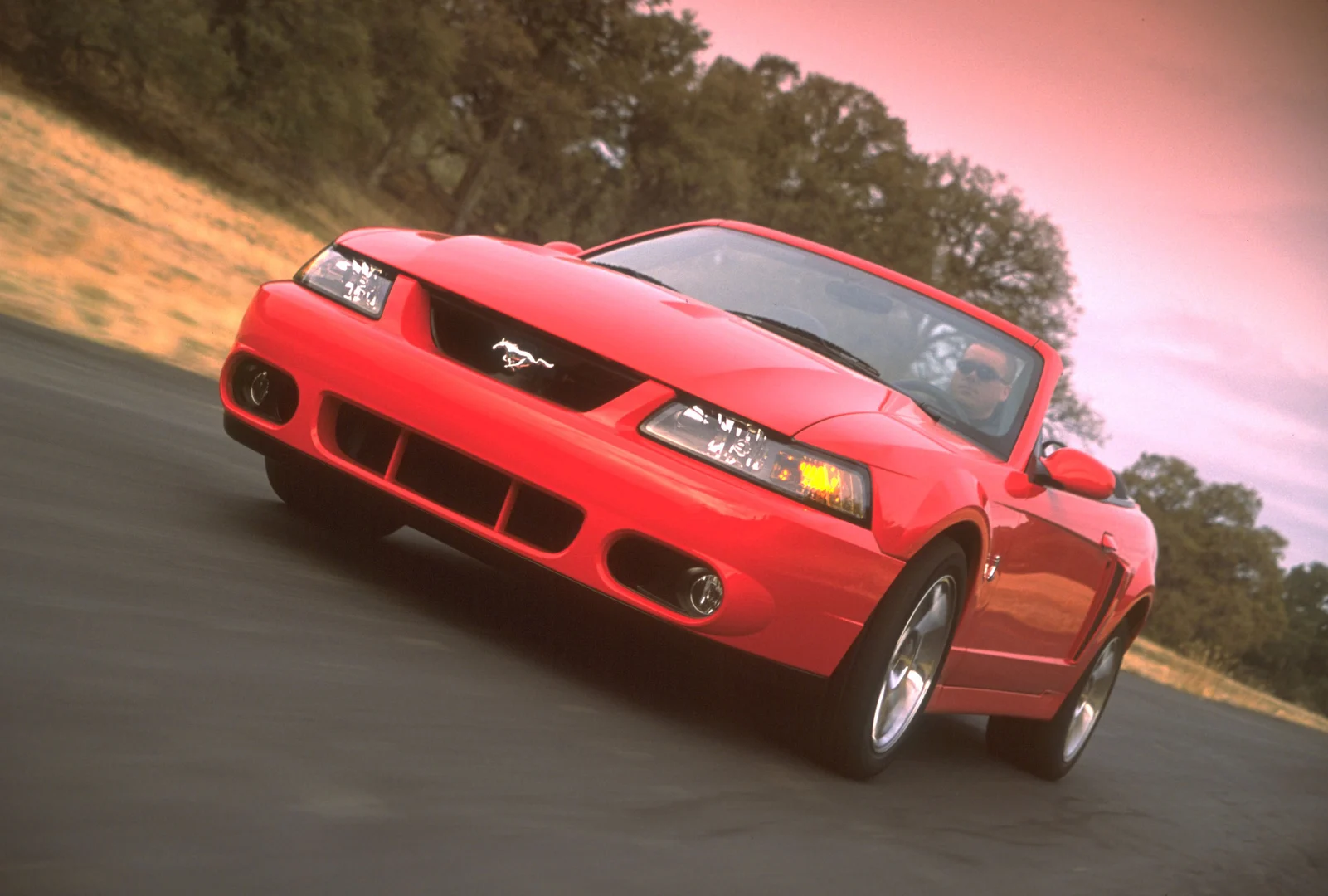
Ford's 1999 Cobra made less power than advertised, so it recalled the car and skipped the 2000 model year.
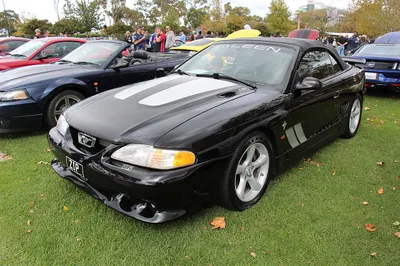
Ford made you prove you raced cars before it would sell you a 1995 Cobra R.
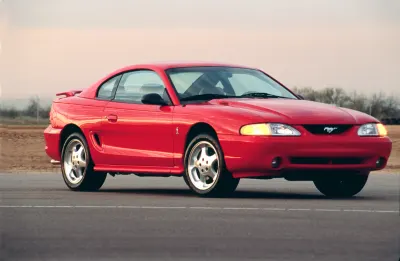
The 1996 Mystic Cobra was the first production vehicle with colour-shifting factory paint, moving from green to amber to gold to purple; 1,999 were made.
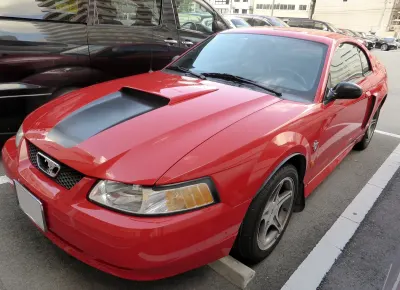
The SN95 Mustang's 1994 redesign was internally code-named "Bucephalus," after Alexander the Great's horse.
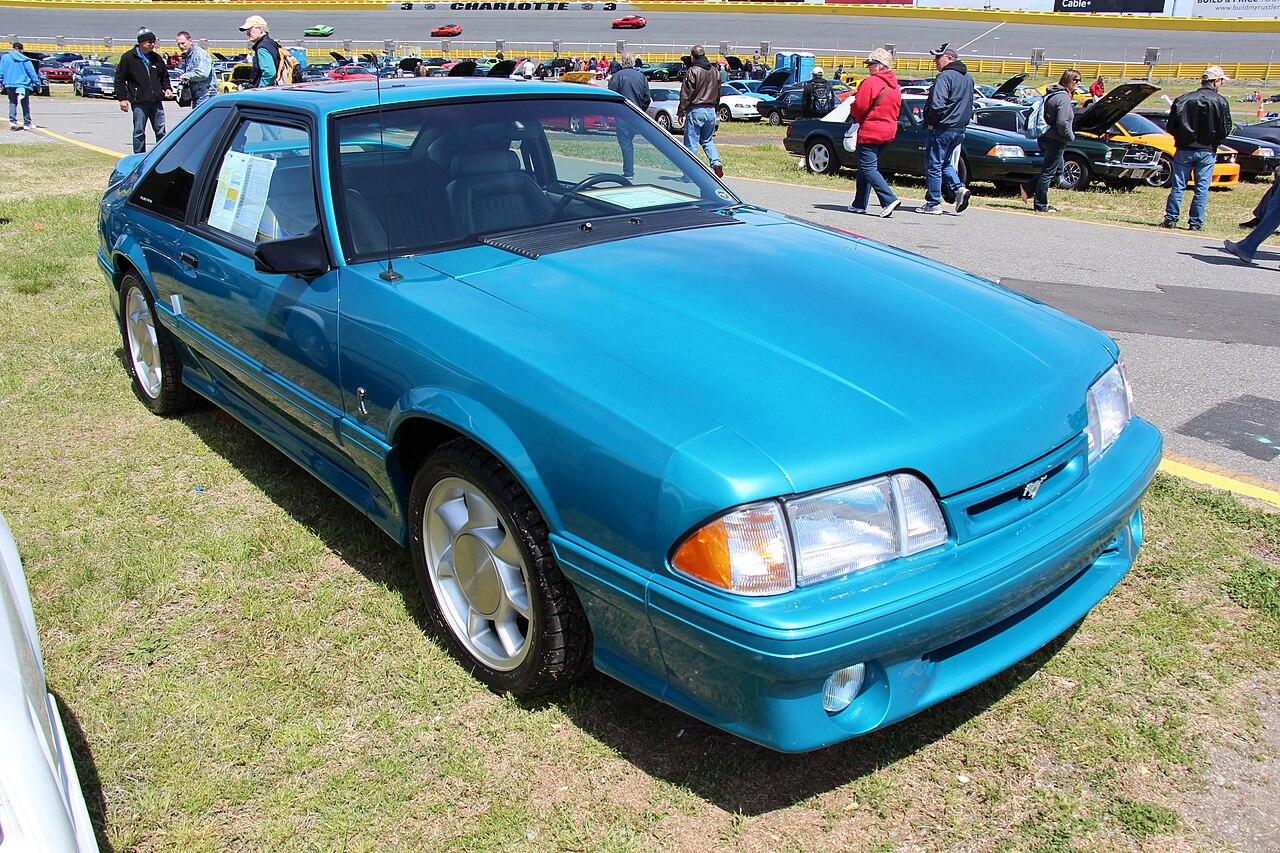
Ford engineering director Neil Ressler quietly paid about $2,100 a car from his own budget for its brakes, the most expensive ever fitted to a production Mustang.
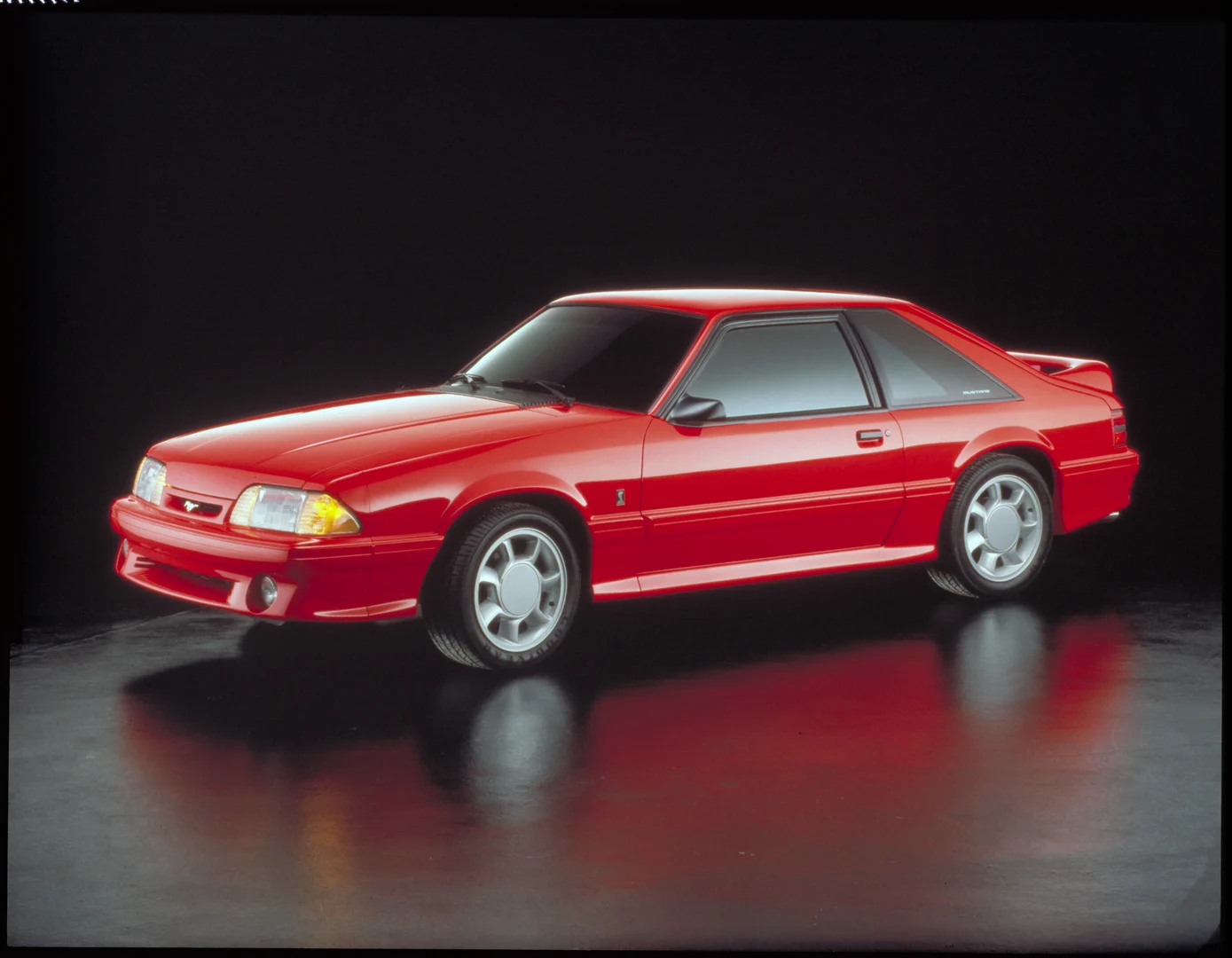
It was the first car from Ford's newly founded SVT division, and the first factory Mustang on 17-inch wheels.
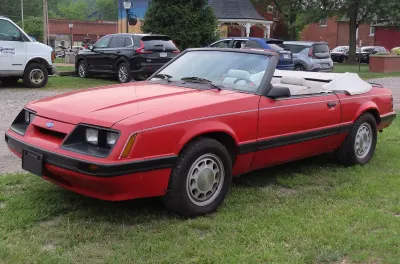
The 1987 facelift of the Fox-body Mustang was designed by Fritz Mayhew's team and softened the car's boxy lines with a more rounded nose.
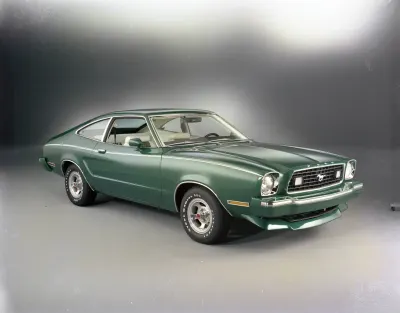
The Mustang II launched the same week as the 1973 oil embargo and became the only Mustang year ever sold without a V8 option.
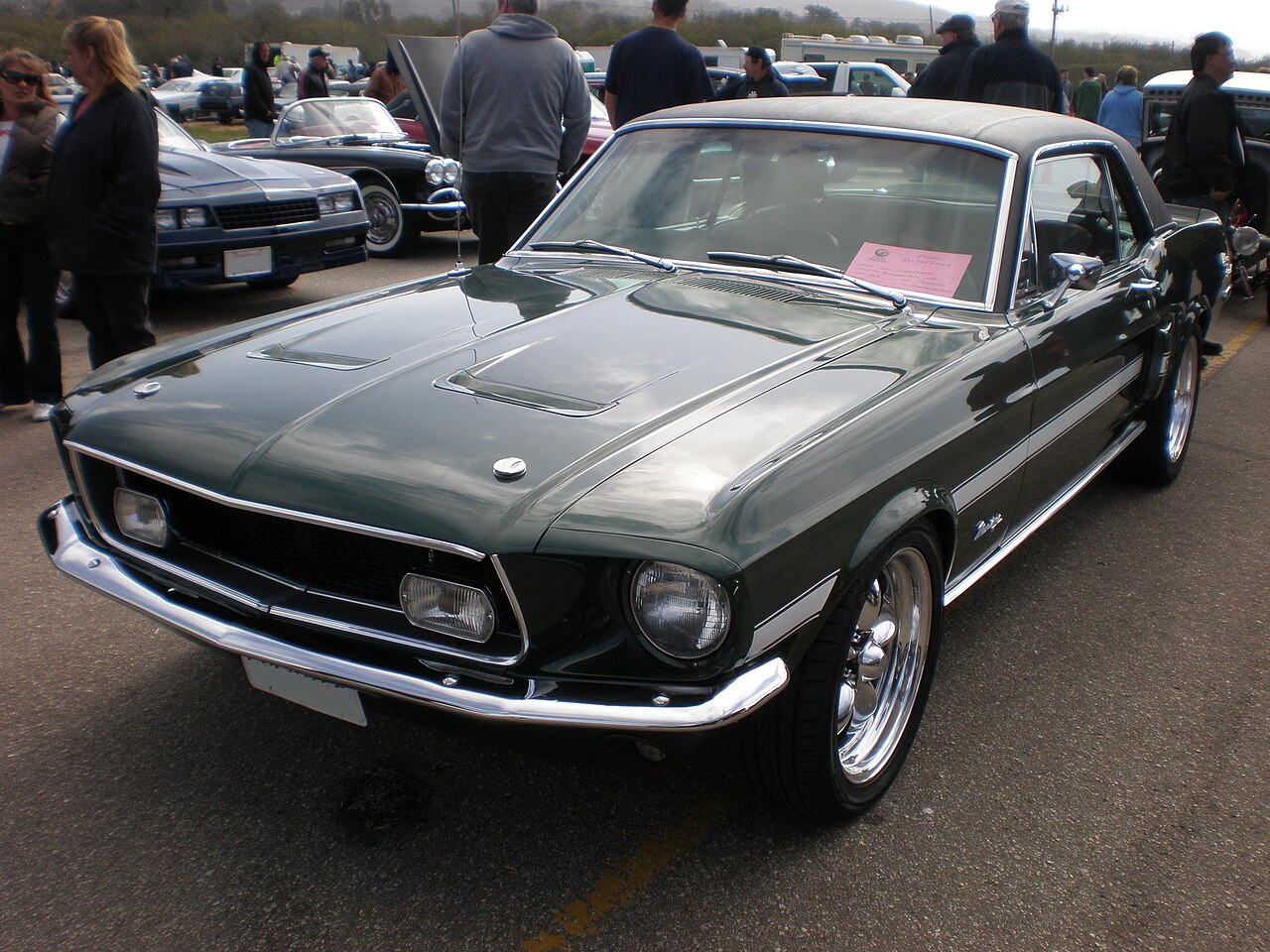
Ford couldn’t call it a Mustang in Germany — Krupp already owned the name for a truck — so it sold as the "T-5" there until the trademark expired in 1979.
Same body, same money, other badges — tap any card to flip.
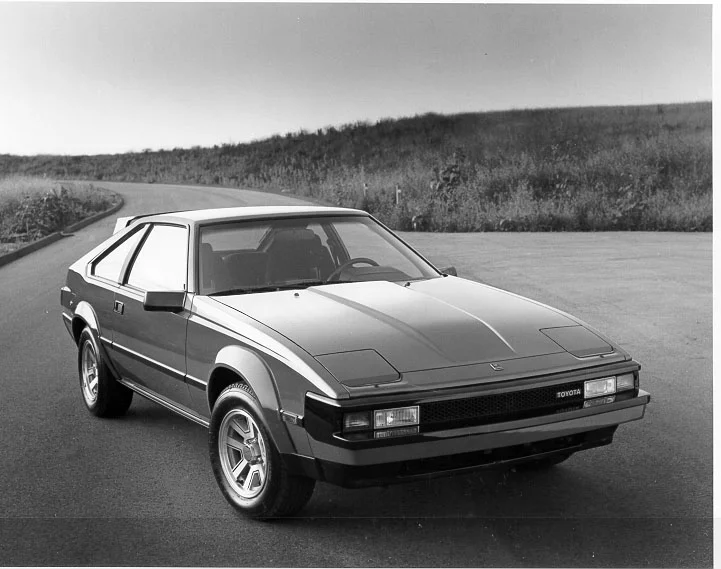
The Celica XX, Japan's name for the A60 Supra, introduced the world's first in-car navigation computer.
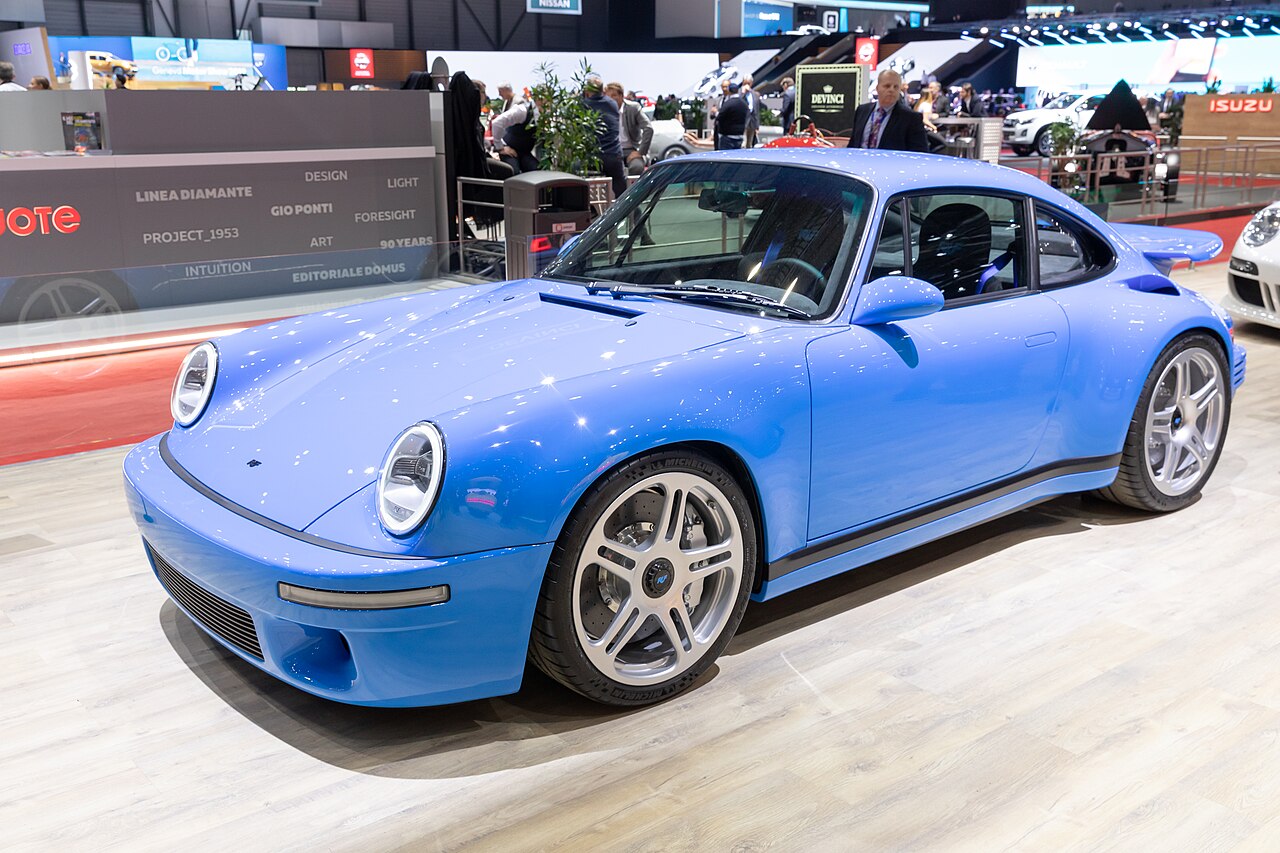
The CTR Anniversary looks like a 911 but Ruf built its carbon monocoque from scratch, no Porsche body underneath.
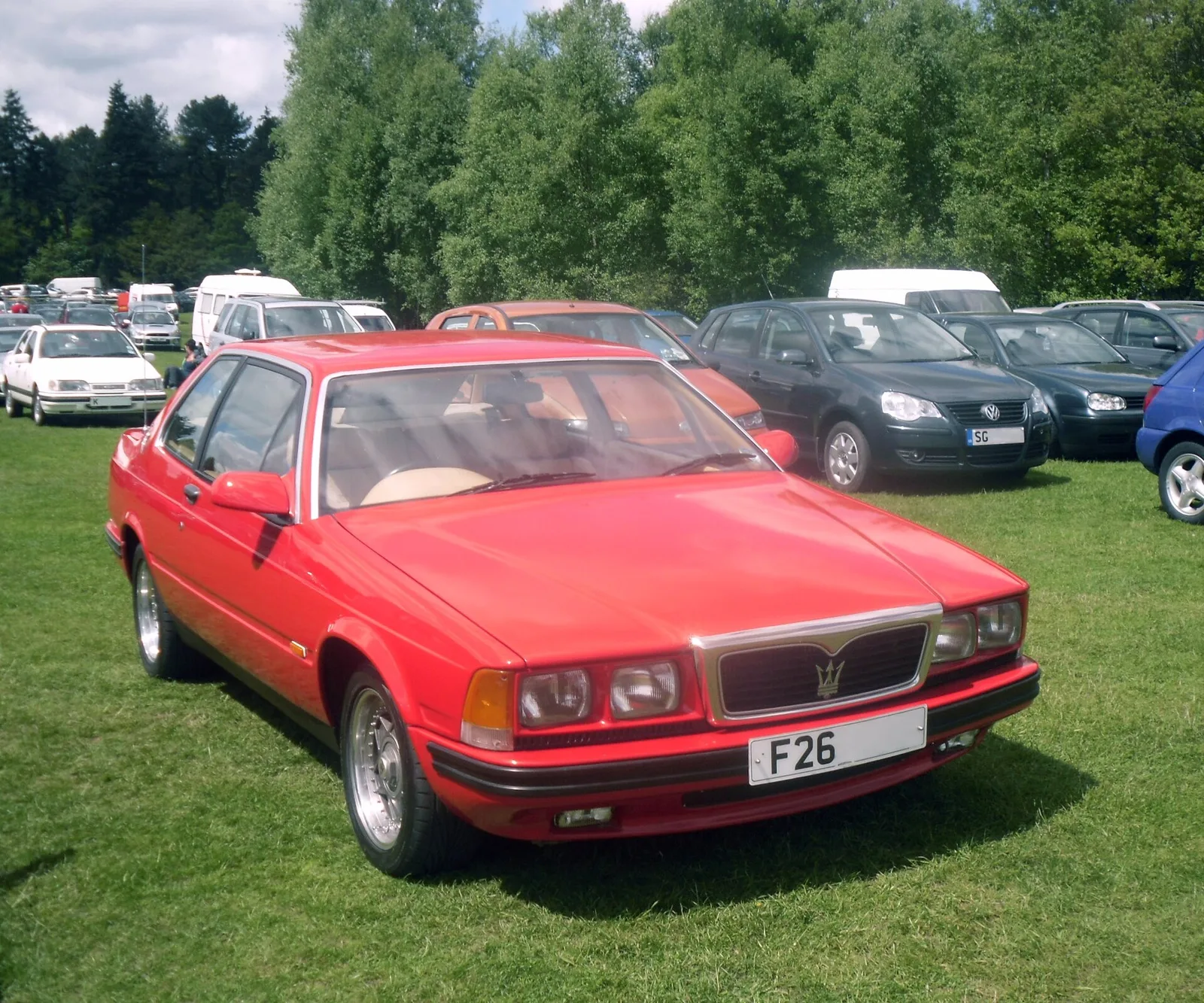
The 228's coupe styling hides a sedan underneath: Maserati stretched it onto the longer four-door Biturbo chassis to make room for its biggest V6, which is literally where the name comes from — 2-door, 2.8 litre.
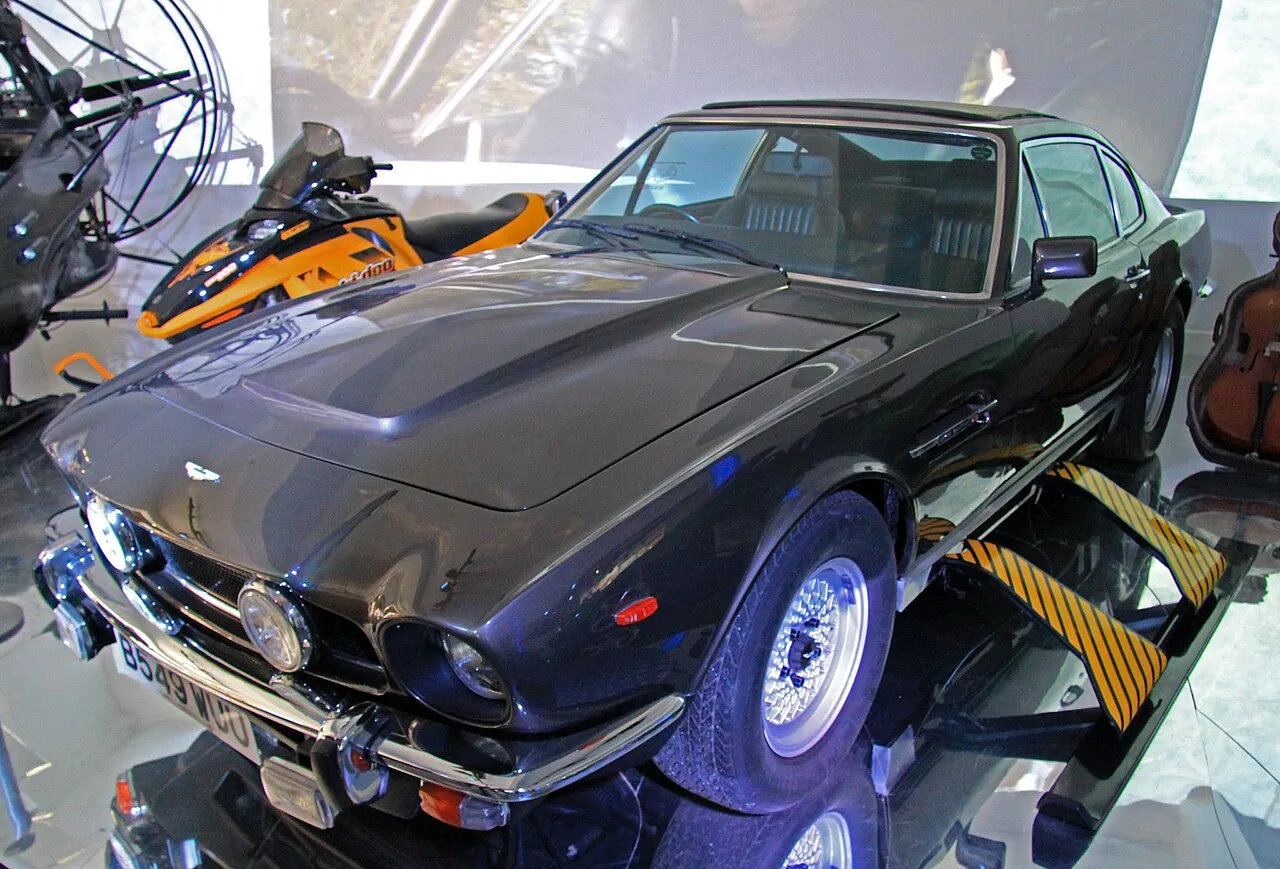
Switching to fuel injection let this V8 finally shed its trademark bonnet bulge — and only 405 of these flat-hooded Series 5 cars were built before the whole model retired in 1989.
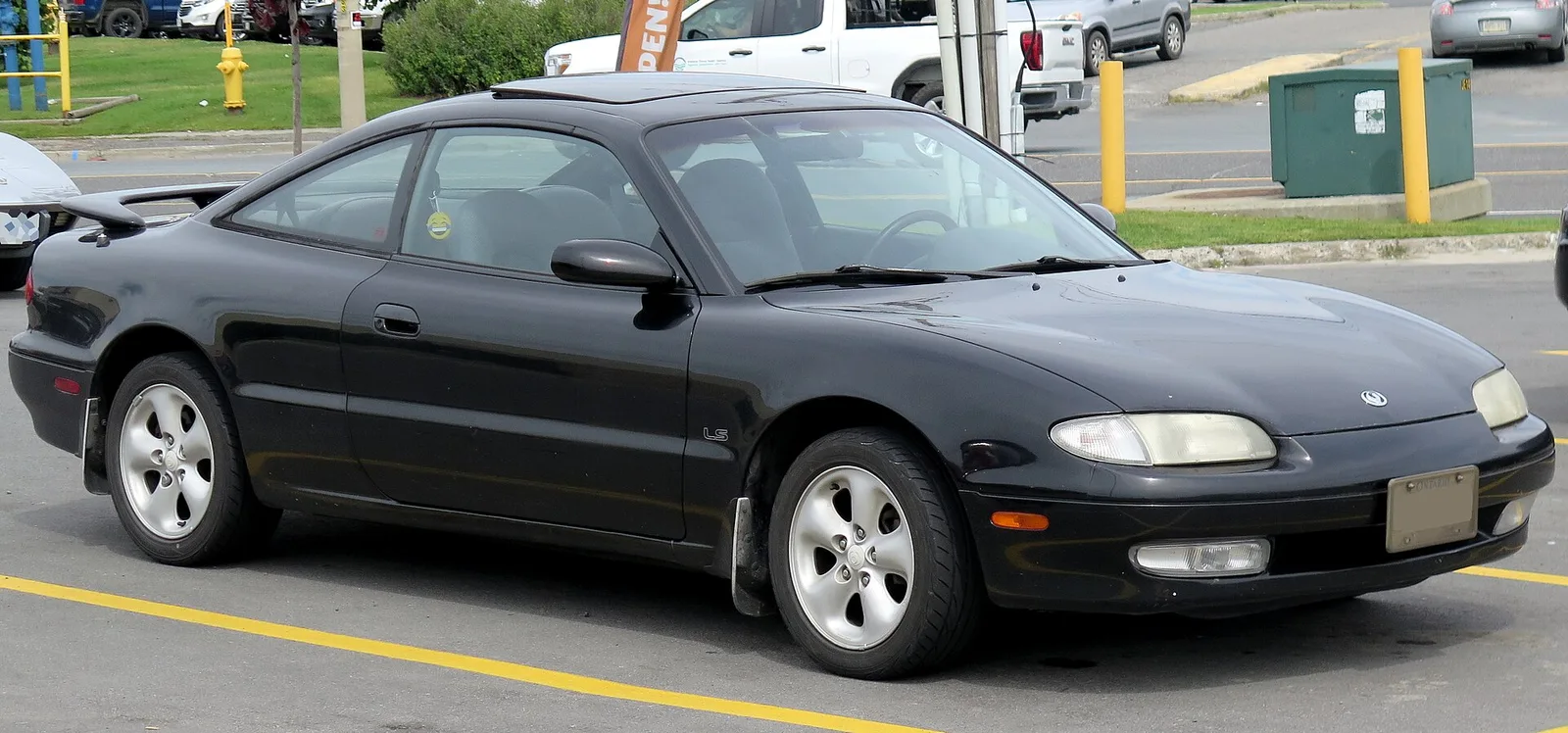
Japanese buyers got a secret weapon in their MX-6 — the JDM-only KL-ZE V6 made about 40 more horsepower than the engine sold in the exact same car in North America.
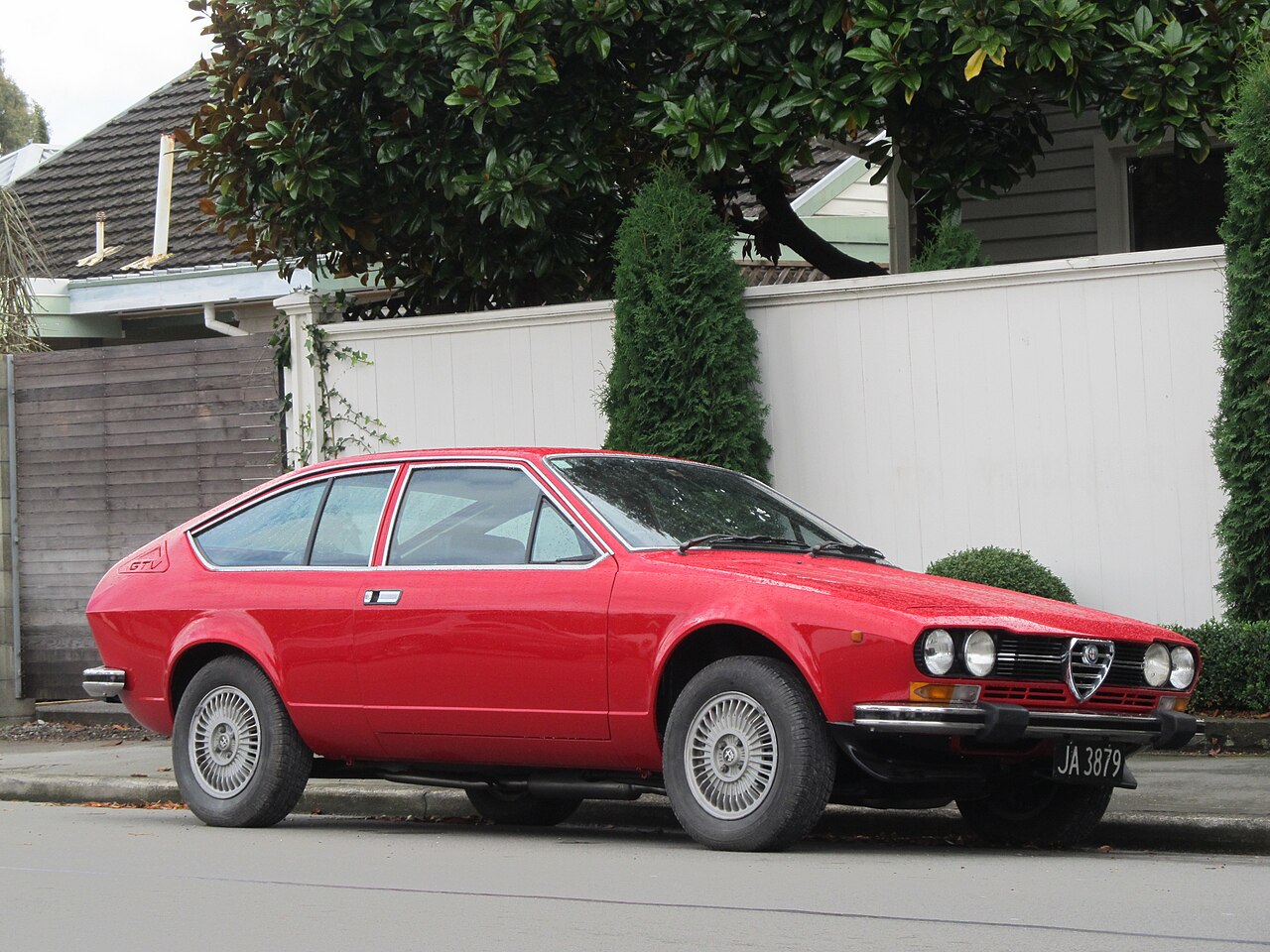
An American tuner, Callaway Cars, built twin-turbo conversions of the GTV6 that boosted its V6 by fifty percent to 230 hp — turning Alfa's grand tourer into something far quicker than the factory ever intended.
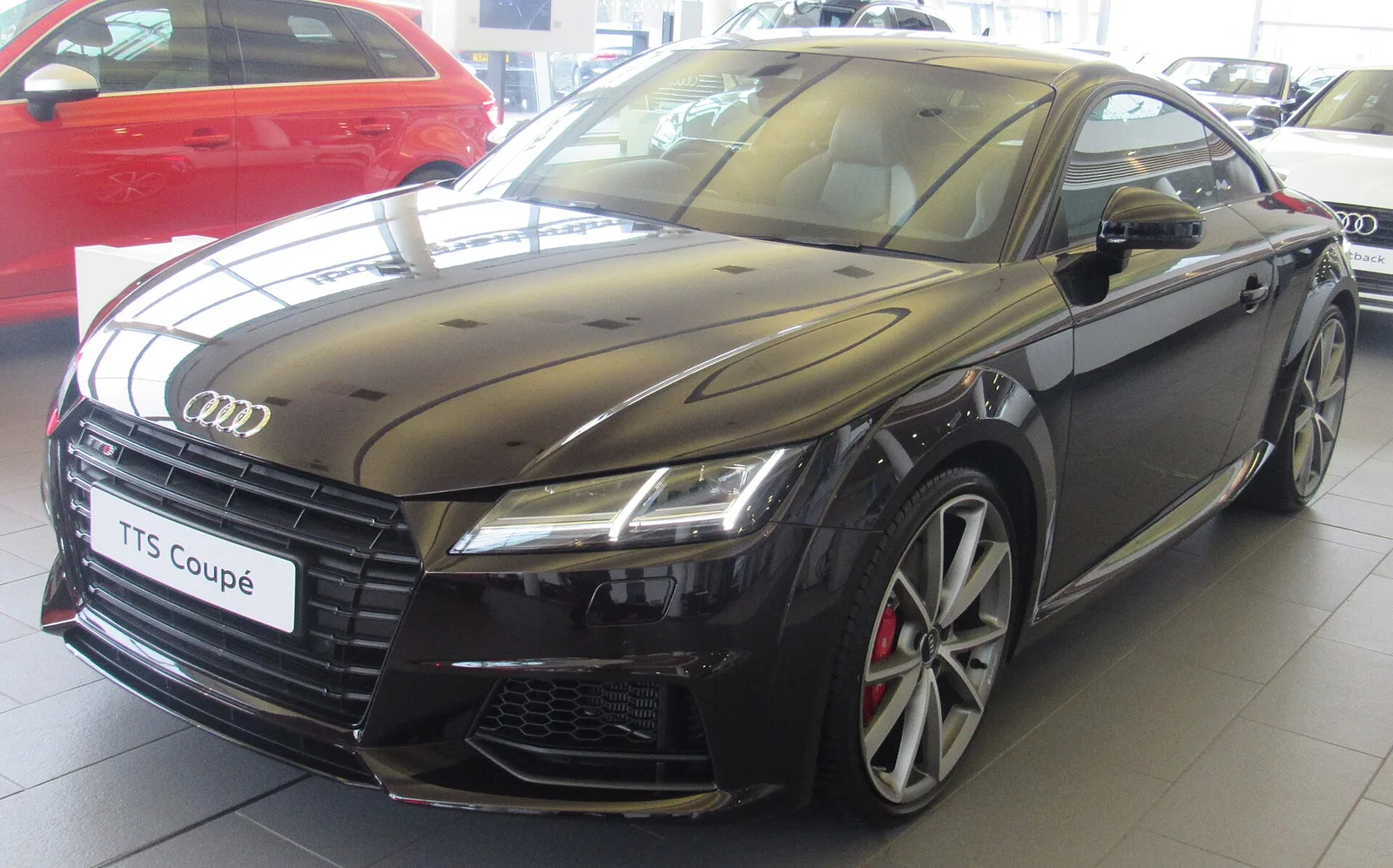
Audi TTS Coupe · TTS Coupe (2016–2023) · 2016–2023.
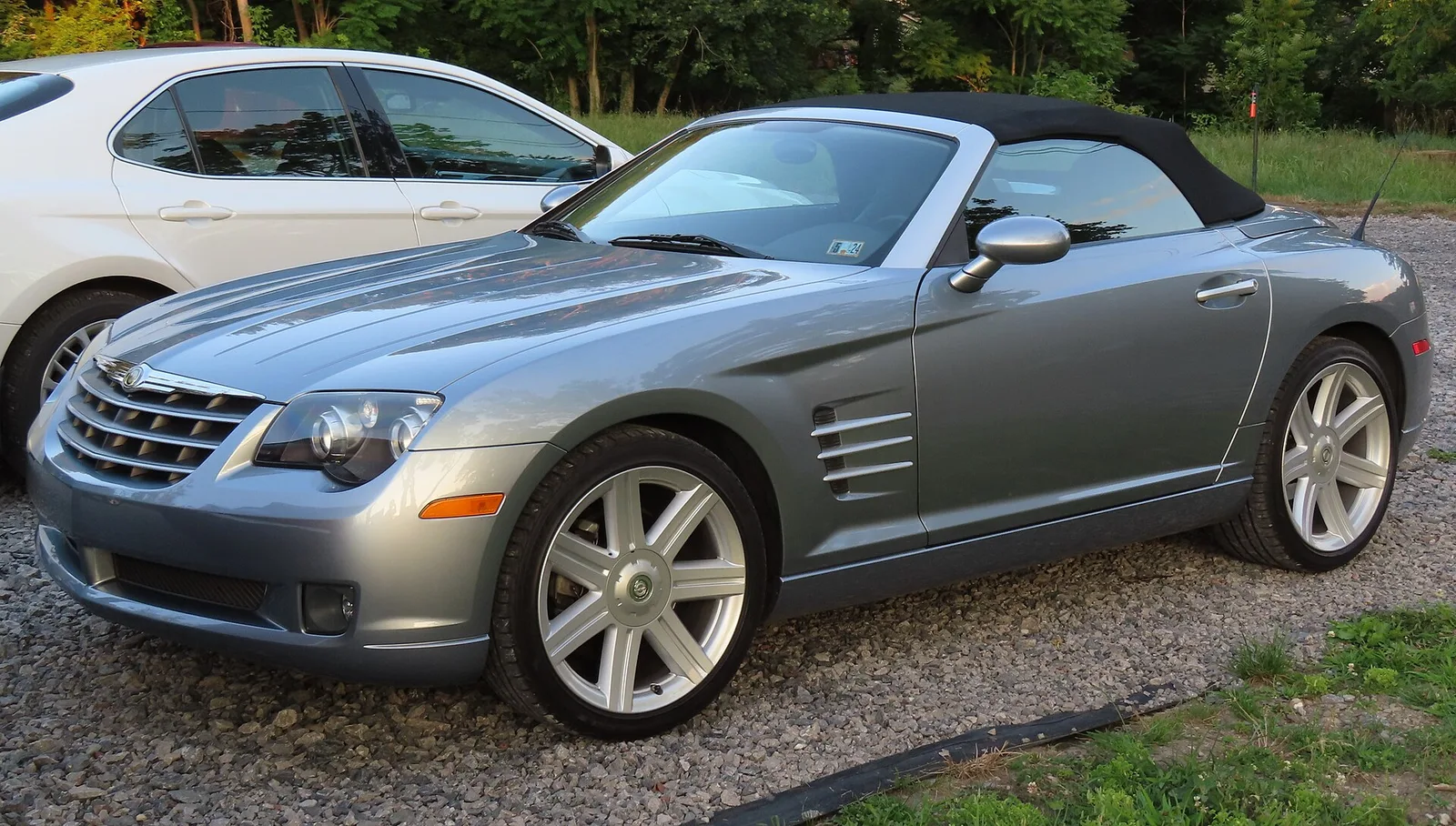
A product of the DaimlerChrysler merger, the Crossfire shares 80% of its parts with the Mercedes-Benz SLK — German bones under American badges.


