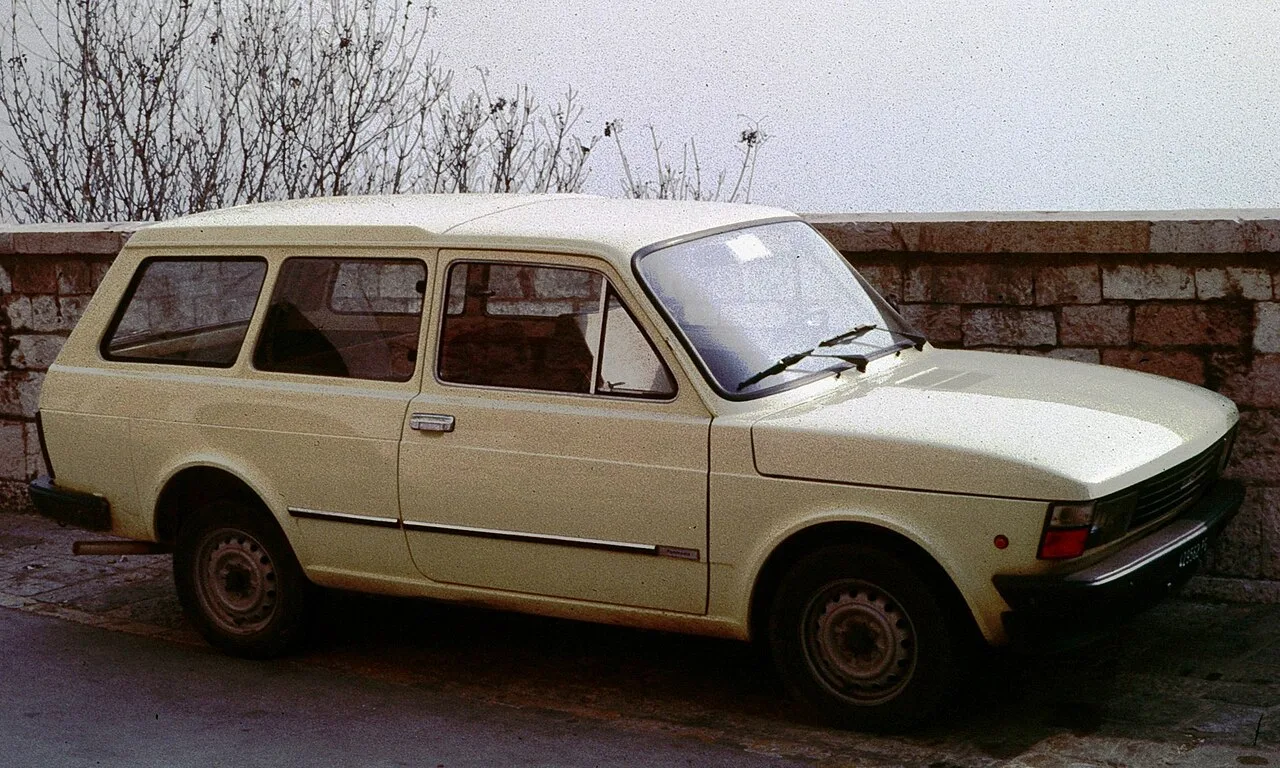
At 3,924 mm the Panorama was the shortest wagon sold in Brazil, yet Fiat gave it interior space that matched its longer rivals.
Lead trim: Panorama 1.05 gasoline (1048 cc, 56 hp) · up to 61 hp
Fiat Panorama1980–1986
- 0spots by members
- Unclaimednobody has spotted one yet
- 0sets it belongs to
Nobody in Burbles has spotted a Fiat Panorama yet. See one on the street, point the app at it, and the first card is yours — with your @handle permanently credited on this page.
FactAt 3,924 mm the Panorama was the shortest wagon sold in Brazil, yet Fiat gave it interior space that matched its longer rivals.
The Fiat Panorama is a 3-door station wagon version of the Fiat 147, a subcompact car produced in South America by Fiat. It was built in Brazil (and Colombia) and released in March 1980 as one of the first small station wagons produced there, and phased out in 1986 to give its market to the Elba/Duna Weekend. It competed against the Volkswagen Brasília and Variant, Ford Belina and Chevrolet Caravan, and later the Chevrolet Marajó (end of 1980) and Volkswagen Parati (1982). The mechanicals of the 147 were adapted for a heavier weight; the appeal of the Panorama was economy of space and fuel: at 3,924 mm it was the shortest of all Brazilian wagons but with internal space equivalent to the bigger ones, with the spare tyre placed alongside the engine as in the 147, and its light weight allowed small fuel consumption on either gasoline or alcohol. It was sold with three engine options, a 1048 cc gasoline (56 hp) and a 1297 cc gasoline or alcohol (60 hp and 61 hp respectively), in two trim levels, C and CL, the 1050 engine being available only with the C trim.
Collectors Spotted in the Fiat Panorama Lineage
No member has published a public street spot of the Fiat Panorama yet — the First · Worldwide stamp is wide open.
Trims & Figures
3 published trims in the catalogue. A blank is a figure not recorded, not zero.
| Trim | Years | Engine | Power | Torque | 0–60 | Drive | Gearbox | MSRP |
|---|---|---|---|---|---|---|---|---|
| Panorama 1.05 gasoline (1048 cc, 56 hp) | 1980–1986 | 1.0 L | 56 hp | — | — | FWD | — | — |
| Panorama 1.3 alcohol (1297 cc, 61 hp) | 1980–1986 | 1.3 L | 61 hp | — | — | FWD | — | — |
| Panorama 1.3 gasoline (1297 cc, 60 hp) | 1980–1986 | 1.3 L | 60 hp | — | — | FWD | — | — |
Owning one
We don’t estimate running costs for a car like this. What it costs depends on its condition, its specialist and how it is driven, and an average would mislead.
Owners’ builds
Nobody has claimed one yet.
Photographs
Rivals
Same body, same money, other badges — tap any card to flip.
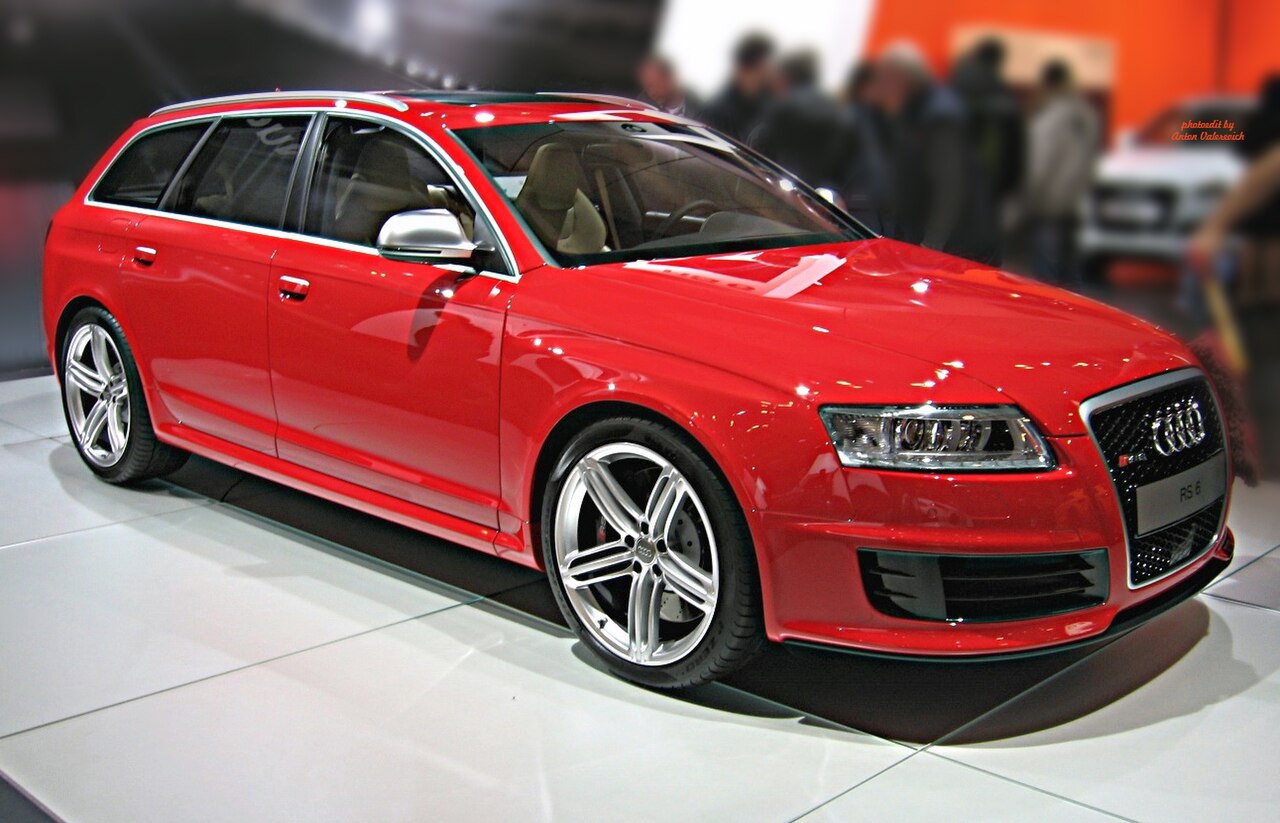
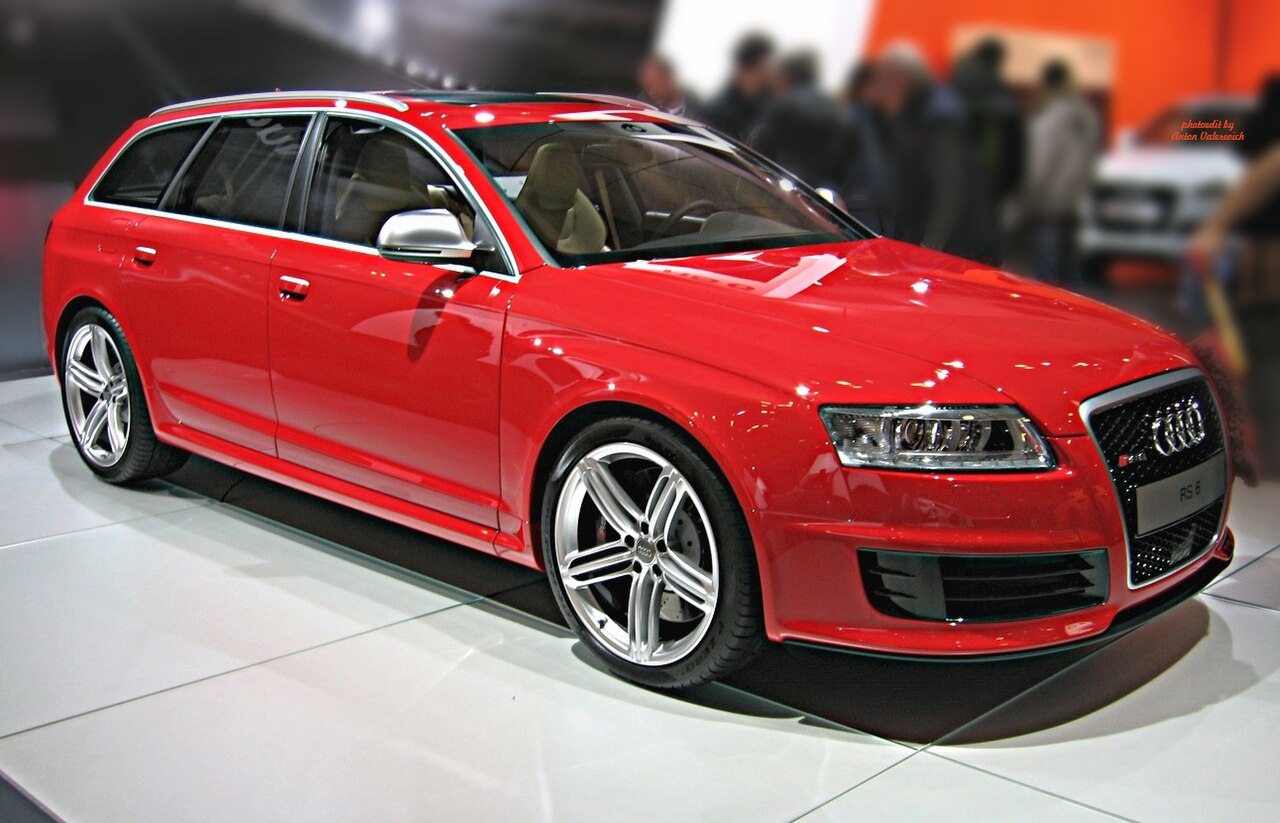
Cooling the C6 RS6’s twin-turbo V10 took seven separate radiators and four electric fans under the bonnet.
The original RS6 debuted Audi's clever hydraulic Dynamic Ride Control suspension — and enough owners got tired of its leaking dampers that they ripped the whole system out for plain coilovers.
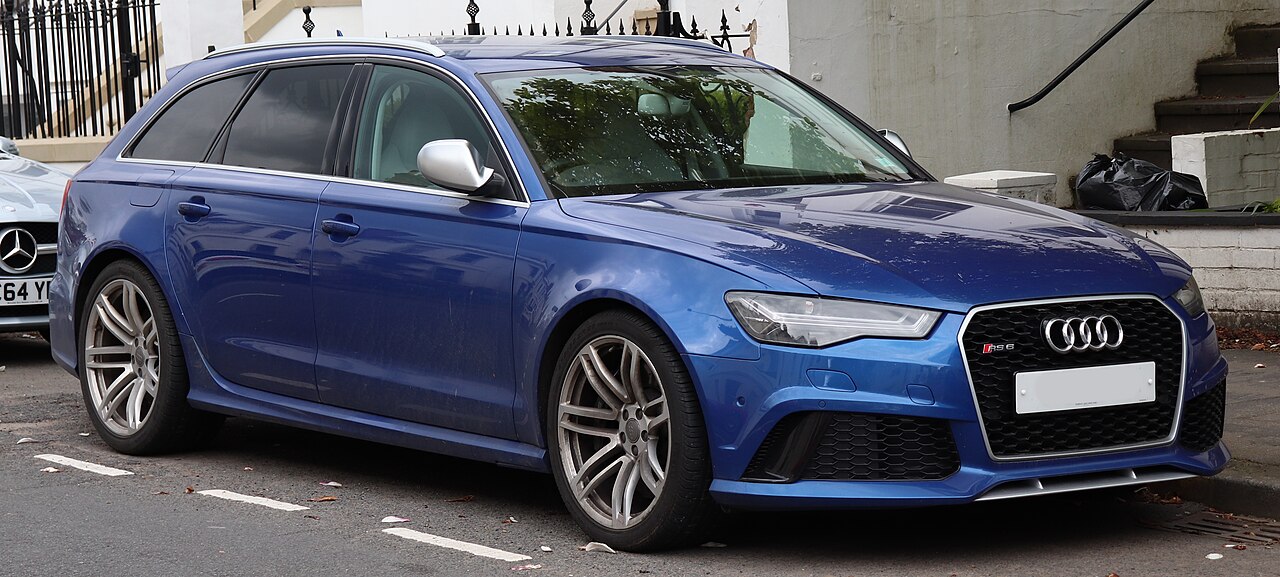
The C7-generation RS6 Avant never officially reached America at all — buyers there got the RS7 Sportback instead, running the exact same engine and platform in a different body.
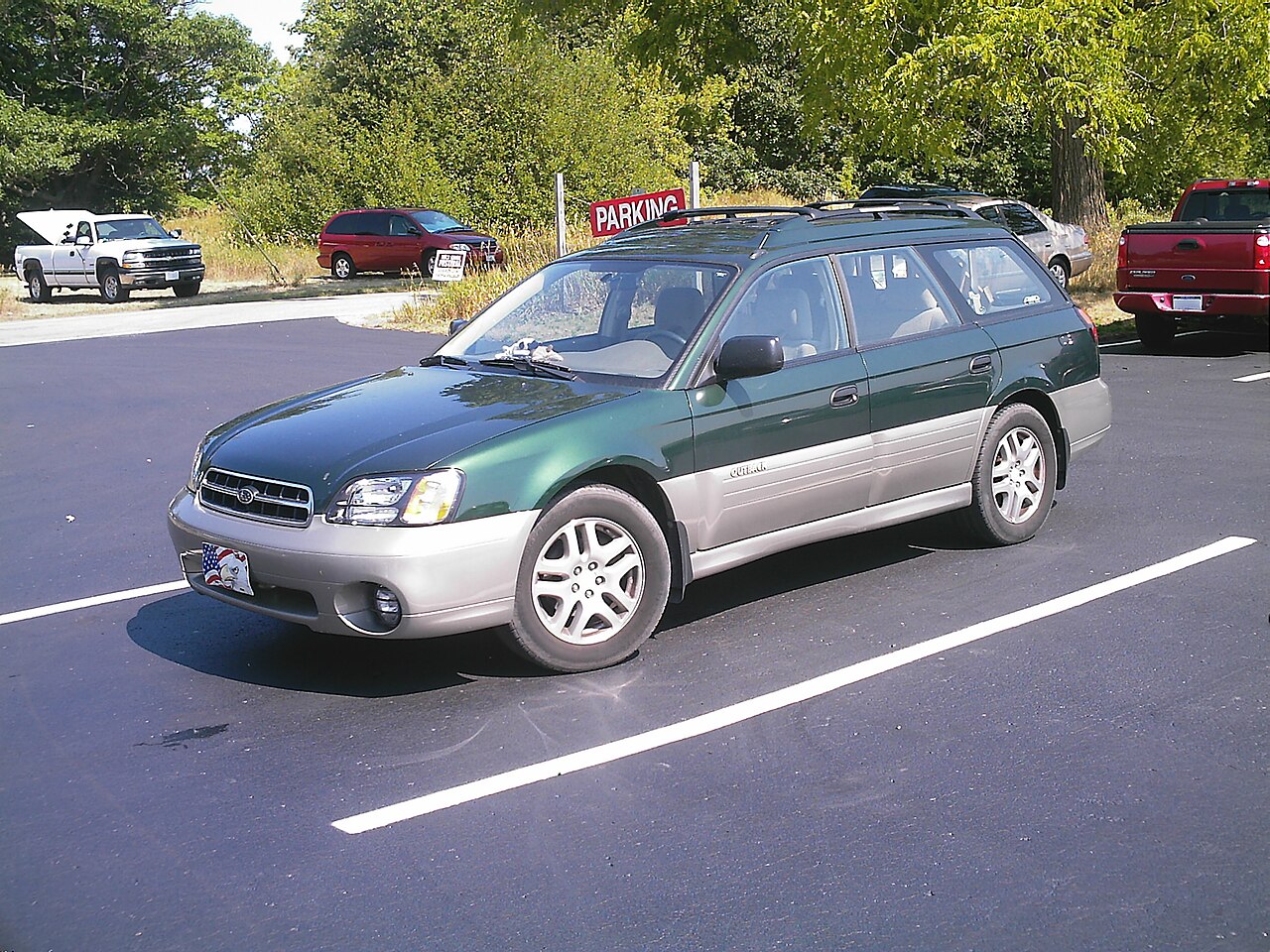
For a few years, this Outback's six-cylinder trim came with genuine McIntosh audio — the same esteemed hi-fi name found in home theaters, one of the only cars ever to get it from the factory.
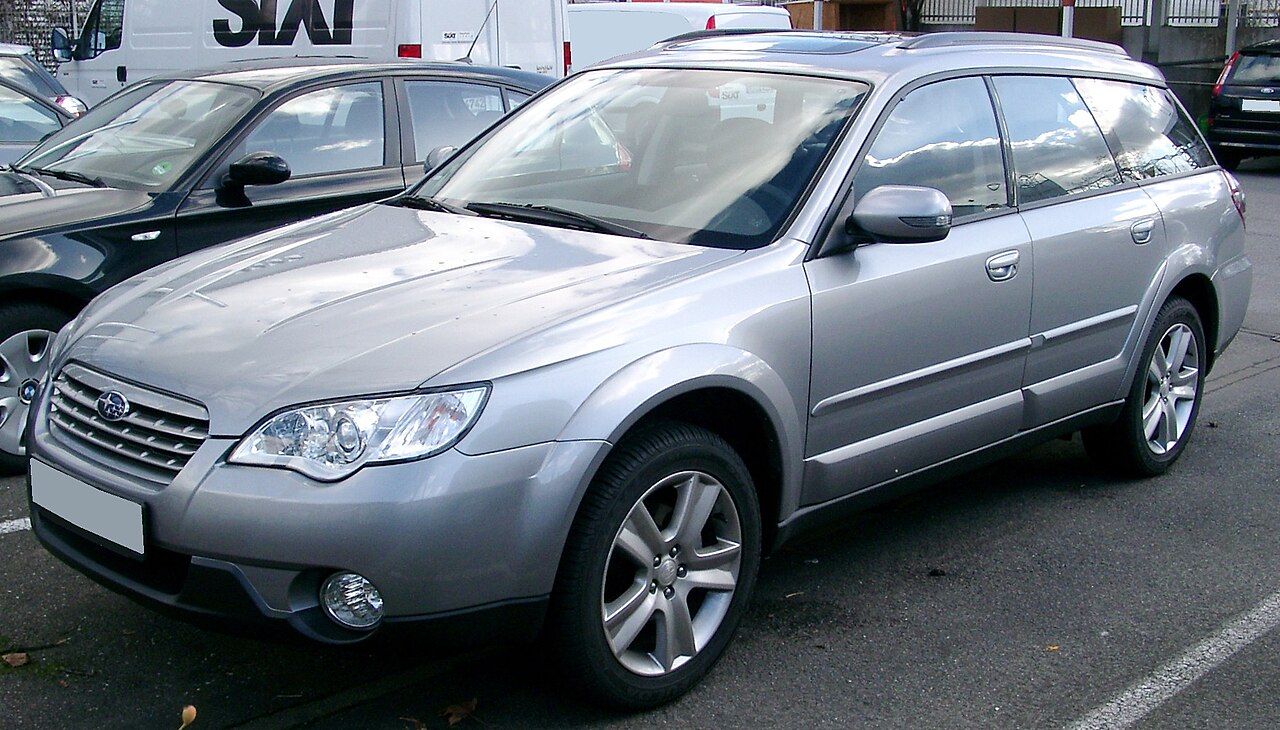
Subaru didn't have the budget for an all-new SUV, so it dressed up a Legacy wagon instead. A Subaru of America executive later put it bluntly: "[the Outback] saved our company."
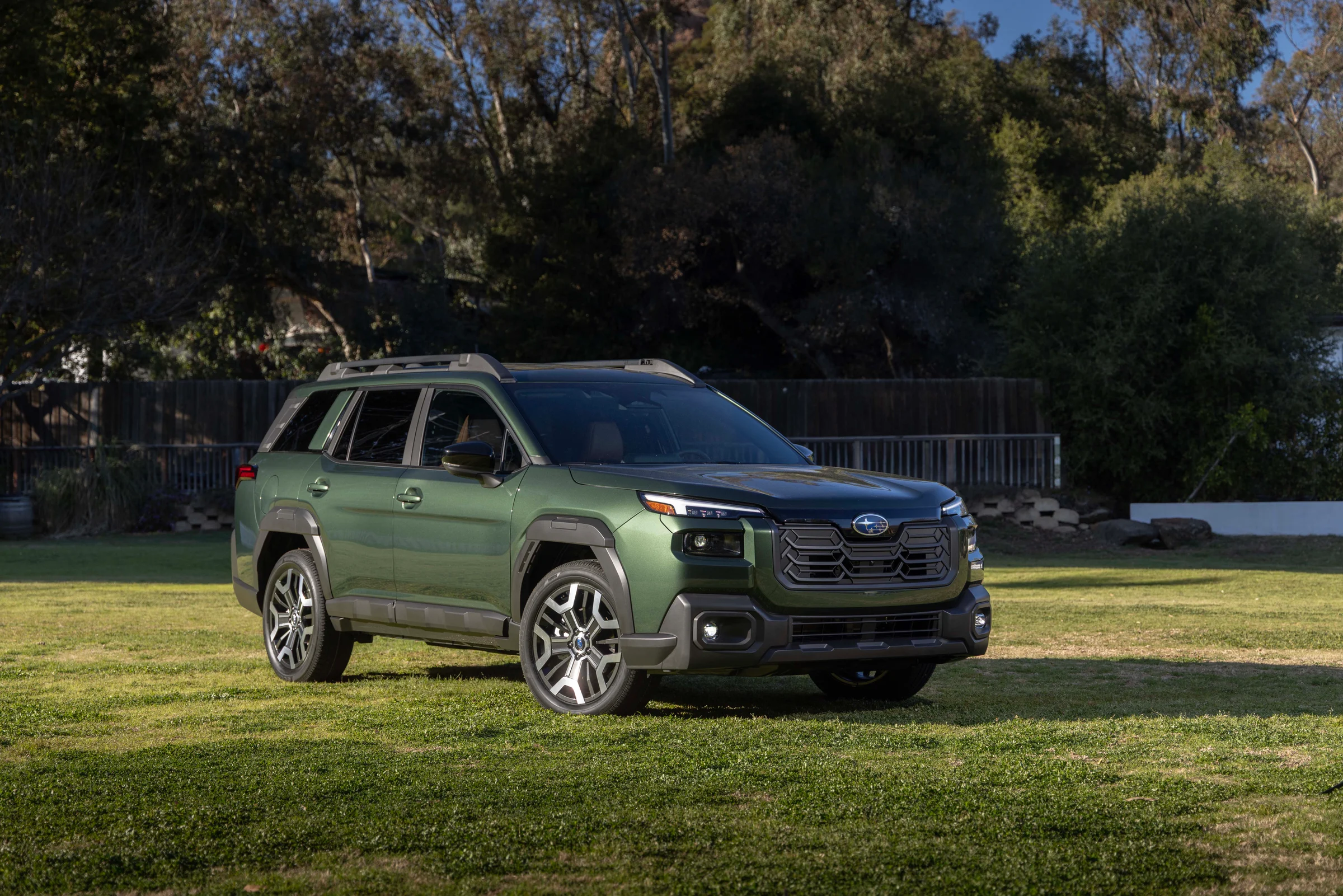
The new Outback's full-width tail light bar has a 2 ft ruler built in, for measuring whatever you are about to load.
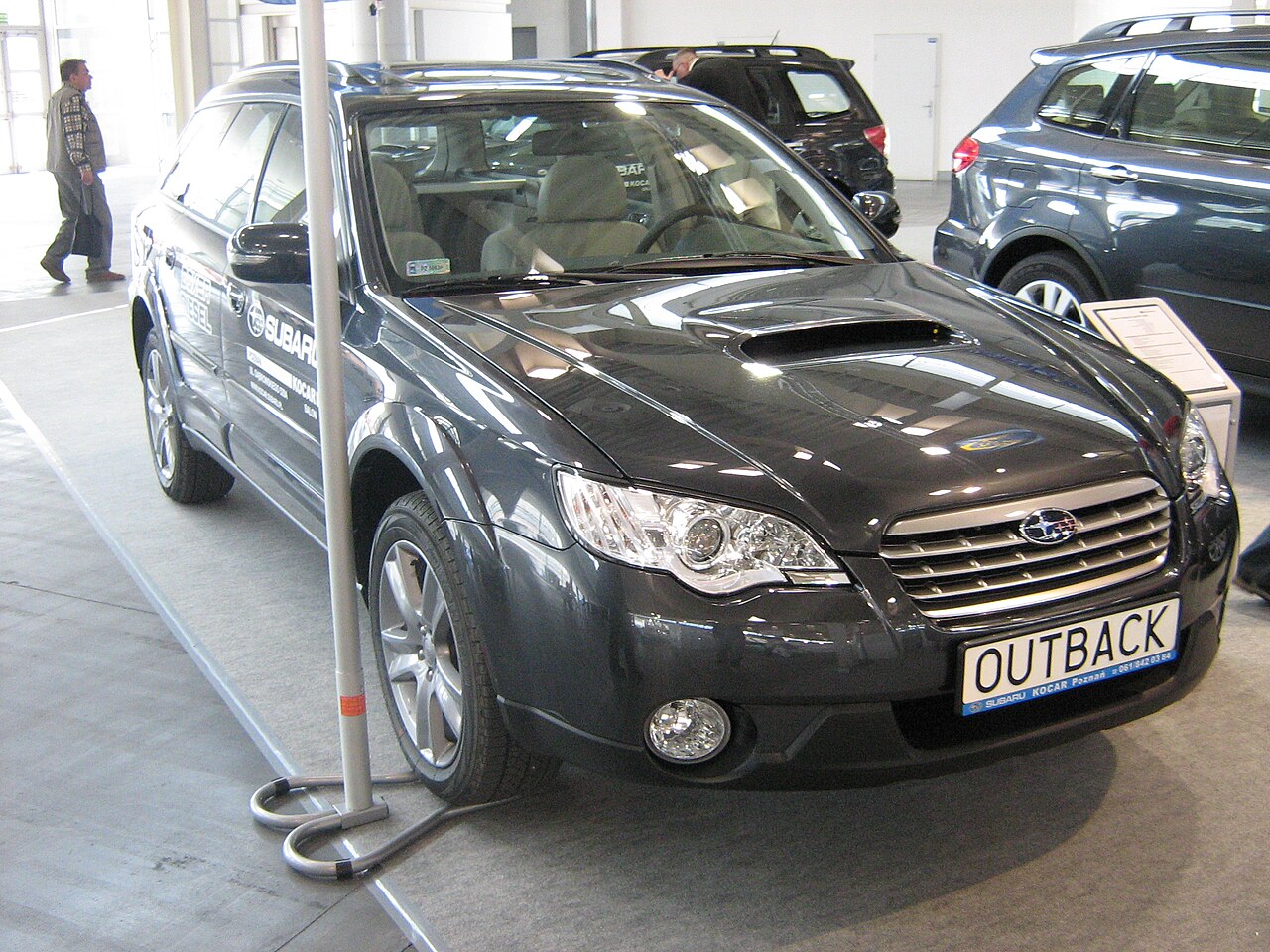
This Outback shared Top Gear's Car of the Year crown — an unusual honor for a jacked-up wagon to split with the Ford Mondeo in 2007.
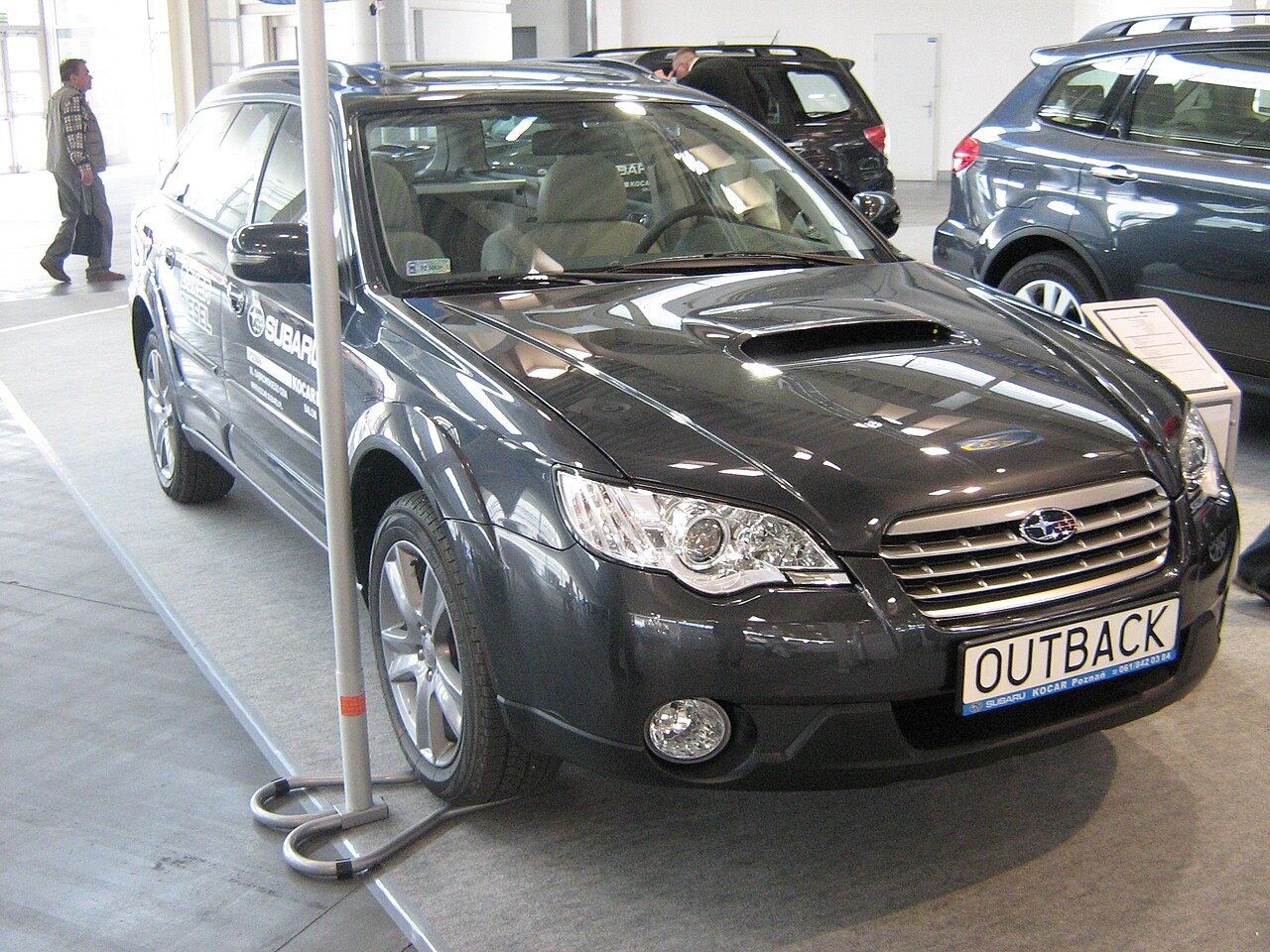
A wagon beat the SUVs at their own game: this Outback generation won Motor Trend's Sport/Utility of the Year award for 2010.