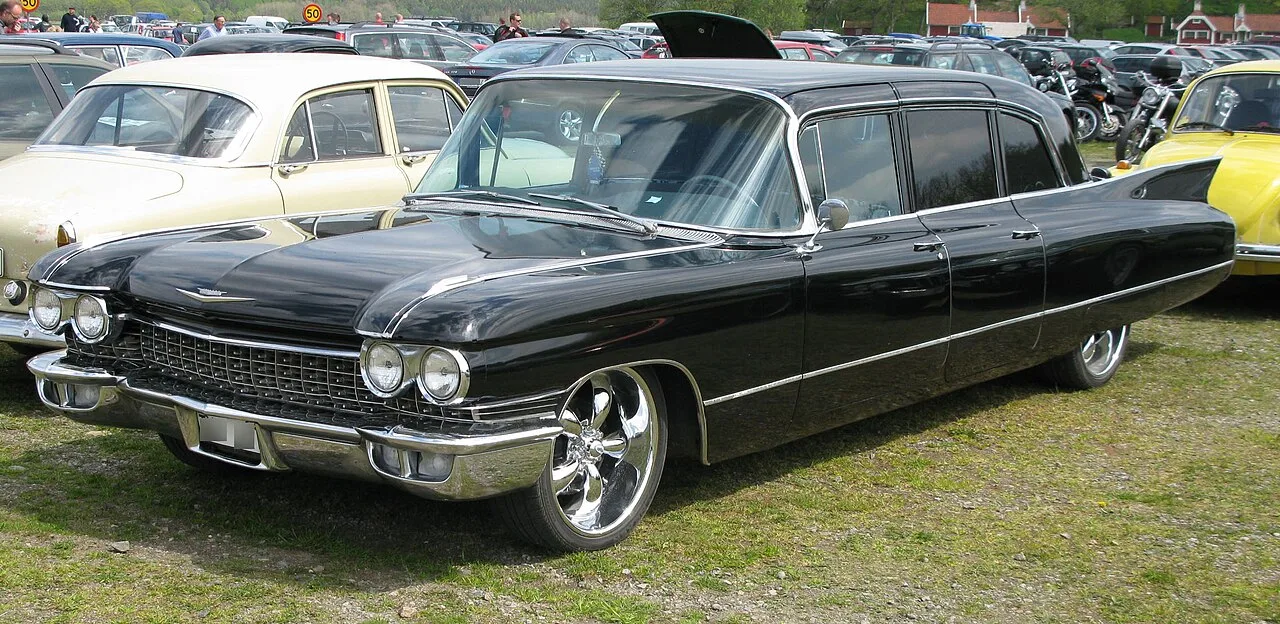
The 1959 Cadillac Series Seventy-Five got a large tailfin and twin bullet taillamps, and its in-house code changed from 7500 to 6700 though the name stayed.
Lead trim: Series 75 390 cu in OHV V8 (1960)
Cadillac Series 751959–1960
- 0spots by members
- Unclaimednobody has spotted one yet
- 0sets it belongs to
Nobody in Burbles has spotted a Cadillac Series 75 yet. See one on the street, point the app at it, and the first card is yours — with your @handle permanently credited on this page.
FactThe 1959 Cadillac Series Seventy-Five got a large tailfin and twin bullet taillamps, and its in-house code changed from 7500 to 6700 though the name stayed.
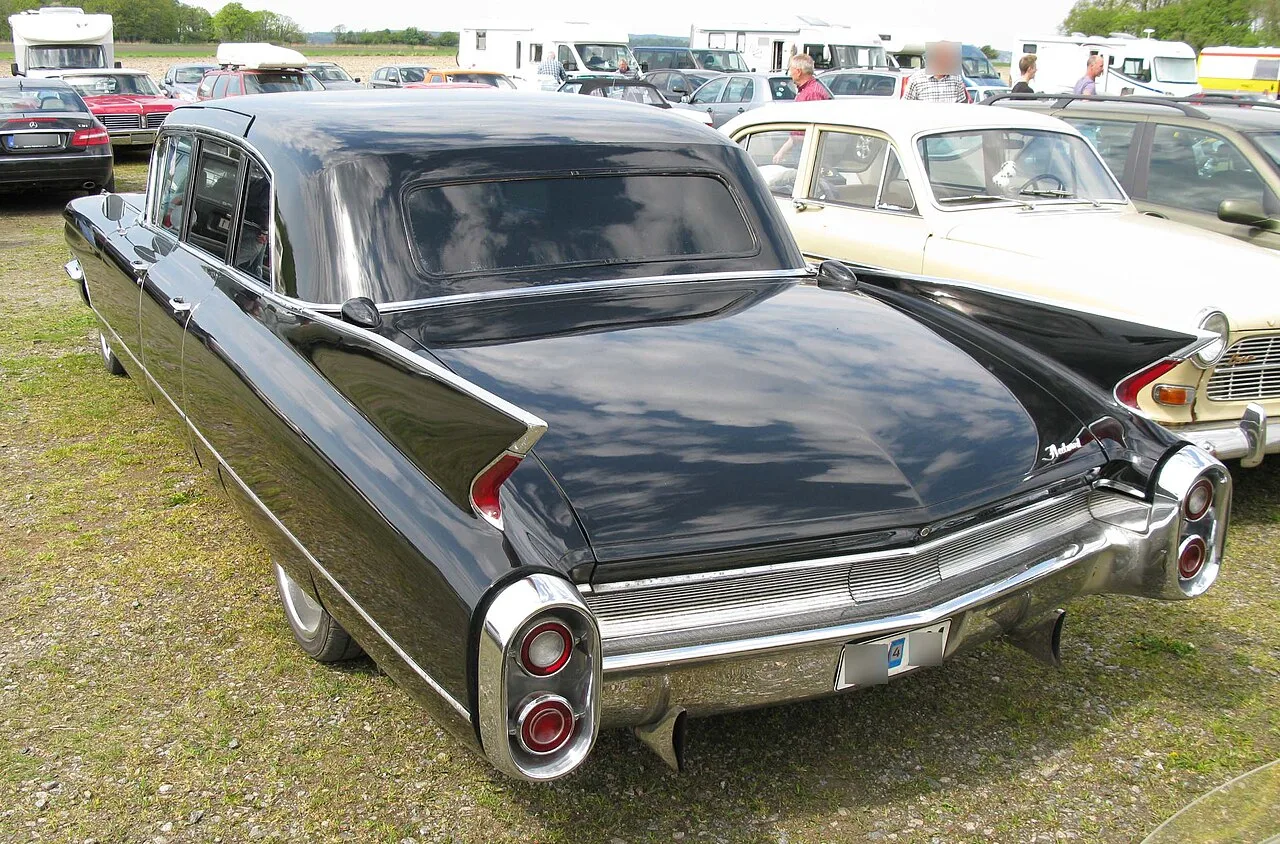
The 1959 Cadillac incorporated totally new styling with a large tailfin, twin bullet taillamps, jewel-like grille patterns and matching deck-lid beauty panels. The in-house code number changed from 7500 to 6700 under Cadillac's new numbering scheme, but the commercial name remained "Series Seventy-Five"; production models again were a nine-passenger sedan and Imperial limousine with auxiliary jump seats (the "Imperial" term soon dropped after Chrysler introduced the Imperial in 1955), with Fleetwood lettering on the rear deck trim strip and single side trim moldings from the front wheel housing to the rear. Engine displacement on the Cadillac OHV V8 was increased to 390 cu in (6.4 L) with the 4-speed Hydramatic, and power steering and shock absorbers were improved. The 1960 Cadillacs had smoother styling with a full-width grille, lower tailfins with oval nacelles encasing stacked taillights and back-up lamps, and front-fender directional indicators; the long-wheelbase sedan and limousine had auxiliary jump seats, high-headroom formal six-window styling and broad ribbed edge beauty panels, with the limousine compartment in bradford or Bedford cloth and wool and Florentine leather in the chauffeur's compartment. 149.8 in wheelbase, 244.8 in long, 80.2 in wide (79.9 in in 1960), 59.3 in high, 5,700–5,800 lb.
Collectors Spotted in the Cadillac Series 75 Lineage
No member has published a public street spot of the Cadillac Series 75 yet — the First · Worldwide stamp is wide open.
Trims & Figures
2 published trims in the catalogue. A blank is a figure not recorded, not zero.
| Trim | Years | Engine | Power | Torque | 0–60 | Drive | Gearbox | MSRP |
|---|---|---|---|---|---|---|---|---|
| Series 75 390 cu in OHV V8 (1959) | 1959–1959 | 6.4 L V8 | 325 hp | 430 lb-ft | — | RWD | — | — |
| Series 75 390 cu in OHV V8 (1960) | 1960–1960 | 6.4 L V8 | 325 hp | 430 lb-ft | — | RWD | — | — |
Owning one
We don’t estimate running costs for a car like this. What it costs depends on its condition, its specialist and how it is driven, and an average would mislead.
Owners’ builds
Nobody has claimed one yet.
Photographs
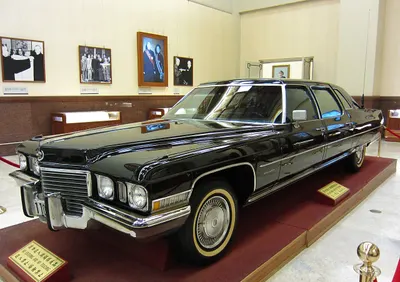
The 1971-76 Fleetwood Seventy-Five's cabin was so wide it set an interior-width record that no car beat for almost 20 years — not until GM's own full-size cars of the early '90s.
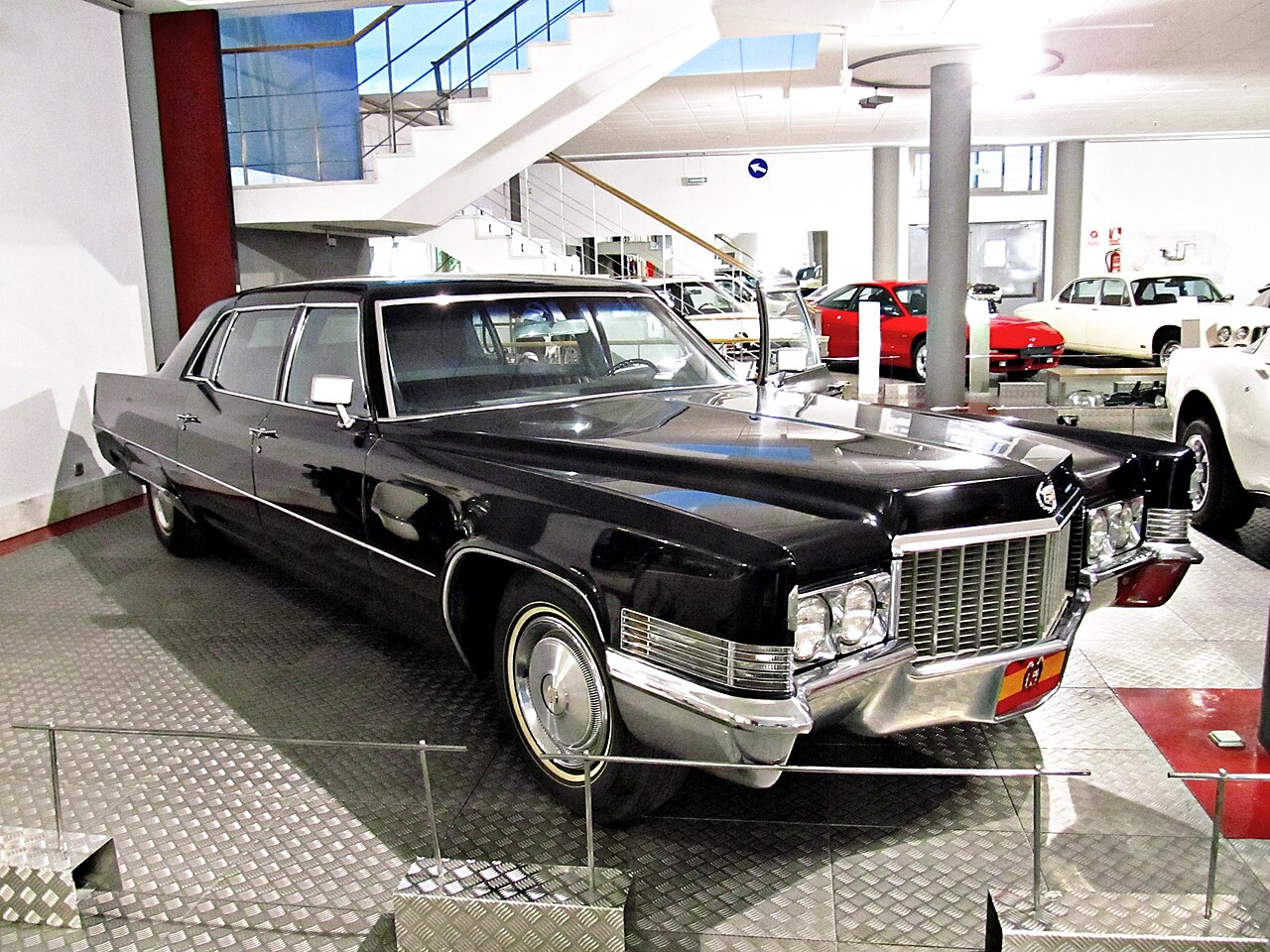
By 1968 the Series 75 limousine packed the biggest-displacement, highest-torque V8 of any American car — serious muscle hidden under acres of formal, chauffeur-driven sheet metal.
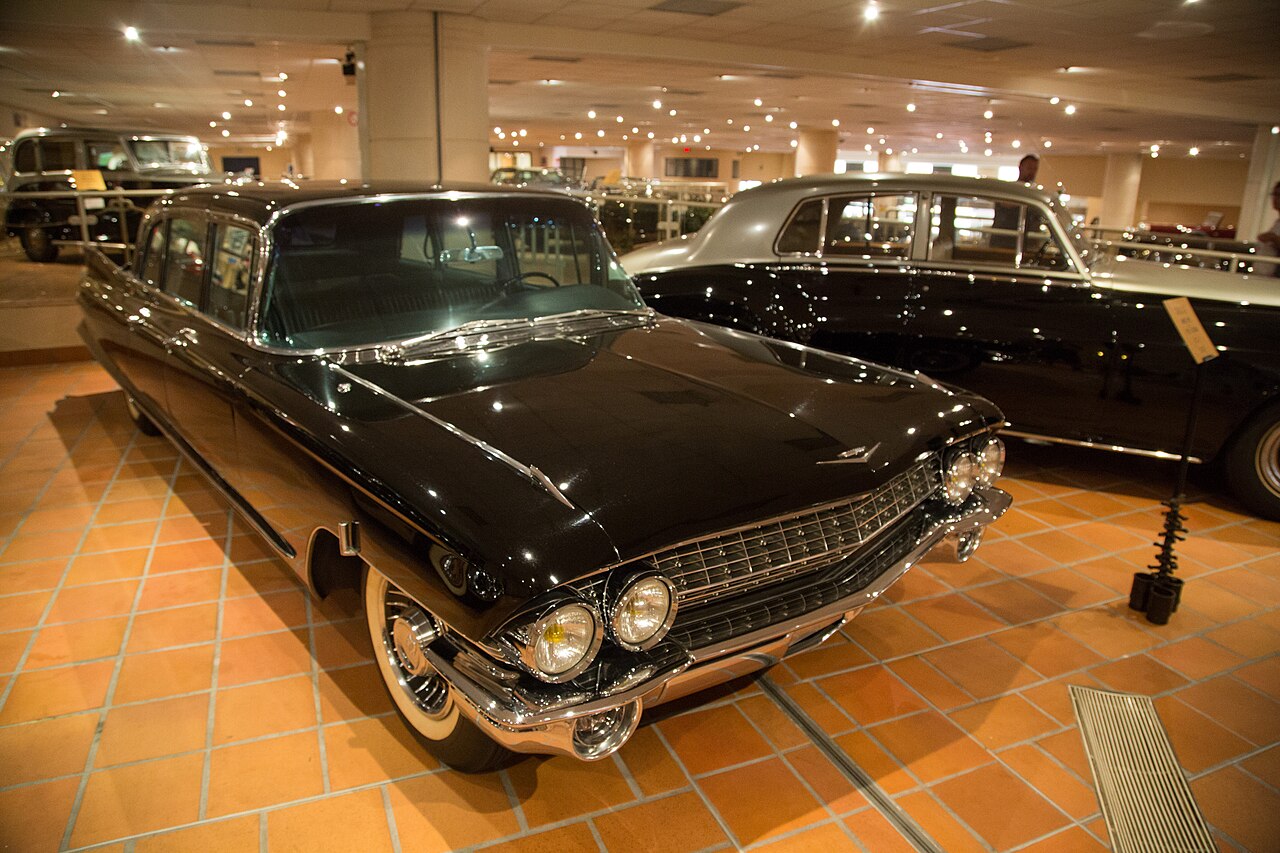
By the early 1960s every other Cadillac sedan had gone pillarless — except this stretched nine-passenger Seventy-Five, the one holdout still built with a proper door pillar.
The 1959 Cadillac Series Seventy-Five got a large tailfin and twin bullet taillamps, and its in-house code changed from 7500 to 6700 though the name stayed.
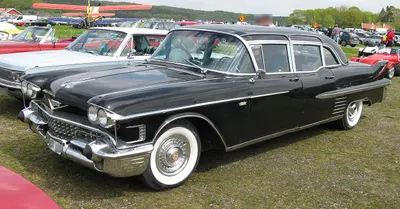
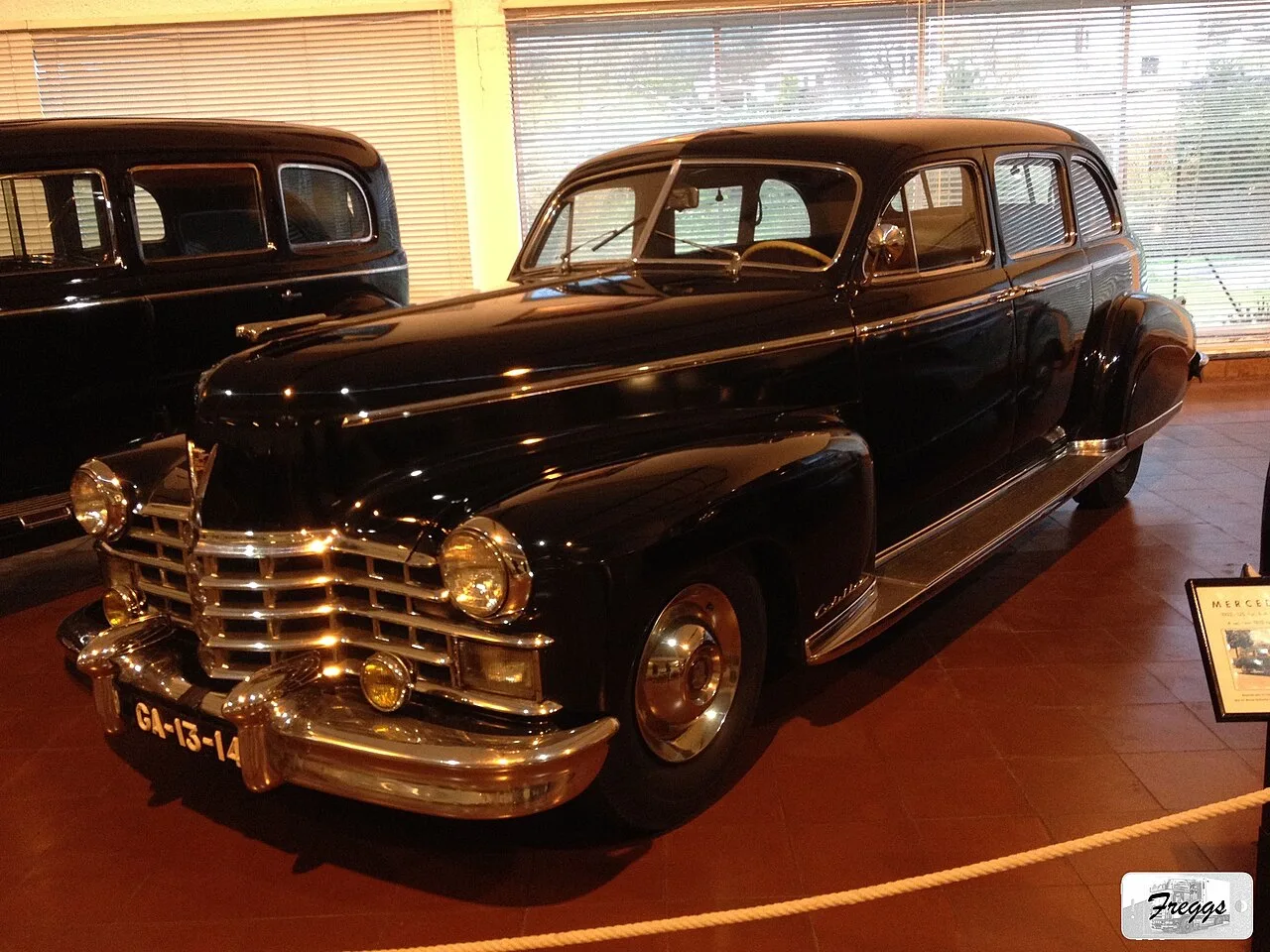
By 1957 the Series 75 was one of just three Cadillacs still wearing a genuine Fleetwood body — yet the Fleetwood name itself appeared nowhere on the outside of the car.
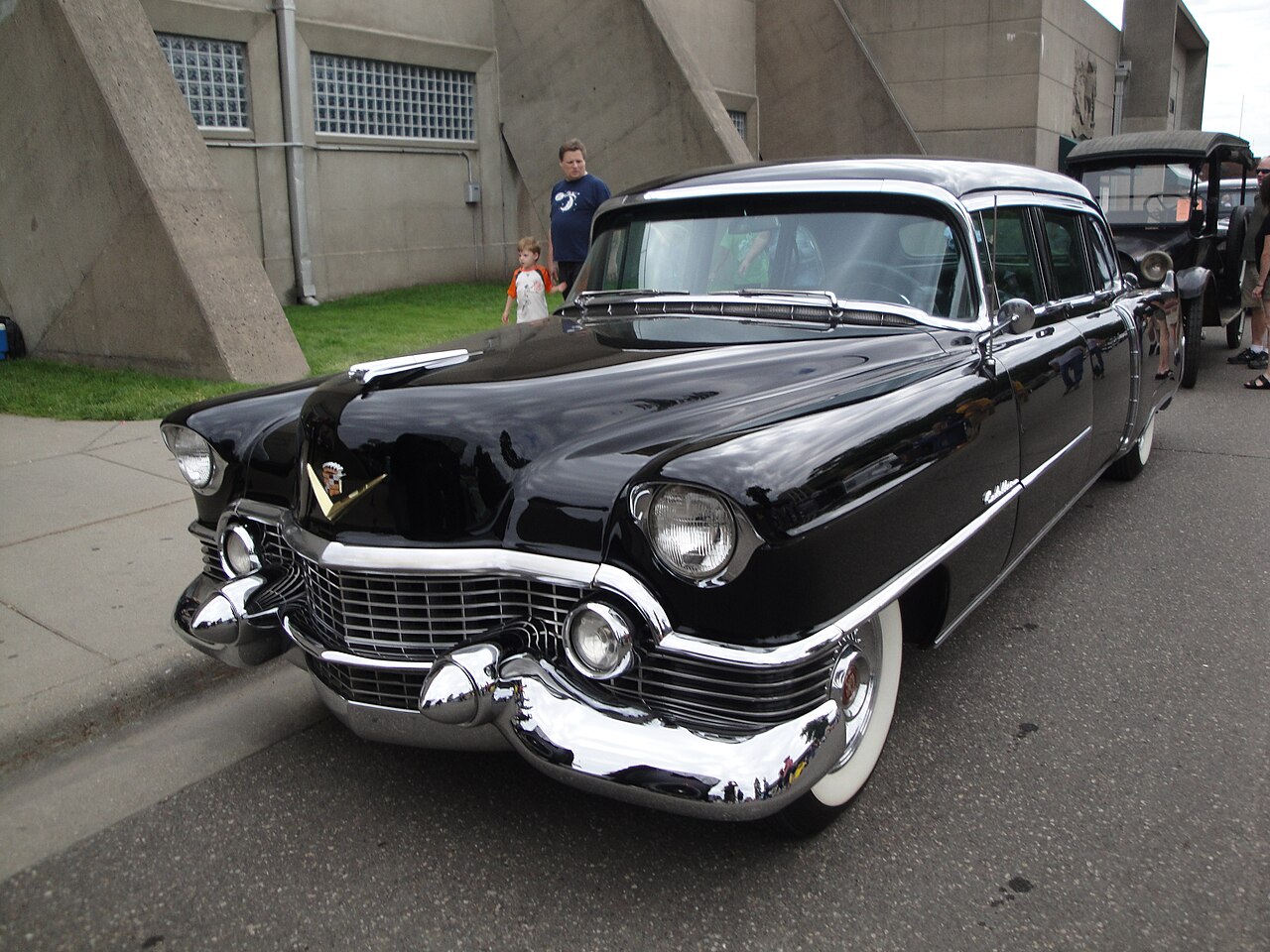
This Fleetwood's seven-passenger formal sedan carried heads of state - a 1955 example served as the Philippine President Ramon Magsaysay's official car.
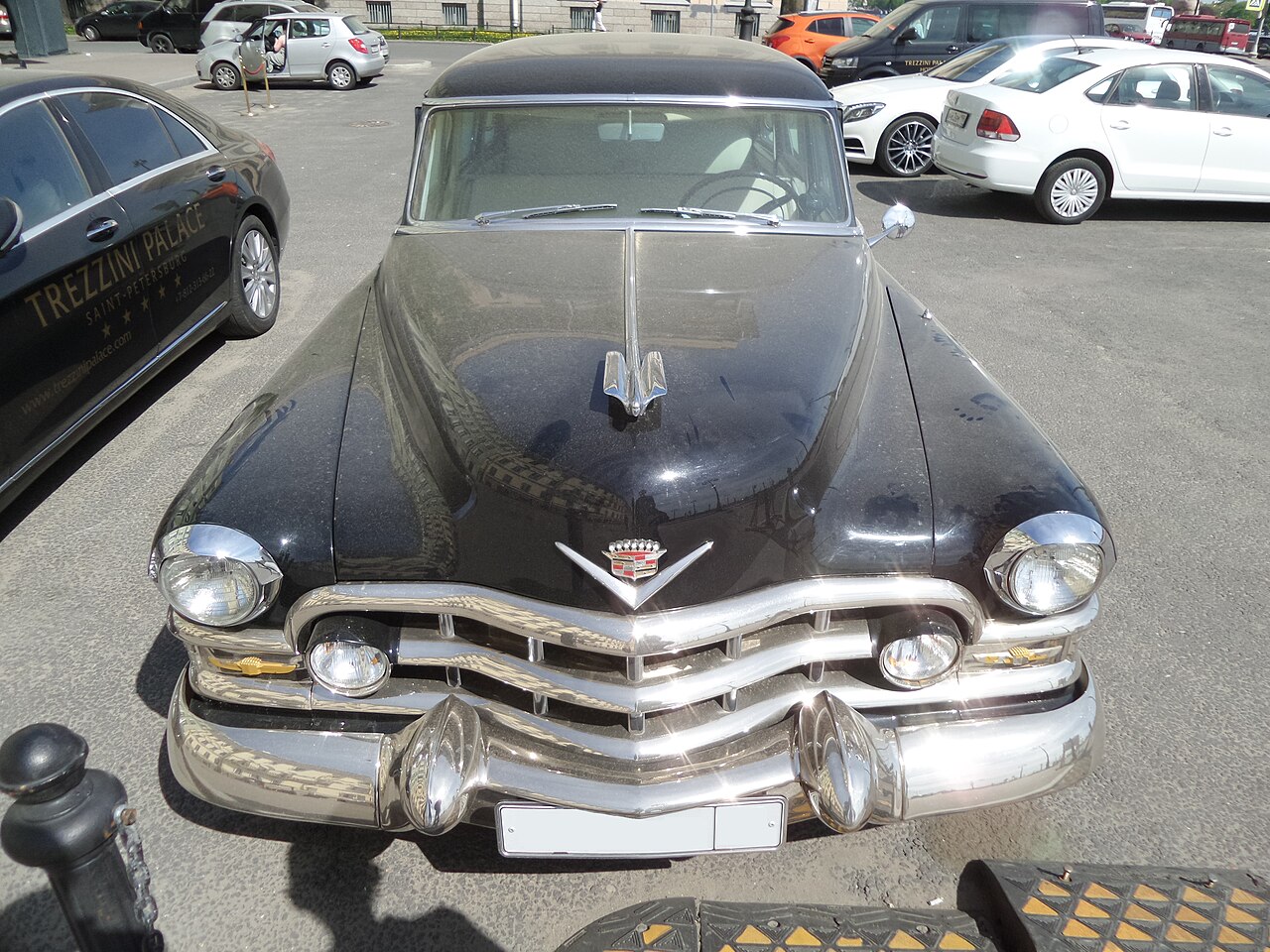
On the all-new 1950 Series 75, Cadillac made power windows standard but left the Hydramatic automatic transmission as an option — backwards from what you’d expect on an ultra-luxury limousine.
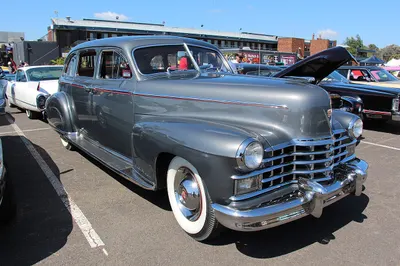
Of this pair, the plainer Fisher-bodied Series 67 was actually the longer car — stretching past its fancier, Fleetwood-bodied Series 75 stablemate.
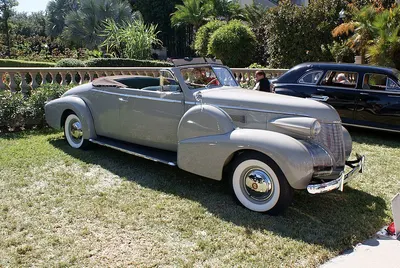
Every 1938 Cadillac shared the same 346 cubic-inch V8 except the Series 75: it got a higher compression ratio for 5 extra horsepower, which meant its owners had to buy pricier high-octane gas.
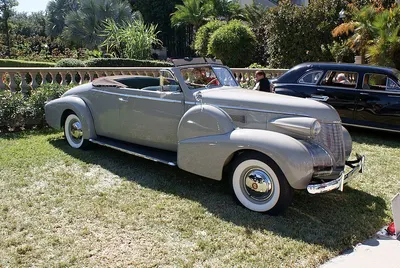
This Cadillac had everything going for it — a cheaper, more powerful new V8 and a handsome Fleetwood body — but the Great Depression crushed demand anyway: only 5,248 were sold in 1936.
Rivals
Same body, same money, other badges — tap any card to flip.
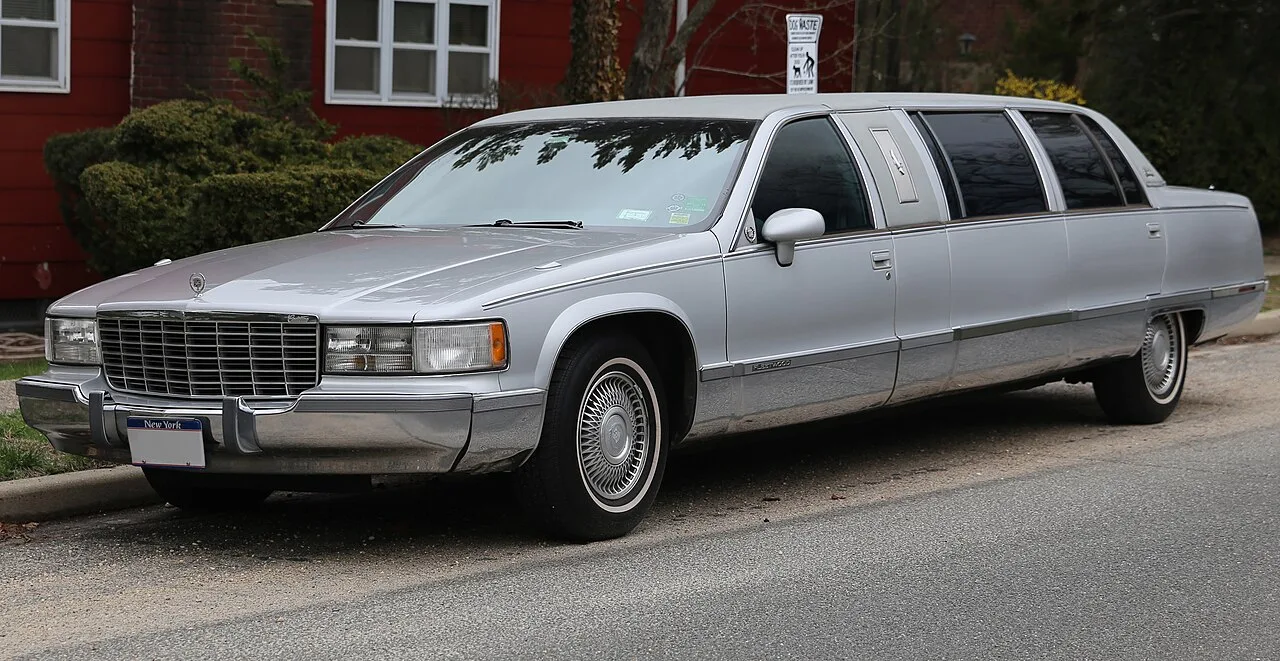
This era's Fleetwood limousine rode on a stretched 134.4-inch wheelbase — over eleven feet between the axles alone, on top of everything else making up the car.
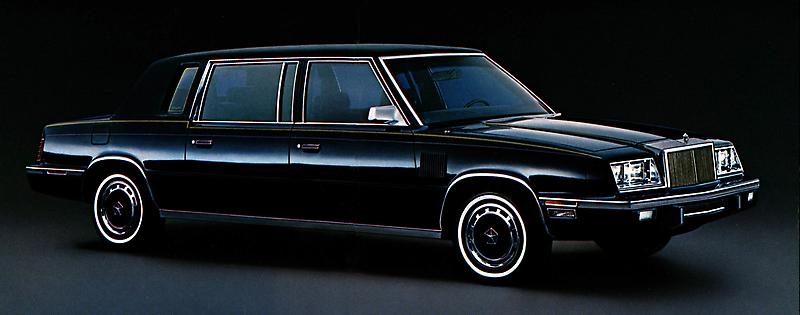
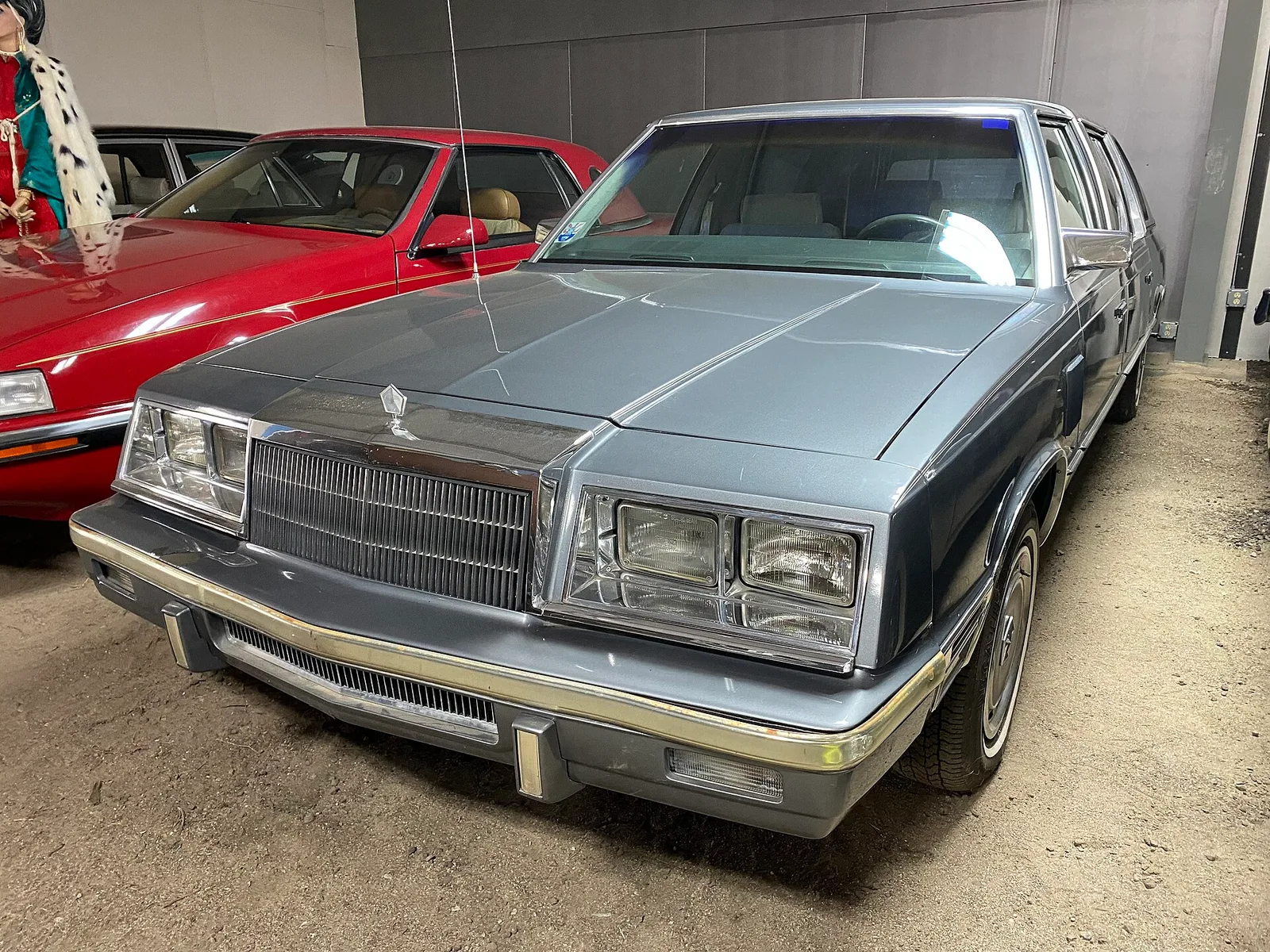
A front-wheel-drive limousine was almost unheard of in the mid-1980s — only this Executive and the Cadillac Series 75 offered the format at all.
Chrysler Limousine · Limousine (1986–1986) · 1986–1986.
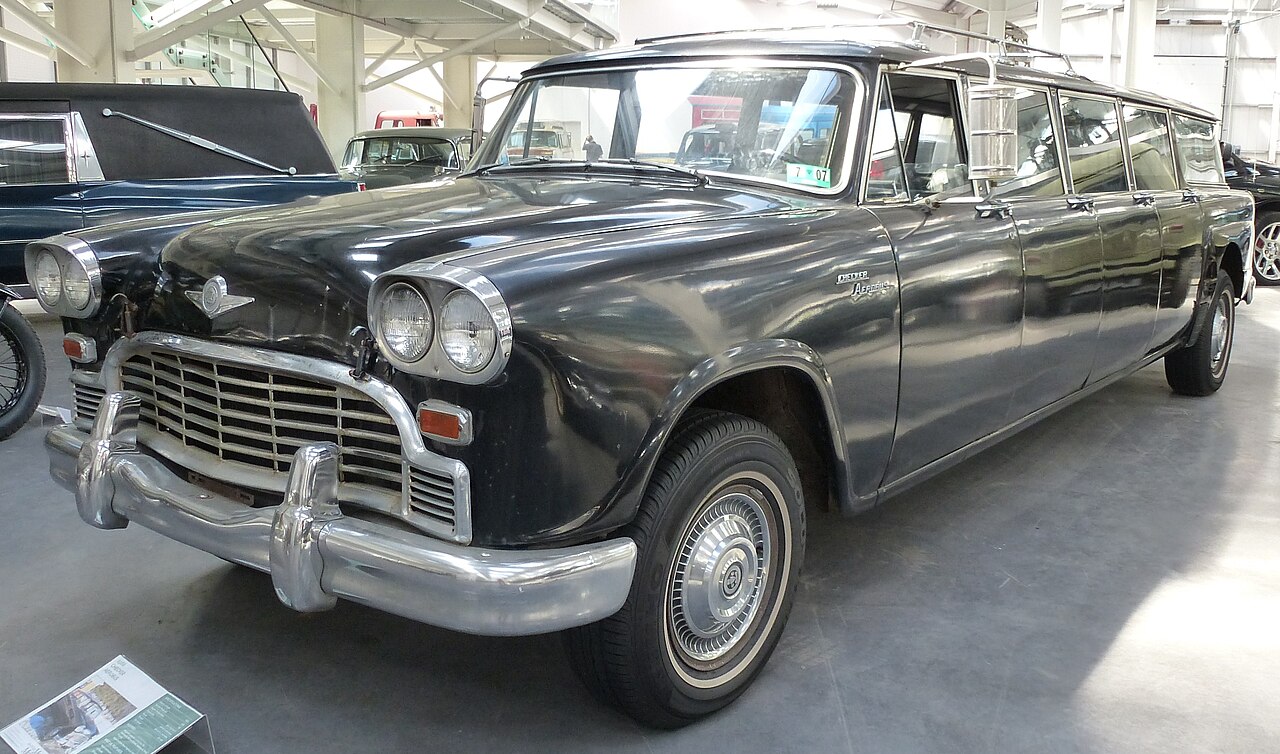
Checker even pitched a prisoner-transport version of this van, the Convoy, complete with a rear-facing guard seat — nobody ever bought one.
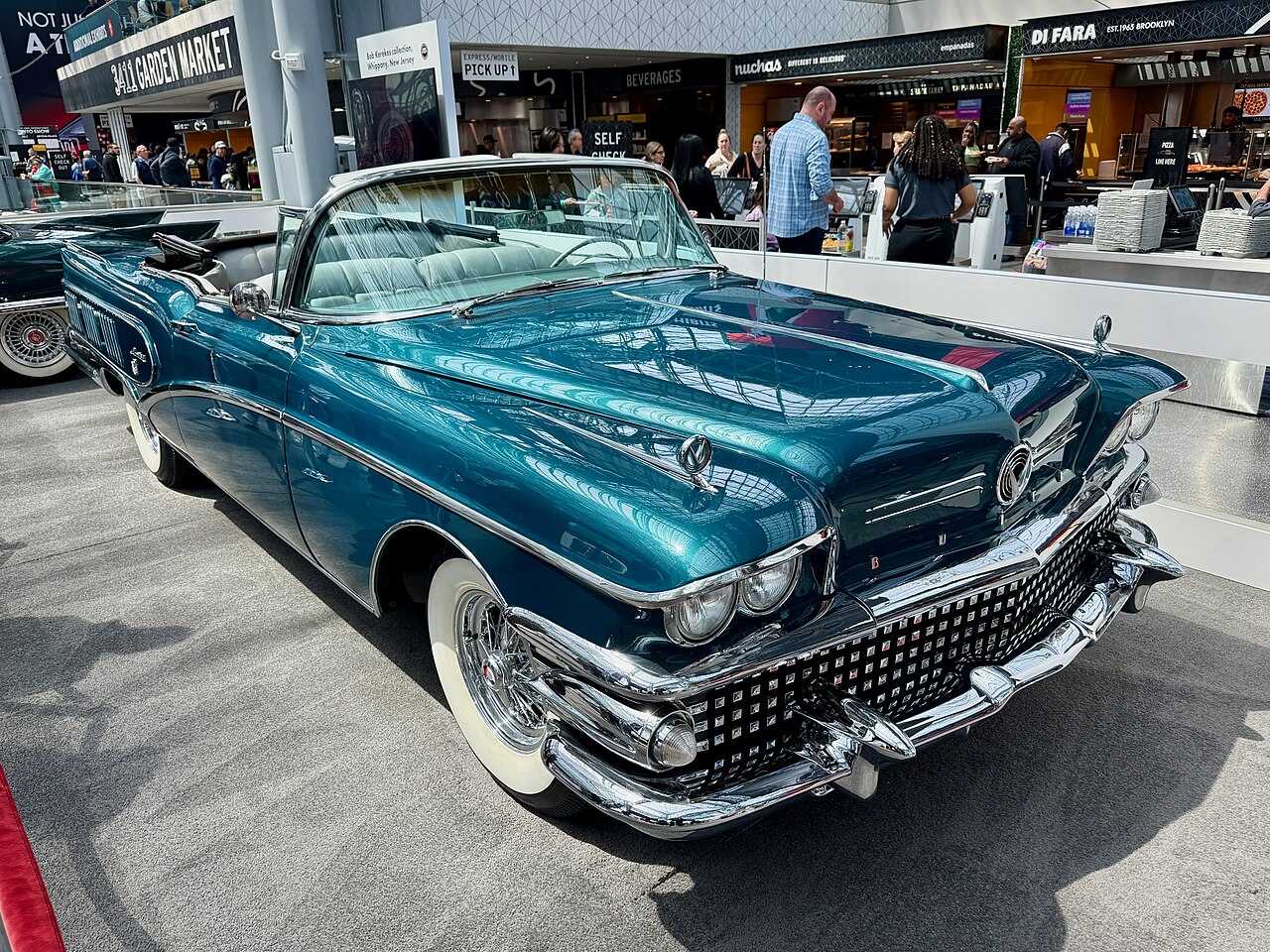
Buick actually undercut Cadillac on price for its 1958 flagship Limited — yet Cadillac still outsold it nearly two to one. Badge snobbery beat the sticker.
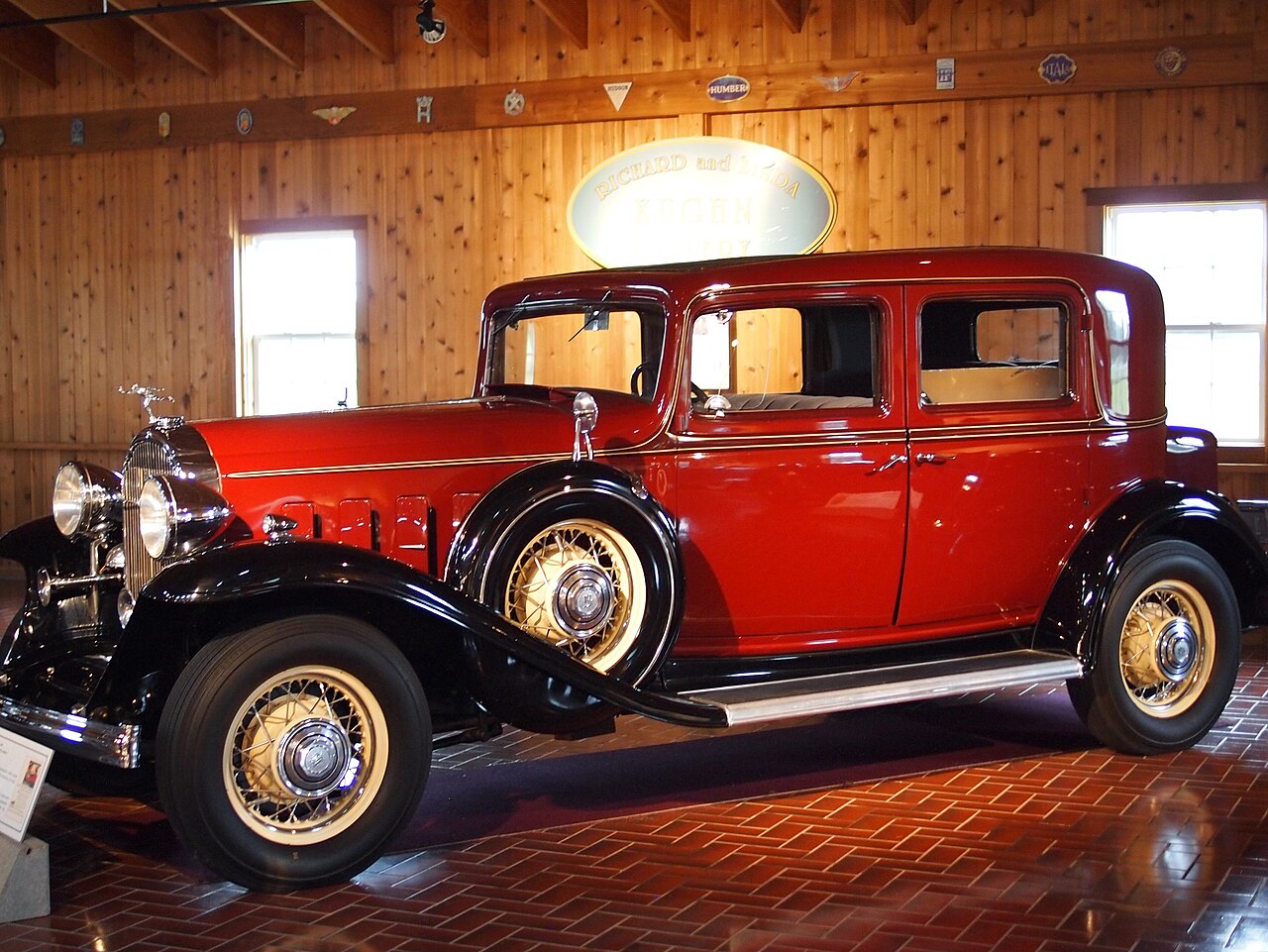
The Series 90 Limited's closed cars came dressed in mohair velvet, silk passenger-compartment shades, and wool carpet throughout — despite having no V8 to back up the luxury.
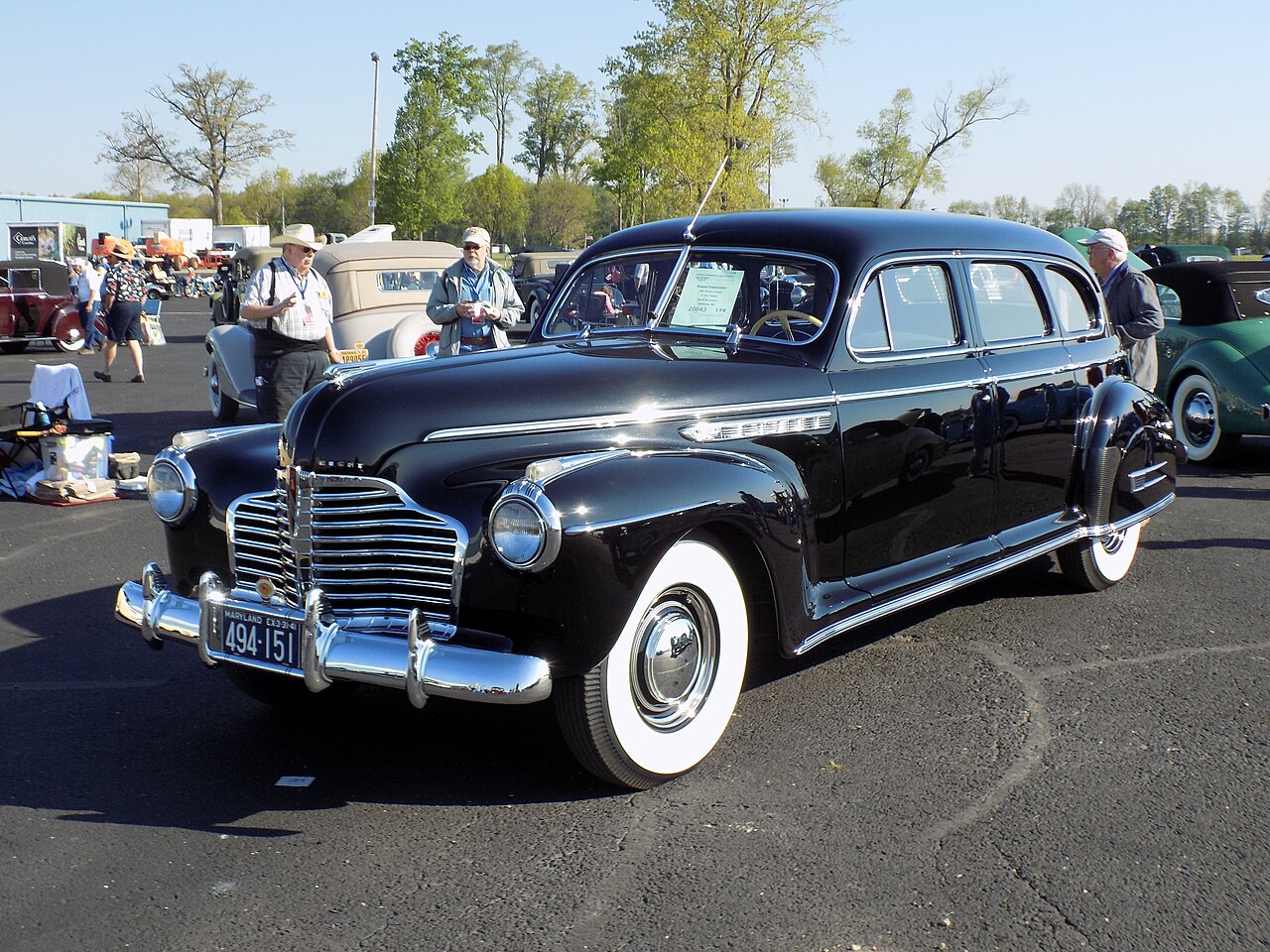
Cadillac executives quietly lobbied to kill this Buick Limited, worried it crept too close to their own turf — even though Buick was building barely 1,500 of them a year.
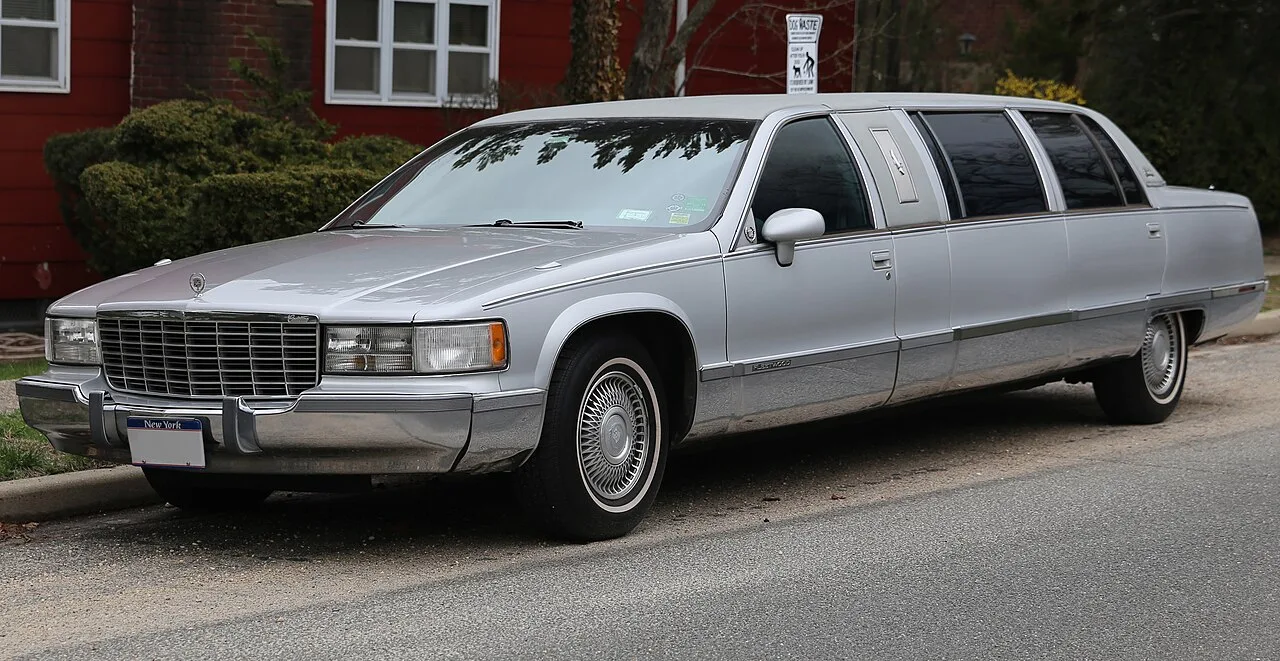
This stretched DeVille-based limousine came with dual solid-wood writing desks and an in-car VCR with a foldaway LCD TV — luxury so extreme only 781 were ever built.