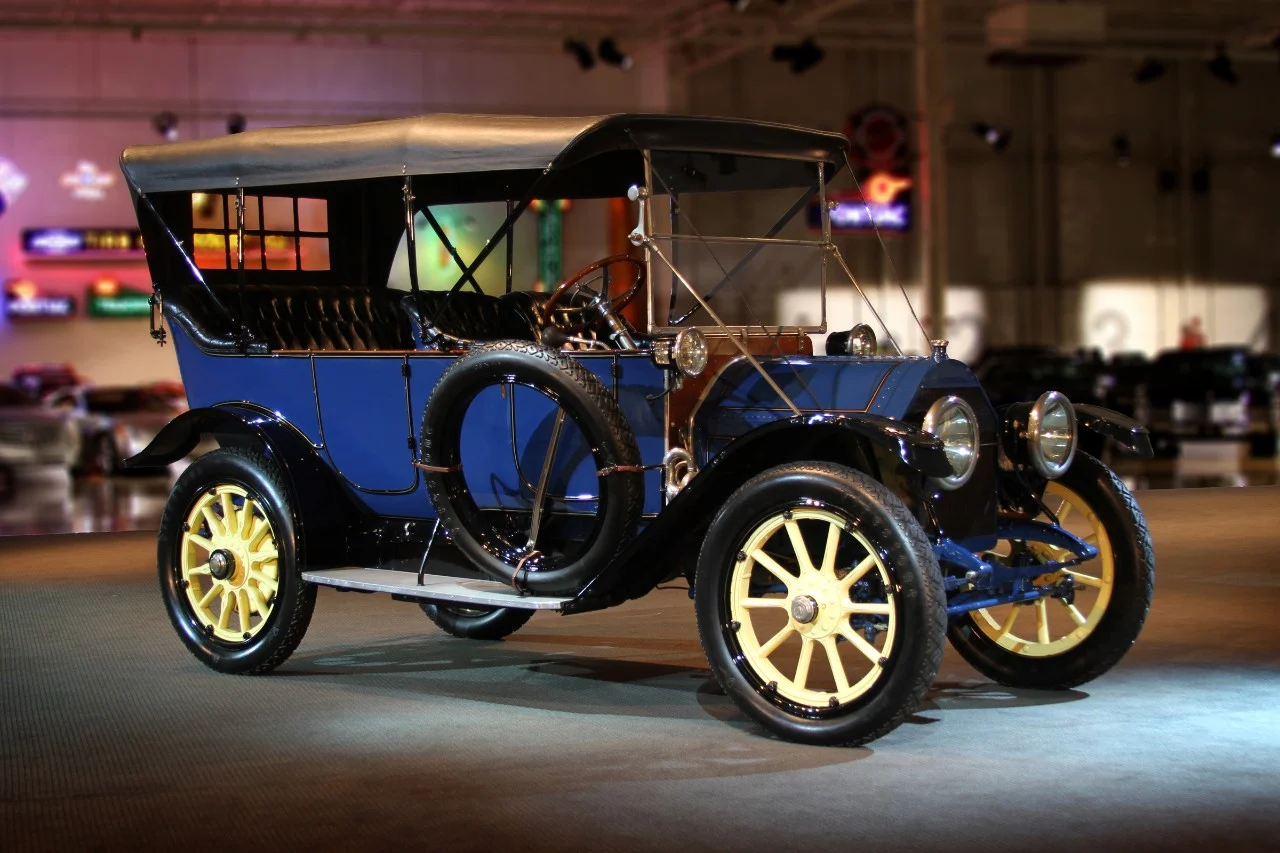
The 1910 Model Thirty made Cadillac history: the first time any American automaker offered a factory closed-body option.
Lead trim: Model 1913 / 1914 365.8 cu in four-cylinder
Cadillac Model Thirty1909–1914
- 0spots by members
- Unclaimednobody has spotted one yet
- 0sets it belongs to
Nobody in Burbles has spotted a Cadillac Model Thirty yet. See one on the street, point the app at it, and the first card is yours — with your @handle permanently credited on this page.
FactThe 1910 Model Thirty made Cadillac history: the first time any American automaker offered a factory closed-body option.
The Cadillac Model Thirty was an American automobile introduced in December 1909 by the Cadillac Division of General Motors and sold through 1911 as the company's only model for those years, based on the 1907 Model G (the 1912 Model 1912, 1913 Model 1913 and 1914 Model 1914 were similar but used larger engines); it was replaced in 1915 by the Cadillac Type 51, Cadillac's first V8. The 1910 model was available with a closed body, the first time a US automobile manufacturer had offered this, and the 1912 Model 30 was the first production car to have an electric starter rather than a hand crank, winning the Dewar Trophy for its electrical system. The platform used Cadillac's 226.2 cu in (3.7 L) L-head four-cylinder engine with the Model G's simple sliding-gear transmission; the engine was bored out to 255.4 cubic inches (4.2 L) for 1910, 286.3 cubic inches (4.7 L) for 1911 and 1912, and reworked with a longer stroke for 1913, giving 365.8 cubic inches (6.0 L), the same engine serving in 1914.
Collectors Spotted in the Cadillac Model Thirty Lineage
No member has published a public street spot of the Cadillac Model Thirty yet — the First · Worldwide stamp is wide open.
Trims & Figures
4 published trims in the catalogue. A blank is a figure not recorded, not zero.
| Trim | Years | Engine | Power | Torque | 0–60 | Drive | Gearbox | MSRP |
|---|---|---|---|---|---|---|---|---|
| Model 1913 / 1914 365.8 cu in four-cylinder | 1913–1914 | 6.0 L Inline-4 | — | — | — | — | — | — |
| Model Thirty 226.2 cu in four-cylinder (1909) | 1909–1909 | 3.7 L Inline-4 | — | — | — | — | — | — |
| Model Thirty 255.4 cu in four-cylinder (1910) | 1910–1910 | 4.2 L Inline-4 | — | — | — | — | — | — |
| Model Thirty 286.3 cu in four-cylinder (1911–1912) | 1911–1912 | 4.7 L Inline-4 | — | — | — | — | — | — |
Owning one
We don’t estimate running costs for a car like this. What it costs depends on its condition, its specialist and how it is driven, and an average would mislead.
Owners’ builds
Nobody has claimed one yet.
Photographs
Rivals
Same body, same money, other badges — tap any card to flip.
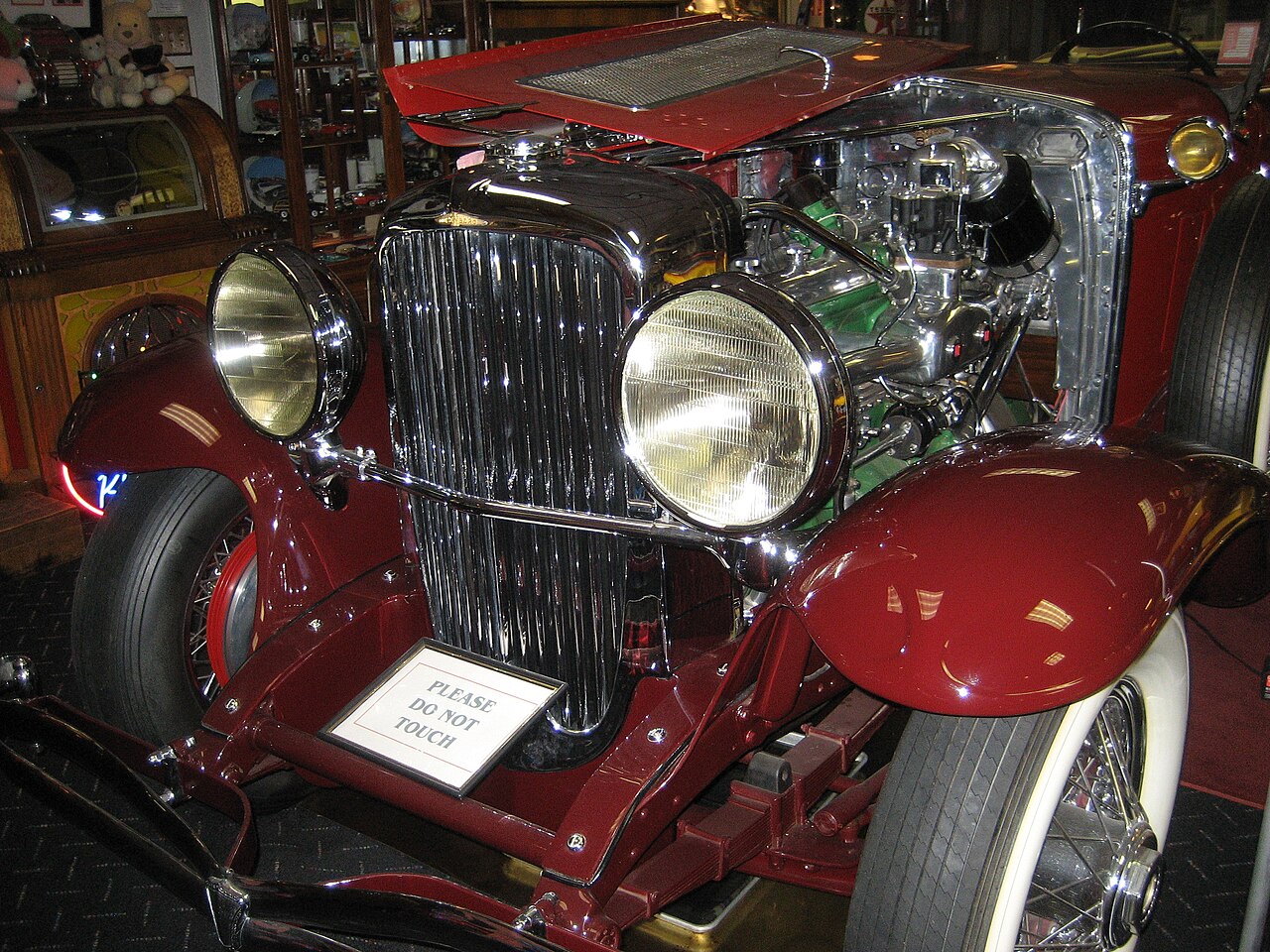
Fred Duesenberg, the engineer behind the Model J, died of pneumonia from injuries suffered crashing one of his own cars — a Murphy-bodied SJ convertible.
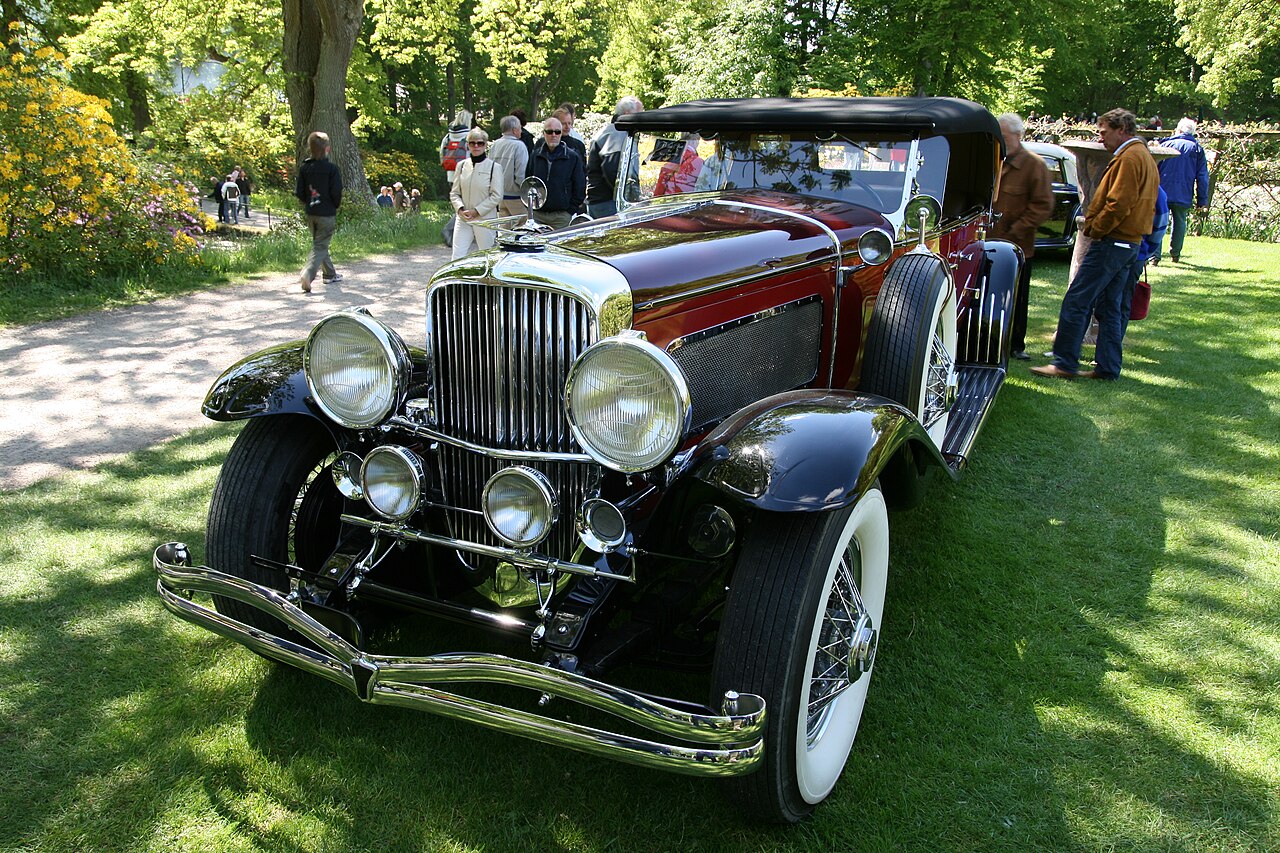
Duesenberg's slogan for the supercharged SJ was that the only car that could pass one was another Duesenberg - and only with the first owner's consent.
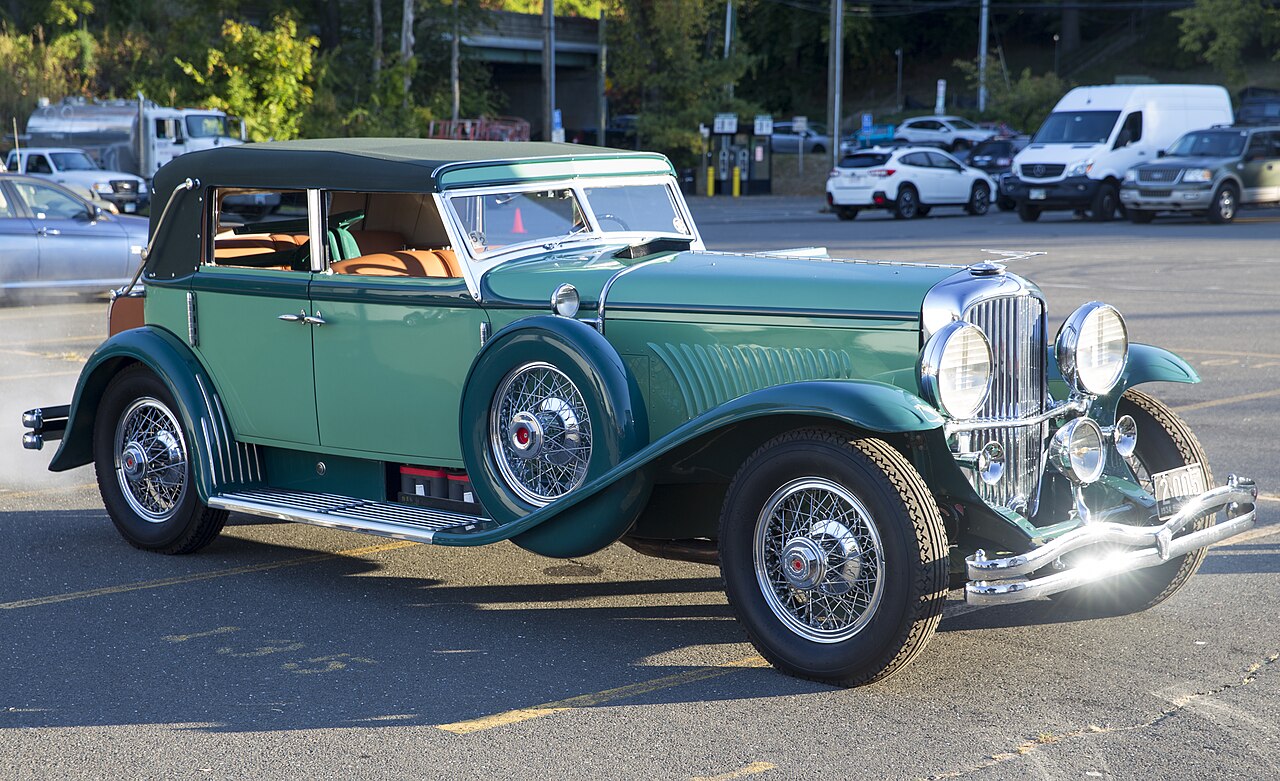
Only two SSJs were built — one for Gary Cooper, one lent to Clark Gable — and the two movie stars used to race each other through the Hollywood Hills in them.
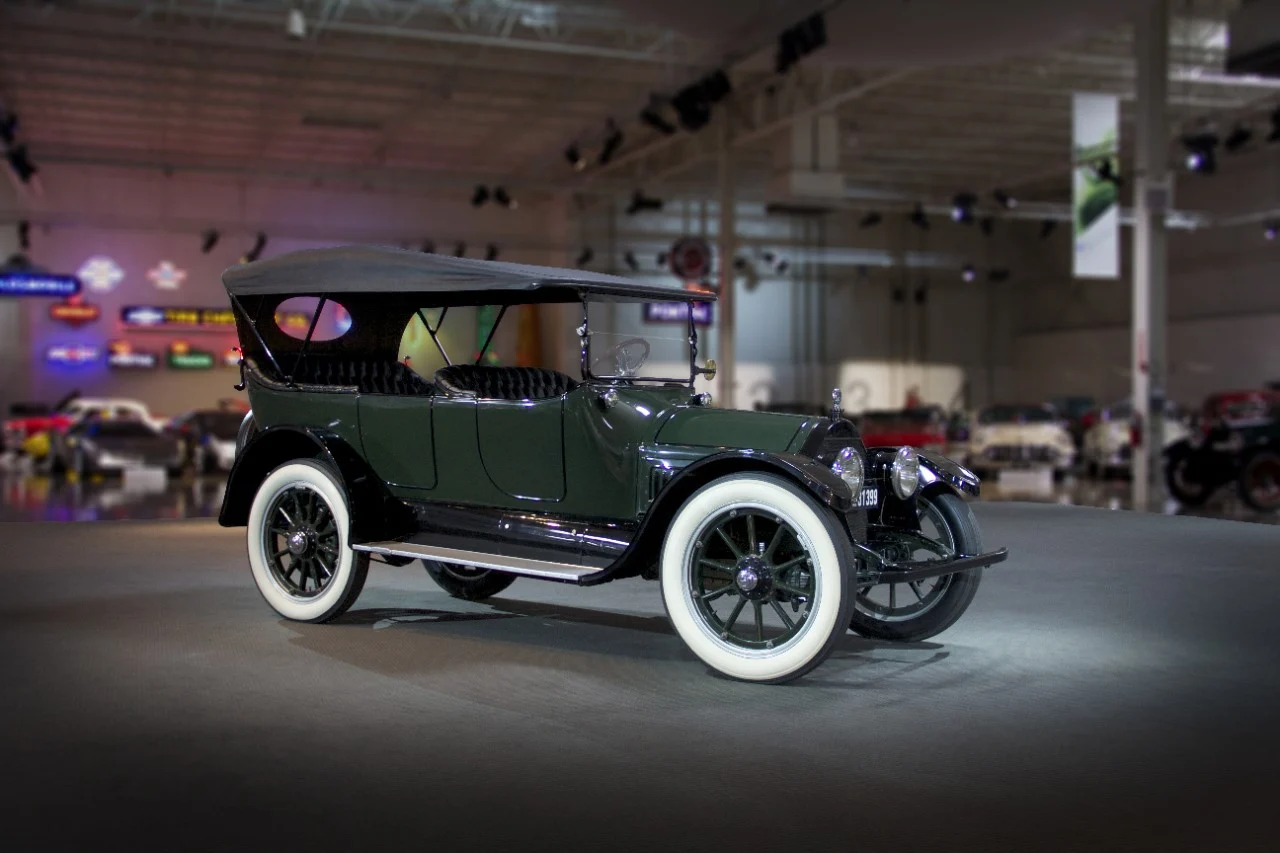
The 1916 Type 53 quietly invented the modern car's cockpit: center-mounted gear lever and handbrake, key-start ignition, and the clutch-brake-throttle pedal order every car still uses today.
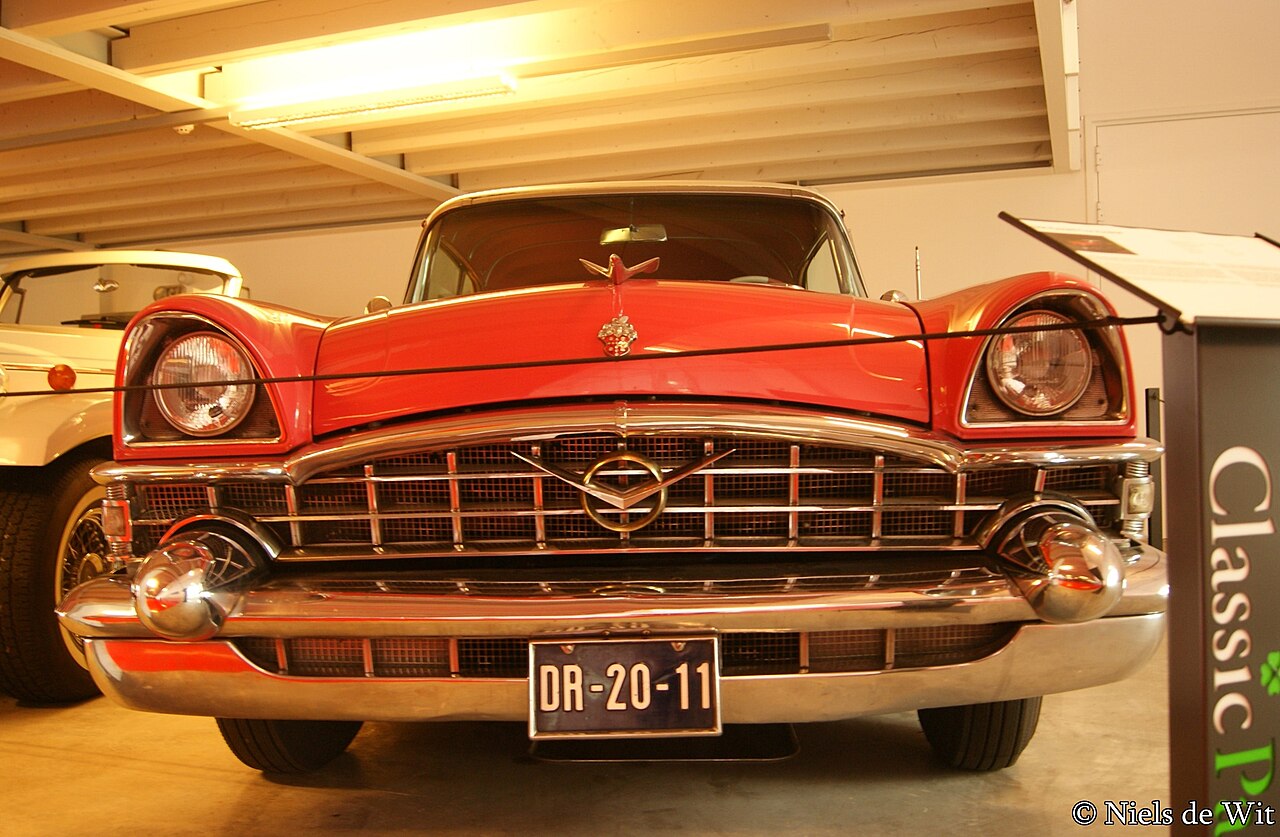
Packard's first four-cylinder car, the 1903 Model K, was so exclusive that only 34 were built — at $7,300 apiece, it's still the most expensive Packard the company ever made.
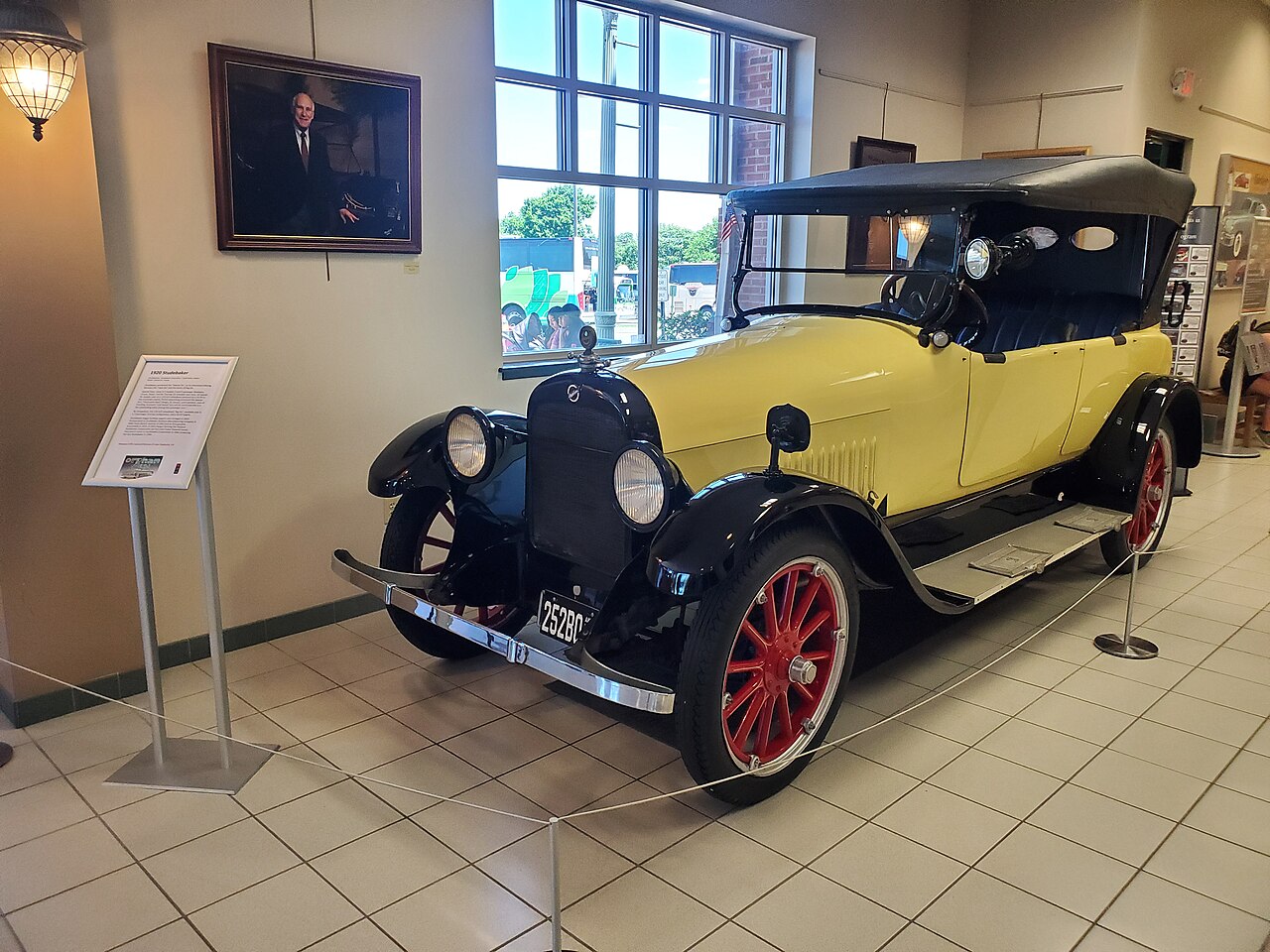
Studebaker charged extra for four-wheel hydraulic brakes on the 1926 Special Six, leaving disc wheels and stopping power both as options.
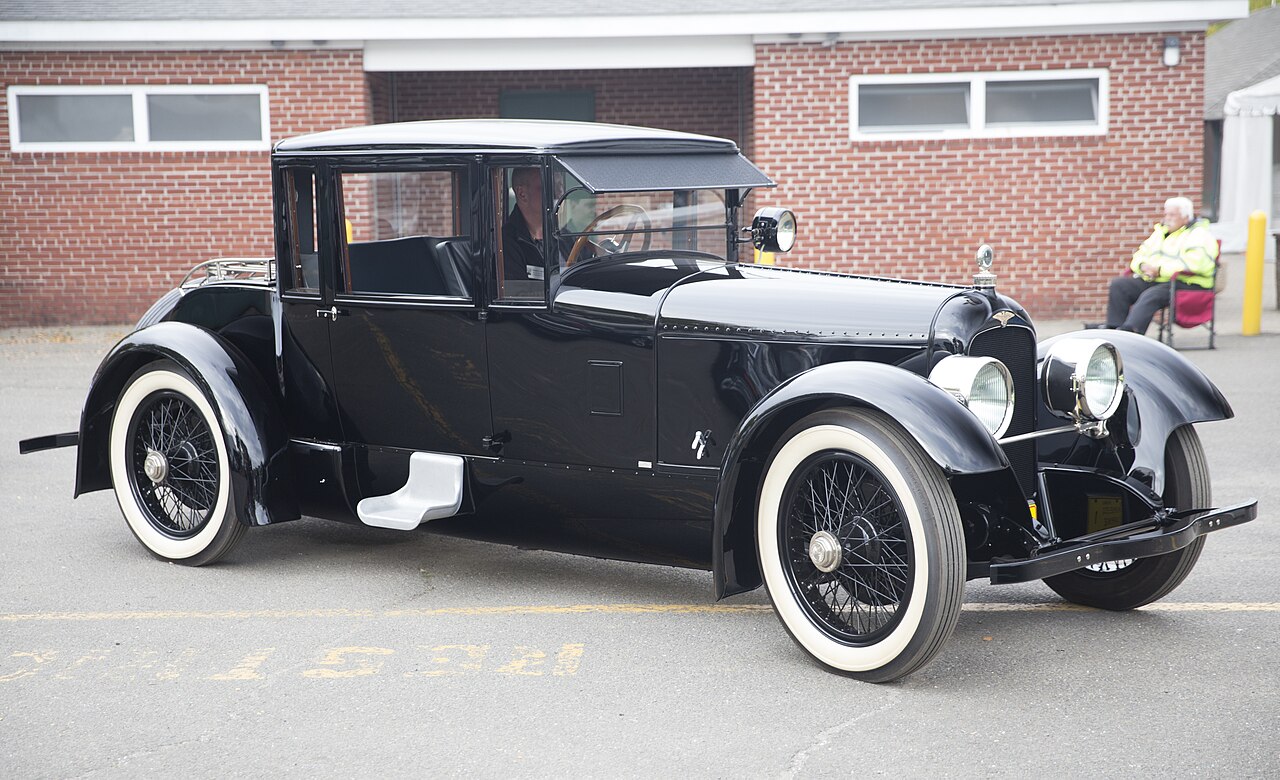
This Duesenberg beat every other production car to the punch: it was the first to put hydraulic brakes on all four wheels, years before the rest of the industry caught up.
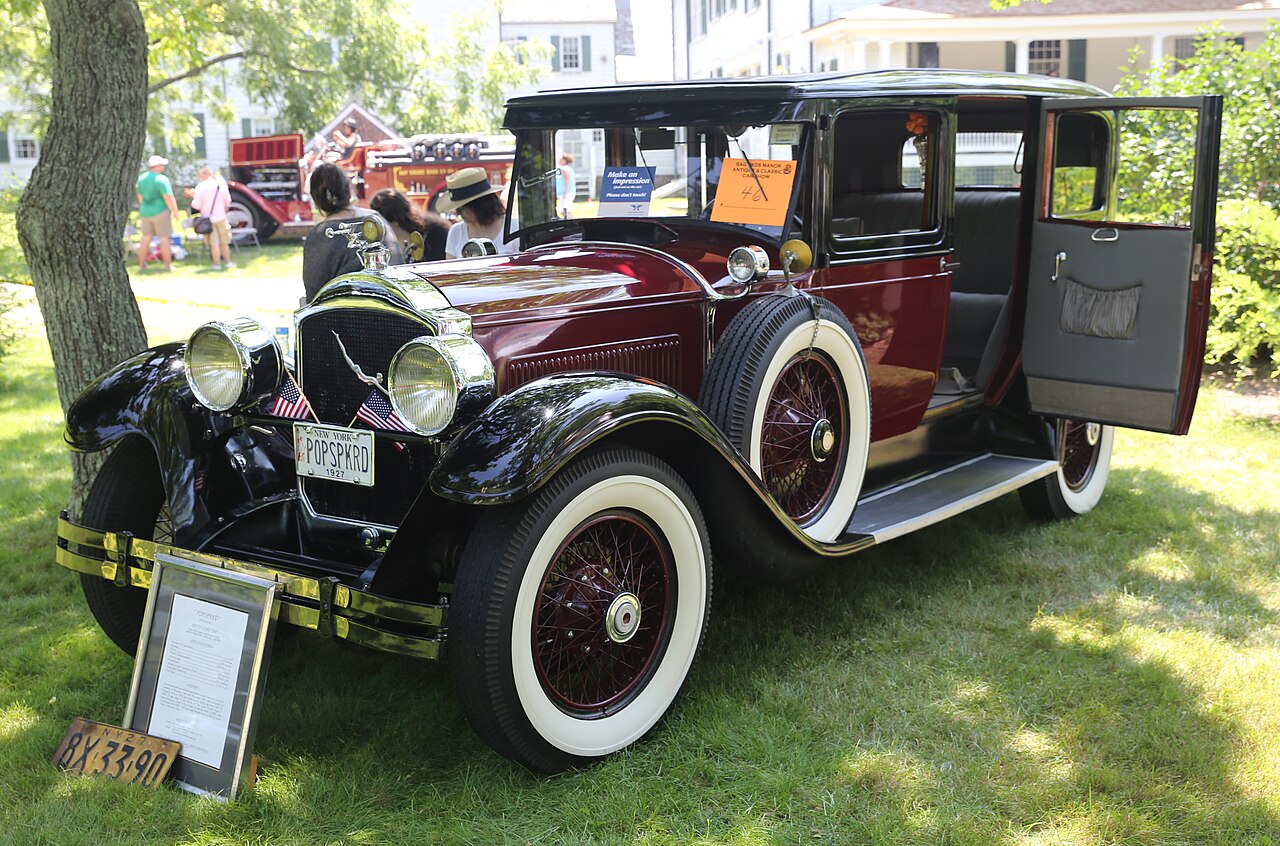
Once Packard's new straight-eight arrived in 1924, the once-flagship Six got bumped down market — repositioned to compete with the Buick Master Six and, later, the Chrysler Six.